Domaine Michel Gros

The domaine represents a distinct branch of the Gros family story, producing wines that track the village's characteristic tension between terroir expression and generational restraint.
Pearl is the En Primeur Club membership app — saves, bookings, and concierge access live there. Same editors, same standards.
- Address
- 7 Rue des Communes, 21700 Vosne-Romanée
- Phone
- +33 3 80 61 04 69
- Website
- domaine-michel-gros.com
- Directions
- Get directions
 Saves & bookings on Pearl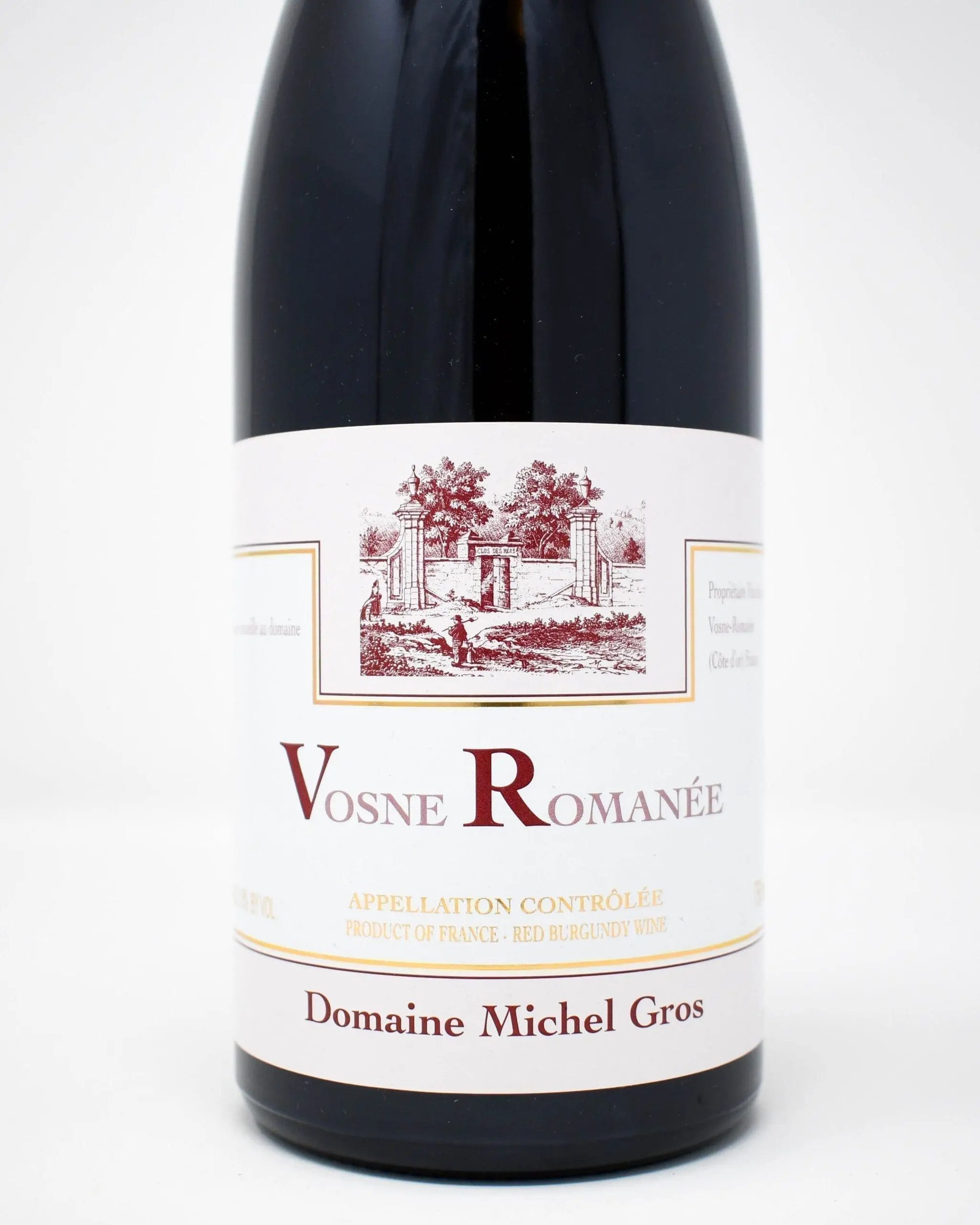
Where Vosne-Romanée's Quiet Streets Carry greater Weight
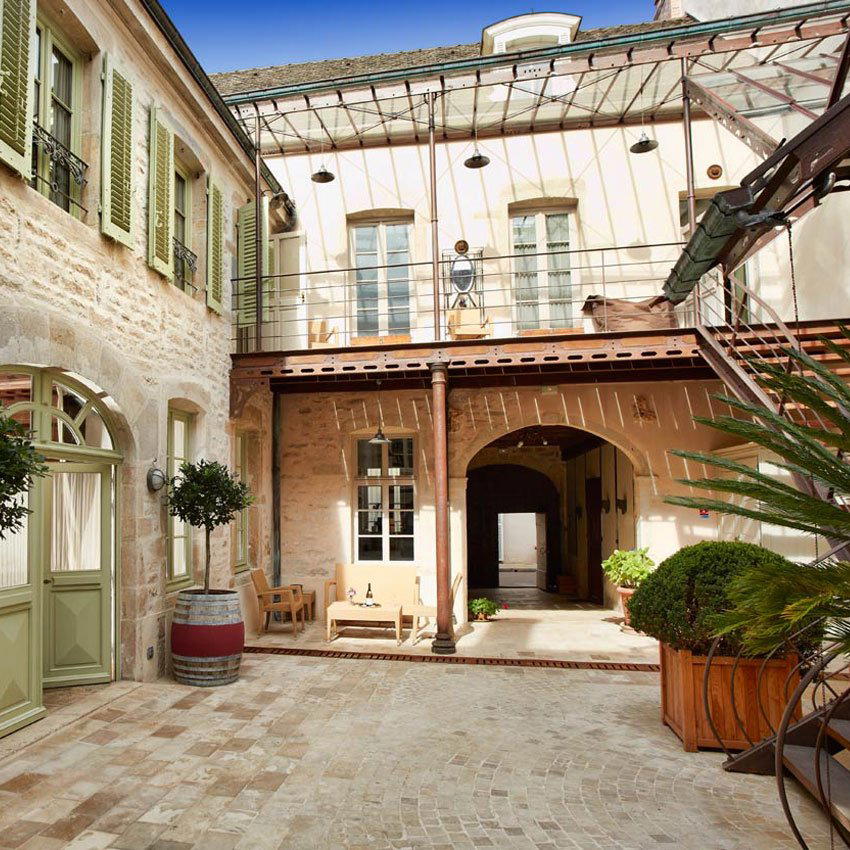
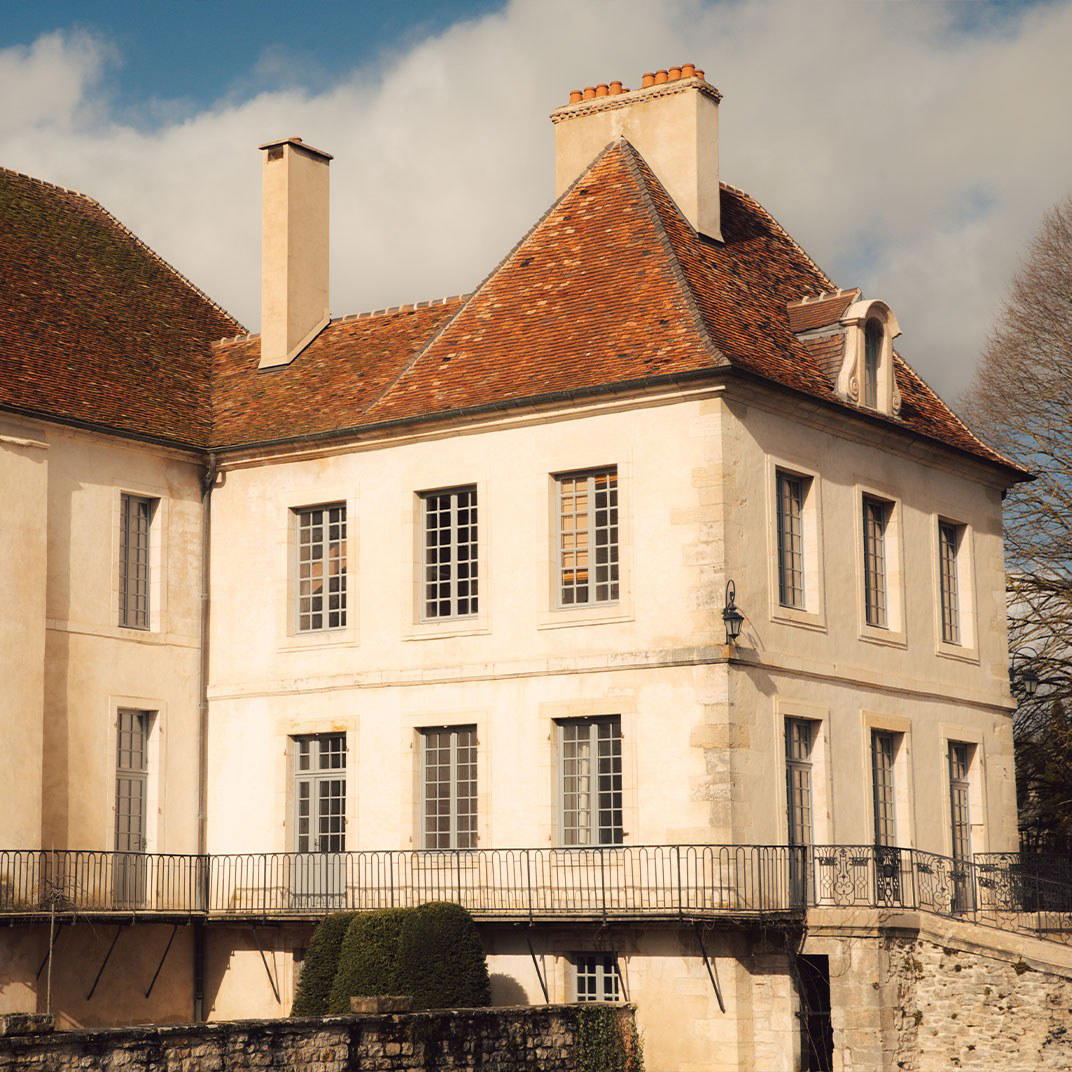
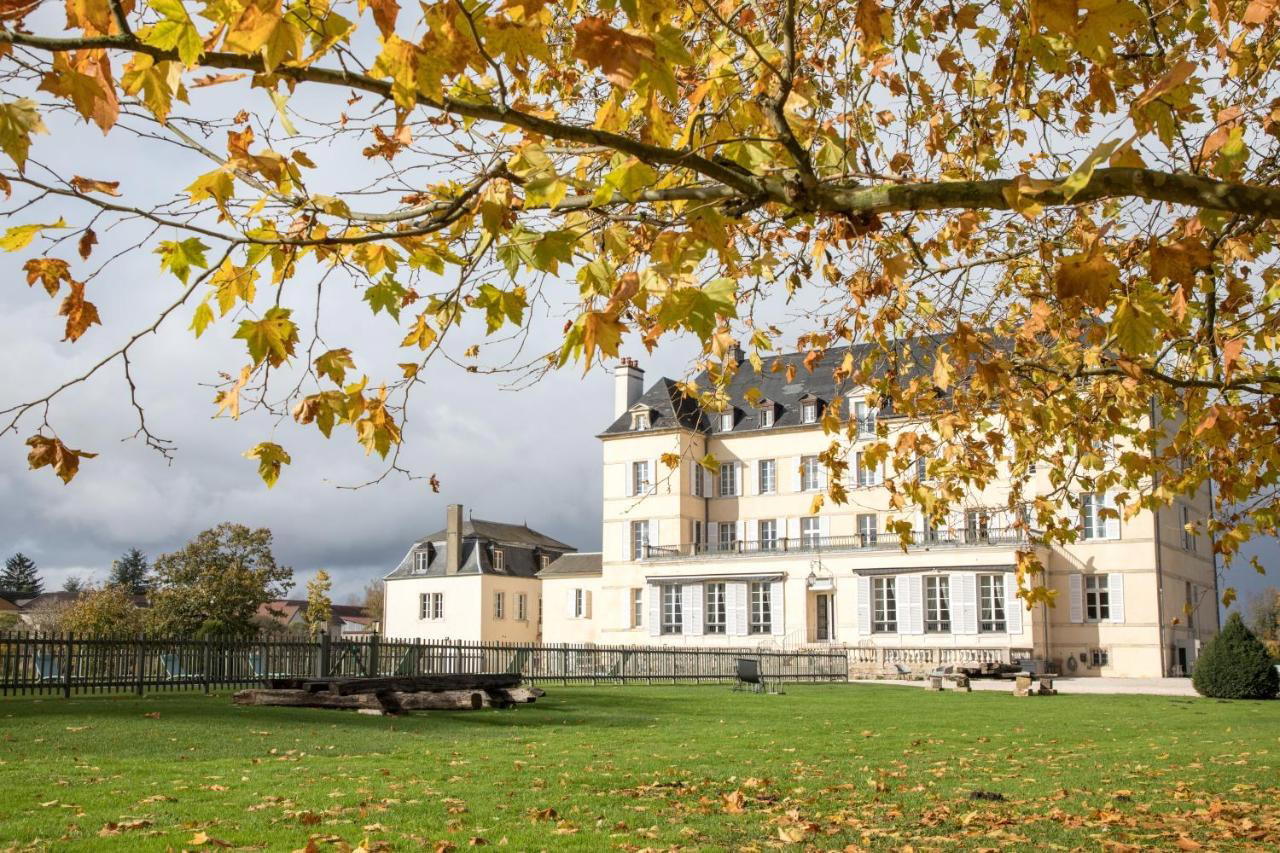
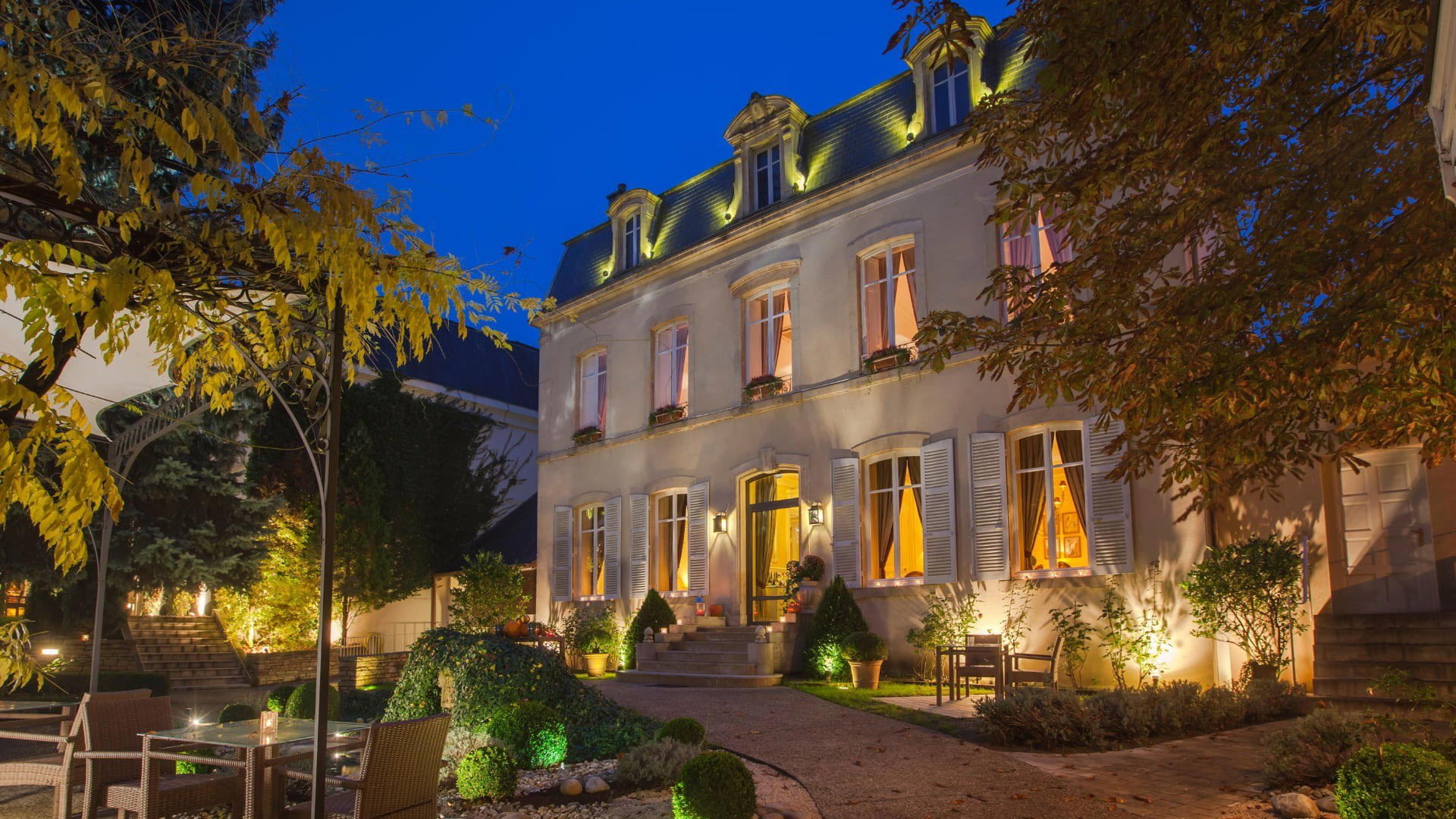
Arriving at 7 Rue des Communes in Vosne-Romanée, there is little to announce what you are about to encounter. The village has no tourist infrastructure to speak of, no restaurant quarter, no wine bar signage. What it has are stone walls, discreet gates, and the knowledge, carried by every serious Burgundy collector who makes the pilgrimage, that the parcels behind those walls are among the more argued-over in France. Domaine Michel Gros sits within this geography, where the address alone signals membership in a peer group that includes Domaine Jean Grivot, Domaine Rene Engel, and Domaine Bizot, each occupying their own position on the spectrum between classical Burgundy production and the contemporary restraint movement.
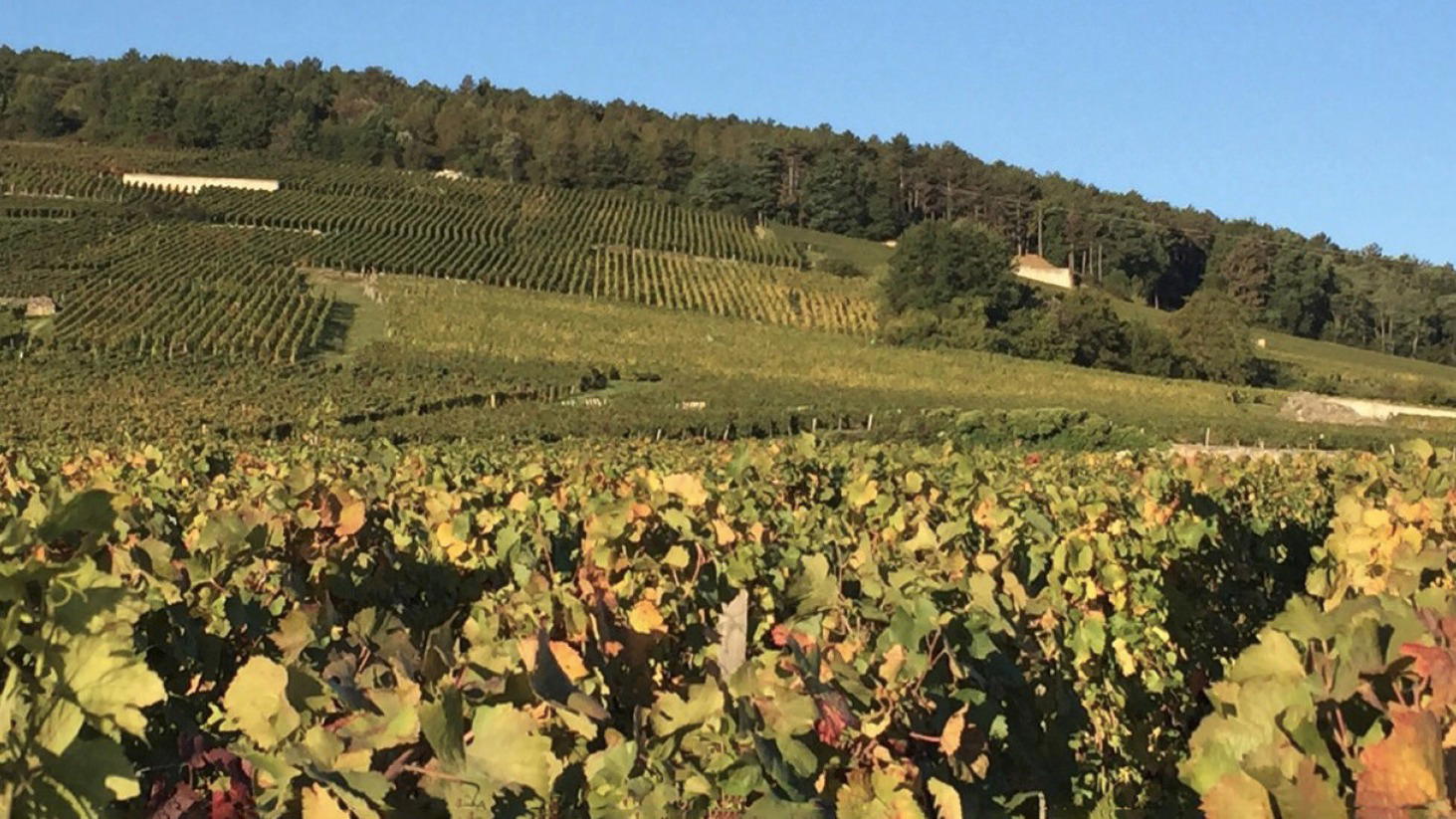
Vosne-Romanée itself is the reference point against which most Côte de Nuits Pinot Noir is measured. The village produces no appellation wine classified below village level that reaches serious critical attention, and at the upper end its grand crus, Romanée-Conti, La Tâche, Richebourg, Romanée-Saint-Vivant, Grands Échézeaux, Échézeaux, form a canon studied in every serious sommelier program globally. Domaine Michel Gros is a winery in Vosne-Romanée at 7 Rue des Communes, 21700 Vosne-Romanée.
The Architecture of a Burgundy Portfolio
Understanding any serious Burgundy domaine requires reading its wine list as a document, not a menu. The hierarchy of Burgundy appellations, village, premier cru, grand cru, is not merely a marketing ladder. It reflects genuine differences in soil composition, drainage, aspect, and historical pricing that have been tested across centuries of harvest records. A domaine's portfolio architecture, meaning which appellations it holds and how many parcels at each level, tells you immediately where it sits in the regional conversation.
The Gros family holdings in Vosne-Romanée represent one of Burgundy's more discussed cases of how a single family's estate can subdivide across generations without losing critical mass at any one branch. Michel Gros controls parcels that span the appellation hierarchy, with a presence in Vosne-Romanée village, premier cru designations, and parcels in Clos Vougeot grand cru, the latter being the large, internally varied grand cru that requires producer-level knowledge to assess, since terroir quality varies considerably depending on which section of the 50-hectare enclosure a producer draws from. This is the kind of structural detail that separates a literate Burgundy buyer from one shopping by appellation name alone.
The domaine's range also extends north into Nuits-Saint-Georges and Chambolle-Musigny territory, which is characteristic of established Côte de Nuits producers who have accumulated or inherited parcels across commune boundaries over decades. Each of these appellations brings a distinct register: Nuits-Saint-Georges tends toward more tannic, earth-driven expression; Chambolle-Musigny runs lighter and more floral; Vosne-Romanée sits between them with a silkiness and red-fruit depth that the village's clayey limestone soils seem uniquely suited to produce. Reading a domaine's range across these communes gives experienced buyers a sense of where the house style pulls hardest, and where it defers to terroir.
Prestige Tier, Competitive Set
Within Vosne-Romanée, the prestige-tier producers form a relatively small group. Domaine Cécile Tremblay and Domaine d'Eugénie each occupy adjacent positions in the critical conversation, operating with different scale and ownership structures but drawing from the same broadly shared terroir vocabulary. At the upper end of the village hierarchy sits Domaine de la Romanée-Conti, which functions in a category so rarefied that it warps price expectations for everything near it, bottles from DRC are priced as financial instruments as much as agricultural products, while the properties around it are priced against actual drinking demand and collector competition.
This is the bracket where allocation access rather than open retail availability governs how wine reaches buyers, and where relationships with importers and négociants determine actual purchasing opportunities more than any price list.
Visiting Vosne-Romanée and the Surrounding Circuit
For visitors making the journey to Vosne-Romanée, the village functions as a hub for a broader tasting circuit rather than a standalone destination. Beaune, roughly 15 kilometers south, provides one practical base for accommodation, restaurants, and the négociant houses that offer a different angle on Burgundy's wine economy. The Route des Grands Crus runs through Vosne-Romanée directly, connecting it northward to Nuits-Saint-Georges and southward toward Chambolle-Musigny, Morey-Saint-Denis, and Gevrey-Chambertin. A coherent day covers three to four domaine appointments made weeks in advance, the Côte de Nuits does not reward spontaneous visits.
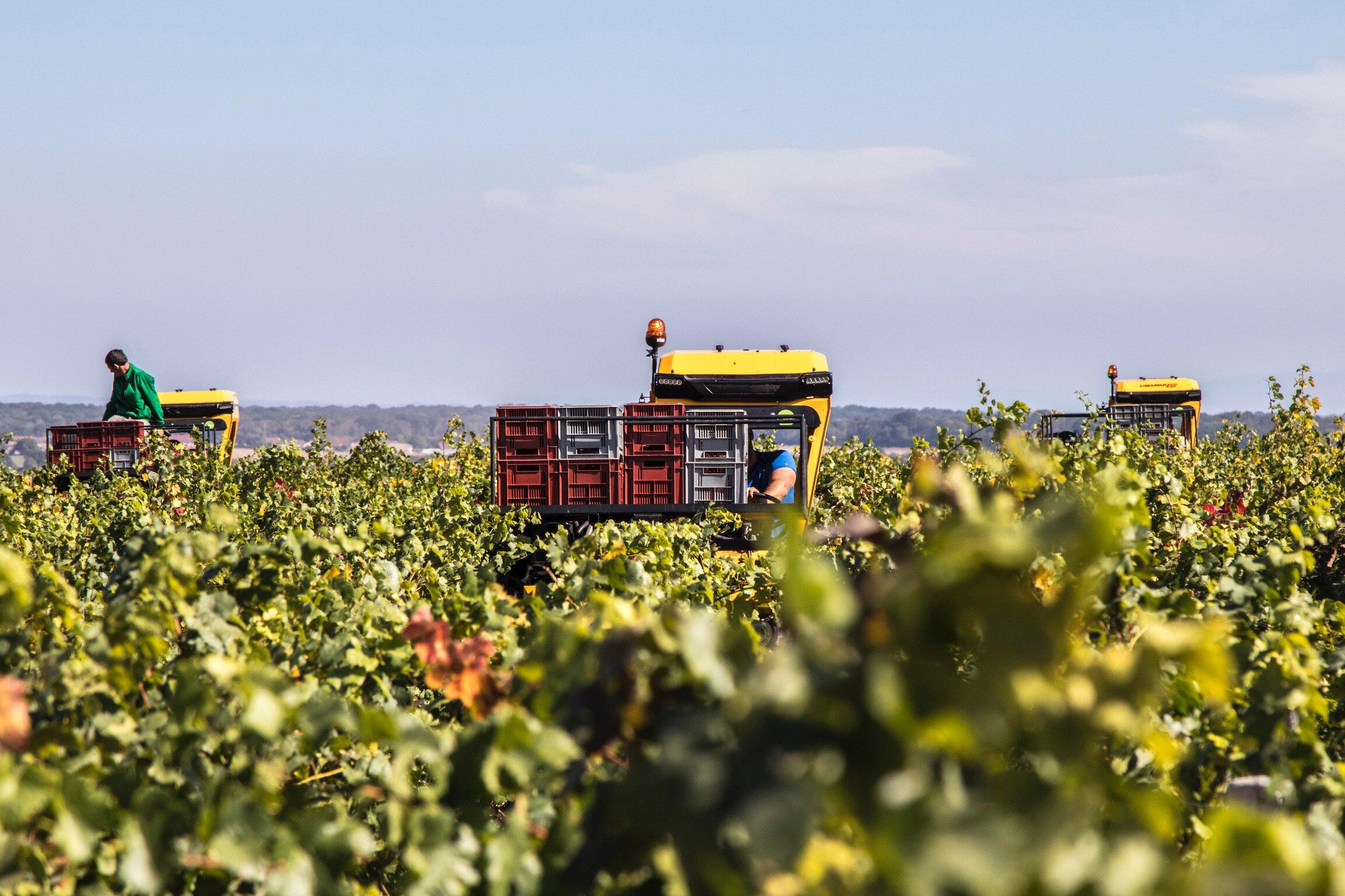
The harvest period, from late September through October depending on vintage conditions, is when the villages are most active and most closed to casual visitors simultaneously. Spring, after the négociant en primeur season but before summer tourist pressure, represents a more productive window for serious buyer appointments.
Burgundy in a Wider France Context
Domaine Michel Gros operates within a French fine wine framework that rewards producer-level knowledge over regional generalisation. Collectors who work across multiple French regions, from Alsace producers like Albert Boxler in Niedermorschwihr to Bordeaux houses like Château Bastor-Lamontagne in Preignac, Château Batailley in Pauillac, Château Bélair-Monange in Saint-Emilion, Château Branaire Ducru in St-Julien, and Château Boyd-Cantenac in Cantenac, will recognise that Burgundy's producer-first logic differs substantially from Bordeaux's château-and-vintage framing. In Burgundy, the domaine's parcel holdings matter more than any single vintage performance. A producer with strong premier cru parcels across multiple communes can absorb difficult vintages in ways that single-appellation specialists cannot.
Beyond France, the prestige-tier Pinot Noir conversation increasingly includes producers from other regions. Collectors who have tracked Accendo Cellars in St. Helena or watched distillery-adjacent experiences like Aberlour in Aberlour understand that the premium beverage tier now requires cross-category fluency.
Planning Details
The winery is located at 7 Rue des Communes in Vosne-Romanée, a village served primarily by private car or taxi from Beaune or Dijon. Serious buyer inquiries are typically conducted through importers or specialist Burgundy négociants rather than direct cold contact.
Comparison Snapshot
Comparable venues nearby, for context on price, style, and recognition.
| Venue | Cuisine | Price | Notes |
|---|---|---|---|
| Domaine Michel GrosThis venue — the venue you are viewing | Pinot Noir, Chardonnay | $$$$ | Not listed |
| Domaine Rene Engel | Pinot Noir | $$$$ | Vosne-Romanée |
| Domaine d'Eugénie | Pinot Noir, Chardonnay | $$$$ | Vosne-Romanée |
| Domaine Anne Gros | Pinot Noir, Chardonnay | $$$ | Vosne-Romanée |
| Domaine Sylvain Cathiard | Pinot Noir, Gamay | $$$$ | Vosne-Romanée |
| Domaine Méo-Camuzet | Pinot Noir, Chardonnay | $$$$ | Vosne-Romanée |
Recognition history
Dated appearances from independent guides and award organizations, with the underlying list record or original source where available.
Falstaff Winery - Listed
Falstaff
Continue exploring
More in Vosne-Romanée
Wineries in Vosne-Romanée
Browse all →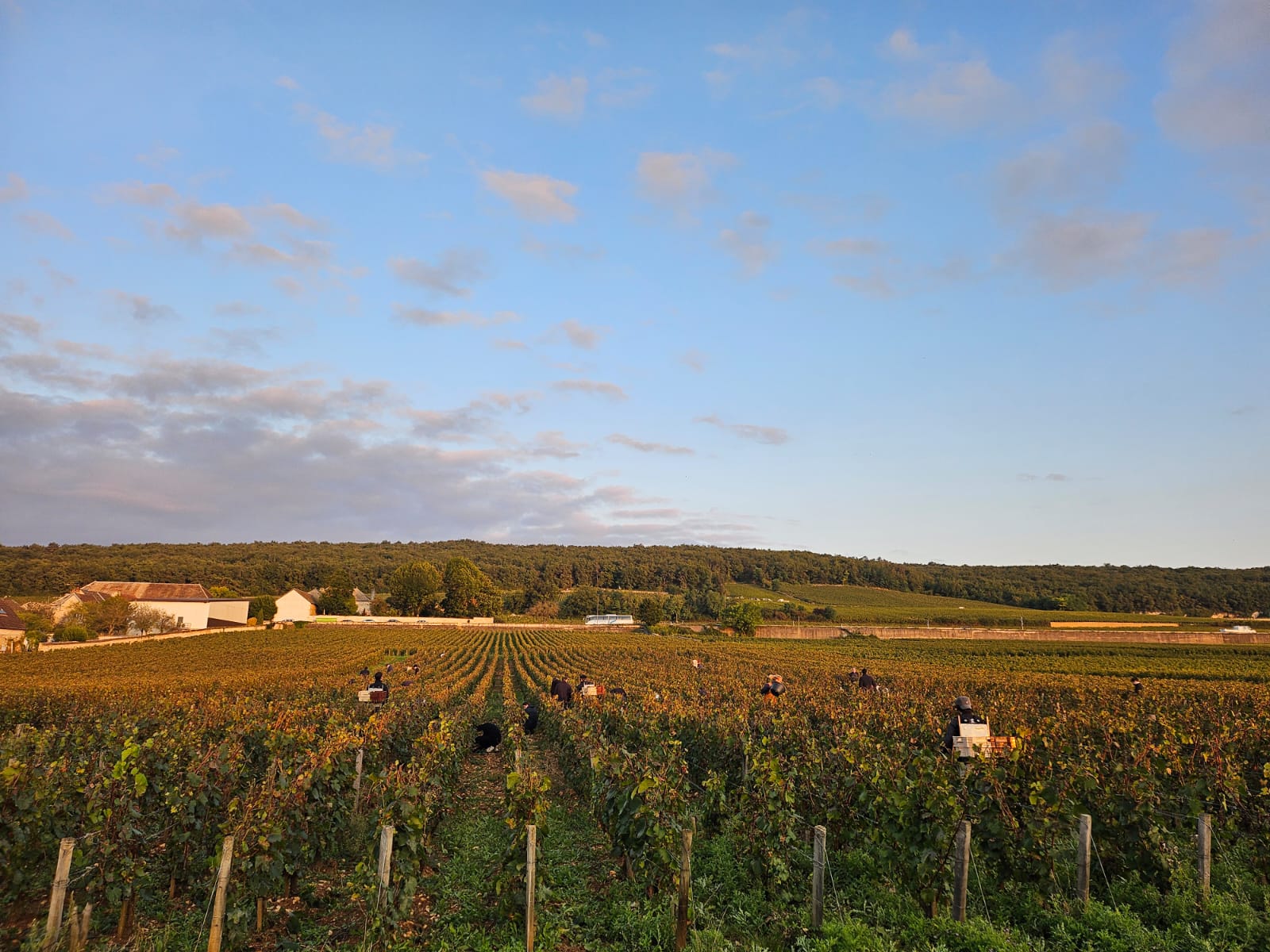
Bars in Vosne-Romanée
Browse all →
Restaurants in Vosne-Romanée
Browse all →
At a Glance
- Elegant
- Classic
- Sophisticated
- Rustic
- Wine Education
- Special Occasion
- Solo Exploration
- Cave Tasting
- Vineyard Tour
- Estate Grounds
- Vineyard
- Vosne Romanée AOC
- Pinot Noir
- Chardonnay
- Still Red
- Cave Tasting
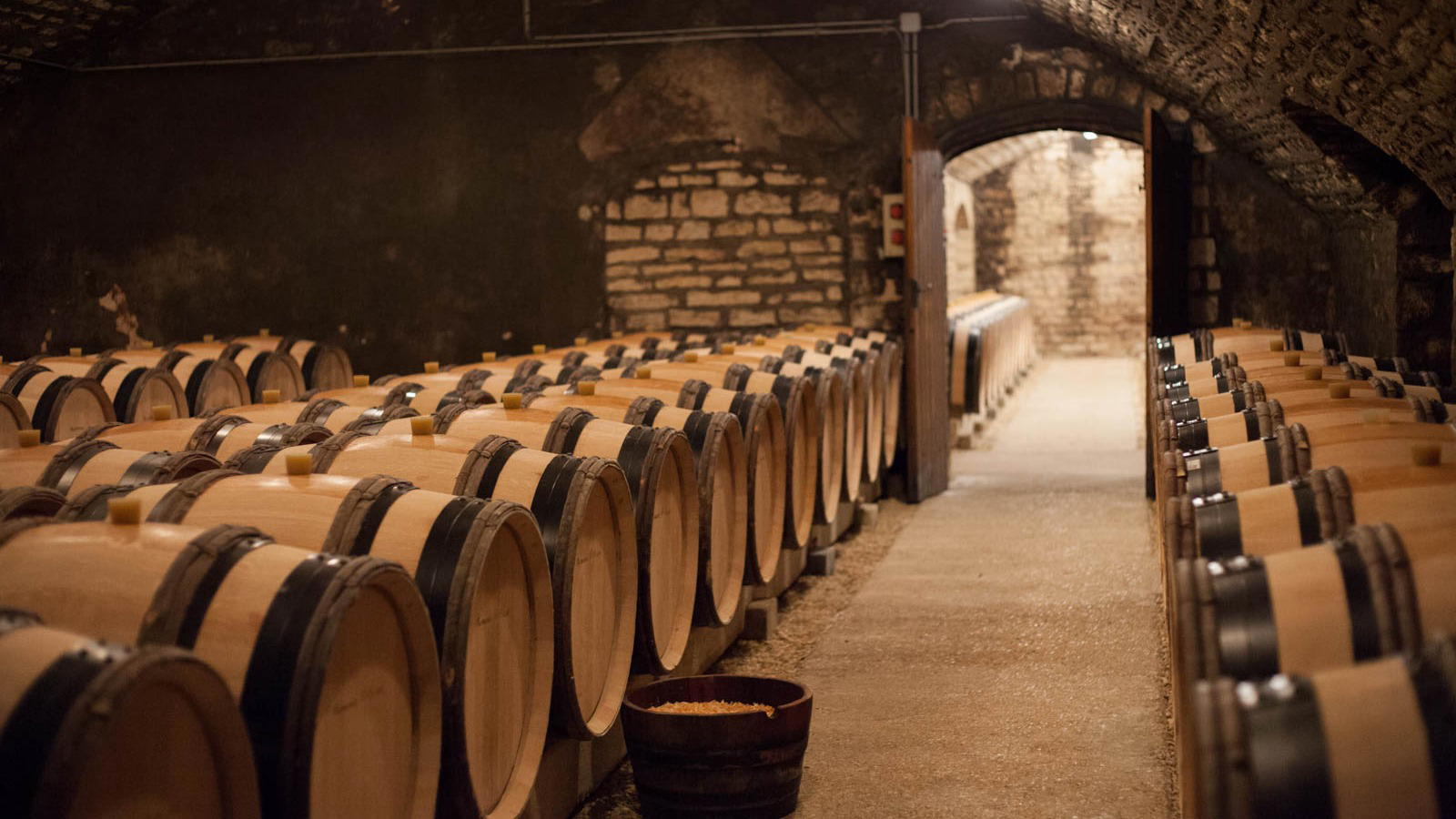
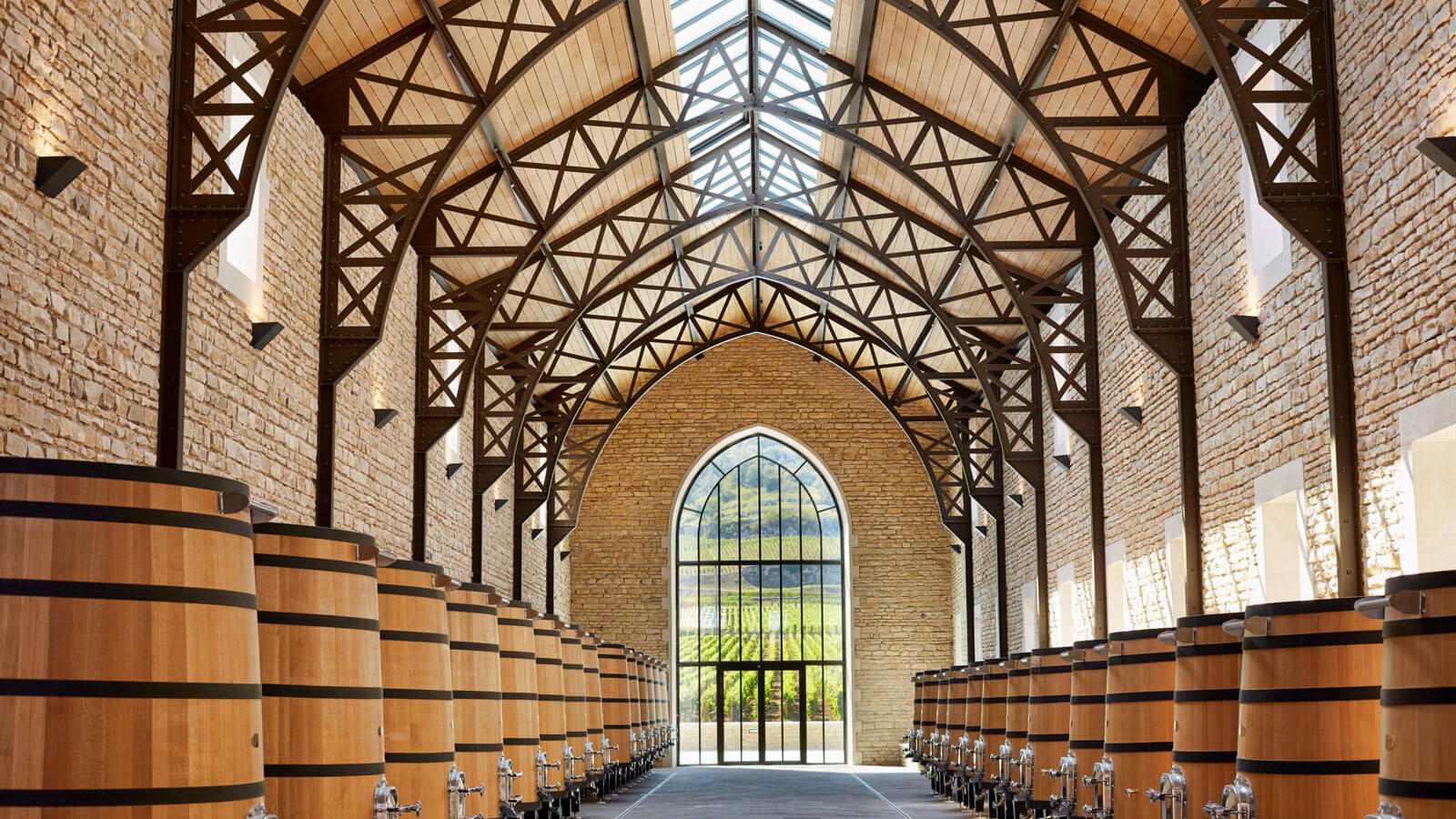
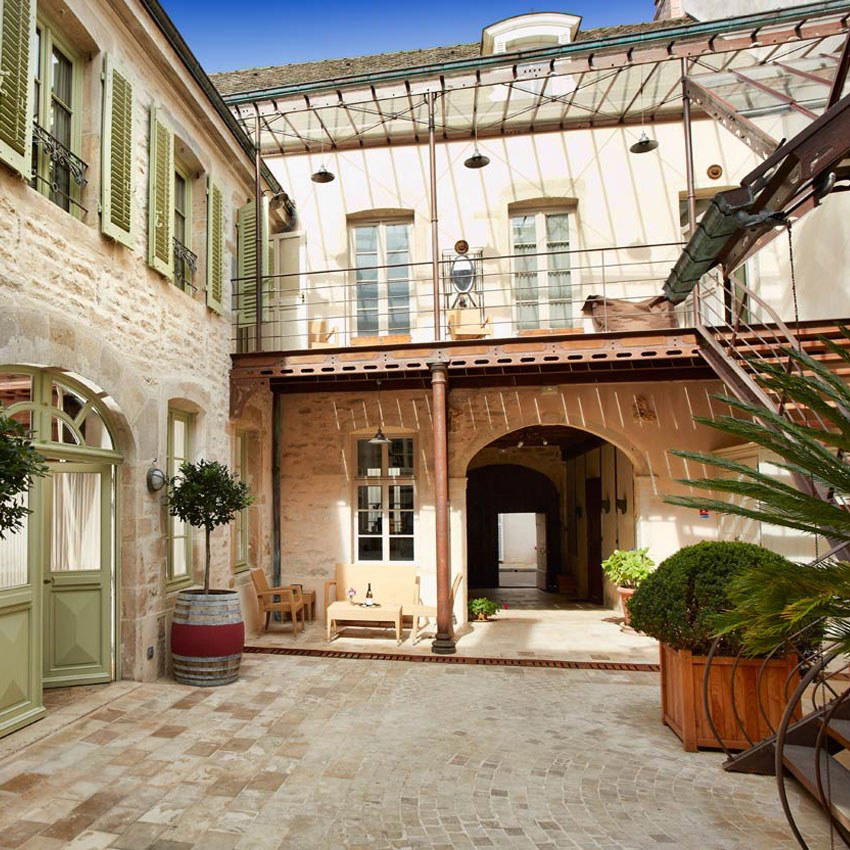
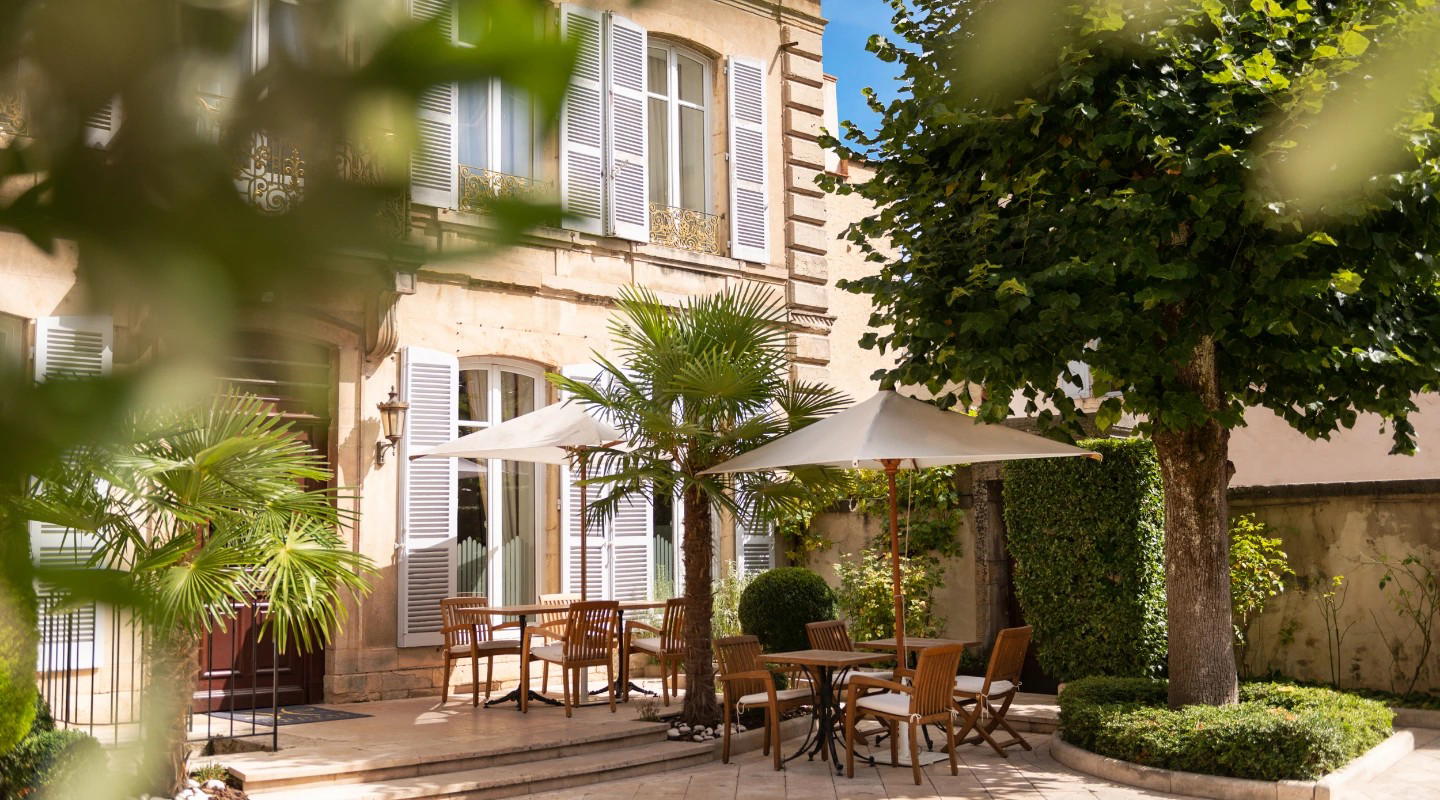
Classic and refined winery atmosphere in historic cellars, emphasizing finesse, elegance, and the nuanced expression of Burgundy terroir.