Le Montrachet



Michelin Plate · We're Smart World 1 Radish
Our verdict
Situated on the central square of Puligny-Montrachet, Le Montrachet operates as both a hotel and restaurant anchored to Burgundy's most demanding terroir traditions. Chef Romain Versino sources Bresse poultry, Charolais beef, and organic vegetables from a dedicated horticulturist, building a plate-and-glass dialogue that has earned consecutive Opinionated About Dining Classical in Europe rankings and a Michelin Plate since 2023.

Pearl is the En Primeur Club membership app, where members save venues, book tables and use the concierge.
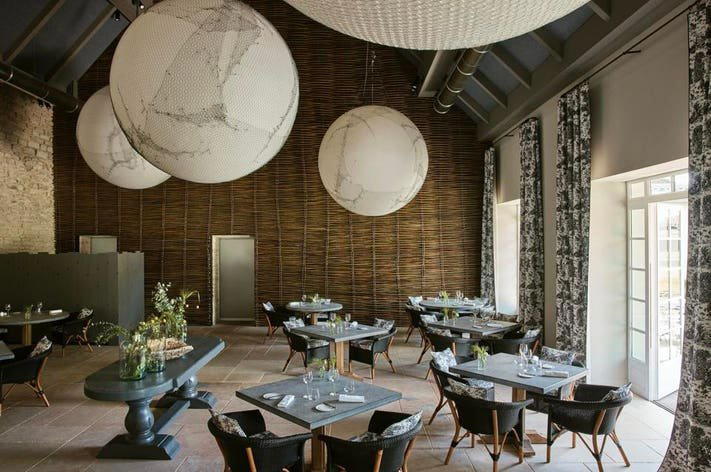
Eating and Sleeping at the Heart of Burgundy's White Wine Country
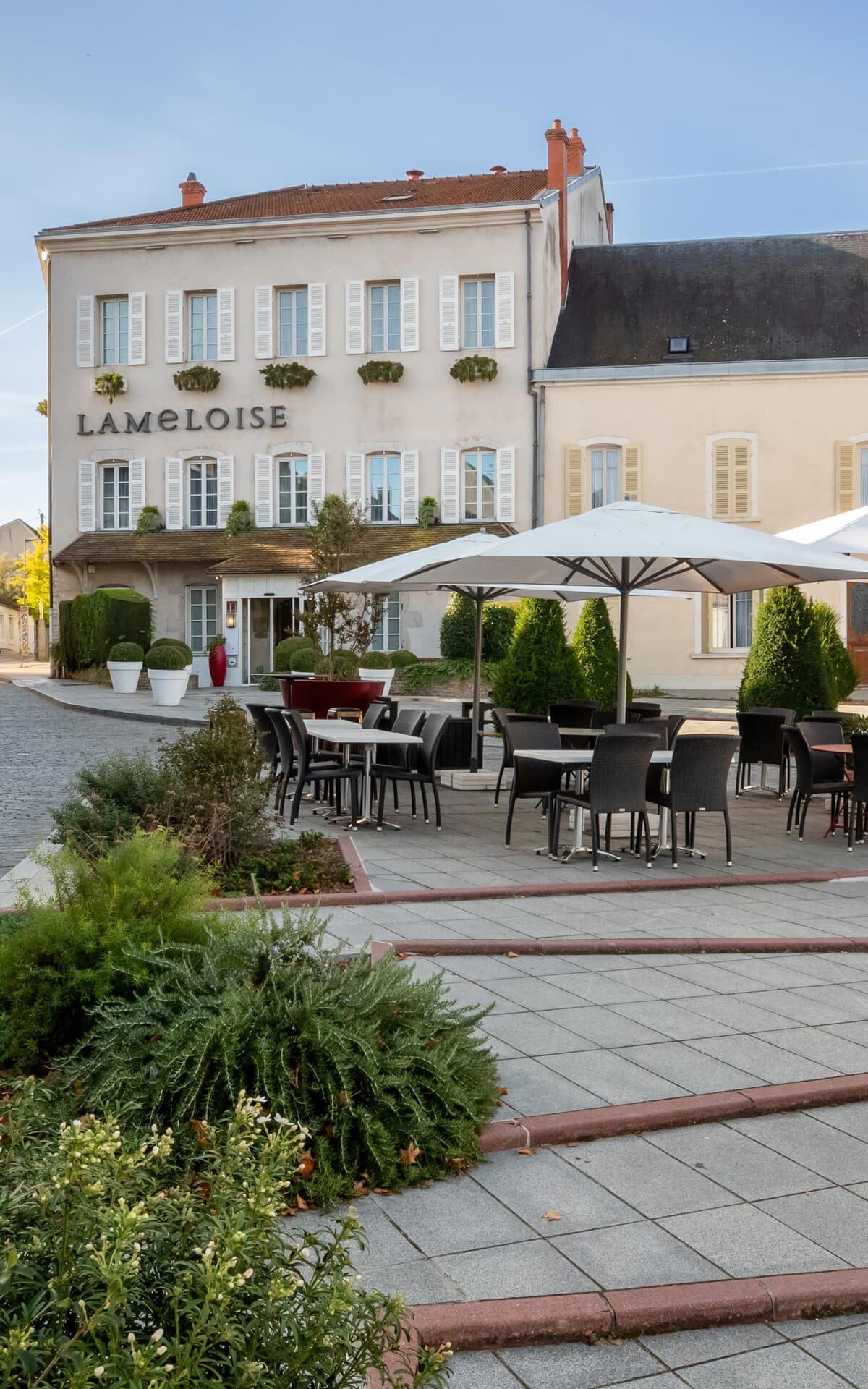
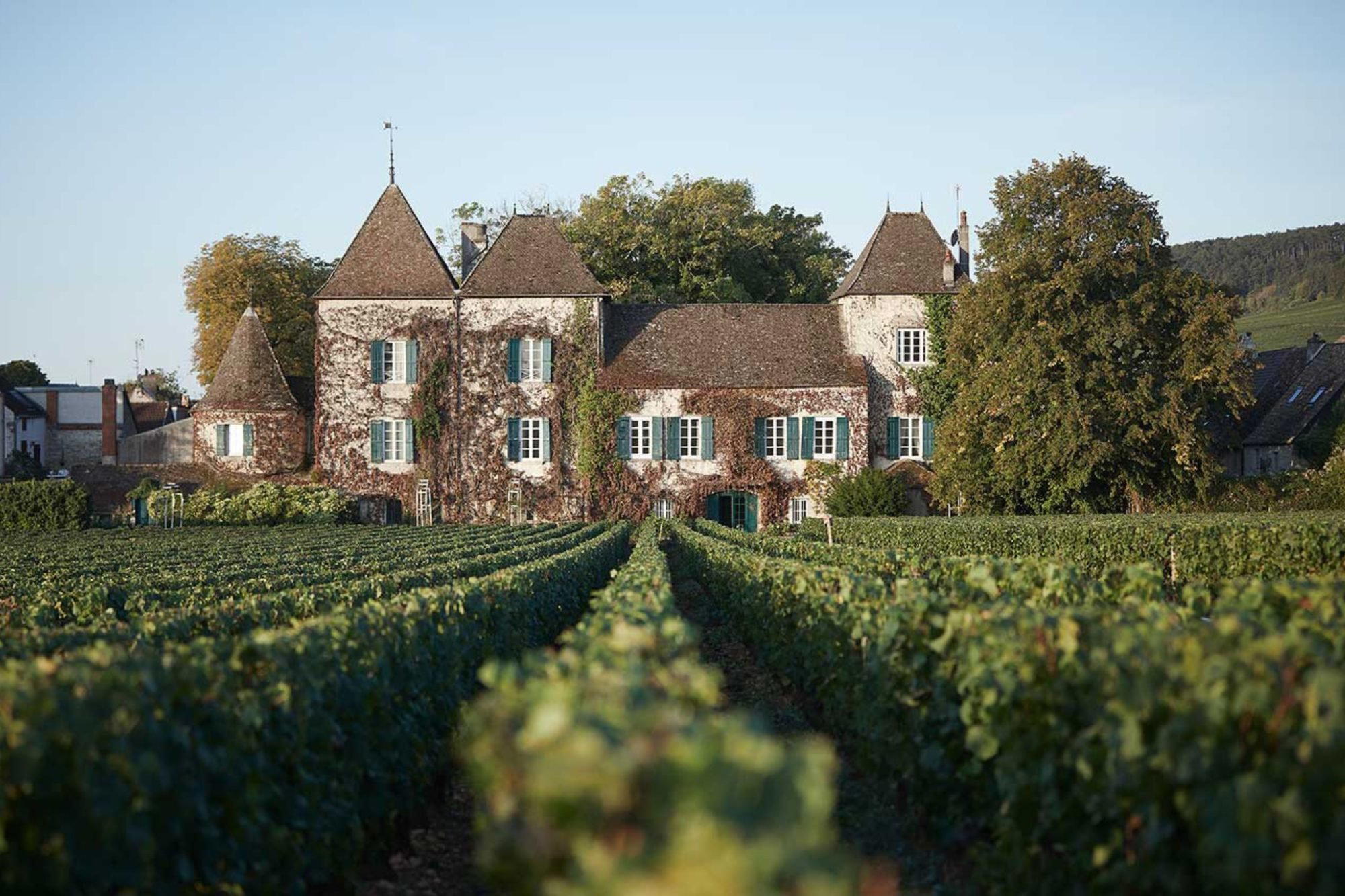
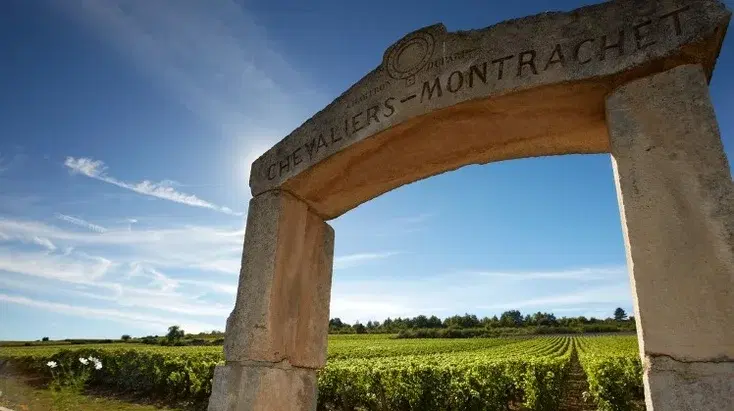
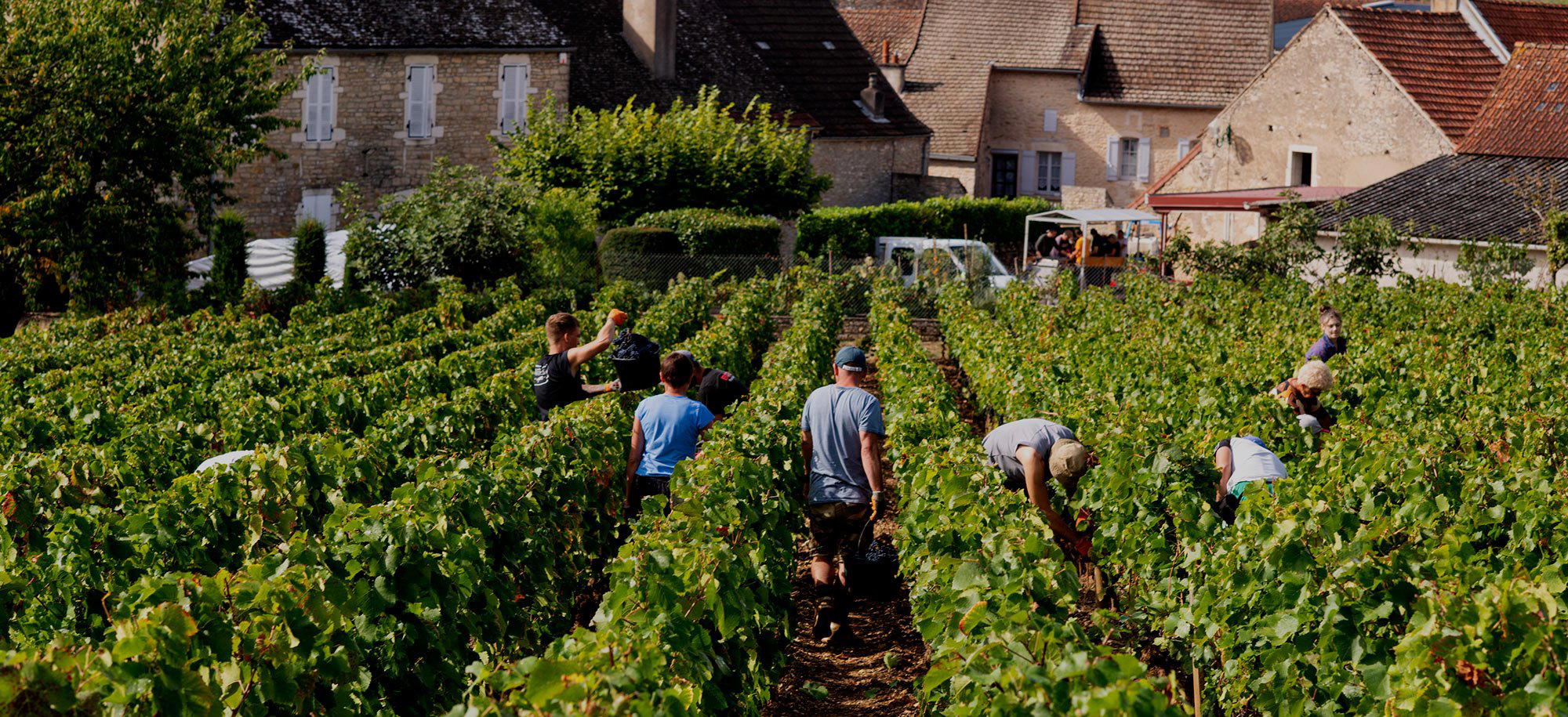
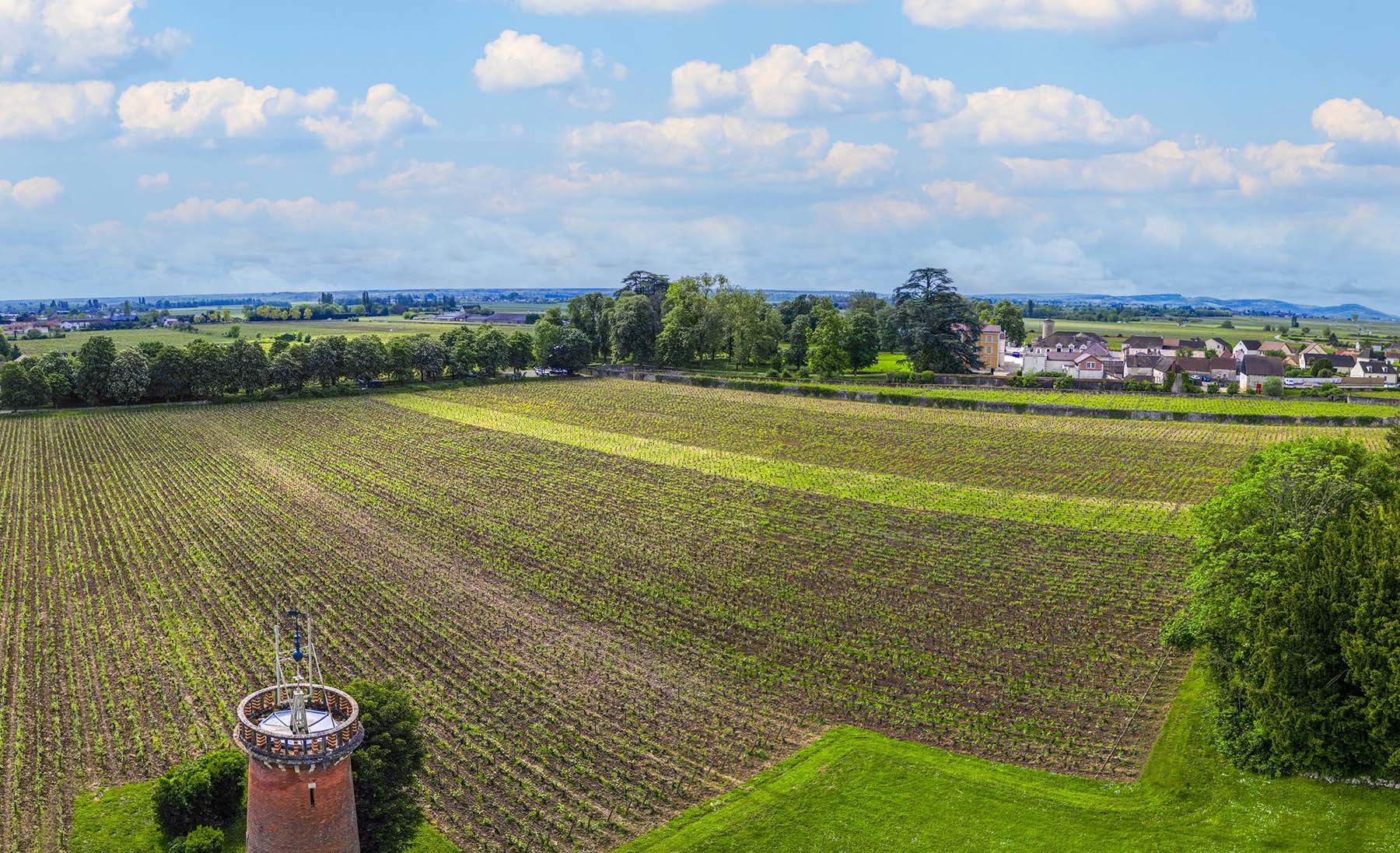
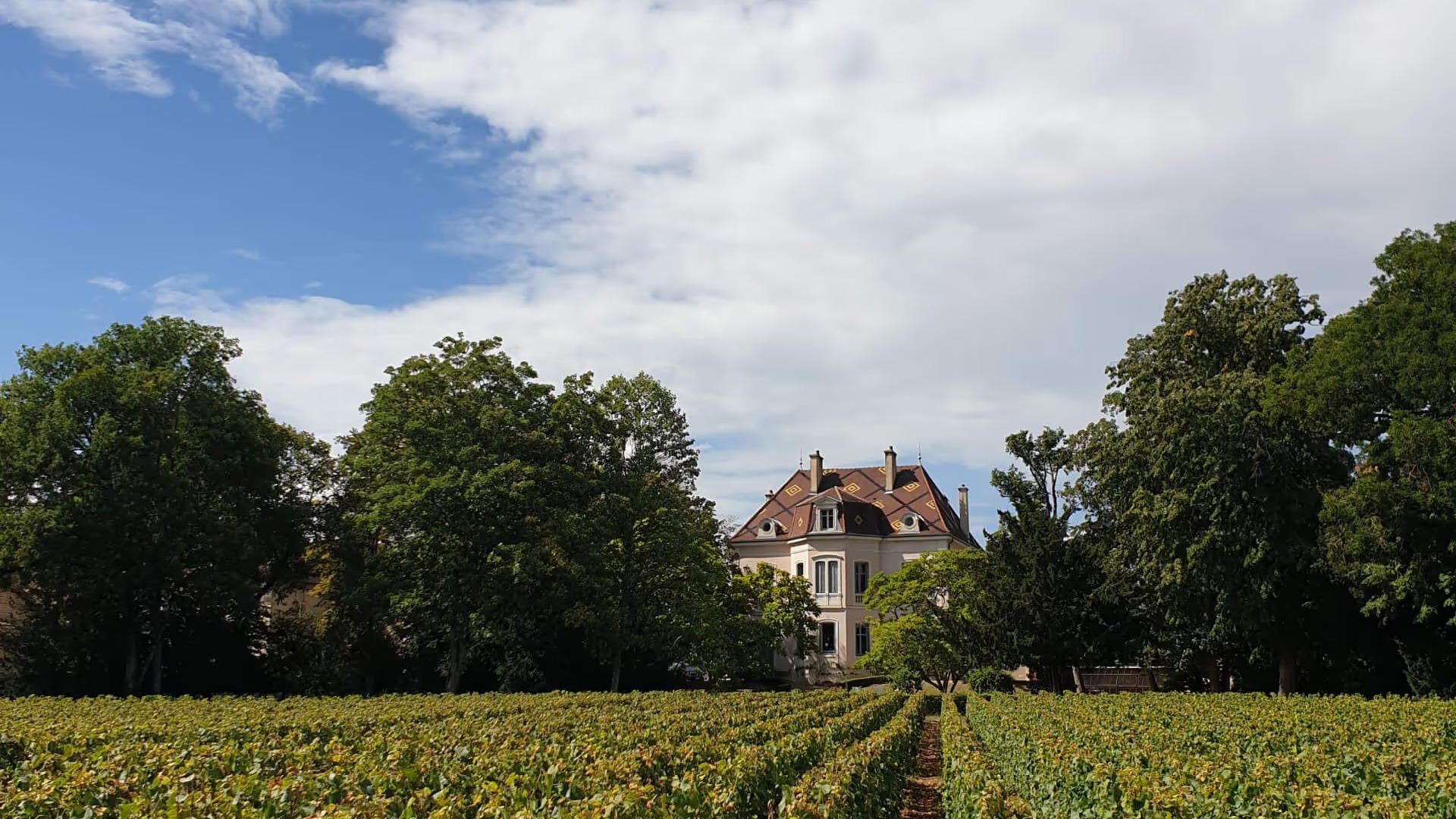
Place du Pasquier de la Fontaine sits at the quiet centre of Puligny-Montrachet, a village whose name alone constitutes a form of authority in the wine world. Arriving here on foot from the surrounding vineyard lanes, the transition from row upon row of Chardonnay vines to a stone-faced property on a village square captures exactly the kind of condensed geography that defines the Côte de Beaune. Le Montrachet occupies that square directly, and the building's proportions and setting communicate something before you have ordered a thing: that this is a place which takes its position in the appellation seriously.
The combination of hotel and restaurant under one roof has a long tradition in Burgundy, where visiting négociants, buyers, and wine travellers have historically needed both a table and a room within reach of the domaines. That format still makes sense here. Puligny-Montrachet is not a destination city with multiple hotel options; it is a working village whose calendar is set by the harvest and the auction season at nearby Beaune. For those who want to spend an evening across multiple bottles from the local producers without the logistics of driving back to Beaune or Dijon, the combination is a practical argument as much as a romantic one. For the full range of accommodation options in the area, see our full Puligny-Montrachet hotels guide.
The Provenance Argument on the Plate
What defines serious regional cooking in Burgundy is less technical invention and more the discipline of sourcing. The raw materials of the Côte-d'Or and its surrounding territories are among the most cited in French gastronomy: poultry from Bresse, beef from the Charolais, freshwater fish from the Saône, and a vegetable culture that has historically supplied some of France's most demanding tables. The question any Burgundian restaurant must answer is whether its kitchen is genuinely plugged into those supply chains or merely invoking them by name.
At Le Montrachet, the sourcing is structurally embedded rather than decorative. Bresse poultry and Charolais beef appear on the menu as products with a specific geographic and regulatory identity; Bresse, in particular, carries its own AOC designation, the only poultry in France to hold one. Pike perch from the Saône represents the freshwater tradition of a river that runs through the Burgundy lowlands. Most notably, the kitchen draws organic vegetables directly from a horticulturist who works specifically for the restaurant, a supply relationship that differs from spot-market sourcing and creates accountability for consistency and seasonality across the year. This kind of direct-grower arrangement is increasingly common among regionally ambitious French tables, but it remains more meaningful than a general claim of local origin.
Chef Romain Versino coordinates the kitchen's attention to both the dishes and the wines, and that dual focus matters in a village where the cellar could plausibly overshadow the plate. The wine list in Puligny-Montrachet carries an obvious geographical advantage, but the risk at such addresses is that the food becomes secondary. The awards record here suggests a different weighting. A Michelin Plate in both 2024 and 2025, combined with consecutive placement in the Opinionated About Dining Classical in Europe rankings (ranked 73rd in 2023, 77th in 2024, and 93rd in 2025), marks Le Montrachet as part of a recognised tier of classical French tables rather than a wine-destination restaurant where the kitchen is an afterthought.
Where Le Montrachet Sits in the French Classical Tier
The Opinionated About Dining Classical list measures France's regional and traditional tables against each other by the standards of classical cuisine rather than innovation. Appearing consecutively across three years in the top 100 of that ranking places Le Montrachet in a specific competitive set: restaurants that are consistent, regionally grounded, and evaluated by an expert audience with detailed knowledge of the category. The cohort includes tables at very different price points and formats, from brasseries in Lyon to manor houses in Alsace.
At the €€€ price range, Le Montrachet operates below the €€€€ tier occupied by Paris addresses such as Le Cinq at the Four Seasons Hôtel George V and Guy Savoy, or regional flagships like Alléno Paris au Pavillon Ledoyen. Within the classical French canon, other sustained regional performers include Auberge de l'Ill in Illhaeusern, Assiette Champenoise in Reims, and Au Crocodile in Strasbourg, all operating in regions where local produce and wine identity are woven into the dining proposition. At a higher creative register but sharing the terroir-led emphasis, Bras in Laguiole and Mirazur in Menton demonstrate how deeply sourcing-focused cooking can travel beyond the classical framework. For mountain-context Burgundian adjacency, Flocons de Sel in Megève and Troisgros in Ouches represent the innovation end of the French regional spectrum, as does the enduring civic monument of Paul Bocuse - L'Auberge du Pont de Collonges for historical context. Le Montrachet belongs to none of those registers; its identity is more restrained and more directly tied to its village address. At the same address in Puligny, Olivier Leflaive offers a different format anchored explicitly to the domaine's wine production, making the two the natural pair for visitors comparing their options in the village.
The Wine Dimension
Eating in Puligny-Montrachet means eating with access to the appellation at source, and any serious cellar here will contain producers whose allocations are among the most sought-after in Burgundy. The wines of the village, its premiers crus and grands crus, are built around the Chardonnay's capacity for mineral tension, textural complexity, and extended development in bottle. A kitchen aligned to that profile will tend toward dishes that offer counterpoint in acidity and weight without competing against the wine's more intricate qualities. The sourcing of pike perch from the Saône and the reliance on organically grown vegetables suggest a plate structure oriented in that direction, though specific pairings are properly verified through experience rather than assumption.
For visitors planning to spend time across Puligny-Montrachet's wine culture more broadly, our full Puligny-Montrachet wineries guide maps the main domaine options, while our full Puligny-Montrachet bars guide and our full Puligny-Montrachet experiences guide cover the village's wider options. The complete dining picture for the village is in our full Puligny-Montrachet restaurants guide.
Planning Your Visit
Le Montrachet is at 10 place du Pasquier de la Fontaine, in the centre of the village. The €€€ pricing positions it as a serious dinner, appropriate for the awards level and the wine list that comes with it, without reaching the four-bracket pricing of Paris's grand tables. Because Puligny-Montrachet is a small village drawing visitors who are often here specifically for the wine trade or domaine visits, advance booking is worth treating as essential, particularly for weekend evenings during harvest season in September and October and during the Hospices de Beaune auction weekend in November. The hotel element means it is also possible to combine dinner with accommodation, removing any pressure around a long tasting menu with an extended wine selection. AM par Alexandre Mazzia in Marseille and comparable regional addresses typically see their most competitive booking windows six to eight weeks ahead; Le Montrachet's profile and its location in one of Burgundy's most visited villages suggest a similar planning horizon is sensible. AM par Alexandre Mazzia in Marseille offers a useful contrast in terms of how southern French terroir gets expressed at the top of the Michelin tier.
Frequently asked questions
What do regulars order at Le Montrachet?
The menu is grounded in Burgundy's three most consistent protein sources: Bresse poultry, Charolais beef, and Saône pike perch. Regulars with knowledge of the Opinionated About Dining Classical rankings and the Michelin Plate recognition will know the kitchen's focus is on technique applied to high-provenance ingredients rather than theatrical elaboration. Dishes built around the directly sourced organic vegetables tend to reflect seasonal supply closely, making them a useful indicator of where the kitchen's current attention sits.
Is Le Montrachet formal or casual?
Puligny-Montrachet is a working wine village rather than a resort town, and its dining culture sits somewhere between the formal protocols of a starred Paris address and the approachable warmth of a country auberge. Le Montrachet's three consecutive OAD Classical rankings and sustained Michelin recognition place it in a tier where attentive service and a serious wine list are given, but the village context keeps it from the stiffness that can accompany comparable addresses in central Burgundy or Alsace. Smart-casual is a reasonable working assumption.
Is Le Montrachet suitable for children?
At €€€ pricing in a classical French restaurant that holds Michelin recognition and consecutive OAD rankings, the experience is calibrated for guests who are engaging with both the food and the wine programme seriously. Puligny-Montrachet itself is a quiet village without particular infrastructure for family tourism. Families visiting the region with younger children will generally find the broader Côte de Beaune, with Beaune itself as a base, offers more appropriate format options for a mixed-age group.
At-a-Glance Comparison
| Venue | Cuisine | Price | Awards | Notes |
|---|---|---|---|---|
| Le MontrachetThis venue (the venue you are viewing) | Refined Modern French | $100–150 | Michelin Plate · We're Smart World 1 Radish | Not listed |
| Alléno Paris au Pavillon Ledoyen | Modern French Fine Dining | $150–200 | 3 Michelin Stars · World's 50 Best #79 | Creative |
| Kei | Contemporary French, Modern Cuisine | Not listed | Michelin 3 Star | Not listed |
| L'Ambroisie | Classic French Haute Cuisine | $300–500 | 2 Michelin Stars · World's 50 Best #23 | French, Classic Cuisine |
| Le Cinq - Four Seasons Hôtel George V | Modern French Fine Dining | $300–500 | 3 Michelin Stars · World's 50 Best #24 | French, Modern Cuisine |
| Plénitude | Modern French Sauce-Led Fine Dining | $300–500 | 3 Michelin Stars · World's 50 Best #14 | Contemporary French |
Recognition history
Dated appearances from independent guides and award organizations, with the underlying list record or original source where available.
Michelin Plate
Michelin
Opinionated About Dining Classical in Europe Ranked #93
Opinionated About Dining
We're Smart World 1 Radish
We're Smart World
Full recognition history (7 entries)
Michelin Plate
Michelin
Michelin Plate
Michelin
Opinionated About Dining Classical in Europe Ranked #77
Opinionated About Dining
Opinionated About Dining Classical in Europe Ranked #73
Opinionated About Dining
Continue exploring
More in Puligny-Montrachet
Restaurants in Puligny-Montrachet
All restaurants in Puligny-Montrachet →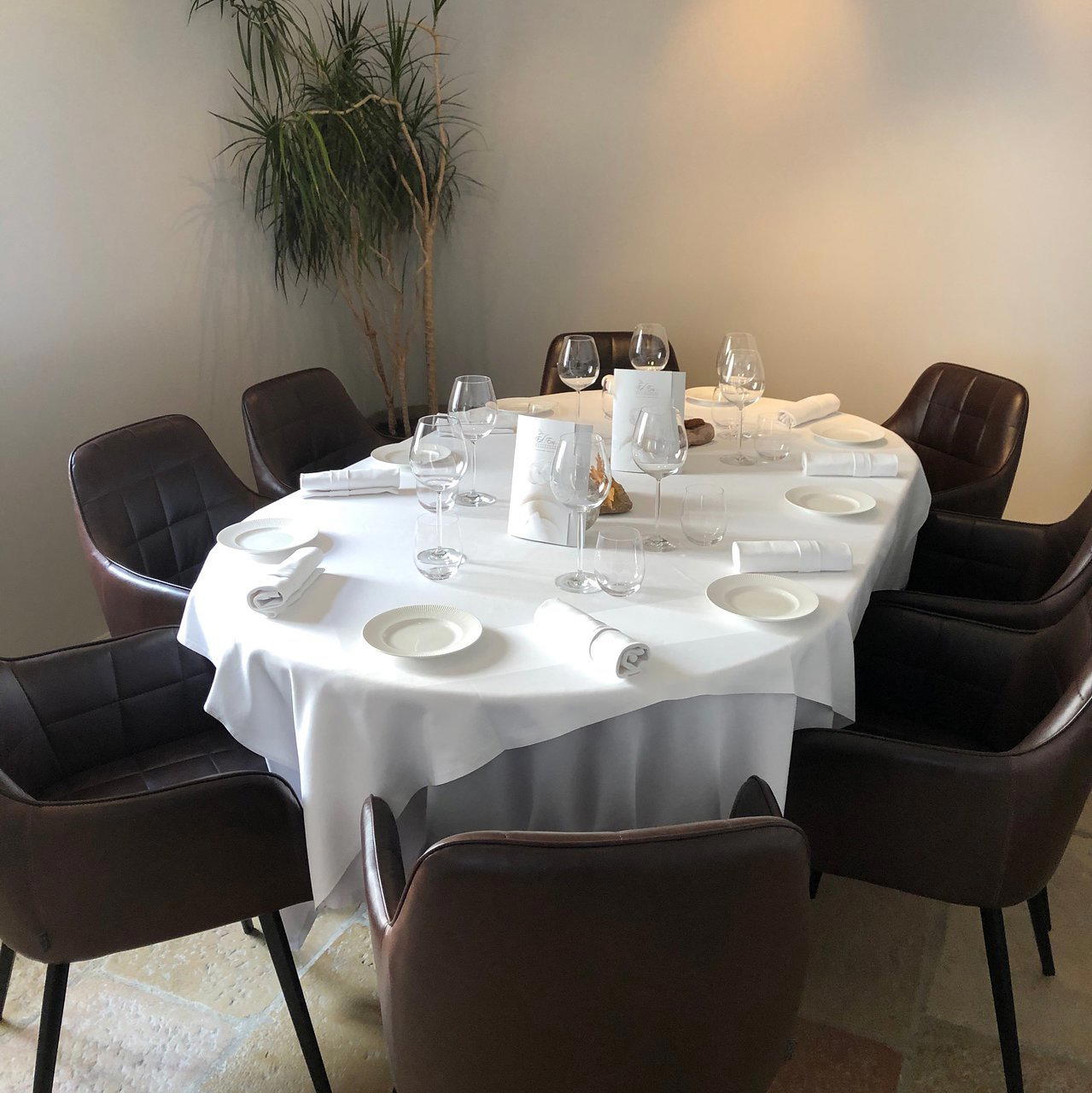
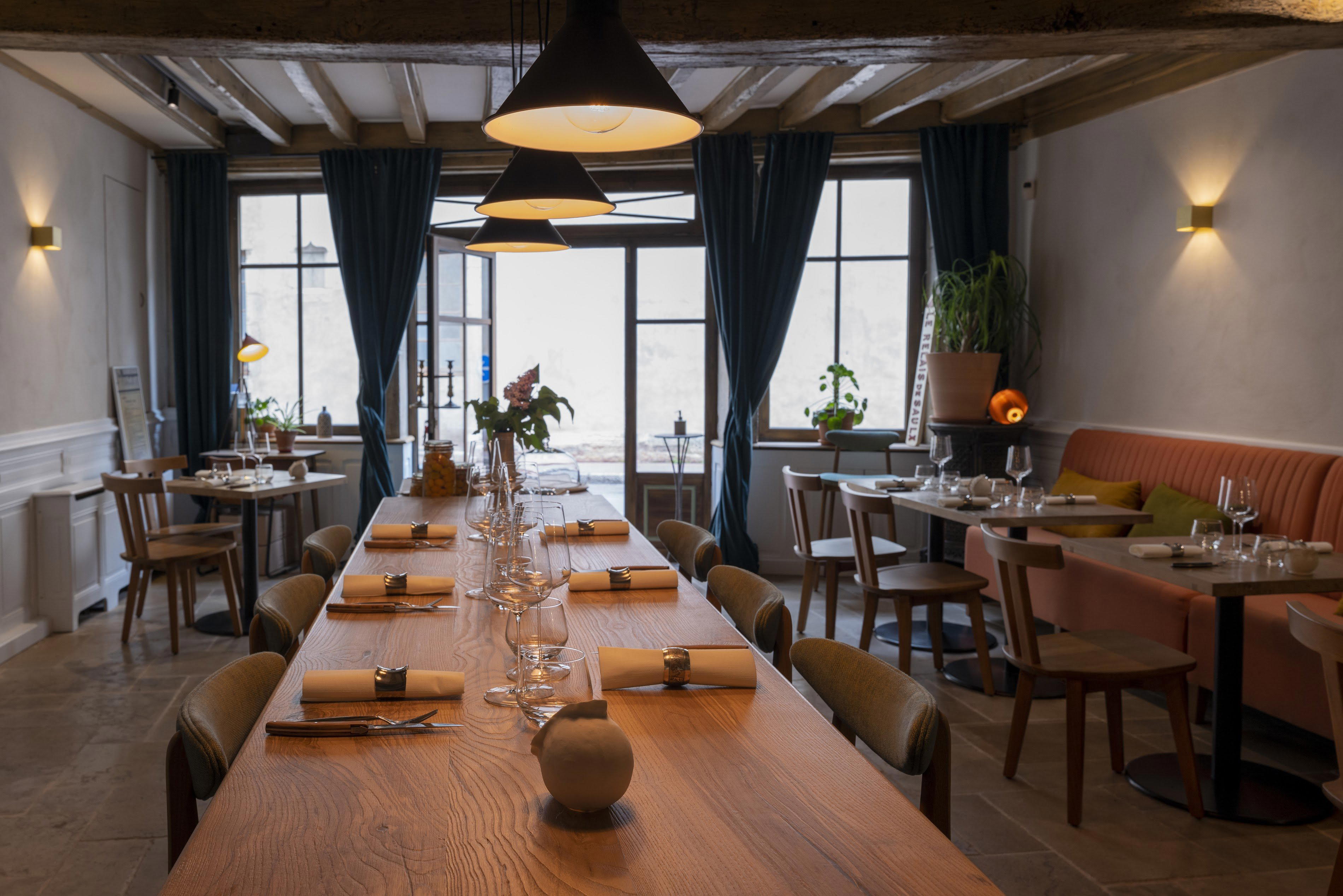
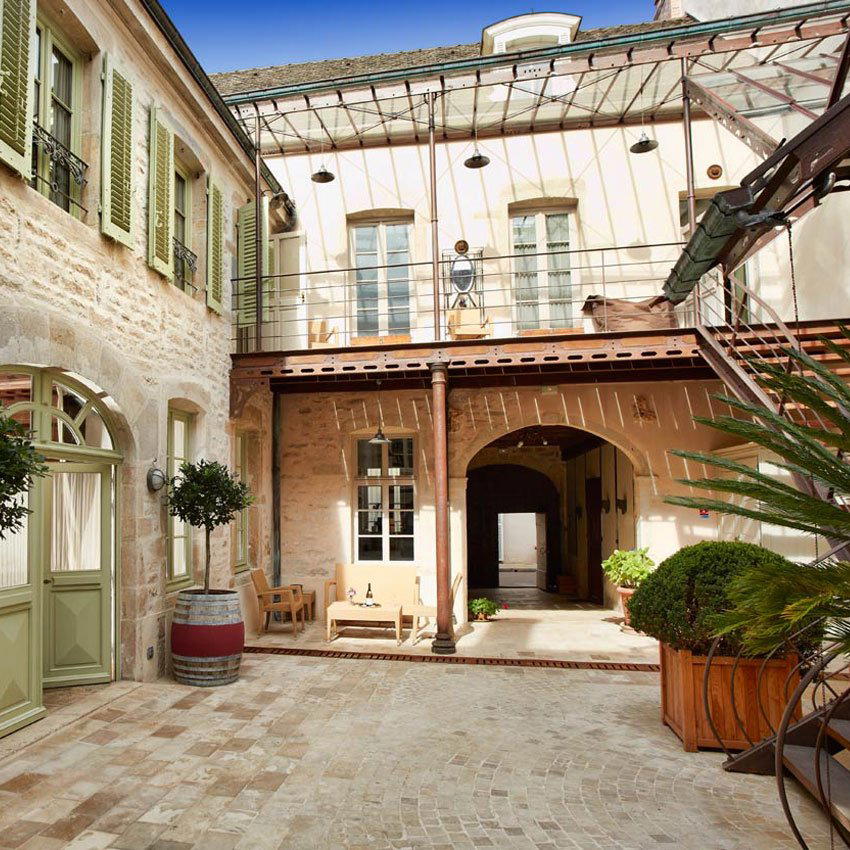
Bars in Puligny-Montrachet
Browse all →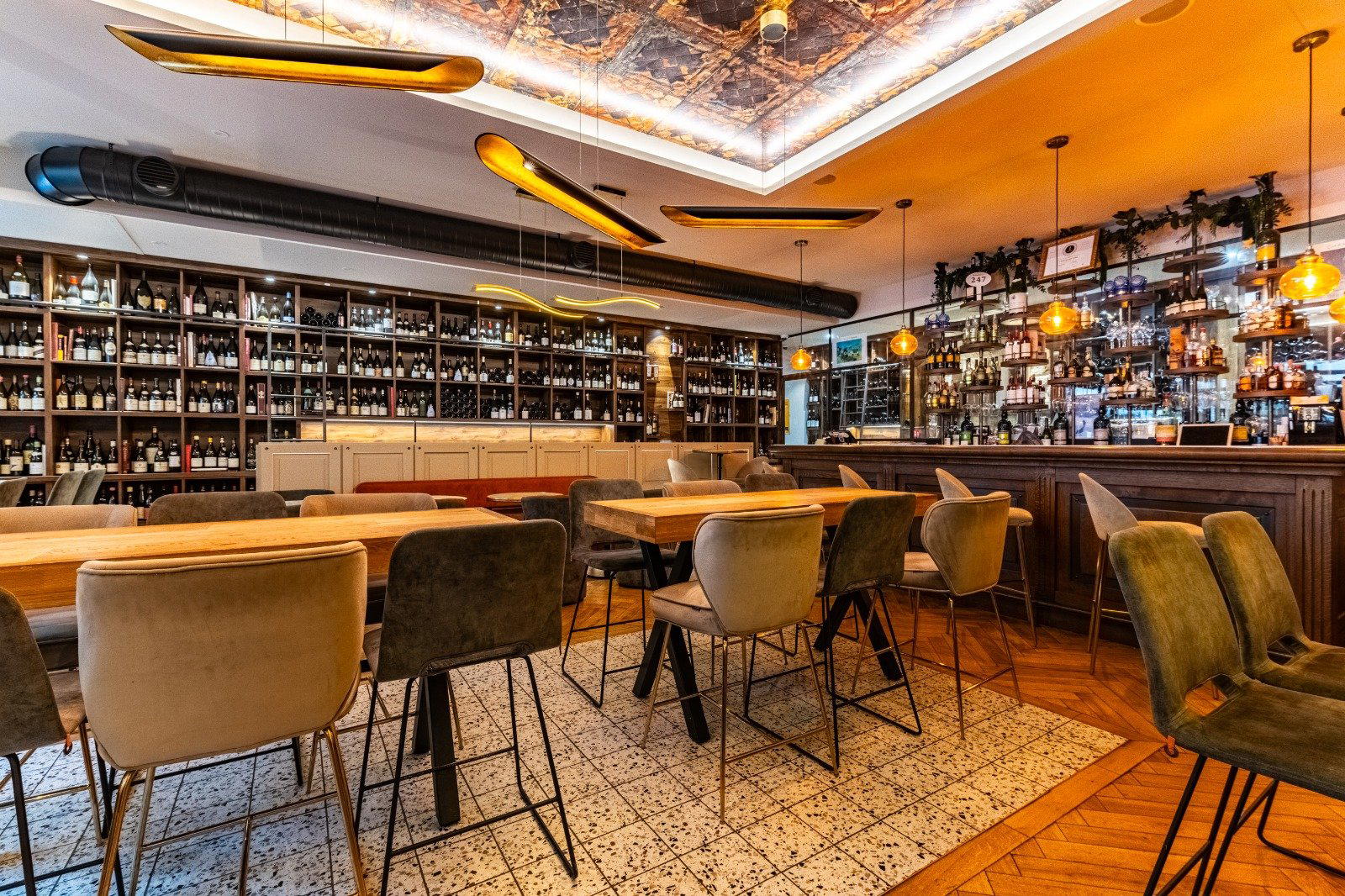
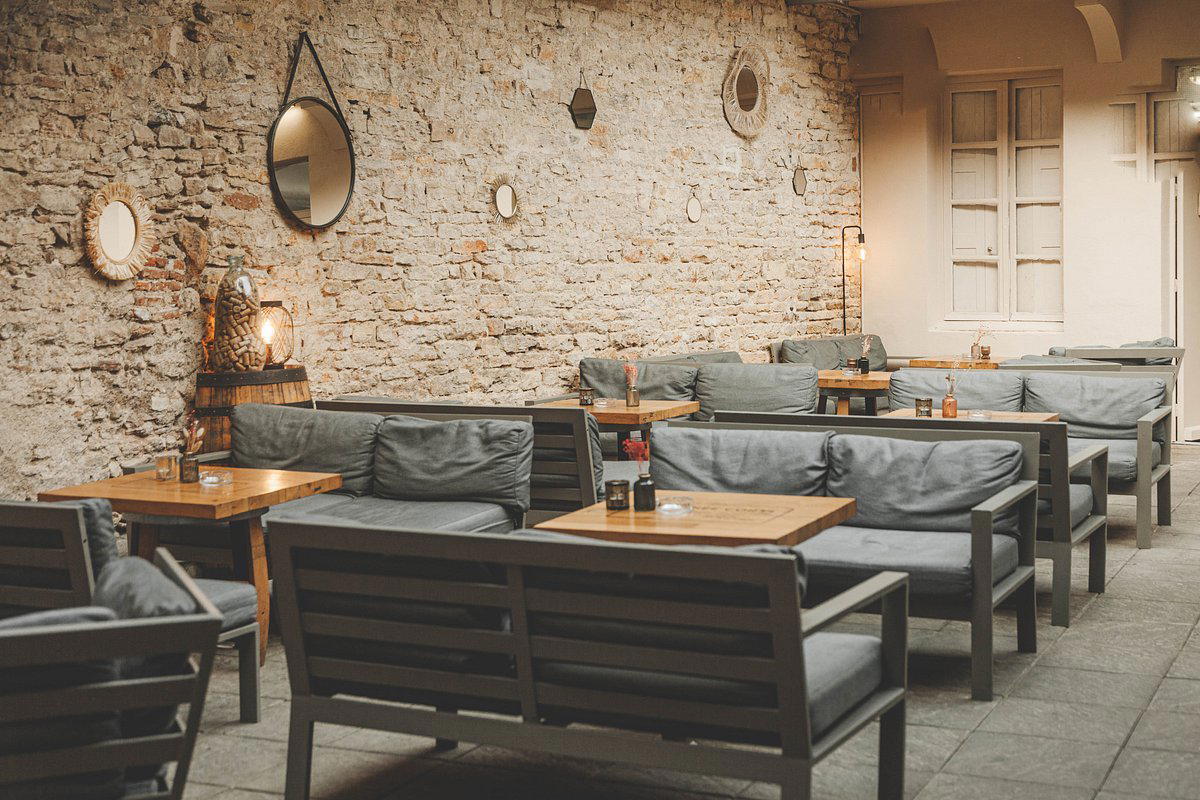
Hotels in Puligny-Montrachet
All hotels in Puligny-Montrachet →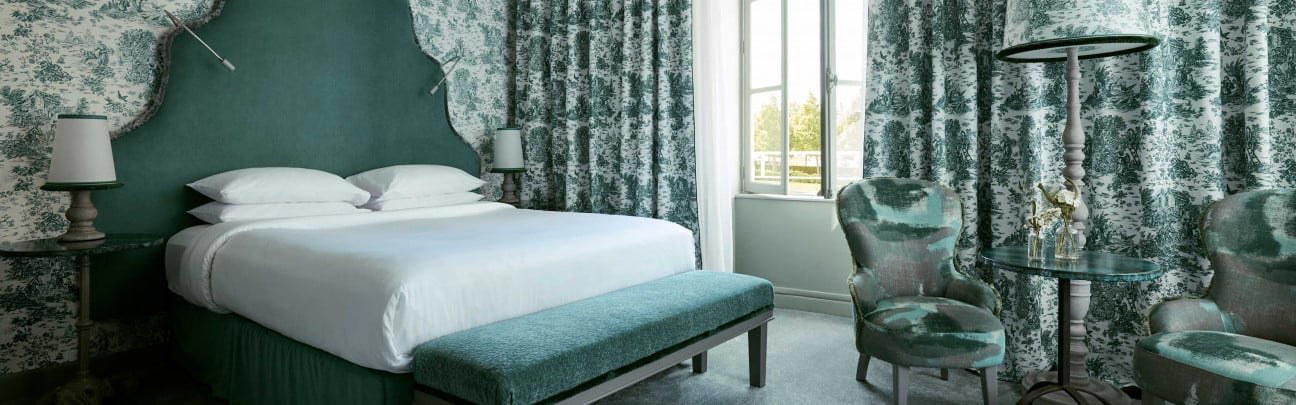
Le Montrachet
The wine
- Wine program
- Deep wine list
- Extensive wine list
- Sommelier-led
Details
- Elegant
- Sophisticated
- Intimate
- Classic
- Special Occasion
- Date Night
- Hotel Restaurant
- Wine Cellar
- Extensive Wine List
- Sommelier Led
- Local Sourcing
- Garden
- Tasting Menu
- Burgundy Wines
Current opening hours
- Monday
- 12–1:30 PM, 7–9 PM
- Tuesday
- 12–1:30 PM, 7–9 PM
- Wednesday
- 12–1:30 PM, 7–9 PM
- Thursday
- 12–1:30 PM, 7–9 PM
- Friday
- 12–1:30 PM, 7–9 PM
- Saturday
- 12–1:30 PM, 7–9 PM
- Sunday
- 12–1:30 PM, 7–9 PM
Hours can change for holidays and private events. Hours as of .
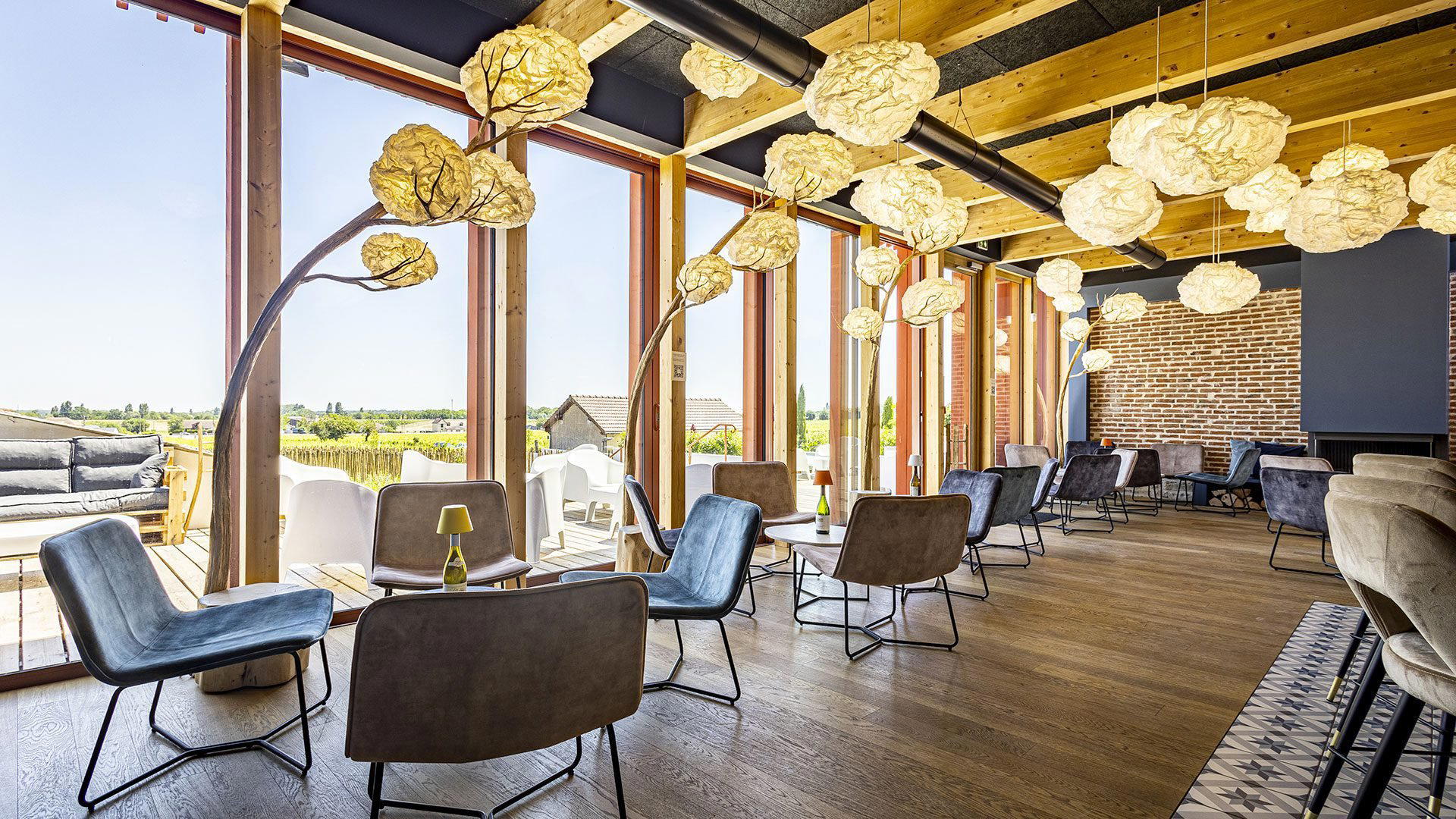
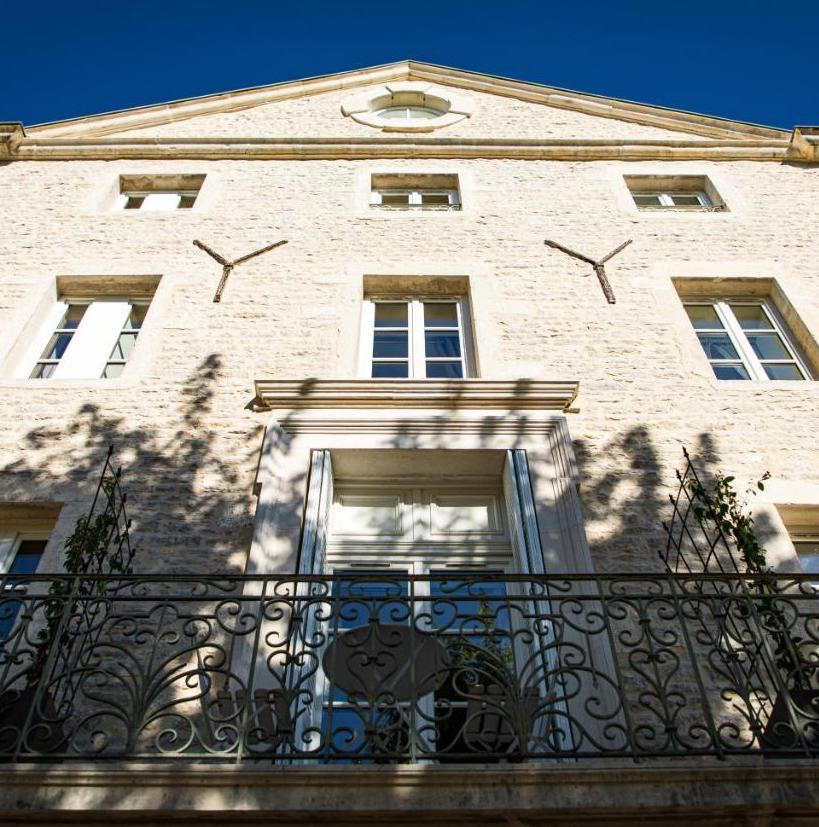
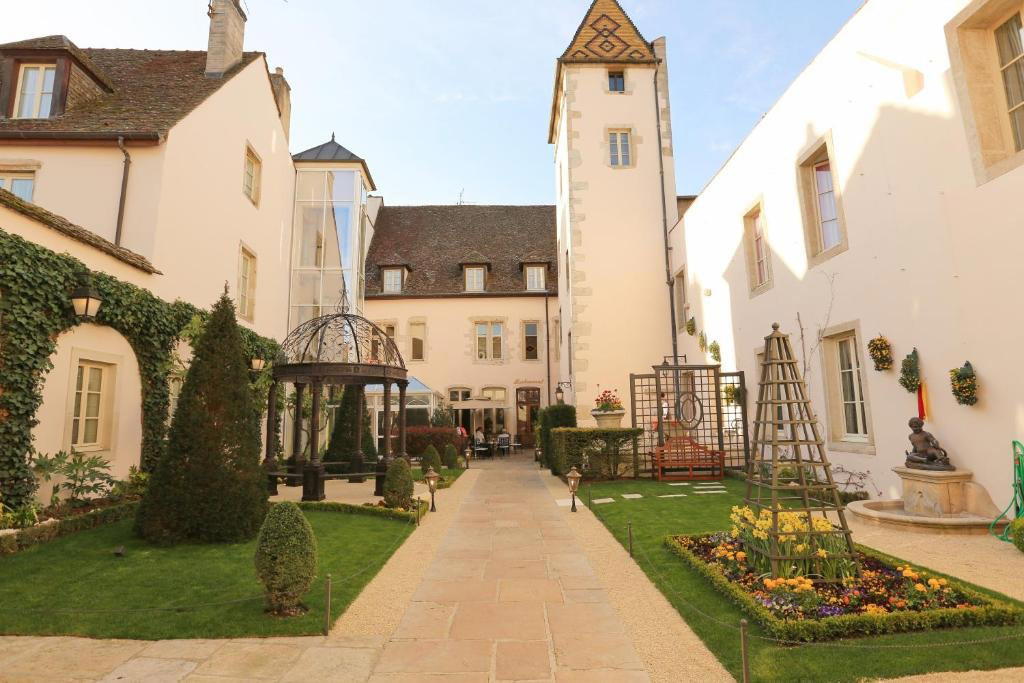
Beautiful limestone walls, high wood-beamed ceilings, pleasant veranda, and garden views create an elegant, refined atmosphere.