
1 Michelin Star
Our verdict
A Michelin-starred kitchen inside a genuine Loire Valley château, Château de Pray earns its star through precise sourcing and a menu that reads like a seasonal map of Touraine: Vouvray wine reductions, local goat cheese, and Touraine blackcurrants alongside technically ambitious preparations. Lunch and dinner service run Wednesday through Sunday at the historic property in Chargé, a short drive upstream from Amboise along the south bank of the Loire.

Pearl is the En Primeur Club membership app — saves, bookings, and concierge access live there. Same editors, same standards.
- Address
- Rue du Cèdre, 37530 Chargé, France
- Phone
- +33 2 47 57 23 67
- Hours
- Mon–Tue ClosedWed 7–9 PMThu–Sat 12–1:30 PM, 7–9 PMSun 12–1:30 PM
- Website
- chateaudepray.fr
- Directions
- Get directions
- Booking
- Book on TheFork
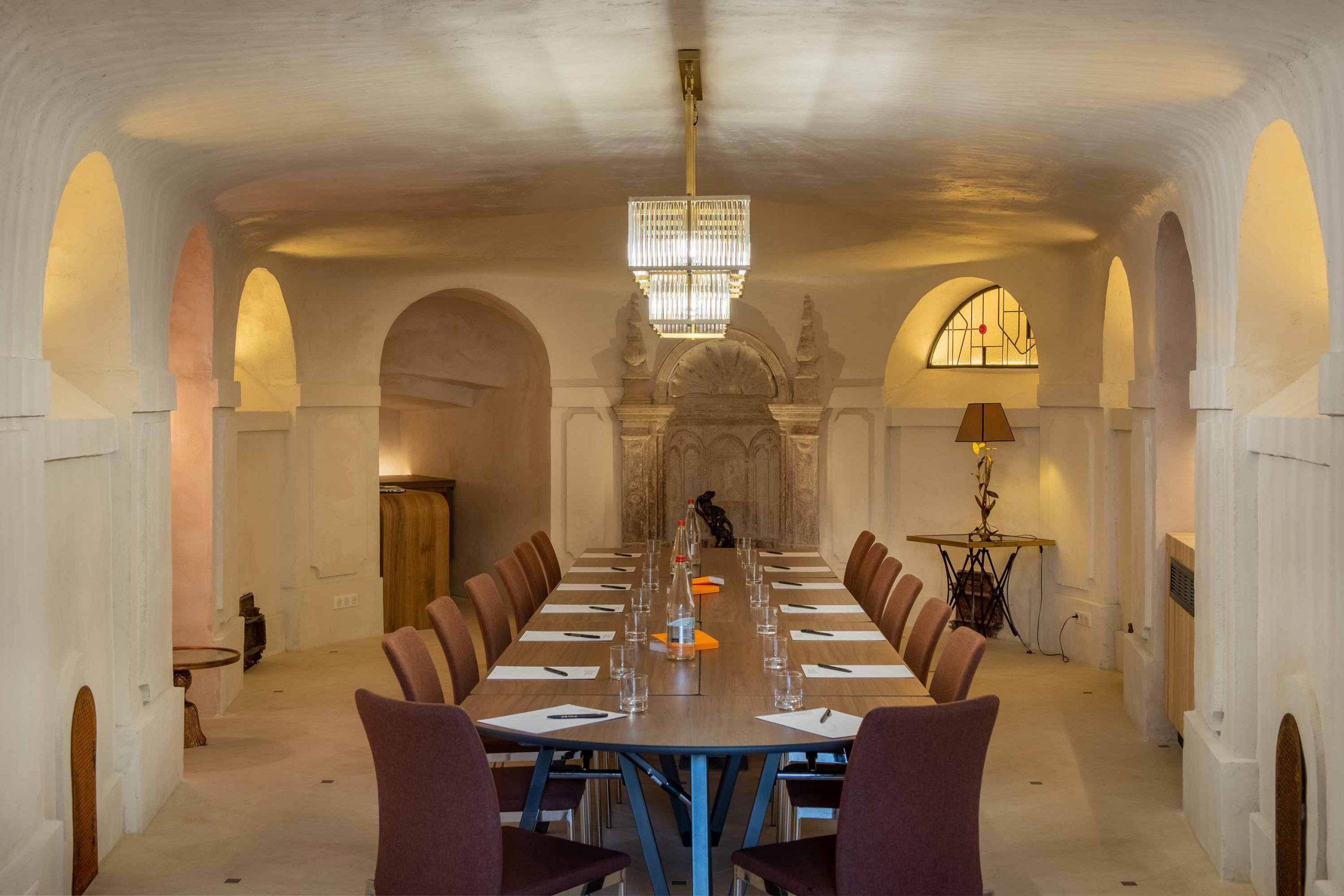
A Medieval Setting, a Modern Kitchen
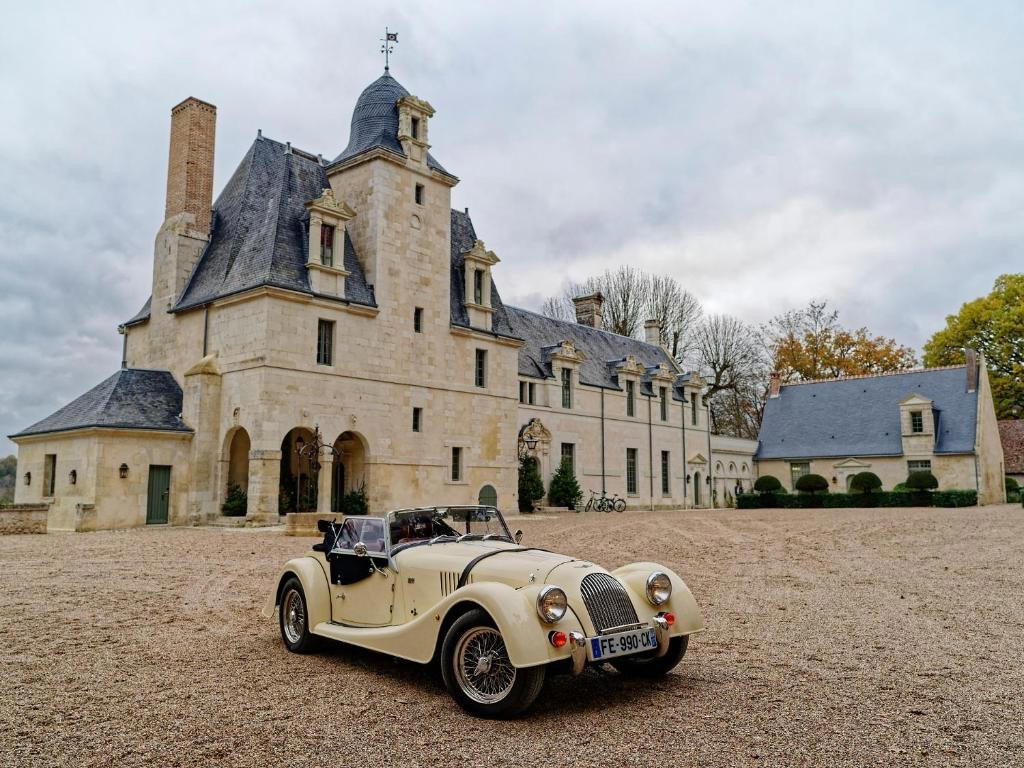
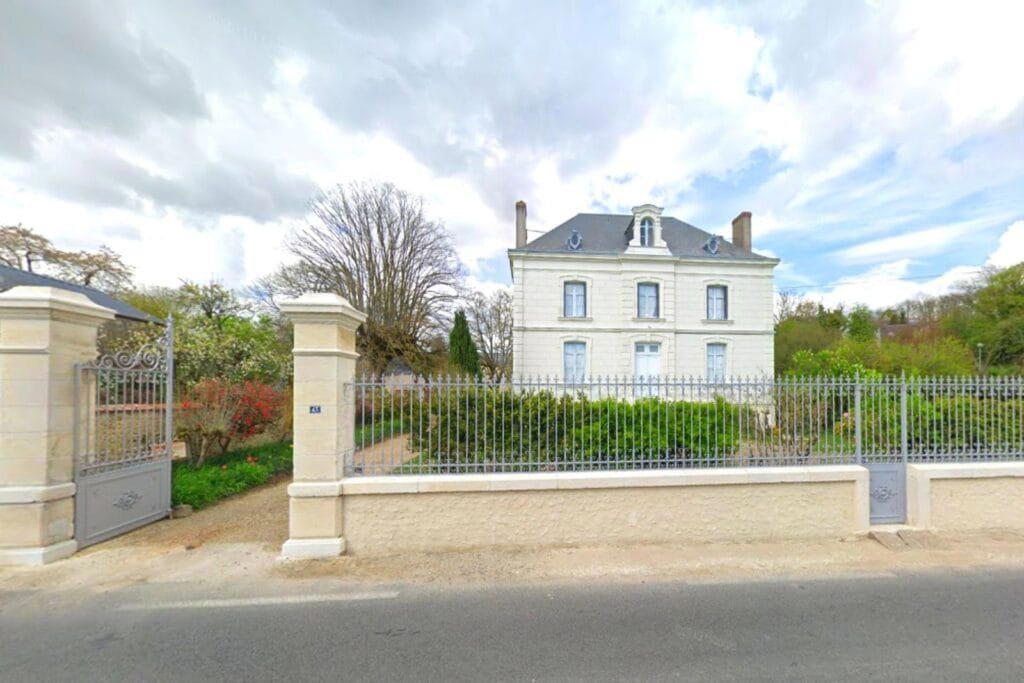
The Loire Valley has always asked its residents to keep up appearances. Centuries of royal proximity produced a built environment of formal gardens, tuffeau stone façades, and orangeries that were designed to impress as much as to function. Château de Pray, positioned on the south bank of the Loire upstream from Amboise in the village of Chargé, belongs to that tradition in the most literal sense: the structure dates to the medieval period, with two substantial towers that mark it clearly from the river road, and a Renaissance remodelling that layered the refinement on top of the fortification. Arriving along the approach to the property, the scale of the formal grounds registers before the building does — this is the Loire at its most architecturally self-conscious.
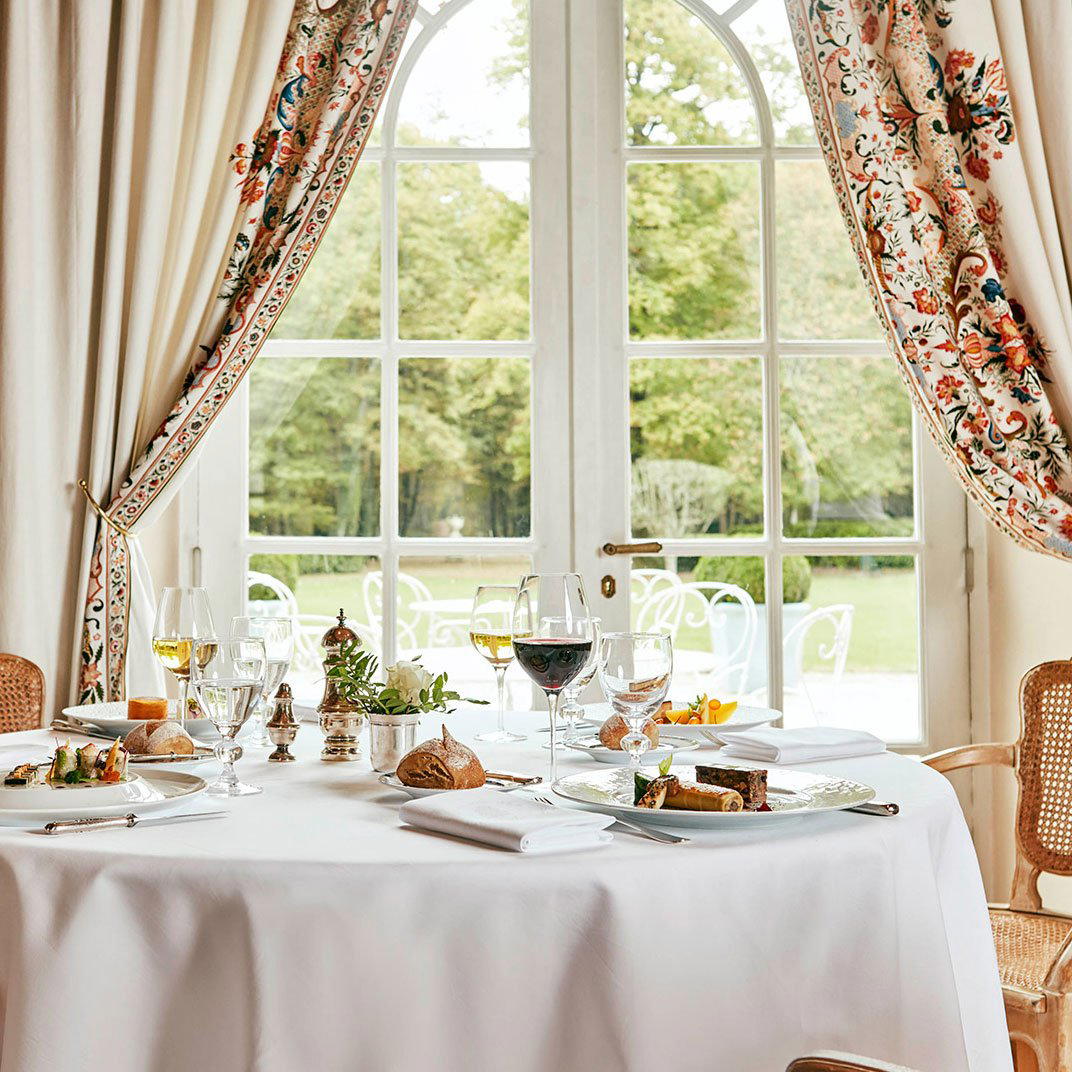
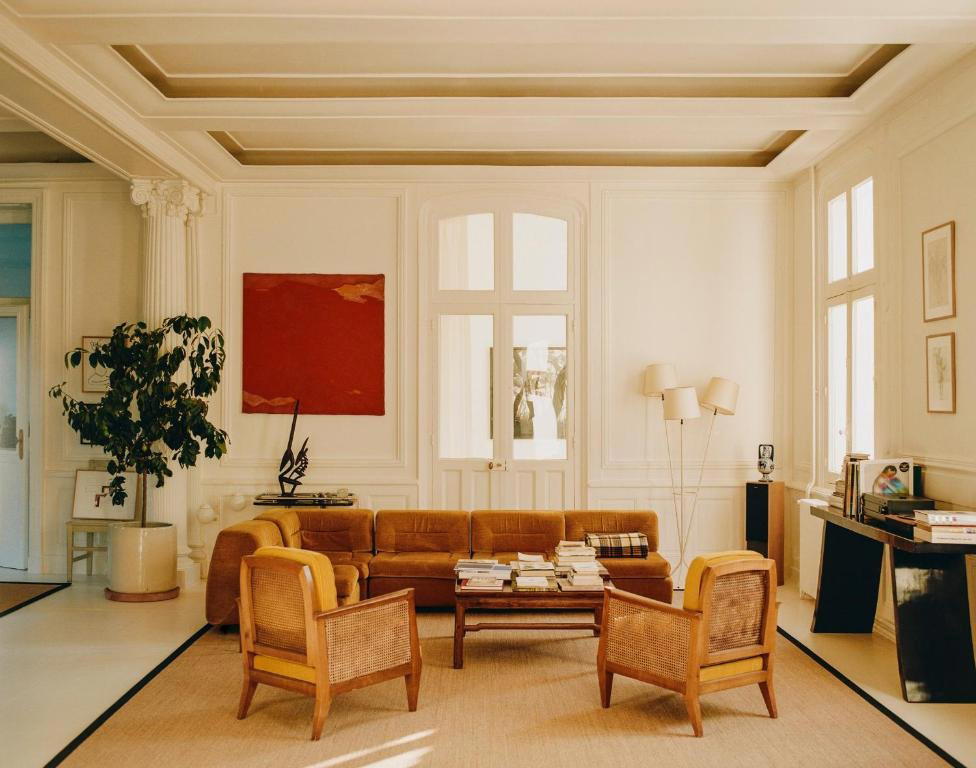
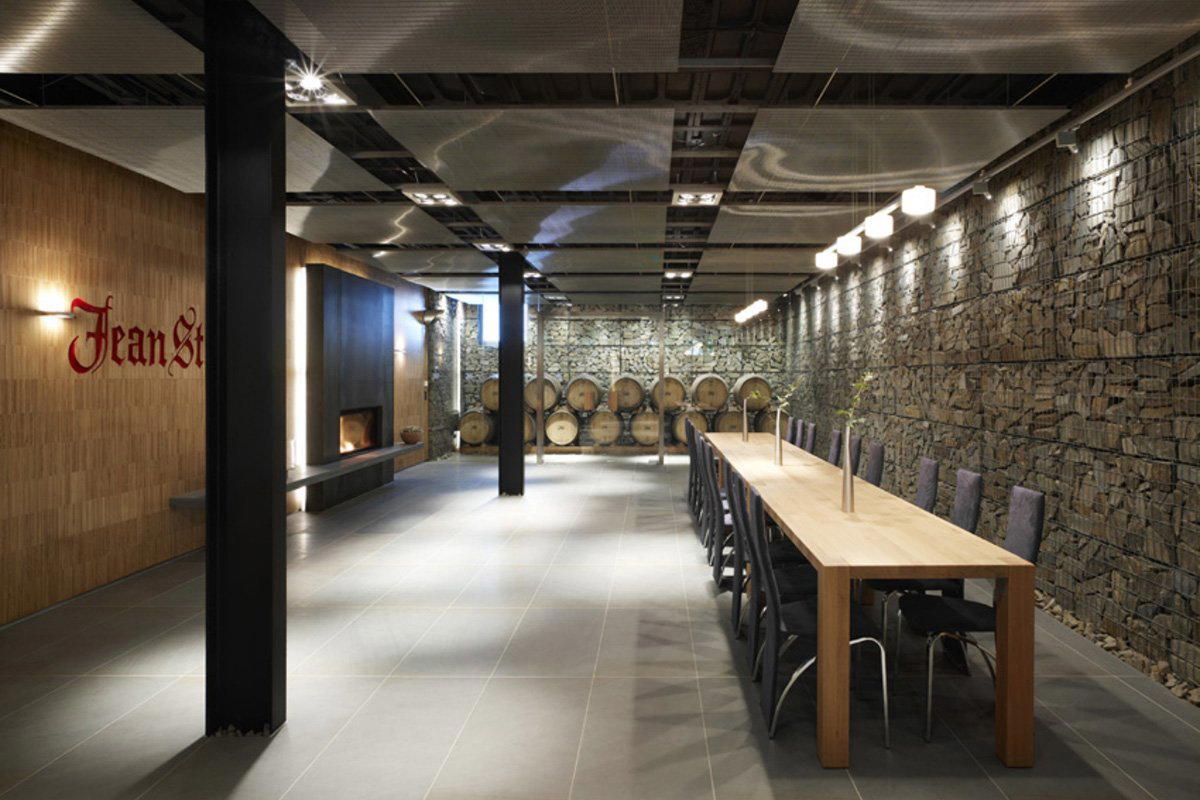
Inside, the orangery dining room occupies a transitional space: one section carved directly into the rocky hillside behind the château, the rest opening toward the terrace and gardens. On afternoons when the Touraine light is cooperative, that terrace is where the region's art de vivre makes its clearest case. The setting is not incidental to the dining experience here; it is structural. A Michelin star in a railway-adjacent city-centre room and a Michelin star at a Loire château with a garden terrace are nominally the same credential, but the context they operate within is entirely different.
What the Loire Puts on the Plate
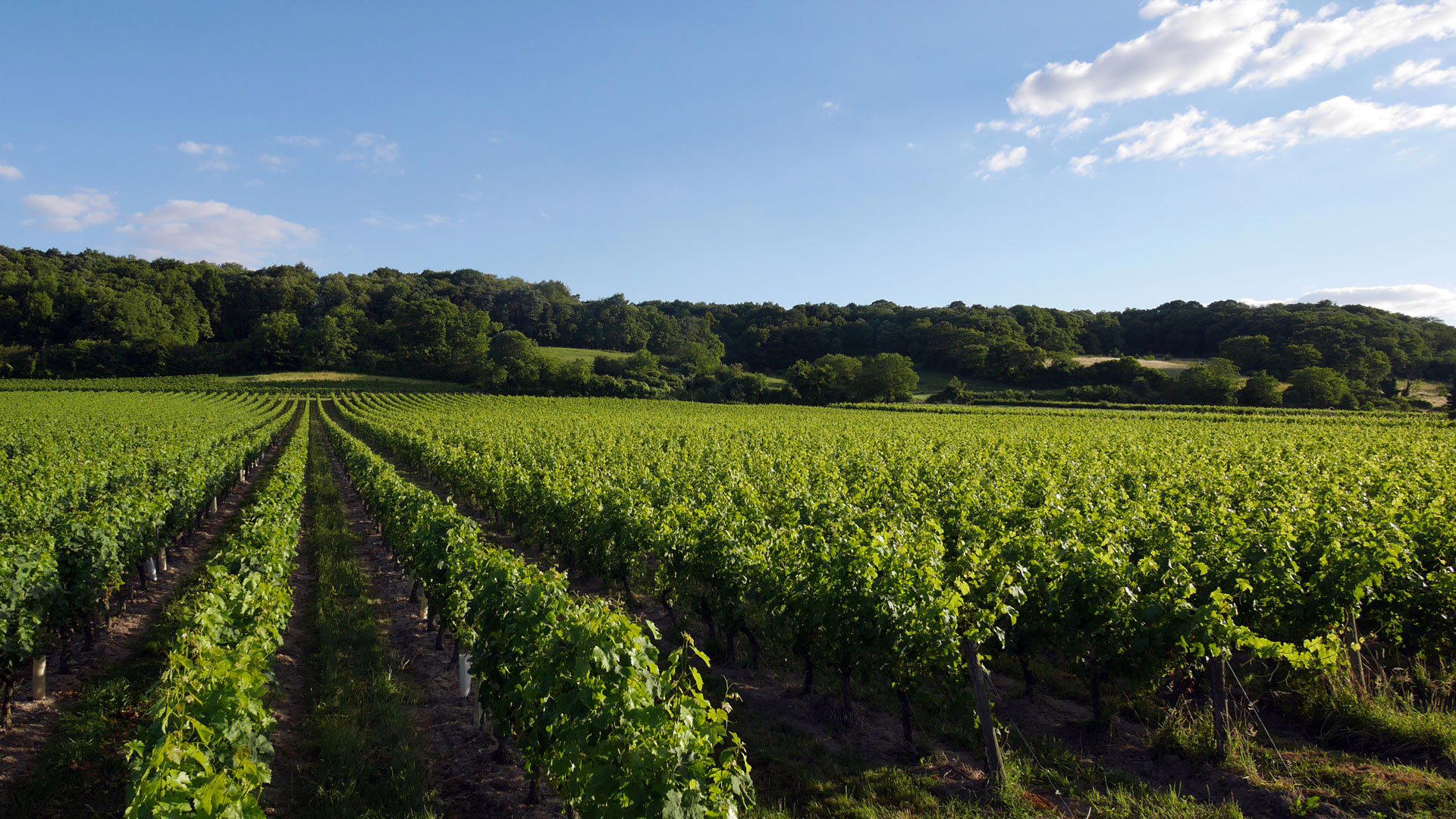
The editorial angle that matters most at Château de Pray is not the château itself, it is the sourcing discipline that earned the kitchen its 2024 Michelin star. Loire Valley cooking at its most considered is an exercise in provincial specificity: Vouvray, the appellation that sits just across the river from this stretch of the south bank, provides a wine with enough acidity and aromatic lift to function in a reduction as effectively as on the table. White asparagus from the sandy soils of the greater Loire basin appears on the plate alongside those Vouvray notes. Touraine blackcurrants show up in dessert form, in a hot soufflé. These are not decorative regional gestures — they are the load-bearing ingredients of a menu that is built around what this particular geography produces.
Chef Arnaud Philippon's cooking at the property sits in the space where classical Loire technique meets contemporary plating logic. The Michelin citation references pressed young goat and foie gras with pied bleu mushrooms, wild garlic, mango, and cocoa paste; razor clams with white asparagus and Vouvray wine alongside primrose roots; and the Touraine blackcurrant soufflé. The combination of local goat, Loire-appellation wine, and foraged wild garlic alongside a more globally-framed element like mango reflects a kitchen that is confident enough in its regional foundation to introduce contrast without losing its address. That balance, delicate craftsmanship, sourcing specificity, measured modernism, is precisely the register that Michelin has been rewarding in France's provincial starred houses over the past decade.
Across France's broader Michelin tier, single-star kitchens in château or country-house settings occupy a distinct competitive niche. Compared to the technical maximalism of a three-star Paris kitchen like Alléno Paris au Pavillon Ledoyen, or the landscape-anchored ambition of Mirazur in Menton, or the multi-generational institutional weight of Auberge de l'Ill in Illhaeusern, Château de Pray is working at a different register, one where the setting, the sourcing provenance, and the coherence of the regional identity carry as much weight as the technical execution. Other French country-house kitchens aiming at comparable positioning include Bras in Laguiole, where the relationship between the kitchen and the surrounding terrain has been its defining editorial argument for decades, and Flocons de Sel in Megève, which situates Alpine sourcing within an architecture of comparable drama. The question these houses all answer differently is: how much does the setting do the work, and how much does the plate?
At Château de Pray, the answer appears to be a deliberate partnership. The Michelin language, "delicate craftsmanship, balanced flavours, locally sourced ingredients: the good life at its finest", is not language the guide uses for technically dazzling rooms. It is language for kitchens that have understood their geography and cooked it honestly. That is a specific kind of ambition, and it produces a specific kind of dining experience.
Amboise and Its Starred Neighbours
The Amboise dining scene is compact but increasingly considered. The town sits at the confluence of the Amasse and Loire rivers, in a section of the valley dense with châteaux open to tourists and a local food culture that is more serious than the tourist volume might suggest. L'Écluse and Les Arpents represent two points on the local dining spectrum, and our full Amboise restaurants guide maps the wider field. But Château de Pray's position slightly outside the town centre, upstream in Chargé, on the south bank, gives it a remove from the town's tourist centre that the experience benefits from. The drive along the Loire, the formal grounds, the château architecture: these begin the experience before the menu arrives.
For visitors structuring a Loire Valley trip around the dining programme, the region's wine context matters as much as the food. Vouvray and Chinon sit within easy reach of Amboise, and the interaction between Loire appellations and local kitchens is tighter here than in many French wine regions. Our full Amboise wineries guide covers that territory in detail. The broader Amboise visitor infrastructure, hotels, bars, curated experiences, is covered in our hotels guide, bars guide, and experiences guide.
Planning Your Visit
Service at Château de Pray runs Wednesday through Sunday. Wednesday offers dinner only, from 7 PM to 9 PM. Thursday through Saturday, lunch runs from noon to 1:30 PM and dinner from 7 PM to 9 PM. Sunday service is lunch only, noon to 1:30 PM. Monday and Tuesday the restaurant is closed. The property is priced at the €€€ tier, positioned below the €€€€ bracket occupied by France's multi-starred urban flagships like Troisgros in Ouches or Paul Bocuse's Auberge du Pont de Collonges, but firmly in the range where a Michelin-starred tasting menu in a château setting is the expectation. The address is Rue du Cèdre, 37530 Chargé, a village immediately upstream from Amboise along the south bank of the Loire. A car is the practical choice, though the drive from central Amboise is brief. Booking ahead is advisable given the limited service windows and the relatively small dining room implied by the property's scale.
For reference points in how single-star Modern Cuisine operates at this price tier across France's regions, Assiette Champenoise in Reims offers a comparable exercise in regional identity, as does AM par Alexandre Mazzia in Marseille, though each kitchen operates with a very different interpretation of what regional identity requires. Internationally, the Modern Cuisine format and the tension between terroir specificity and technical ambition appear in houses like Frantzén in Stockholm and its Dubai offshoot FZN by Björn Frantzén, a useful reminder that the conversation about sourcing integrity and local-product fidelity is a global one, even when it takes its most convincing form in a Loire Valley orangery.
Frequently asked questions
What's the best thing to order at Château de Pray?
The Michelin citation names three dishes that anchor the kitchen's sourcing logic: pressed young goat and foie gras with pied bleu mushrooms, wild garlic and mango and cocoa paste; razor clams with white asparagus and Vouvray wine with primrose roots; and the hot soufflé with Touraine blackcurrants. The soufflé in particular reads as a statement of place, pulling from local blackcurrant production in a format that demands technical precision. All three reflect the kitchen's commitment to Loire-regional ingredients over imported luxury staples.
Is Château de Pray more mid-range or high-end?
Pricing at Château de Pray is listed as €€€.
When is Château de Pray open?
Hours at Château de Pray: Monday closed Tuesday closed Wednesday 7 PM-9 PM Thursday 12 PM-1:30 PM 7 PM-9 PM Friday 12 PM-1:30 PM 7 PM-9 PM Saturday 12 PM-1:30 PM 7 PM-9 PM Sunday 12 PM-1:30 PM.
Comparable Spots, Quickly
| Venue | Cuisine | Price | Awards |
|---|---|---|---|
| Château de PrayThis venue — the venue you are viewing | Modern French Fine Dining | $150–200 | 1 Michelin Star |
| Alléno Paris au Pavillon Ledoyen | Creative | Not listed | Michelin 3 Star |
| Kei | Contemporary French, Modern Cuisine | Not listed | Michelin 3 Star |
| L'Ambroisie | French, Classic Cuisine | Not listed | Michelin 3 Star |
| Le Cinq - Four Seasons Hôtel George V | French, Modern Cuisine | Not listed | Michelin 3 Star |
| Plénitude | Contemporary French | Not listed | Michelin 3 Star |
Recognition history
Dated appearances from independent guides and award organizations, with the underlying list record or original source where available.
Michelin 1 Star
Michelin
Full recognition history (3 entries)
Michelin 1 Star
Michelin
Michelin 1 Star
Michelin
Continue exploring
More in Amboise
Restaurants in Amboise
Browse all →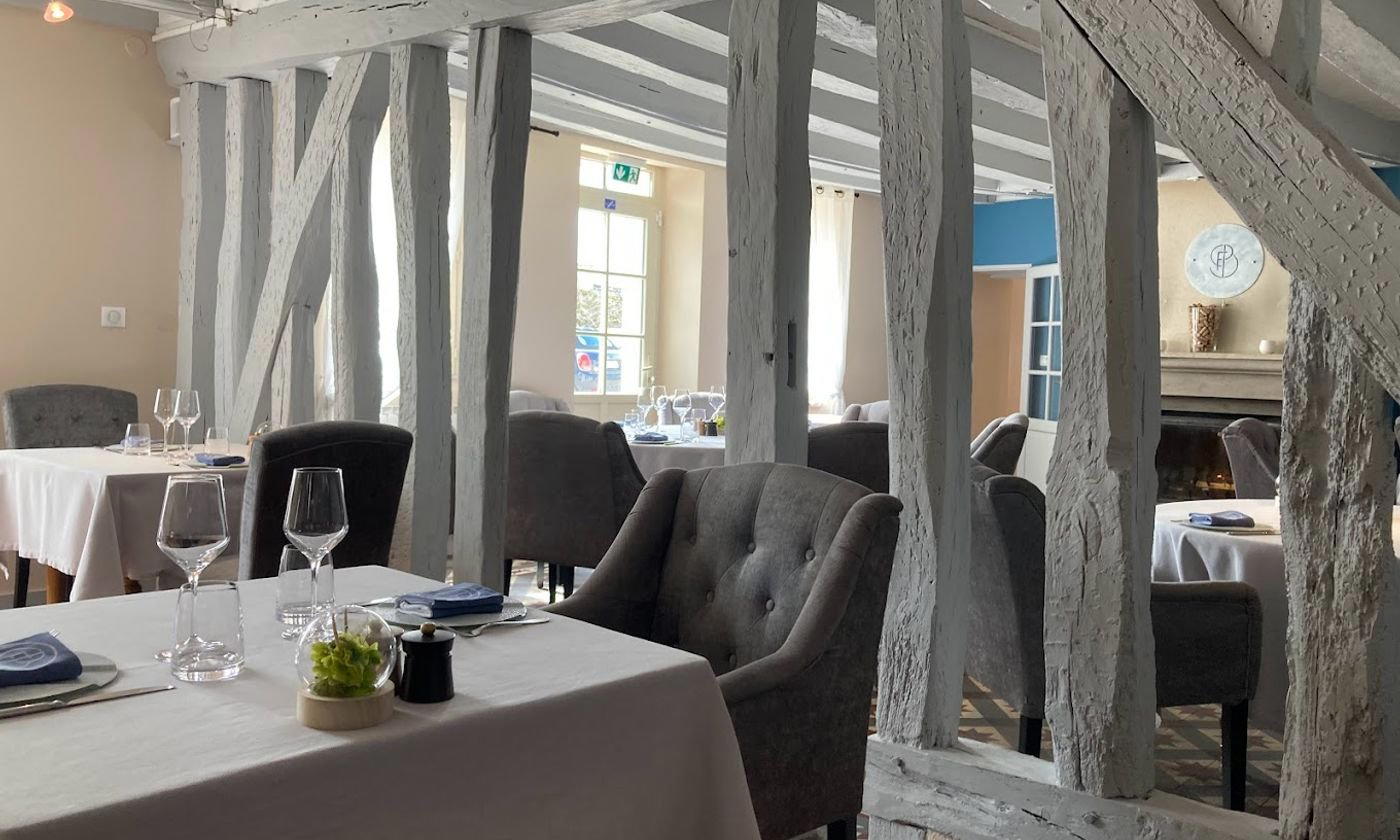
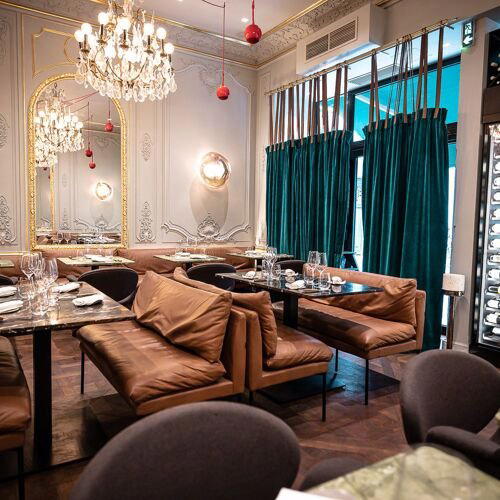
Bars in Amboise
Browse all →
Hotels in Amboise
Browse all →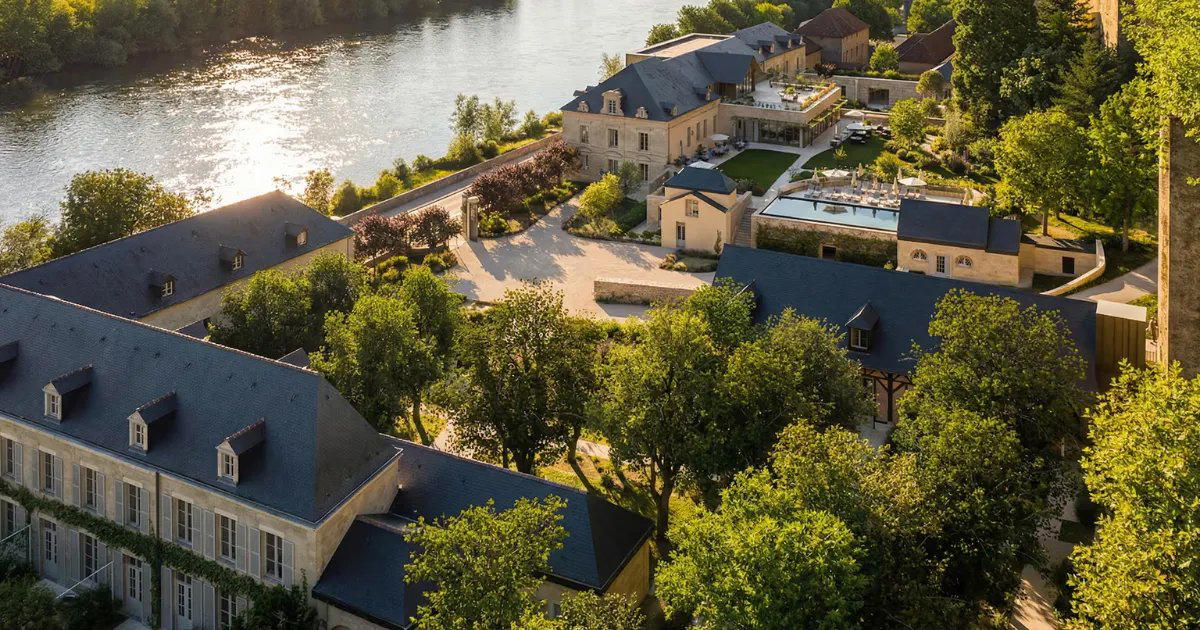

Details
- Romantic
- Elegant
- Classic
- Intimate
- Sophisticated
- Date Night
- Special Occasion
- Celebration
- Historic Building
- Hotel Restaurant
- Terrace
- Garden
- Extensive Wine List
- Sommelier Led
- Local Sourcing
- Farm To Table
- Garden
- Tasting Menu
- A La Carte
- Vegetarian Friendly
Current opening hours
- Monday
- Closed
- Tuesday
- Closed
- Wednesday
- 7–9 PM
- Thursday
- 12–1:30 PM, 7–9 PM
- Friday
- 12–1:30 PM, 7–9 PM
- Saturday
- 12–1:30 PM, 7–9 PM
- Sunday
- 12–1:30 PM
Hours can change for holidays and private events. Last verified .
Elegant and refined atmosphere in a semi-troglodyte room carved into tuffeau rock, with terrace overlooking bucolic gardens.