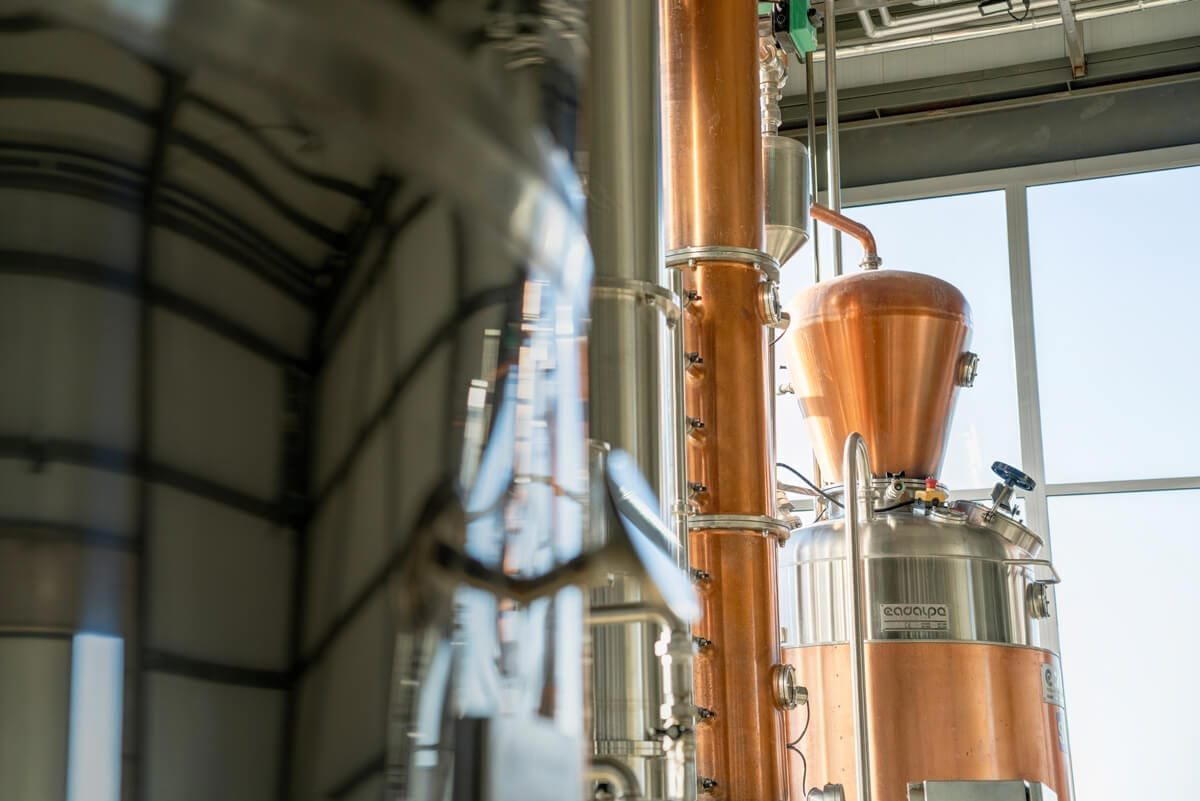
Destilería El Alquimista in Salta produces a small-batch, London Dry gin that marries classic distillation with local botanical flair. Signature expressions include Alquimista London Dry Gin and the core Alquimista Gin expression, presented as focused, aromatic spirits. The production emphasizes juniper and coriander anchored by fresh cucumber, bright grapefruit and warm cardamom-clove spices, delivering an elegant, citrus-lifted nose and a silky, spice-driven finish. With meticulous small-batch methods and praise from industry palates, a visit promises a sensory study in aromatic balance and precision, citrus zests, cool cucumber, piney juniper and a long, warming spice tail that invites classic cocktails and contemporary tasting flights.
 Discover on Pearl
Pearl is the En Primeur Club membership app — saves, bookings, and concierge access live there. Same editors, same standards.
Altitude, Agave, and the Art of Argentine Spirits
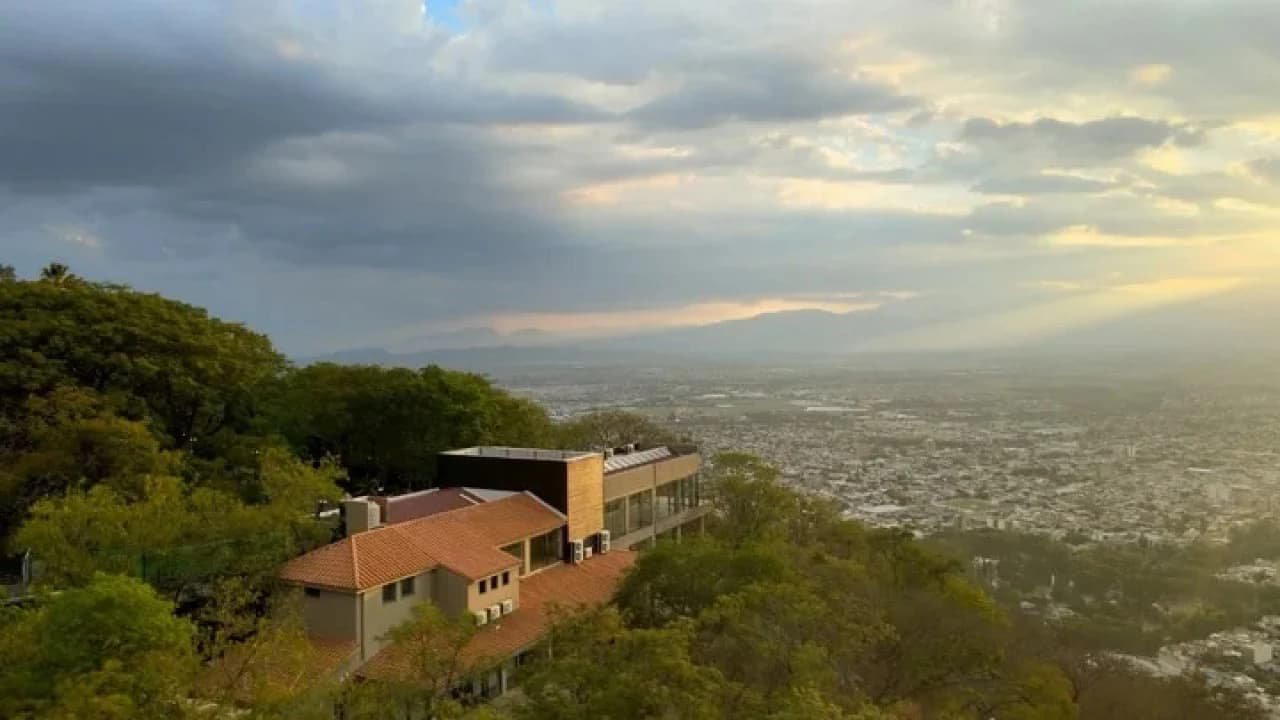
Salta sits at an elevation that changes what fermentation means. The provincial capital of Argentina's northwest, surrounded by the Quebrada de Humahuaca valleys and the high-altitude vineyards of Cafayate to the south, has long been a region where geography imposes itself on everything that grows and distills. The air is thinner, the sun more direct, and the diurnal temperature swings more pronounced than anywhere in the Argentine lowlands. Distillers working here are not operating in spite of their environment but because of it. Destilería El Alquimista, the recipient of a Pearl 1 Star Prestige award in 2025, occupies that context: a spirits producer whose recognition places it at the premium tier of Argentina's growing craft distillery category.
What the Northwest Argentine Terroir Produces
The case for Salta as a serious production territory follows the same logic that made its wine region internationally credible. At elevations between 1,500 and 3,000 metres across the broader Calchaquí Valley system, raw ingredients develop differently. Sugar concentration, aromatic intensity, and the structural qualities of botanicals all shift when plants are stressed by altitude, UV exposure, and cold nights. For winemakers operating nearby, including Bodega Colomé in Molinos and Bodega El Esteco in Cafayate, these conditions produce wines of notable concentration and freshness simultaneously. A distillery working within this same geographic and climatic envelope inherits those same inputs.
Argentina's craft spirits sector has expanded significantly over the past decade, tracking a broader Latin American movement toward premium domestic production. Where Buenos Aires-based operations like Fratelli Branca Distillery in Buenos Aires represent the industrial and heritage end of that spectrum, smaller regional producers have carved a different space. Destilería El Alquimista sits in that smaller, place-specific tier, its 2025 Pearl 1 Star Prestige recognition affirming its position within the premium segment.
Salta in the Argentine Premium Drinks Map
Argentina's premium drinks geography is usually described through a Mendoza lens. The Cuyo region accounts for the majority of the country's internationally recognized wine production, with houses such as Terrazas de los Andes in Mendoza, Bodega Norton in Luján de Cuyo, and Escorihuela Gascón in Godoy Cruz defining the mainstream premium tier, while smaller Mendoza appellations host operations like Bodega Bressia in Agrelo and Bodega Antigal in Maipú. Further south, Patagonian producers including Familia Schroeder in San Patricio del Chañar extend the map in a different climatic direction.
Salta and the northwest are less trafficked by international buyers but increasingly recognized by those who have paid attention to Argentine wine's evolution. The Torrontés grape, grown at high altitude in the Calchaquí valleys, established the region's credentials two decades ago. Premium Malbec and Cabernet Sauvignon from extreme-altitude vineyards added further weight to the argument. A craft distillery operating in this environment carries those same regional signals into a spirits context, where provenance and terroir are increasingly the primary differentiators at the premium level.
How the Pearl 1 Star Prestige Signal Reads
Award structures in the spirits and hospitality category serve as reference points for positioning. The Pearl 1 Star Prestige designation Destilería El Alquimista received in 2025 places it within a recognized prestige tier, the kind of credential that functions similarly to how entry-level Michelin recognition works for restaurants: it confirms that a production or hospitality operation has crossed a threshold of consistency and quality that justifies the premium bracket. For a regional producer in Salta, that signal carries additional weight because it places a northwestern Argentine operation in a competitive frame that extends beyond domestic recognition.
Comparable award signals in the Argentine wine world have historically preceded broader international recognition. Producers in Tupungato like Rutini Wines (La Rural) and operations across the Mendoza belt spent years accumulating domestic prestige before their international profiles fully formed. A 2025 award for a Salta distillery suggests the northwest is following a similar trajectory, moving from regional curiosity to formally recognized production territory for spirits alongside its established wine credentials.
The Alquimist Tradition in Distilling
The name Alquimista references alchemy, the pre-scientific tradition of transformation that serves as a persistent metaphor in distilling culture across the world. Distilleries from Speyside Scotland, where operations like Aberlour operate, to California's Napa Valley, where Accendo Cellars in St. Helena represents precision production at the wine end, have long engaged with the idea that raw ingredients undergo a fundamental change through skilled production. In the Argentine northwest, that transformation is shaped by what the land provides: high-altitude raw materials, mineral-rich water sources from Andean glacial runoff, and an atmospheric environment that affects maturation and concentration differently than lowland conditions.
The alchemist metaphor in a Salta context also maps onto a broader regional identity. Salta province is known within Argentina for its cultural distinctiveness, its pre-Columbian heritage sites, its Spanish colonial architecture in the capital, and its food traditions that connect Andean indigenous culture with criollo cooking. A distillery operating in this environment draws on a regional identity that is older and denser with meaning than a neutral production location would provide. That layering of place and production is precisely what premium spirits buyers look for when they are choosing between a generic category product and something that carries genuine provenance.
Visiting Salta and Planning Around El Alquimista
Salta city is the logical base for exploration of the northwest. The provincial capital is served by direct flights from Buenos Aires with a journey time of roughly two hours, and the city center, with its well-preserved colonial architecture and established food and drink scene, provides context for a spirits destination visit. For those who want to pair a visit with wine country, Cafayate is approximately three hours south by road through the Quebrada de las Conchas gorge. The wine producers of the Calchaquí Valley make a natural pairing with a craft spirits destination like Destilería El Alquimista.
The Salta drinks scene, while smaller than Mendoza's, benefits from lower visitor volumes and a more intimate scale of engagement. Unlike the Mendoza wine corridor, where major producers such as Bodega Trapiche and Bodega DiamAndes in Tunuyán operate within an established tourist infrastructure, Salta's premium producers tend to operate at smaller volumes with fewer concurrent visitors. That means access to the production environment tends to be more direct, and the conversations that happen at places like El Alquimista carry the character of a specialist encounter rather than a volume hospitality experience.
Comparison Snapshot
Comparable venues nearby, for context on price, style, and recognition.
| Venue | Cuisine | Price | Notes |
|---|---|---|---|
| Destilería El AlquimistaThis venue — the venue you are viewing | Winery | , | |
| Gin Chanteclair | Winery | , | Buenos Aires |
| Finca Quara | Torrontés, Malbec | $$ | Cafayate |
| Destilería San Luis | Winery | , | San Luis |
| Príncipe de los Apóstoles Gin | Winery | , | Buenos Aires |
| San Pedro de Yacochuya | Malbec, Cabernet Sauvignon | $$ | Cafayate |
Continue exploring