
A Fifth Growth Pauillac with the structural weight of its appellation and the quiet consistency of a property that has never needed reinvention. The wines read as a textbook for what the Route de Batailley gravel plateau can do with Cabernet Sauvignon.
Pearl is the En Primeur Club membership app — saves, bookings, and concierge access live there. Same editors, same standards.
- Address
- Route de, Batailley, 33250 Pauillac
- Phone
- +33556000070
- Website
- chateau-batailley.com
- Directions
- Get directions
 Saves & bookings on Pearl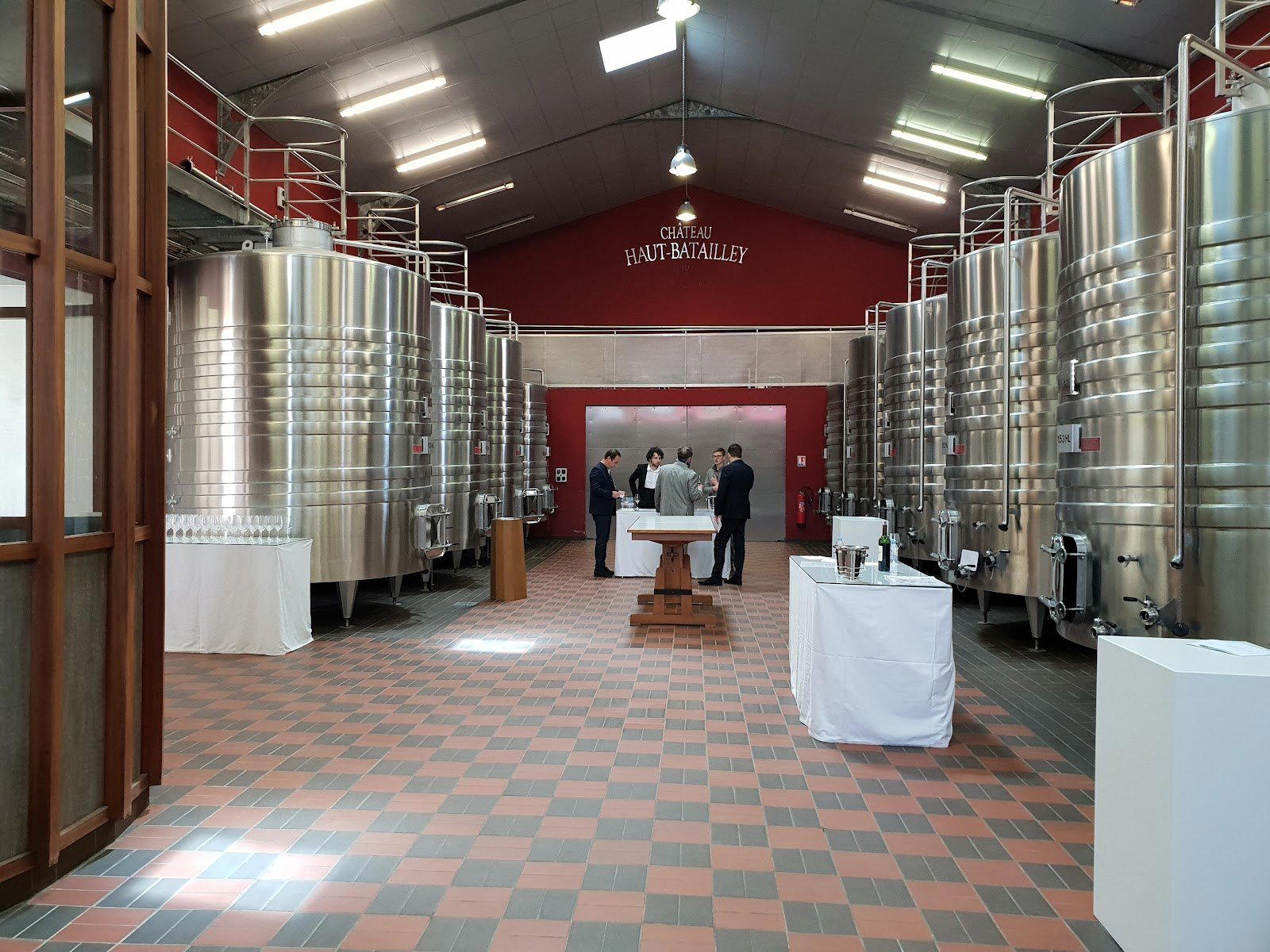
Gravel, Cabernet, and the Quiet Logic of Pauillac's Southern Plateau
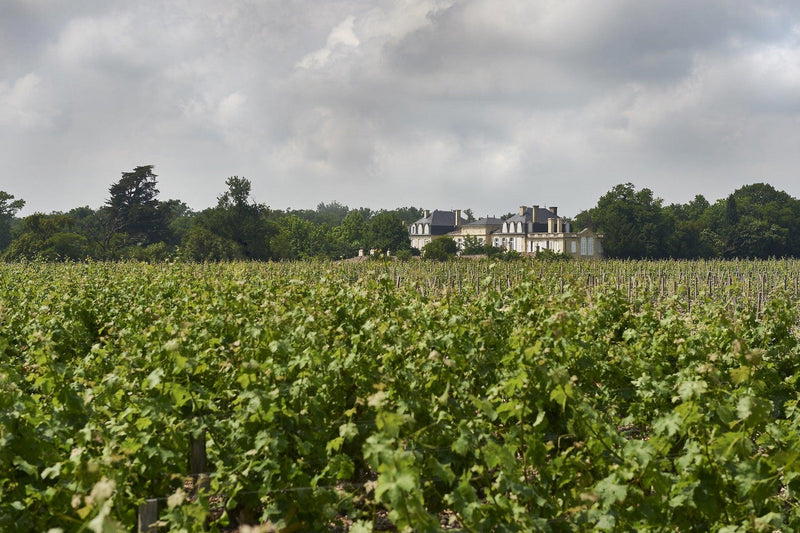
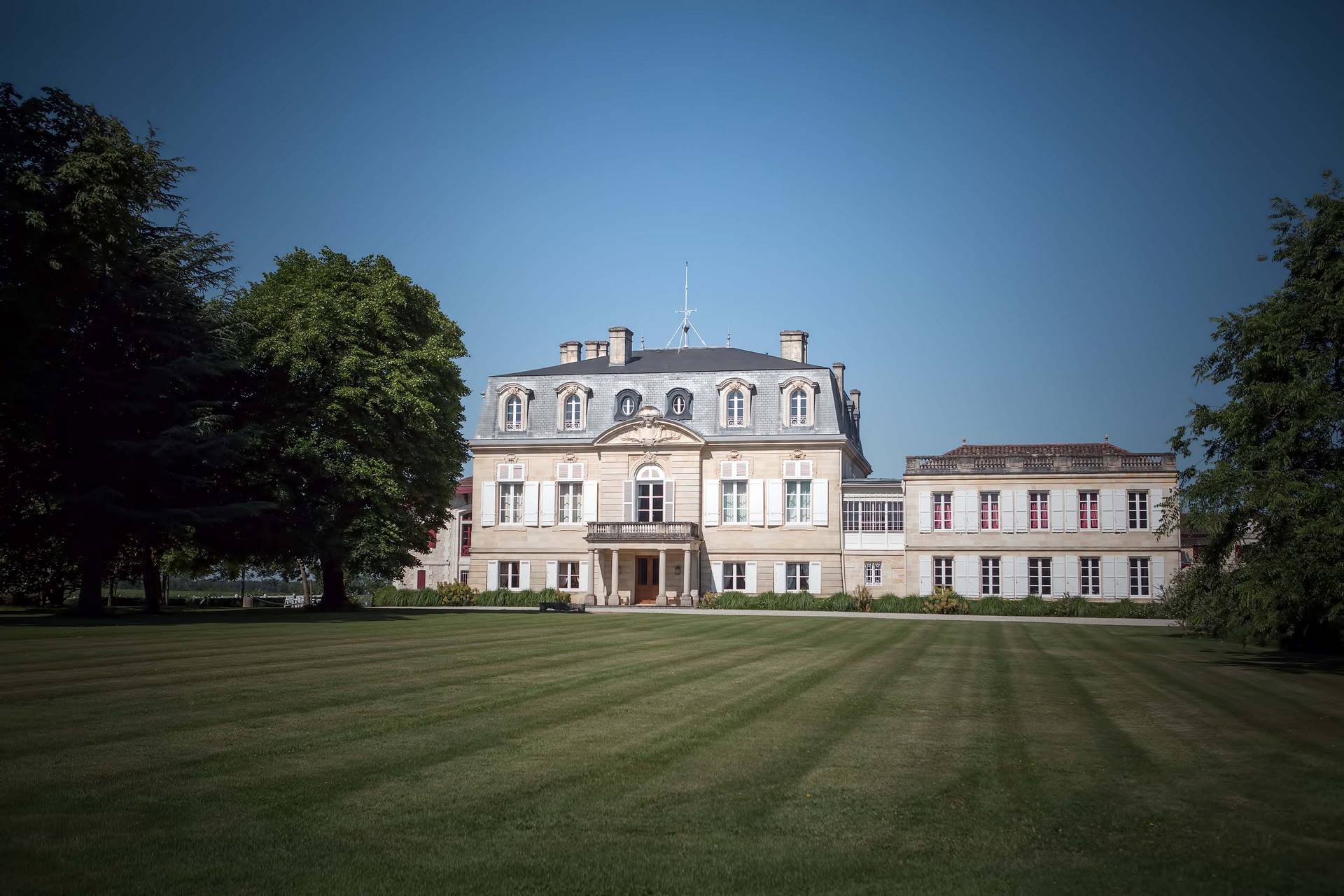
The Route de Batailley runs southwest from the town of Pauillac toward a lower-profile stretch of classified vineyards that rarely generates the headline prices of the appellation's northern tier. This is not a slight. The gravel ridges here are less photographed than those surrounding Chateau Lafite Rothschild to the north, but the soil composition follows the same broad logic: deep Günzian gravel over clay subsoil, excellent drainage, and a thermal mass that accumulates heat through the growing season and releases it slowly at night. Château Batailley sits within that corridor, a Fifth Growth classified in 1855 that has spent the better part of two centuries doing what Pauillac does with minimal theatrical intervention.
In a region where image management has become as important as viticulture, Batailley's relative restraint in the media cycle is itself a data point. The estate produces wine from the same plateau that its peers occupy, classified under the same system, and draws from the same Cabernet Sauvignon-dominant tradition that defines left-bank Médoc.
What the Land Actually Produces
Pauillac's terroir argument rests on a specific claim: that gravel drains fast enough to stress the vine at precisely the right moment in the growing cycle, concentrating fruit without cooking it, and that the Gironde's proximity moderates both frost risk and summer excess. Château Batailley's vineyards express that argument through Cabernet Sauvignon, with Merlot and smaller proportions of Cabernet Franc and Petit Verdot completing the blend in most vintages. This is standard Médoc grammar, but the execution at Batailley has historically leaned toward structure over accessibility: wines that reward patience and resist early opening in stronger years.
That kind of sustained recognition across multiple vintages and assessment cycles matters more than a single exceptional year, because it reflects the baseline performance of the terroir and the cellar across variable conditions. Comparable properties in Pauillac's Fifth Growth tier, including Château d'Armailhac, Château Grand-Puy-Ducasse, and Château Pédesclaux, occupy broadly the same competitive bracket, though each draws from a different parcel configuration and blending philosophy.
The 1855 Classification remains the most durable piece of commercial architecture in wine, and Pauillac holds a disproportionate share of its most prestigious entries. Château Batailley's Fifth Growth status places it in a category that collectors sometimes treat as a value tier relative to the First and Second Growths, but that framing obscures the actual quality range within the Fifth Growth cohort. At the upper end of that cohort, wines from strong vintages can outperform their classification in blind assessments. The classification was designed to reflect 19th-century market prices, not to provide a static quality hierarchy, and Batailley has spent decades accumulating a track record that the 1855 committee could not have anticipated.
Within Pauillac's southern sector, Château Haut-Bages-Libéral operates from a different parcel set but draws from a similar gravel-clay foundation. The differences between these estates in any given vintage owe more to microclimate variation, harvest timing decisions, and extraction choices than to any fundamental terroir divergence. That proximity makes comparative tasting across the cohort genuinely instructive for anyone building an understanding of how Pauillac expresses itself outside the first-tier estates.
Visiting and Planning
Pauillac sits roughly 50 kilometres north of Bordeaux along the D2, a route that connects most of the Médoc's classified châteaux in a navigable sequence. Château Batailley's address on the Route de Batailley places it south of the town centre, accessible by car from the D2 corridor. This is standard practice for most Pauillac estates, where cellar visits are typically by appointment and weighted toward the trade. For those building a Médoc itinerary, the spring en primeur window in April offers the broadest access, though harvest visits in September and October give a different kind of proximity to the production process.
The wines themselves are available through the Bordeaux place system, négociants, and specialist wine merchants globally. En primeur pricing for Pauillac Fifth Growths generally positions Batailley in an accessible bracket relative to the appellation's First and Second Growths, making it a practical entry point for collectors building left-bank exposure. For broader context on eating, drinking, and visiting in the appellation, our full Pauillac restaurants guide covers the town and its surroundings in detail.
How Batailley Fits the Broader Médoc Argument
Bordeaux's left bank has faced a sustained challenge from New World Cabernet programmes in California and elsewhere. Estates like Accendo Cellars in St. Helena operate with a precision and fruit concentration that competes directly with Médoc in the premium collector market. The left bank's counter-argument is age: a classified Pauillac from a serious vintage will develop in bottle over decades in ways that younger regional traditions are still demonstrating. Batailley's structural profile, with its firm tannin architecture and moderate fruit weight in youth, is precisely the kind of wine that vindicates that argument when tasted at ten or fifteen years.
Comparison across production traditions is also useful for understanding what Batailley is not. Albert Boxler in Niedermorschwihr and Château Bastor-Lamontagne in Preignac represent entirely different French wine traditions, aromatic Alsatian whites and Sauternes respectively, that illustrate how differently terroir functions across the country's diverse appellations. Batailley is unambiguously a red wine estate in the Médoc tradition, where the grape, the soil, and the ageing regime converge on a single, well-defined outcome.
Among Saint-Julien neighbours to the south, Château Branaire Ducru and Château Cantemerle in Haut-Médoc offer useful points of comparison for collectors trying to understand how the Cabernet-dominant left-bank style shifts across appellation boundaries. Pauillac's tannic density and dark fruit character typically reads heavier than Saint-Julien's more floral expression, and Batailley occupies a position within Pauillac that is closer to the appellation's structural centre than its most powerful northern estates.
Recognition history
Dated appearances from independent guides and award organizations, with the underlying list record or original source where available.
Falstaff Winery - 2 Stars
Falstaff
Continue exploring
More in Pauillac
Wineries in Pauillac
Browse all →
Bars in Pauillac
Browse all →
Restaurants in Pauillac
Browse all →
At a Glance
- Classic
- Elegant
- Sophisticated
- Well Known
- Historic
- Wine Education
- Special Occasion
- Vineyard Tour
- Historic Building
- Cave Tasting
- Sustainable
- Vineyard
- Garden
- Pauillac AOC
- Cabernet Sauvignon
- Merlot
- Cabernet Franc
- Petit Verdot
- Still Red
- Private Tasting
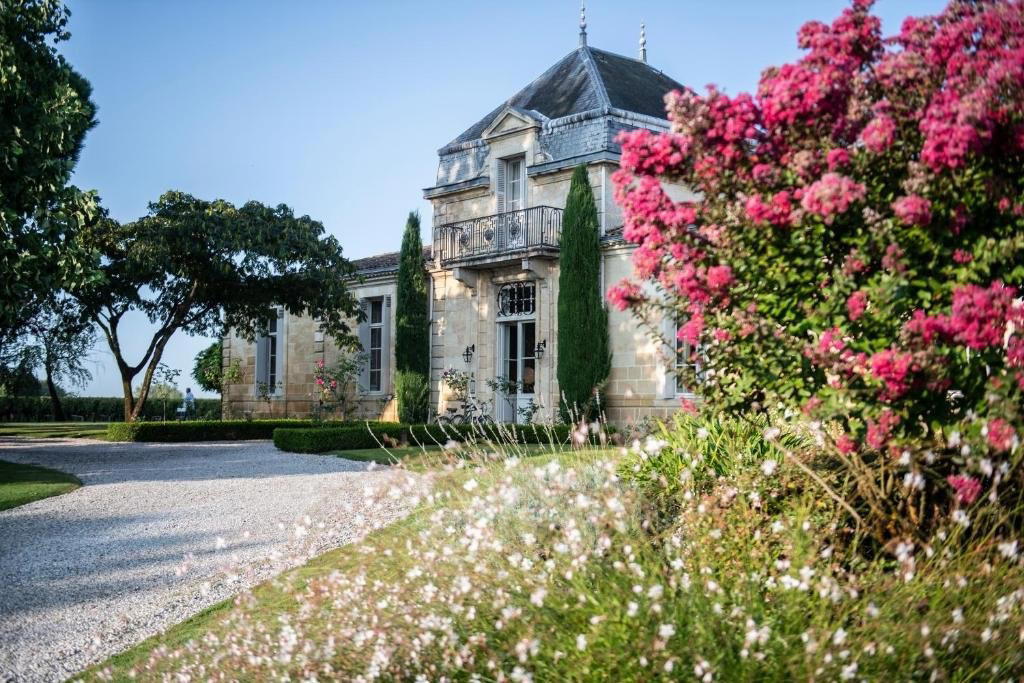
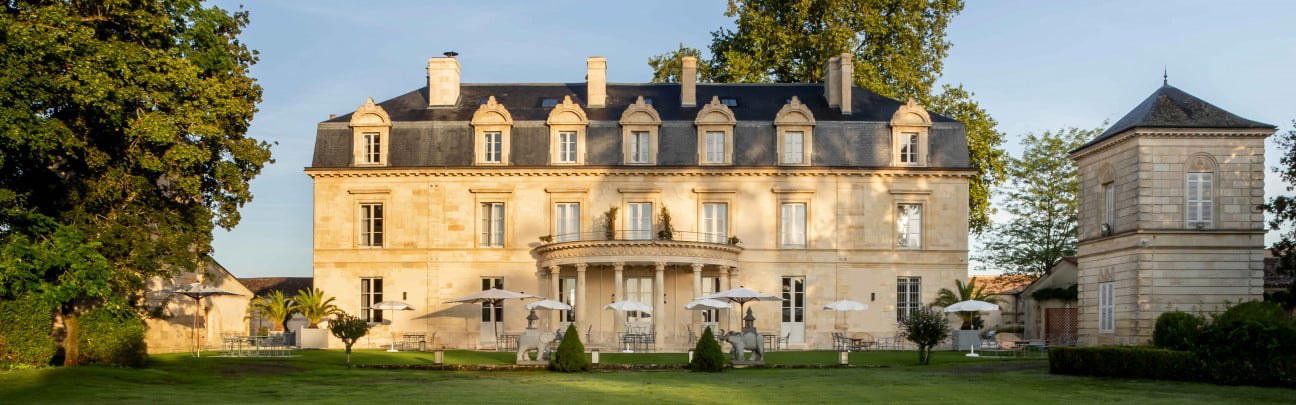
Classic and elegant with traditional Médoc atmosphere in a charming 1840 chai lit by an impressive iron candelabra.
Know Before You Go
- Getting there
- Route de, Batailley, 33250 Pauillac