
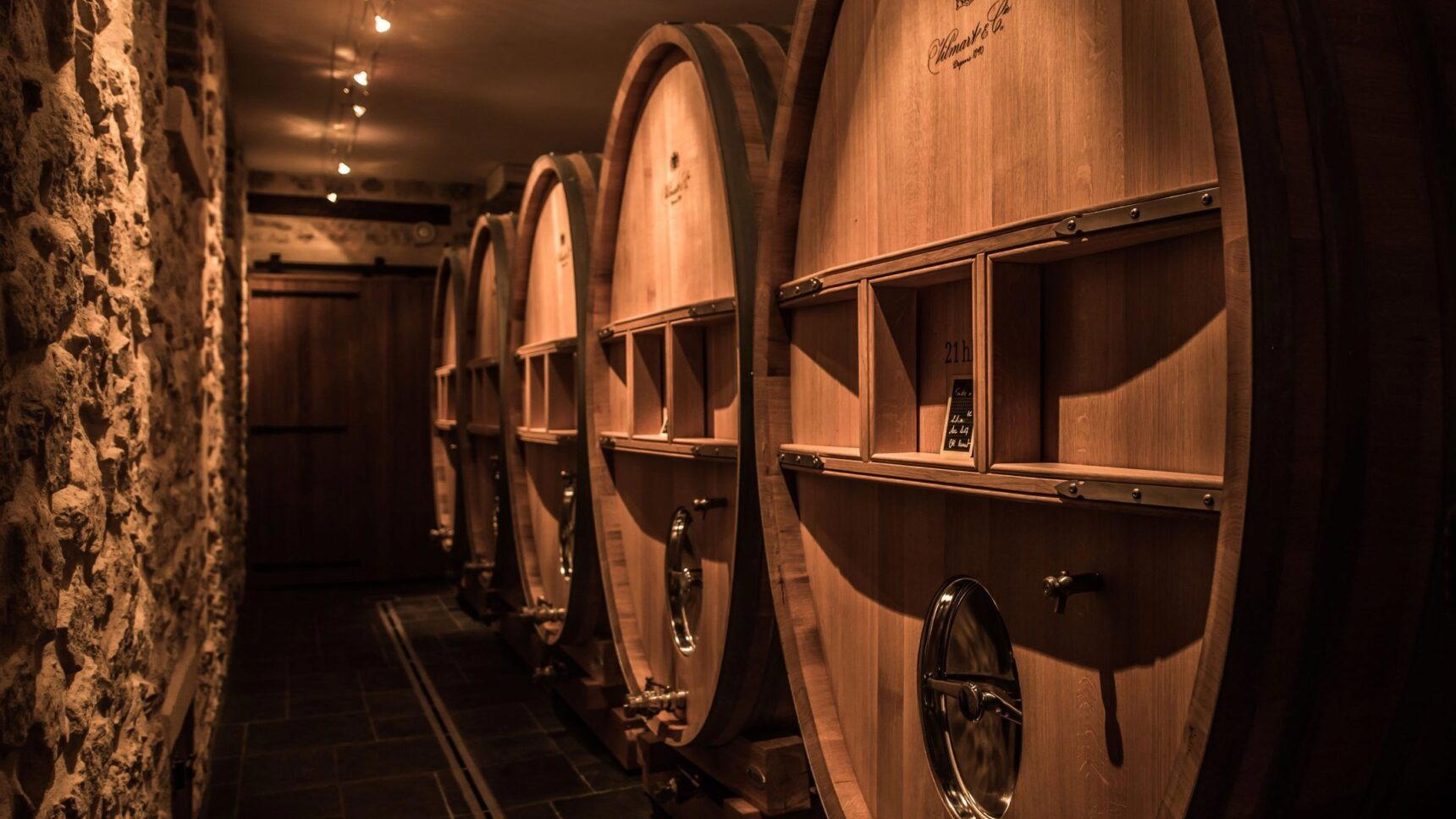
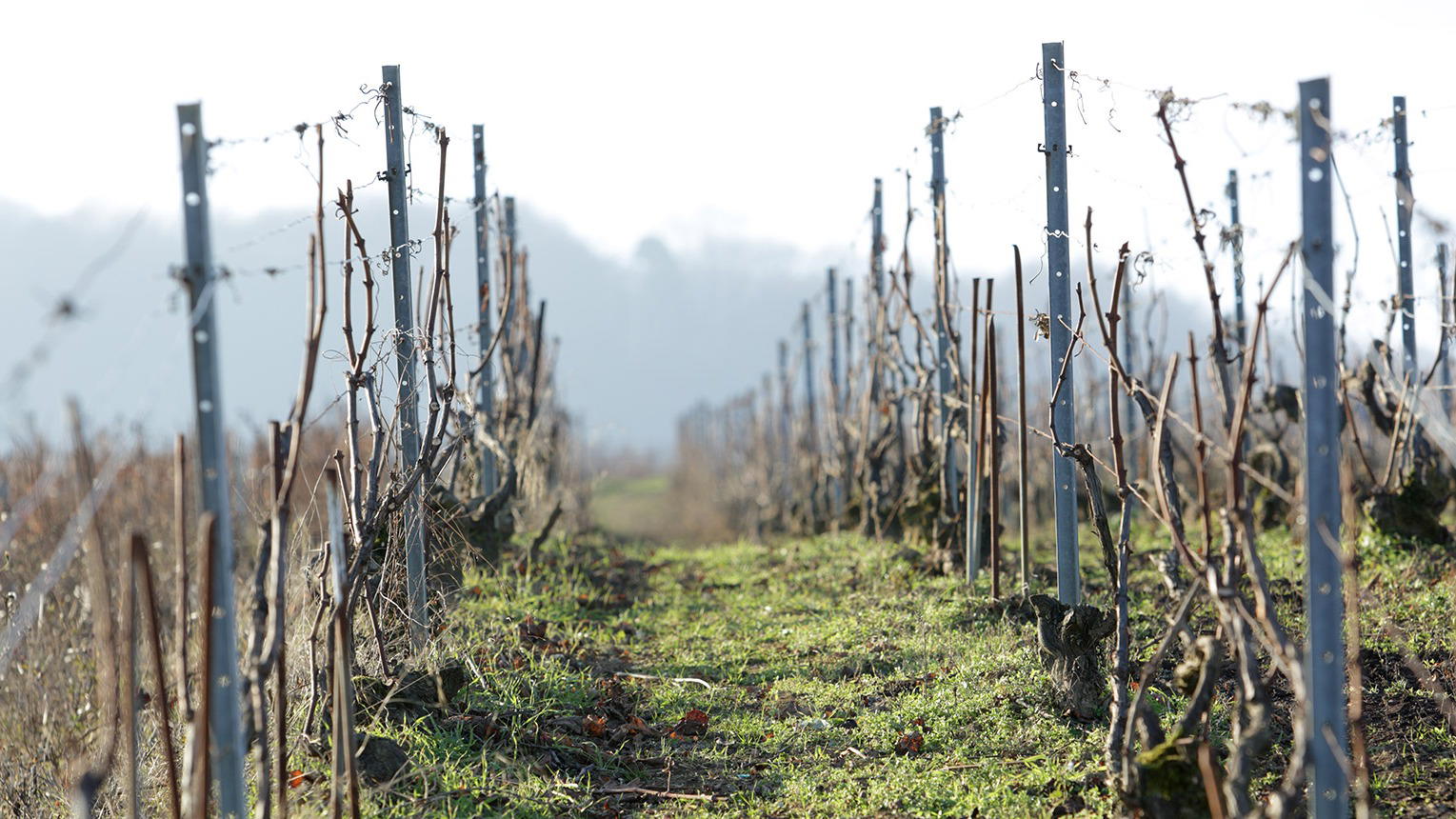
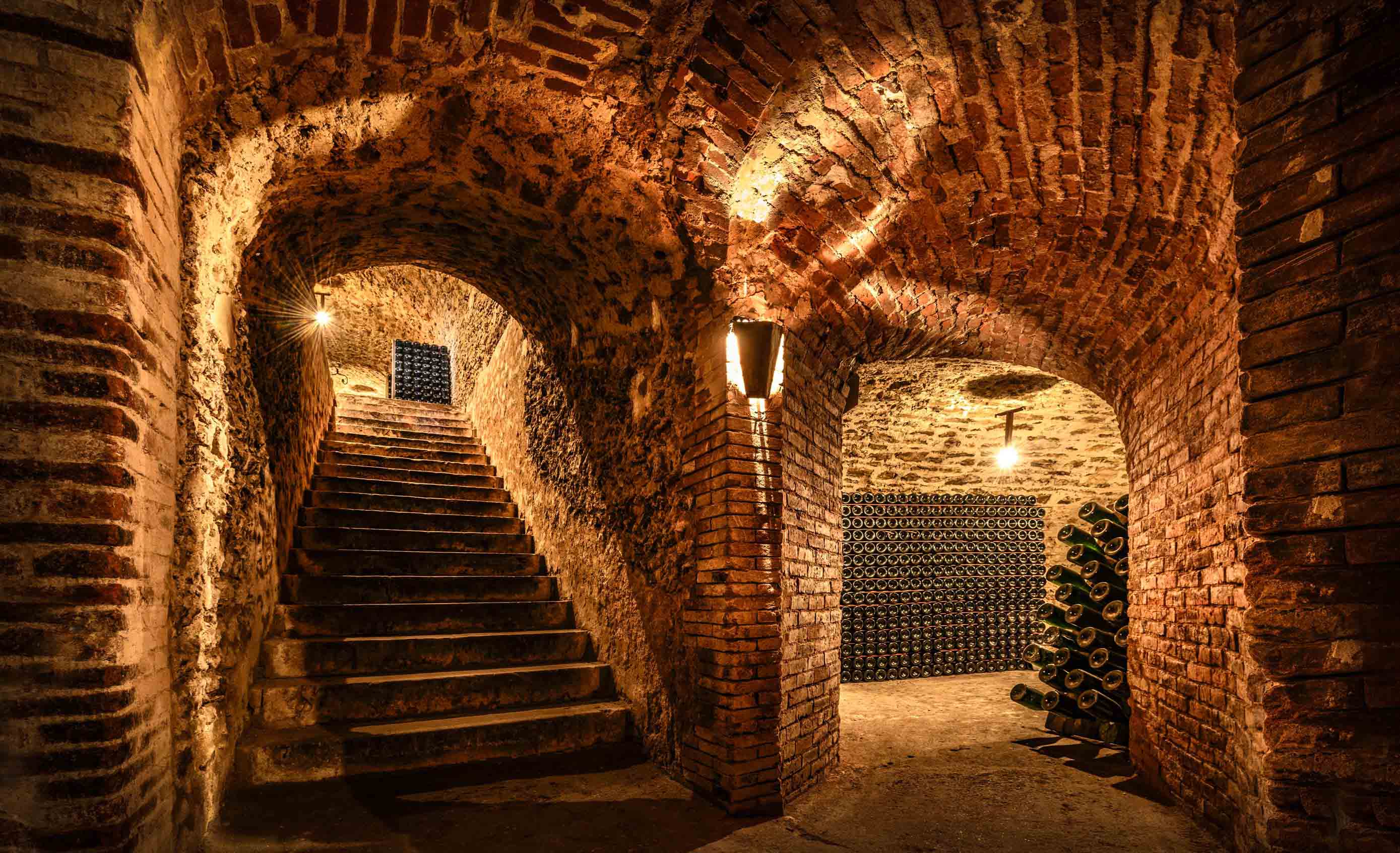
Champagne Lilbert-Fils is a small grower estate in Cramant, working entirely in Grand Cru blanc de blancs from estate Chardonnay. The draw is not spectacle but precision: 3.5 hectares, chalk cellars, hand-riddling, and a cellar logic built around age-worthy Côte des Blancs structure rather than polished visitor-center hospitality.
Pearl is the En Primeur Club membership app — saves, bookings, and concierge access live there. Same editors, same standards.
- Address
- Cramant, Grand Est, Frankreich
- Directions
- Get directions
 Saves & bookings on Pearl
In Cramant, Champagne Lilbert-Fils is best understood as a historic, small grower-Champagne estate rather than a polished visitor-center experience. The profile is narrow but useful: this is a traditional, low-intervention cellar associated with precise, mineral, age-worthy, chiseled blanc de blancs. For travelers, that means the appeal is not a broad hospitality spectacle or a restaurant-style outing, but a focused encounter with a Champagne address whose identity is tied to restraint, cellar work, and a classic sense of elegance.
Those omissions matter. Champagne addresses can vary widely in how they receive visitors, sell bottles, or structure tastings, and none of those operational details should be assumed here. What can be said with confidence is that Champagne Lilbert-Fils sits in Cramant and is presented as a hidden-gem grower estate with a serious, traditional cellar character.
Cramant, blanc de blancs, and a cellar-first identity
Cramant is the essential location context for Champagne Lilbert-Fils. That phrase is especially important stylistic clue available: the focus is on a Champagne expression built around white grapes, with a profile described as precise, mineral, chiseled, and capable of aging.
Those descriptors point toward a wine experience that favors line and structure over richness for its own sake. “Minerality” and “precision” are sometimes used loosely in wine writing, but here they are part of the description of the estate’s style. The emphasis is not on novelty, spectacle, or a wide menu of hospitality options. It is on a cellar approach that remains traditional and low-intervention, with the wines presented as serious rather than showy.
The responsible reading is simpler: the winery is a Cramant grower estate whose reputation rests on classic, elegant blanc de blancs shaped by a traditional cellar sensibility.
The portfolio is narrow in the record
The grounded story here is not a long catalogue of bottles. The information supports the broader category of blanc de blancs, but it does not verify individual labels, release details, scores, critic quotations, award history, production volumes, or vineyard percentages. For that reason, a good visit or buying decision should begin with the estate’s current availability and direct guidance rather than with a fixed expectation from a guide page.
This can still be useful for the right traveler or collector. If you are looking for Champagne with a polished tourism infrastructure, the winery may not be one obvious fit. If you are drawn to small grower estates, restrained cellar work, and age-worthy blanc de blancs, the profile is much more aligned. The price tier is listed as $$$, so it should be approached as a premium wine stop rather than a casual bargain search.
The relevant distinction is not a fabricated rivalry or ranking; it is the estate’s own combination of small-grower scale, traditional cellar identity, and a style described through precision, minerality, and chiseled blanc de blancs.
Who this tasting format serves
They also do not confirm tasting length, group size, outdoor seating, accessibility arrangements, shipping options, take-out, delivery, or dietary accommodations. Any of those details should be checked directly before planning around the estate.
What the profile does support is a more general planning frame. The winery is well suited to visitors who value cellar culture and a quiet, serious wine context. The estate is described as historic, classic, elegant, and hidden-gem in character, with a traditional low-intervention cellar rather than a touristic visitor-center experience. That makes it especially relevant for travelers who want to understand grower Champagne through a focused producer lens rather than through a large-scale brand presentation.
Plan the rest of the day around Cramant rather than assuming the estate itself provides a full hospitality package. Use broader Cramant dining, hotel, bar, and experience research to complete the itinerary, and confirm all practical arrangements directly with the estate or a trusted local source.
The editorial case for the winery is therefore concise: it is a historic small grower-Champagne estate in Cramant, associated with a traditional low-intervention cellar and precise, mineral, age-worthy, chiseled blanc de blancs. Go for that focused identity, not for an invented list of amenities or unconfirmed accolades.
Recognition history
Dated appearances from independent guides and award organizations, with the underlying list record or original source where available.
Falstaff Winery - 3 Stars
Falstaff
Continue exploring
More in Cramant
Wineries in Cramant
Browse all →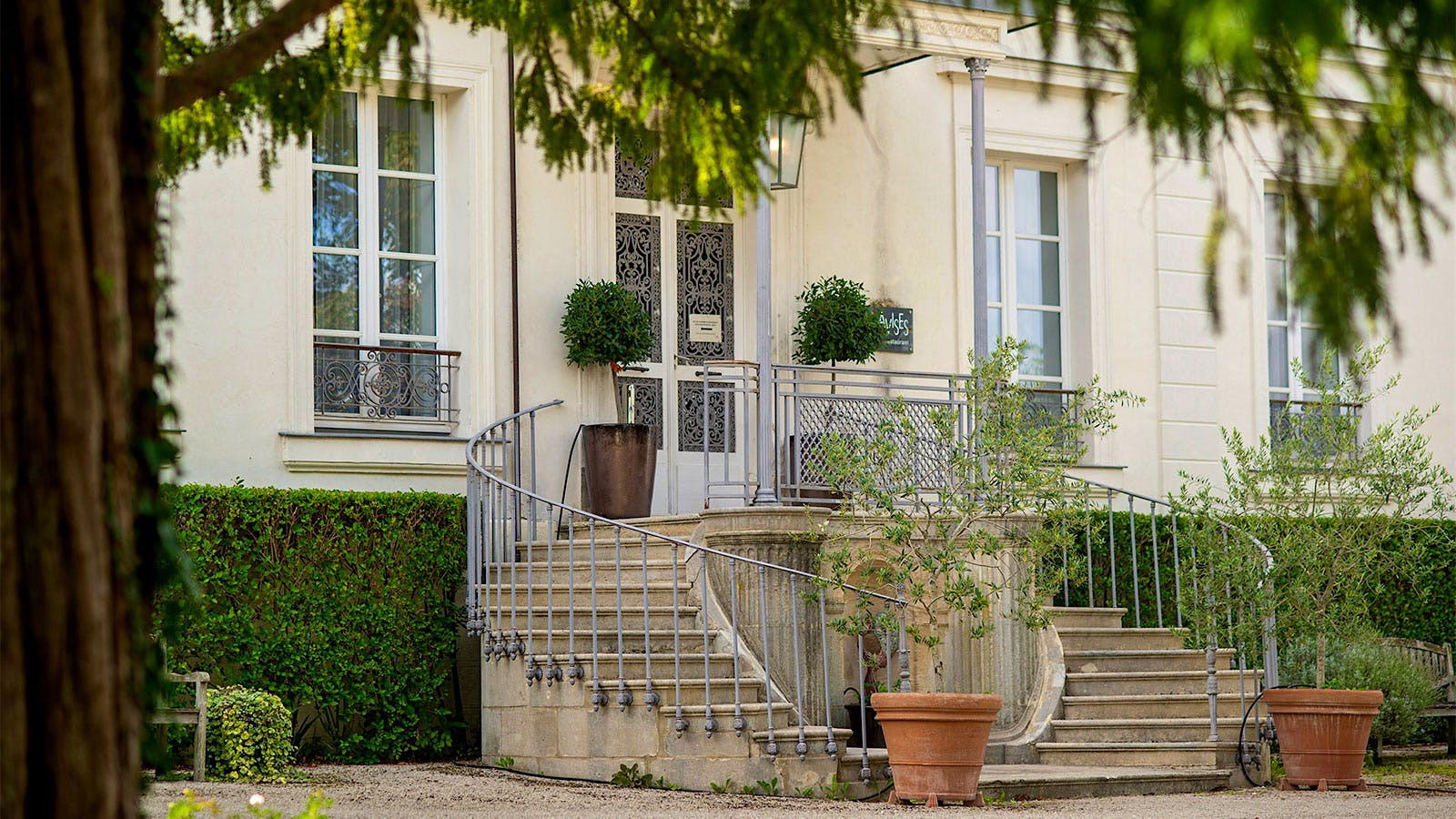
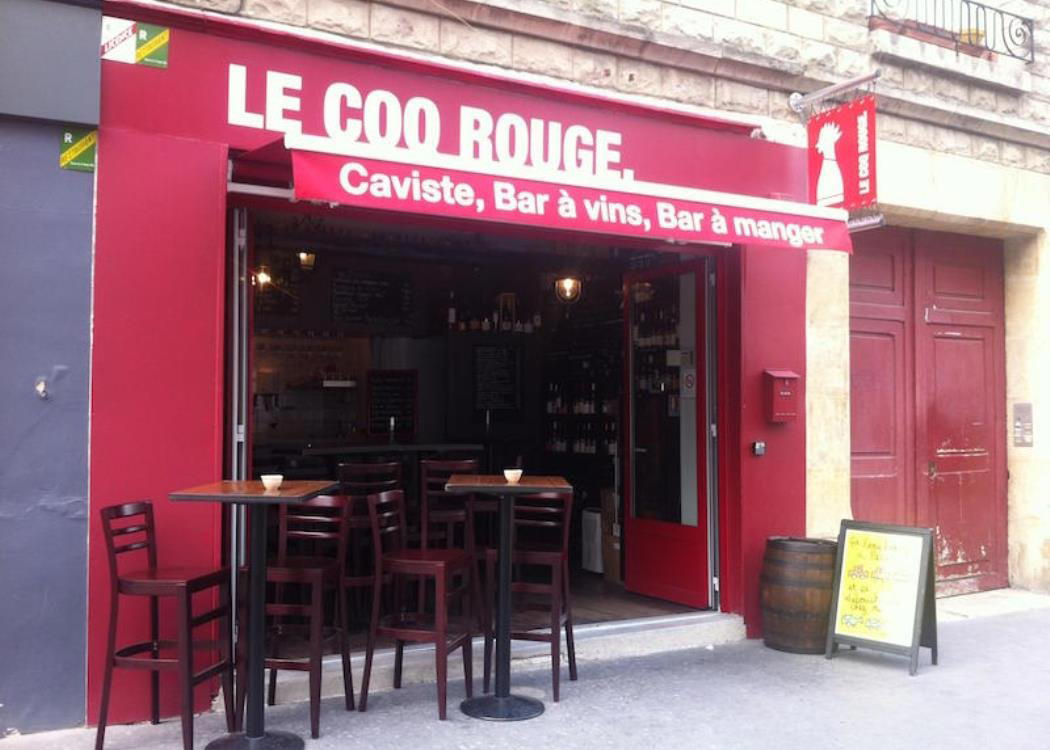
Bars in Cramant
Browse all →
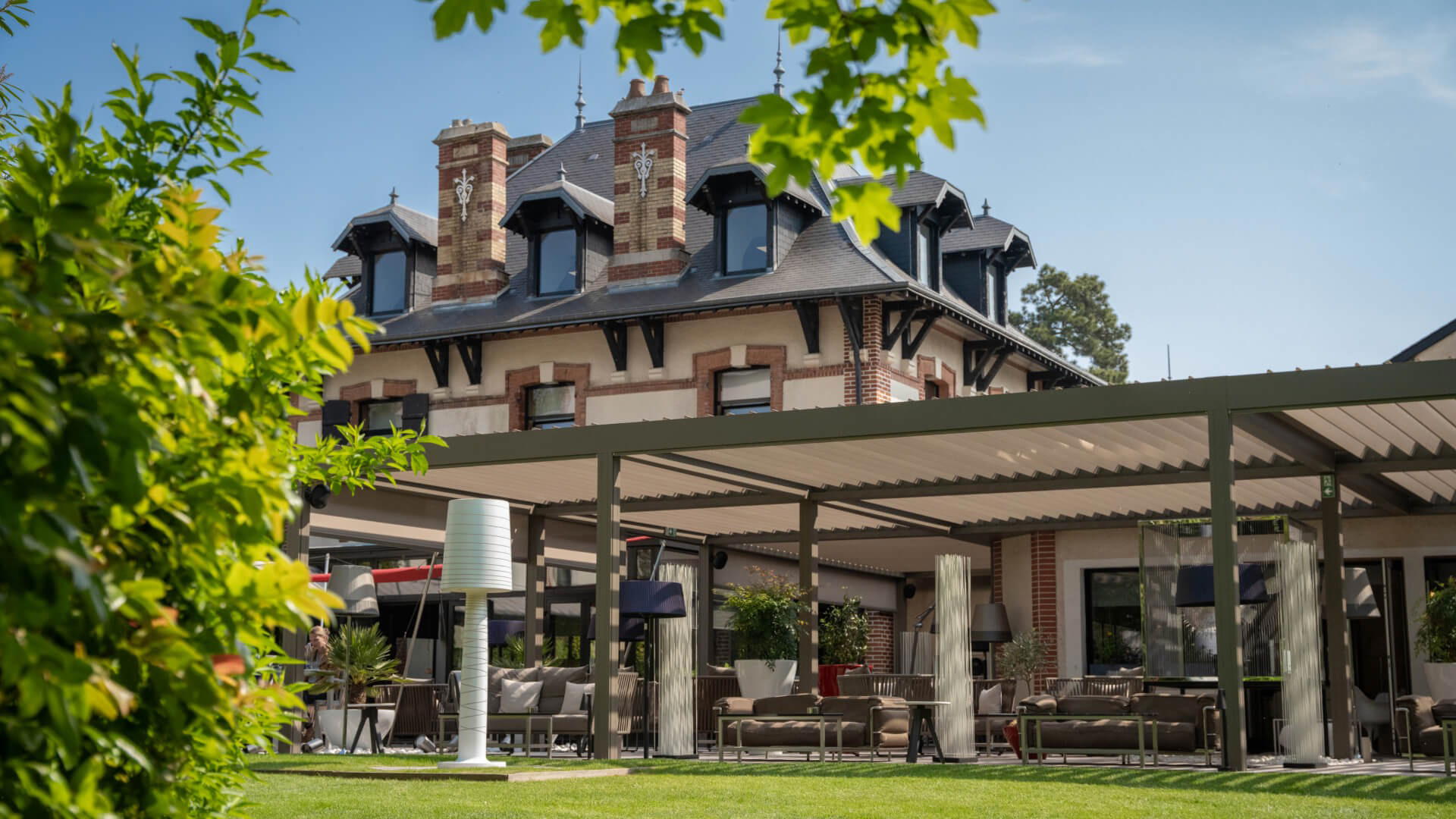
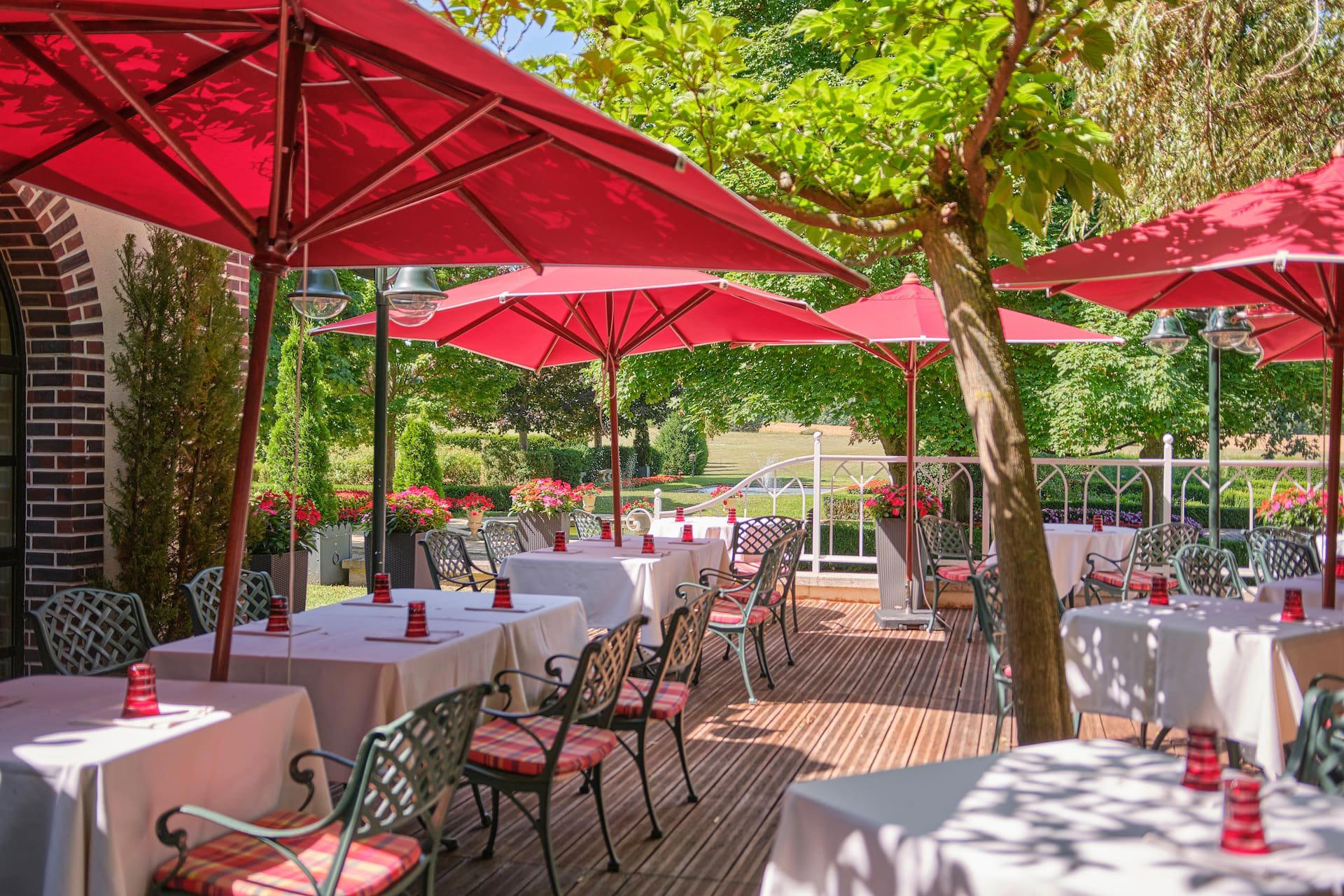
Restaurants in Cramant
Browse all →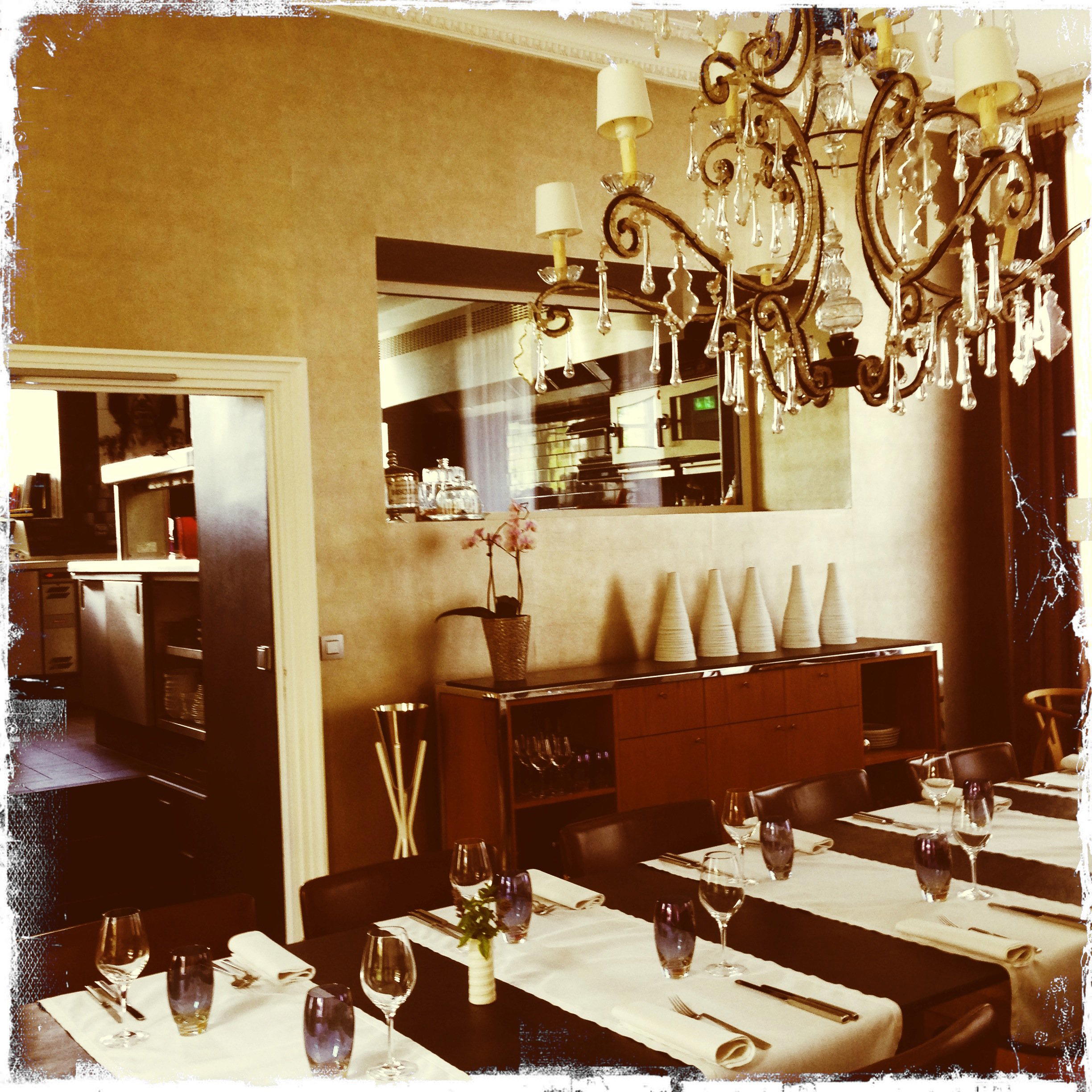
At a Glance
- Classic
- Elegant
- Intimate
- Sophisticated
- Romantic Getaway
- Special Occasion
- Wine Education
- Solo Exploration
- Cave Tasting
- Historic Building
- Sustainable
- Vineyard
- Champagne
- Chardonnay
- Sparkling
- Estate Tasting
- Cellar Tasting
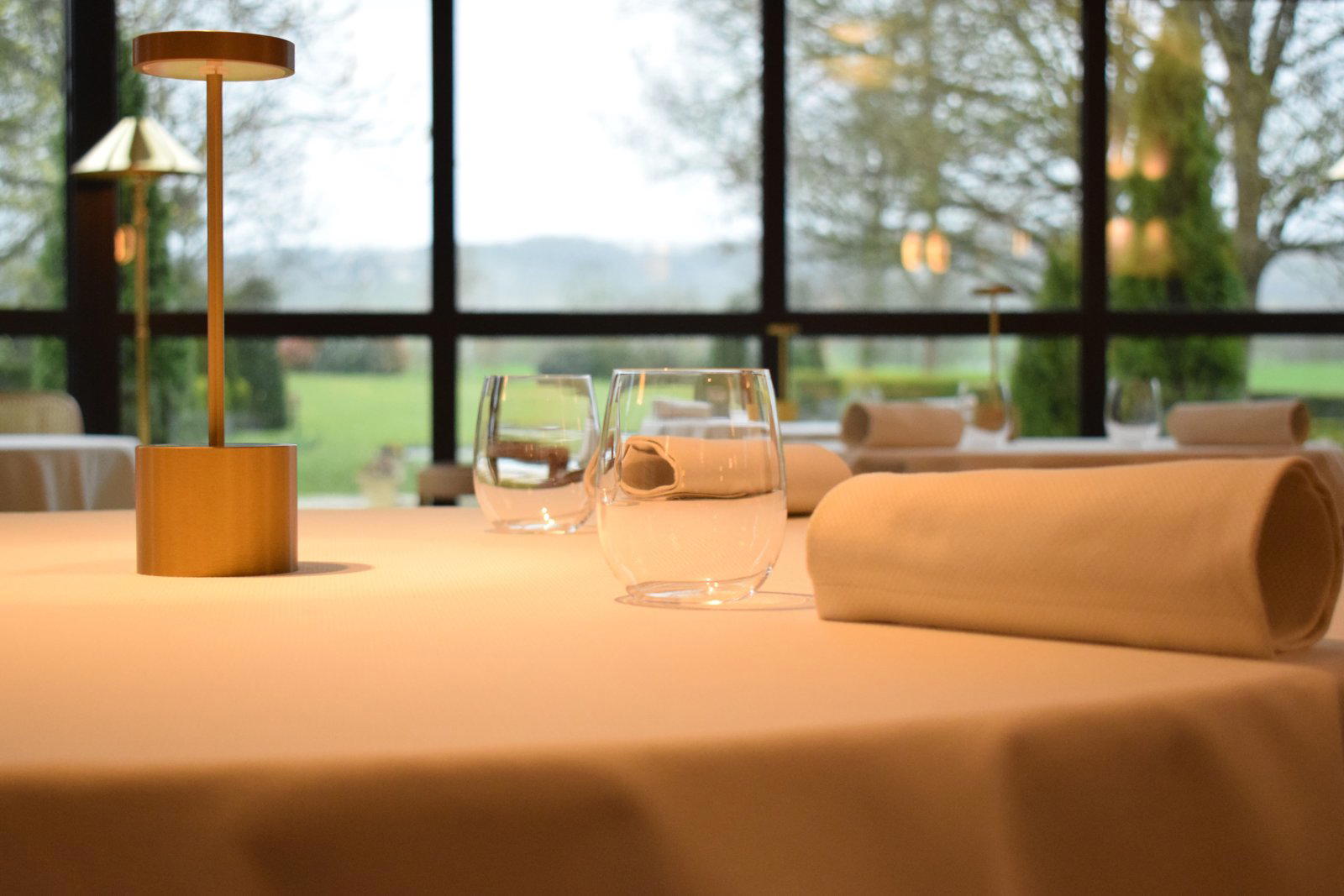
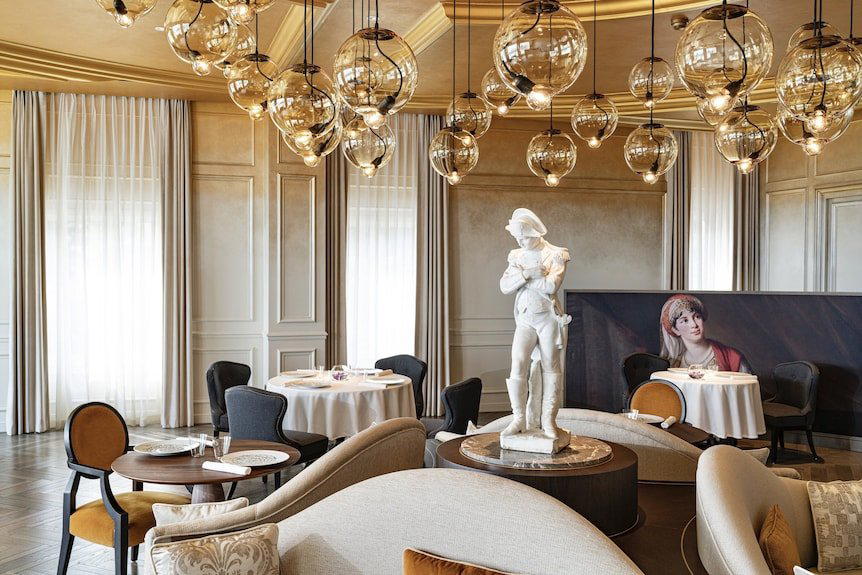
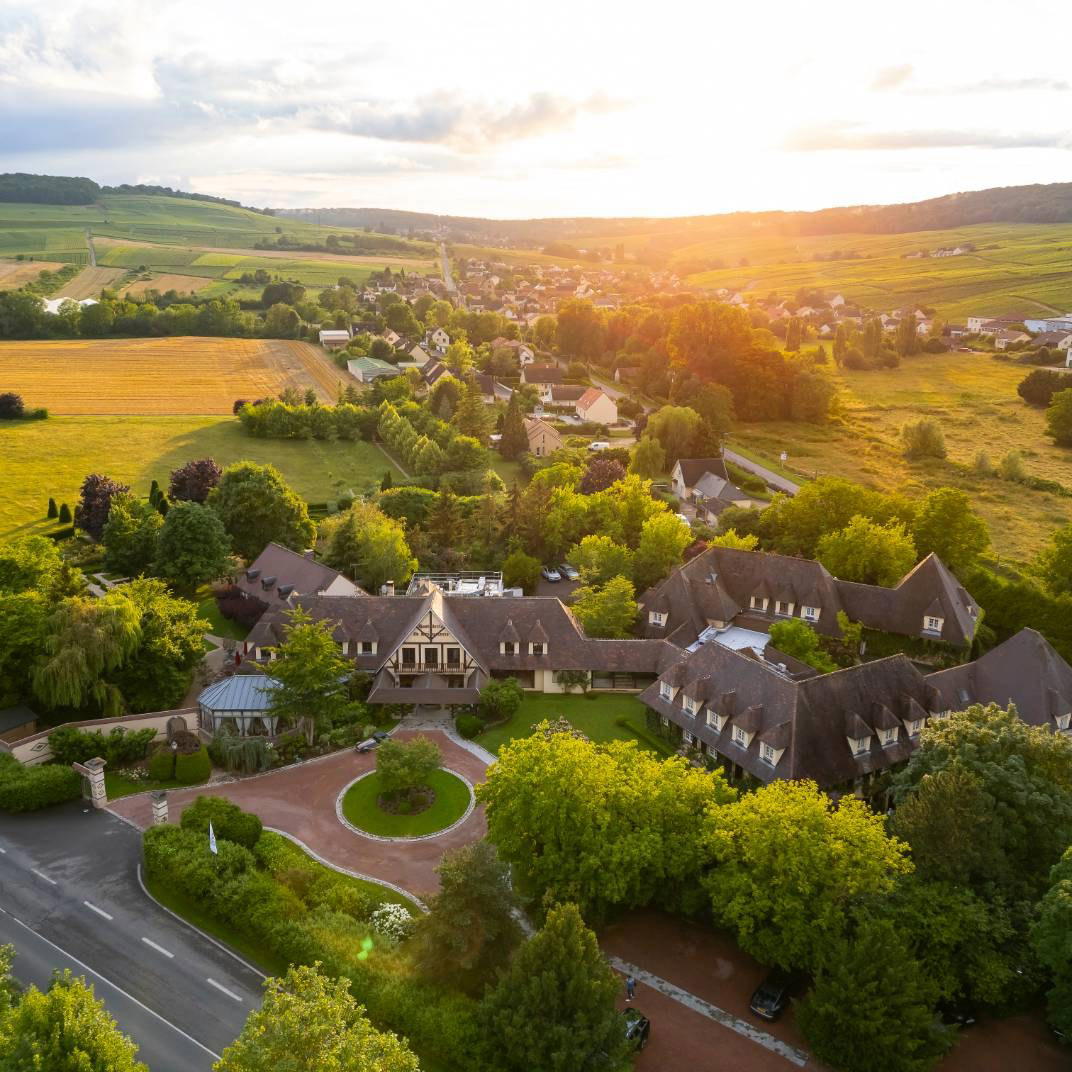
Historic, small grower-Champagne estate with a traditional, low-intervention cellar, emphasizing precision, minerality, and age‑worthy, chiseled blanc de blancs rather than a touristic visitor center experience.