
Falstaff Winery - 3 Stars
Champagne Duval-Leroy is a historic family-run Champagne house in Vertus, founded in 1859 and rooted in the Chardonnay country of the Côte des Blancs. Its appeal lies in classic, precise sparkling wine, sustainable viticulture, guided tastings by appointment, and a portfolio led by Brut Réserve, organic cuvées, and Chardonnay-driven expressions.

Pearl is the En Primeur Club membership app — saves, bookings, and concierge access live there. Same editors, same standards.
- Address
- Vertus, Grand Est, Frankreich
- Directions
- Get directions
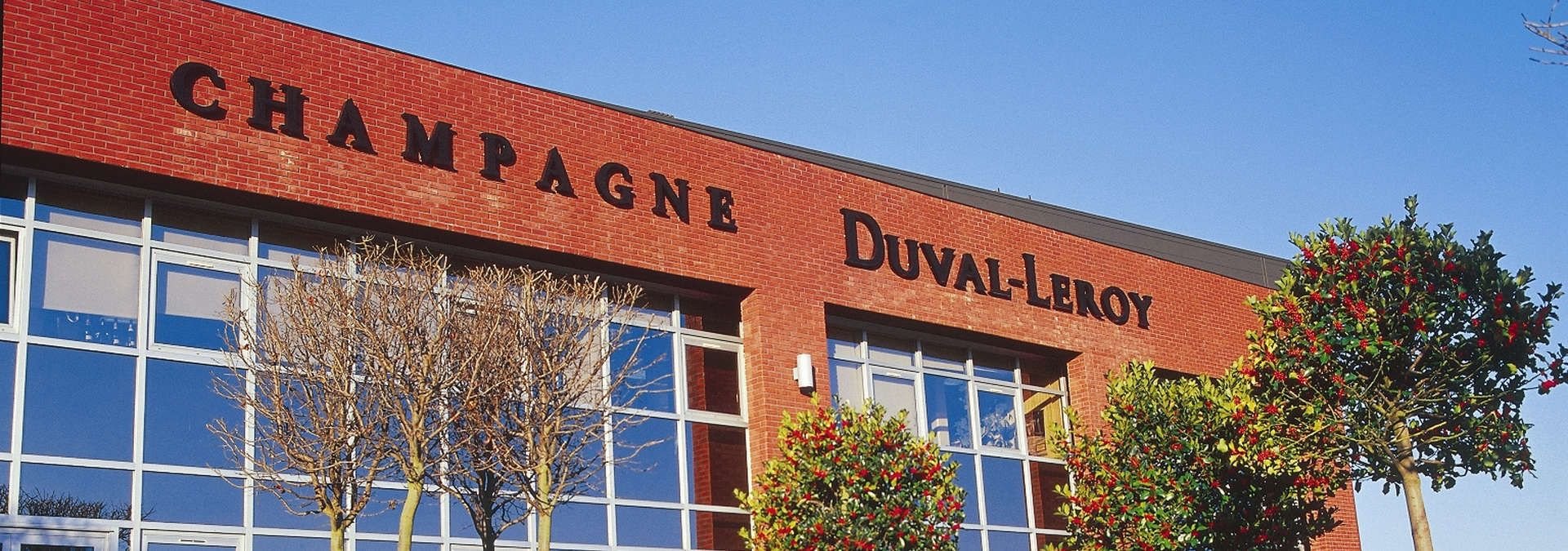
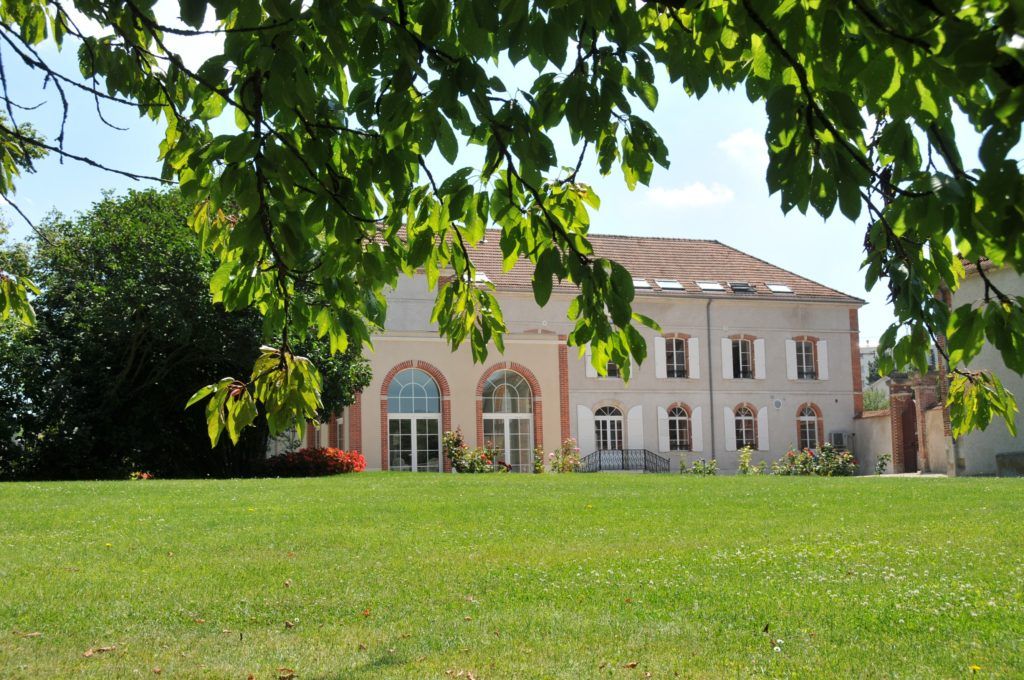
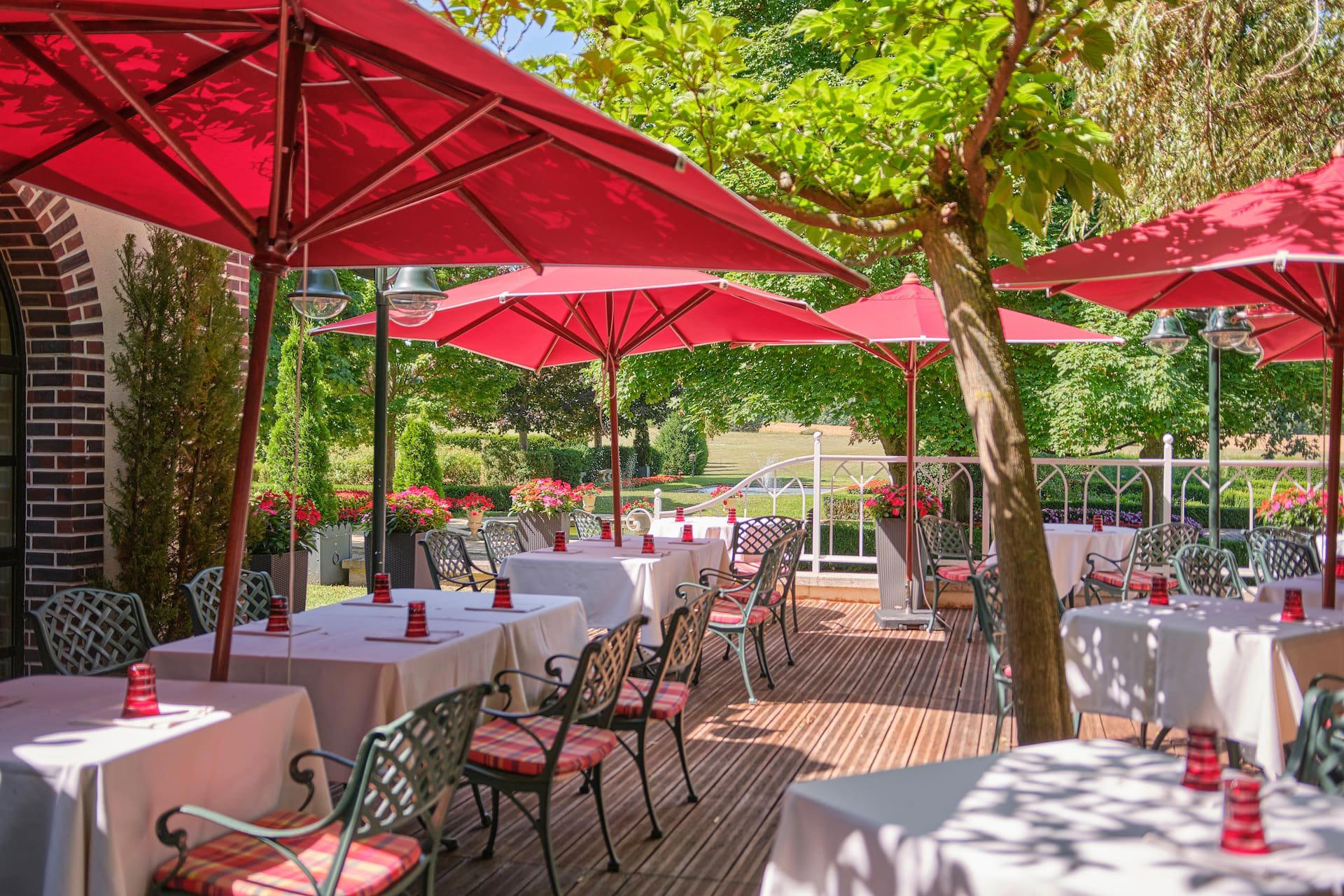
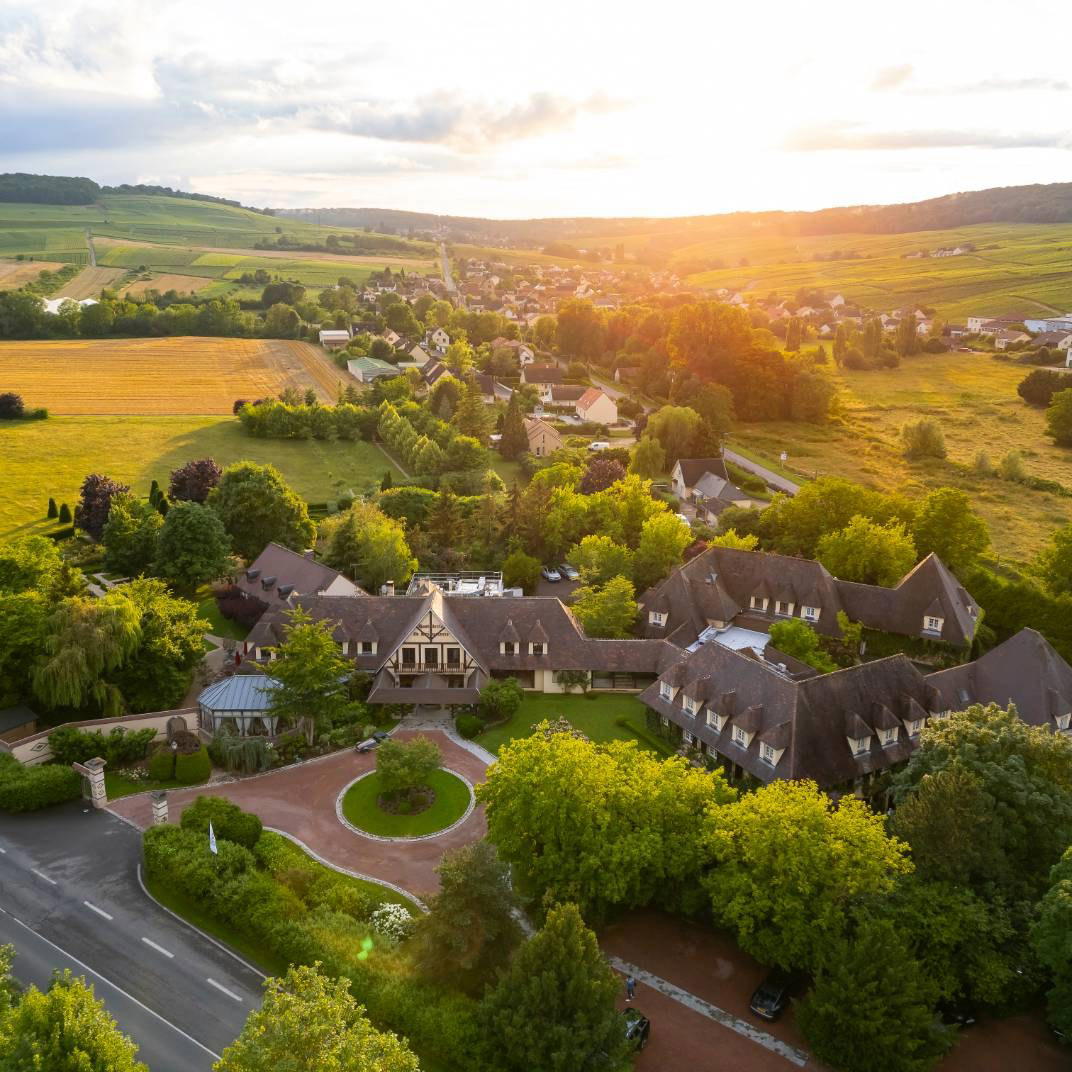
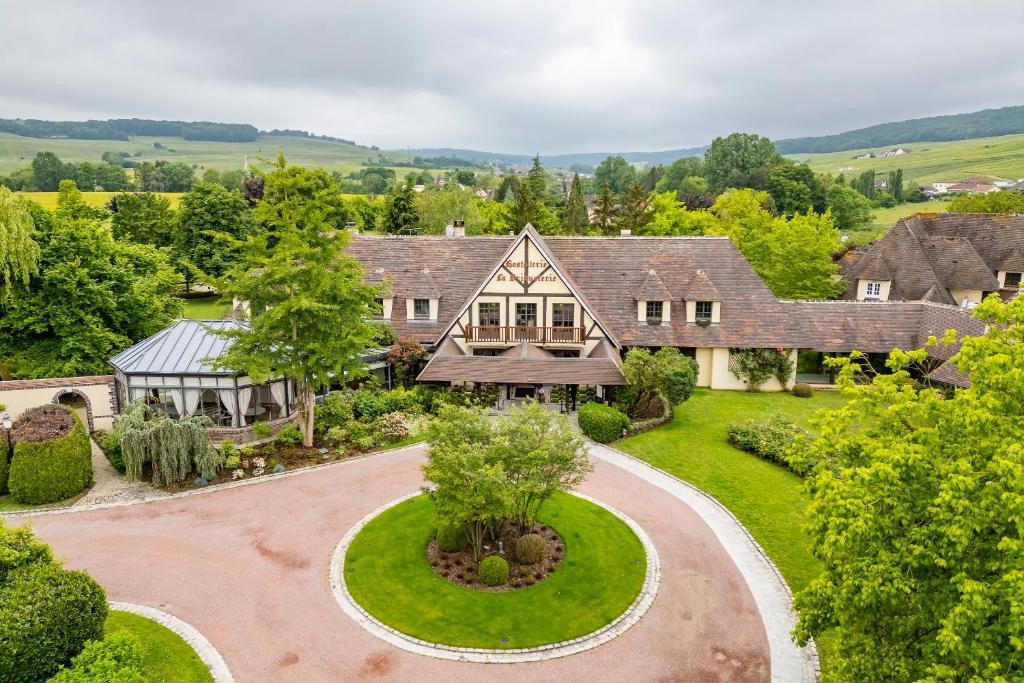
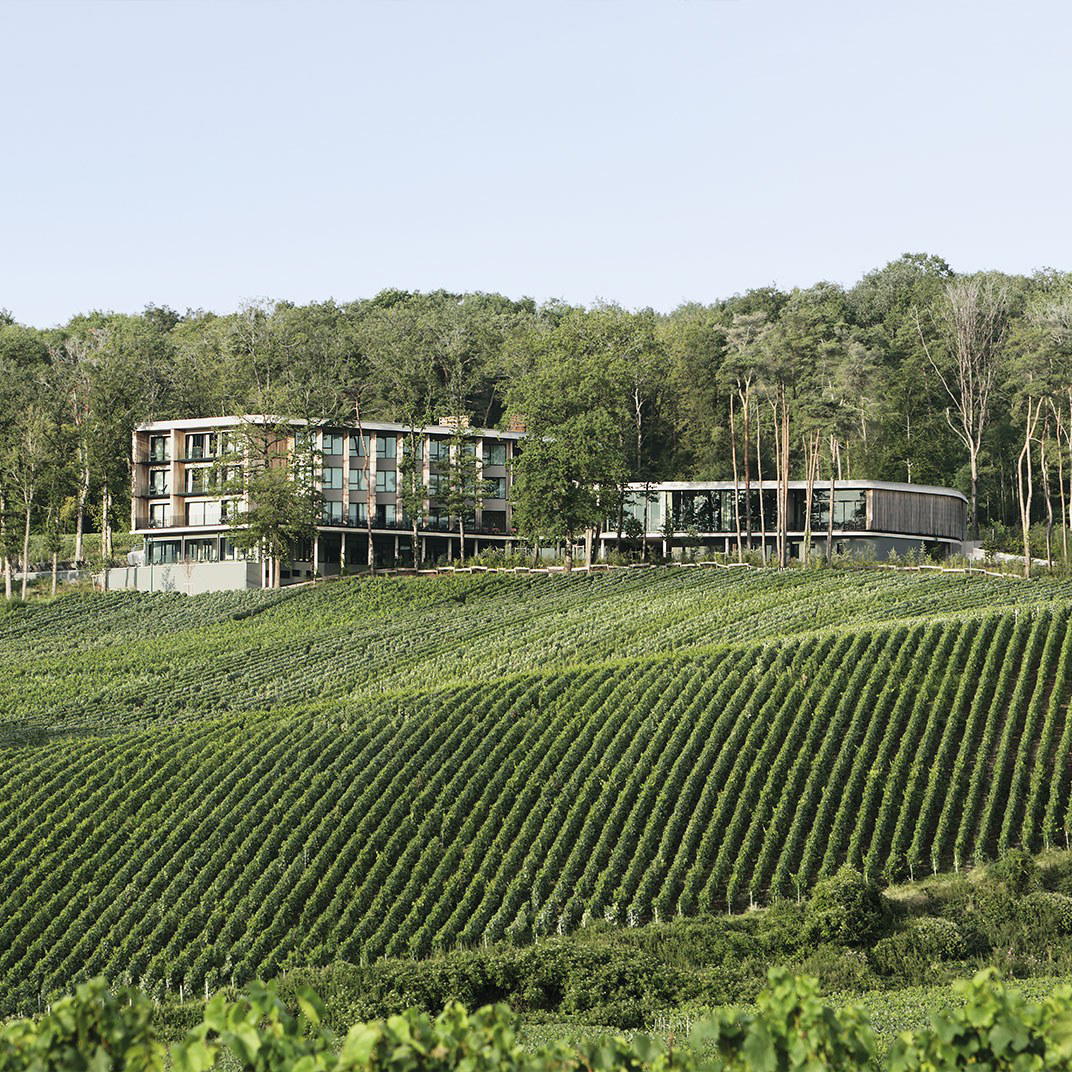
Vertus has a quieter register than the grand-house avenues many travelers associate with Champagne. The tone here is lower, chalkier, more agricultural: vineyard edges, working cellars, and the Côte des Blancs logic of Chardonnay before spectacle. Champagne Duval-Leroy belongs to that register. Its setting is a historic house in Vertus, and the experience is built around guided or private tasting rather than casual drop-in tourism.
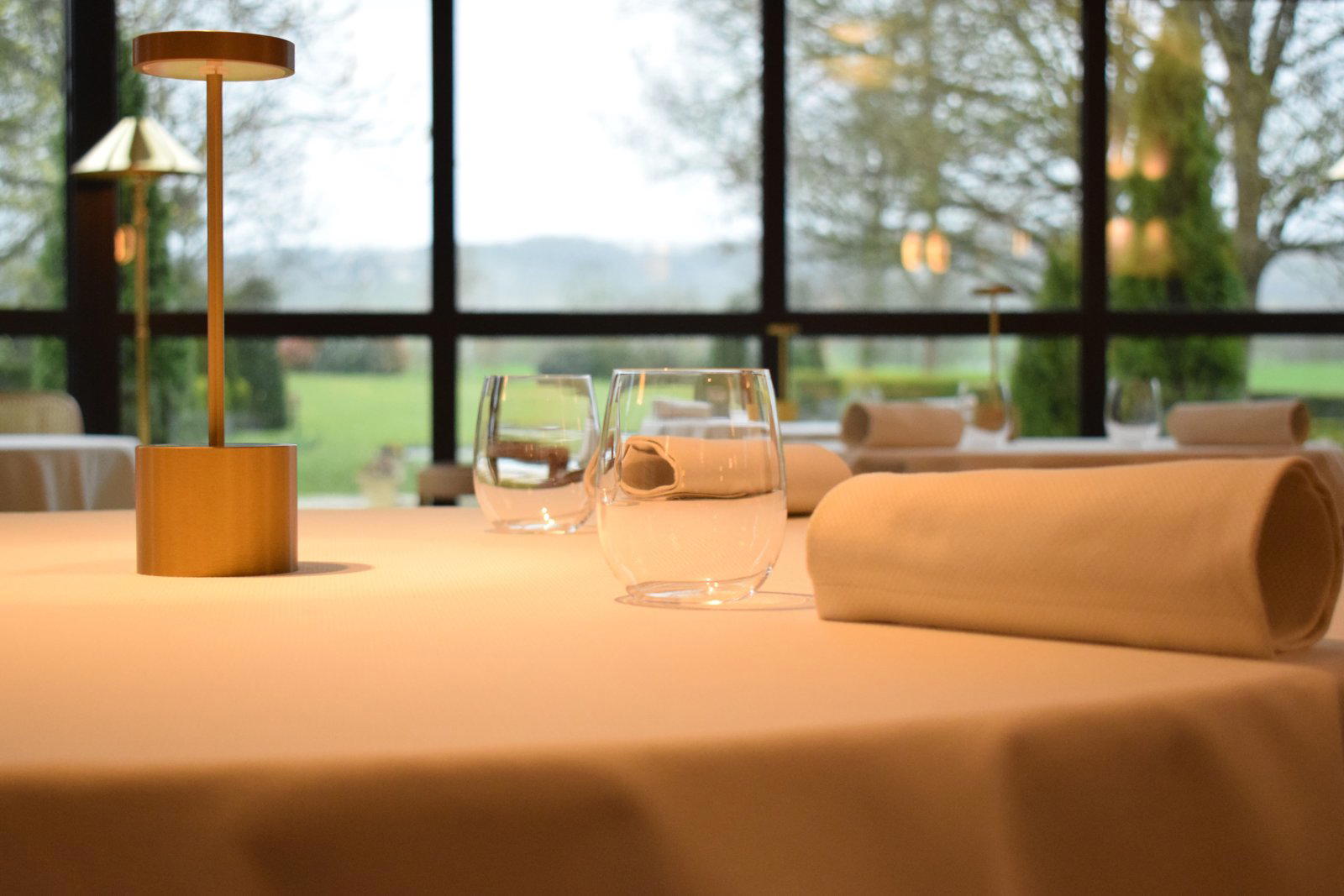
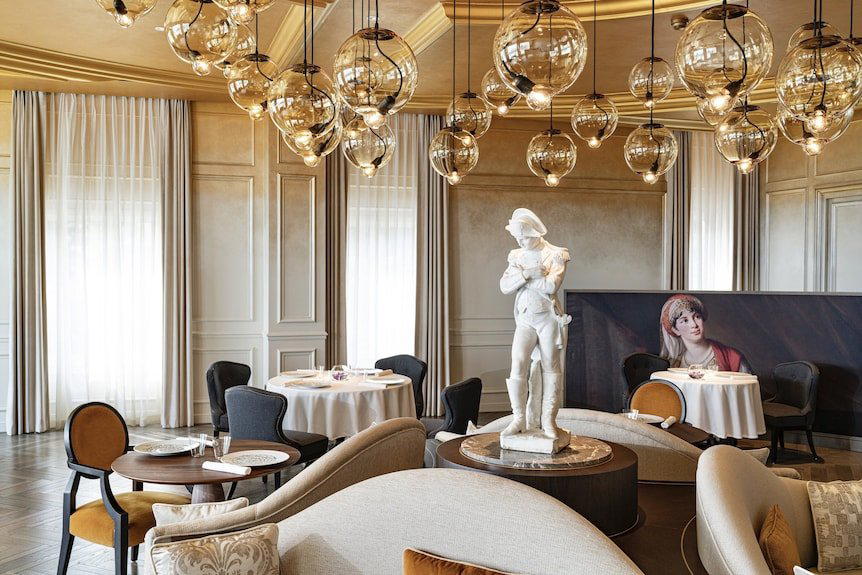
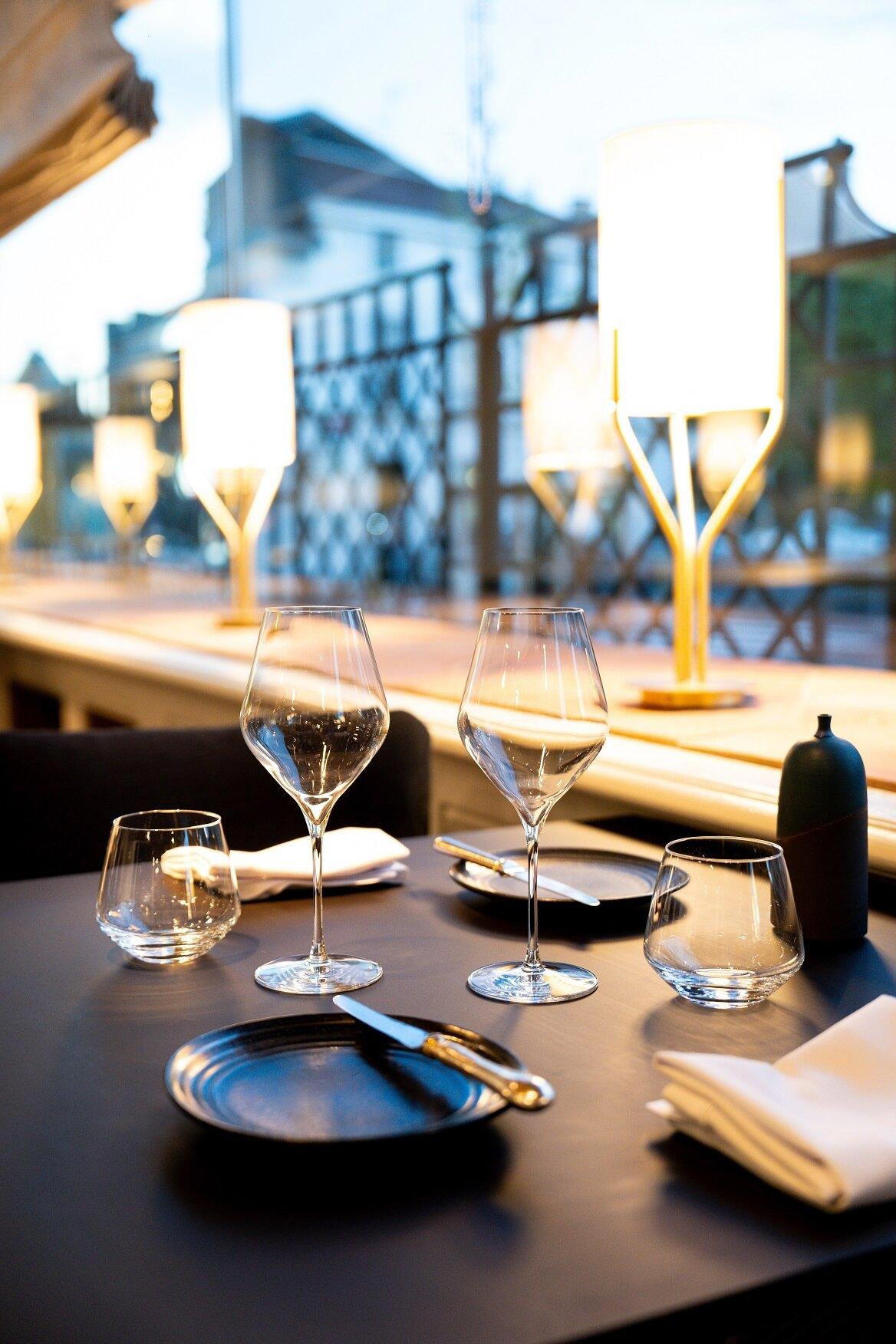
The house was founded in 1859, which matters less as a date on a label than as a clue to its place in Champagne’s long family-company tradition. In a region where consolidation has reshaped many names, an independent, family-run producer of this scale occupies a specific lane: large enough to carry a broad portfolio, yet still tied to a village identity. The mood is classic, elegant, sophisticated, and quiet, with the emphasis on precision and balance rather than theatrical hospitality.
Chalk, Chardonnay, and the Vertus reading of Champagne
The Côte des Blancs is Champagne’s great argument for Chardonnay. Its chalk soils drain well, hold water when needed, and help maintain the acidity that gives the region’s wines their line and tension. Vertus is classified Premier Cru, and that classification shapes how the house should be read: not as a generic sparkling-wine producer, but as a Champagne AOC address working from one of the appellation’s key Chardonnay corridors.
Champagne Duval-Leroy works with the traditional Champagne trio of Chardonnay, Pinot Noir, and Meunier, but the house’s identity leans toward Chardonnay-led blends and the Côte des Blancs sense of structure. Brut Réserve is the central reference point: a non-vintage cuvée associated with the house since 1859, built through blending rather than single-vineyard declaration. That matters in Champagne, where consistency is not a lesser craft. Reserve wines, multiple crus, and dosage decisions form the grammar of the house style.
The portfolio also stretches across different expressions of dryness, from nature wines with zero dosage to dry cuvées with 25 grams of sugar per liter. That range is useful for understanding Champagne as a set of calibrated choices rather than a single flavor profile. Dosage is not merely sweetness; it changes weight, food compatibility, and the way acidity lands. For travelers using Vertus as a wine-education stop, this is the kind of producer where those technical differences become legible.
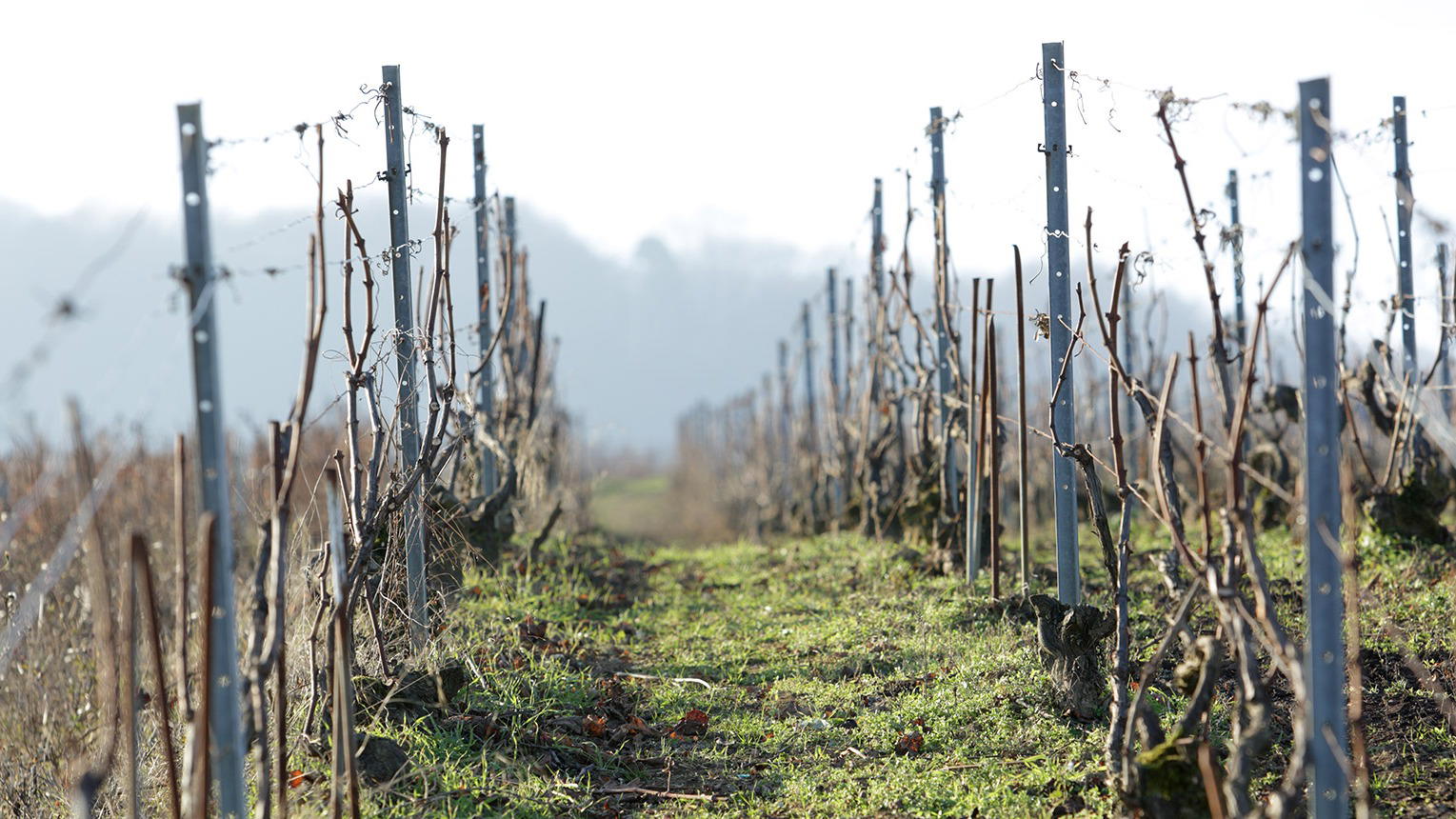
Sustainability is part of the house’s modern identity rather than a decorative claim. The production philosophy is listed as sustainable, and the house is associated with organic viticulture, including Brut Organic Viticulture certified by Ecocert FR-BIO-01. In Champagne, where climate pressure and vineyard chemistry have become central topics, that emphasis places the producer inside a broader shift toward lower-impact farming and more transparent vineyard practice.
A broad house portfolio, not a narrow grower tasting
The house’s scale is large, with vineyards spanning more than 200 hectares, and that scale changes the visit. This is not the same format as a tiny grower cellar where the entire conversation revolves around a handful of parcels. The stronger reason to come is to understand how a historic Vertus-based house manages breadth: Brut Réserve, organic cuvées, prestige releases, and Chardonnay-focused bottlings under one stylistic roof.
Carole Duval-Leroy is the key leadership figure, representing the sixth generation associated with the family business. Her recognition as an Officer of the Legion of Honour gives the house a formal French cultural credential beyond wine trade reputation. The point is not personality-driven mythology; it is continuity. Champagne houses depend on long memory, especially when non-vintage blending requires reserve wine strategy, cellar discipline, and a house style that survives changing harvests.
For visitors building a Vertus wine day, the useful context is that this house sits within a dense local Champagne circuit rather than apart from it. Nearby reading can start with Our full Vertus wineries guide, then branch into other local addresses such as Champagne Doyard, Champagne E. Michel, Champagne Pascal Doquet, and Larmandier-Bernier. For a wider French and European wine map, EP Club also covers A. Margaine in Villers-Marmery, Abbaye de Fontfroide in Narbonne, Abbotts & Delaunay in Marseillette, Advini in Saint Felix De Lodez, »der Steiner« Hans Steiner in Podersdorf am See, and & Handwein in Mannheim.
How to place the visit in a Vertus itinerary
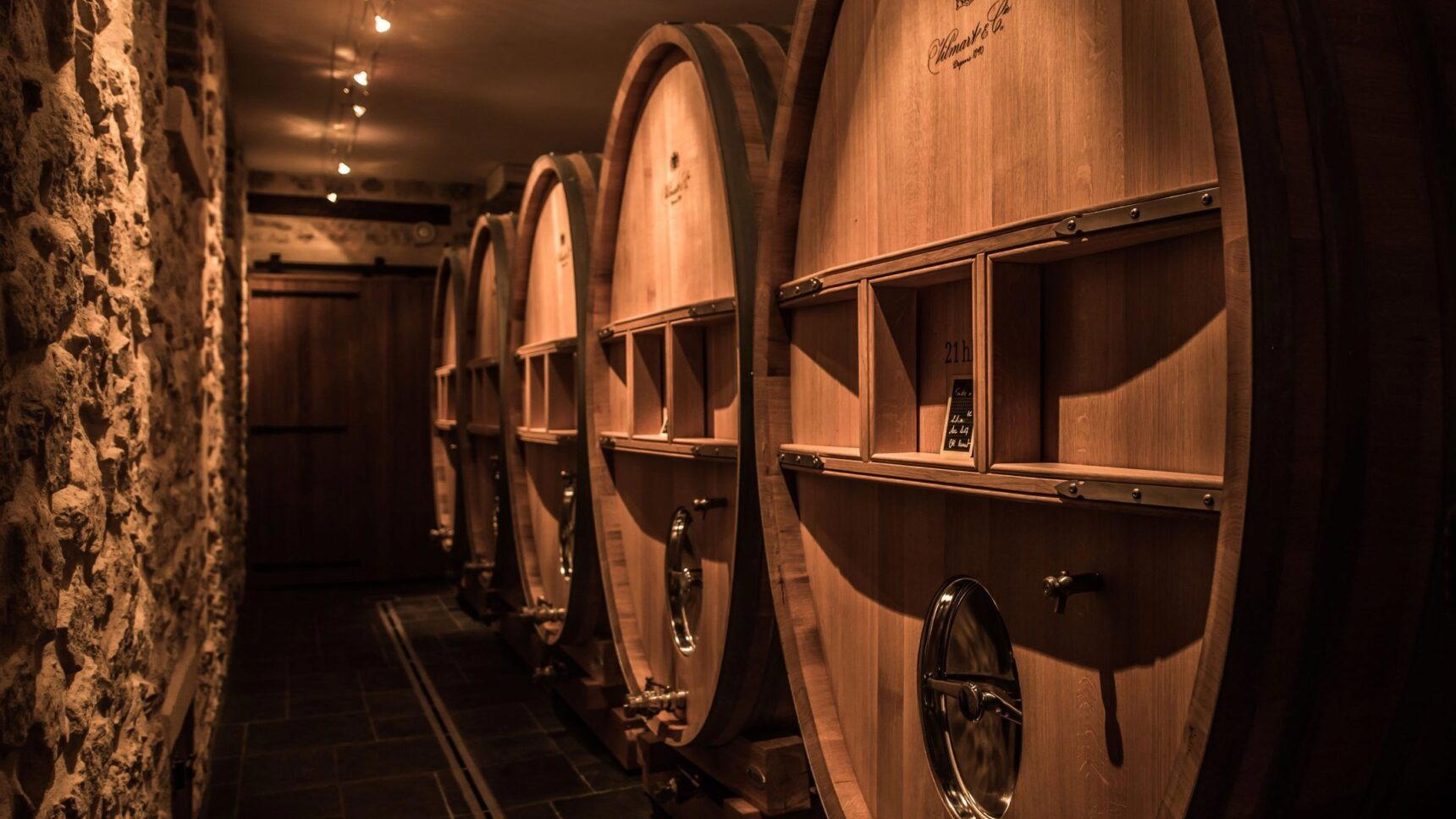
The visit format is appointment only, with guided tasting and private tasting listed among the available styles. Tour duration runs 60 to 90 minutes, which makes the house workable as the anchor of a half-day rather than a quick tasting-room stop. The tone suits wine education, celebrations, and small group itineraries where cellar context matters as much as the glass.
Smart casual dress fits the room’s classic style. The house is marked as good for groups and not positioned for children or dogs, which reinforces the adult, structured nature of the experience. Food pairing is available, and the overall price level sits in the premium range, so it reads better as a planned Champagne appointment than an improvised roadside tasting.
Vertus itself rewards that slower approach. The village gives a different view of Champagne from the larger urban circuits: less grand façade, more direct contact with vineyard classification, grape variety, and cellar craft. Champagne Duval-Leroy works particularly well for travelers who want a historic house with enough scale to show Champagne’s blending discipline, but enough local grounding to keep the Côte des Blancs in focus. For the rest of the trip, use Our full Vertus restaurants guide, Our full Vertus hotels guide, Our full Vertus bars guide, and Our full Vertus experiences guide to keep the day coherent.
Recognition history
Dated appearances from independent guides and award organizations, with the underlying list record or original source where available.
Falstaff Winery - 3 Stars
Falstaff
Continue exploring
More in Vertus
Wineries in Vertus
Browse all →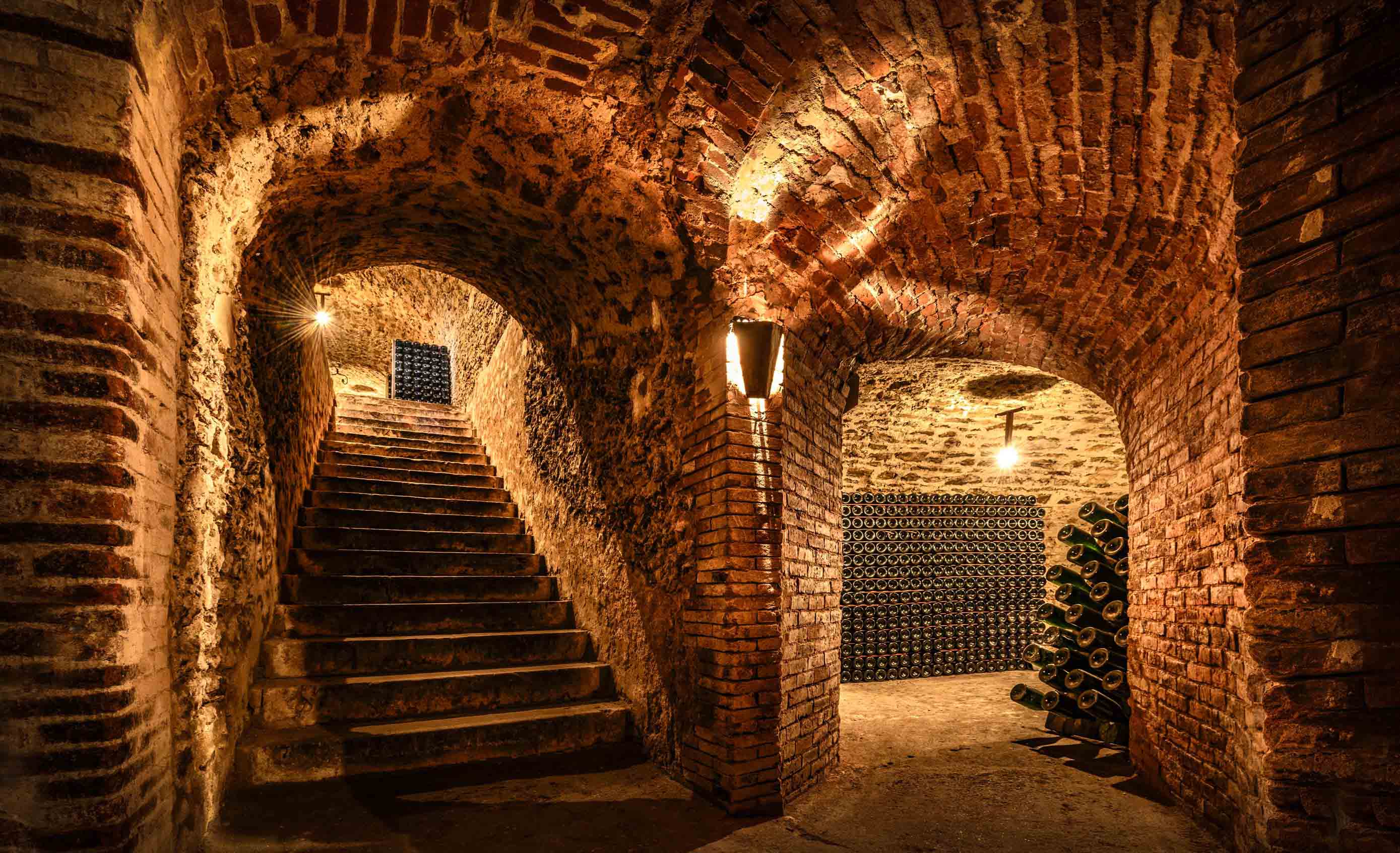
Bars in Vertus
Browse all →
Restaurants in Vertus
Browse all →
Details
- Classic
- Elegant
- Sophisticated
- Quiet
- Special Occasion
- Celebration
- Wine Education
- Private Tasting
- Historic Building
- Design Destination
- Sustainable
- Vineyard
- Pinot Noir
- Meunier
- Chardonnay
- Sparkling
- Guided Tasting
- Private Tasting
Elegant, refined, and classic, with a strong emphasis on precision, balance, and Champagne heritage.