Jérôme Feck

1 Michelin Star
Our verdict
At the Hôtel d'Angleterre on Place Mgr Tissier, Jérôme Feck holds the line on Champagne's gourmet traditions through a modern cuisine menu distinguished by intense, precisely balanced sauces. The kitchen runs Tuesday to Saturday, with lunch sittings limited to a single hour, making advance planning essential.

Pearl is the En Primeur Club membership app, where members save venues, book tables and use the concierge.
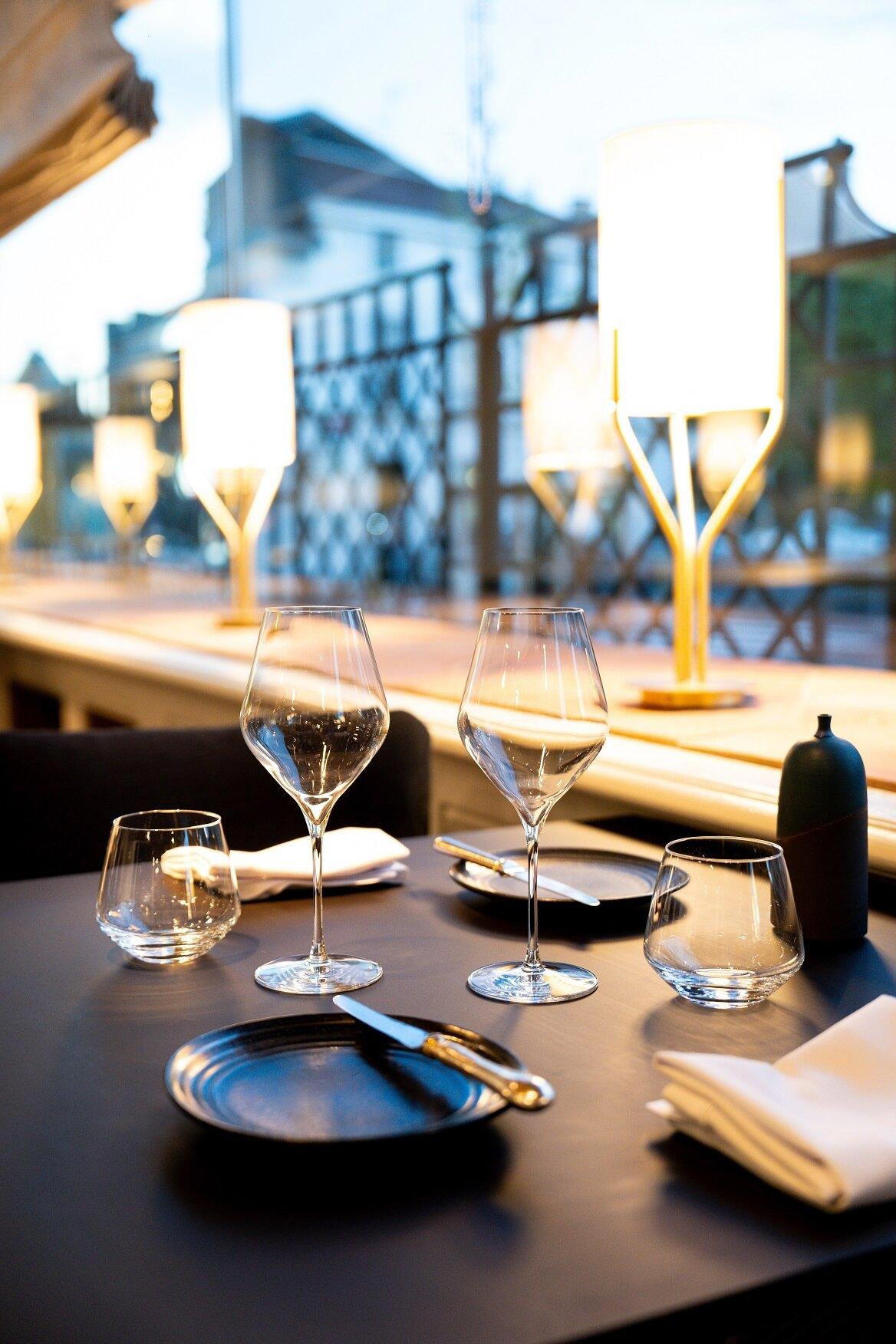
The menu
What to order
- Egg 64°C with truffle and champagne cream sauce
- Roasted veal fillet with foie gras and passion fruit juice
- Quail galantine with foie gras
- Lobster with beetroot and stew sauce
Place Mgr Tissier and the Weight of a Champagne Table
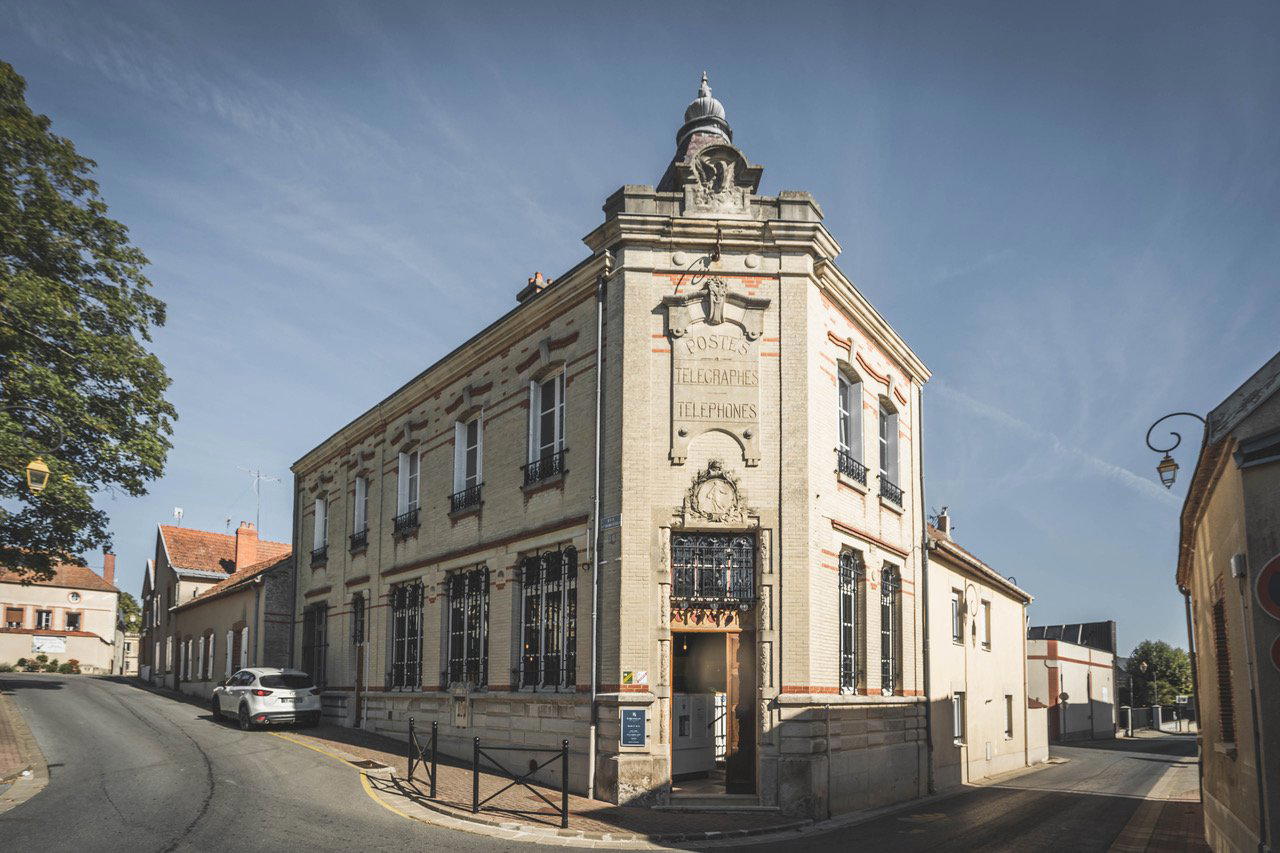
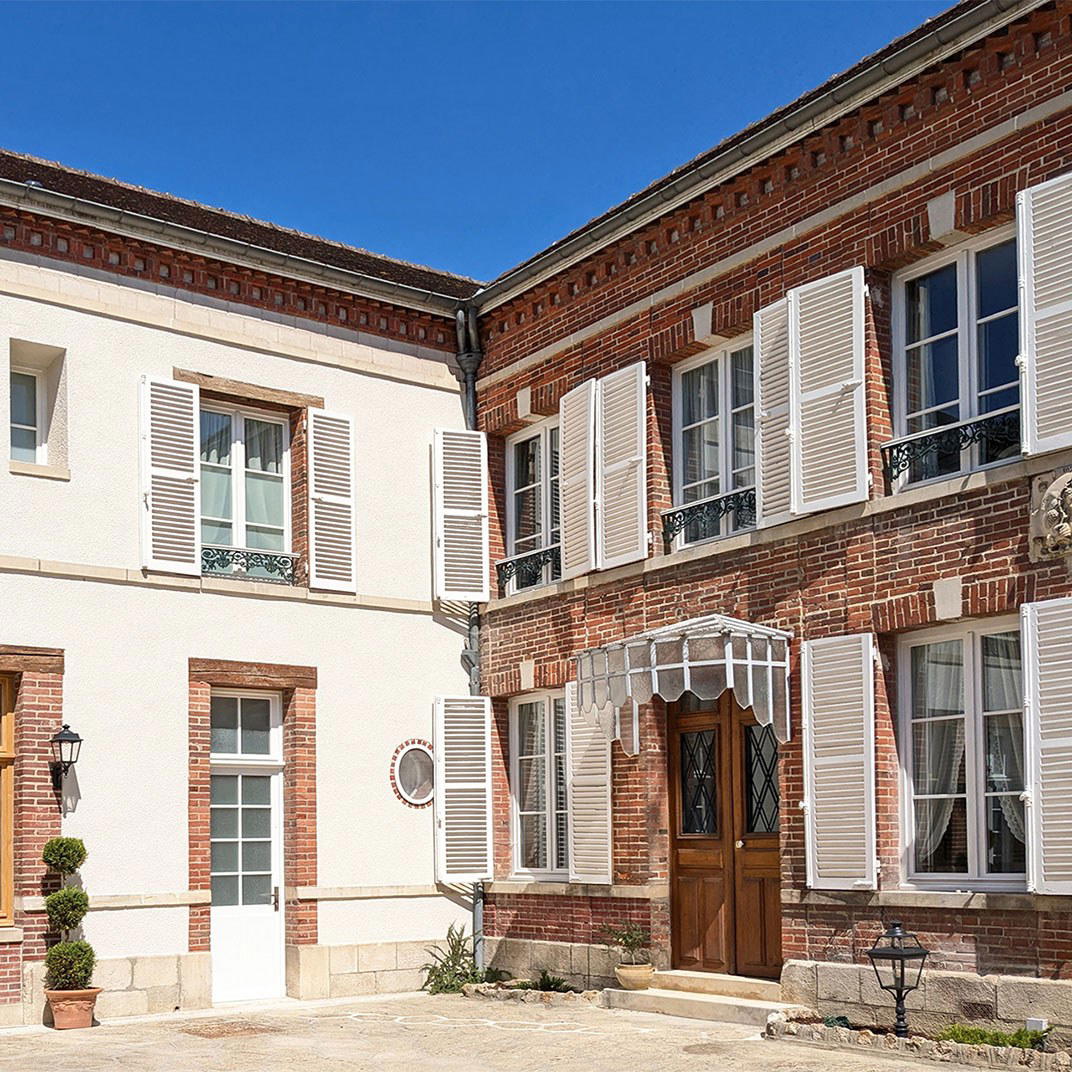
Place Mgr Tissier sits in the civic heart of Châlons-en-Champagne, within sight of the Cathedral Saint-Étienne and a short walk from the Notre-Dame-en-Vaux collegiate church. The square carries the accumulated seriousness of a town that has been commercially and ecclesiastically significant for centuries, and the Hôtel d'Angleterre on its edge has been part of that fabric long enough to carry the word heritage without irony. Dining here is not incidental to a visit to the cathedral quarter; in a town of this scale, it is structurally part of it.
French provincial gastronomy has long operated through exactly this kind of address: an established hotel restaurant in a secondary city, away from the Parisian or Lyonnais spotlight, serving a local bourgeoisie and a passing trade of informed travellers. Houses like Auberge de l'Ill in Illhaeusern or Bras in Laguiole represent the celebrated end of that tradition, but the tradition itself runs far deeper, into towns like Châlons-en-Champagne where serious cooking has continued without the benefit of a Michelin star or a media profile. The restaurant at the Hôtel d'Angleterre is that kind of address.
The Champagne Region as a Culinary Framework
It is easy to reduce Champagne to its wine, but the region has a distinct culinary character that predates the global fame of its sparkling exports. The cuisine of the Marne département draws on charcuterie traditions, freshwater fish from the rivers that cross the chalky plain, and a long habit of pairing food with the acidity and minerality that define the local wine style. Châlons-en-Champagne, as the préfecture of the Marne, sits at the administrative and geographic centre of this tradition.
The kitchen at Jérôme Feck operates explicitly within this framework. The chef's professional formation spans Langres to Épernay to Reims, a trajectory that covers the Haute-Marne to the north of the Aube and the two most significant urban centres of the Champagne wine belt. That breadth of regional experience is meaningful context: a chef who has cooked in Reims and Épernay has worked alongside the industry most closely associated with the region's identity, and has had to understand how food and wine interact in a setting where the local wine is one of the most analytically discussed in the world. For comparison, Assiette Champenoise in Reims represents the region's Michelin-starred benchmark, a reference point against which the seriousness of any Champagne table is implicitly measured.
The cooking here falls under the modern cuisine designation, which in a provincial French context generally means a classical technical foundation with contemporary plating sensibility and selective modernisation of flavour profiles. It is a different register from the highly interventionist tasting-menu formats seen at places like Alléno Paris au Pavillon Ledoyen or the terrain-driven abstraction of Mirazur in Menton. The point of reference here is closer to the mainstream of French regional gastronomy.
Sauce as the Technical Signature
French classical cooking has always placed saucemaking at the centre of its technical hierarchy. From Escoffier's codification of the mother sauces to the lighter reductions that became standard in the post-Nouvelle Vague period, the ability to build, balance, and finish a sauce has been the primary measure of a French kitchen's seriousness. At this address, that emphasis is explicit: the kitchen's approach to saucing is characterised by intensity and balance, with primary ingredients supported by deliberate additions of acidity or smokiness rather than masked by them.
This is a specific and meaningful technique. Acidity in a sauce, whether from wine reduction, a citrus element, or a fermented component, can lift or sharpen a protein-forward dish in a way that fat-based enrichment cannot. Smokiness, used judiciously, adds a layer of complexity that reads as depth without requiring extended cooking time. The fact that these two elements are identified as characteristic of the approach suggests a kitchen interested in contrast and resolution rather than comfort and richness alone. The same impulse toward technical precision in sauce construction is visible, in more rarefied form, at Troisgros in Ouches, where the philosophy of acidity as a structural element has been codified over generations.
The pastry background adds a further dimension. Training in both savoury and pastry disciplines is relatively uncommon among chefs running a restaurant kitchen at the €€€ level, and it typically produces a more considered approach to sugar, texture, and temperature across the full meal arc, not just in the dessert course.
The Bistro Next Door and the Two-Register Strategy
The presence of Les Temps Changent, the adjacent bistro operating in a more traditional register, is an architectural detail of the broader offer here. The two-register strategy, where a main restaurant and a more accessible adjacent room share a kitchen or building, is a model common in provincial France and allows a chef to maintain a serious gastronomic room while serving a wider local clientele. It also insulates the main dining room from the pressure of volume service. Understanding this structure helps calibrate expectations: the restaurant is the considered room, and the bistro is the everyday one.
Planning Your Visit
Kitchen operates Tuesday through Friday for both lunch and dinner, and Saturday for dinner only. Lunch sittings run from noon to 1pm, a compressed window that reflects the formal French déjeuner format rather than a flexible all-afternoon service. Dinner runs 7pm to 9pm. The restaurant is closed Sunday and Monday. At the €€€ price point, the Jérôme Feck dining room sits in the mid-to-upper tier for Châlons-en-Champagne, below the top-end Champagne tables in Reims but above the casual dining options in the town centre.
Address, 19 Place Mgr Tissier, places the restaurant in the cathedral quarter, which is also the most walkable part of the town for visitors arriving from the TGV station. For broader orientation around the town's dining options, see our full Châlons-en-Champagne restaurants guide, and for nearby alternatives in the same neighbourhood, Au Carillon Gourmand is worth considering. Those extending their stay will find useful orientation in our Châlons-en-Champagne hotels guide, our bars guide, our wineries guide, and our experiences guide. For those building a broader Champagne region itinerary that includes high-end cooking, the conversation among French regional tables at the upper end includes houses such as Flocons de Sel in Megève, Au Crocodile in Strasbourg, Paul Bocuse in Collonges-au-Mont-d'Or, and AM par Alexandre Mazzia in Marseille. For a wider frame on what modern cuisine looks like across different national traditions, Frantzén in Stockholm and FZN by Björn Frantzén in Dubai offer useful points of comparison.
Frequently asked questions
at Jérôme Feck?
Without access to the current menu, specific dish recommendations are beyond what can be stated here with confidence. What the available record does indicate is that the kitchen's technical signature lies in its sauce work, specifically in the use of acidity and smokiness to sharpen and support the main ingredient rather than enrich around it. In practical terms, that suggests dishes where a sauce or reduction is central to the construction, protein-led plates from the Champagne region's larder, will reflect the kitchen's strengths most directly. The chef's dual background in savoury and pastry disciplines also points to dessert courses being treated with the same seriousness as the savoury ones. For up-to-date menu information, contacting the restaurant via the Hôtel d'Angleterre directly is the most reliable route.
Price Lens
| Venue | Cuisine | Price | Awards | Notes |
|---|---|---|---|---|
| Jérôme FeckThis venue (the venue you are viewing) | Modern French Bourgeois | $100–150 | 1 Michelin Star | Not listed |
| Alléno Paris au Pavillon Ledoyen | Modern French Fine Dining | $150–200 | 3 Michelin Stars · World's 50 Best #79 | Creative |
| Kei | Contemporary French, Modern Cuisine | Not listed | Michelin 3 Star | Not listed |
| L'Ambroisie | Classic French Haute Cuisine | $300–500 | 2 Michelin Stars · World's 50 Best #23 | French, Classic Cuisine |
| Le Cinq - Four Seasons Hôtel George V | Modern French Fine Dining | $300–500 | 3 Michelin Stars · World's 50 Best #24 | French, Modern Cuisine |
| Plénitude | Modern French Sauce-Led Fine Dining | $300–500 | 3 Michelin Stars · World's 50 Best #14 | Contemporary French |
Recognition history
Dated appearances from independent guides and award organizations, with the underlying list record or original source where available.
Michelin 1 Star
Michelin
Full recognition history (3 entries)
Michelin 1 Star
Michelin
Michelin 1 Star
Michelin
Continue exploring
More in Châlons-en-Champagne
Restaurants in Châlons-en-Champagne
All restaurants in Châlons-en-Champagne →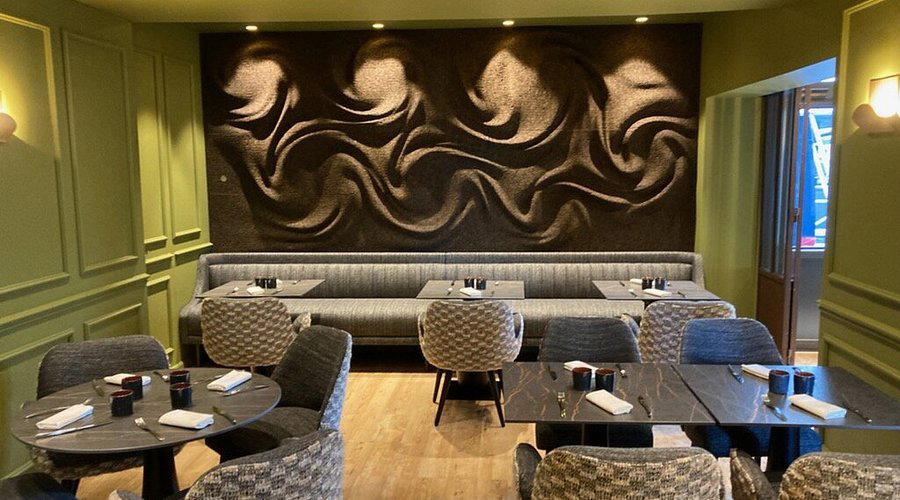
Bars in Châlons-en-Champagne
Browse all →
Jérôme Feck
The wine
- Wine program
- Deep wine list
- Extensive wine list
- Sommelier-led
Details
- Elegant
- Romantic
- Classic
- Sophisticated
- Date Night
- Special Occasion
- Celebration
- Business Dinner
- Hotel Restaurant
- Historic Building
- Private Dining
- Extensive Wine List
- Sommelier Led
- Local Sourcing
- Tasting Menu
- Prix Fixe
- A La Carte
- Champagne
- Wine
Current opening hours
- Monday
- Closed
- Tuesday
- 12–1 PM, 7–9 PM
- Wednesday
- 12–1 PM, 7–9 PM
- Thursday
- 12–1 PM, 7–9 PM
- Friday
- 12–1 PM, 7–9 PM
- Saturday
- 7–9 PM
- Sunday
- Closed
Hours can change for holidays and private events. Hours as of .
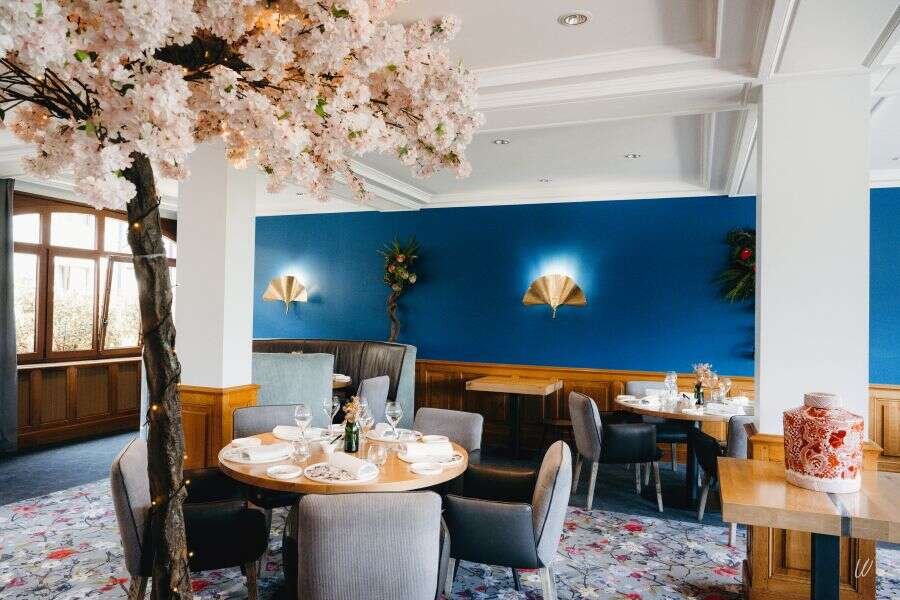
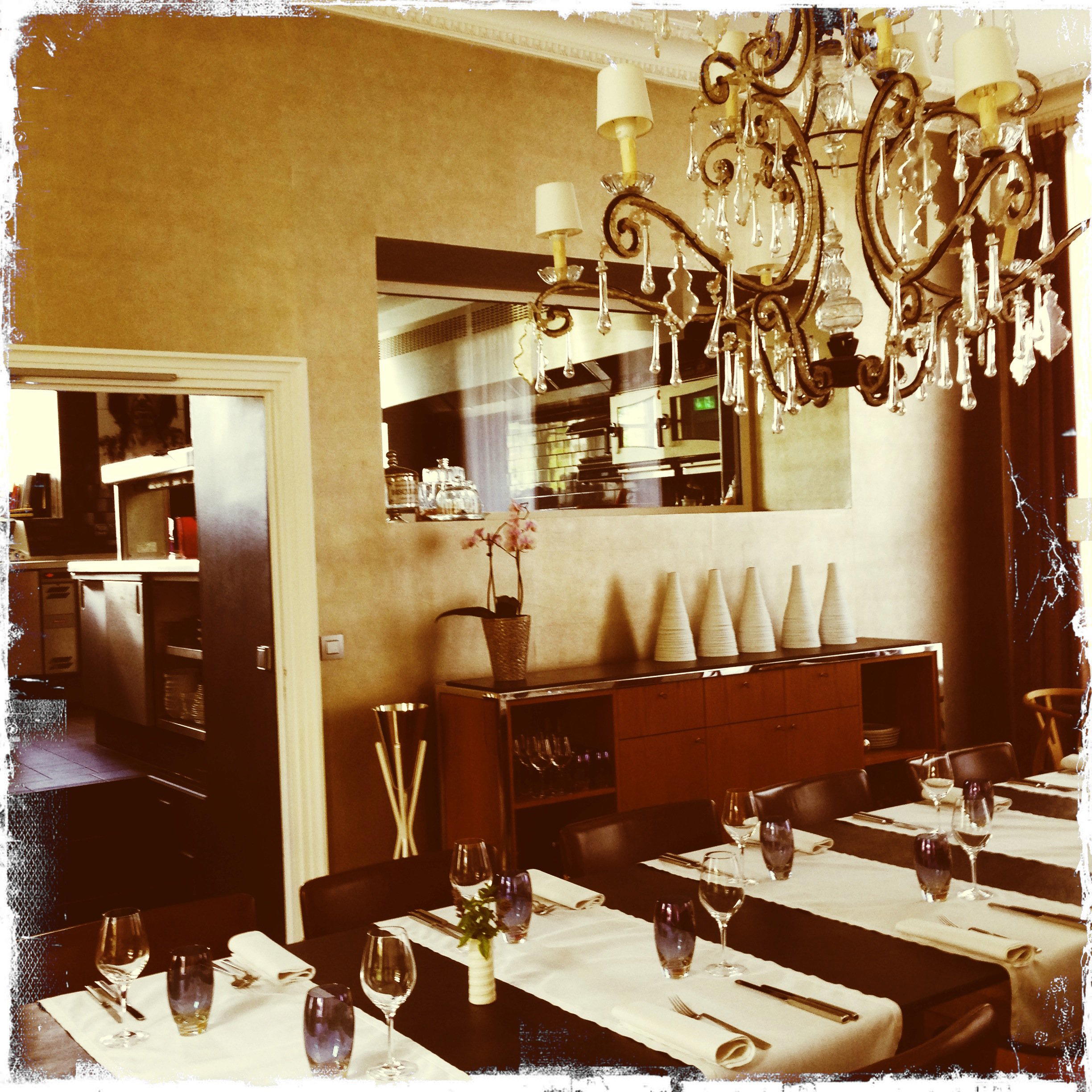
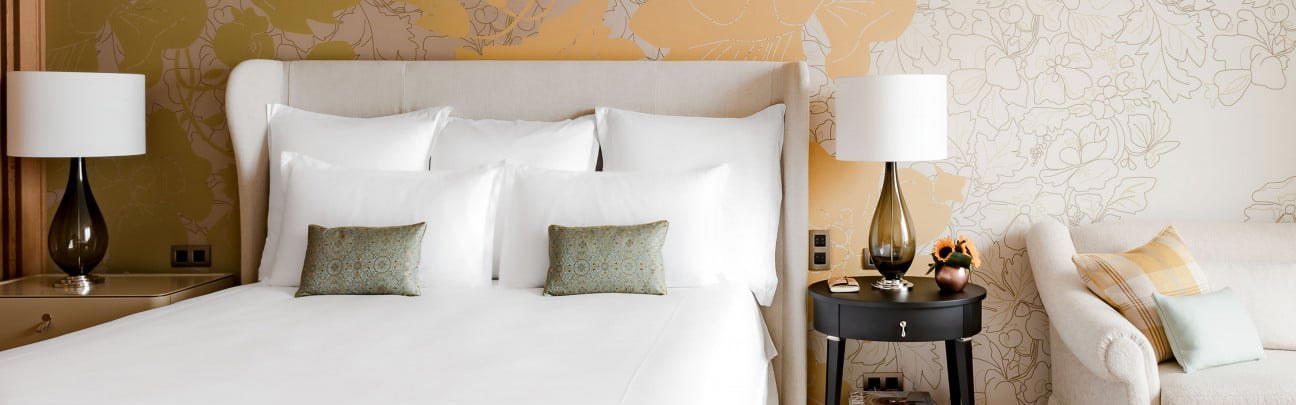
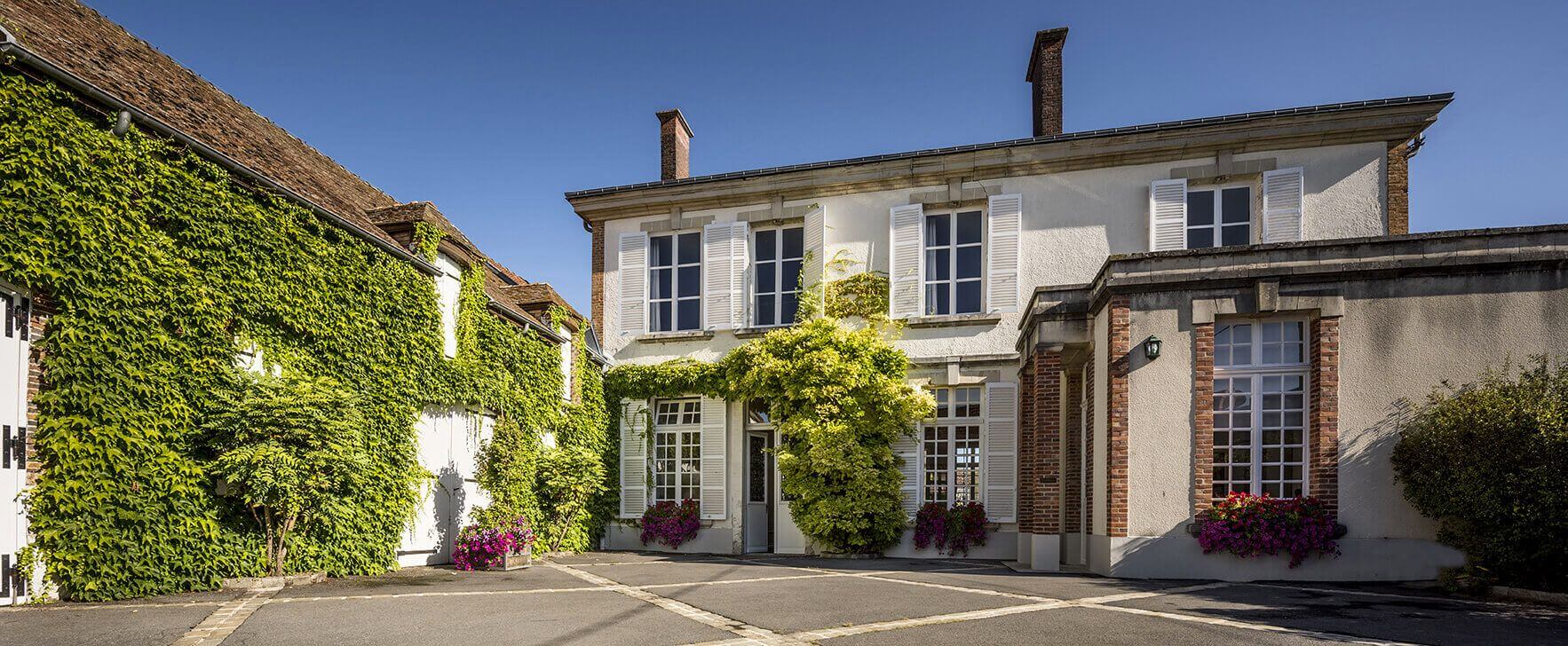
Refined and elegant with Versailles parquet flooring, white stone, large bay windows, mirrors, and wood accents creating an enchanting, sophisticated atmosphere.