Champagne Cattier

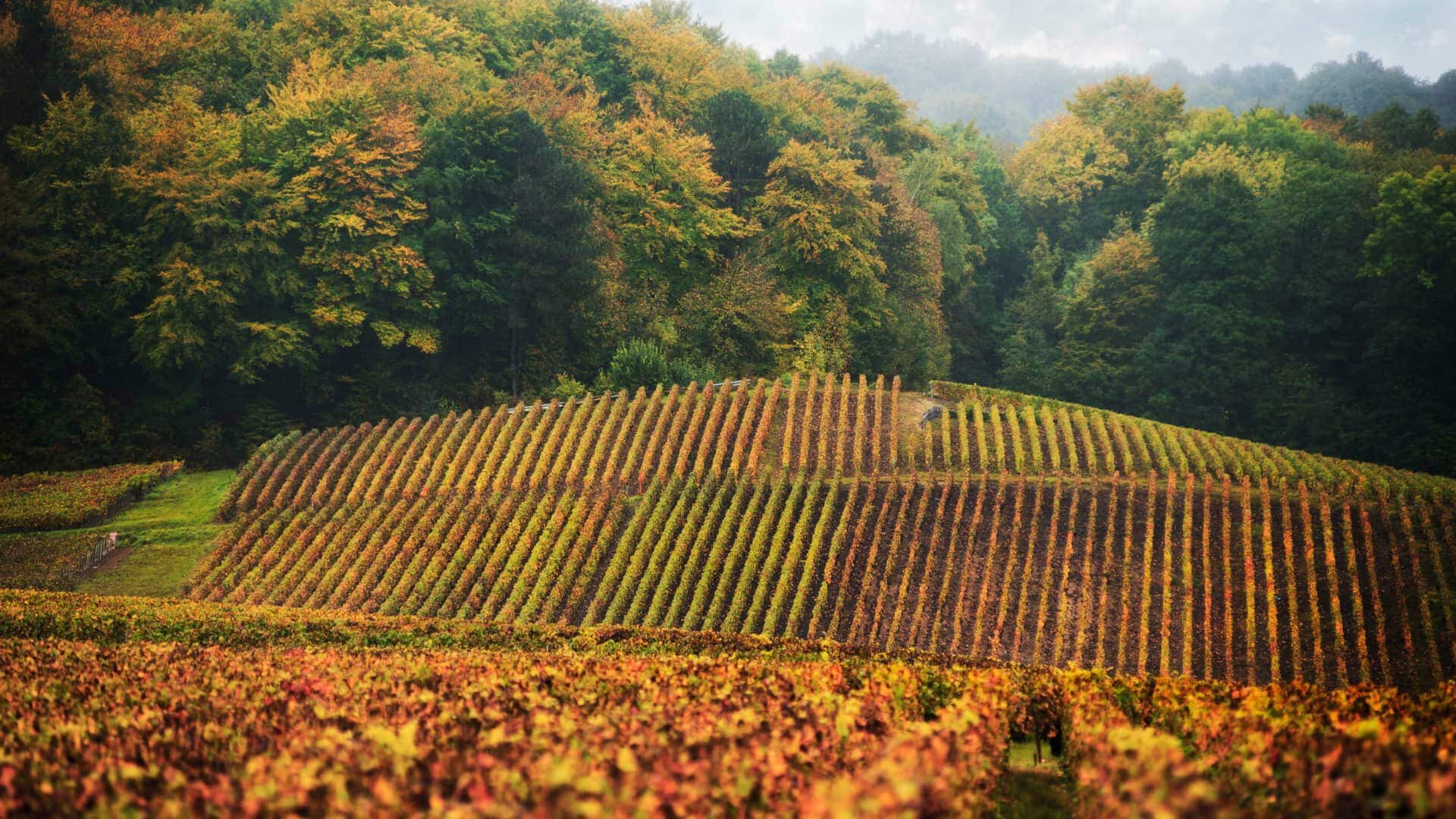
Champagne Cattier gives Chigny-les-Roses a serious terroir address: an independent family maison tied to Premier Cru vineyards, deep chalk cellars, and long lees aging. The draw is not spectacle but structure: Montagne de Reims fruit, sustainable farming across about 33 hectares, and cuvées that make a clear case for place over gloss.
Pearl is the En Primeur Club membership app — saves, bookings, and concierge access live there. Same editors, same standards.
- Address
- Chigny Les Roses, Grand Est, Frankreich
- Directions
- Get directions
 Saves & bookings on Pearl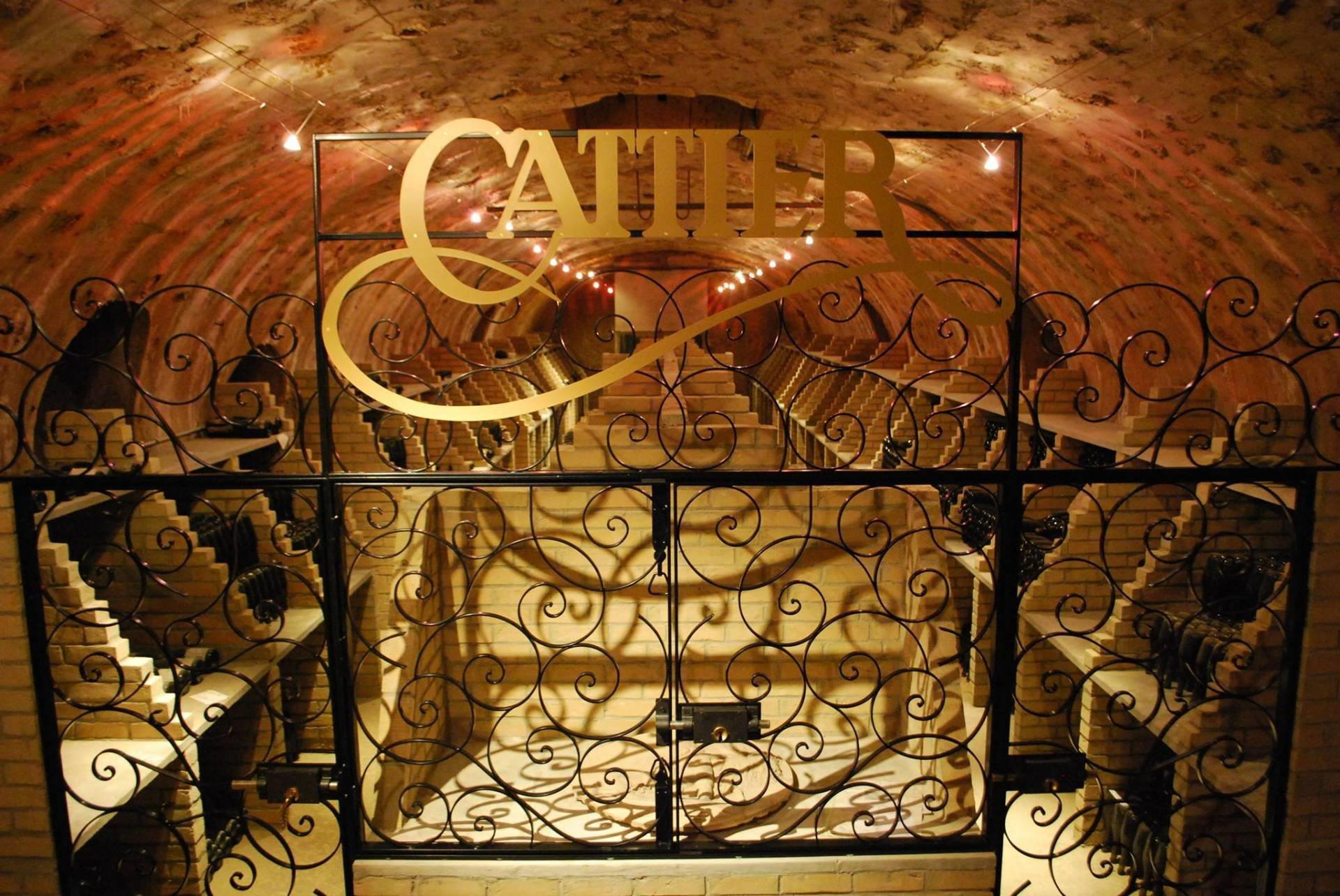
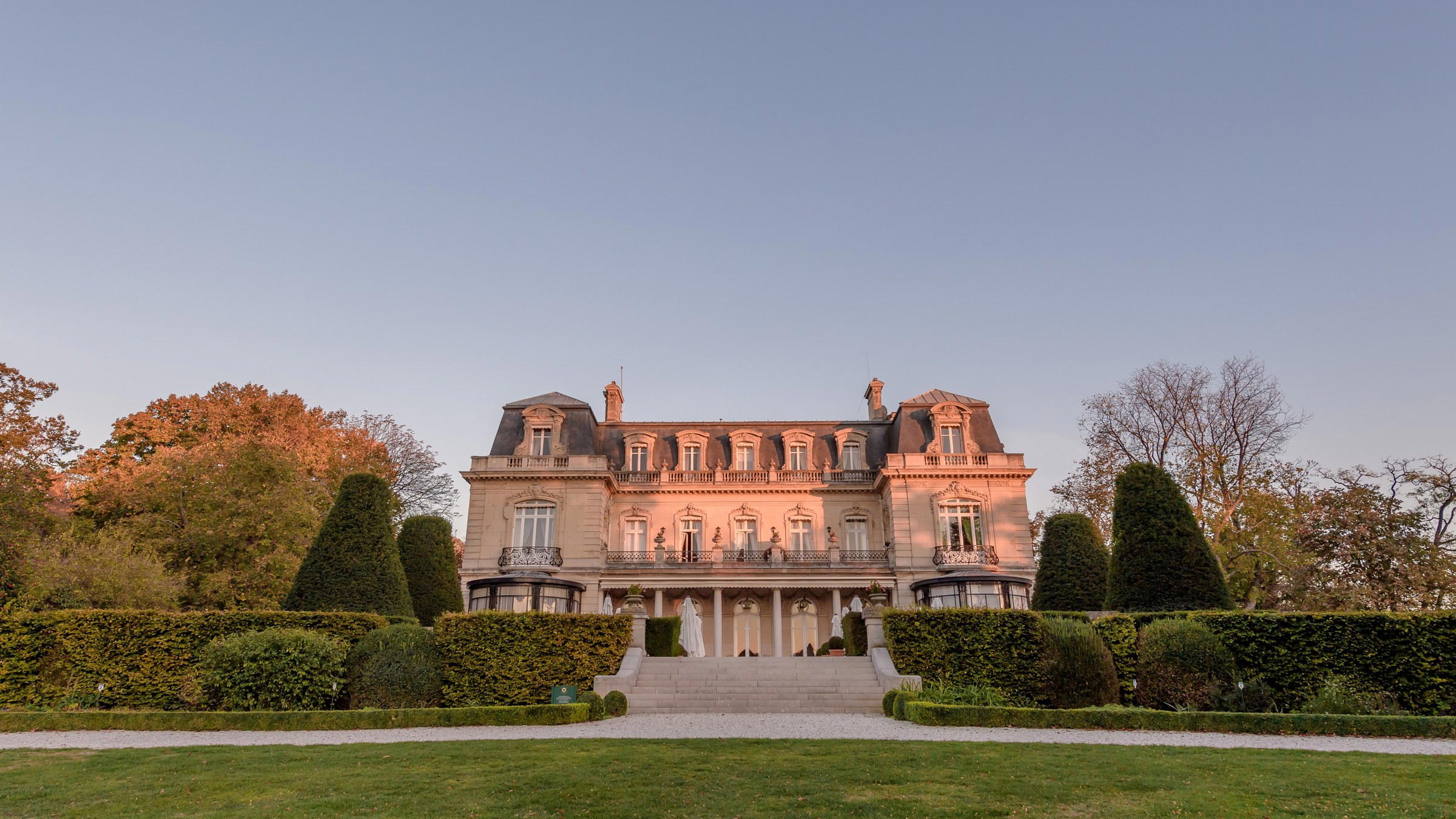
Champagne Cattier is best understood through its Chigny-les-Roses setting and Champagne-house heritage. The confirmed picture is a historic, family-run Champagne house rooted in Premier Cru vineyards around Chigny-les-Roses, with traditional chalk cellars and an artisanal, terroir-focused feel shaped by sustainable vineyard practices and long lees aging. That combination gives the address a clear framework: the village matters, the vineyard classification matters, and the cellar environment matters. Rather than treating the house as an abstract label, it is more accurate to read it as part of a specific Champagne landscape where geology, family continuity, and patient maturation all help explain the final style.
Its identity rests on family continuity, Premier Cru vineyard context, traditional chalk cellars, and a patient cellar approach. For travelers, that makes it a Champagne address to understand through place, craft, and time rather than through invented service details or unsupported accolades. One useful lens is therefore not a checklist of hospitality promises, but a slower reading of how a rooted house presents itself: historic in character, local in focus, and shaped by the long rhythms of vineyard work and cellar aging.
Premier Cru chalk, Chigny-les-Roses roots, and a cellar built for patience
Terroir is the central argument here. Champagne Cattier is rooted in Premier Cru vineyards around Chigny-les-Roses, and the house’s traditional chalk cellars support the long lees aging that defines its more patient, artisanal character. In a region often explained through prestige labels, this is a more grounded reading of Champagne: village context, vineyard work, and cellar time carry the story. The Premier Cru setting gives the house a clear geographic anchor, while the chalk cellars reinforce the sense that Champagne here is not only about fruit or branding, but also about the conditions in which bottles develop over time.
The picture is intentionally concise. Champagne Cattier is not best described through unsupported claims about exact vineyard surface, bottle counts, named cuvées, grape breakdowns, or release details. What can be said with confidence is that the house presents a terroir-focused Champagne identity, tied to Premier Cru fruit around Chigny-les-Roses and to the texture and depth associated with extended lees aging in chalk cellars. That restraint is important: the strongest description is the one supported by the known elements, and those elements already offer a coherent portrait of a family-run Champagne house with a serious relationship to place.
That patience is central to the house’s identity. Long lees aging in traditional chalk cellars supports the confirmed profile here: a focus on time, place, and craft rather than a story built around service details. The idea of patience also helps travelers understand why the cellar is more than a backdrop. In this context, the cellar is part of the house’s working vocabulary, a place where the Champagne’s development is framed by cool chalk, extended contact with lees, and the deliberate pace associated with an artisanal approach.
Sustainable farming gives the house its contemporary relevance
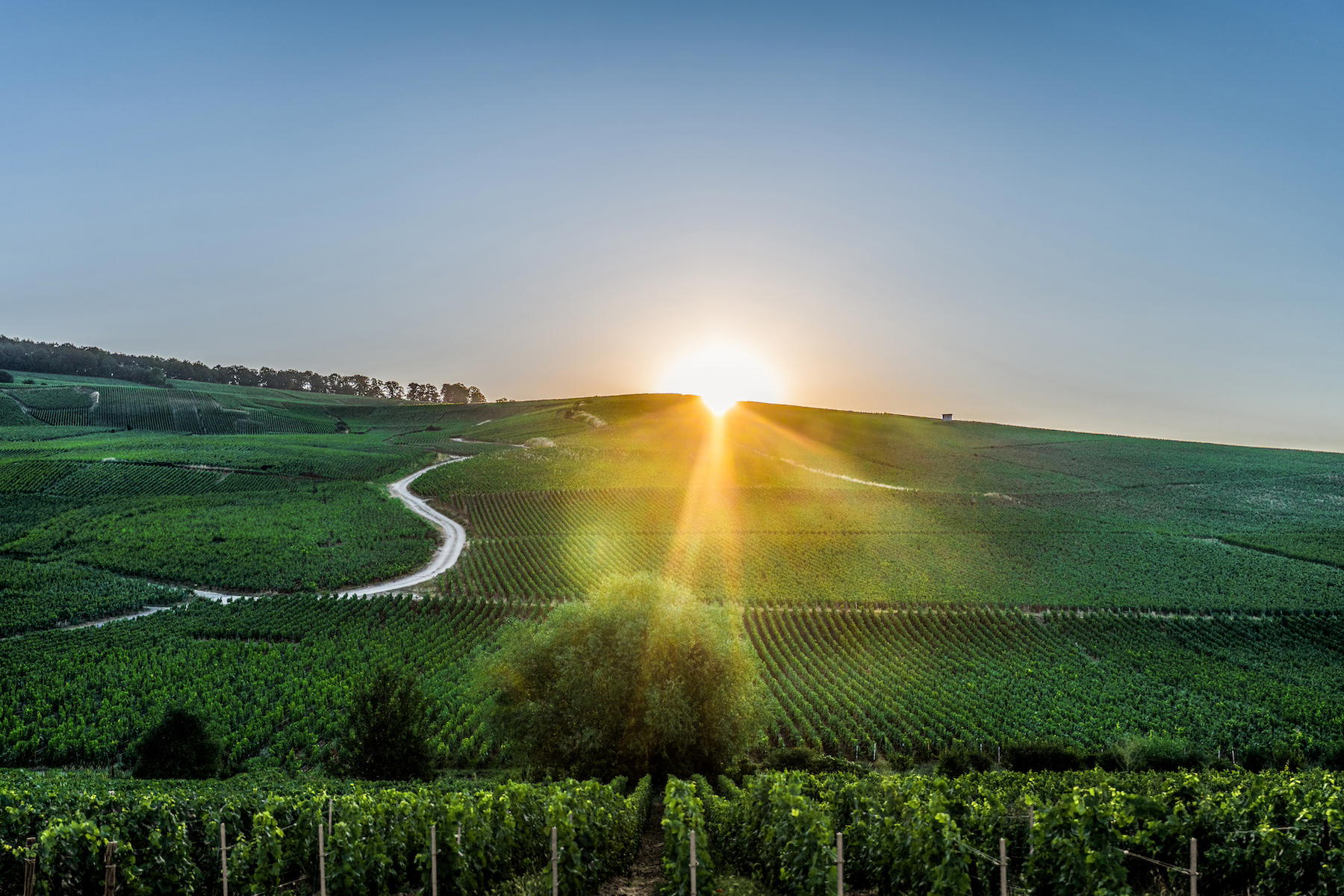
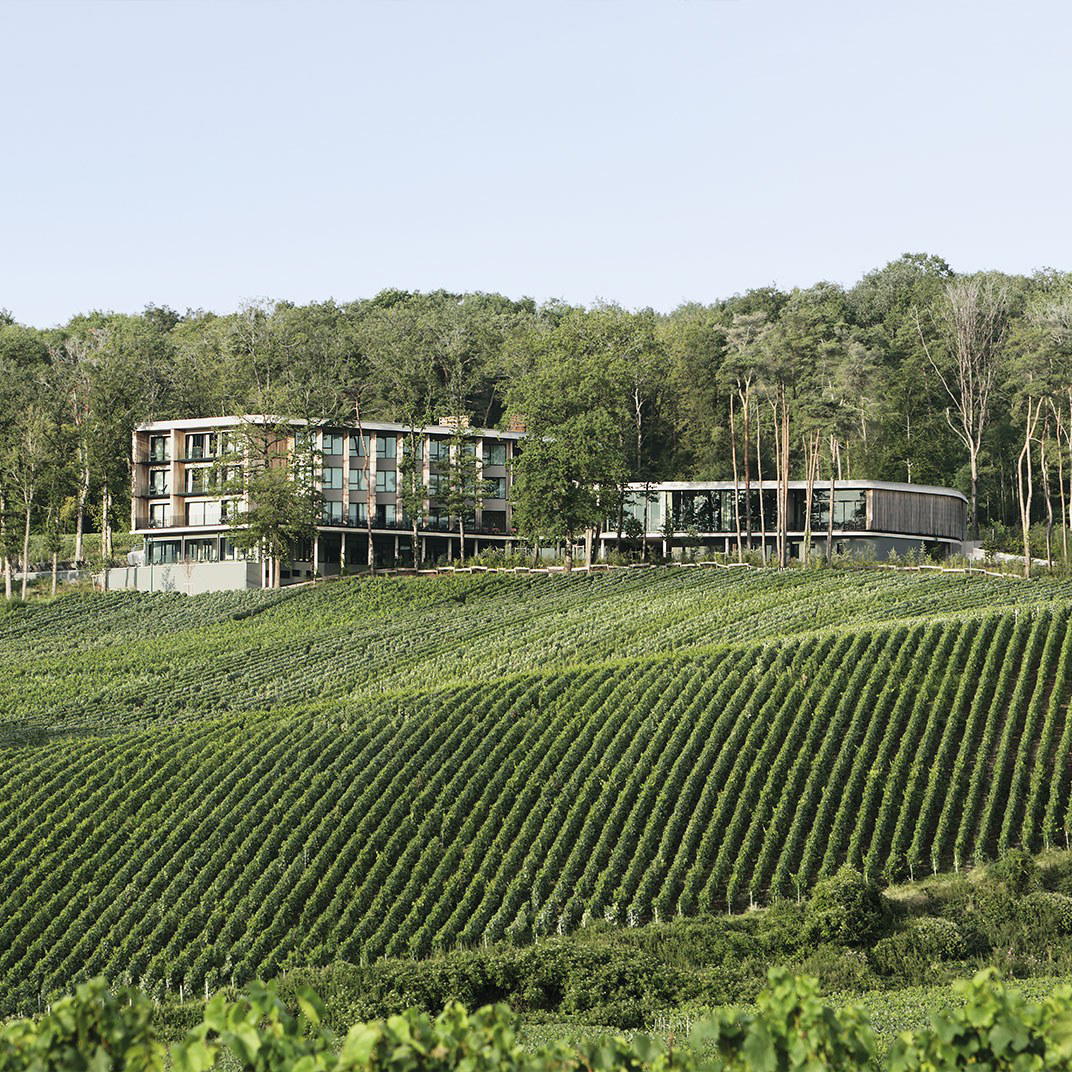
The winery is associated with sustainable vineyard practices, which strengthens the link between its Premier Cru setting and its artisanal, terroir-focused identity. In practical terms, that association makes the vineyard side of the story feel current as well as historic. The house is not only presented through inherited setting and cellar tradition, but also through the way vineyard practices support a more thoughtful reading of Champagne production. Sustainable farming fits naturally with a profile built around place, because it keeps attention on the health and continuity of the land behind the wine.
The result is a profile that fits a specific kind of Champagne travel. This is not a place to describe through restaurant service, terrace scenes, or branded spectacle. It is better understood as a historic, family-run Champagne house in Chigny-les-Roses, with traditional chalk cellars, Premier Cru vineyard roots, sustainable vineyard practices, and long lees aging at the center of the story. That combination will appeal most to travelers who prefer substance over staging: people interested in how a house’s setting and methods shape its identity, and who are comfortable letting the visit or research revolve around vineyard context, cellar time, and family continuity.
For a broader Chigny-les-Roses itinerary, keep the focus on the winery and other local dining or wine options in general terms unless current details are confirmed directly. EP Club’s city rails can be used to compare restaurants, hotels, bars, wineries, and experiences in Chigny-les-Roses without overstating unsupported specifics. That caution is part of the value of the page: it allows the house to be positioned clearly without filling gaps with assumptions. Travelers can use the confirmed profile as a starting point, then verify practical arrangements through current, direct information before making plans.
How to read it in a wider wine itinerary
The stronger reason to come is comparative education: understanding how a historic, family-run Champagne house expresses Premier Cru vineyards around Chigny-les-Roses through an artisanal, terroir-focused approach and long lees aging in traditional chalk cellars. It belongs naturally in a Champagne-focused route for travelers who care about place, farming, and cellar patience. In that wider context, the winery offers a useful contrast to any Champagne experience framed primarily by visibility or polish, because its confirmed strengths are rooted in origin, craft, and maturation. Beyond that, any planning should be checked against current availability and directly confirmed visitor information.
Recognition history
Dated appearances from independent guides and award organizations, with the underlying list record or original source where available.
Falstaff Winery - 2 Stars
Falstaff
Continue exploring
More in Chigny-les-Roses
Wineries in Chigny-les-Roses
Browse all →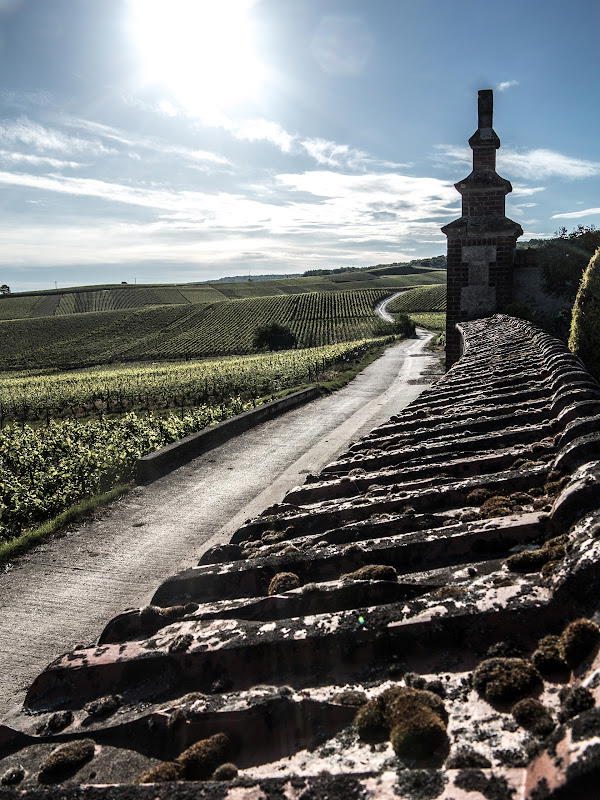
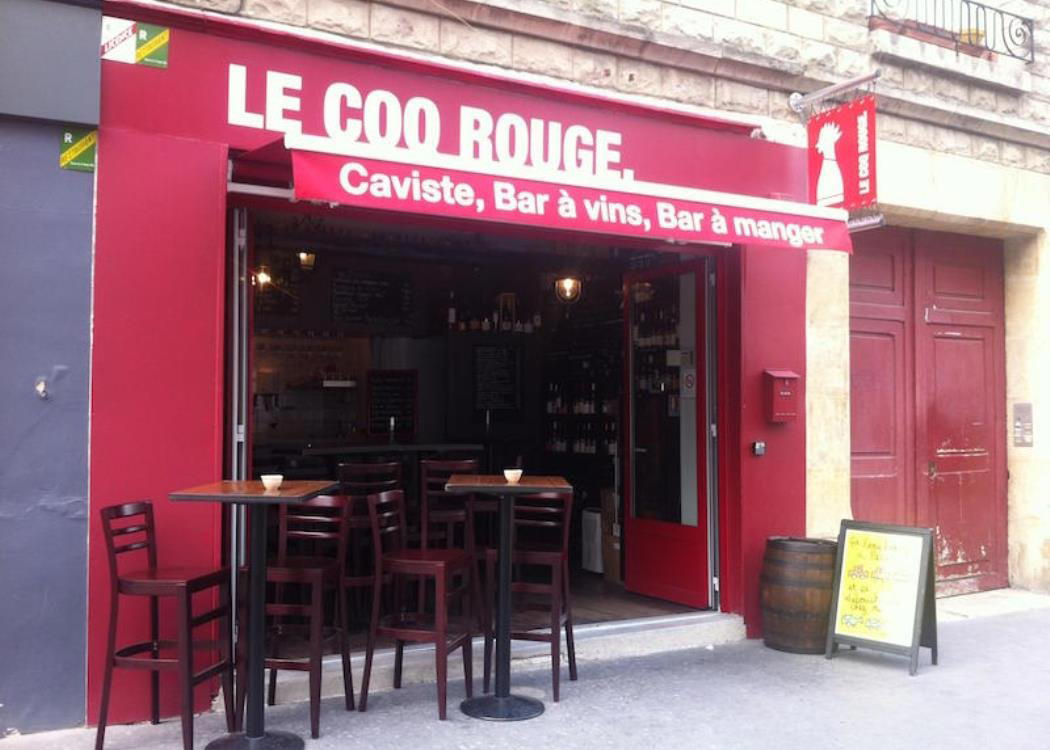
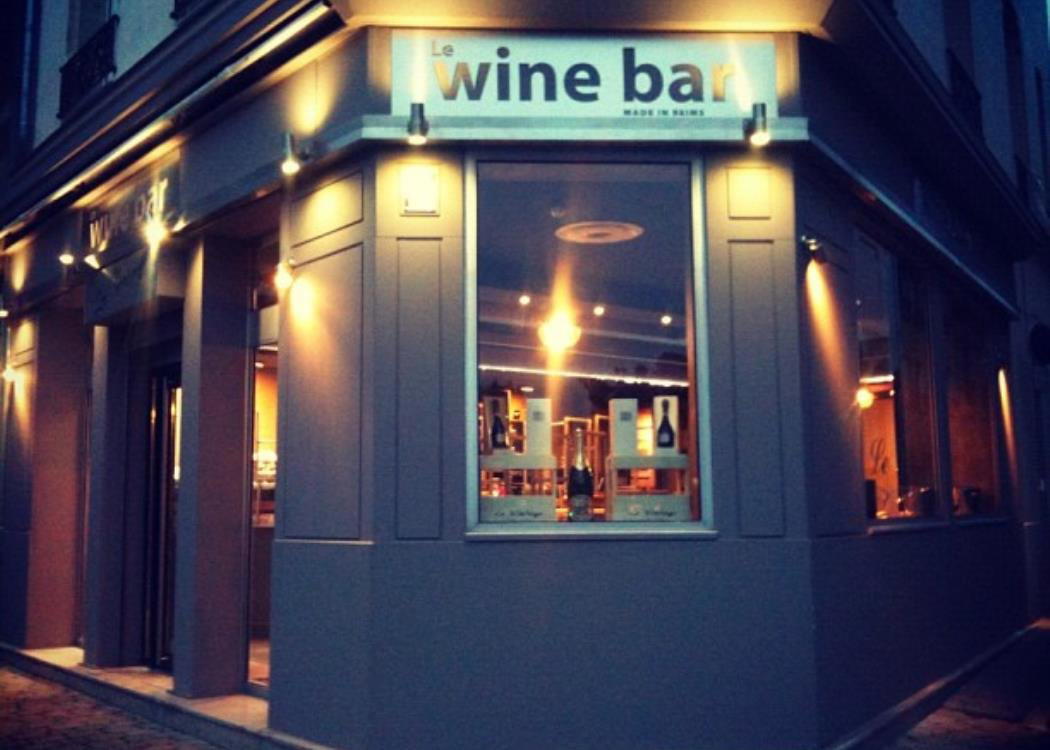
Bars in Chigny-les-Roses
Browse all →
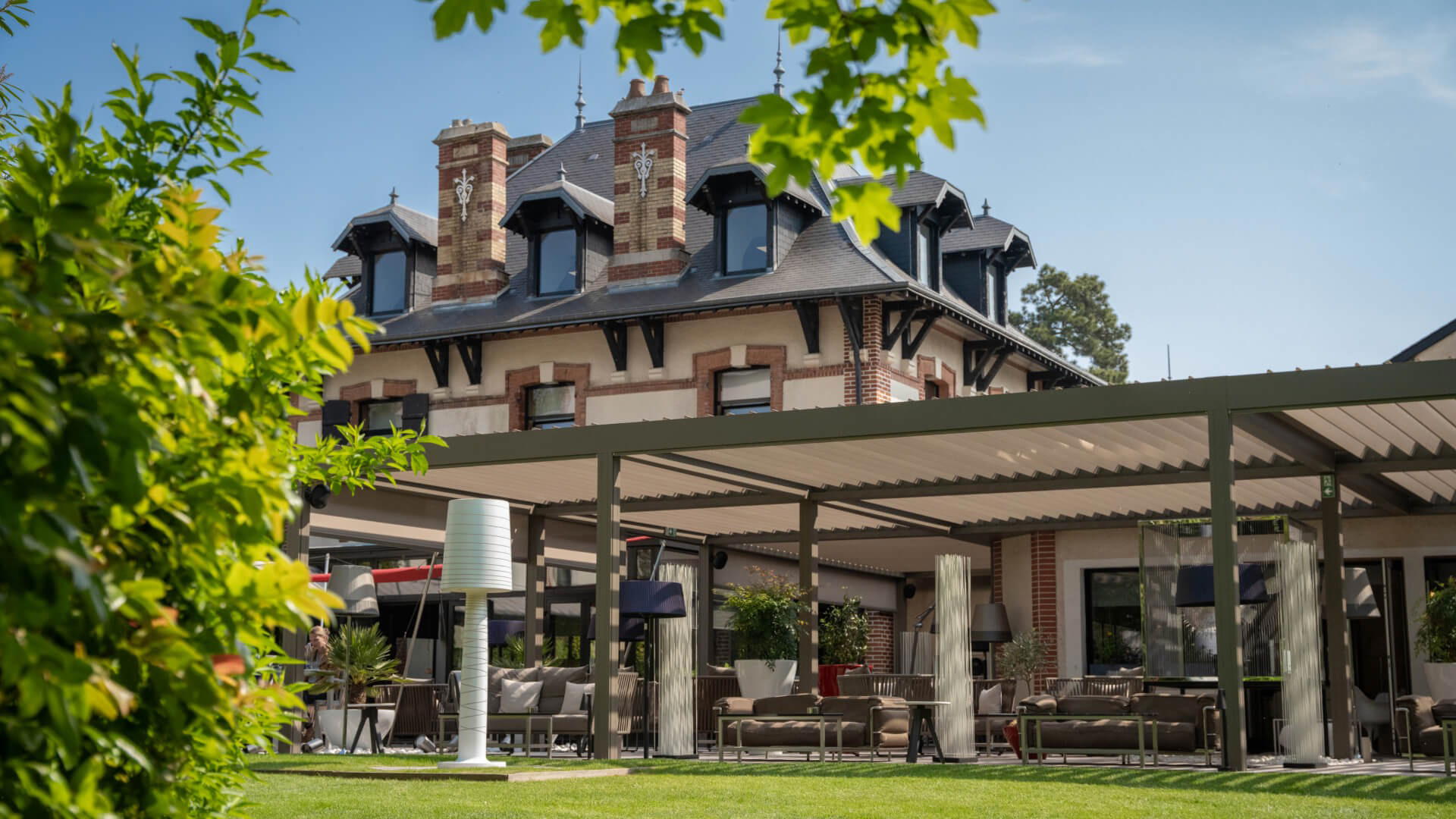
Restaurants in Chigny-les-Roses
Browse all →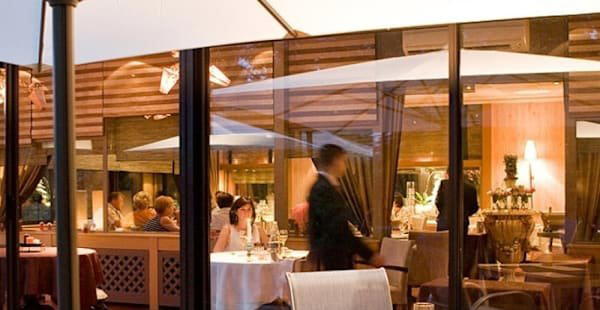
At a Glance
- Classic
- Well Known
- Elegant
- Sophisticated
- Romantic
- Celebration
- Special Occasion
- Romantic Getaway
- Wine Education
- Group Outing
- Cave Tasting
- Estate Grounds
- Vineyard Tour
- Historic Building
- Private Tasting
- Sustainable
- Vineyard
- Champagne AOC
- Chardonnay
- Pinot Noir
- Meunier
- Sparkling
- Standard Tasting
- Estate Tour
- Private Tasting
Historic, family-run Champagne house rooted in Premier Cru vineyards around Chigny-les-Roses, with traditional chalk cellars and an artisanal, terroir-focused feel enhanced by sustainable vineyard practices and long lees aging.