
Falstaff Winery - Listed
Bussi Piero gives Calosso a small-estate reading of Piedmont: Barbera, Moscato, Gamba di Pernice and local varieties grown across 12 hectares in the UNESCO-listed hills between Langhe and Monferrato. The appeal is terroir education rather than spectacle, with owner-led tastings, vineyard views, quiet pacing and a family cellar whose roots reach back to 1900.

Pearl is the En Primeur Club membership app — saves, bookings, and concierge access live there. Same editors, same standards.
- Address
- Calosso, Piedmont, Italien
- Directions
- Get directions
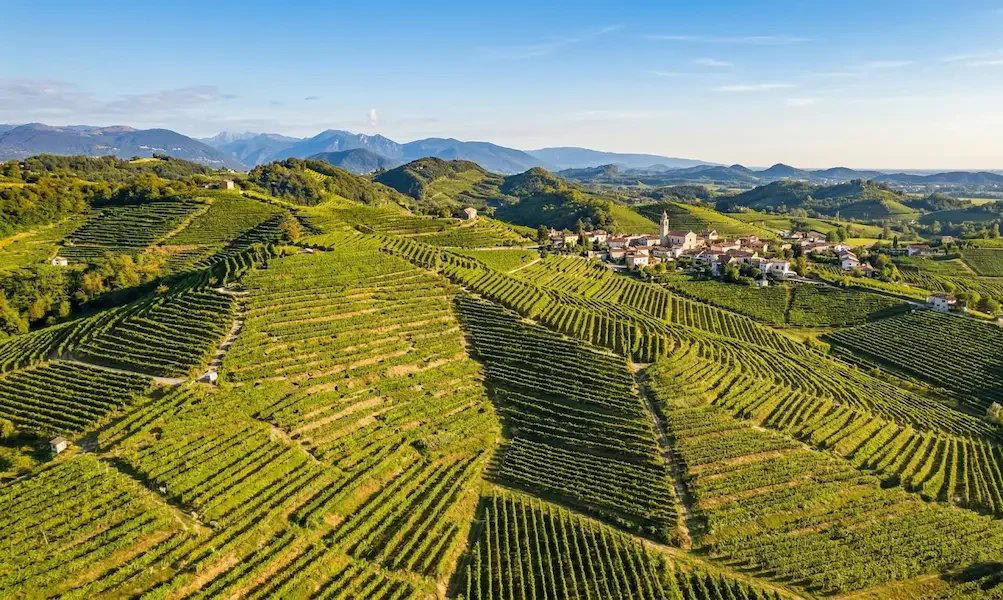
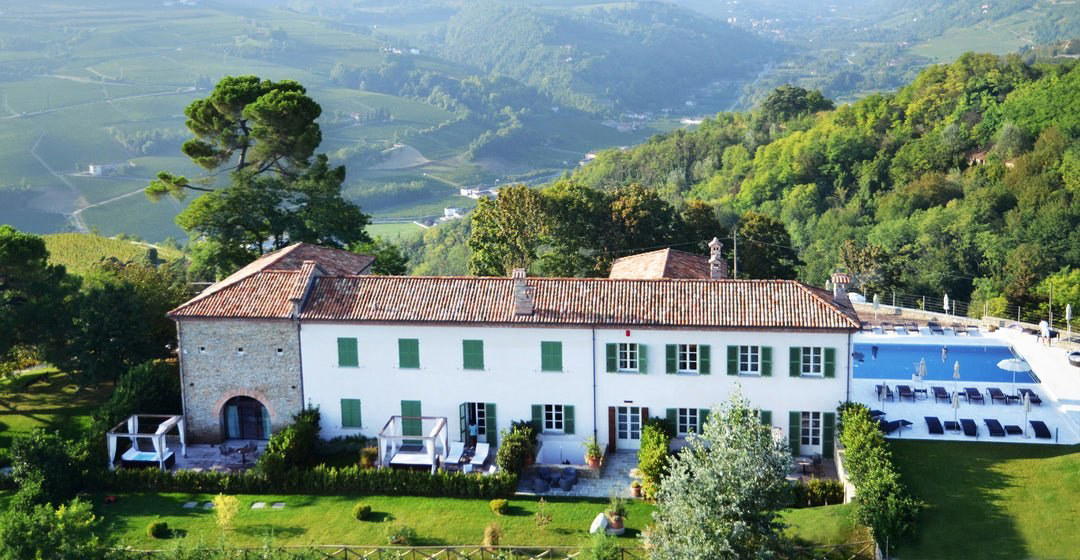
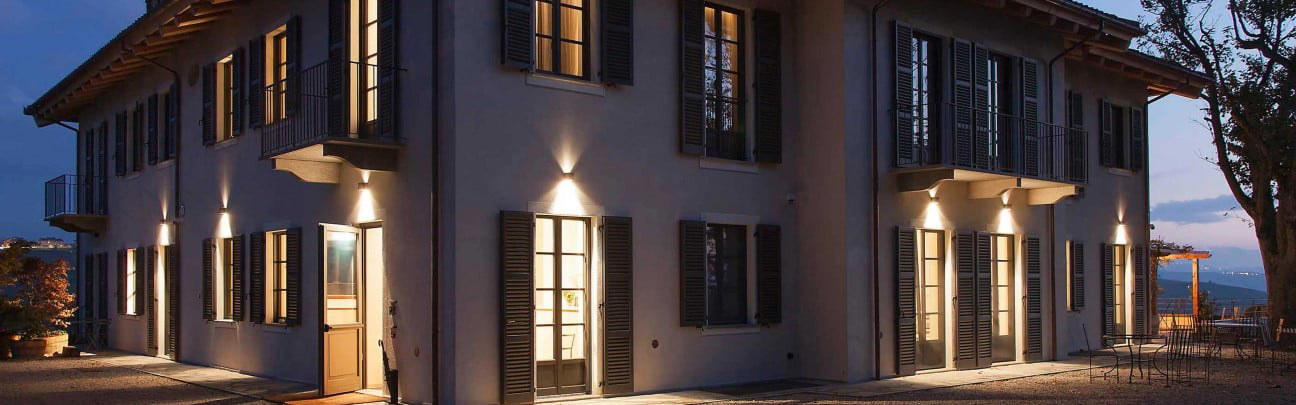
Calosso does not announce itself with grand cellar-door theatre. The hills do the work first: rows of vines folding between Langhe and Monferrato, sandstone and calcareous marl underfoot, and a quietness that suits wines built on local identity rather than international polish. In that setting, Bussi Piero belongs to the small-estate side of Piedmont travel, where the value is not a trophy room but a clearer reading of place.
The estate farms 12 hectares and produces around 60,000 bottles a year, a scale that keeps the experience close to the vineyard rather than detached in a showroom. Its focus runs through Moscato, Barbera, Gamba di Pernice and other local Piedmontese varieties, a set that says plenty about Calosso’s position: not Barolo country, not a generic tasting stop, but a zone where aromatic whites, structured reds and a rare local grape can sit in the same conversation.
Calosso terroir, read through Barbera, Moscato and Gamba di Pernice
Piedmont’s prestige map can flatten the region into a handful of famous names. Calosso is more interesting when treated on its own terms. The area sits between Langhe and Monferrato, inside a UNESCO-listed hill system, with a moderate climate that allows slow ripening across warm summers and cooler winters. That matters for varieties with different demands: Moscato needs freshness and perfume, Barbera needs acidity and depth, and Gamba di Pernice needs enough definition to justify its small-appellation status.
Bussi Piero’s portfolio reflects that mixed identity. Barbera d’Asti DOCG and Moscato d’Asti DOCG give the estate a recognizable Piedmont frame, while Calosso DOC, made from Gamba di Pernice, points to the smaller local story. Langhe Nebbiolo and Alta Langa DOCG broaden the range without turning the cellar into a regional checklist. The stronger editorial reason to pay attention is the estate-grown structure: when grapes come from the surrounding vineyards, the tasting can show how this pocket of Calosso behaves across styles rather than how a buying program assembles labels.
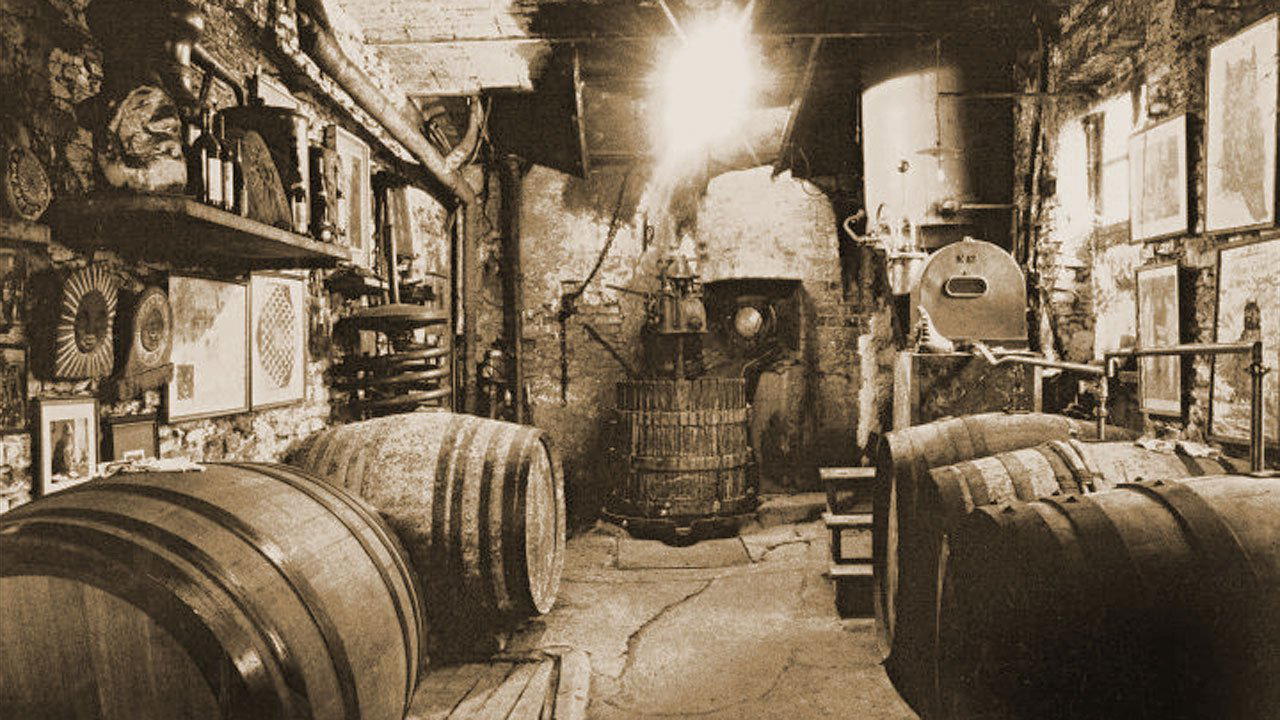
The family chronology adds useful context without needing to become folklore. The operation traces its roots to 1900, and the modern estate is fourth generation. Federico Bussi became owner in 2022 and hosts tastings alongside the family’s longer stewardship. Those facts matter because Piedmont’s small producers often rely on continuity: old parcels, incremental expansion, local grape memory and a cellar vocabulary passed through work rather than branding.
A tasting format built for explanation, not performance
The better winery visits in this part of Piedmont tend to be conversational. Bussi Piero fits that pattern with guided tastings, estate tours, small-group formats and private tastings available by arrangement. The typical visit runs 90 to 120 minutes, long enough for vineyard context, cellar discussion and a measured tasting rather than a quick pour-and-exit. Italian and English are offered, which makes the technical side more useful for visitors who want to understand Calosso beyond the label.
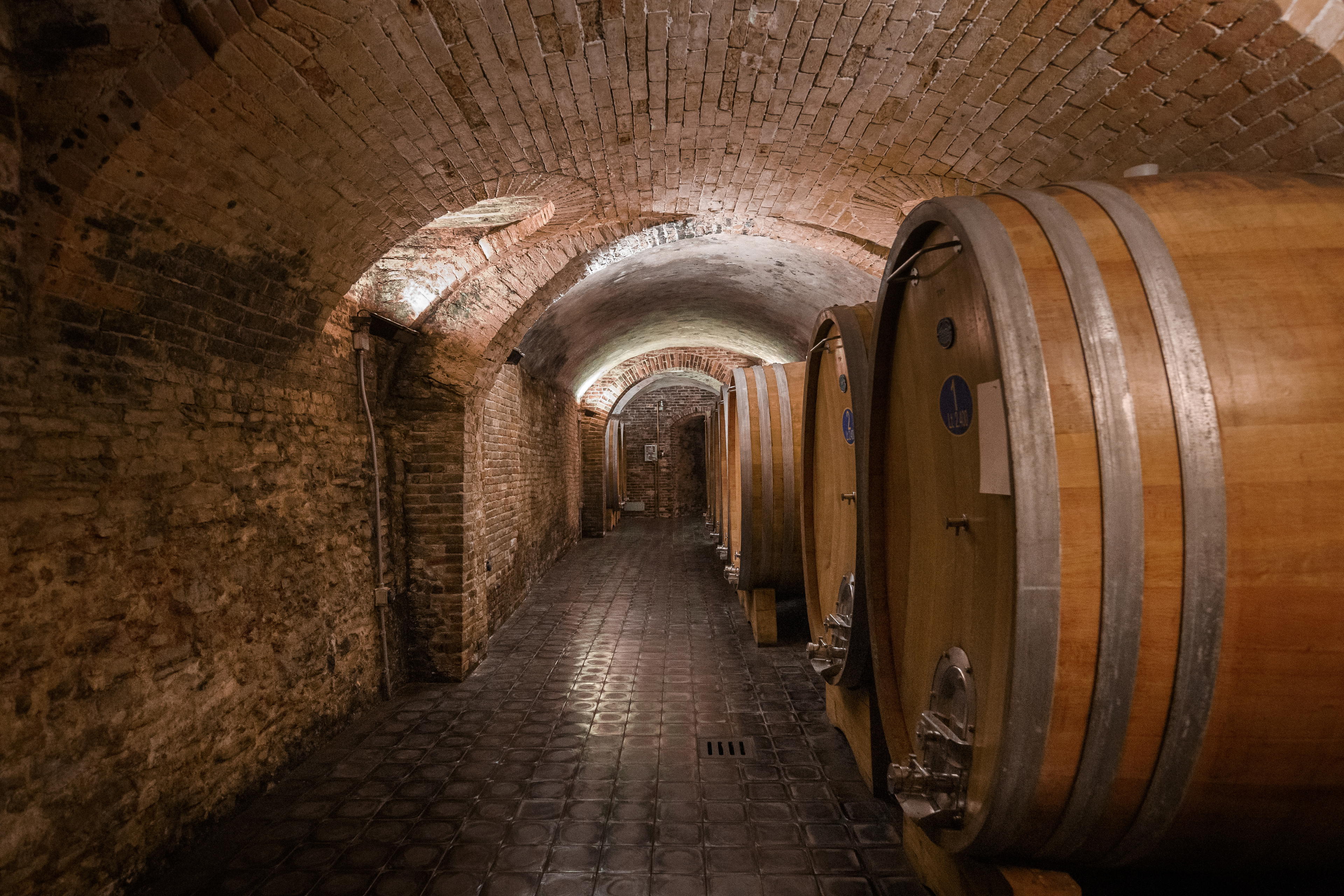
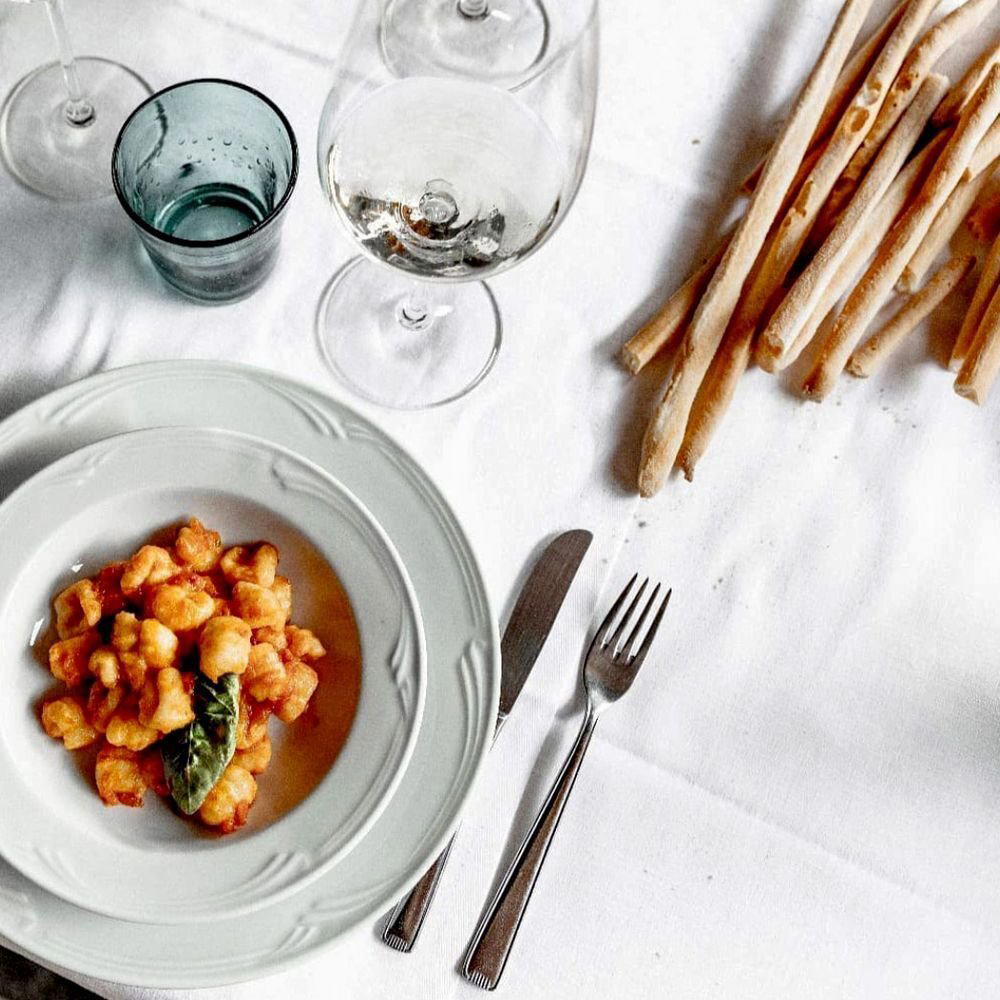
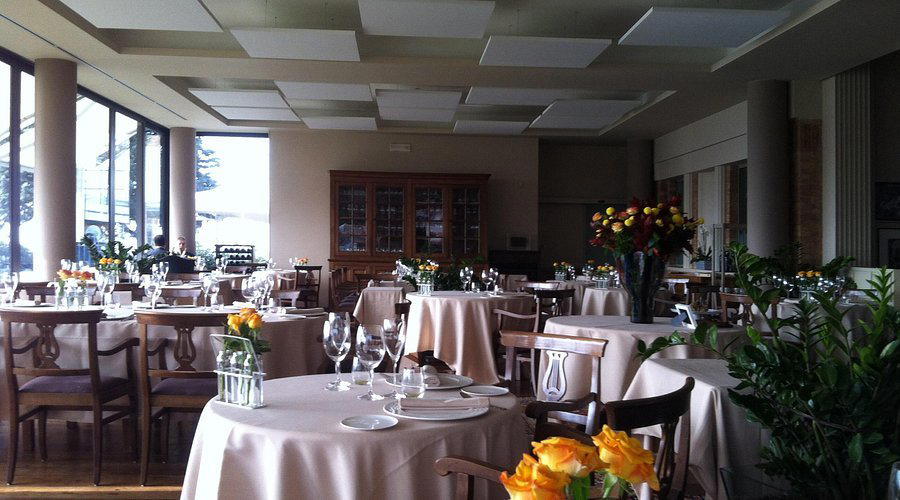
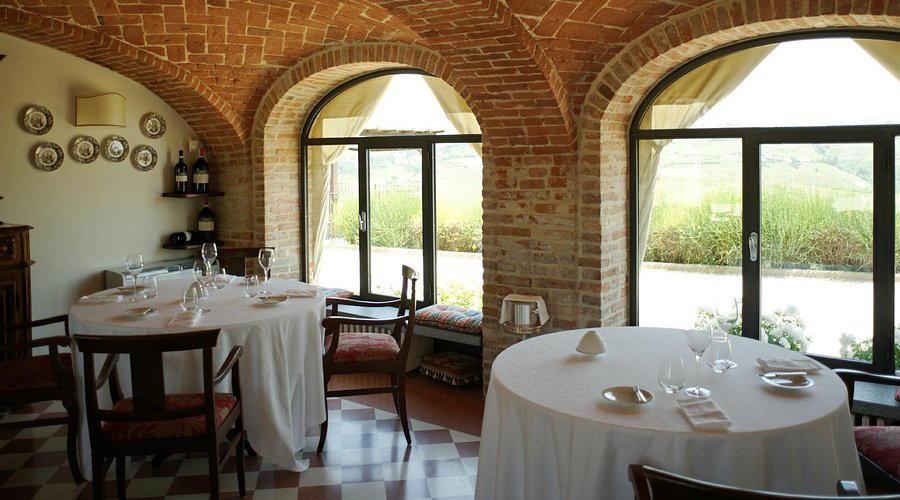
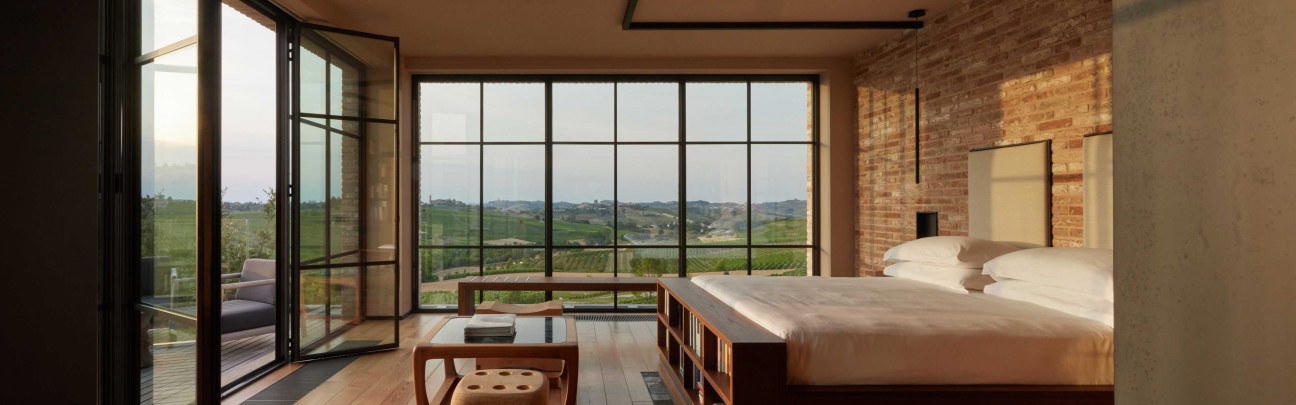
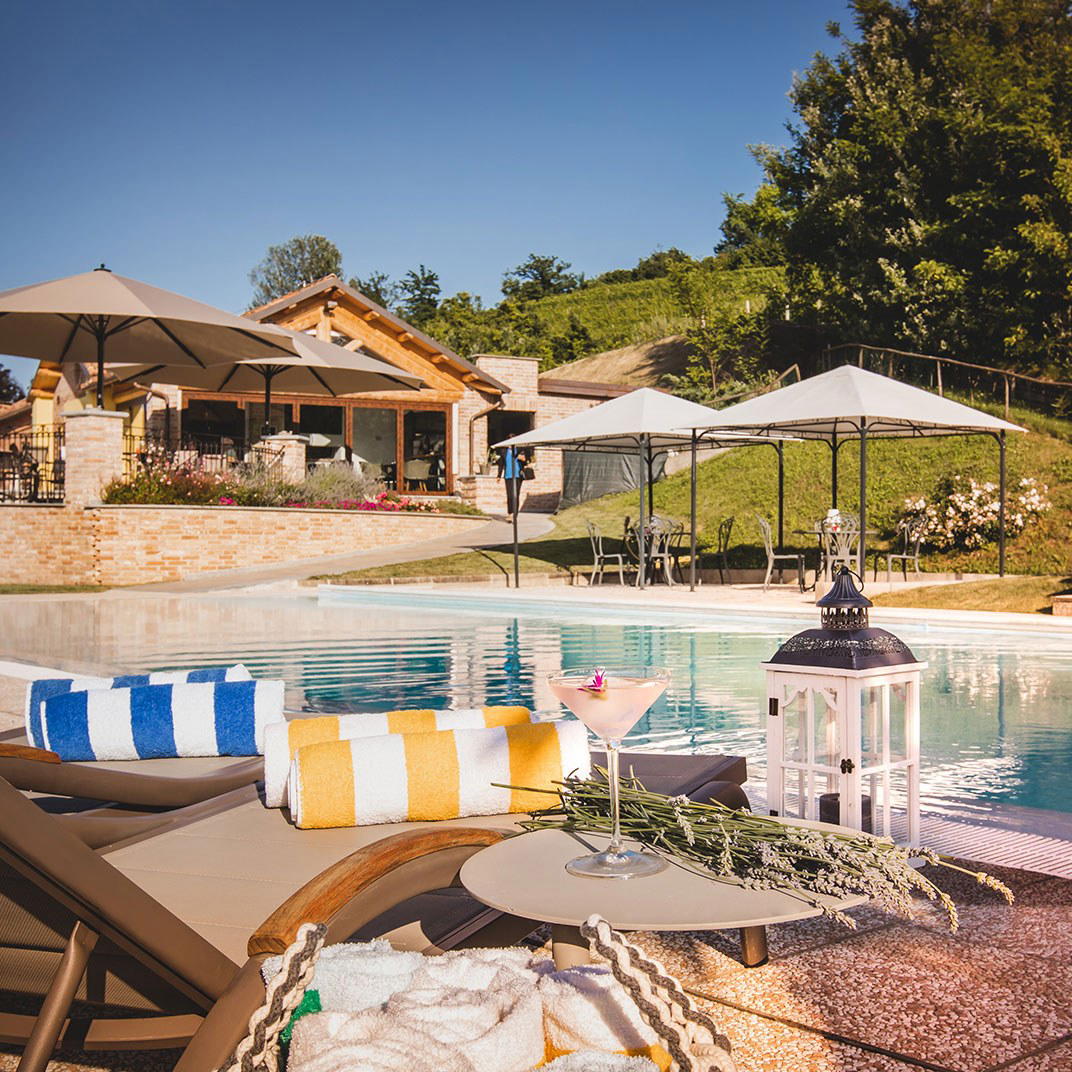
Atmosphere is quiet, rustic and personal, with vineyard and mountain views giving the tasting a strong sense of orientation. Food pairing is part of the offer, and outdoor seating expands the visit beyond the cellar when weather cooperates. This is not a child-focused stop, and dogs are not part of the setup; it is better matched to wine education, couples, small groups and solo travelers who prefer slow explanation over a busy hospitality circuit.
Production philosophy here is conventional rather than framed around natural-wine positioning. That distinction is helpful. The estate’s argument is not cellar radicalism; it is continuity, grape familiarity and the ability to move from Moscato to Barbera to Gamba di Pernice while staying rooted in Calosso. For travelers mapping the town’s wine culture, nearby Calosso producers such as Azienda Vitivinicola Piano, Cascina Comina, Daffra & Grasso, Domanda and La Badia help place the town’s small-cellar rhythm in wider view.
How to place it in a Calosso itinerary
Bussi Piero makes sense as a focused winery appointment rather than a casual add-on between towns. The on-site lot, wheelchair-accessibility tag, shipping availability and card payment option make the logistics simpler than the rural setting suggests, but the experience is strongest when treated as a planned tasting. The cellar’s quiet profile also suits travelers building a day around vineyards rather than restaurants alone.
For broader planning, EP Club’s Calosso coverage can frame the rest of the trip: Our full Calosso wineries guide for cellar visits, Our full Calosso restaurants guide for meals, Our full Calosso hotels guide for overnight decisions, Our full Calosso bars guide for drinks, and Our full Calosso experiences guide for non-cellar time. Readers comparing wine travel more broadly may also look at 3GP SRL in Treviso, 47 Anno Domini in Trebaseleghe, A Mano Wine in Noci, »der Steiner« Hans Steiner in Podersdorf am See and & Handwein in Mannheim for different regional models of small-producer hospitality.
Recognition history
Dated appearances from independent guides and award organizations, with the underlying list record or original source where available.
Falstaff Winery - Listed
Falstaff
Continue exploring
More in Calosso
Wineries in Calosso
Browse all →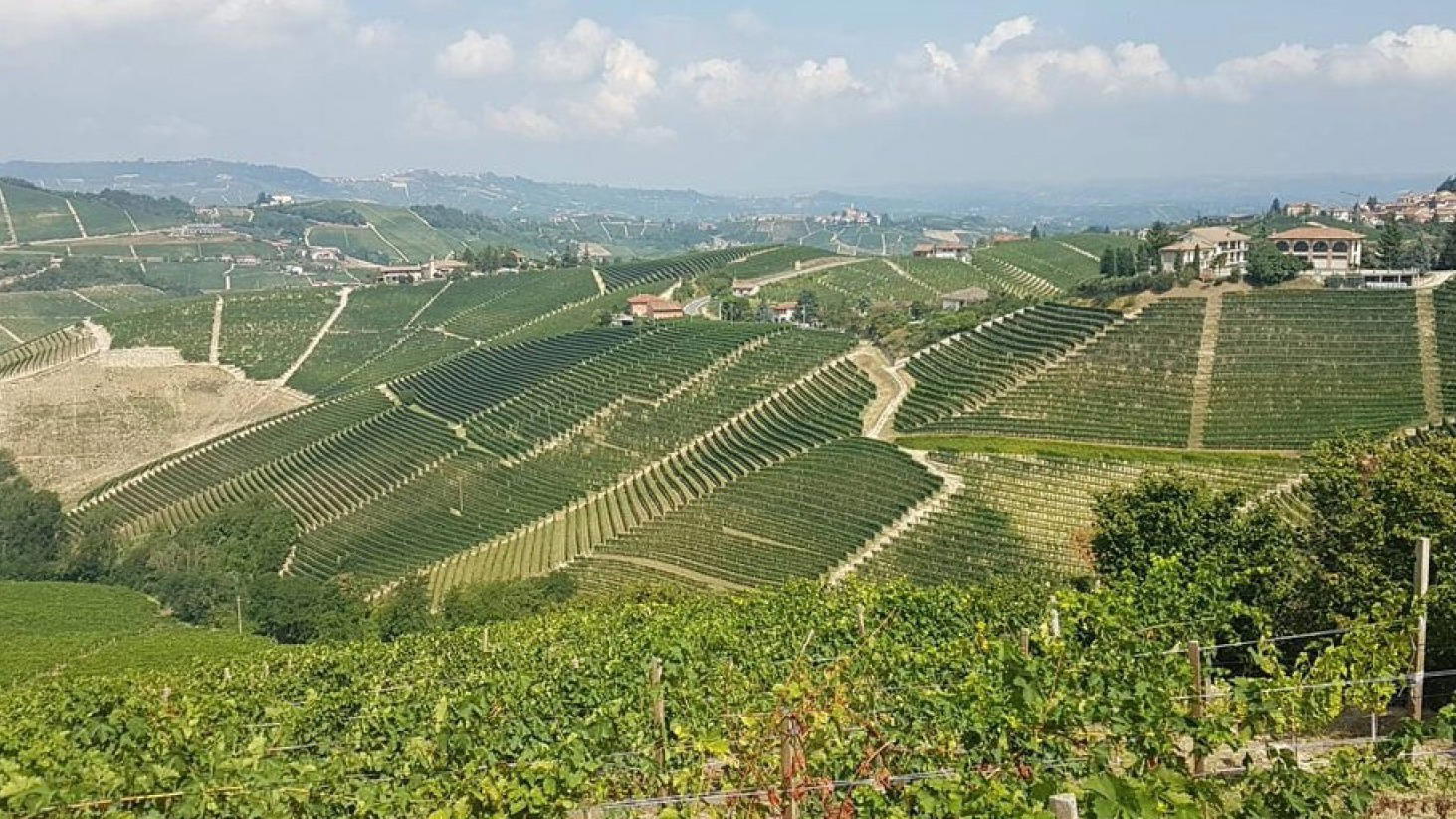
Bars in Calosso
Browse all →
Restaurants in Calosso
Browse all →
Details
- Scenic
- Rustic
- Cozy
- Romantic
- Intimate
- Wine Education
- Group Outing
- Romantic Getaway
- Solo Exploration
- Celebration
- Vineyard Tour
- Estate Grounds
- Panoramic View
- Private Tasting
- Barrel Room
- Vineyard
- Mountain
- Moscato
- Barbera
- Gamba Di Pernice
- Local Piedmontese Varieties
- Still Red
- Still White
- Sparkling
- Dessert
- Guided Tasting
- Estate Tour With Tasting
- Small Group Tasting
- Private Tasting
- Italian
- English
Warm, family-run atmosphere with personal hosting by the owner’s son Federico, combining educational explanations of local grapes and history with relaxed, unhurried tastings overlooking the UNESCO-listed vineyard hills.