
Boutari Wineries Crete gives Heraklion’s wine country a polished estate format: vineyard setting, cellar and production-area tours, and tastings built around Cretan varieties. The stronger editorial reason to go is terroir education, with Archanes PDO, Skalani, Fantaxometocho and the Boutari group history giving context to Vidiano, Kotsifali, Mandilari, Vilana and Malvasia di Candia.
Pearl is the En Primeur Club membership app — saves, bookings, and concierge access live there. Same editors, same standards.
- Address
- Heraklion, Griechenland
- Phone
- +30 281 073 1617
- Website
- scalareaestate.gr
- Directions
- Get directions
 Saves & bookings on Pearl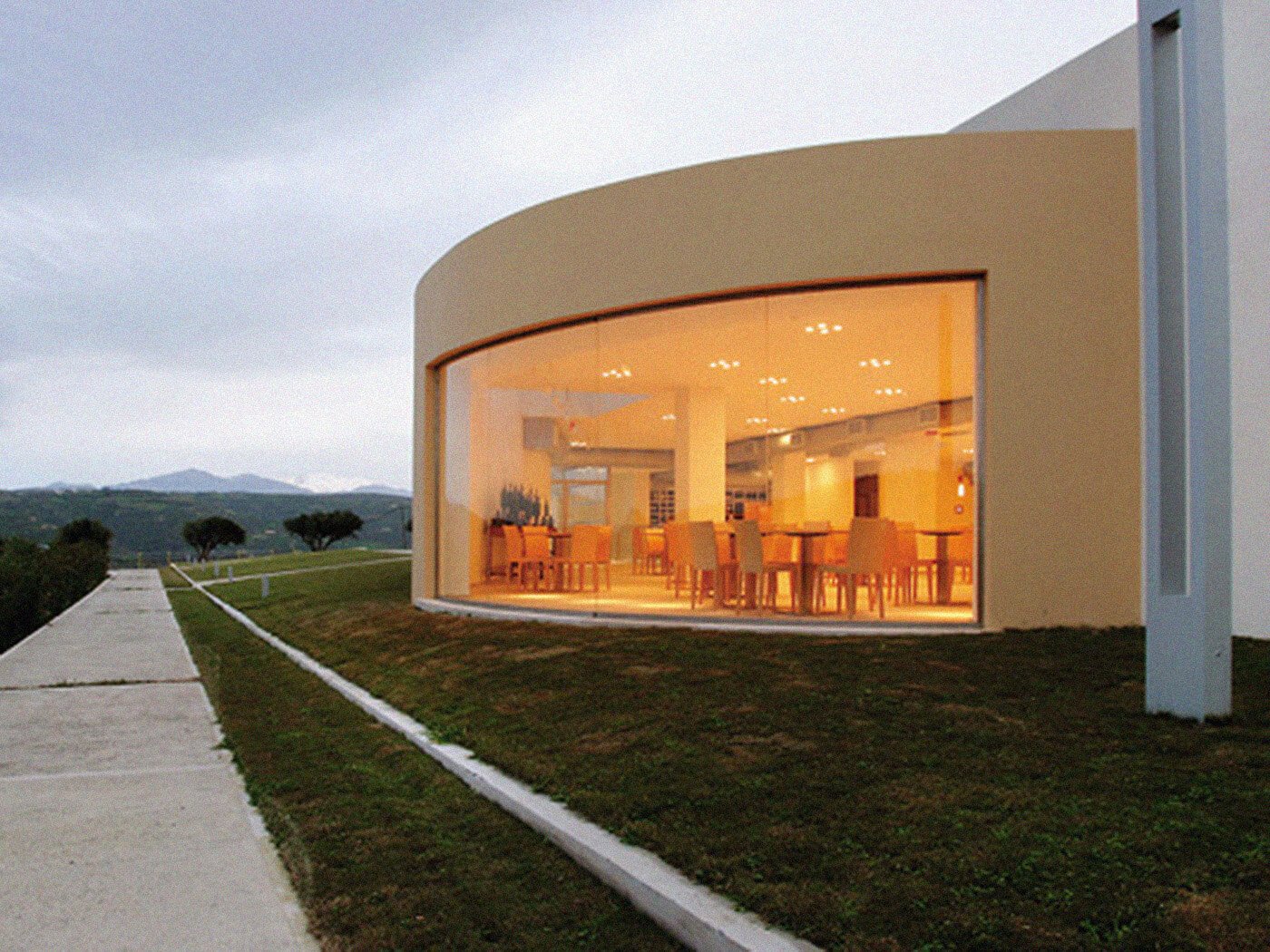
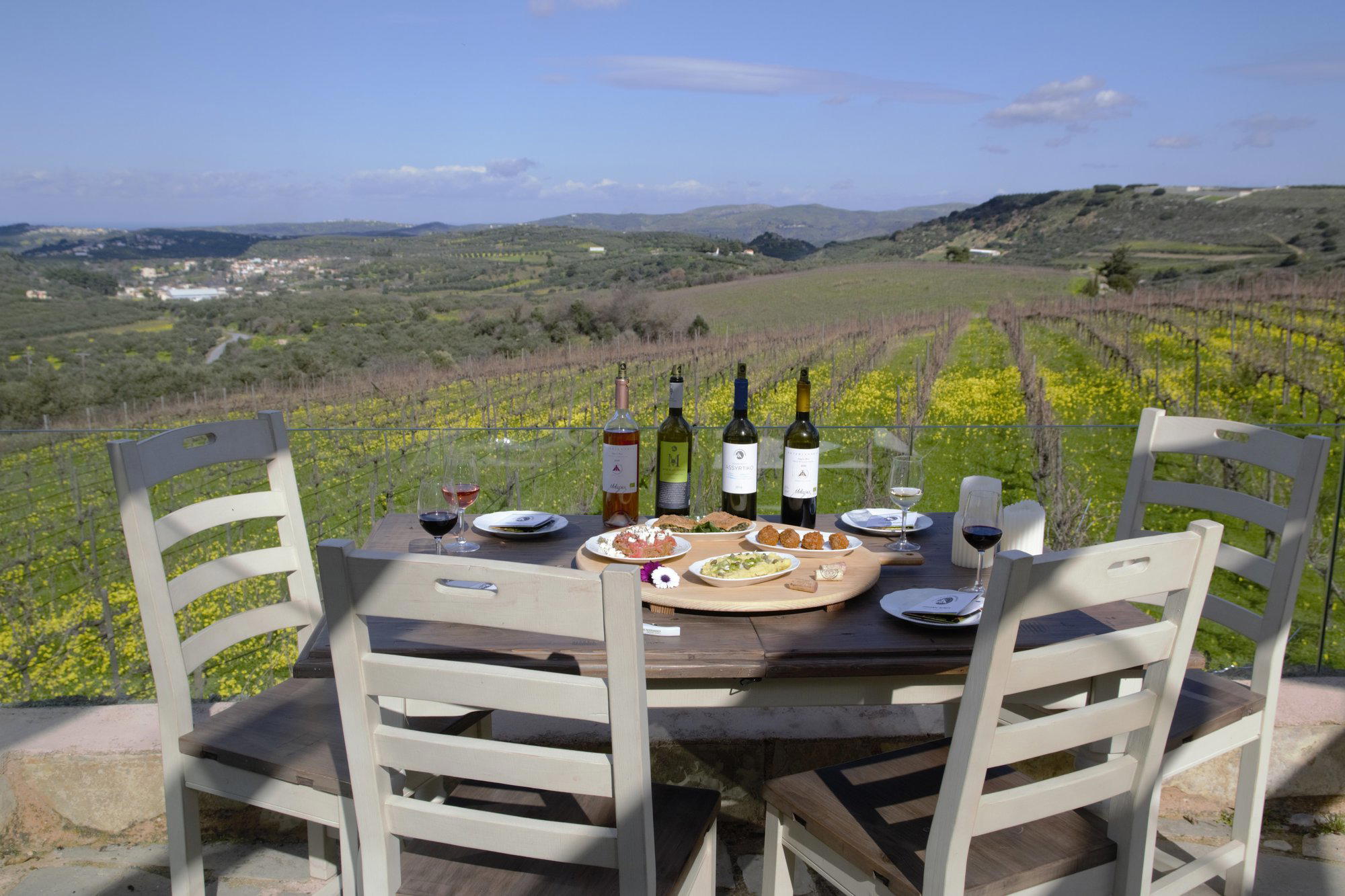
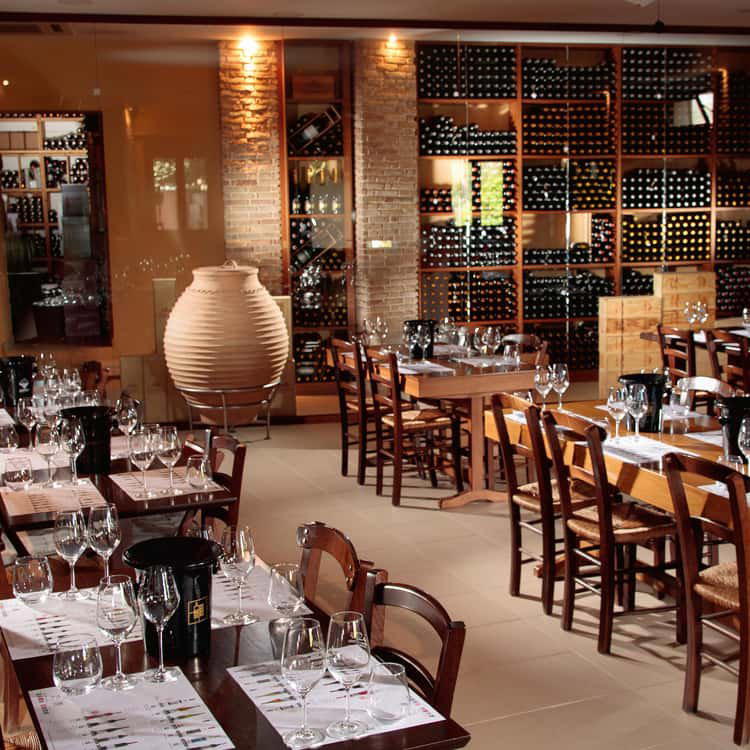
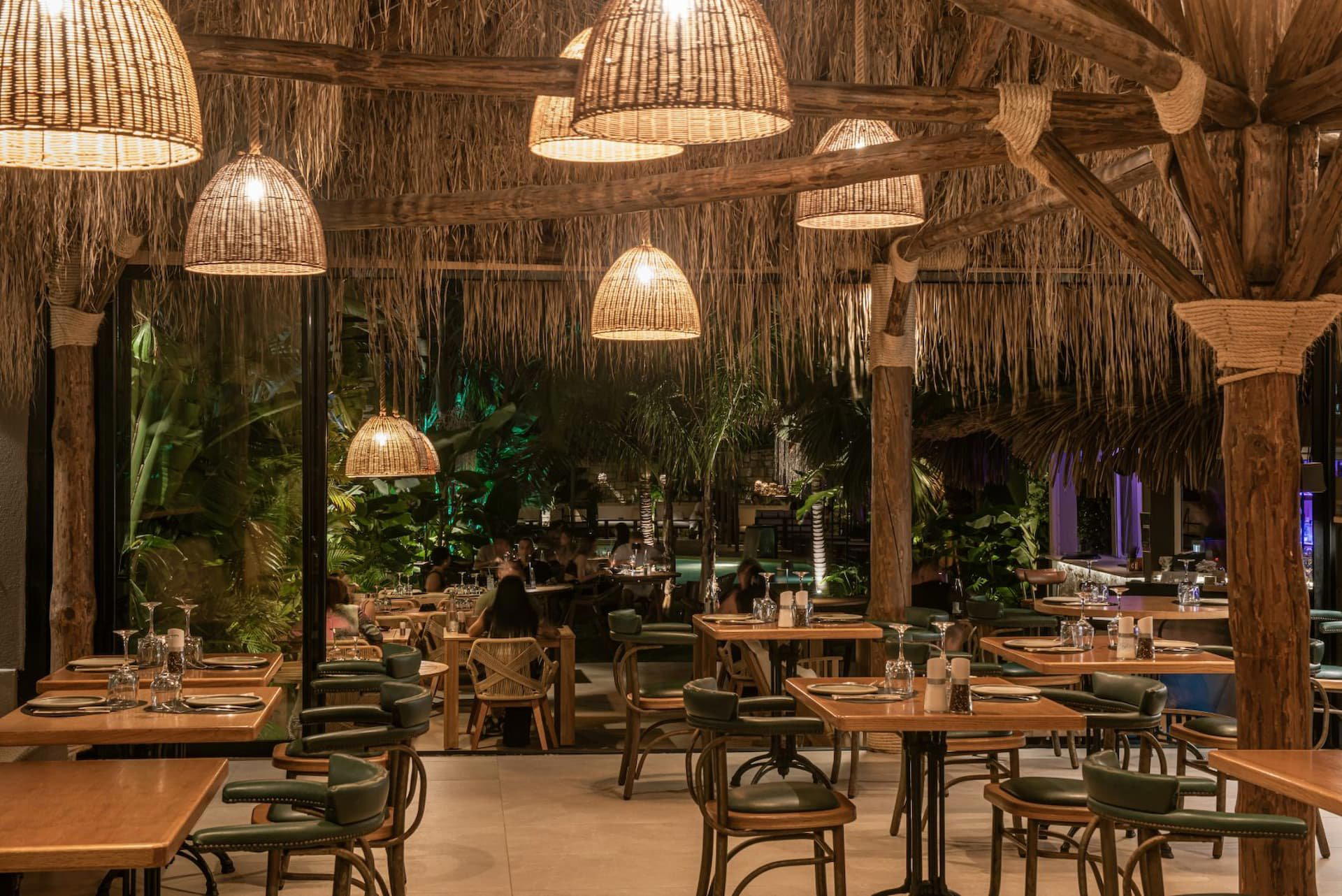
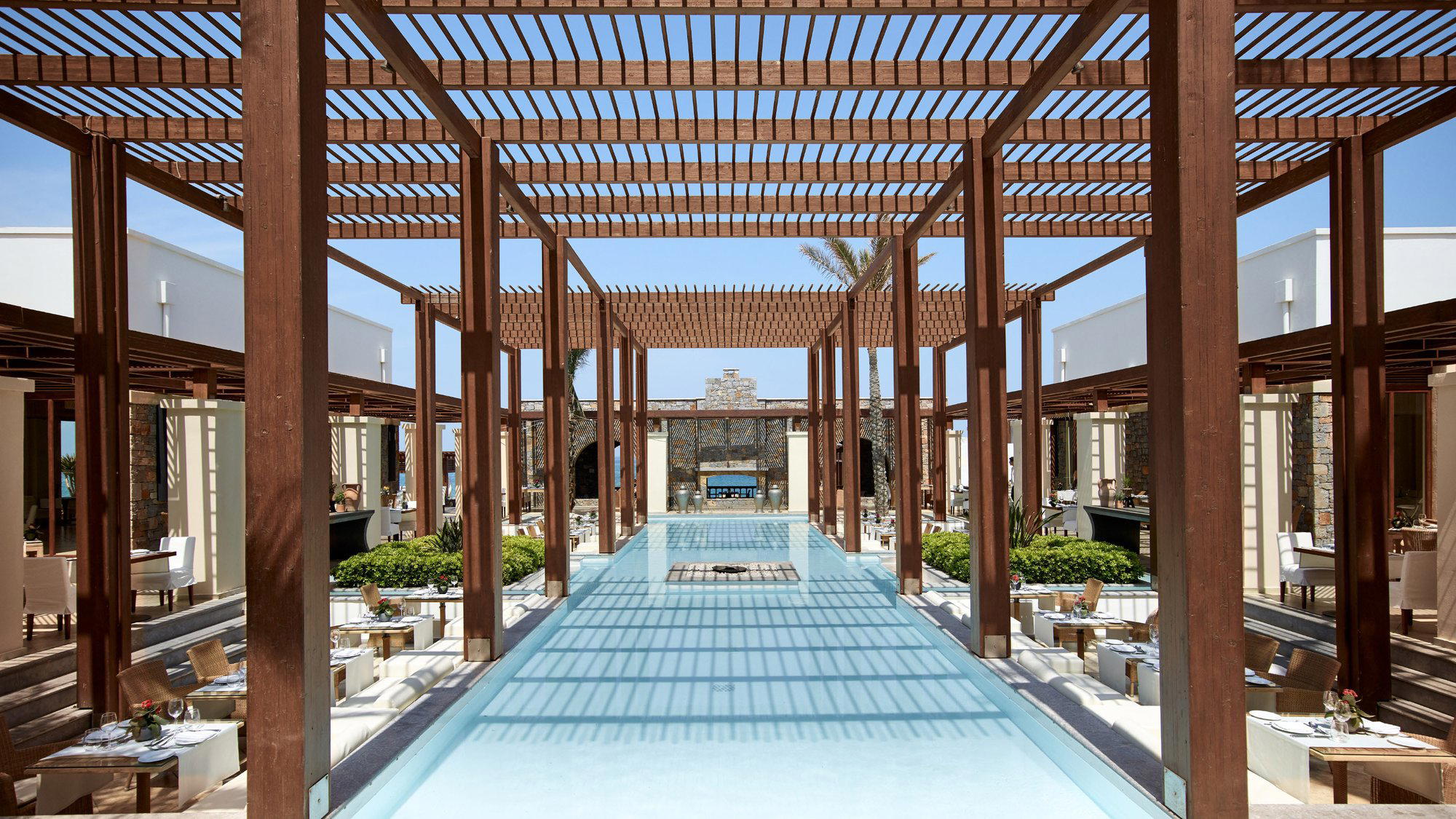
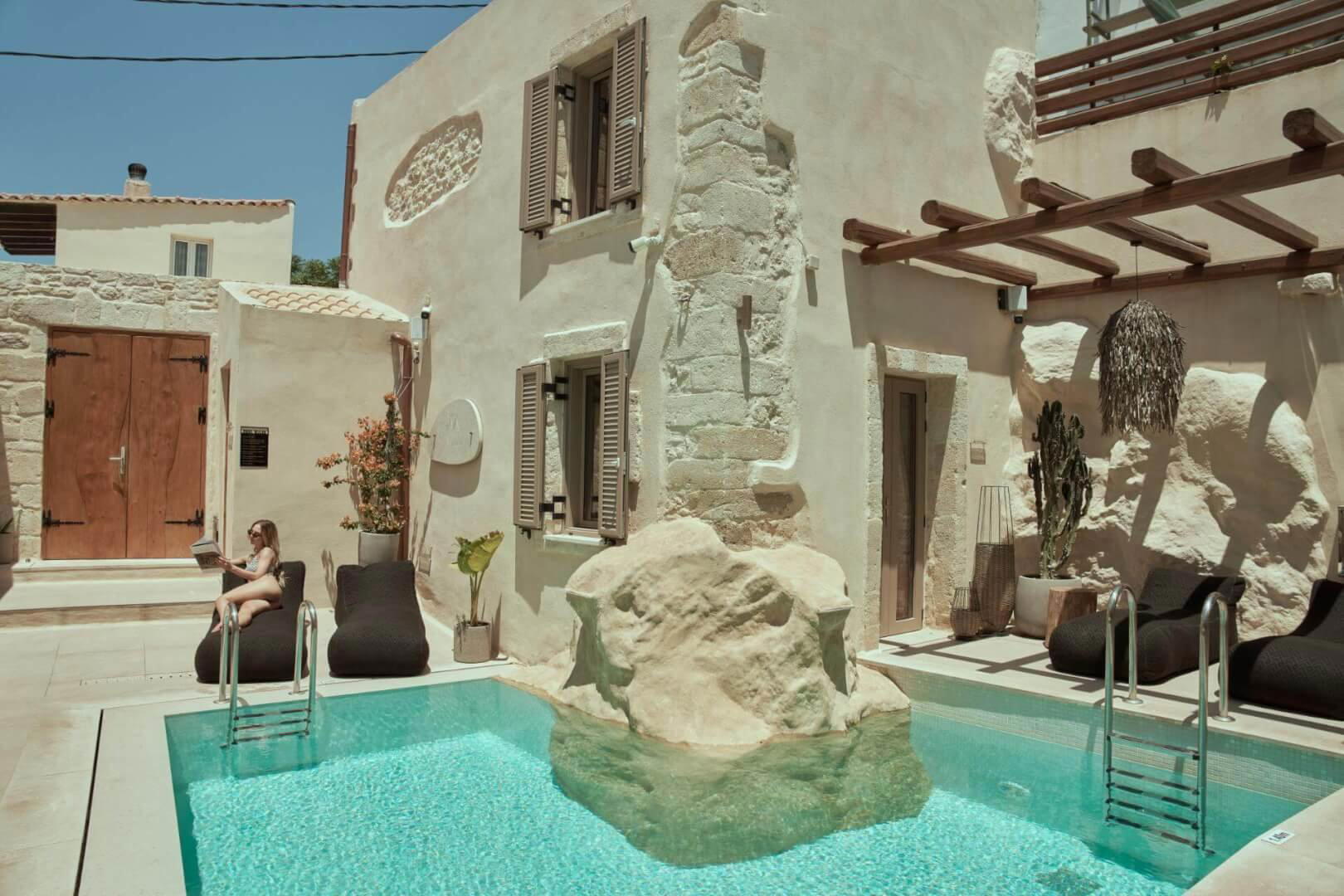
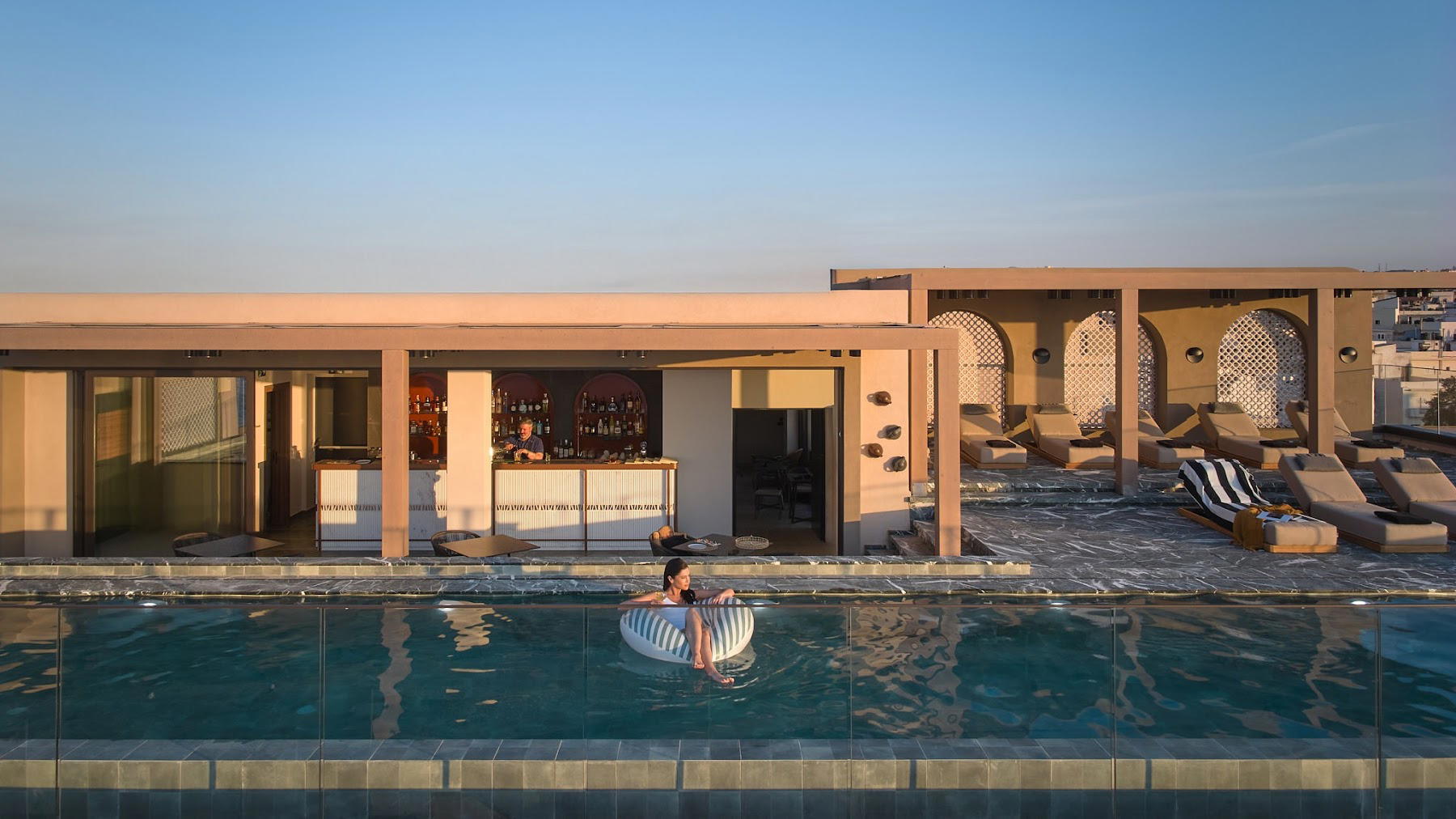
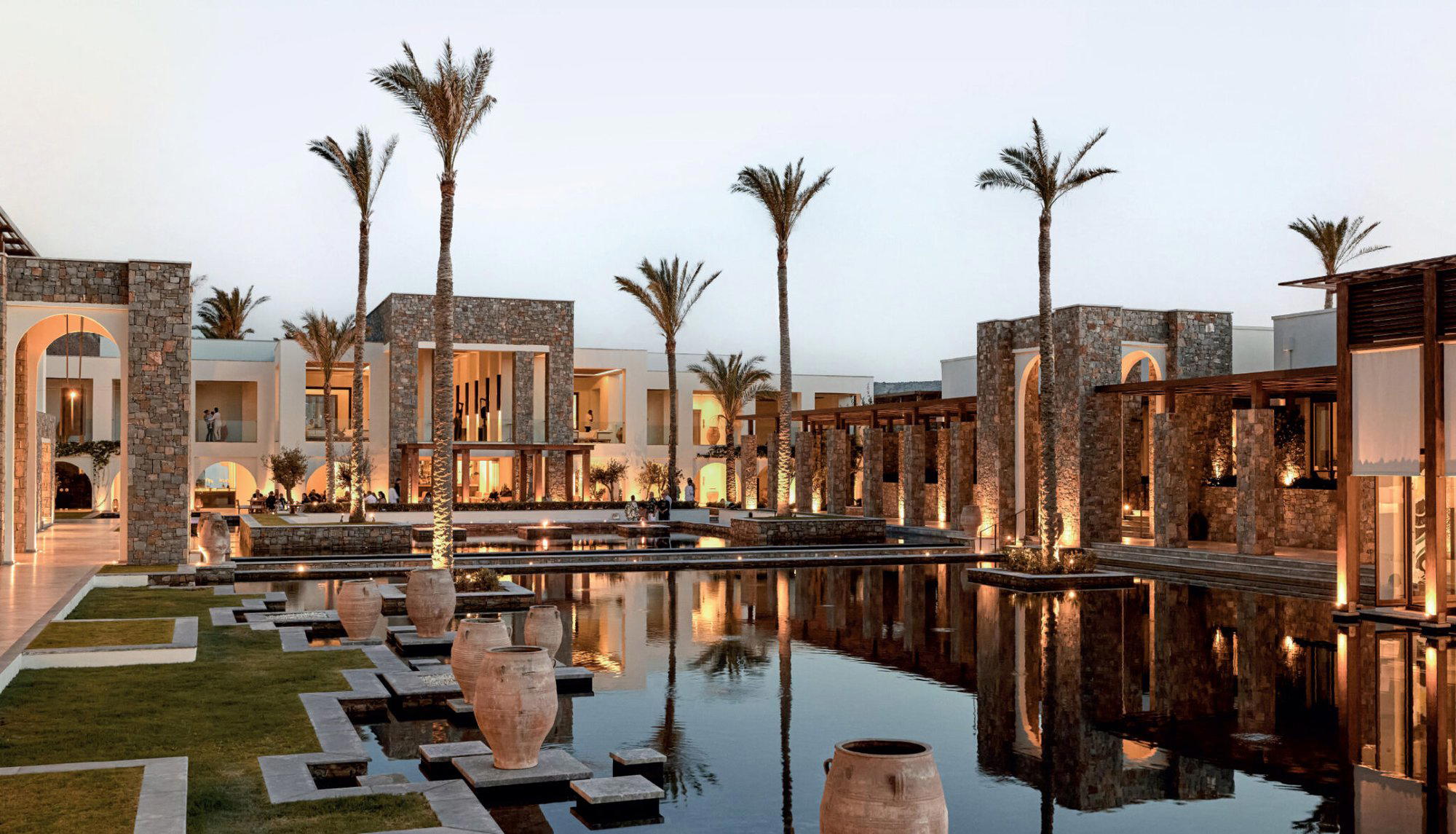
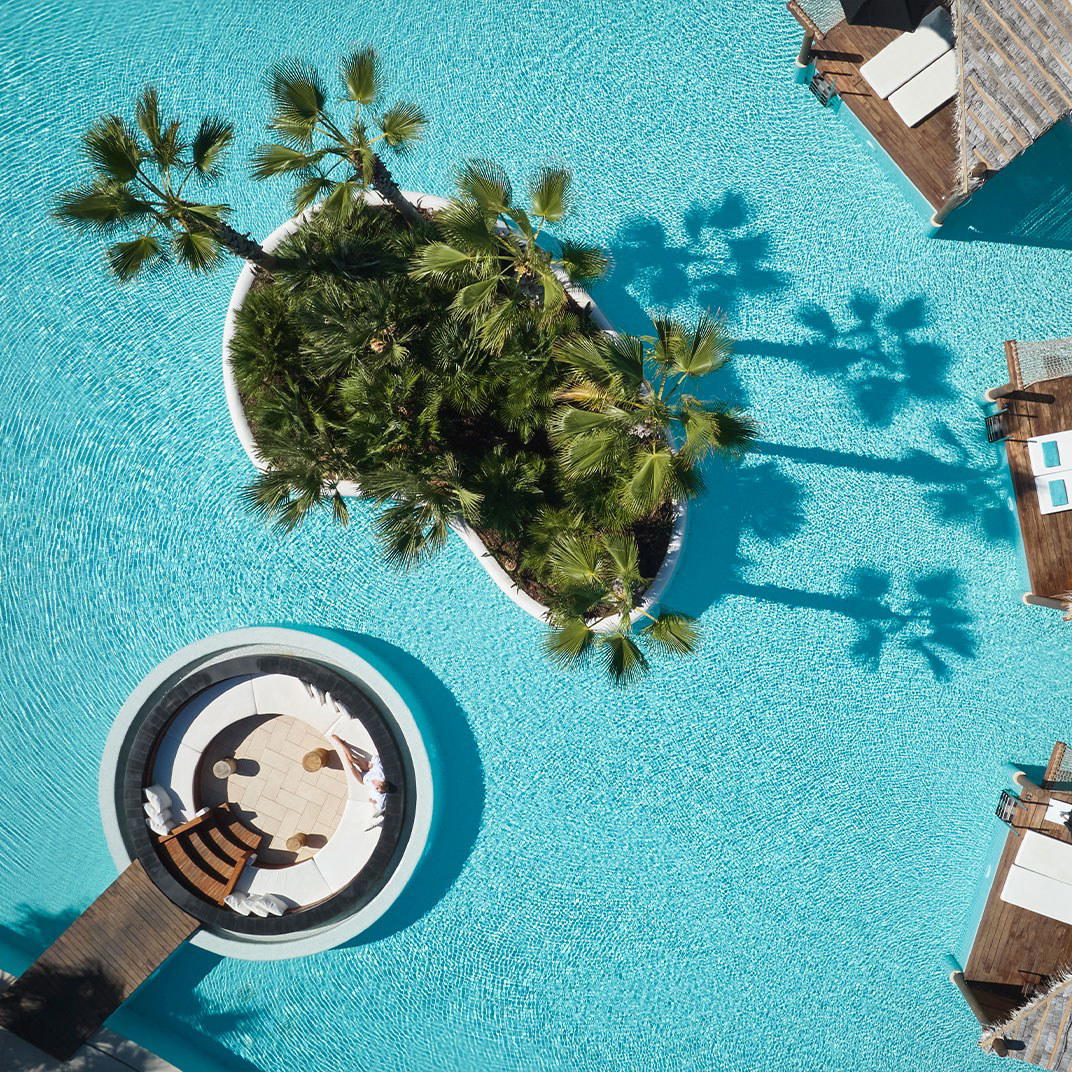
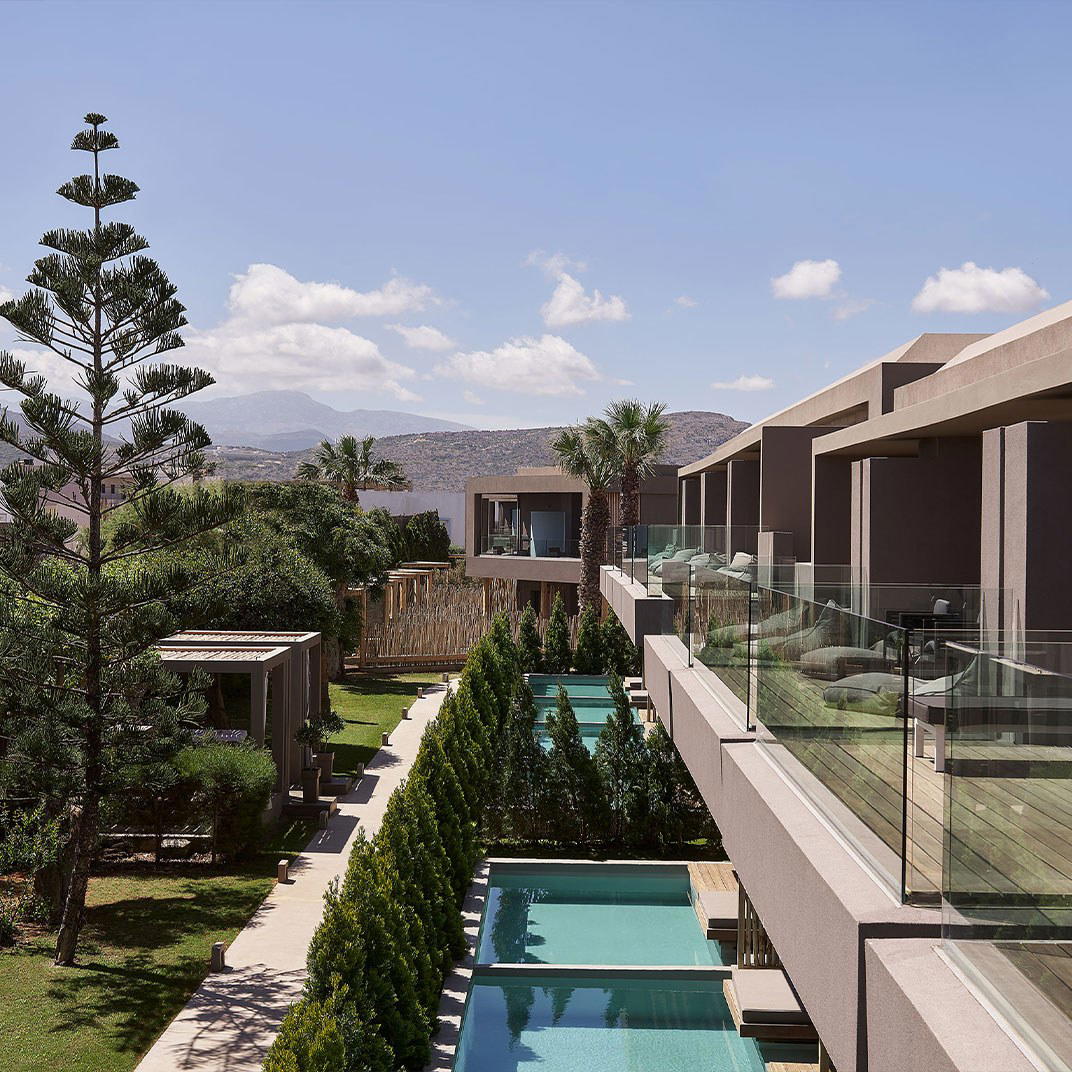
Boutari Wineries Crete in Heraklion is best understood as a modern estate winery rather than a restaurant or a casual bar stop. The picture is focused and useful: a scenic, professional winery setting surrounded by vineyards, with educational tours of the cellar and production areas, relaxed tastings in a dedicated hall, and outdoor estate spaces that give the visit an open-air sense of place.
That makes the venue a strong fit for visitors who want a structured introduction to wine tourism in Heraklion without relying on claims about menus, awards, grape lists, service extras or exact schedules. The appeal is the combination of production context and tasting-room calm: guests can learn how the winery works, then continue into a tasting environment designed for a slower, more reflective visit.
Archanes PDO, native grapes and the Heraklion case for Cretan wine
Some public-facing winery pages try to build a story around specific regional designations, grape varieties, founding dates or estate histories. The emphasis should stay on the confirmed visit format rather than on unsupported technical claims.
For travellers, that is still a meaningful proposition. A winery visit can be valuable even when the page does not confirm every production detail. What is is that Boutari Wineries Crete combines cellar and production-area tours with tastings, so the visit is not limited to a glass poured without context. The estate setting helps connect the tasting to the work of winemaking, while the dedicated tasting hall gives the experience a more organized feel than an improvised stop.
The price level is listed as $$, which places the venue in a moderate bracket for planning purposes. Without ticket prices, tasting tiers or package descriptions, it would be misleading to promise a particular format beyond the confirmed tour and tasting elements. Visitors should treat the winery as a planned Heraklion experience and confirm current availability, timing and any specific tasting options directly before going.
The visit works as wine education, not just a scenic tasting
The strongest point is the educational structure. Boutari Wineries Crete is described as combining tours of the cellar and production areas with tastings, which gives the visit a clear learning arc. That matters for guests who want to understand more than the finished glass. Seeing production spaces and then tasting in a dedicated hall can make the estate feel coherent: first the process, then the result.
Atmosphere is also part of the draw. The description points to a modern estate winery surrounded by vineyards, with relaxed tastings and outdoor estate spaces. That supports a scenic but professional mood: polished enough for visitors who want a well-run wine experience, relaxed enough for those who are on holiday and want time outdoors rather than a formal dining room.
The reliable reason to visit is simpler: the winery offers a winery setting in Heraklion where the educational and tasting components are part of the same estate experience.
How to place it within a Heraklion itinerary
Within a Heraklion itinerary, the winery works well as a dedicated wine stop rather than a substitute for lunch or dinner.
It can suit couples, small groups, wine-curious travellers and anyone who prefers an estate environment over a purely urban tasting room. The setting is scenic and modern, and the format is oriented toward learning. That balance is the main value: guests get a professional winery atmosphere without losing the relaxed quality of being among vineyards and outdoor estate spaces.
For broader planning, use EP Club’s Heraklion coverage to build the rest of the trip around the wine stop. Start with the winery, then consider other Heraklion dining, hotels, bars and experiences generically according to the style of trip you want. If you are comparing winery visits, keep the comparison focused on what is here: a $$ Heraklion estate winery with cellar and production-area tours, a dedicated tasting hall and outdoor spaces in a vineyard setting.
Recognition history
Dated appearances from independent guides and award organizations, with the underlying list record or original source where available.
Falstaff Winery - Listed
Falstaff
Continue exploring
More in Heraklion
Wineries in Heraklion
Browse all →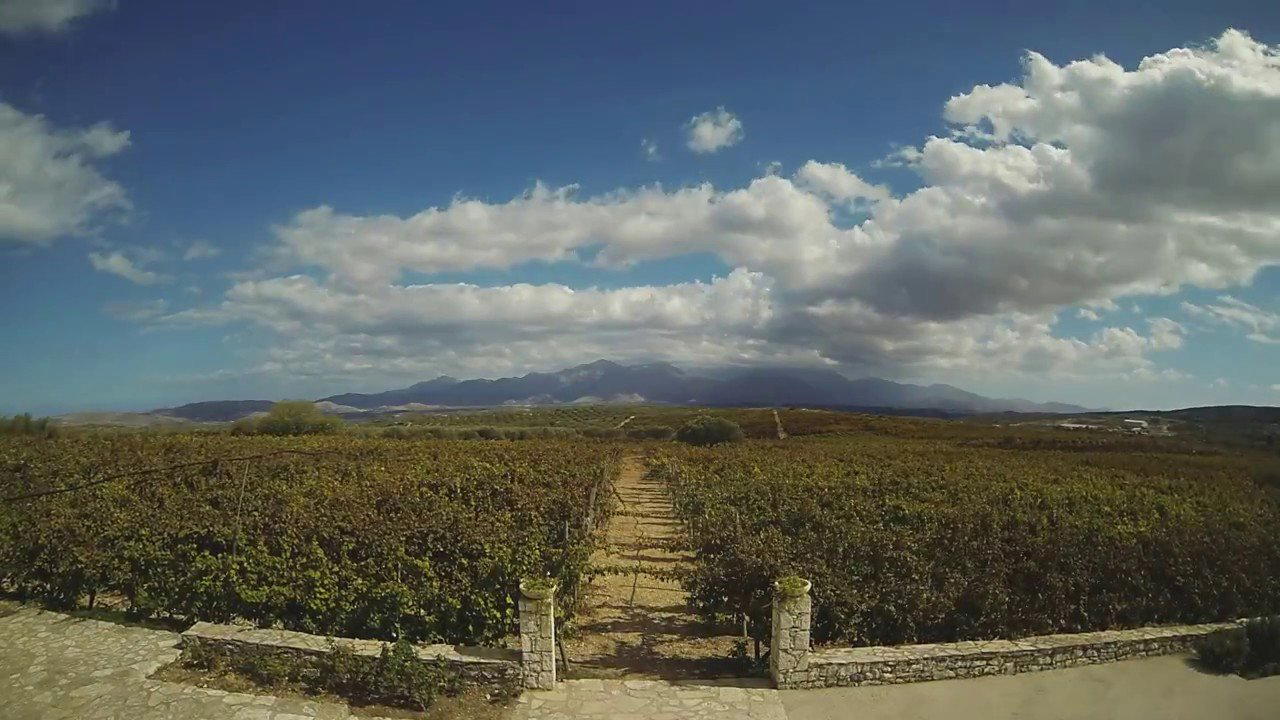

Bars in Heraklion
Browse all →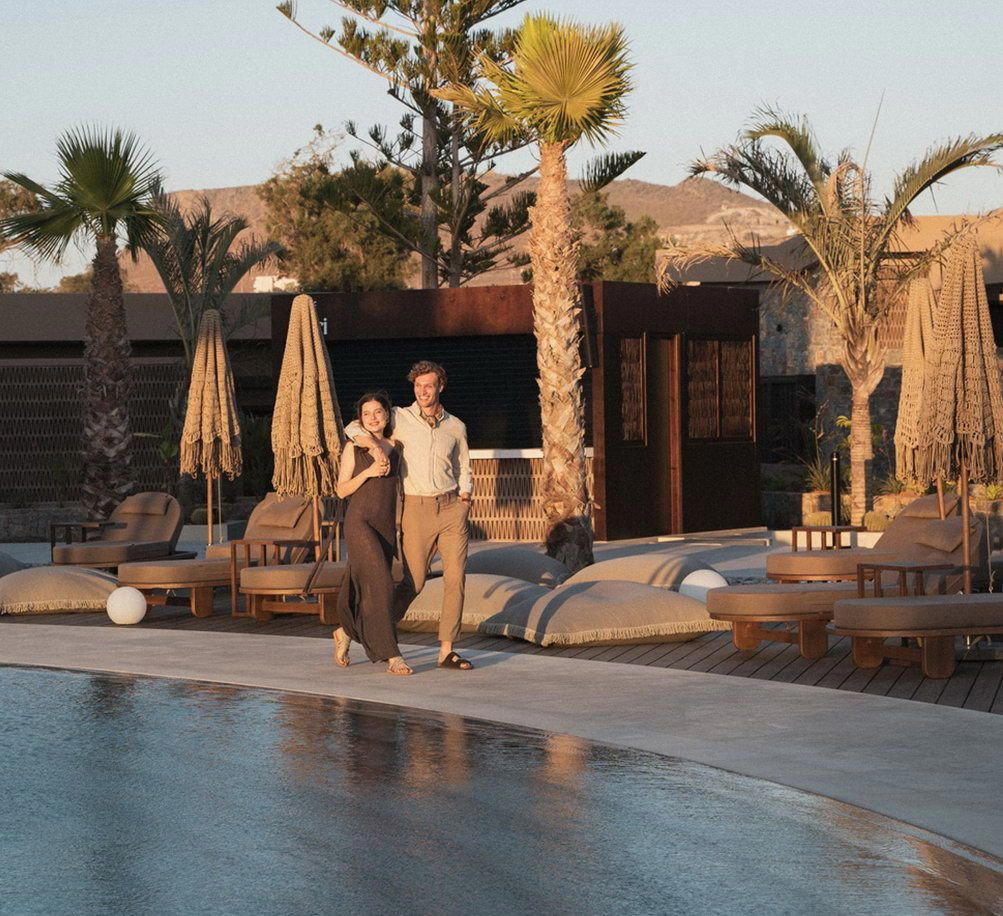
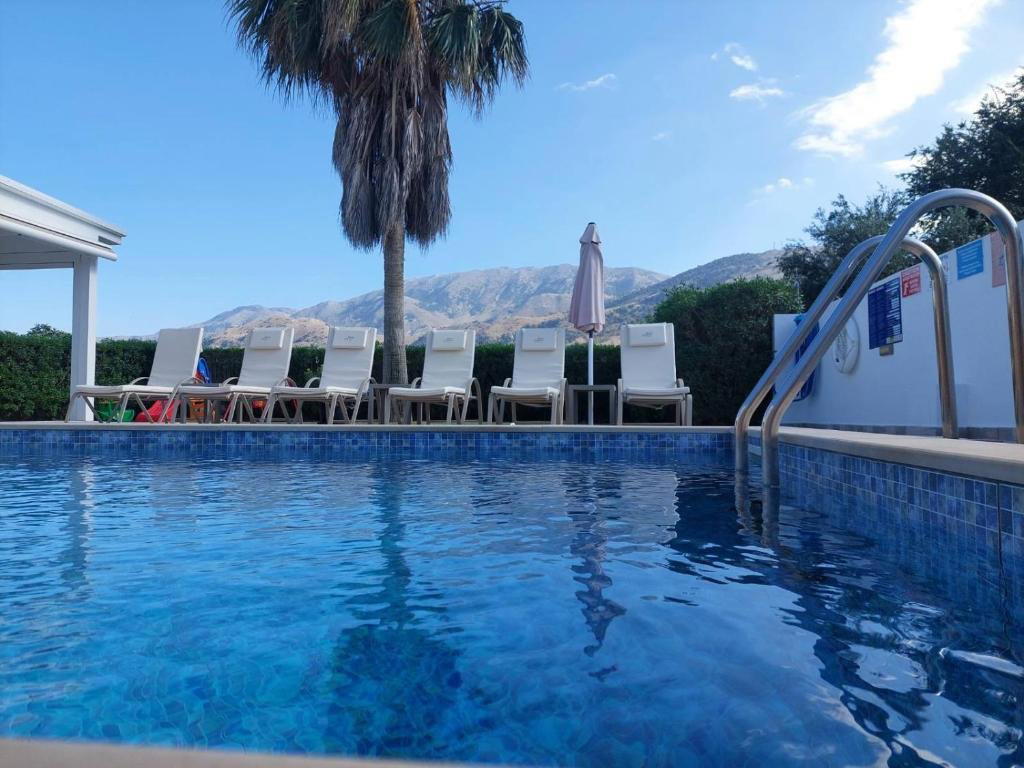
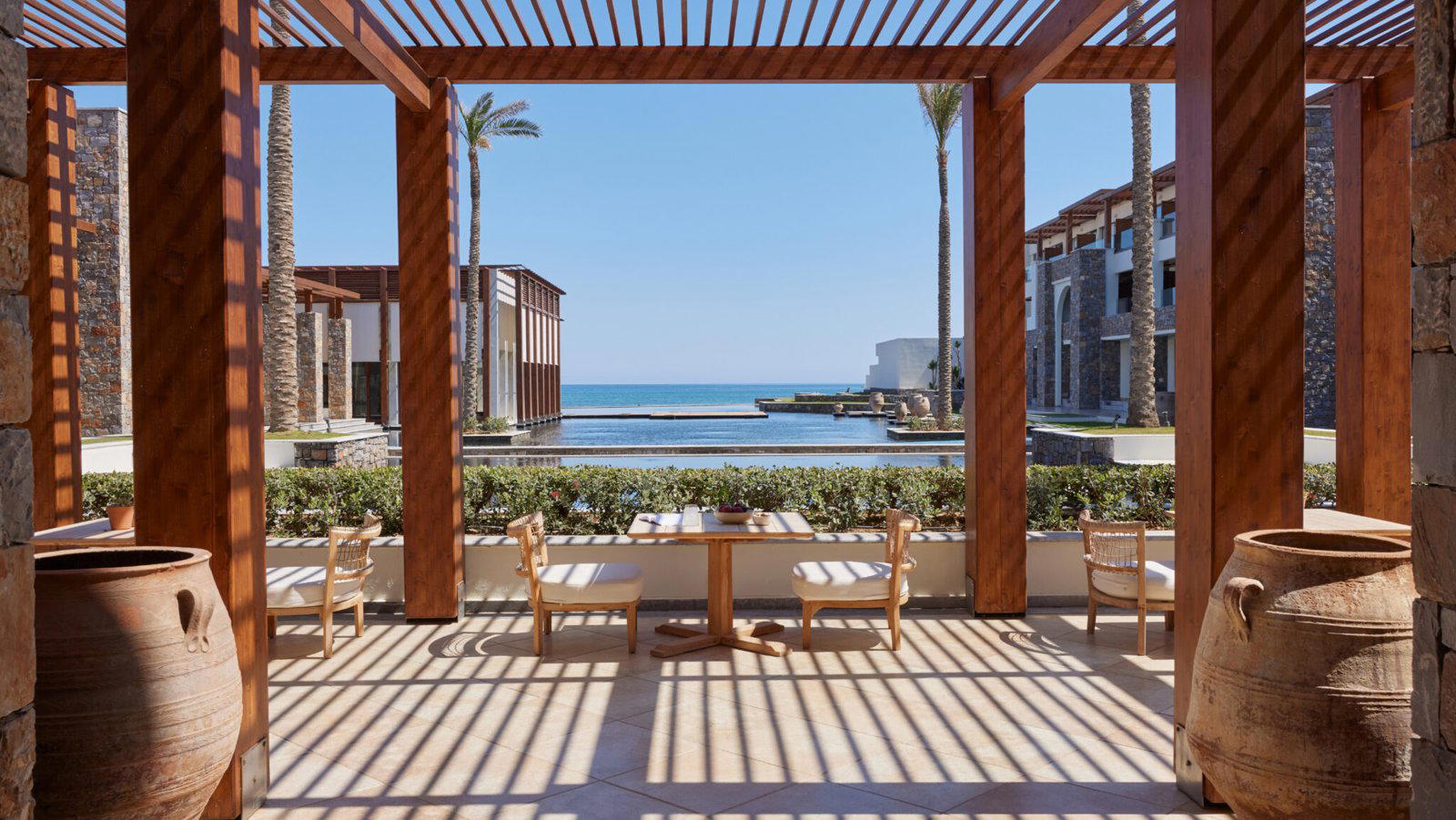
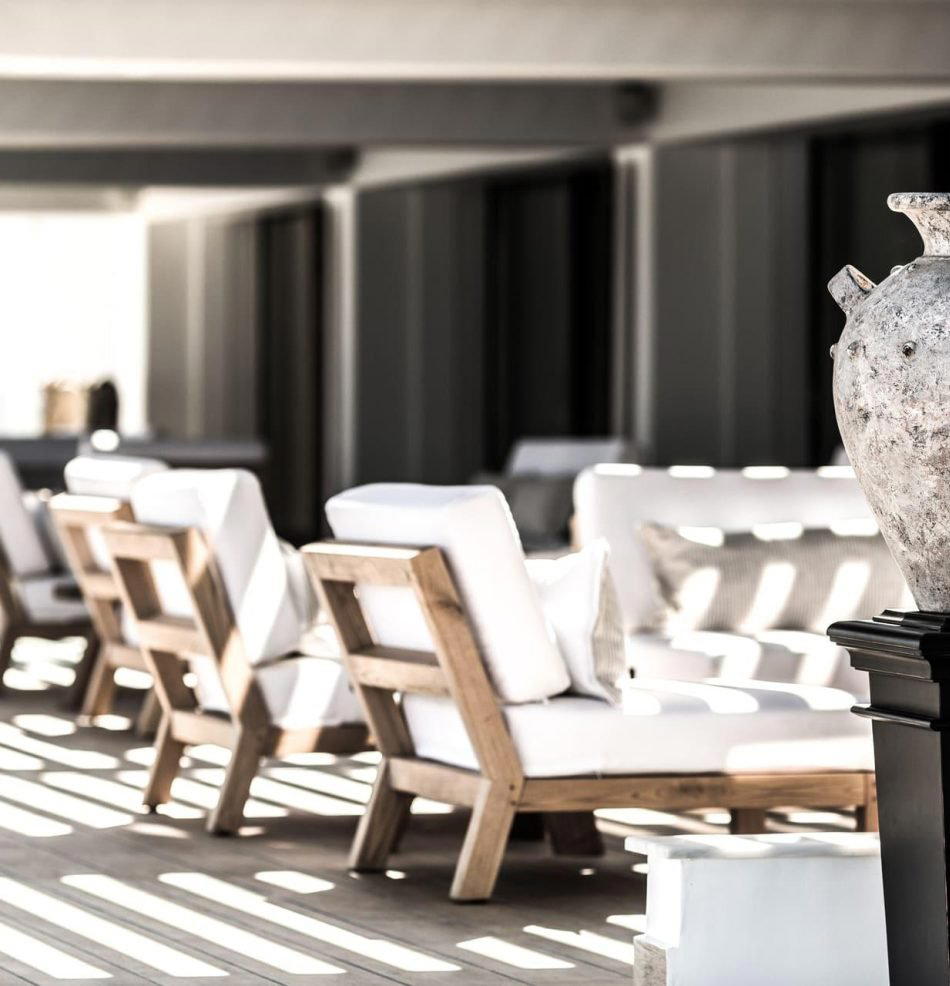
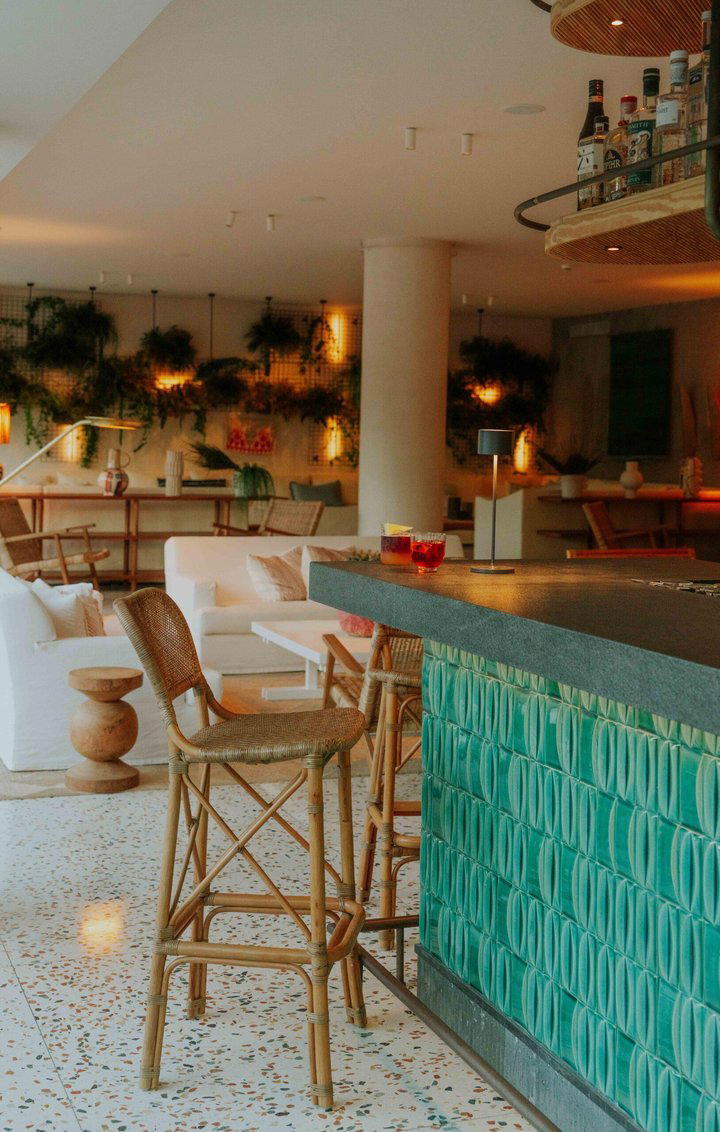
Restaurants in Heraklion
Browse all →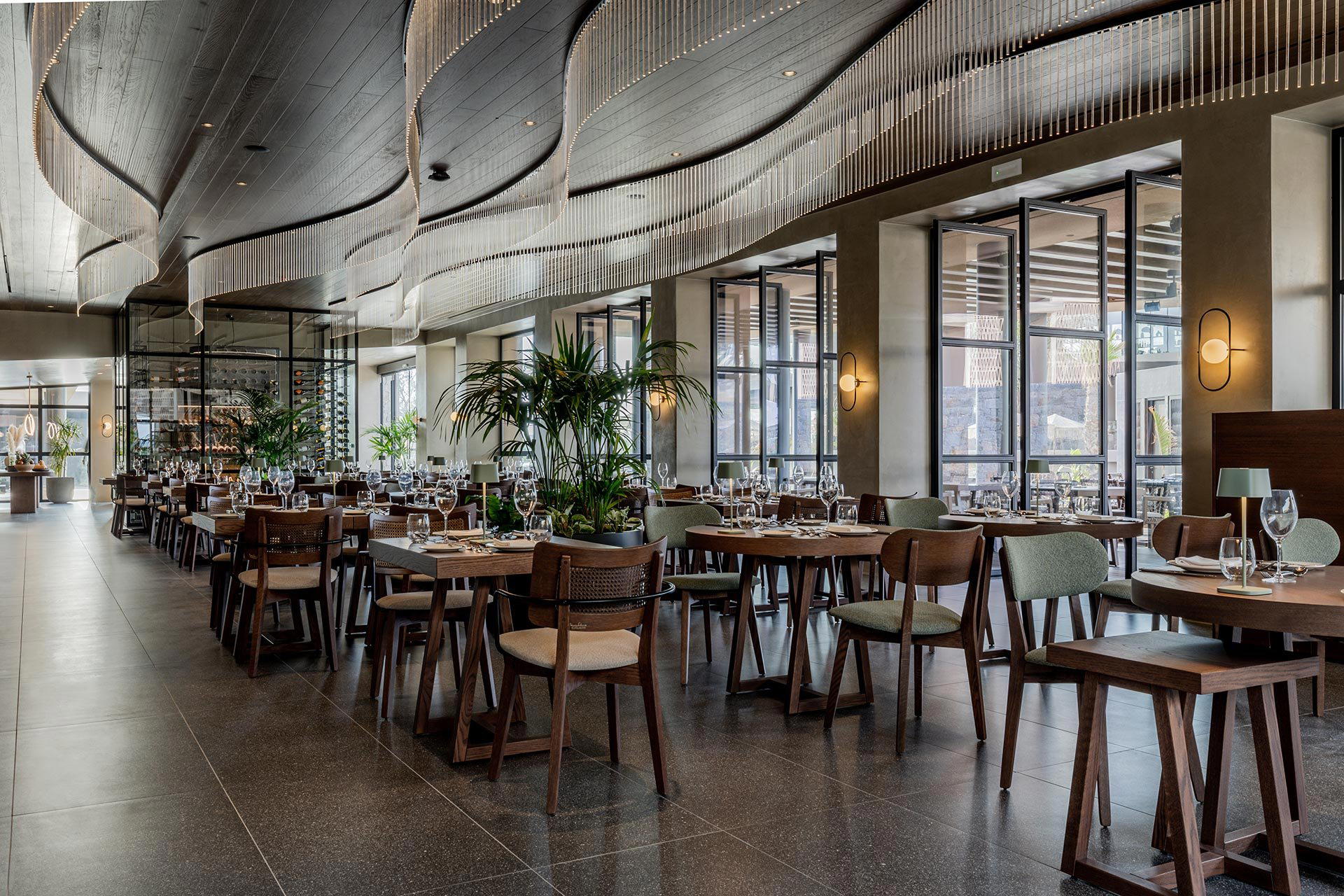
At a Glance
- Scenic
- Modern
- Rustic
- Elegant
- Romantic
- Well Known
- Group Outing
- Celebration
- Wine Education
- Special Occasion
- Romantic Getaway
- Corporate Event
- Vineyard Tour
- Estate Grounds
- Picnic Area
- Terrace
- Private Tasting
- Sustainable
- Vineyard
- Garden
- Archanes PDO
- Vidiano
- Kotsifali
- Mandilari
- Vilana
- Malvasia Di Candia
- Still Red
- Still White
- Still Rosé
- Sparkling
- Dessert
- Standard Tasting
- Guided Tour With Tasting
- Picnic Experience
- Food And Wine Pairing
- Private Tasting
Modern estate winery surrounded by vineyards, combining educational tours of the cellar and production areas with relaxed tastings in a dedicated hall and outdoor estate spaces, creating a scenic yet professional atmosphere.