
Lyrarakis Winery sits in Alagni, in the Heraklion hinterland of Crete, where the island's indigenous grape varieties find some of their most compelling expression. Visitors encounter a working estate shaped by the limestone and clay soils of central Crete rather than a staged tasting-room experience.
Pearl is the En Primeur Club membership app — saves, bookings, and concierge access live there. Same editors, same standards.
- Address
- Alagni, Arkalochori, 70300, Alagni, Heraklion, Crete 703 00
- Phone
- +30 698 105 0681
- Website
- lyrarakis.com
- Directions
- Get directions
 Saves & bookings on Pearl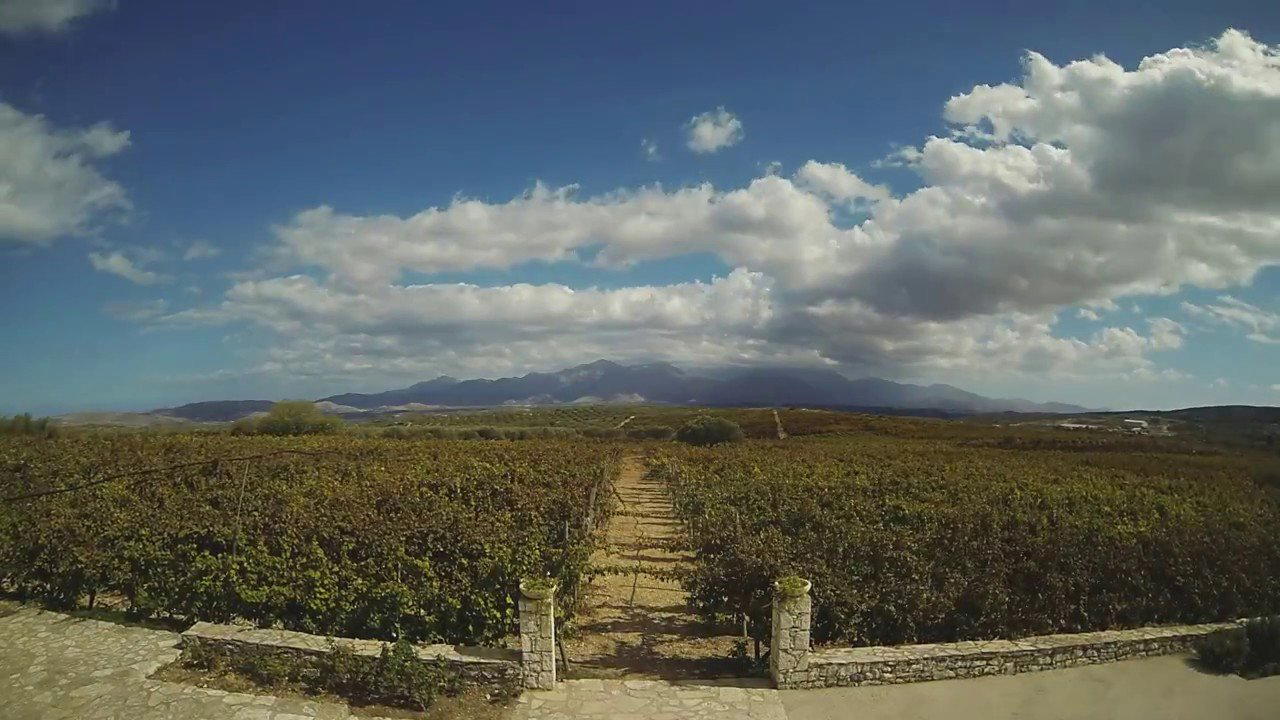
Crete's Central Plateau and the Conditions That Shape the Wine
The village of Alagni sits in the Heraklion regional unit at an altitude that moderates what would otherwise be an unforgiving Mediterranean climate. The Cretan interior is not the postcard coast: the terrain is harder, the soil stonier, and the diurnal temperature swings in the growing season more pronounced than at sea level. Those conditions are not incidental to the wines produced here. They are the argument the wines are making. For a broader picture of what the island's food and drink scene offers, see our full Alagni restaurants guide.
That kind of credential matters in the context of Greek wine precisely because the category has spent the last two decades trying to separate serious estate production from bulk commodity output. Lyrarakis sits clearly on the serious side of that divide.
Soil, Altitude, and the Indigenous Varieties They Sustain
Crete's viticulture is anchored in grape varieties found almost nowhere else. Vidiano, Thrapsathiri, Plyto, Dafni, and Kotsifali are not names that appear on international import lists with any frequency, and that relative obscurity is part of what makes the island's better estates worth paying attention to. These varieties were shaped over centuries by the specific limestone and clay profiles of the Heraklion hinterland, and they retain flavour profiles that have no direct parallel in French, Italian, or Spanish viticulture.
The logic of terroir expression at this altitude works through restraint. Wines produced at elevation in the Cretan interior tend toward tighter acid structures and more controlled alcohol levels than those grown on lower slopes. When a winery like Lyrarakis commits to indigenous varieties in this environment, the result is wines that read as distinctly Cretan rather than as approximations of more familiar international styles. That specificity is the point, and it is what separates estate-level production in places like Alagni from the broadly sourced Cretan blends that dominate export markets.
For comparison, the approach at estates like Acra Winery in Nemea or Alpha Estate in Amyntaio illustrates how other serious Greek producers use native varieties in their respective appellations. Lyrarakis operates within a distinctly Cretan frame, where the varieties themselves carry the regional argument.
Awards in wine are useful not as endpoints but as position markers. In a country where the upper tier of winery recognition is still being consolidated, that kind of formal acknowledgment carries weight beyond the award itself.
The broader Greek wine scene has shifted considerably since the early 2000s, when domestic production was largely invisible in international critical circles. Producers in regions including Santorini, Nemea, Naoussa, and Crete have progressively built a case for Greek wine as a serious category, and formal recognition has followed. Artemis Karamolegos Winery in Santorini and Artisans Vignerons de Naoussa in Stenimachos represent the same push toward serious estate identity in their respective regions. Lyrarakis contributes to that argument from the Cretan plateau, where the combination of altitude, ancient varieties, and focused production creates conditions for wines that justify critical attention.
Visiting the Estate: What to Expect
Alagni is not a winery destination in the sense that Santorini has become one. There are no cable cars, no crater views, no lines forming at a tasting room door at ten in the morning. The Heraklion interior rewards visitors willing to drive away from the coast, and the estates in this area operate at a pace and scale suited to that kind of deliberate travel. Lyrarakis sits near Arkalochori, roughly in the centre of the island, and reaching it requires either a rental car or a private transfer from Heraklion city. The nearest major hub is Heraklion International Airport, which connects to most European cities directly during the summer season and with connections year-round.
The working season for winery visits in Crete generally runs from spring through autumn, with harvest activity concentrated in August and September at higher elevations. Visiting during or just after harvest gives the clearest picture of how the estate operates, though the wines themselves are available throughout the year. Given that specific booking and hours information is not published in a centrally accessible format, contacting the estate directly before travel is the sensible approach. For a sense of how other Greek estates handle visitor logistics, Abraam's Vineyards in Komninades and Akrathos Newlands Winery in Panagia offer points of comparison for smaller estate visit formats in Greece.
Lyrarakis in the Wider Greek Wine Context
Greek wine in 2025 is a more clearly segmented market than it was a decade ago. At one end, large cooperative and commercial producers supply supermarket shelves across Europe with wines that are competent but largely anonymous. At the other end, a growing number of smaller estates make wines with a clear regional identity, a commitment to indigenous varieties, and a track record of formal recognition. Lyrarakis belongs to the second group.
The comparison set is instructive. Achaia Clauss in Patras represents the heritage of large-scale Greek production, while Aiolos Winery in Palaio Faliro, Aoton Winery in Peania, and Anatolikos Vineyards in Xanthi each illustrate how producers in different parts of the country are building distinct identities. Avantis Estate in Chalkida adds another point of comparison from Central Greece. Lyrarakis holds its position within this landscape through the specificity of its Cretan materials and the recognition its wines have earned at a competitive level.
For wine travellers comparing European estate experiences at a premium level, Accendo Cellars in St. Helena and Aberlour in Aberlour represent the kind of focused, credentials-backed production that occupies a comparable tier in their respective categories. The common thread is commitment to place and variety rather than to formula. Apostolakis Distillery in Volos rounds out the picture of Greek producers working with indigenous ingredients at a serious level, in a different category but with similar intent.
Comparable Venues
Comparable venues nearby, for context on price, style, and recognition.
| Venue | Cuisine | Price | Notes |
|---|---|---|---|
| Lyrarakis WineryThis venue — the venue you are viewing | Dafni, Plyto | $$ | Not listed |
| Paterianakis Winery | Vidiano, Thrapsathiri | $$ | Melesses |
| Dourakis Winery | Vidiano, Vilana | $$ | Alikampos |
| Lost Lake Distillery | Winery | Not listed | Egira |
| Agathangelou Distillery | Winery | Not listed | Mytilene |
| Kazakis Distillery | Winery | Not listed | Limnos |
Recognition history
Dated appearances from independent guides and award organizations, with the underlying list record or original source where available.
Falstaff Winery - Listed
Falstaff
Continue exploring
More in Alagni
Wineries in Alagni
Browse all →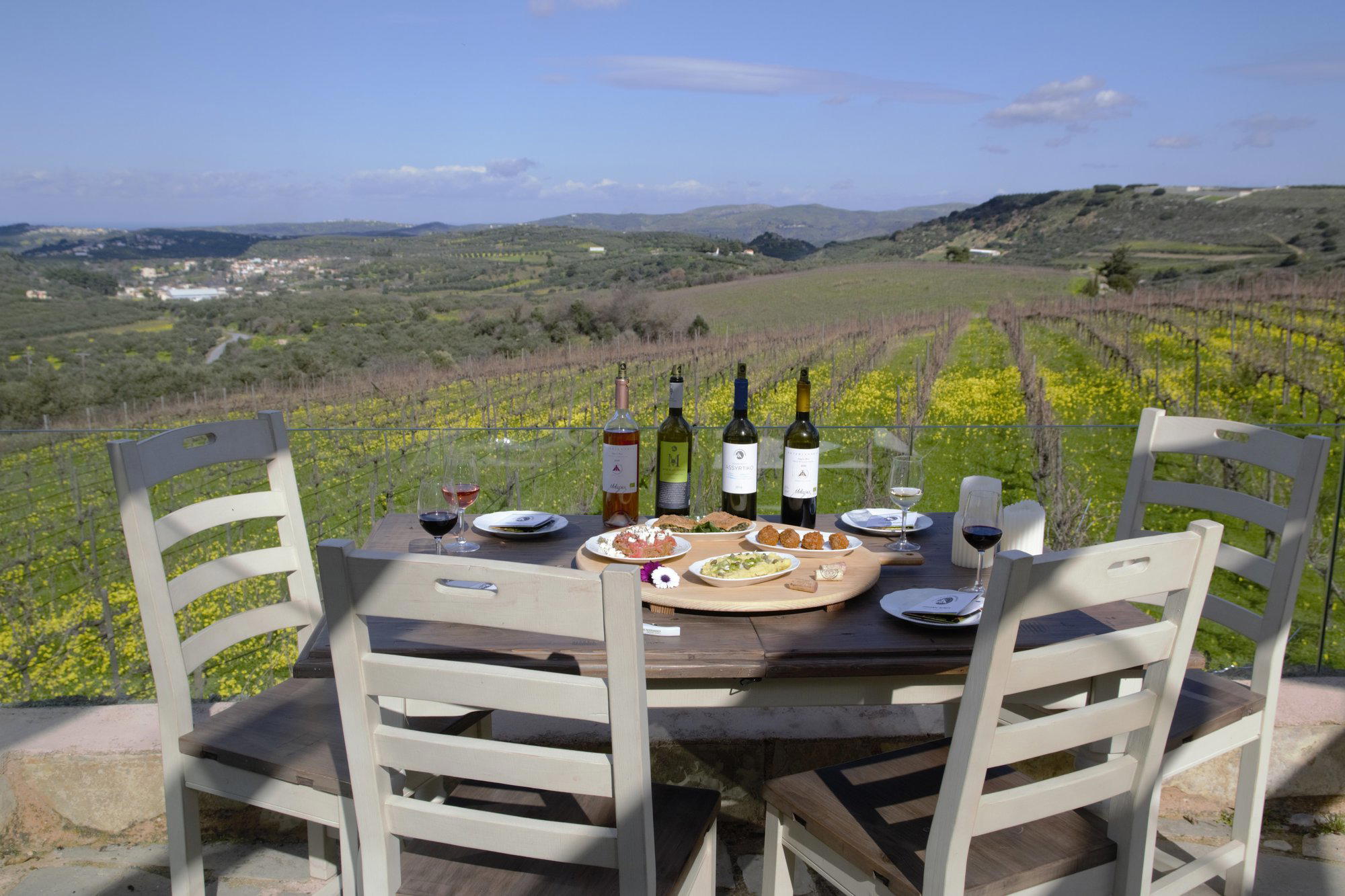

Bars in Alagni
Browse all →
Restaurants in Alagni
Browse all →
At a Glance
- Rustic
- Scenic
- Quiet
- Intimate
- Wine Education
- Group Outing
- Solo Exploration
- Vineyard Tour
- Estate Grounds
- Terrace
- Panoramic View
- Sustainable
- Vineyard
- Mountain
- Peza
- Dafni
- Plyto
- Melissaki
- Vidiano
- Vilana
- Liatiko
- Kotsifali
- Mandilari
- Still White
- Still Red
- Guided Tasting
- Picnic
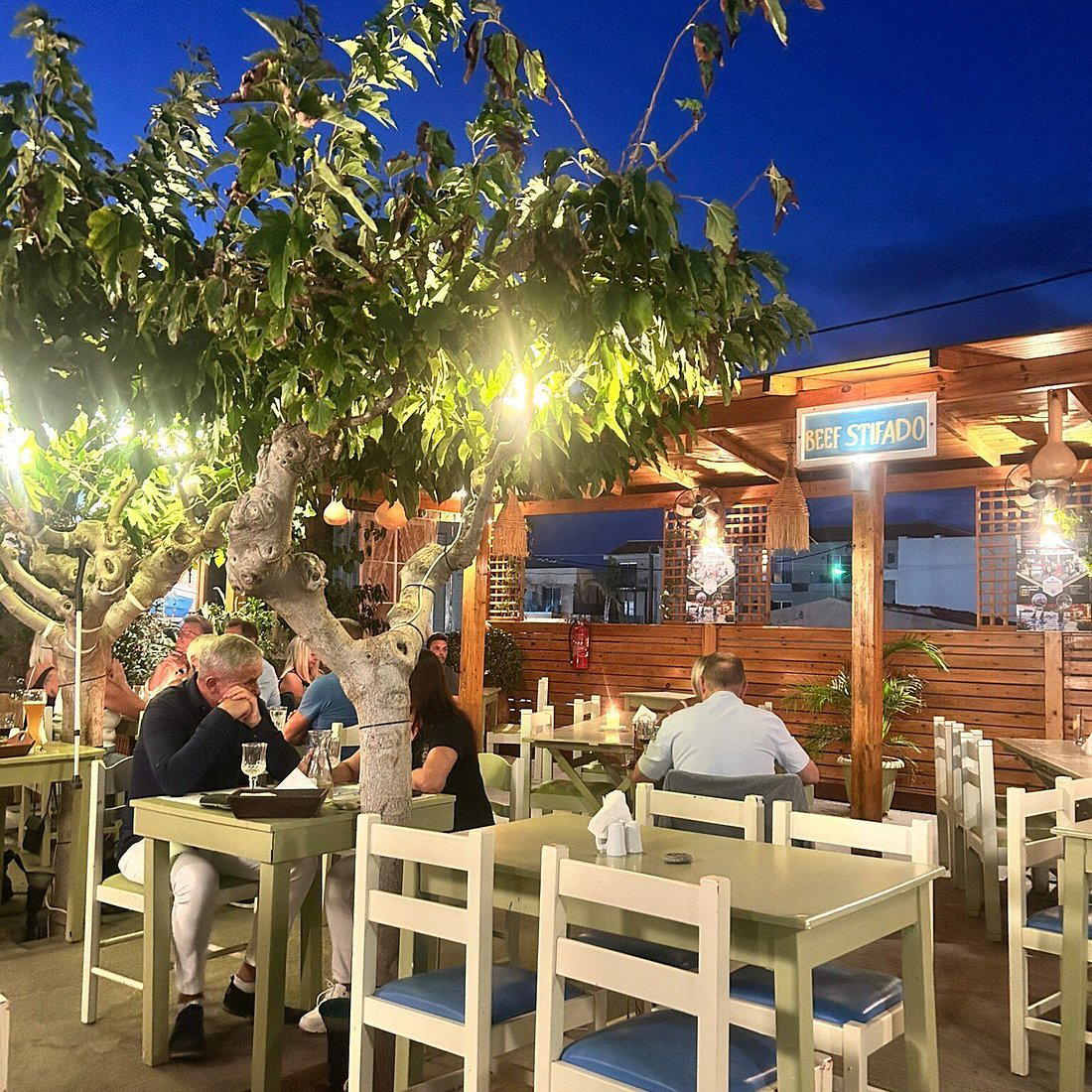
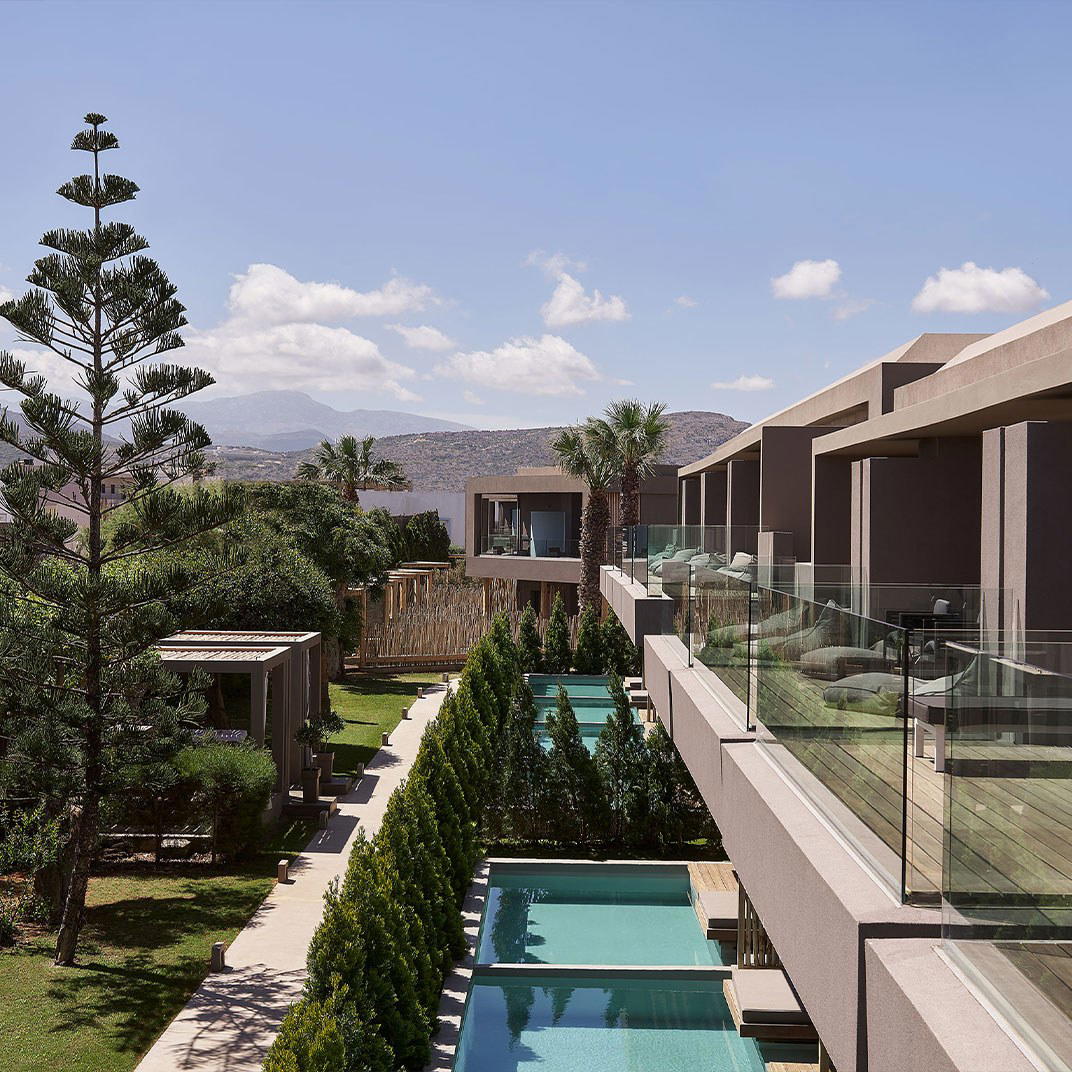
Tranquil and scenic shaded seating overlooking vineyards and Lassithi mountains, with a relaxed, welcoming atmosphere.