
Falstaff Winery - Listed
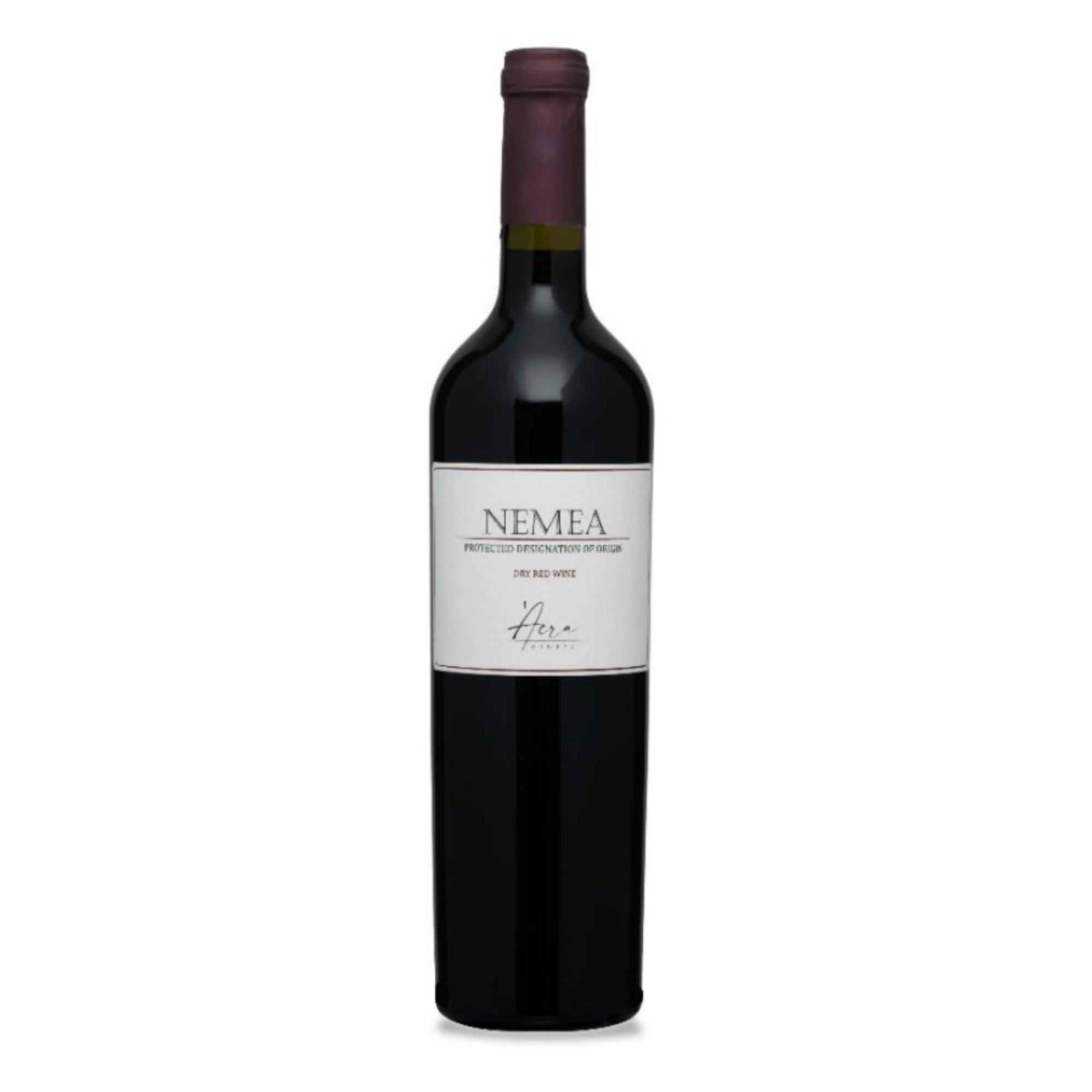
Acra Winery sits in the Nemea appellation, one of the Peloponnese's most consequential red wine zones, where high-altitude vineyards and volcanic soils define the Agiorgitiko grape's full expression..

Pearl is the En Primeur Club membership app — saves, bookings, and concierge access live there. Same editors, same standards.
- Address
- Nemea 205 00
- Phone
- +30 693 185 2760
- Website
- acrawinery.com
- Directions
- Get directions
Nemea's Volcanic Stage
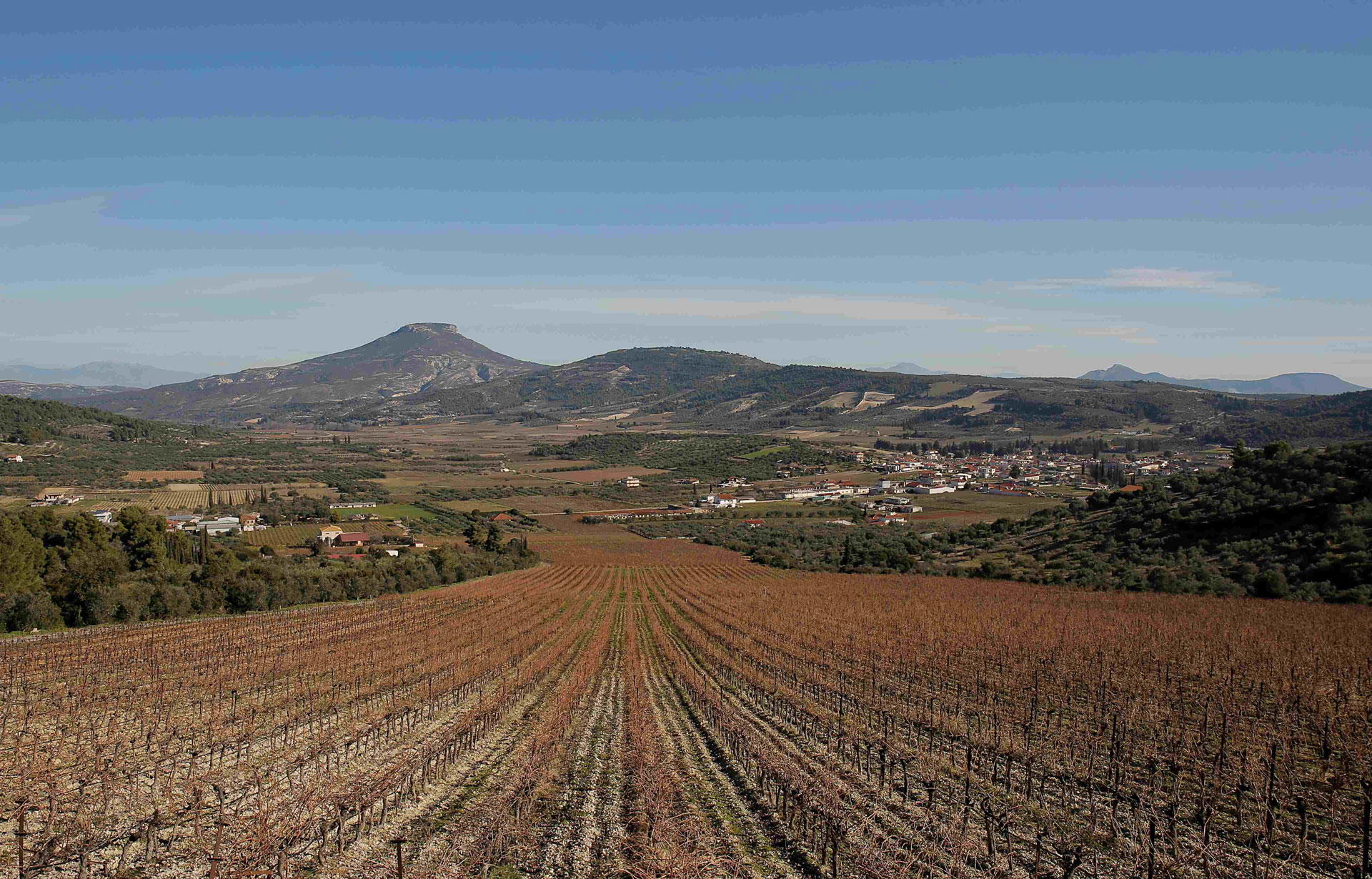
Arriving in Nemea, the terrain does most of the talking before you encounter a single bottle. The region sits at altitude in the northeastern Peloponnese, its vineyards spread across soils that carry varying concentrations of clay, limestone, and the volcanic residue that has accumulated across millennia. The air is cooler than coastal Greece would suggest, and the light has a particular sharpness in the late afternoon that anyone who has spent time in high-altitude wine country will recognise immediately. This is not incidental atmosphere — it is the precise set of conditions that makes Nemea capable of producing Agiorgitiko with structure and longevity rather than the soft, early-drinking character the same grape can produce at lower elevations.
Acra Winery operates within this environment. In the context of the Nemea appellation, that places Acra inside the tier of producers serious enough to attract international attention, alongside peers such as Barafakas Winery, Palivou Estate, and Papaioannou Vineyards — each of which approaches Agiorgitiko from a distinct stylistic position.
Agiorgitiko and the Question of Altitude
Understanding Acra requires first understanding what Nemea's geography does to its signature grape. Agiorgitiko, named after the town of St. George, grown almost exclusively in this appellation, is a variety of considerable range. At lower elevations, particularly around the town of Nemea itself, it produces generous, plush wines with relatively soft tannins. As the vineyards climb toward the high-altitude zones around Asprokambos, the profile shifts: tannin structure tightens, acidity rises, and the fruit takes on darker, more brooding character. The wines that come from these upper elevations have a capacity for ageing that separates them from much of the broader appellation's output.
This altitude gradient is the central argument in Nemea's quality conversation. The appellation has a formal designation for high-altitude production, and the most respected producers draw from sites where the elevation does measurable work on the wine's architecture.
Nemea's wine scene has developed substantially since the 1990s, when a small cohort of producers began demonstrating that the appellation could compete on a European fine wine basis rather than just a domestic table wine one. The producers that now draw visiting buyers and critics tend to share certain characteristics: estate-grown fruit, careful cellar work that respects the grape's natural structure, and a willingness to hold back releases rather than flood the market with young wine.
For context on how the broader Greek wine geography fits together, the Peloponnese sits alongside the north of Greece, where producers such as Alpha Estate in Amyntaio work with Xinomavro, as one of the country's two most compelling red wine zones. The island appellations like Santorini, where Artemis Karamolegos Winery operates, produce a different conversation centred on Assyrtiko and volcanic white wines. Acra's identity is firmly continental, structured, and red.
The Terroir Case for Nemea
The geological argument for Nemea's quality is worth making explicitly. The Peloponnese sits on some of Greece's most geologically varied terrain, and the Nemea basin carries a particular mixture of soil types that concentrates viticulturally useful characteristics. The clay content in lower sections retains moisture through the region's dry summers, while the limestone and volcanic material in upper zones provides the drainage and mineral complexity that fine wine viticulture depends on. Diurnal temperature swings, common at altitude in continental Mediterranean climates, slow ripening and preserve natural acidity, the quality that gives structured Agiorgitiko its backbone.
This is the terroir template that Greek wine's international reputation increasingly rests on: not the tourist-facing lightness of a beach white, but a serious continental red with genuine ageing architecture. Producers working in the upper elevation zones of Nemea are making wines that compete structurally with mid-tier Rhône reds or premium Sicilian Nero d'Avola, a positioning that was barely credible two decades ago and now attracts serious sommelier attention in international markets.
Visiting Acra: What to Know
Nemea sits roughly 120 kilometres southwest of Athens by road, making it feasible as a long day trip from the capital but more rewarding as an overnight or multi-day itinerary. The town of Nemea itself is modest, but the surrounding winery cluster is dense enough to anchor two full days of visits. Our full Nemea restaurants guide covers the broader picture of where to eat and stay in the region.
Acra's address is listed as Nemea 205 00. No booking contact details are currently available through public channels, so the practical approach for a visit is to plan through local tourism infrastructure or contact through the winery's physical address directly. For a region this compact, arriving without a confirmed appointment at prestige-level producers is a risk; the smaller, serious houses in Nemea run tightly managed tastings and do not operate as open-door tourist facilities in the way that larger Peloponnese wine estates might.
The timing question matters here. The Nemea harvest typically runs through late September and into October, and visiting in that window offers the possibility of seeing the cellar in active use, though it also means the winemaking team is fully occupied. The spring months, from April through June, tend to offer better conditions for tasting visits, the previous vintage has had time to settle, and the estate is between the pressures of harvest and the summer tourist peak.
Acra in the Wider Greek Wine Picture
Positioning Acra within the full geography of serious Greek wine production makes clear how specific the Nemea terroir argument is. Producers operating in entirely different conditions, Anatolikos Vineyards in Xanthi in Thrace, Abraam's Vineyards in Komninades, or Aoton Winery in Peania near Athens, each work with distinct soils, climates, and varieties. The common thread among the prestige tier across all these regions is a willingness to let the specific site make the argument rather than homogenising toward an international style.
For travellers building a serious Greek wine itinerary, Nemea remains the Peloponnese's most focused appellation, and Acra sits at a level within it that justifies the trip from Athens or the Corinth corridor.
For a broader comparison across the international wine conversation, from Achaia Clauss in Patras, one of Greece's oldest operating wineries, to very different expressions of terroir such as Accendo Cellars in St. Helena, Aberlour in Scotland, or Akrathos Newlands Winery in Panagia, the EP Club covers the full range of prestige production across regions and styles. What Acra represents, specifically, is Nemea's version of that argument: high-altitude, volcanic-tinged, structured Agiorgitiko that makes a regional case as much as a producer one.
How It Stacks Up
Comparable venues nearby, for context on price, style, and recognition.
| Venue | Cuisine | Price | Awards | Notes |
|---|---|---|---|---|
| Acra WineryThis venue — the venue you are viewing | Agiorgitiko, Assyrtiko | Not listed | Falstaff Winery - Listed | Not listed |
| Papaioannou Vineyards | Agiorgitiko, Cabernet Sauvignon | Not listed | Falstaff Winery - Listed | Ancient Nemea |
| Palivou Estate | Agiorgitiko, Moschofilero | $20–30 | Falstaff Winery - Listed | Ancient Nemea |
| Barafakas Winery | Agiorgitiko, Malagousia | $10–20 | Not listed | Nemea |
| Verino Distillery | Moschofilero | Not listed | Not listed | Argos |
| Kazakis Distillery | Winery | Not listed | Not listed | Limnos |
Recognition history
Dated appearances from independent guides and award organizations, with the underlying list record or original source where available.
Falstaff Winery - Listed
Falstaff
Continue exploring
More in Nemea
Wineries in Nemea
Browse all →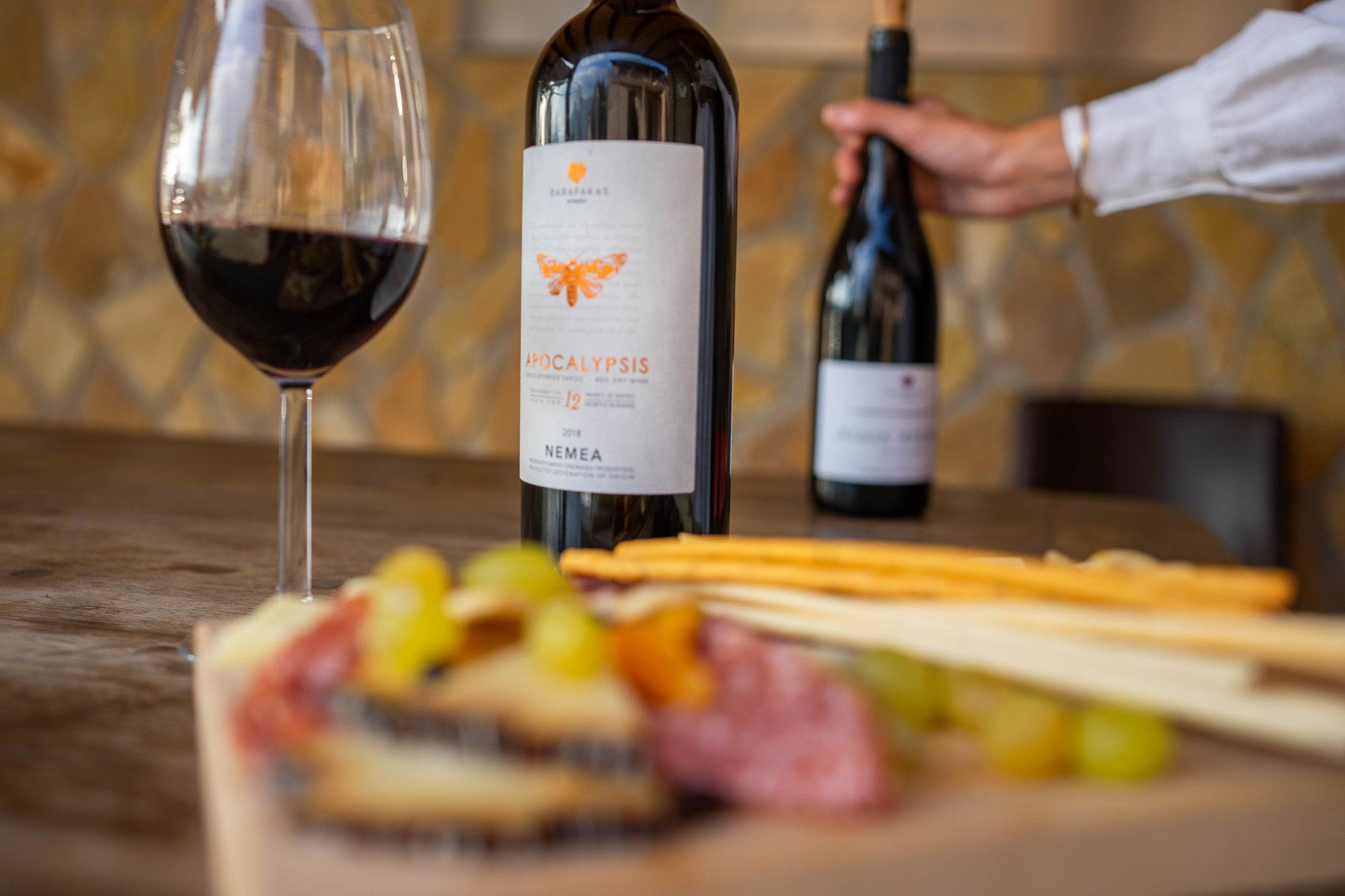
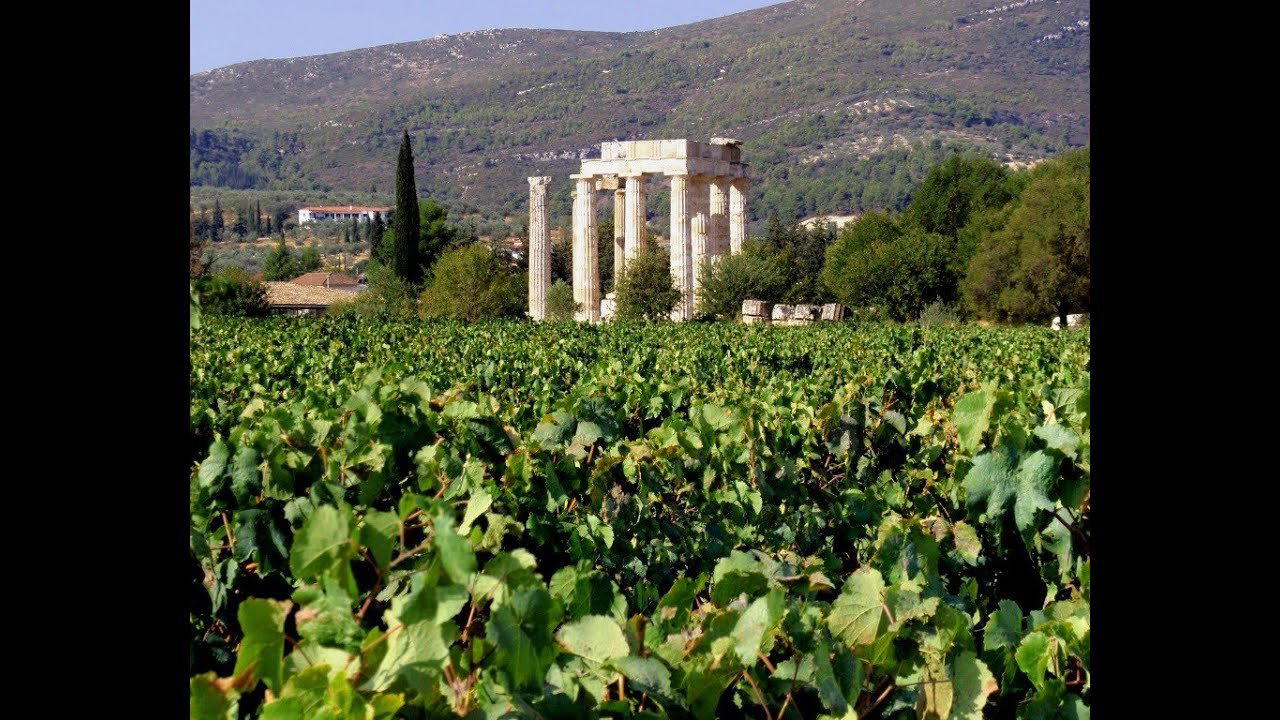
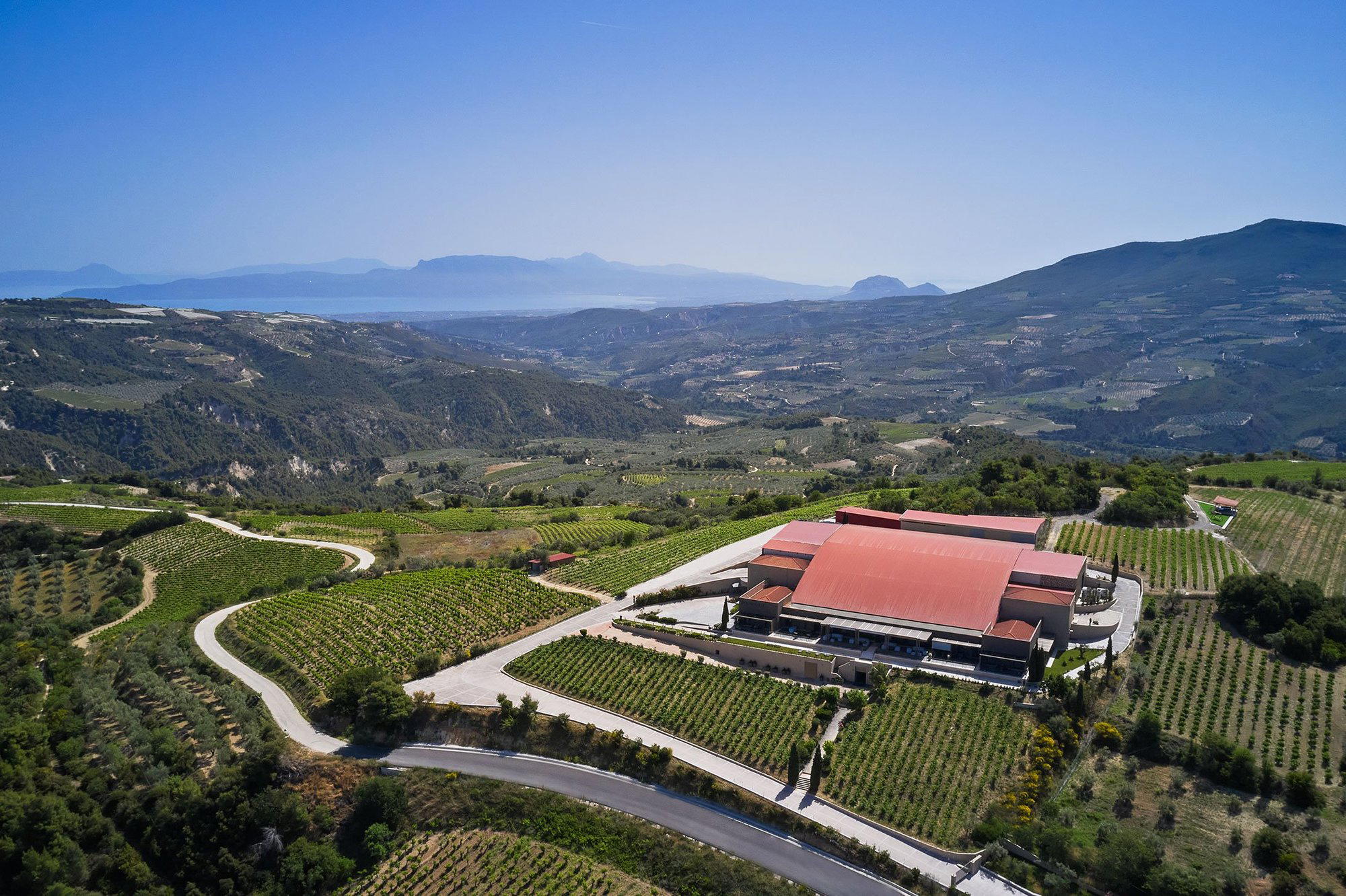
Restaurants in Nemea
Browse all →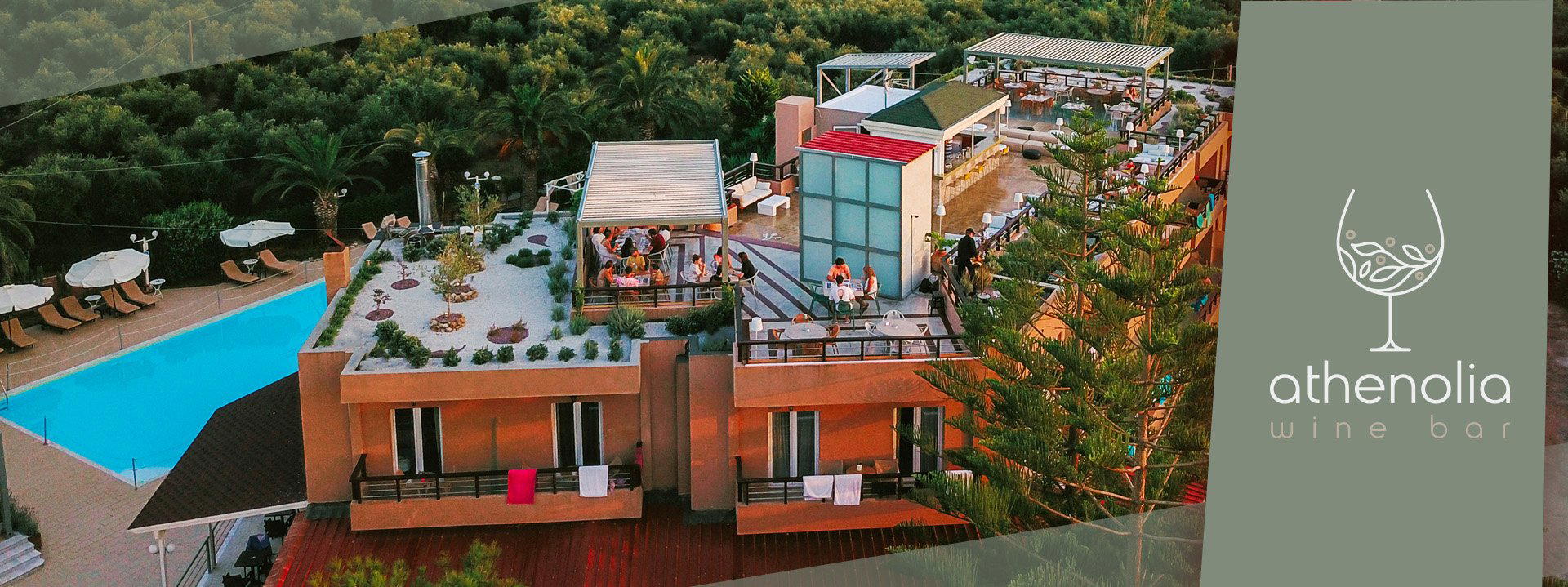
Hotels in Nemea
Browse all →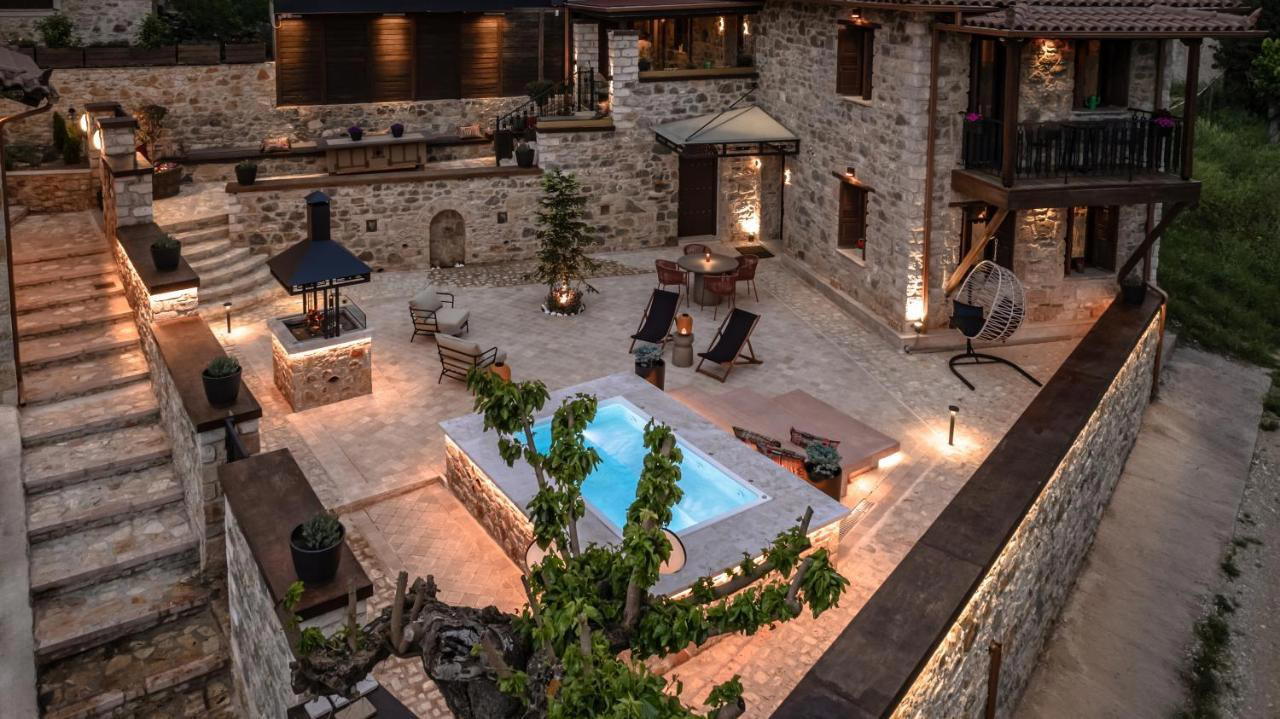
Details
- Rustic
- Scenic
- Wine Education
- Solo Exploration
- Vineyard Tour
- Estate Grounds
- Organic
- Vineyard
- Mountain
- Agiorgitiko
- Assyrtiko
- Malbec
- Still Red
- Still White
- Still Rosé
- Estate Tasting
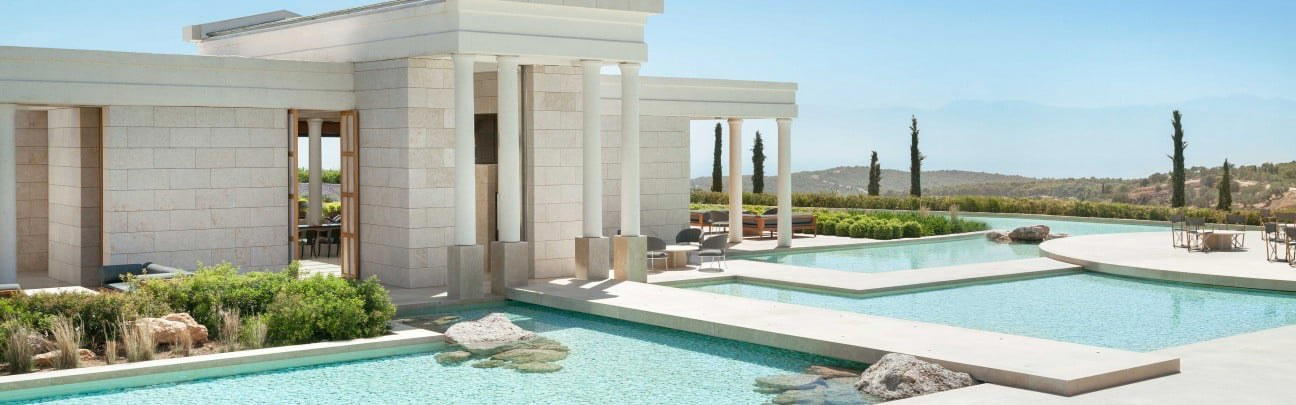
Rustic and scenic winery setting amid Nemea vineyards with an intimate, innovative atmosphere.