
Virtuoso Luxury Hotel Partner
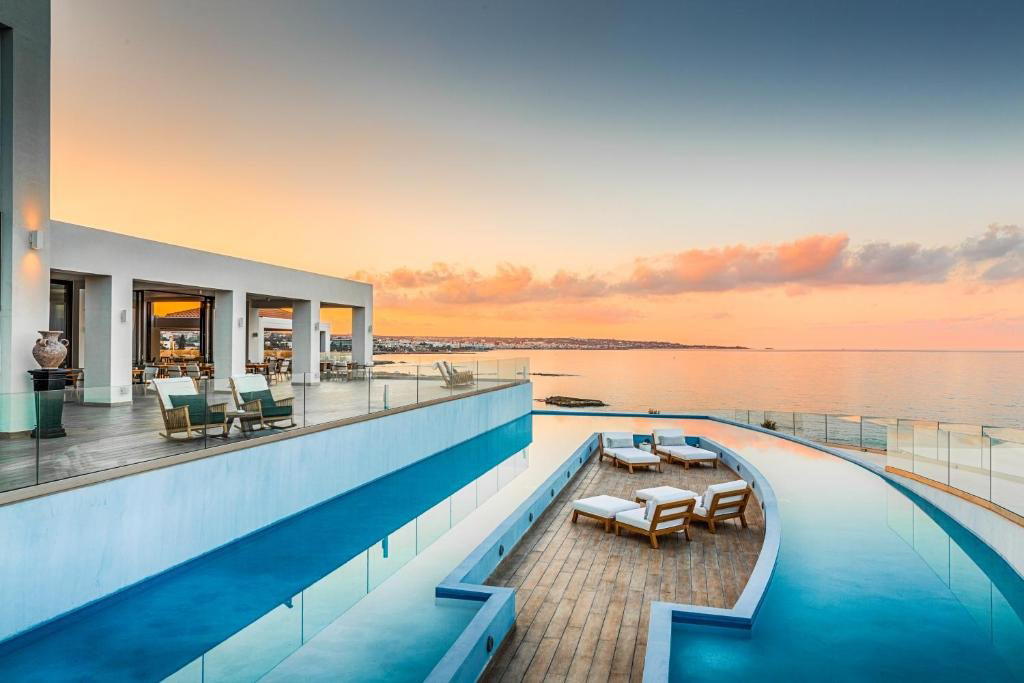
Positioned between a nature reserve and two sandy beaches on the northern coast of Crete, Amirandes draws on Minoan architectural language to shape a resort that reads more like a private water palace than a conventional hotel complex. Seven restaurants, beachfront villas with private pools, and a seafront Olympic pool place it at the upper end of the Heraklion luxury market, with year-round programming that extends well beyond the peak summer window.

Pearl is the En Primeur Club membership app, where members save venues, book tables and use the concierge.
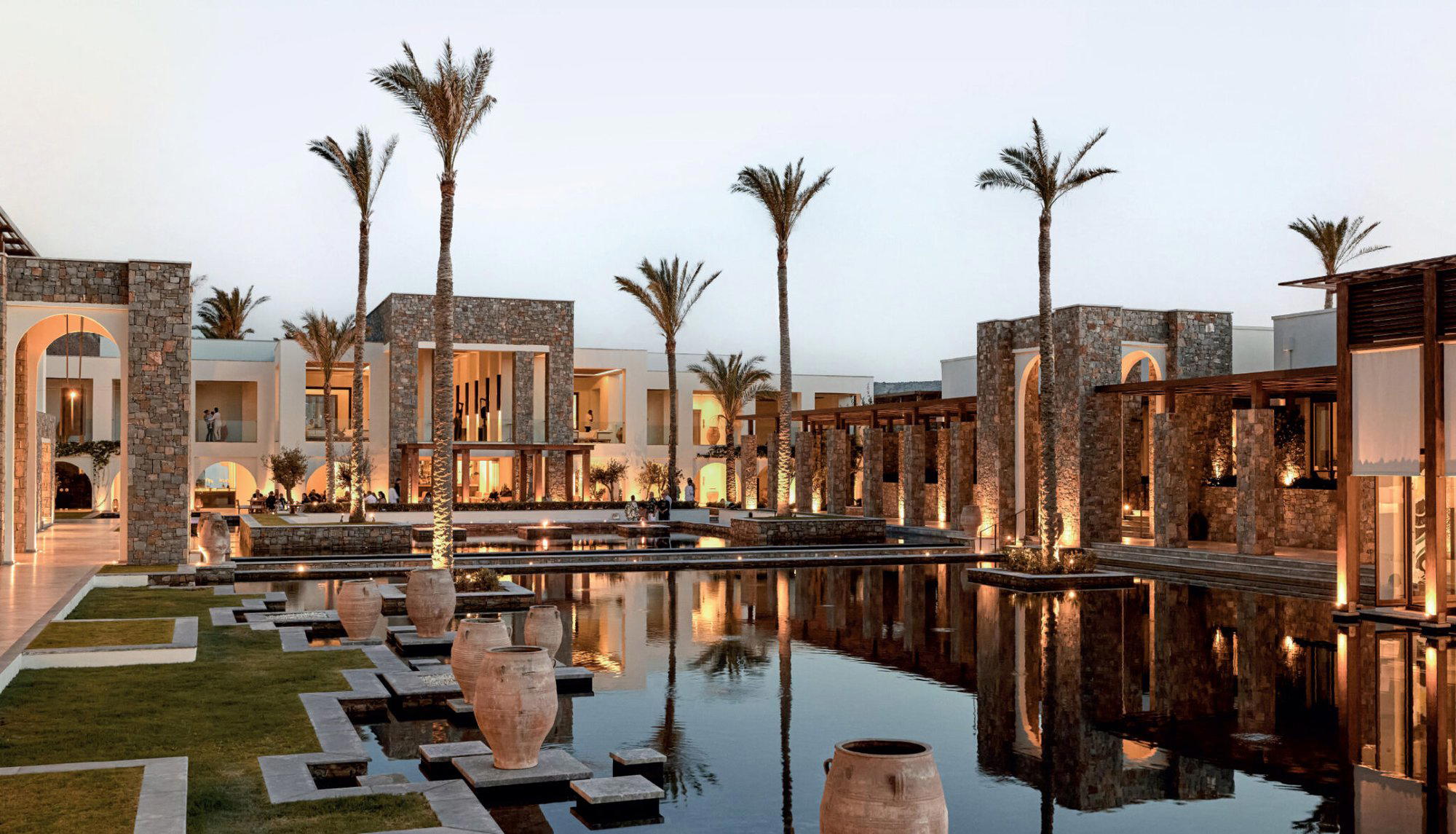
A Minoan Water Palace on the Cretan Coast
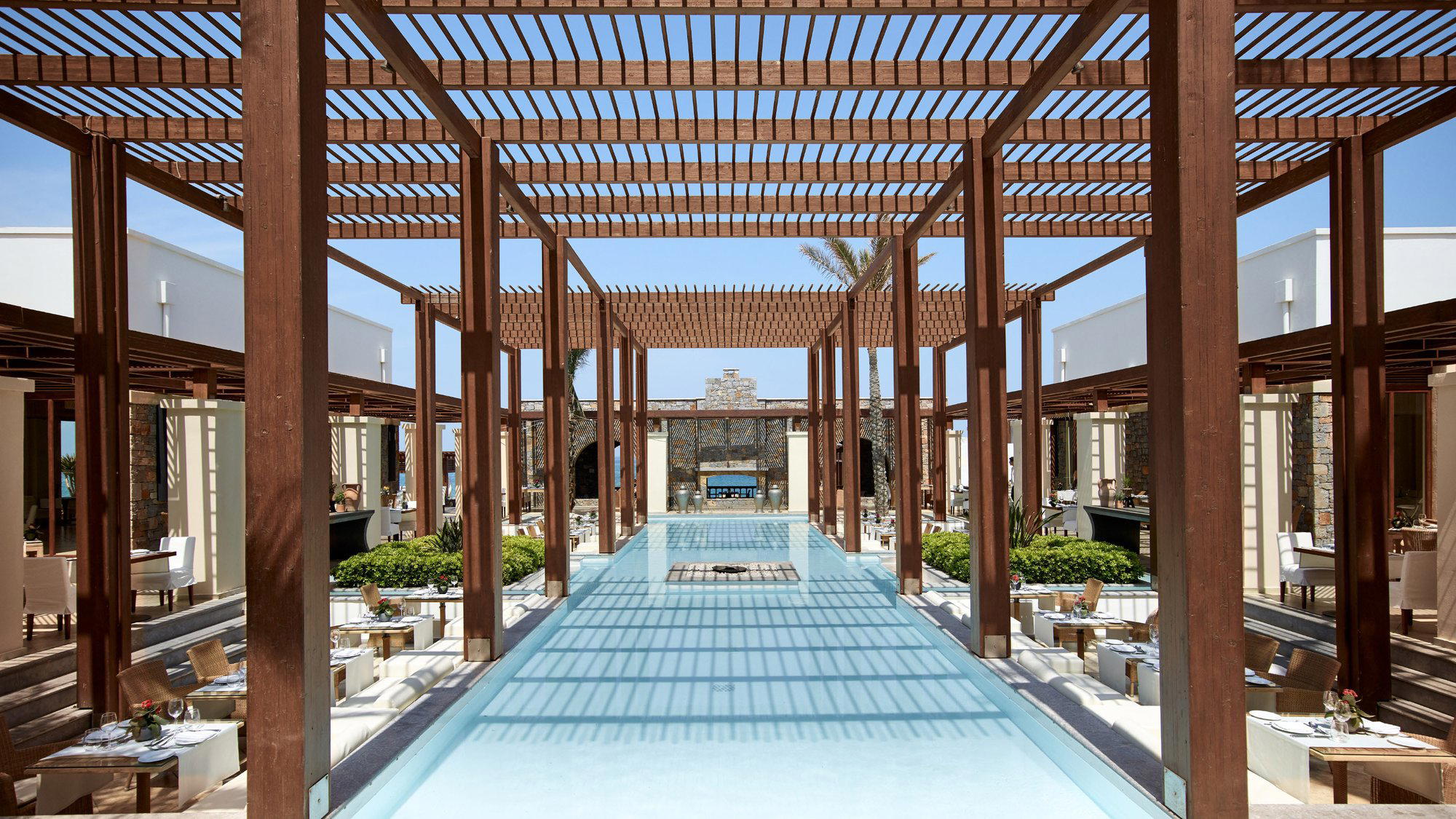
Crete's north coast has accumulated a dense tier of large resort properties over the past three decades, most of them cycling through the same architectural grammar: whitewashed facades, blue-trimmed balconies, and pool decks that face the Aegean with varying degrees of ambition. Amirandes, positioned at Gouves on the stretch of coastline east of Heraklion, makes a different argument. Its reference point is the Minoan civilisation that once made this island the dominant cultural force in the Bronze Age Mediterranean, and the resort's design applies that vocabulary through lagoon water features, colonnaded walkways, and spatial arrangements that borrow from palace-complex planning rather than from the whitewashed Cycladic idiom that dominates Greek luxury imagery. The result is a property that occupies its own visual register within the northern Crete market.
That design decision carries structural consequences. Where much of the regional competition organises itself around a central pool and a beach access point, Amirandes centres its layout on a picturesque lagoon system, which creates a campus feel more commonly associated with low-density Aegean retreats. Guests move between zones rather than converging on a single focal point, and the property's position between a nature reserve and two sandy beaches means that the perimeter reads differently depending on which direction you walk. For the Cretan luxury tier, that kind of spatial generosity is notable: properties at comparable price points along this coast, including neighbours such as Abaton Island Resort & Spa in Chersonisos and Le Méridien Sissi Crete in Sissi, tend to concentrate amenities more tightly.
The Accommodation Tier
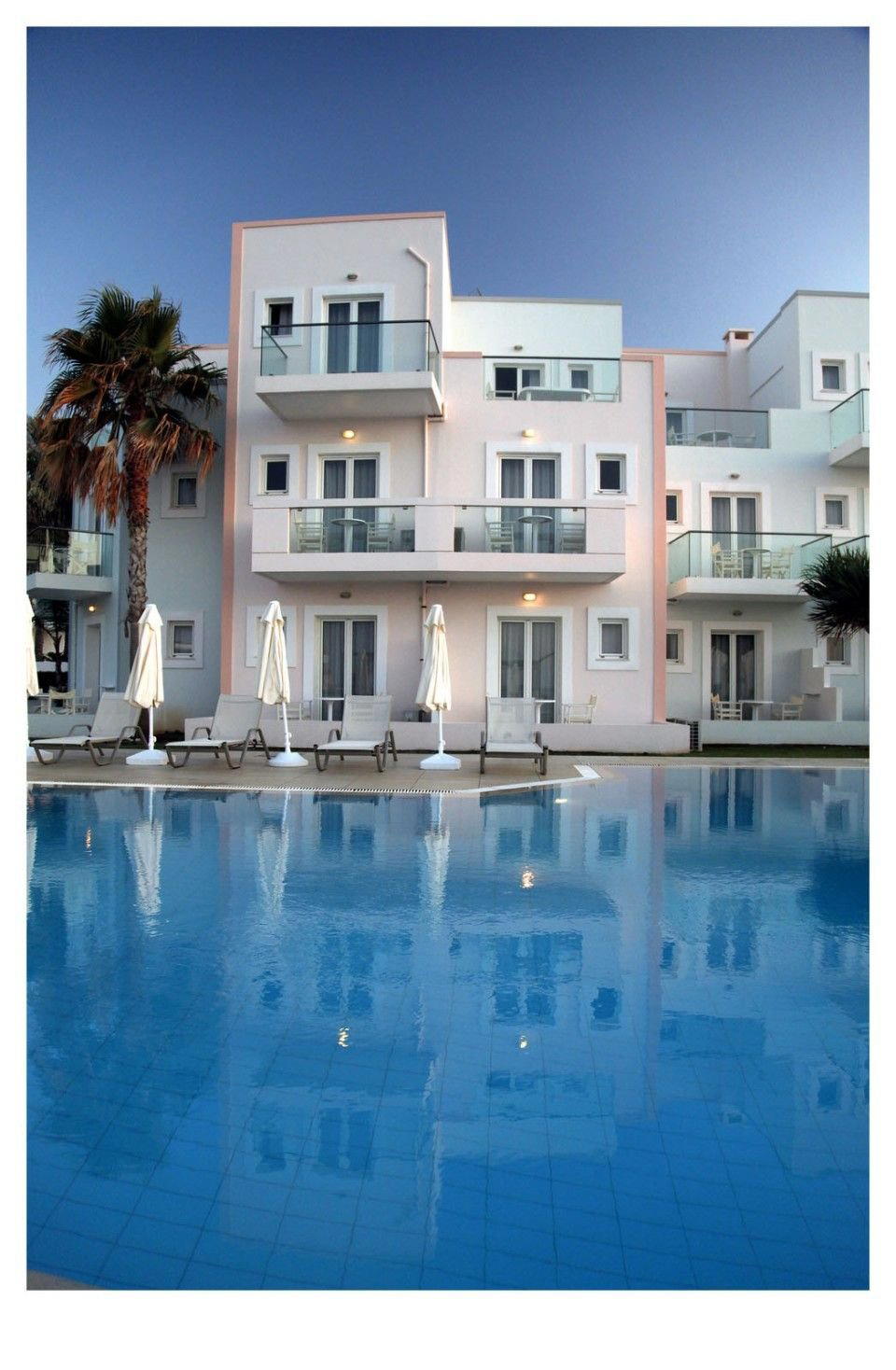
The room hierarchy at Amirandes runs from family bungalows through gym suites to opulent beachfront villas with private pools. Across the Greek luxury resort market, villa product with direct beach access and private pools has become the primary differentiator within the upper accommodation tier: Amanzoe in Porto Heli built its entire identity around freestanding pavilions, and Amoudi Villas in Oia operates on a similar logic at smaller scale in Santorini. Amirandes offers that product within a full-service resort framework, which appeals to a different travel profile: guests who want private-pool seclusion but also access to multiple restaurants, a spa, and an Olympic-sized seafront pool without driving off-property. The newly enhanced Villas and Suites signal recent capital investment in the accommodation stock, though the precise nature of those enhancements sits outside confirmed data.
The family bungalow category places the resort within reach of multi-generational travel groups, a segment that the Cretan north coast handles well given its relatively flat coastal terrain and the range of local excursion options available from Heraklion and the surrounding area. That positioning differentiates Amirandes from adults-only formats such as Alkyna Lifestyle Beach Resort in Corfu, which pursue a different demographic entirely.
Seven Restaurants and the Role of the Minotaur
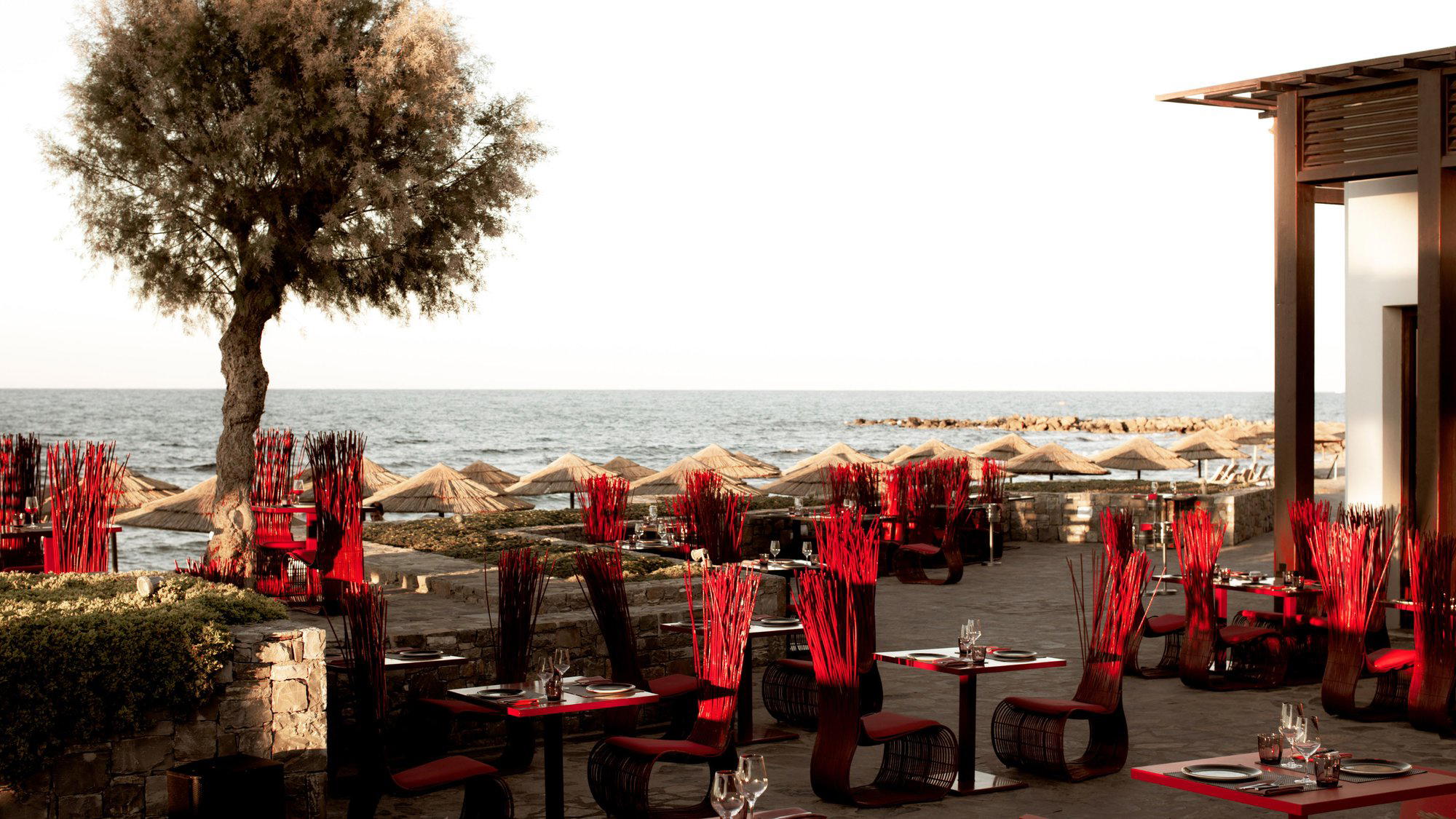
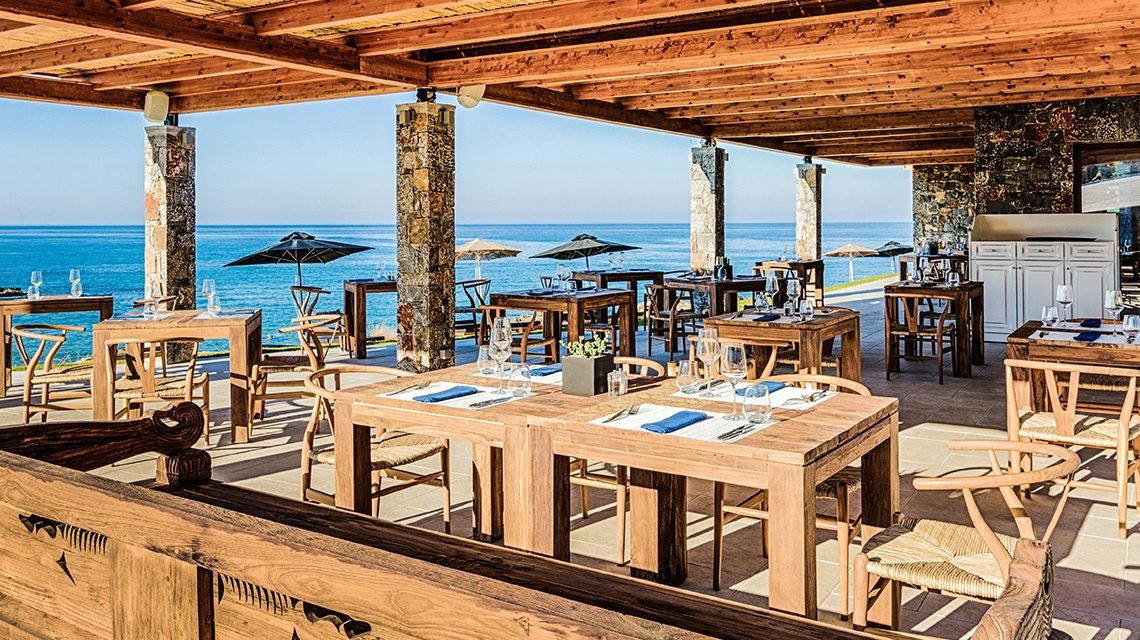
Operating seven restaurants within a single resort is a format more commonly associated with large-format Caribbean or Maldivian properties than with European coastal hotels. In the Greek market, it represents a significant commitment to keeping guests on-property across multiple evenings, and it signals a revenue model that treats food and beverage as a primary experience rather than a support function. Among the seven, Minotaur carries the most specific identity in available documentation: its Mediterranean cuisine is accompanied by original Picasso ceramics, a curatorial decision that reinforces the resort's broader interest in placing art and cultural reference inside dining environments. That kind of detail matters within the Grecotel group's positioning, which has historically sought to anchor its properties in Greek cultural context rather than defaulting to generic luxury hospitality formats.
The seasonal flavour emphasis across the dining programme aligns Amirandes with a broader shift in Greek resort dining, where farm-sourced Cretan ingredients have become as much a selling point as sea views. Crete's agricultural output, particularly its olive oil, wild herbs, and legumes, gives resort kitchens on the island a genuine local sourcing story that properties in, say, the Cyclades cannot replicate at the same scale. Whether the Amirandes kitchens translate that potential into a genuinely ingredient-driven programme is a judgement that sits beyond confirmed data, but the seasonal framing in the property's positioning is consistent with that direction.
Elixir Alchemy Spa and the Cretan Herbal Tradition
The spa offer, branded as Elixir Alchemy Spa, draws on Cretan herbal treatments as its signature approach. This is a coherent strategy given Crete's documented botanical history: the island's mountainous interior has supplied medicinal herbs to the eastern Mediterranean for millennia, and several of the island's indigenous species, including dittany of Crete, carry genuine phytotherapeutic credentials. Resort spas that anchor their treatment menu in a specific regional botanical tradition tend to read as more credible than those offering generic international protocols, provided the sourcing and formulation are handled with care. The Elixir positioning suggests Amirandes is pursuing that more locally grounded approach.
For context across the Greek market, spa quality at resort level varies considerably. Ajul Luxury Hotel & Spa Resort in Halkidiki has built a significant spa infrastructure in the northern Aegean, while Four Seasons Astir Palace Hotel Athens operates at the branded end of the spectrum. Amirandes sits between those reference points, with a spa identity that is distinctly Cretan rather than internationally homogenised.
Year-Round Positioning on the Northern Coast
Most large Cretan resorts operate on a May-to-October rhythm, closing through the winter months when the charter flight infrastructure that drives north coast occupancy largely disappears. Amirandes markets itself explicitly for year-round operation, which is a meaningful distinction. Heraklion's position as Crete's primary transport hub, with the island's main international airport and ferry connections, makes off-season access more practical here than at more remote Cretan locations. The north coast in winter offers a quieter, lower-humidity version of the same landscape, and for guests who prioritise that over high-season energy, the timing argument holds.
That year-round proposition also creates a different competitive set in the off-peak months. During summer, Amirandes competes with the full range of northern Crete luxury product, including Milatos Marriott Resort Crete in Milatos. In October through April, the competitive pool thins considerably, and the resort effectively operates in a niche of its own on this stretch of coast. For travellers planning around shoulder or winter dates, that reduced competition has practical implications for atmosphere, service attention, and pace. More context on how Amirandes sits within the wider Heraklion accommodation picture is available in our full Heraklion restaurants guide.
Other properties in the Heraklion city context, including the Autograph Collection, Seaside A Lifestyle Resort, and The Tenant, operate with urban or semi-urban formats that serve a different purpose: city access, shorter stays, business travel. Amirandes is a resort in the traditional sense, oriented around extended stays, on-property programming, and a physical environment designed to be self-sufficient. Guests arriving at Heraklion's Nikos Kazantzakis International Airport will find Gouves approximately 18 kilometres to the east, a direct transfer on the coastal road. Advance booking through the Grecotel reservations system is the standard approach; the resort's villa categories, given the private-pool premium they carry, tend to close out earlier in the summer booking cycle than standard room inventory.
A Quick Peer Check
Comparable venues nearby, for context on price, style, and recognition.
| Venue | Cuisine | Price | Awards | Notes |
|---|---|---|---|---|
| Amirandes, A Grecotel Resort to LiveThis venue (the venue you are viewing) | Minoan Palace-inspired waterfront resort with reimagined suites and villas blending indoor-outdoor living. | Not listed | Virtuoso Luxury Hotel Partner | Not listed |
| Seaside A Lifestyle Resort | Modern lifestyle resort with panoramic sea views and private pool options. | Not listed | Michelin Selected · Tablet Hotels Top 40 New Hotels #31 | Agia Pelagia |
| Autograph Collection | Mediterranean luxury resort combining ancient Greek design inspiration with contemporary elegance, positioned as an upscale family-friendly and romantic destination. | $500–750 | Not listed | Elounda |
| Pnoé Breathing Life | Contemporary wellness resort blending luxury with natural Cretan elements, built on ruins with sustainable local materials. | $300–500 | 1 Michelin Key | Karteros |
| ÉRA Hotel Heraklion | Urban, boutique Mix Collection hotel in a renovated landmark building, positioned as a year-round lifestyle stay for leisure and business travelers in the heart of Heraklion. | Not listed | Not listed | Daskalogiannis Square |
| Rocca a Mare Heraklion - Handwritten Collection | Luxury urban seafront boutique hotel blending Cretan heritage with contemporary design and high-tech comforts. | $200–300 | Not listed | Heraklion city center |
Recognition history
Dated appearances from independent guides and award organizations, with the underlying list record or original source where available.
Virtuoso Luxury Hotel Partner
Virtuoso
Continue exploring
More in Heraklion
Hotels in Heraklion
All hotels in Heraklion →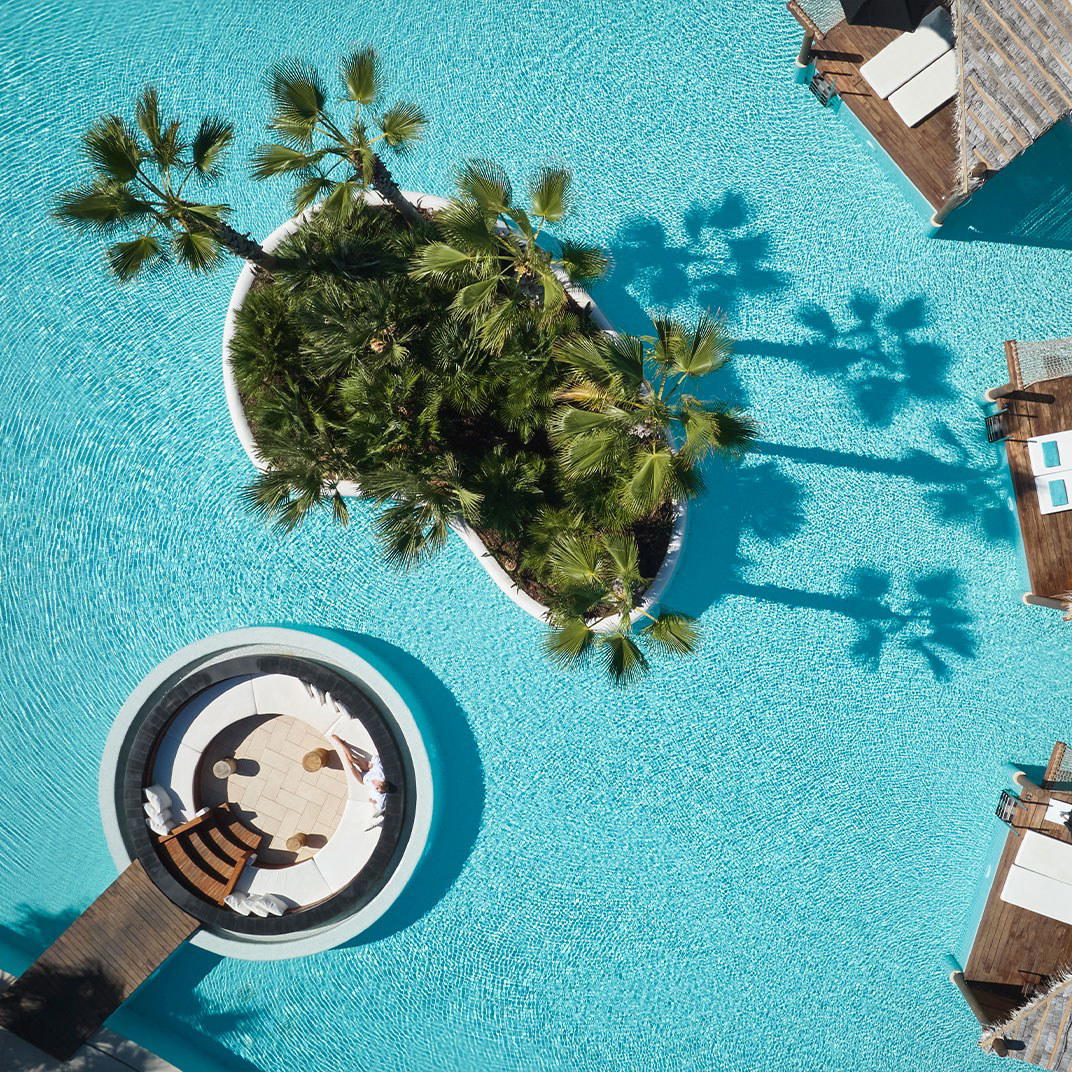
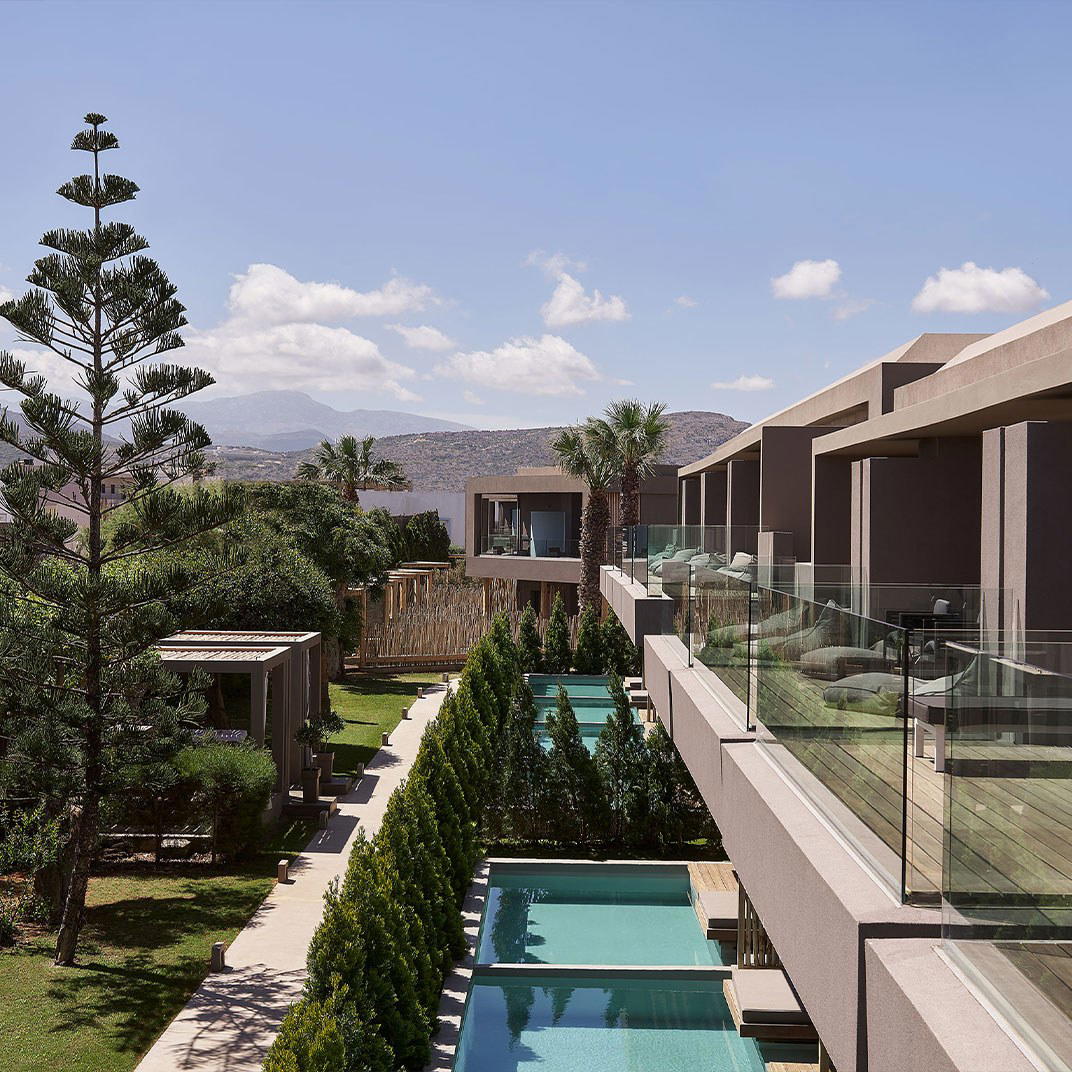
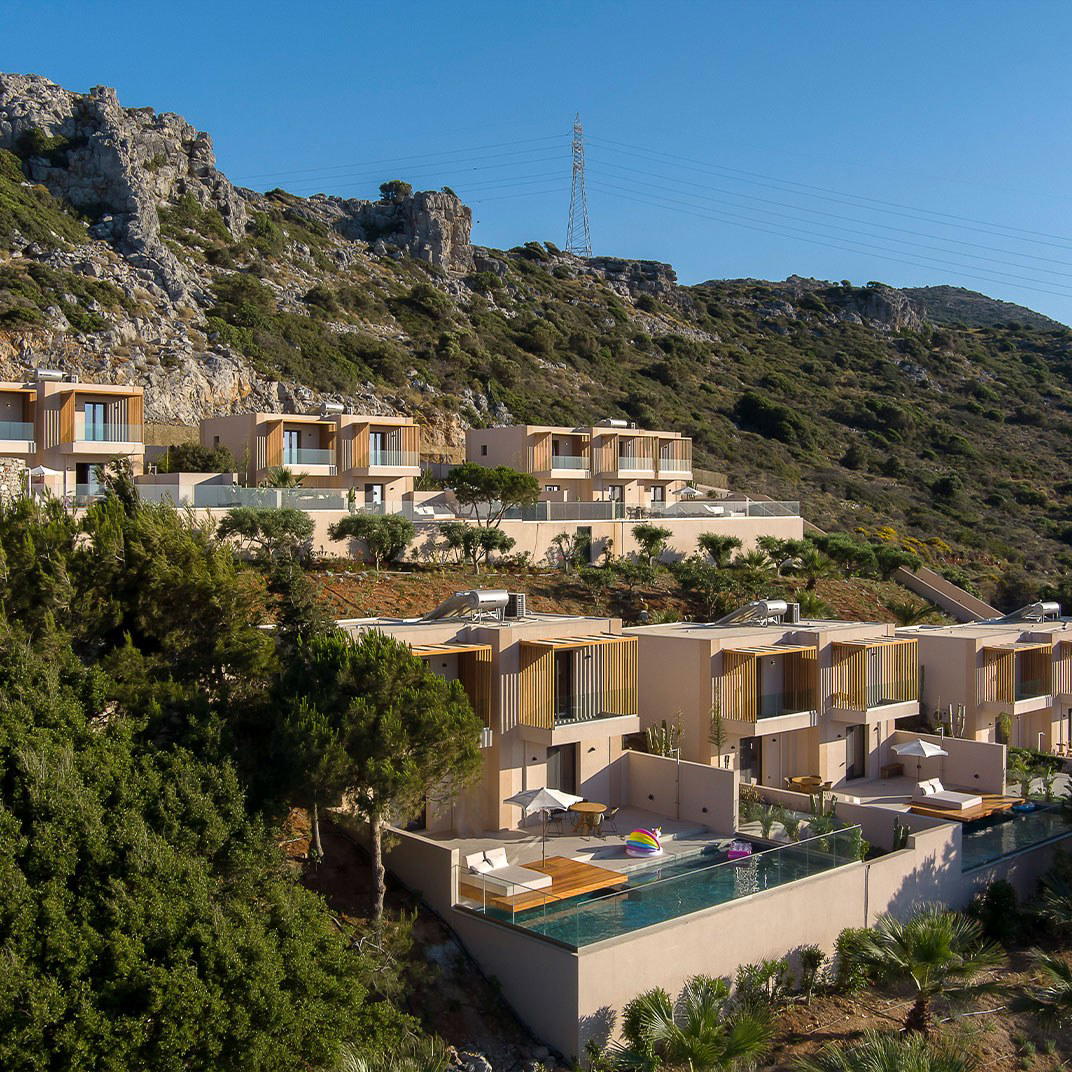
Bars in Heraklion
All bars in Heraklion →

Details
- Elegant
- Sophisticated
- Scenic
- Ornate
- Honeymoon
- Romantic Getaway
- Family Vacation
- Wellness Retreat
- Beachfront
- Infinity Pool
- Destination Spa
- Golf Course
- Panoramic View
- Wi Fi
- Pool
- Spa
- Fitness Center
- Room Service
- Concierge
- Tennis
- Kids Club
- Beach Access
- Waterfront
- Garden
- Wheelchair Accessible
- Step Free Entrance
- Accessible Parking
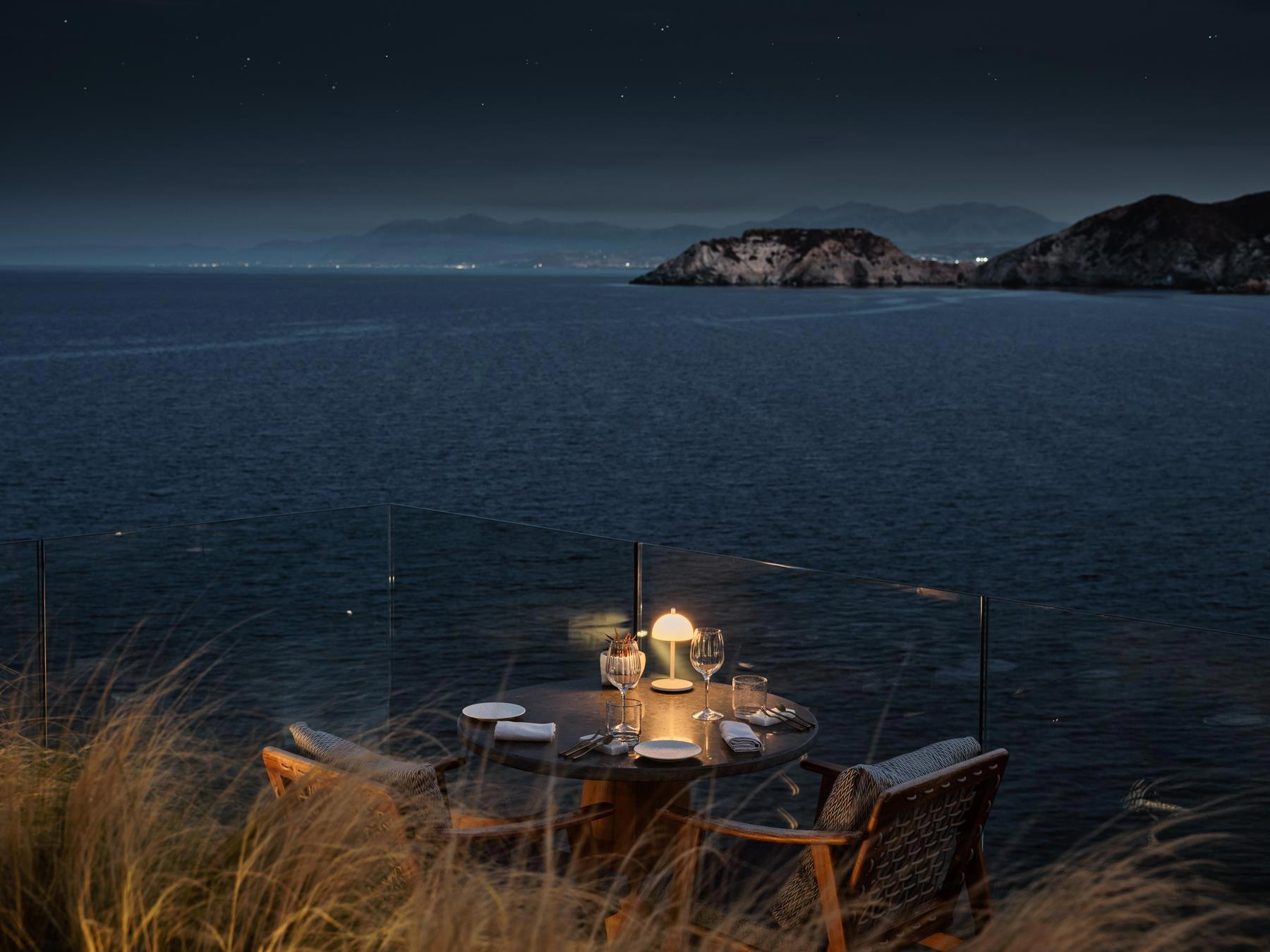
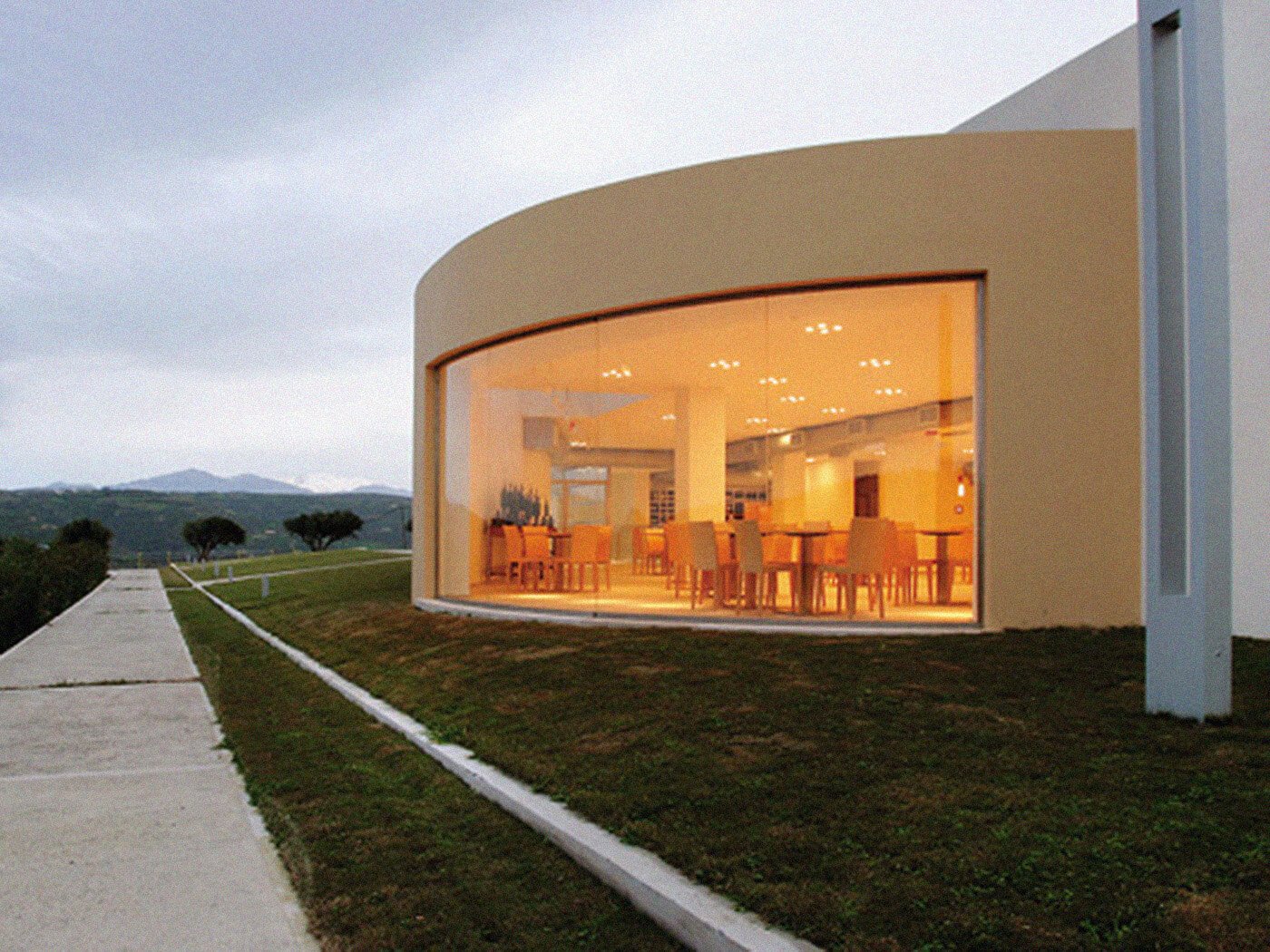
Cream-hued elegant interiors glowing with Cretan sunlight, soft linens, and soothing tranquility by the azure sea and lagoons.