Peskesi occupies a restored Heraklion mansion and has become a reference point for Cretan heirloom cuisine, drawing on the island's pre-industrial food traditions rather than the taverna menu most visitors expect. The kitchen works with heritage breeds, aged cheeses, and forgotten grain varieties sourced from small Cretan producers. For anyone trying to understand what Cretan cooking looked like before mass tourism reshaped it, this is the address.
Pearl is the En Primeur Club membership app — saves, bookings, and concierge access live there. Same editors, same standards.
- Address
- Kapetan Charalampi 6-8, Iraklio 712 02, Greece
- Phone
- +302810288887
- Website
- peskesicrete.gr
- Directions
- Get directions
 Saves & bookings on Pearl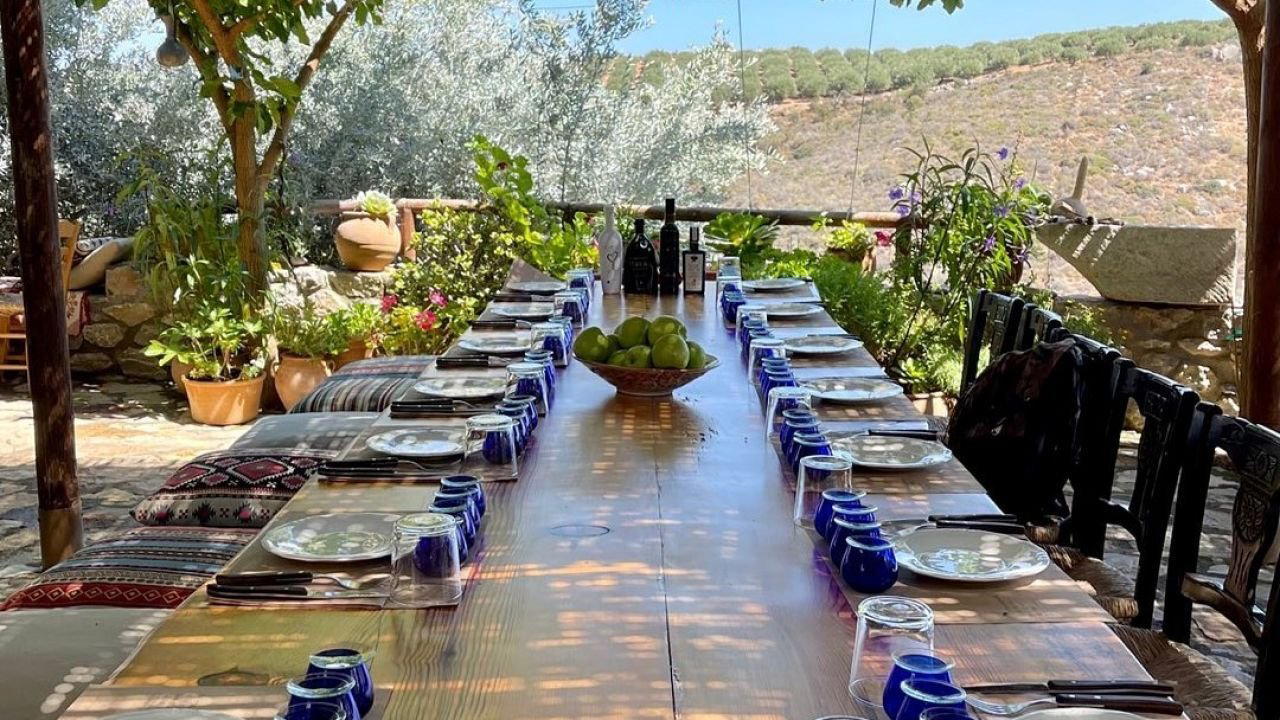
The Architecture of a Cretan Meal
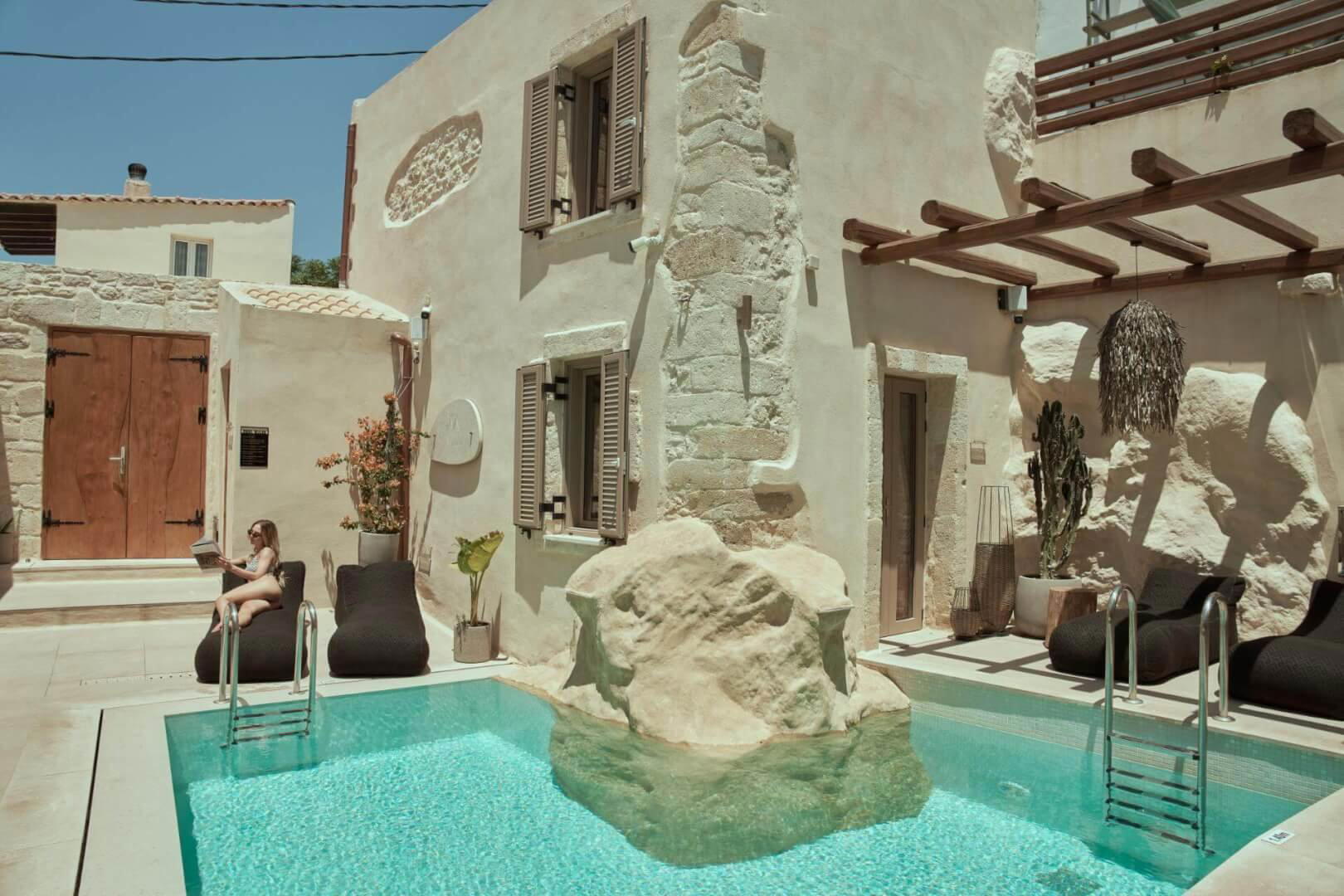
There is a particular kind of dining room that only old stone buildings produce: thick walls that hold cool air in summer, light that arrives through deep-set windows at a specific angle, and a sense that the space was not designed for hospitality but simply absorbed it over centuries. The restored neoclassical mansion on Kapetan Charalampi in central Heraklion that houses Peskesi works exactly this way. The building does not perform antiquity — it simply has it, and the kitchen's agenda aligns with that fact.
Heraklion's restaurant scene has long been divided between two poles: the tourist-facing taverna strip and a smaller, more serious tier of addresses working with Cretan ingredients as a genuine culinary proposition rather than a marketing angle. Peskesi sits in the second category, and has done so consistently enough to become a point of reference in conversations about what modern Cretan cooking can mean when it is grounded in agricultural reality rather than nostalgia. For comparable coastal seafood in the city, Kastella Seafood Restaurant operates in a different register, and Kotonostimié and Swing Thing round out the city's more considered dining options. Our full Heraklion restaurants guide maps the wider picture.
What the Kitchen Is Actually Doing
The philosophical position Peskesi occupies is worth understanding before you sit down, because it shapes how the meal unfolds. Cretan cuisine has a documented history of relying on ingredients that have largely disappeared from commercial supply chains: heirloom grain varieties, heritage-breed pork and lamb, wild greens harvested from specific elevations, and aged cheeses made in small quantities by producers who have never sought distribution beyond the island. The kitchen at Peskesi works with these materials in a way that is less about revival and more about continuity — treating them as the baseline rather than as a curatorial gesture.
This approach places Peskesi in a peer group that is growing across Greece. Delta in Athens operates with a comparable commitment to sourcing from named Greek producers, and the island dining scene has its own strand of this thinking, visible at addresses like Lure Restaurant in Oia and Feredini in Santorini. What distinguishes the Cretan version is the depth of the agricultural tradition it draws from: the island's isolation and distinct ecology produced a food culture that diverged meaningfully from mainland Greek cooking, and that difference is legible on the plate when a kitchen takes it seriously.
The Rhythm of the Meal
A dinner at Peskesi does not move at the compressed pace of a contemporary tasting menu, nor does it sprawl like a Greek feast designed for extended family. The pacing sits somewhere between those poles, structured enough to feel intentional but relaxed enough to allow the meal to breathe. This is itself a form of editorial statement: Cretan hospitality has always prioritized duration and generosity over precision, and the kitchen respects that tradition without letting it become an excuse for inattention.
The correct approach is to order in stages rather than all at once, which allows the kitchen to sequence dishes in a way that makes sense, moving from lighter preparations and raw materials through richer, slower-cooked elements. Small plates of aged local cheeses and cured meats establish the ingredient vocabulary before the larger dishes arrive. If you are eating with a group, the table format rewards sharing; the food is designed to be passed and discussed, not consumed in isolated portions. This is the dining ritual that Cretan cooking evolved around, and Peskesi preserves its logic.
The wine list focuses on Cretan producers, which is a decision with genuine logic behind it: the island's viticulture, built around indigenous varieties like Vidiano, Kotsifali, and Liatiko, produces wines that pair with the food in ways that bottles from further afield rarely match. Ordering by the glass allows you to track how the local whites shift register as dishes move from lighter to richer. For comparison with how other Greek island restaurants approach local wine pairing, Aktaion in Firostefani and Bony Fish Santorini in Imerovigli offer instructive contrasts.
Cretan Cooking in Broader Context
Greece's serious dining tier has been developing a clearer identity over the past decade, with kitchens across the country moving away from generic Mediterranean positioning toward more defensible, ingredient-specific propositions. The pattern is visible in Athens, where addresses like Cash in Kifisia and Alykes in Palaio Faliro are working in different culinary registers but with comparable intentionality. Along the Peloponnesian coast, Beauvoir in Katakolo shows how regional specificity can serve as a structural principle for a whole menu.
Crete, though, has a particular claim on this territory. The island's Mediterranean diet credentials are historically documented, studies conducted in Cretan villages in the mid-twentieth century became foundational to the concept itself. A kitchen like Peskesi's that takes pre-industrial Cretan agriculture as its reference point is not drawing on myth but on a food culture with a traceable, researched record. That changes how you read the menu, and it should change what you order: the dishes that look simplest on paper are often the ones that reward greater attention, because the complexity is in the ingredient rather than the technique.
For seafood-forward cooking with similar attention to Greek waters, Jimy's Fish in Piraeus and Lake Vouliagmeni in Vouliagmeni offer useful reference points, while Knossos Greek Taverna Gouves in Gouves represents the more traditional Cretan taverna format for comparison. For international reference points on ingredient-driven cooking at a high level, Le Bernardin in New York City and Atomix in New York City illustrate how the same sourcing-first philosophy operates at different scales and in different culinary traditions. Closer to the Aegean, Cacio e Pepe in Thira Municipality shows how European culinary imports land in the island context.
Planning Your Visit
The address, Kapetan Charalampi 6-8, Iraklio 712 02, places Peskesi within walking distance of Heraklion's old harbour and the central market area, which makes it a practical anchor for an afternoon that begins with the market and ends with dinner. The neighbourhood is navigable on foot from most central accommodation. Given Peskesi's reputation and the relatively limited supply of serious restaurants in Heraklion at this level, booking ahead is advisable, particularly during the summer months when the island's tourism load peaks and the better tables fill quickly. Arriving without a reservation in July or August is a risk not worth taking.
Continue exploring
More in Heraklion
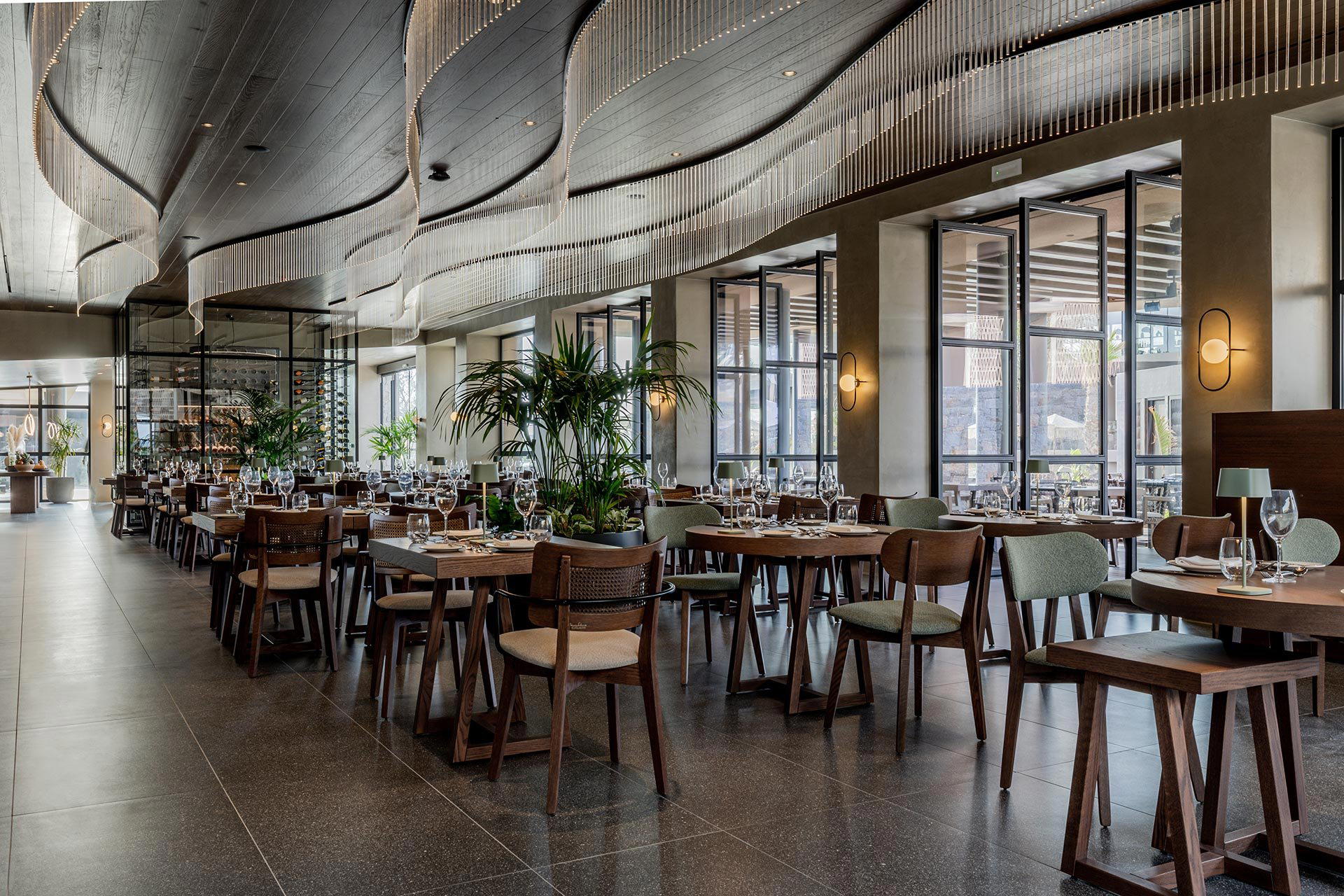
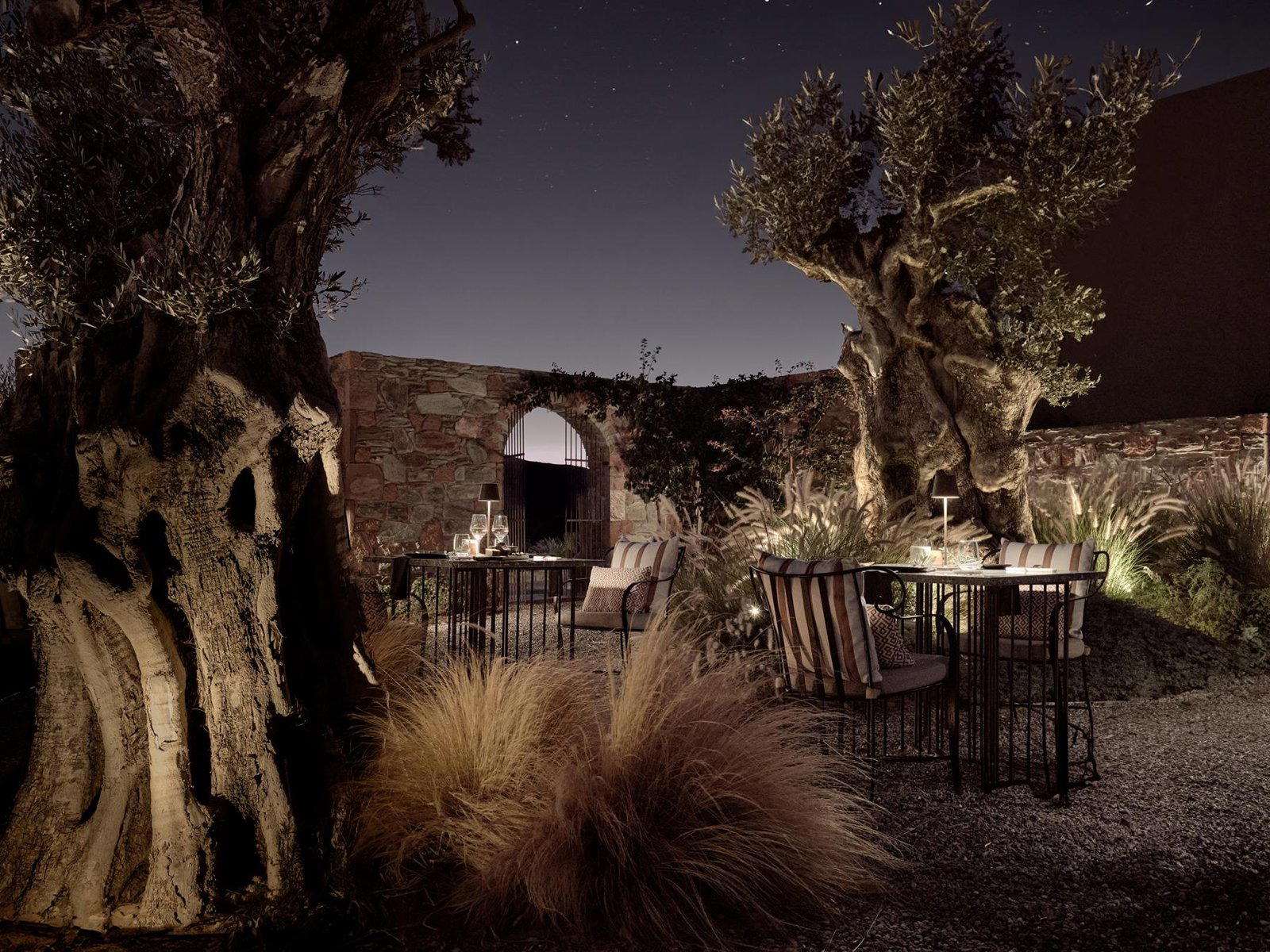
Restaurants in Heraklion
Browse all →
Bars in Heraklion
Browse all →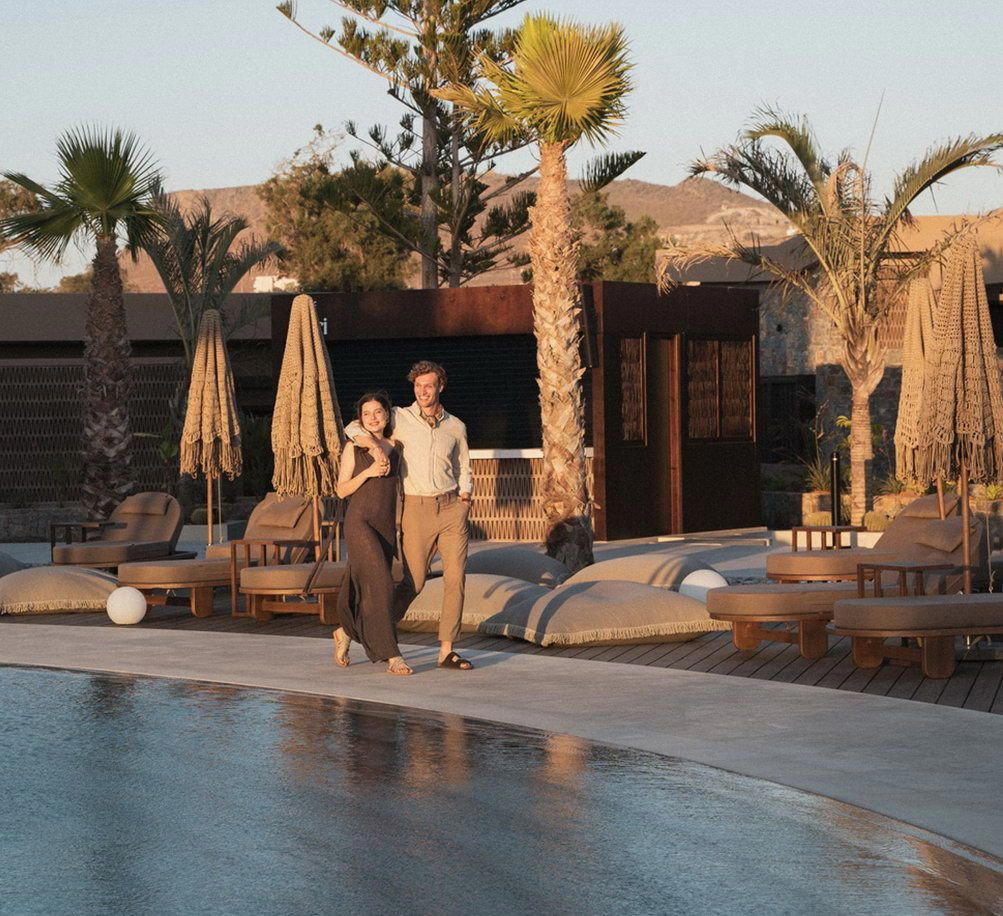
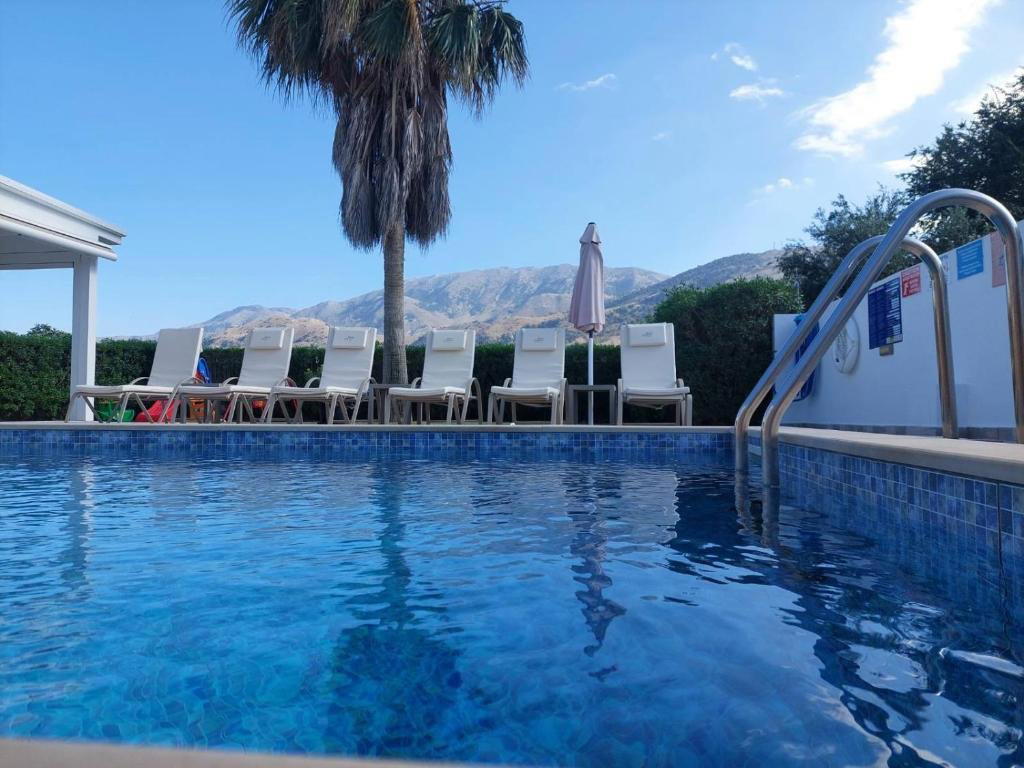
Hotels in Heraklion
Browse all →

At a Glance
- Rustic
- Cozy
- Historic
- Intimate
- Special Occasion
- Date Night
- Family
- Historic Building
- Open Kitchen
- Extensive Wine List
- Farm To Table
- Local Sourcing
- Organic
Current opening hours
- Monday
- Closed
- Tuesday
- 1 PM–1 AM
- Wednesday
- 1 PM–1 AM
- Thursday
- 1 PM–1 AM
- Friday
- 1 PM–1 AM
- Saturday
- 1 PM–1 AM
- Sunday
- 1 PM–1 AM
Hours can change for holidays and private events. Last verified .
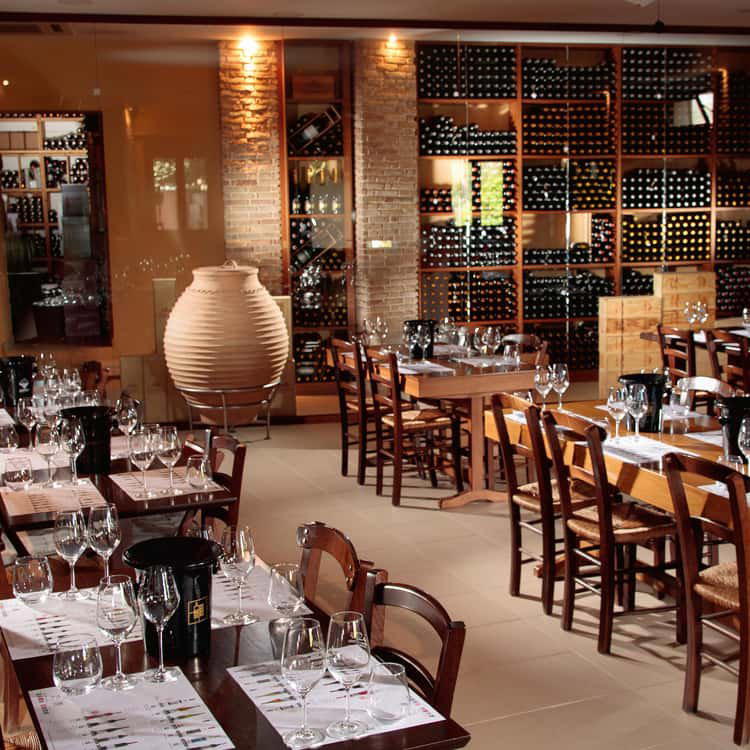
Cozy rustic-chic with stone walls, warm hospitality, and traditional Cretan house aesthetics.