
Zargianakis Distillery operates out of Prinias, in the hill country south of Heraklion, and holds a Pearl 2 Star Prestige rating for 2025. Positioned within Crete's growing craft distillation scene alongside peers such as Vassilakis Distillery, it represents the island's push toward serious spirit production beyond wine. The address in the Heraklion regional unit places it within reach of the capital's producer circuit.
 Discover on Pearl
Pearl is the En Primeur Club membership app — saves, bookings, and concierge access live there. Same editors, same standards.
Crete's Distillation Tradition and Where Prinias Fits
The villages that ring Heraklion's southern plateau have long supplied the capital with agricultural produce, olive oil, and, for generations, locally distilled spirits that rarely appeared on any formal list. That anonymity is shifting. Across the Heraklion regional unit, a tier of producers has moved from informal family output toward structured, award-recognised operations with defined identities. Zargianakis Distillery, based in Prinias, belongs to that emerging cohort, and its Pearl 2 Star Prestige recognition for 2025 places it inside a credentialled peer set rather than the broader, undifferentiated mass of Cretan spirit producers.
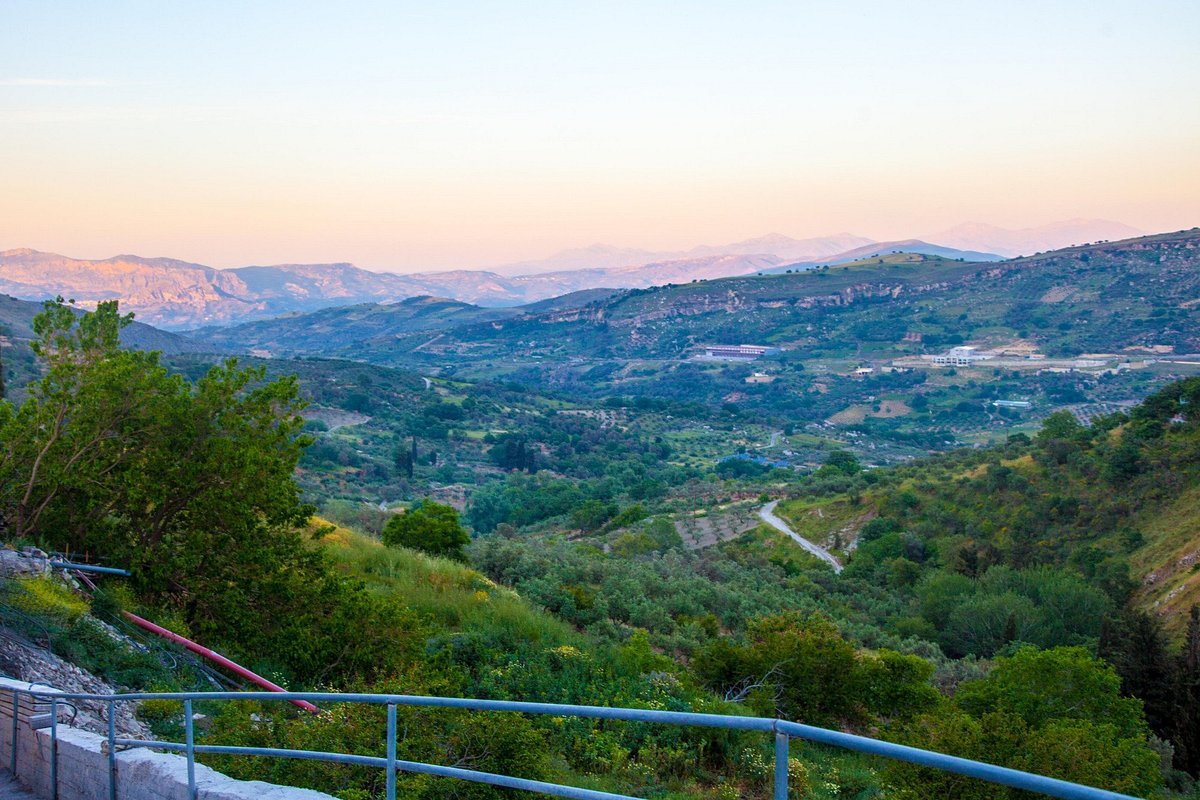
Prinias itself sits in the interior hill country to the southwest of Heraklion, at an elevation that shapes both the surrounding vegetation and the agricultural character of the area. Approaching from the capital, the terrain transitions quickly from the coastal commercial belt into a quieter range of scrubland, limestone outcrops, and the kind of settled rural character that has defined central Crete for centuries. The sense of remove from the city is real, even if the distance is not extreme. This is not a destination that announces itself from the road.
Reading the Pearl 2 Star Prestige Recognition
Award structures in the Greek spirits sector have become a more reliable navigation tool in recent years, as international and domestic recognition programmes have expanded their coverage of Aegean producers. The Pearl 2 Star Prestige designation for 2025 signals a level of production quality that separates Zargianakis from the broad base of unlisted Cretan distilleries. Within the Heraklion producer circuit, this positions the distillery alongside operations such as Vassilakis Distillery, which similarly occupies the credentialled tier of local spirit production.
Greece's spirit production conversation has historically centred on ouzo in the north and tsipouro across the mainland, with Crete's tsikoudia occupying a separate, intensely local identity. What has changed in the past decade is the number of Cretan producers applying structured quality thinking to what was previously a cottage-scale tradition. Zargianakis sits within that shift, earning formal recognition rather than relying on regional familiarity alone. For context on how this compares with the mainland distillation scene, Apostolakis Distillery in Volos represents the Thessalian parallel, where tsipouro producers have been building formal profiles for longer.
The Landscape as Context for Production
The editorial angle on places like Prinias is not nostalgia, it is geography as an active ingredient. The altitude and exposure of the central Cretan plateau influence what grows, and what grows shapes what can be distilled. Producers in this interior zone have access to aromatic herb species, carob, and grape marc from vineyards that operate under different climatic pressure than coastal Crete. The result, in quality-oriented operations, tends toward spirits with a drier, more mineral character than lowland equivalents.
Crete's wine and distillation producers form an interconnected network across the Heraklion unit. Boutari Winery (Crete) and Paterianakis Winery anchor the wine side of that network, with both operating at a scale and with a recognition profile that makes them useful reference points for understanding the regional production tier. Distilleries draw on the same agricultural base, frequently sourcing grape marc from local vineyards, which means the character of the island's viticulture feeds directly into what appears in the still.
Crete in a Greek Spirits Context
For visitors arriving from mainland Greece or from international wine and spirits circuits, Crete presents an interesting asymmetry: its wine identity is better documented internationally, while its spirit production remains substantially under-covered. This is beginning to change. Producers holding formal award recognition are appearing more frequently in specialist retail and in the programming of Greek gastronomy events. The trajectory follows a pattern visible elsewhere in European craft distillation, where regional identity, geographic specificity, and quality credentials combine to build an export-facing profile over a period of years.
The Greek island distillation scene has no single reference point comparable to, say, Achaia Clauss in Patras, which anchors the mainland fortified wine and spirit heritage conversation. Crete's version is more distributed, with individual operations in different villages accumulating recognition gradually. Zargianakis is one data point in that accumulation, not the singular peak of it. That distributed structure is worth understanding before visiting: this is a circuit, not a single destination, and the Heraklion unit rewards producers who understand the wider context of what they are building.
Placing This Producer on a Wider Map
The Greek spirits and wine sector is geographically varied enough that Cretan producers exist in their own distinct tier, separate from the discussion around Nemea, Amyntaio, or the Attic peninsula. Acra Winery in Nemea and Alpha Estate in Amyntaio operate in protected designation zones with internationally recognised wine identities; Crete's spirit producers are building a parallel track without the same denominational infrastructure. Anatolikos Vineyards in Xanthi and Abraam's Vineyards in Komninades speak to how diverse Greece's regional production geography has become. Zargianakis sits within that national map as a Cretan specialist with a clear quality signal, operating in a category where formal credentials are still being established.
For those building an itinerary around Greek producer visits, the Heraklion unit makes geographic sense as a focus. Aoton Winery in Peania and Aiolos Winery in Palaio Faliro anchor Attica's producer scene, while Akrathos Newlands Winery in Panagia represents the northern Aegean tier. Crete, with its island logistics and distinct agricultural identity, operates as a self-contained circuit rather than a stop on a mainland route. Our full Heraklion guide maps the broader producer and dining circuit across the regional unit.
Planning a Visit to Prinias
The address in Prinias places Zargianakis within the Heraklion regional unit, accessible by road from the capital. No public booking channel or contact number is currently listed through EP Club's verified records, which means the most reliable approach is to plan through local hospitality contacts or specialist Cretan tour operators who maintain direct relationships with interior producers. The distillery does not appear to operate a formal visitor centre on any publicly documented basis, so arrival without prior arrangement carries risk. For visitors who place this producer within a wider Heraklion itinerary, combining it with the wine producers along the northern coastal route creates a more complete picture of what the regional unit produces. The 2025 Pearl 2 Star Prestige recognition is the single most useful public-facing signal that the operation merits the effort of that coordination.
For comparative reference from outside Greece, Aberlour in Aberlour and Accendo Cellars in St. Helena illustrate how distilleries and wineries at different scales manage the visitor experience in high-recognition production zones. The contrast with Prinias is instructive: those operations exist within developed tourism infrastructure; Zargianakis operates in a context where that infrastructure is still forming, which shapes both the visit experience and its reward.
A Lean Comparison
A quick look at comparable venues, using the data we have on file.
| Venue | Notes | Price |
|---|---|---|
| Zargianakis Distillery | This venue | |
| Boutari Winery (Crete) | ||
| Paterianakis Winery | ||
| Vassilakis Distillery |
Continue exploring
More in Heraklion
Wineries in Heraklion
Browse all →
Restaurants in Heraklion
Browse all →
At a Glance
- Rustic
- Cozy
- Scenic
- Group Outing
- Family
- Wine Education
- Vineyard Tour
- Estate Grounds
- Mountain
- Vineyard
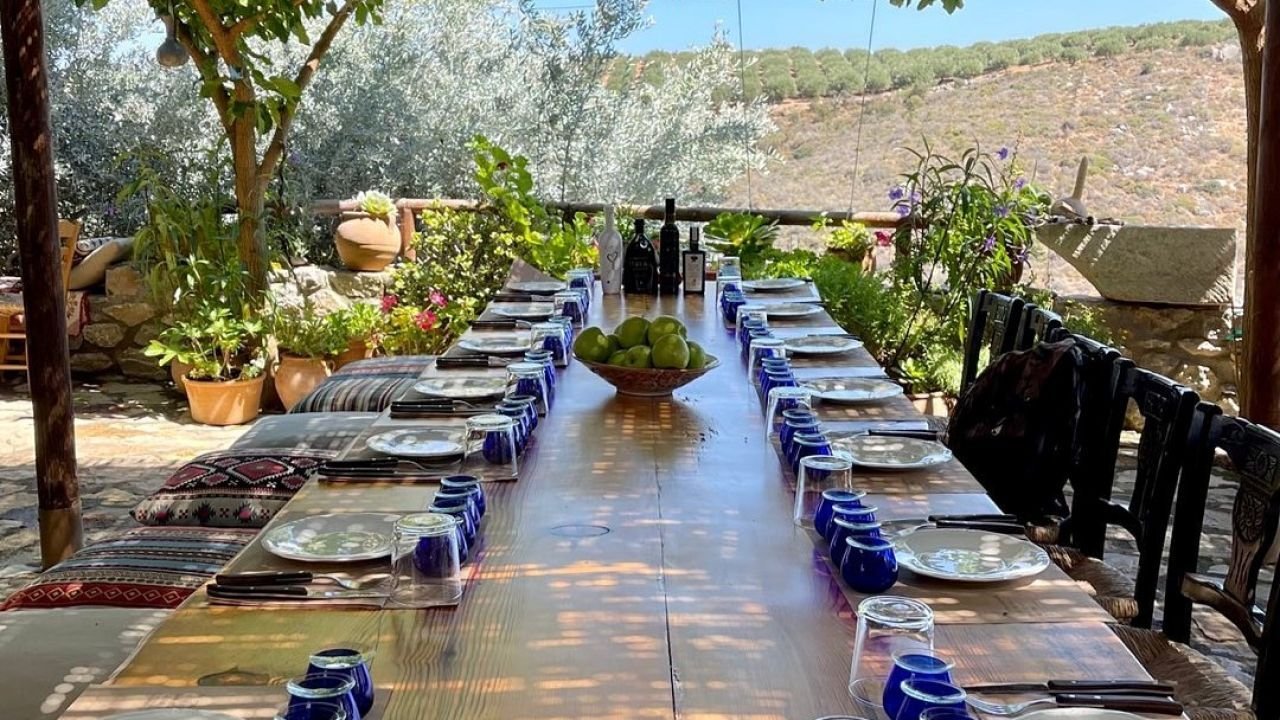
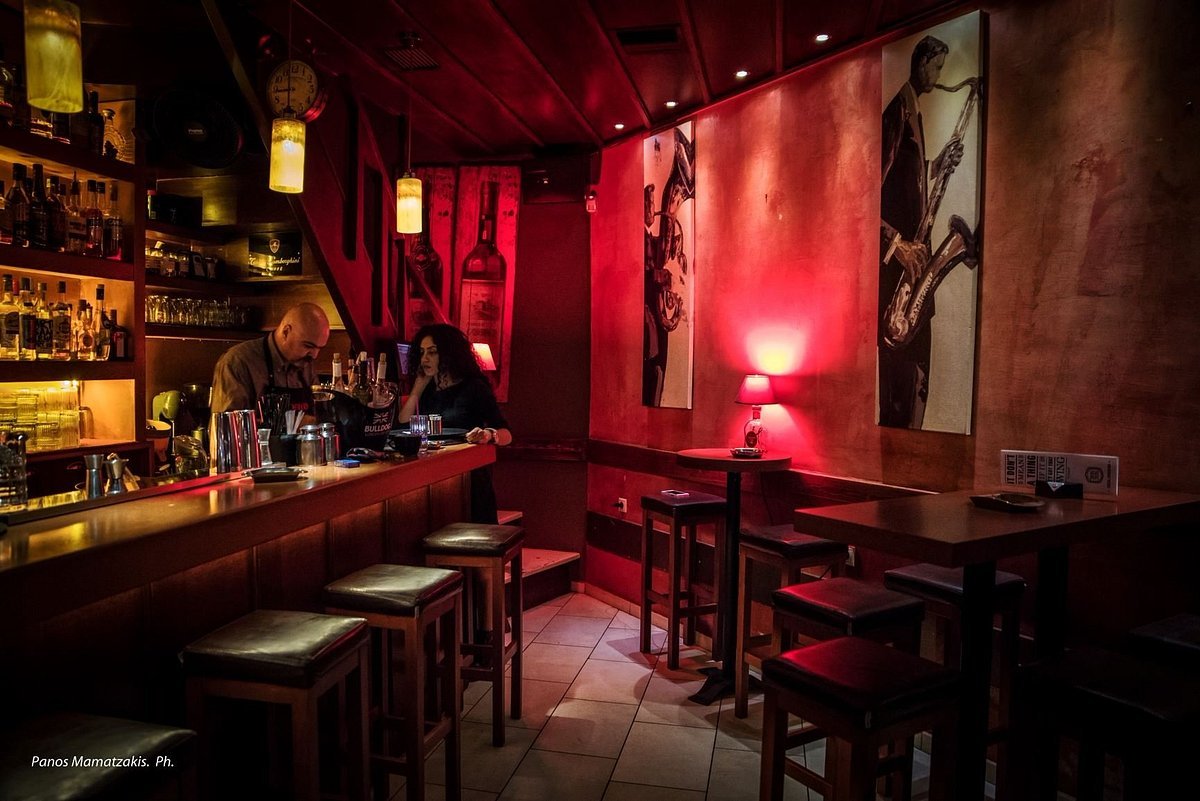
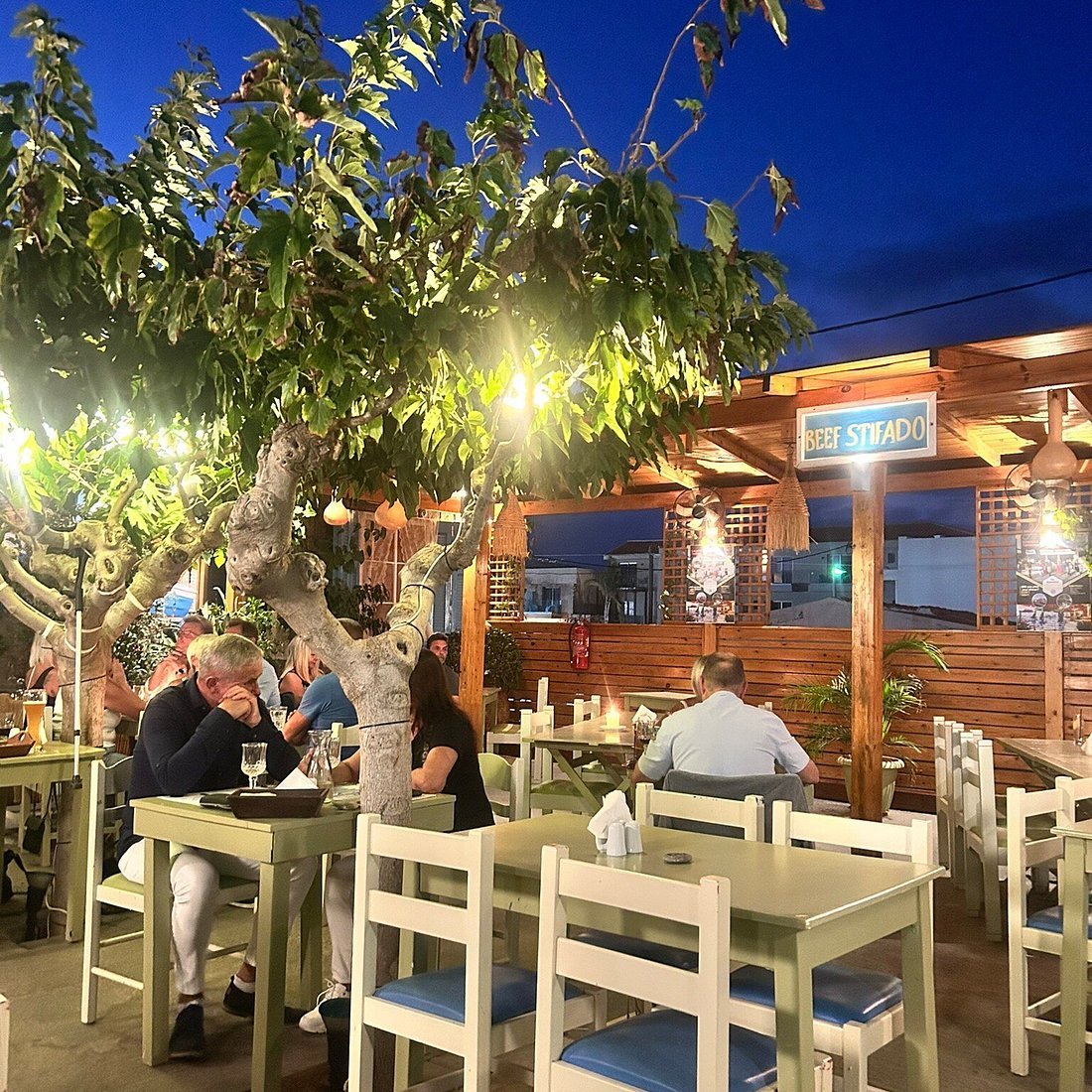
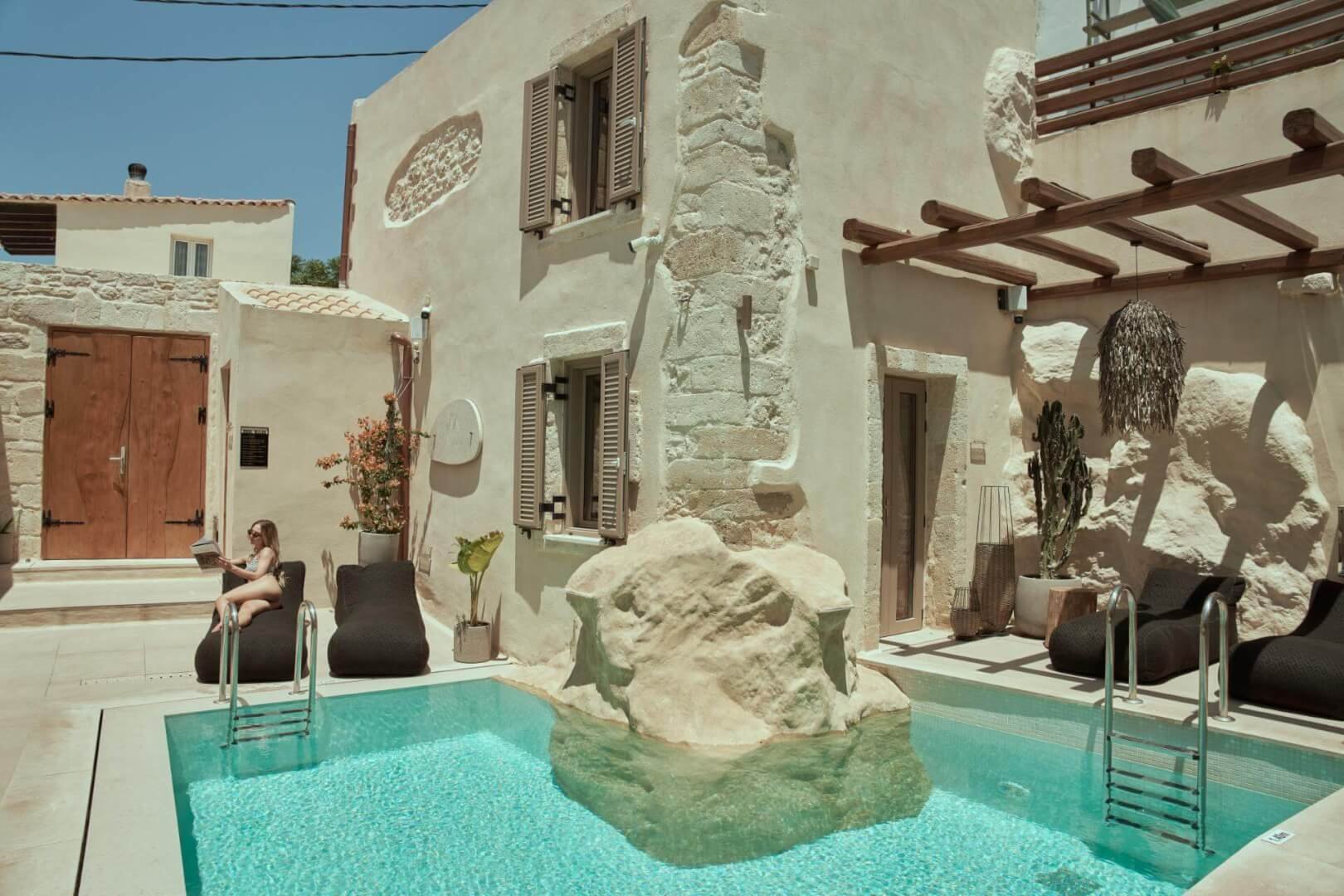
Cozy, beautifully decorated wooden house with nice family atmosphere, hospitable hosts, and views of surrounding hills.