
Douloufakis Winery operates from Dafnes, a village in central Crete's PDO Dafnes zone, where indigenous Liatiko vines produce wines that reflect the island's sun-baked limestone terroir. For visitors to Crete with an interest in native varietals, Dafnes offers a quieter counterpoint to the island's more tourist-heavy destinations.
Pearl is the En Primeur Club membership app — saves, bookings, and concierge access live there. Same editors, same standards.
- Address
- Dafnes 700 11
- Phone
- +30 281 079 2017
- Website
- douloufakis.wine
- Directions
- Get directions
 Saves & bookings on Pearl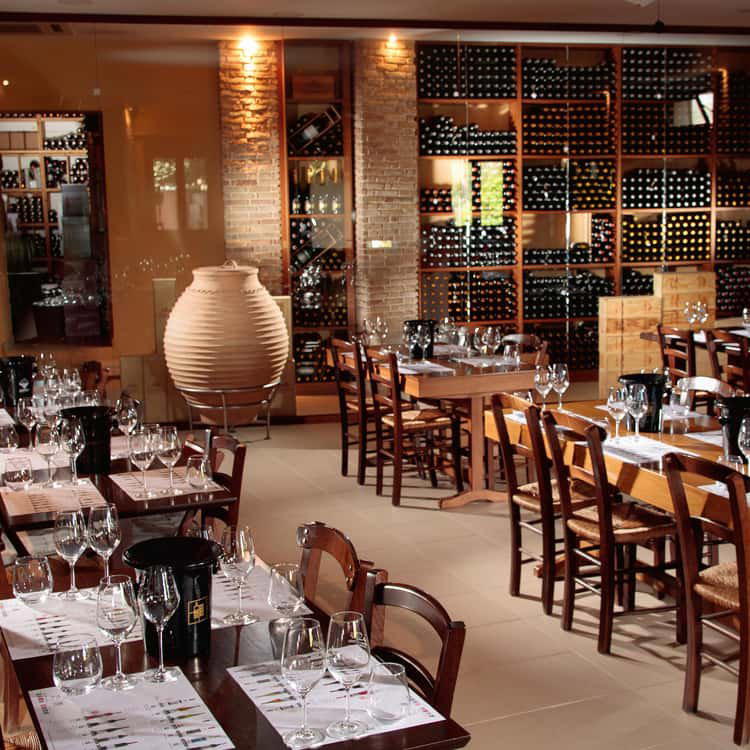
Crete's Interior Wine Country, and Where Dafnes Fits In
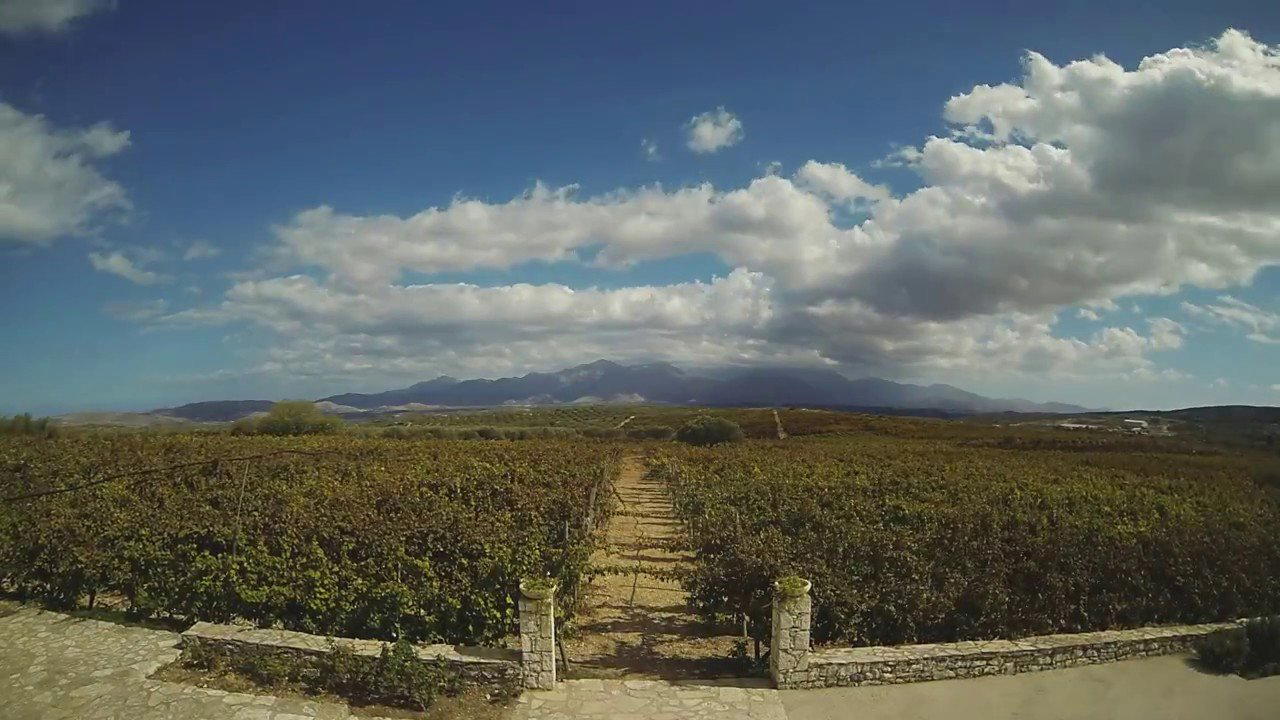
Most visitors to Crete encounter the island through its coastline — the harbour towns, the beach resorts, the well-worn Heraklion circuit. Central Crete's wine villages occupy a different register entirely. The plateau villages south of Heraklion sit at altitude, shaded by the foothills of the Psiloritis range, and grow grapes that have been documented on this island since antiquity. This is not a region built around wine tourism infrastructure; the vineyards here predate the concept. The PDO Dafnes designation covers a small zone centred on the village of the same name, and it is almost entirely defined by a single grape: Liatiko.
Liatiko is one of those varietals that rewards attention and confounds generalists. It produces wines with relatively low tannins, a translucent ruby colour, and an aromatic profile that can run from dried red fruit to earthy, almost saline undertones depending on site and elevation. In the wrong hands it can read as thin; in the right ones it expresses a minerality that speaks directly to Crete's limestone-heavy soils and long, dry growing seasons. The PDO Dafnes rules require a minimum 80% Liatiko for red wines, which makes the appellation unusual in modern Greek viticulture — this is not a region where international varieties have colonised the conversation.
Douloufakis Winery in Context
Douloufakis Winery is based in Dafnes village itself, at the address 700 11, placing it at the geographic centre of this small appellation. That kind of credentialling matters in a country where the wine scene has stratified considerably over the past decade: Greece now has a recognisable group of producers operating at international standard, a broader mid-tier, and a large number of local producers making wines that rarely leave their region.
For context on what that positioning means across the broader Greek wine circuit, it is worth noting how Dafnes relates to other Greek appellations. Nemea, in the Peloponnese, operates a well-established Agiorgitiko circuit with deep export networks, you can see that tier represented by producers like Acra Winery in Nemea. The northern appellations around Naoussa and Amyntaio, where producers like Alpha Estate in Amyntaio and Artisans Vignerons de Naoussa in Stenimachos operate, have built strong cases around Xinomavro. Crete's own Heraklion plateau has a different argument to make, older vine stock, a heat-accumulation pattern unlike anywhere else in Greece, and a native variety that does not translate easily to other soils. Douloufakis works squarely within that Cretan argument.
Terroir: What Dafnes Soil and Climate Actually Produce
The soils around Dafnes are predominantly limestone and clay, well-drained and warm, with the kind of reflective heat retention that pushes sugar accumulation in Liatiko while the altitude, the village sits at roughly 400 metres above sea level, preserves enough diurnal temperature variation to maintain acidity. This combination is what gives Dafnes wines their particular structure: ripe without being heavy, with a freshness that pure lowland production at those sugar levels would not achieve.
Liatiko's low tannin structure means it does not age in the same way as Cabernet or Xinomavro; the wines tend to reward drinking earlier and show their terroir character more through aromatic expression and texture than through grip or tannin development. This is partly why Dafnes as an appellation has stayed niche, the grape resists the kind of extraction-heavy winemaking that produces internationally recognisable, shelf-readable wines. Producers who work with it well have generally accepted that they are making something regional and specific rather than something designed for generic international appeal.
For visitors interested in how Cretan terroir compares across different islands and growing conditions, the volcanic basalt soils of Santorini offer an instructive contrast, Artemis Karamolegos Winery in Santorini represents that island's Assyrtiko tradition, where mineral salinity comes from entirely different geological origins.
Getting There and Planning a Visit
Dafnes sits roughly 15 kilometres south of Heraklion, making it accessible as a half-day excursion from the island's main city without requiring a dedicated multi-day wine itinerary. The village itself is small, and unlike Santorini's Pyrgos or the better-known wine villages of Cephalonia, it does not have an established tourist infrastructure of tasting rooms, wine bars, or converted estate restaurants. This works in two directions: the experience is quieter and less curated than more tourist-facing wine regions, but it also means visitors should confirm visit logistics directly before arrival.
The broader region rewards those willing to move away from the coastal circuit. Other Greek producers working in less-visited terroirs, like Abraam's Vineyards in Komninades, Anatolikos Vineyards in Xanthi, and Akrathos Newlands Winery in Panagia, demonstrate how Greece's wine geography extends well beyond its internationally marketed appellations. Dafnes operates in that same register: a zone where the wine makes a regional argument rather than an international one, and where the visit is more about place than performance.
Visitors coming from outside Greece who are building a broader itinerary around serious wine tourism might also find useful reference points in producers outside the Greek system entirely. Accendo Cellars in St. Helena and Aberlour in Aberlour represent entirely different traditions, but the pattern of terroir-committed production at small scale recurs across all three. Closer to home, producers like Achaia Clauss in Patras and Aiolos Winery in Palaio Faliro offer a sense of how different Greek regions have built their identities, while Aoton Winery in Peania and Avantis Estate in Chalkida show the range of mainland Attica and central Greece production. For those interested in Greek spirits as part of a broader trip, Apostolakis Distillery in Volos rounds out the picture of the country's fermented and distilled traditions.
Recognition history
Dated appearances from independent guides and award organizations, with the underlying list record or original source where available.
Falstaff Winery - Listed
Falstaff
Continue exploring
More in Dafnes
Wineries in Dafnes
Browse all →
Bars in Dafnes
Browse all →
Restaurants in Dafnes
Browse all →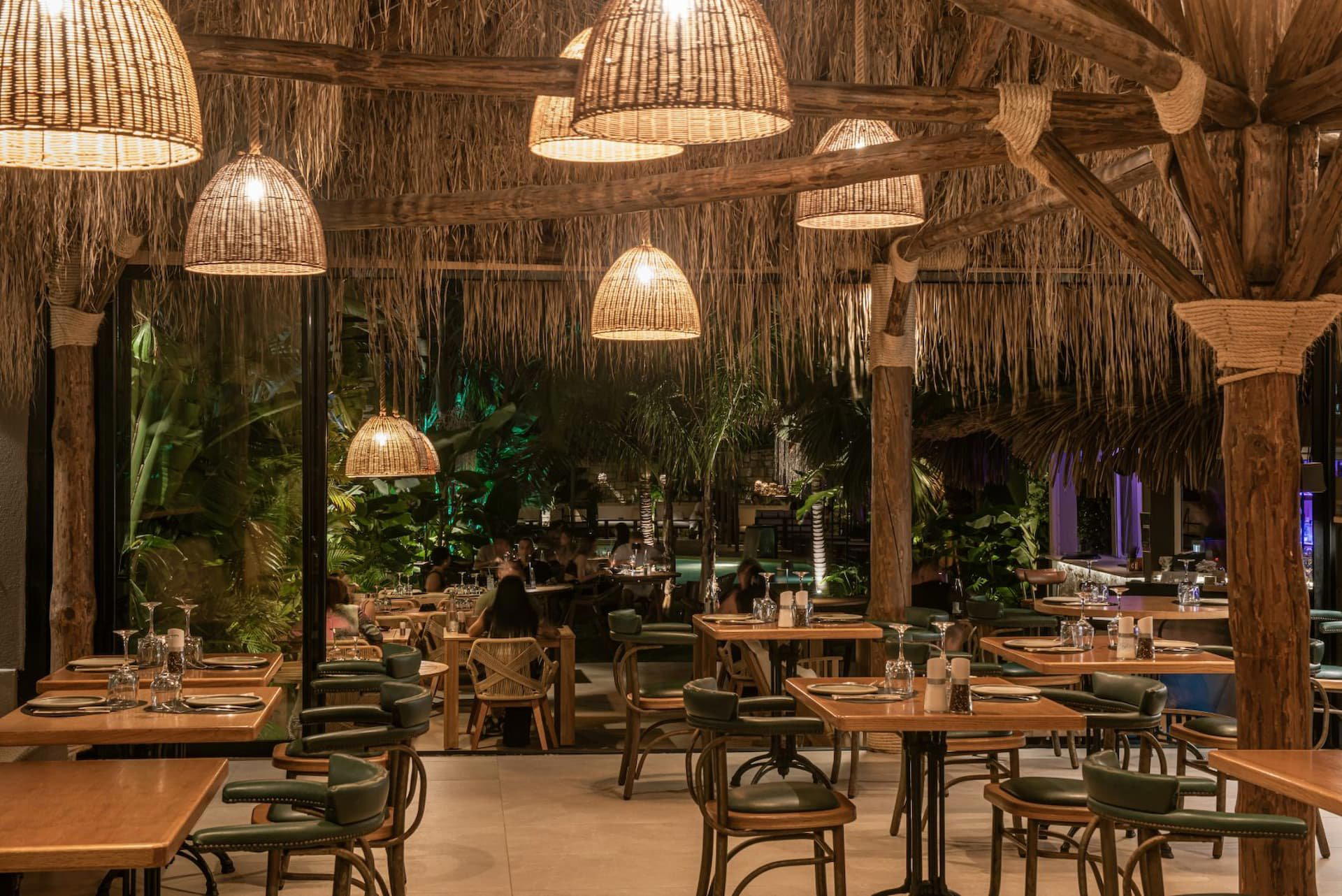
At a Glance
- Rustic
- Scenic
- Cozy
- Classic
- Wine Education
- Solo Exploration
- Group Outing
- Vineyard Tour
- Estate Grounds
- Terrace
- Organic
- Vineyard
- Mountain
- Dafnes PDO
- Vidiano
- Liatiko
- Vilana
- Kotsifali
- Syrah
- Cabernet Sauvignon
- Chardonnay
- Sauvignon Blanc
- Still White
- Still Red
- Wine Tasting
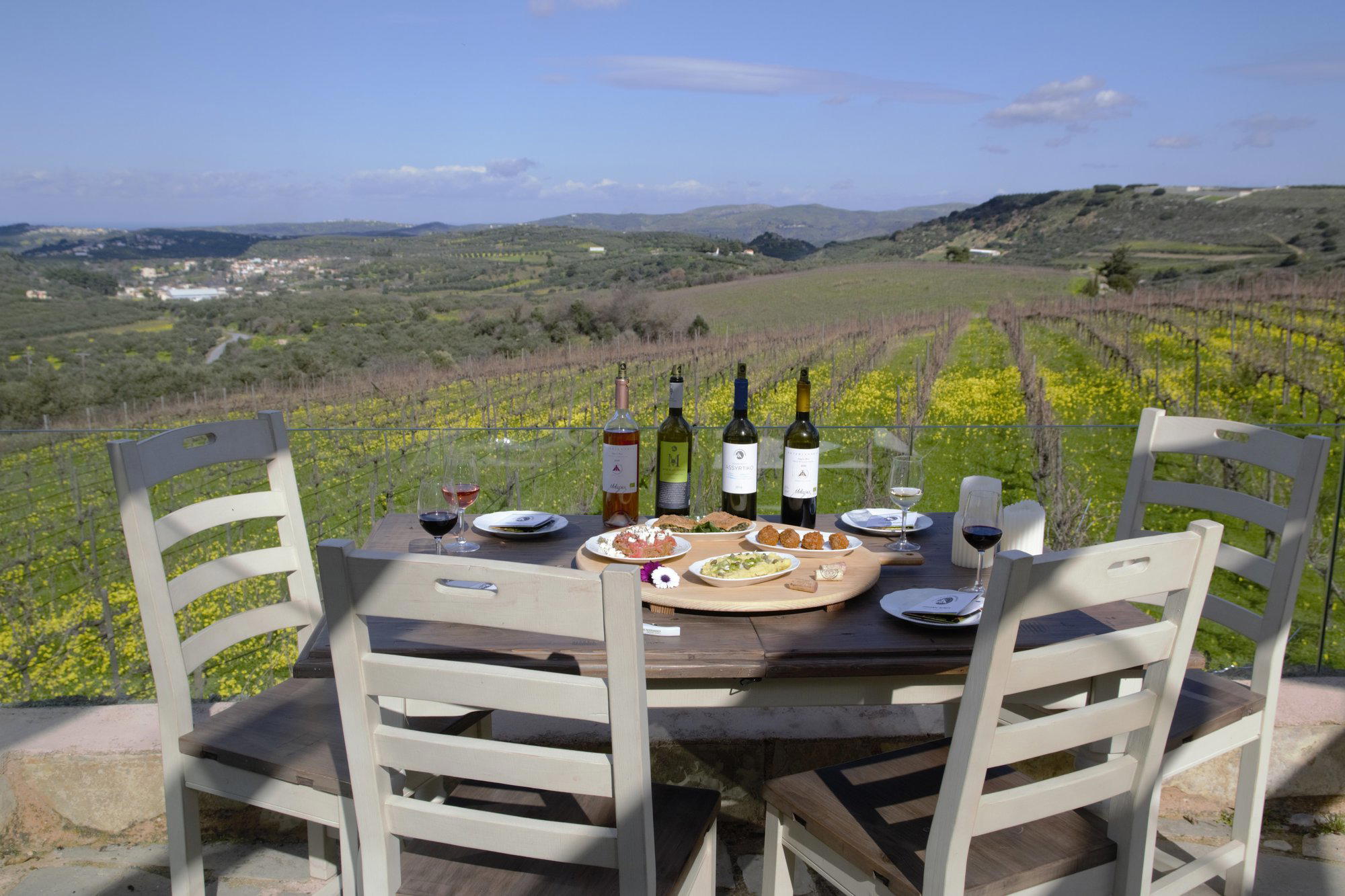
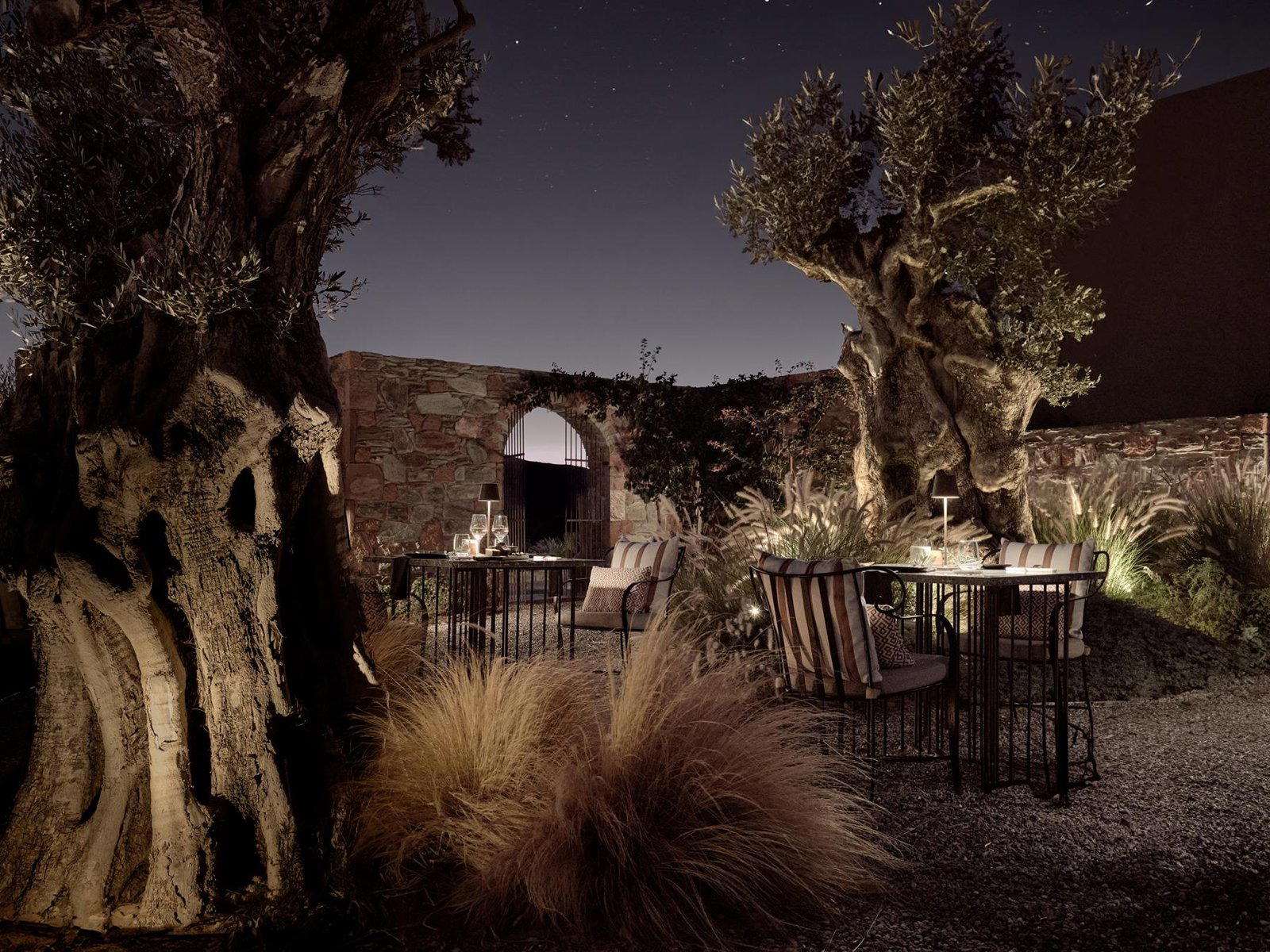
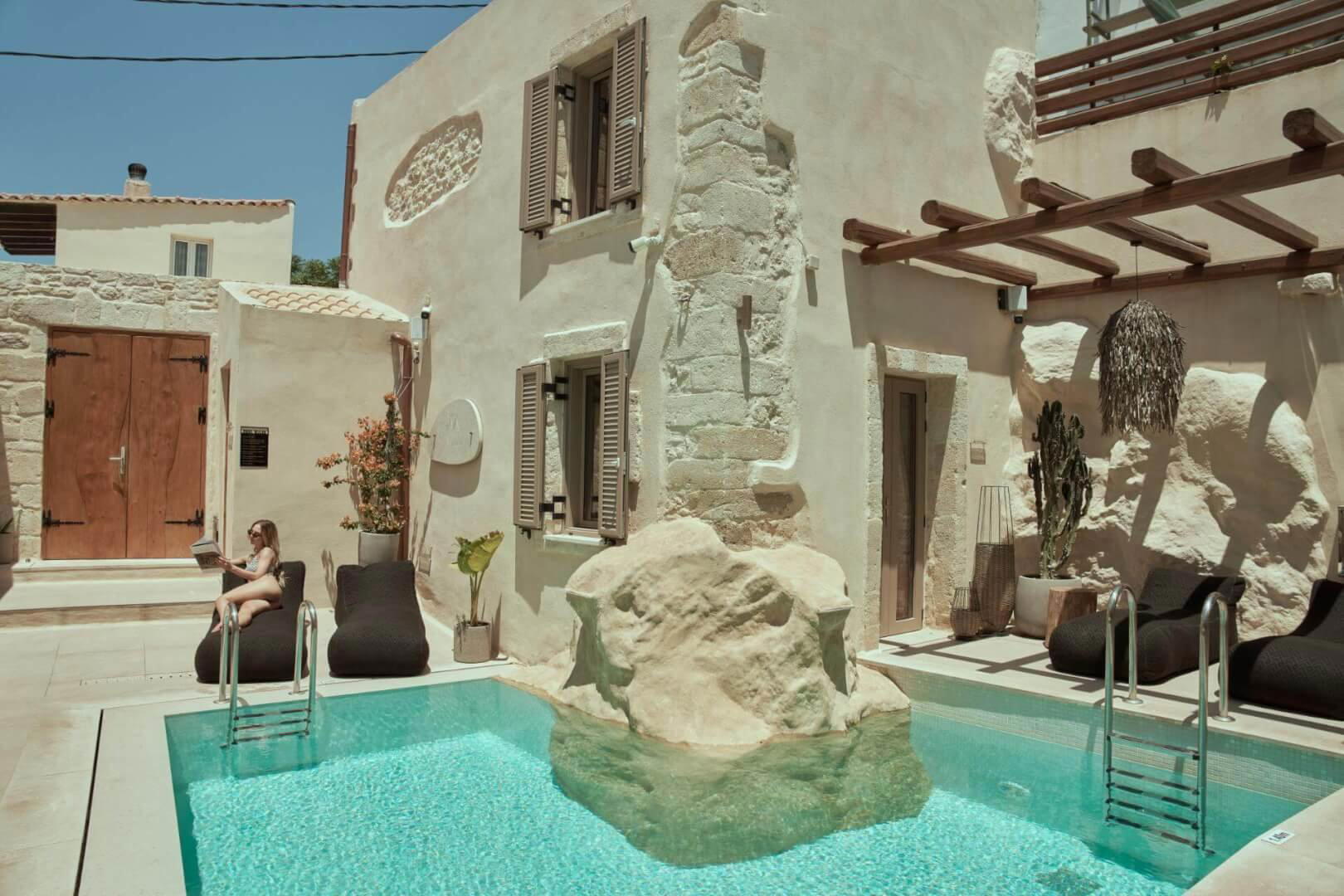
Rustic charm featuring stone walls and wooden beams in a serene, harmonious tasting room with vineyard views.