
Bodega Otronia operates from Sarmiento in Patagonia's Chubut Province, among the more climatically extreme wine-producing addresses in Argentina.
Pearl is the En Primeur Club membership app — saves, bookings, and concierge access live there. Same editors, same standards.
- Address
- Sarmiento, Chubut Province
- Phone
- +541147351016
- Website
- otronia.com
- Directions
- Get directions
 Saves & bookings on Pearl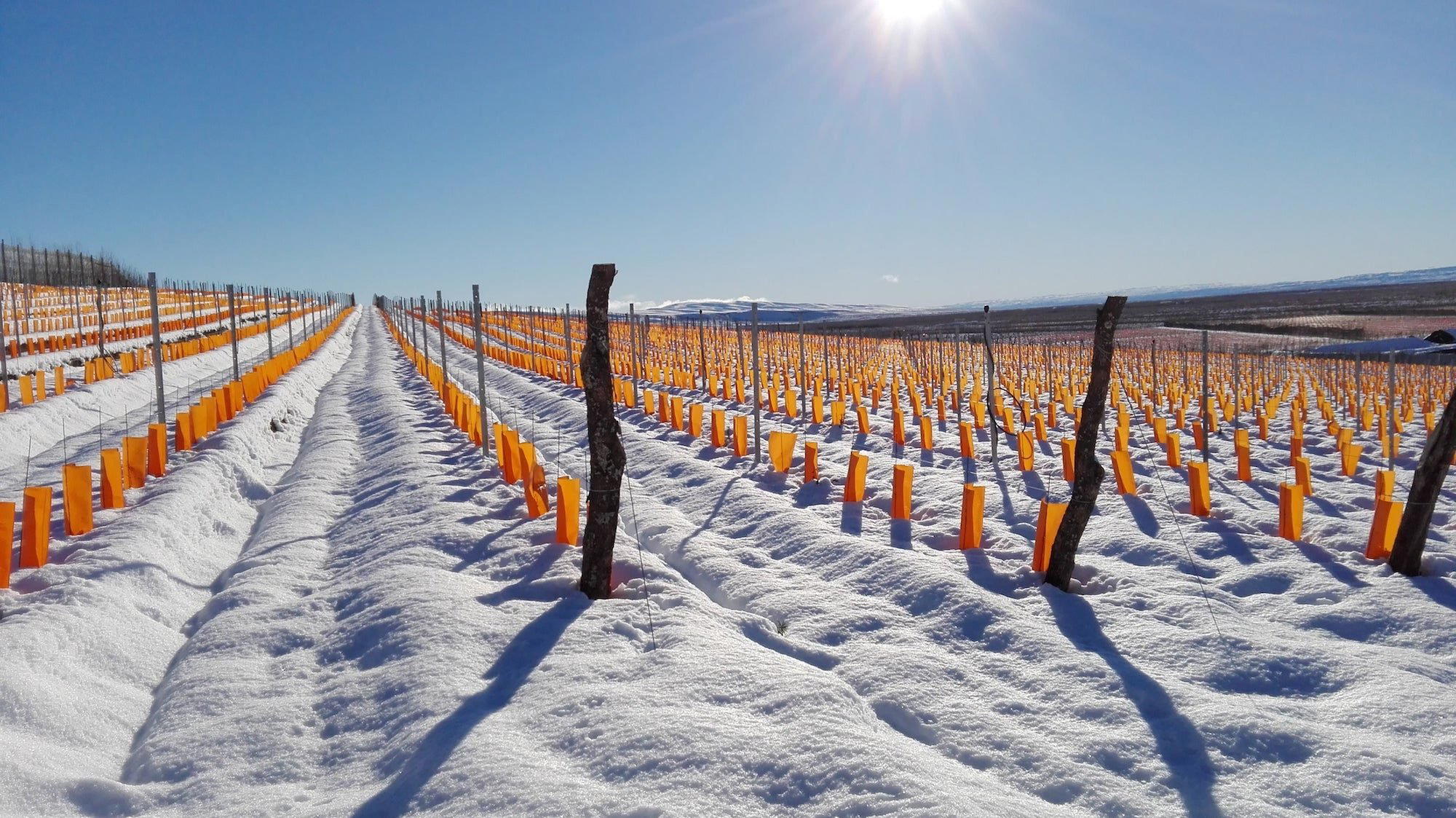
Where Patagonia Ends and the Vine Begins
Approach Sarmiento from the steppe and the landscape gives you nothing to hold onto: flat, wind-scoured plains under a sky that feels too large for the horizon beneath it. Chubut Province sits at latitudes that most winemakers would consider inhospitable, and that is precisely the point. The same climatic severity that discourages casual agriculture forces the vine to dig deep, ripen slowly, and produce fruit with an intensity that warmer, more forgiving terroirs rarely generate. Bodega Otronia works within that severity rather than against it, and the wines carry the mark of that decision.
This is not a story about Argentina's established wine identity. The Mendoza corridor, from the altitude-driven reds of Terrazas de los Andes to the polished output of Bodega Norton in Luján de Cuyo, defines what most international buyers expect from Argentine wine. Patagonian producers occupy a different register entirely: lower temperatures, longer growing seasons, soils shaped by glacial and volcanic processes, and a diurnal range that can swing dramatically between afternoon heat and near-freezing nights. Those conditions favour aromatic retention in white varieties and produce reds with firm structure and cooler-climate precision.
The Terroir Case for Chubut
Patagonian viticulture is still, in comparative terms, young. While the Río Negro Valley in neighbouring Neuquén Province drew attention first, Chubut has emerged as a site for producers willing to work at the margin of viable viticulture. The tradeoff is demanding: short growing windows, persistent Andean winds that necessitate careful canopy management, and frost risk that extends well into the calendar. What Chubut offers in return is a growing environment where the vine operates under genuine stress, building concentration and retaining the aromatic compounds that warmer harvests can lose to rapid ripening.
Sarmiento itself sits in the interior of Chubut, removed from the Atlantic moderating influence that shapes coastal Patagonian microclimates. The result is a more continental pattern: hotter days, colder nights, and a dryness that naturally limits disease pressure and reduces the need for intervention in the vineyard. For producers working within a minimal-intervention framework, that dryness is a structural advantage. Compare this with the northwest Argentine approach at a producer like Bodega Colomé in Molinos, where altitude does the climate work, and the contrast clarifies what makes Patagonia's southern vineyards a distinct proposition.
That recognition, applied to a Chubut operation, is a signal worth reading carefully: the awards infrastructure for Argentine wine has historically concentrated on Mendoza and, to a lesser extent, Salta and Neuquén.
Patagonian Wine in Its Competitive Context
To understand where Otronia sits, it helps to map the broader Argentine premium wine field. The Mendoza producers that dominate export conversations, from the family-owned depth of Escorihuela Gascón in Godoy Cruz to the structured programs at Bodega Antigal in Maipú and Bodega Bressia in Agrelo, are largely working with Malbec as their primary identity grape. The Salta corridor, anchored by producers like Bodega El Esteco in Cafayate, has built its reputation on high-altitude Torrontés and structured Malbec from thin, rocky soils.
Patagonian producers operate with a different varietal logic. Pinot Noir and Malbec both perform in Patagonia, but with character profiles that diverge from their Mendoza expressions: lower alcohol, firmer acidity, and a structural restraint that positions them differently on international tables. White varieties, particularly those that benefit from long hang time and cool nights, also find a strong argument in Patagonian conditions. The critical challenge for producers in this region has been achieving the distribution and critical visibility that Mendoza commands almost automatically.
For a broader map of how Argentine wine ambition has spread geographically, the contrast with Neuquén-based producers like Familia Schroeder in San Patricio del Chañar is useful. Neuquén sits further north and at slightly less severe latitudes, giving its producers a marginally longer season and an earlier foothold in Patagonian wine credibility. Chubut represents the next step south, with all the difficulty and distinctiveness that implies.
Planning a Visit to Sarmiento
Sarmiento is not a wine-tourism hub in the way that Mendoza or Cafayate are. It is a small interior city in Chubut Province, reached most practically via Comodoro Rivadavia, which has the nearest significant airport and sits roughly an hour's drive to the east. The infrastructure around visiting is limited by design as much as geography: this is a producing operation in a remote environment, not a curated visitor circuit with tasting rooms and restaurant attachments. That remoteness is part of the proposition for those who make the journey.
Prospective visitors should approach via the winery's direct channels or through specialist Argentine wine tour operators who maintain relationships with Patagonian producers outside the Mendoza circuit. The visit is worth planning as part of a wider Patagonian itinerary rather than as a standalone day trip. Comodoro Rivadavia connects to Buenos Aires by air, making Chubut accessible from the capital without requiring an overland crossing of the full steppe.
Those building an itinerary across multiple Argentine wine regions can cross-reference producers across the country's full geographic range, from Rutini Wines in Tupungato and Bodega Trapiche in Mendoza's established heartland to Bodega DiamAndes in Tunuyán for a Bordeaux-influenced counterpoint. International comparisons stretch further: the cold-climate precision argument that Otronia makes in Patagonia has parallels in places as far removed as Accendo Cellars in St. Helena or single-malt production environments like Aberlour in Scotland, where extreme conditions and long maturation cycles produce concentrated, place-specific results. Even the Buenos Aires-based Fratelli Branca Distillery speaks to Argentina's wider tradition of producers using extreme raw material and patient process to build identity over time.
What the Rating Means in Practice
At this latitude and in this regulatory environment, achieving that consistency requires vineyard management discipline that goes beyond what more temperate producing regions demand. The recognition matters partly because it validates the southern Patagonian project as a serious wine address, and partly because it will likely bring the kind of buyer attention that small, remote operations rarely attract on their own. The wines to look for are those that carry the Chubut terroir argument most directly: structured, cool-climate expressions that could not come from anywhere further north on the Argentine map.
A Quick Peer Check
Comparable venues nearby, for context on price, style, and recognition.
| Venue | Cuisine | Price | Notes |
|---|---|---|---|
| Bodega OtroniaThis venue — the venue you are viewing | Pinot Noir, Chardonnay | $$ | Not listed |
| Destilería El Alquimista | Winery | Not listed | Salta |
| Fernet Vittone Distillery | Winery | Not listed | Villa Mercedes |
| Destilería TAVASA | Winery | Not listed | Buenos Aires |
| Restinga Gin Distillery | Mar del Plata | $$ | Coronel Vidal |
| Bosque Craft Gin | Winery | Not listed | Neuquén |
Recognition history
Dated appearances from independent guides and award organizations, with the underlying list record or original source where available.
Falstaff Winery - Listed
Falstaff
At a Glance
- Rustic
- Scenic
- Intimate
- Wine Education
- Solo Exploration
- Vineyard Tour
- Estate Grounds
- Organic
- Vineyard
- Chubut
- Pinot Noir
- Chardonnay
- Pinot Gris
- Gewürztraminer
- Merlot
- Malbec
- Torrontés
- Riesling
- Still White
- Still Red
- Sparkling
- Estate Tasting
Cool, windy Patagonian atmosphere with a focus on natural terroir expression through elegant, fresh wines aged in oak foudres.