
Falstaff Winery - Listed
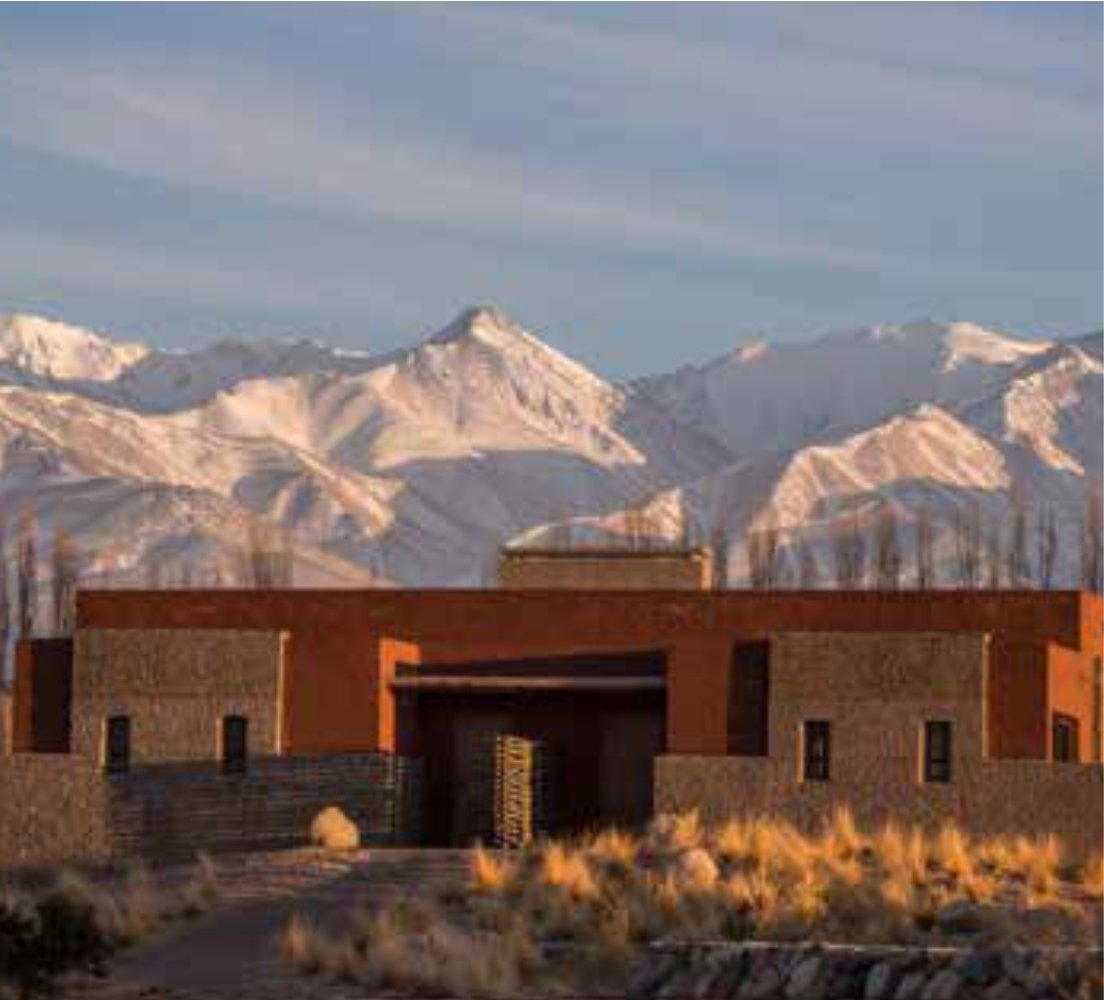
Bodega La Azul sits in the high-altitude Valle de Uco, where the Andes define both the terrain and the character of what ends up in the glass.. It warrants attention from anyone tracing Tupungato's rise through Mendoza's upper tier.

Pearl is the En Primeur Club membership app — saves, bookings, and concierge access live there. Same editors, same standards.
- Address
- Caminos del Vino, M5561 Tupungato, Mendoza
- Phone
- +54 9 2622 60-3443
- Website
- bodegalaazul.com
- Directions
- Get directions
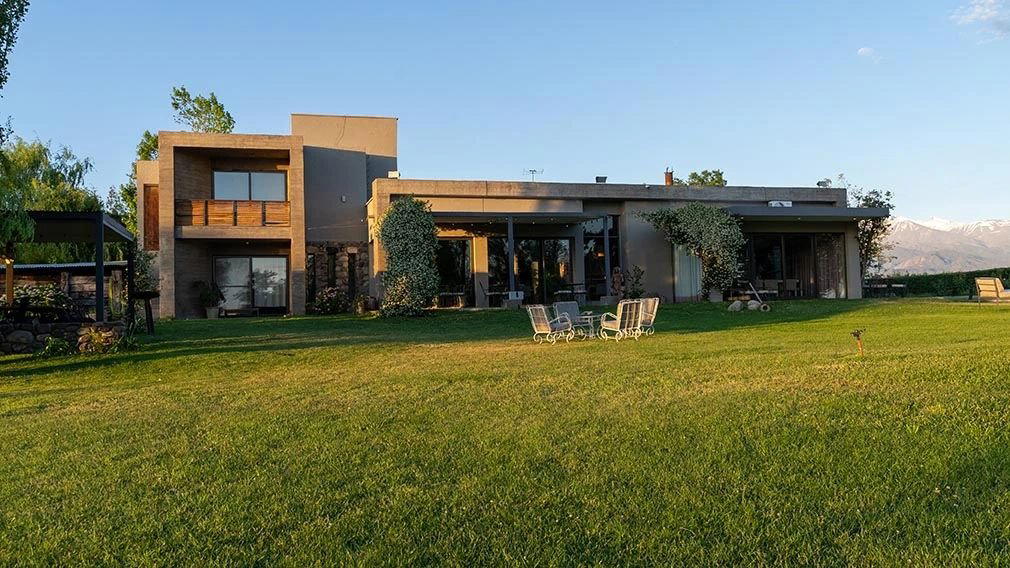
Where the Andes Set the Terms
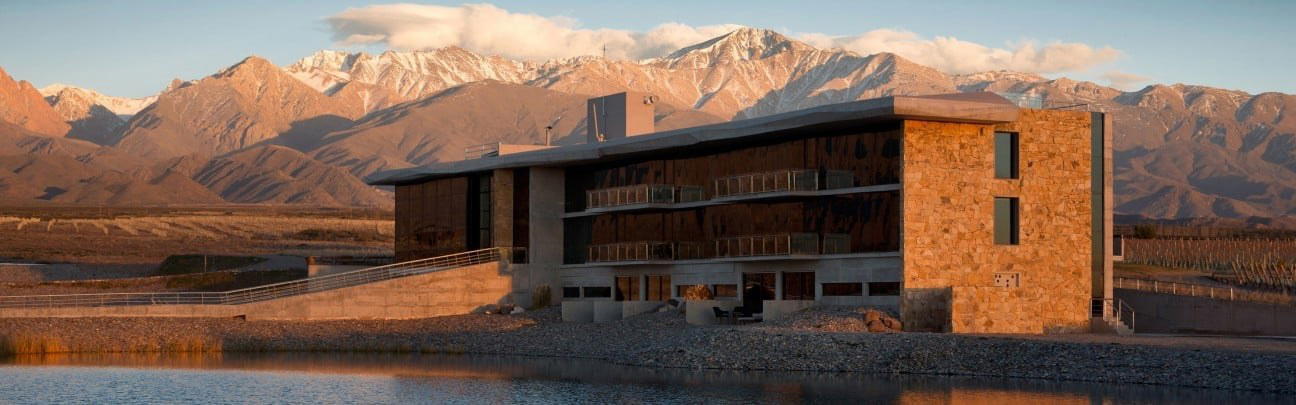
Approaching Tupungato from the valley floor, the landscape shifts in ways that are easy to underestimate. The air thins, the light becomes sharper, and the vineyards sit at elevations that would be considered extreme in most wine-producing regions on earth. At altitudes between 900 and 1,500 metres above sea level, the Valle de Uco operates under a fundamentally different agricultural logic than the warmer, lower-lying zones of greater Mendoza. The temperature differential between day and night here can exceed 20 degrees Celsius, a swing that forces grape skins to thicken, concentrates aromatics, and preserves acidity in ways that no winemaking intervention can replicate after harvest. Bodega La Azul is addressed on the Caminos del Vino route through Tupungato, placing it within that high-altitude corridor where origin is not a marketing claim but a measurable physical condition.
The Valle de Uco's elevation is only part of the explanation for why serious producers have moved here over the past two decades. The soils matter equally. Alluvial deposits from Andean melt combined with volcanic ash layers create a substrate that stresses vines in productive ways, limiting yields and pushing root systems deep. This is the same broad terroir logic that drives interest in properties like Bodega DiamAndes and Bodegas Salentein, both of which have built reputations around Valle de Uco's capacity to produce wines with structural precision rather than ripe flatness. Bodega La Azul occupies this same geographic and qualitative argument.
The Ingredient Logic of High Altitude Viticulture
To understand what Bodega La Azul is producing, it helps to understand what Tupungato does to grapes as raw material. In warmer Mendoza zones, Malbec tends toward full-body fruit weight with lower natural acidity, requiring careful handling to avoid a one-dimensional result. At Tupungato's elevations, the same variety behaves differently: retention of tartaric acid is higher, the colour compounds are deeper due to UV intensity, and the window between phenolic ripeness and sugar accumulation is wider, giving winemakers more precision over when to pick. This is not simply a stylistic preference, it is an ingredient-first reality. What the vineyard delivers in Tupungato is chemically different from what arrives at lower-altitude facilities, and that difference is directly traceable in the finished wine.
This sourcing logic places Valle de Uco producers like Bodega La Azul in a distinct competitive tier from warmer-zone Mendoza operations. Properties in Luján de Cuyo, such as Bodega Norton, or in Godoy Cruz, such as Escorihuela Gascón, draw on different raw material. The comparison is instructive rather than hierarchical: different altitudes produce different styles, and Tupungato's claim is to a particular register of freshness and structural tension that the lower zones rarely achieve. Internationally, the closest analogues are high-altitude operations in northwest Argentina's Cafayate, where Bodega El Esteco draws on elevation above 1,700 metres, or in Patagonia, where Familia Schroeder works with cool-climate logic in San Patricio del Chañar.
A 2025 Prestige Recognition in Context
In the Valle de Uco, where several producers are competing for attention from the same internationally travelled audience, award recognition functions as a filtering signal.
For context, other Valle de Uco neighbours with whom Bodega La Azul shares both geography and competitive positioning include Antucura, Bodega Cuvelier Los Andes, and Bodega Monteviejo, all of which have built reputations in overlapping export markets. The Caminos del Vino route in Tupungato has become a structured way for visitors to compare this cluster of producers in a single trip, which makes the question of differentiation sharper: why one bodega over another on the same road? Award recognition provides a starting point for that judgment, even if the full answer lies in the glass.
Argentine wine recognition has broadened considerably in recent years, with international attention spreading beyond the historically dominant Napa-Bordeaux axis. High-altitude Malbec from Mendoza's sub-appellations now appears regularly in serious international wine programming, and operations like Bodega Colomé in Molinos and Rutini Wines in Tupungato have demonstrated that Argentine prestige can sit alongside productions from Napa operations like Accendo Cellars or European references like heritage producers in Aberlour as a legitimate choice for buyers at the premium tier.
Planning a Visit Along the Caminos del Vino
Bodega La Azul sits on the Caminos del Vino route through Tupungato, which is the practical spine of any Valle de Uco itinerary. The address places it within reach of the cluster of bodegas that have made this sub-region worth a dedicated trip rather than a single-stop detour from Mendoza city, roughly 80 kilometres to the north. Visitors approaching from Mendoza city typically drive south through San Carlos before reaching Tupungato, with the journey taking around 90 minutes depending on road conditions. The Caminos del Vino circuit is designed for self-guided touring, though several properties along the route request advance contact before visits. Given that specific booking details for Bodega La Azul are not listed publicly at time of publication, reaching the bodega directly or through a local wine tourism operator is the practical first step. The full Tunuyán restaurants and winery guide covers the broader visitor infrastructure in the area, including accommodation and dining options that make an overnight stay in the valley worthwhile.
The Valle de Uco rewards visits in shoulder seasons. March through May brings post-harvest calm after the intensity of February picking, and the vine colours during April make the visual experience of the valley distinctly different from the green summer months. Spring visits in September and October catch bud break and early canopy growth, which suits visitors more interested in the agricultural cycle than finished-product tastings. High summer, January through February, is harvest season for some varieties, which creates energy in the vineyards but often means reduced cellar-door availability as teams are in the field.
Category Peers
Comparable venues nearby, for context on price, style, and recognition.
| Venue | Cuisine | Price | Awards | Notes |
|---|---|---|---|---|
| Bodega La AzulThis venue — the venue you are viewing | Malbec, Cabernet Sauvignon | $20–30 | Falstaff Winery - Listed | Not listed |
| Bodega Piedra Negra | Malbec, Cabernet Sauvignon | Not listed | Falstaff Winery - Listed | Vista Flores |
| Bodega Zorzal | Malbec, Cabernet Sauvignon | $20–30 | Not listed | Gualtallary |
| Bodega Cuvelier Los Andes | Malbec, Cabernet Sauvignon | $50–100 | Not listed | Vista Flores |
| Finca La Celia | Malbec, Cabernet Sauvignon | Not listed | Not listed | Eugenio Bustos |
| Antucura | Malbec, Merlot | $10–20 | Not listed | Vista Flores |
Recognition history
Dated appearances from independent guides and award organizations, with the underlying list record or original source where available.
Falstaff Winery - Listed
Falstaff
Continue exploring
More in Tunuyán
Wineries in Tunuyán
Browse all →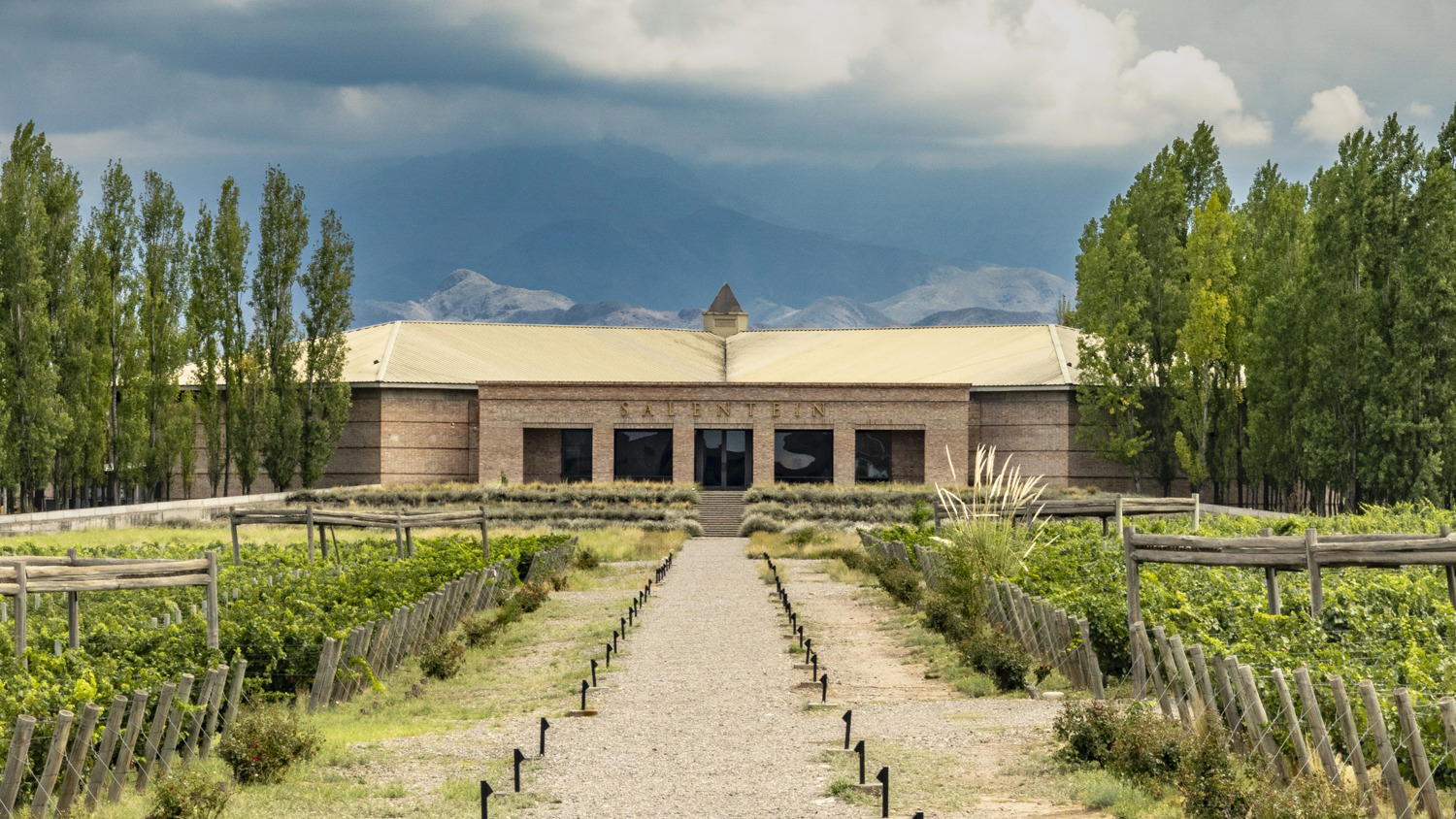
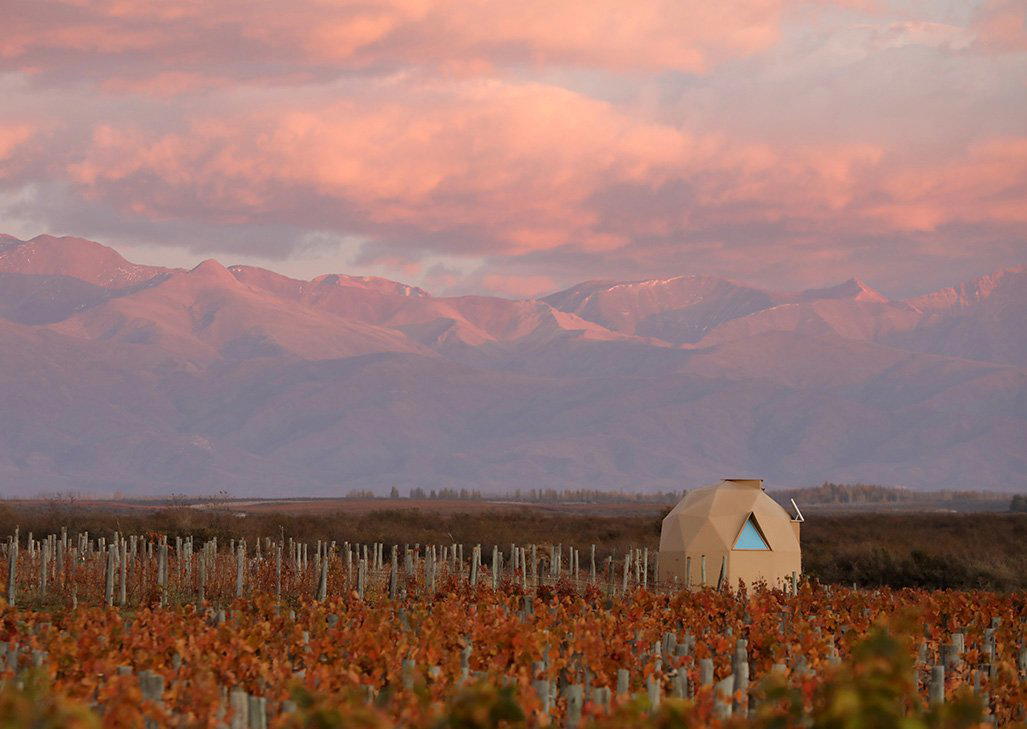
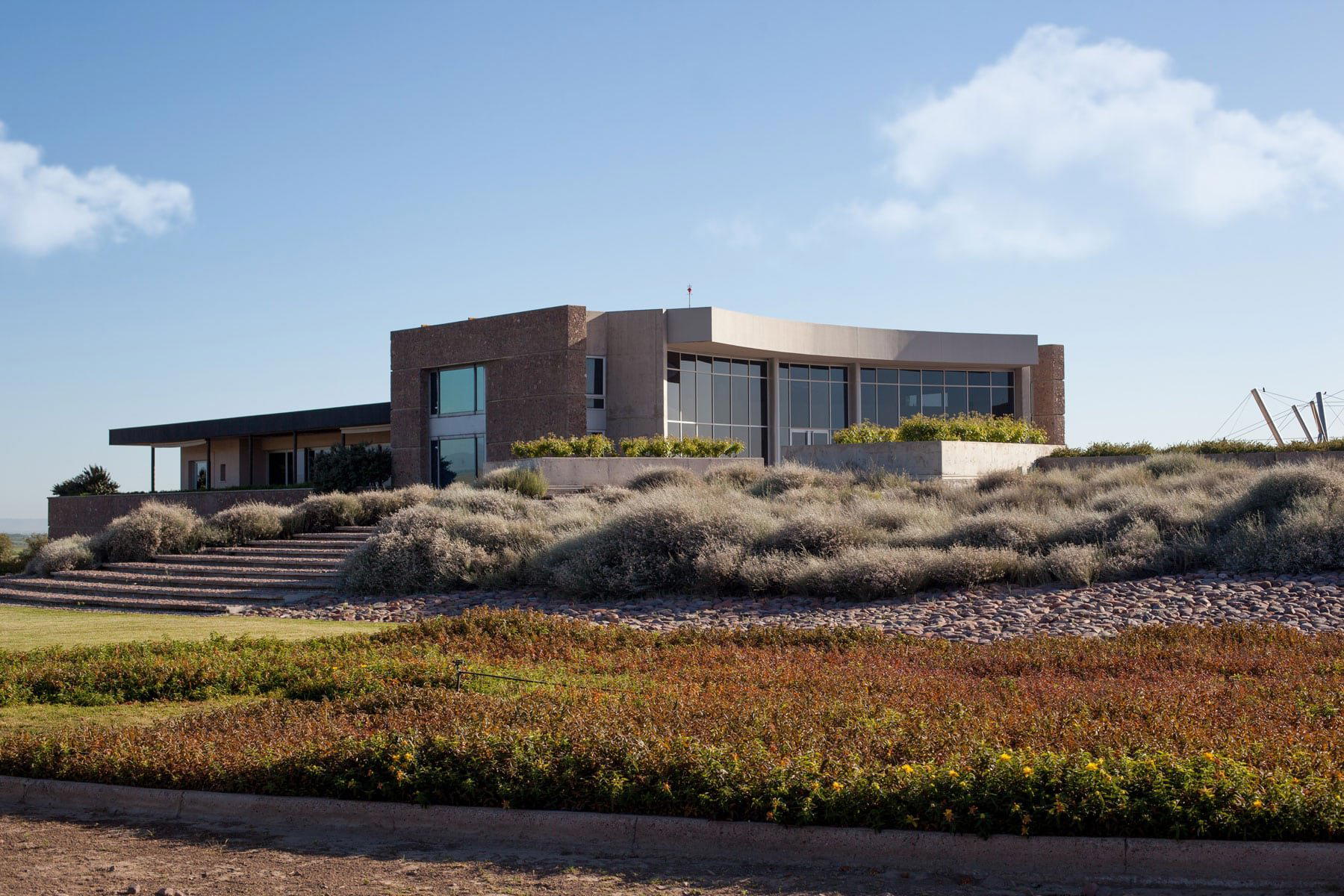
Bars in Tunuyán
Browse all →
Restaurants in Tunuyán
Browse all →
Details
- Rustic
- Scenic
- Cozy
- Wine Education
- Group Outing
- Special Occasion
- Vineyard Tour
- Estate Grounds
- Picnic Area
- Panoramic View
- Sustainable
- Mountain
- Vineyard
- Malbec
- Cabernet Sauvignon
- Syrah
- Sauvignon Blanc
- Still Red
- Cave Tasting
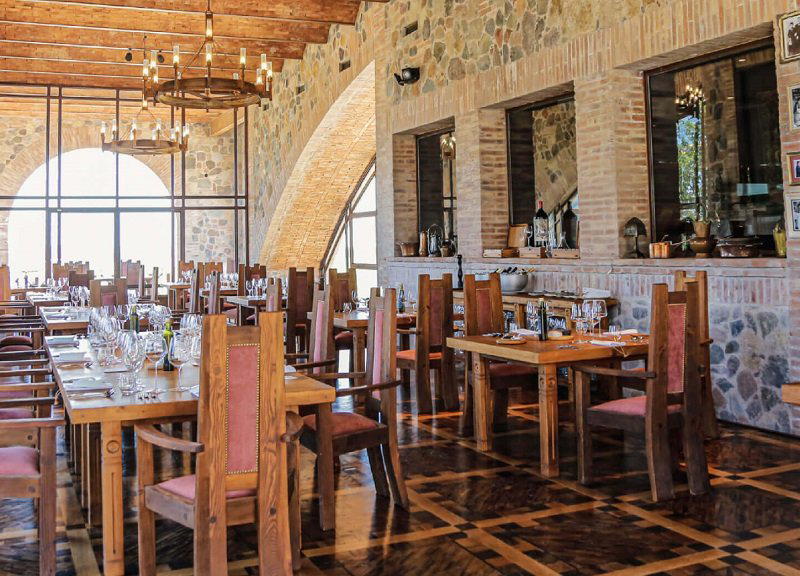
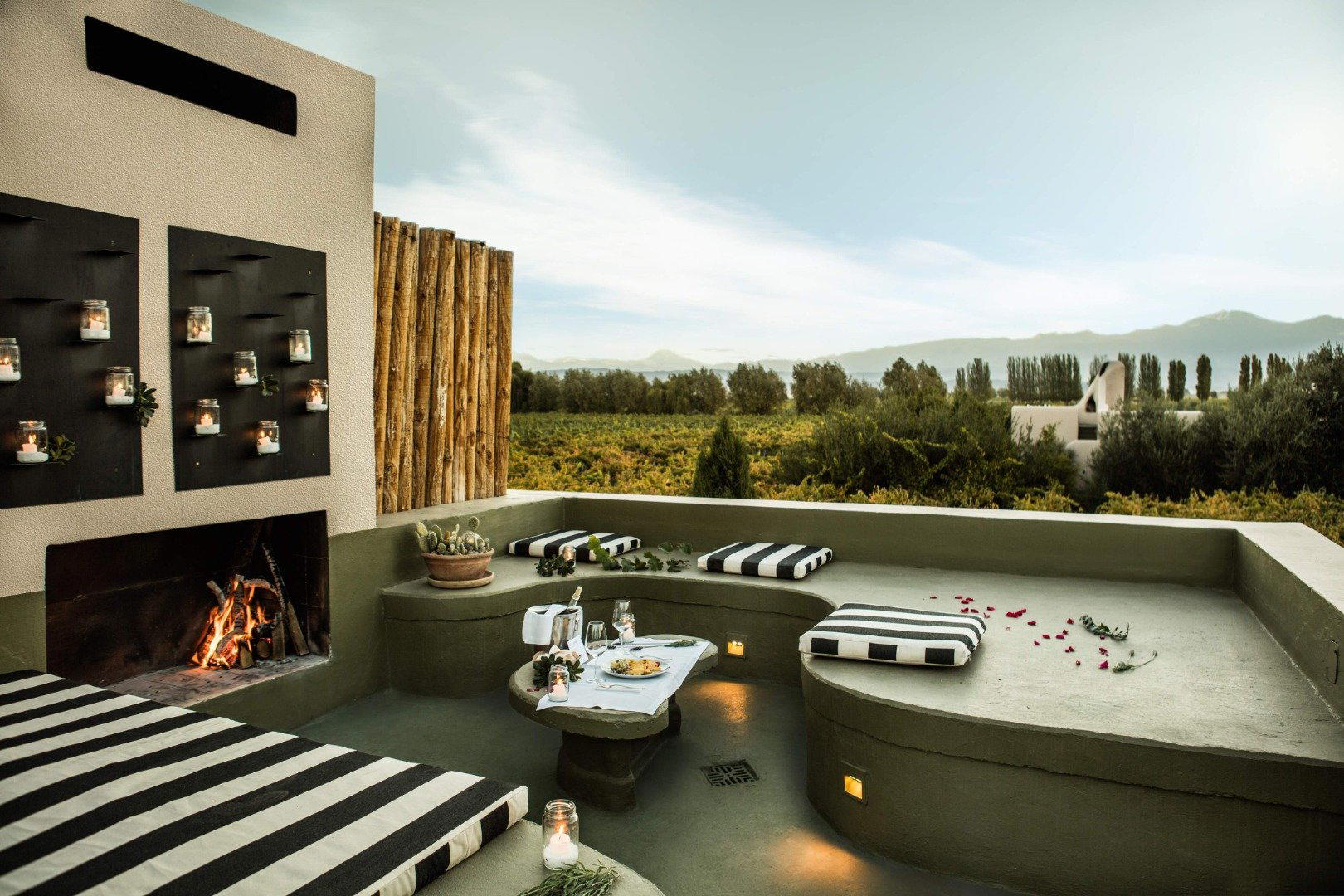
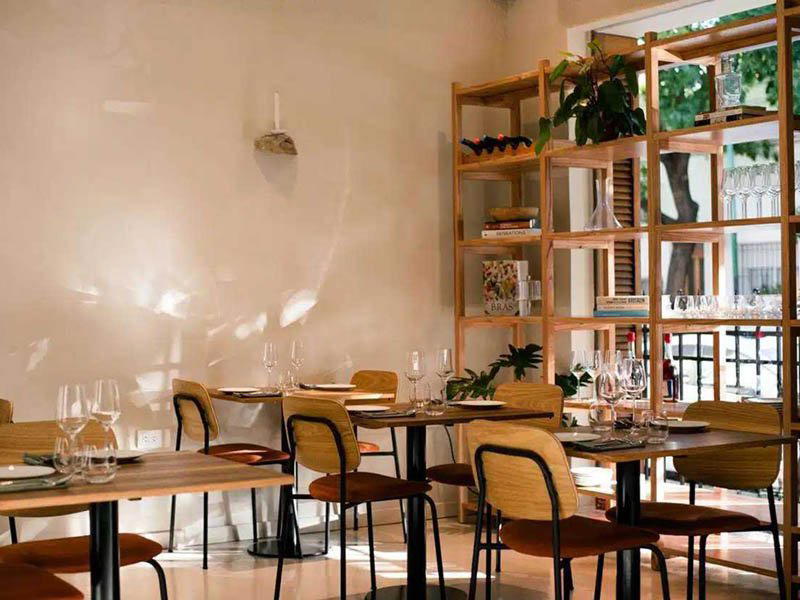
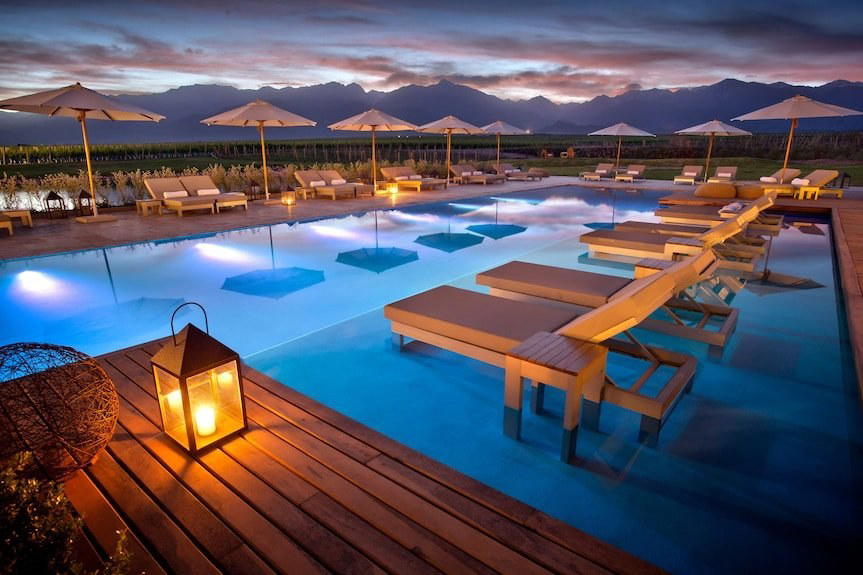
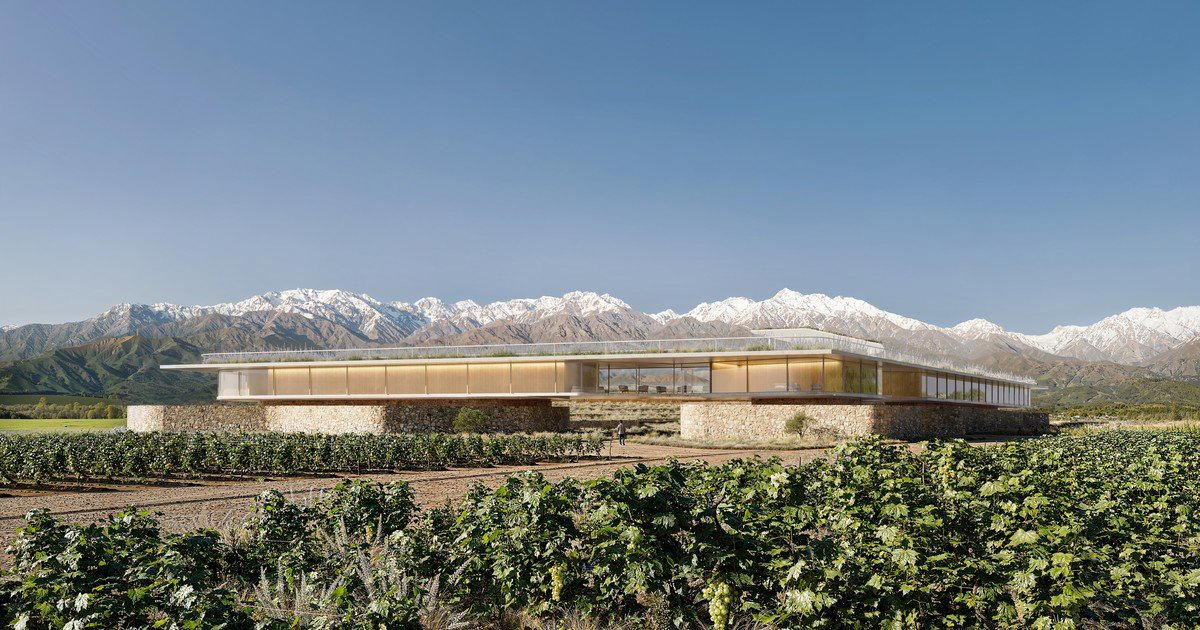
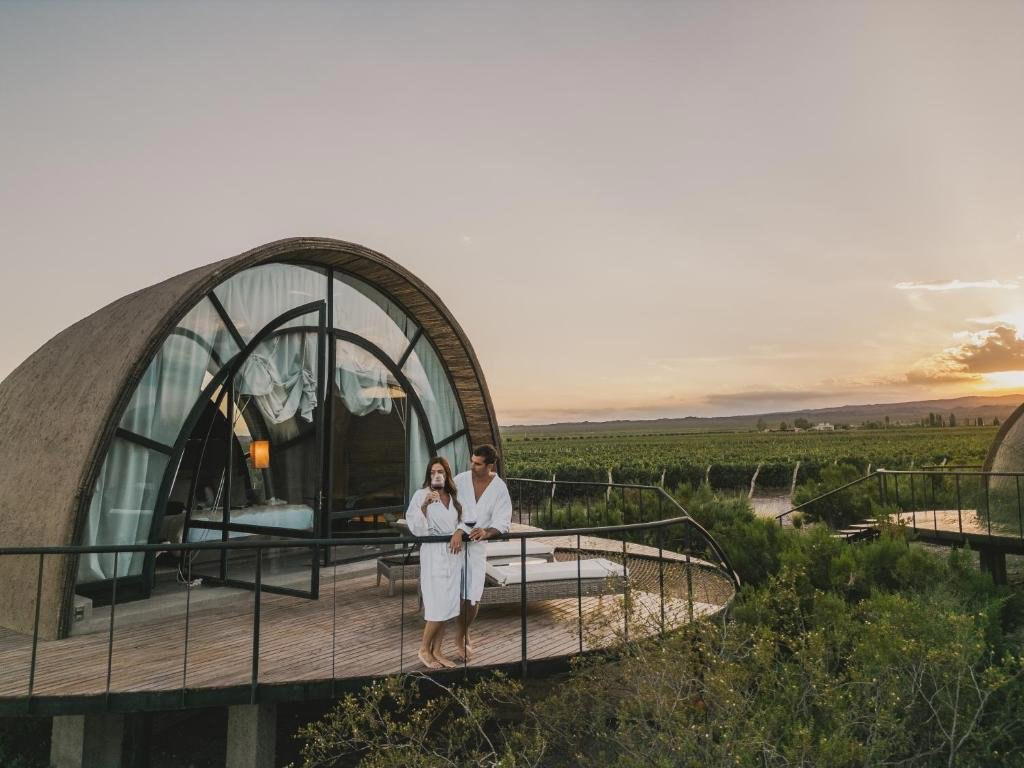
Relaxed and welcoming family atmosphere with warm hospitality, outdoor communal dining under dramatic Andean foothills.