Hotel & Spa Termas Cacheuta
Positioned at kilometre 38 on RP82 in the Andean foothills outside Luján de Cuyo, Hotel & Spa Termas Cacheuta sits where geothermal springs meet the Mendoza River canyon. The address places it well outside the wine country hotel circuit, in a more rugged therapeutic tradition that predates the region's modern luxury hospitality wave. For travellers treating Mendoza as a base for both wine country and mountain relief, the distance from the city is the point.
Pearl is the En Primeur Club membership app — saves, bookings, and concierge access live there. Same editors, same standards.
- Address
- RP82 Km 38, M5549 Luján de Cuyo, Mendoza, Argentina
- Phone
- +54 261 519 1676
- Website
- termascacheuta.com
- Directions
- Get directions
 Saves & bookings on Pearl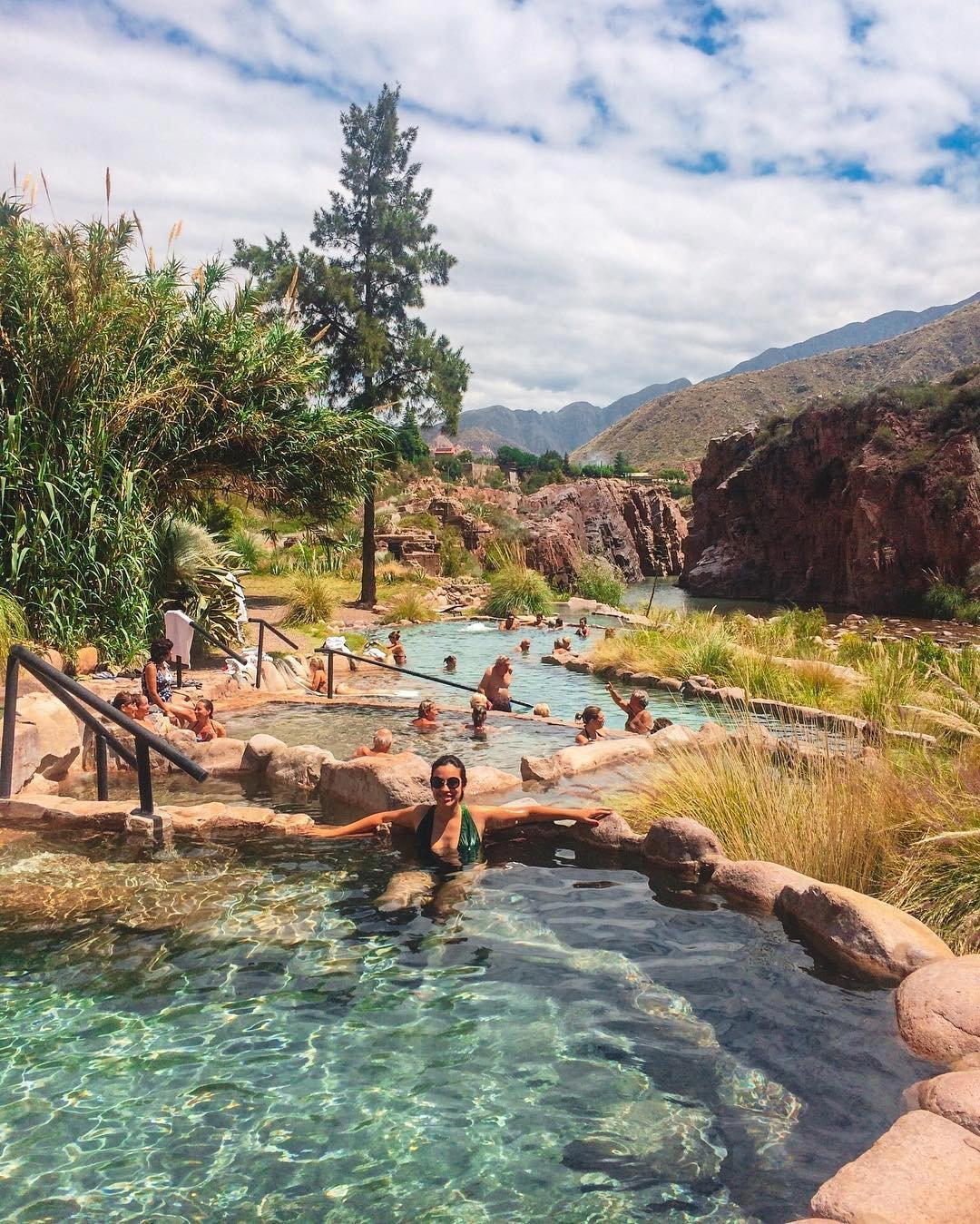
Where the Canyon Does the Work
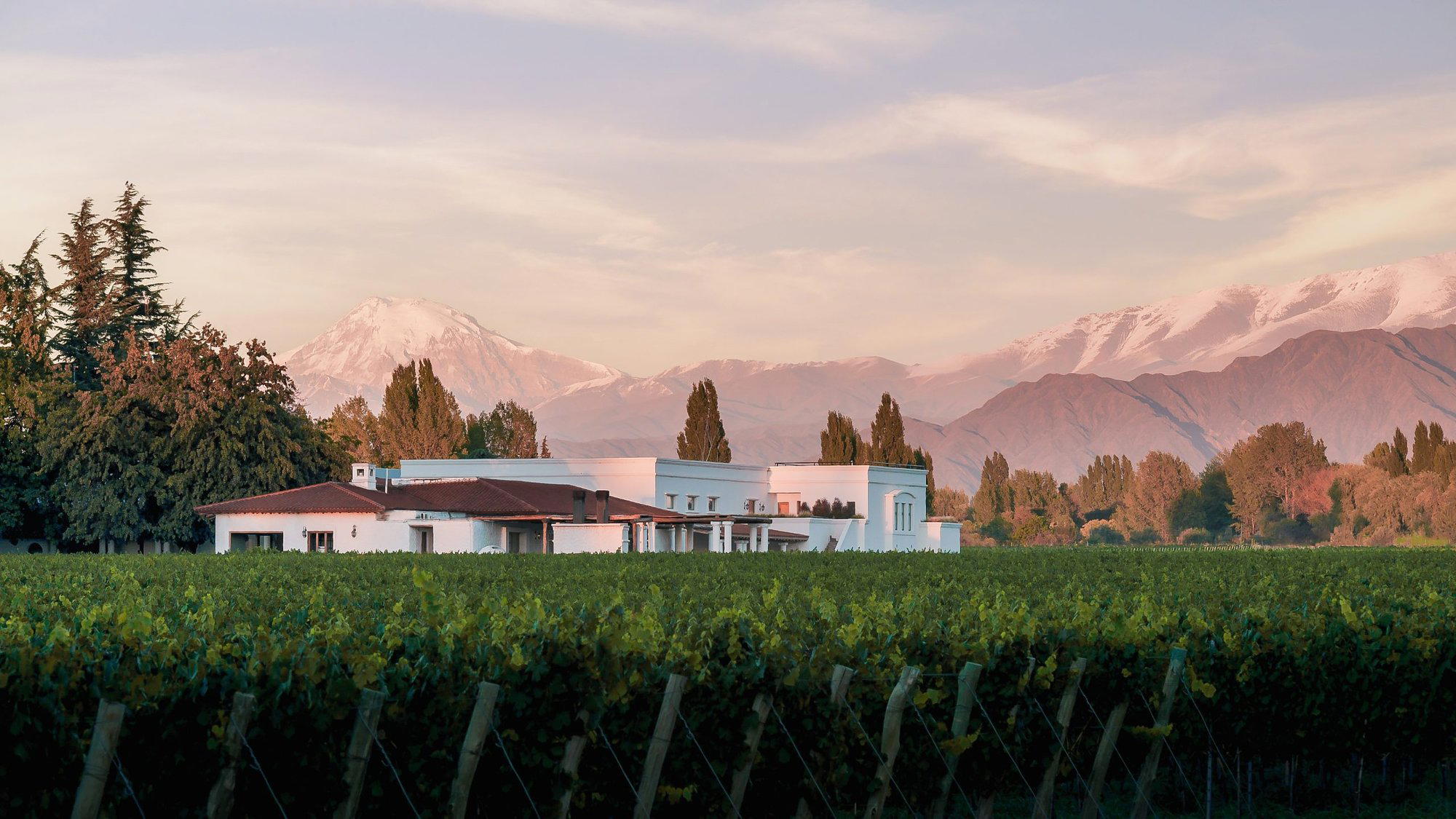
The road that leads to Termas Cacheuta is itself an argument for staying there. Provincial Route 82 cuts south-west from Luján de Cuyo into the Andean foothills, tracing the Mendoza River as the terrain shifts from irrigated vineyards to rock, scrub, and dry canyon walls. By the time the property appears at kilometre 38, the visual register has changed entirely: no manicured rows of vines, no majestic estate gates, just the stripped-down drama of an Andean gorge and the faint mineral scent that signals geothermal activity below. The address is not incidental to the experience here. It is the experience.
Mendoza's hotel scene has stratified considerably over the past decade. Wine-country properties such as Entre Cielos Luxury Wine Hotel & Spa and Awasi Mendoza have positioned themselves firmly within the vineyard-and-cellar circuit, where tastings, harvest access, and proximity to Luján de Cuyo's leading bodegas define the value proposition. Termas Cacheuta operates in a different register entirely. Its anchor is the thermal spring complex, a geological feature that has drawn visitors to this canyon since the late nineteenth century, long before Malbec became an international currency. That lineage gives the property a context that most new-build wine lodges simply cannot replicate.
The Thermal Tradition in Andean Argentina
Geothermal wellness culture runs deep in the Argentine Andes. From Neuquén to Jujuy, thermal springs have historically served as both medical destinations and communal social spaces, a tradition with roots in both indigenous practice and the European immigrants who built resort infrastructure around them in the early twentieth century. The Cacheuta site sits within this longer arc. Properties of this type operate less like boutique hotels and more like self-contained retreats where the water, not the wine, structures the day. That distinction matters when comparing it to the more broadly promoted properties in the Luján de Cuyo zone, including boutique wine hotels like Casa Glebinias - Hotel Jardín or the riverside property El Salto.
For travellers building a Mendoza itinerary around both wine country and mountain terrain, the practical question is sequencing. A stay at Termas Cacheuta fits more naturally as a counterpoint to high-density vineyard touring than as a parallel activity. The canyon setting and the thermal circuit encourage a different pace: slower, less scheduled, oriented toward landscape rather than label. It compares in spirit, if not in geography, to the way Lodge Atamisque in Tupungato positions itself against the grain of standard Mendoza wine tourism, or how Casa de Uco in Tunuyán uses altitude and open landscape as its primary draw.
Location as the Core Asset
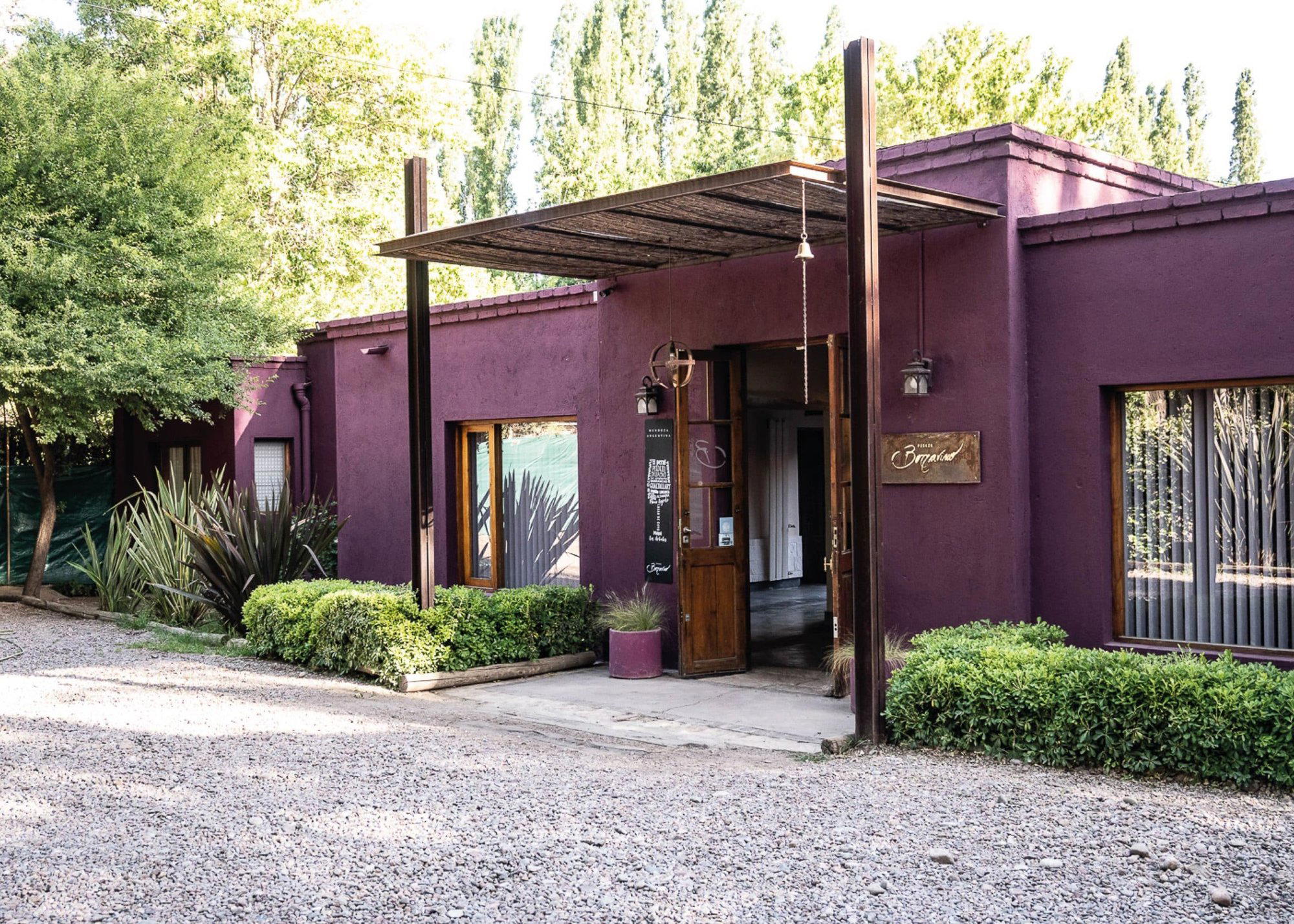
The kilometre 38 address on RP82 places Termas Cacheuta roughly equidistant from the city of Mendoza and the high-altitude access roads toward the Andes. That positioning gives it a dual utility: close enough to the wine-producing municipalities to serve as a base for day visits to major bodegas, yet far enough into the mountains to function as a genuine departure from urban and vineyard density. The Mendoza River canyon is one of the more dramatic natural corridors in the province, and the property's situation within it provides the kind of visual and environmental separation that more centrally located properties cannot offer. Compare this to Posada Borravino, which sits closer to the Luján de Cuyo bodega cluster and plays a different geographic role within a Mendoza itinerary.
Across Argentina's premium travel circuit, location-as-asset thinking has become more sophisticated. Properties like Arakur Ushuaia Resort & Spa in Ushuaia or Correntoso Lake & River Hotel in Villa La Angostura have demonstrated that remote, landscape-first positioning can anchor a premium proposition in the absence of traditional urban amenities. The Cacheuta site follows a similar logic: the canyon, the thermal springs, and the mountain road are the infrastructure. The hotel exists to make that infrastructure accessible overnight.
Mendoza Region Context and Peer Comparison
For travellers assessing where Termas Cacheuta fits within the broader Mendoza and Argentine accommodation circuit, a few reference points help. At the more design-intensive end of the regional spectrum, Cavas Wine Lodge in Alto Agrelo and Algodon Wine Estates in San Rafael represent properties where vineyard architecture and wine programming carry significant weight. At the remote-nature end, Colomé Winery in Molinos demonstrates how deep Andean positioning can sustain a destination-only proposition for travellers willing to commit to distance. Termas Cacheuta sits in a different band: geothermally anchored, canyon-framed, and closer to the city than Colomé while still operating outside the standard wine-circuit geography. For wider Argentine context, the country's wellness-and-landscape hotel tradition also finds expression at properties such as Charming Luxury Lodge & Private Spa in San Carlos de Bariloche and La Urumpta Hotel, AKEN Mind in Cordoba, both of which use natural terrain as the primary hospitality anchor. See our full Luján de Cuyo guide for a broader view of the dining and accommodation options across the municipality.
Planning a Stay
Access to Termas Cacheuta requires a vehicle or arranged transfer. Travellers combining this stay with a broader Argentine itinerary will find it connects logically with a Buenos Aires arrival via Home Hotel in Buenos Aires or the more formal Casa Duhau in Mendoza before heading into the mountains. Those extending southward might continue to Awasi Iguazu in Puerto Iguazu or Estancia El Ombú de Areco in San Antonio de Areco for a contrasting landscape register.
The Minimal Set
Comparable venues nearby, for context on price, style, and recognition.
| Venue | Cuisine | Price | Notes |
|---|---|---|---|
| Hotel & Spa Termas CacheutaThis venue — the venue you are viewing | Cacheuta, rustic mountain resort | $$$ | Not listed |
| Awasi Mendoza | Not listed | $$$$ | Lujan De Cuyo, Spanish colonial luxury wine lodge |
| Casa Glebinias - Hotel Jardín | Not listed | $$$ | Chacras de Coria, Mediterranean-inspired boutique hotel with biophilic design principles and sustainability focus |
| Entre Cielos Luxury Wine Hotel & Spa | Not listed | $$$$ | Lujan de Cuyo, Modernist vineyard resort blending luxury wellness with wine immersion |
| Susana Balbo Winemaker's House & Spa Suites | Not listed | $$$$ | Chacras de Coria, Winemaker's private estate turned luxury spa retreat |
| El Salto | Lujan De Cuyo, rustic cabin | $ | Not listed |
Continue exploring
More in Luján de Cuyo
Hotels in Luján de Cuyo
Browse all →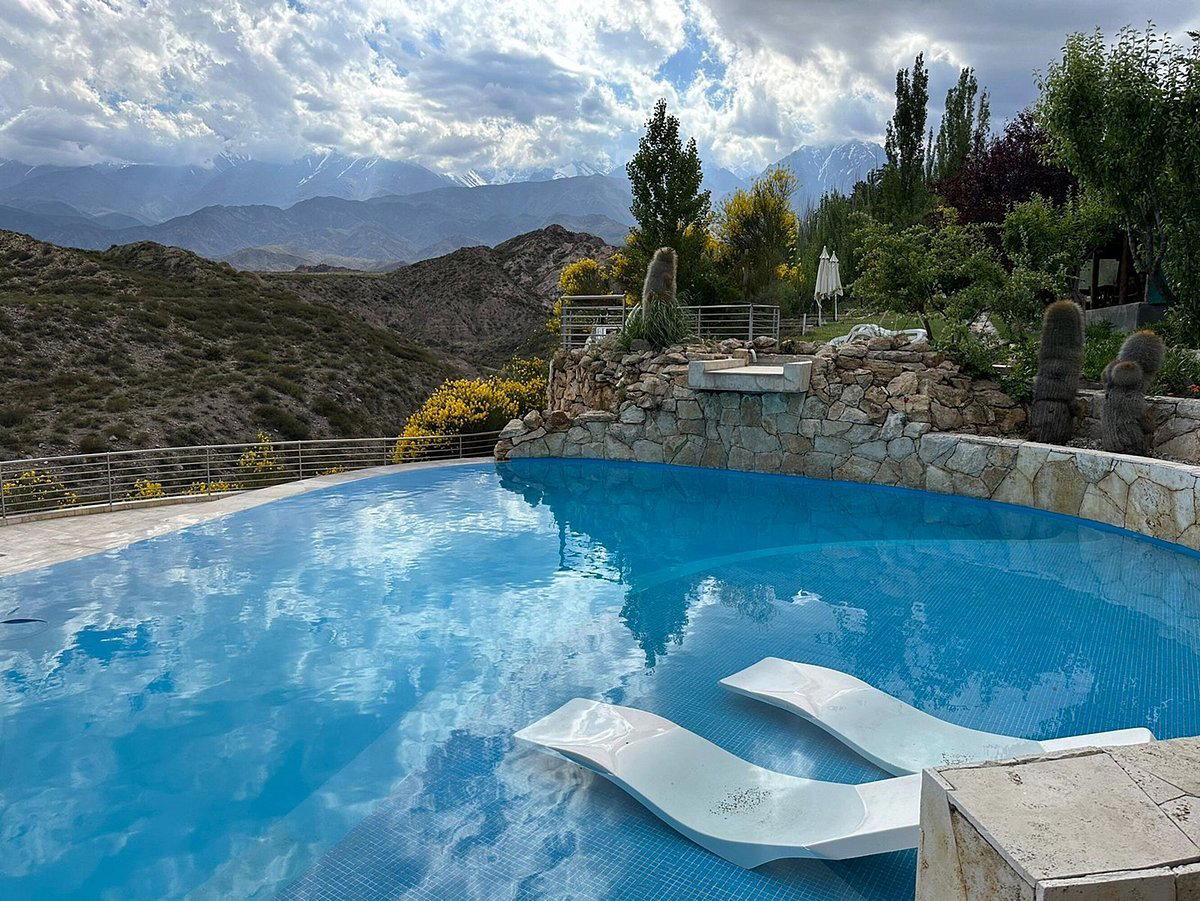
Bars in Luján de Cuyo
Browse all →
Restaurants in Luján de Cuyo
Browse all →
At a Glance
- Romantic
- Quiet
- Rustic
- Scenic
- Romantic Getaway
- Wellness Retreat
- Honeymoon
- Infinity Pool
- Destination Spa
- Panoramic View
- Wi Fi
- Pool
- Spa
- Concierge
- Restaurant
- Sauna
- Mountain
- Garden
- Wi Fi
- Pool
- Spa
- Concierge
- Restaurant
- Sauna
Relaxing and serene atmosphere with invigorating mountain air, surrounded by natural beauty and soothing thermal waters.