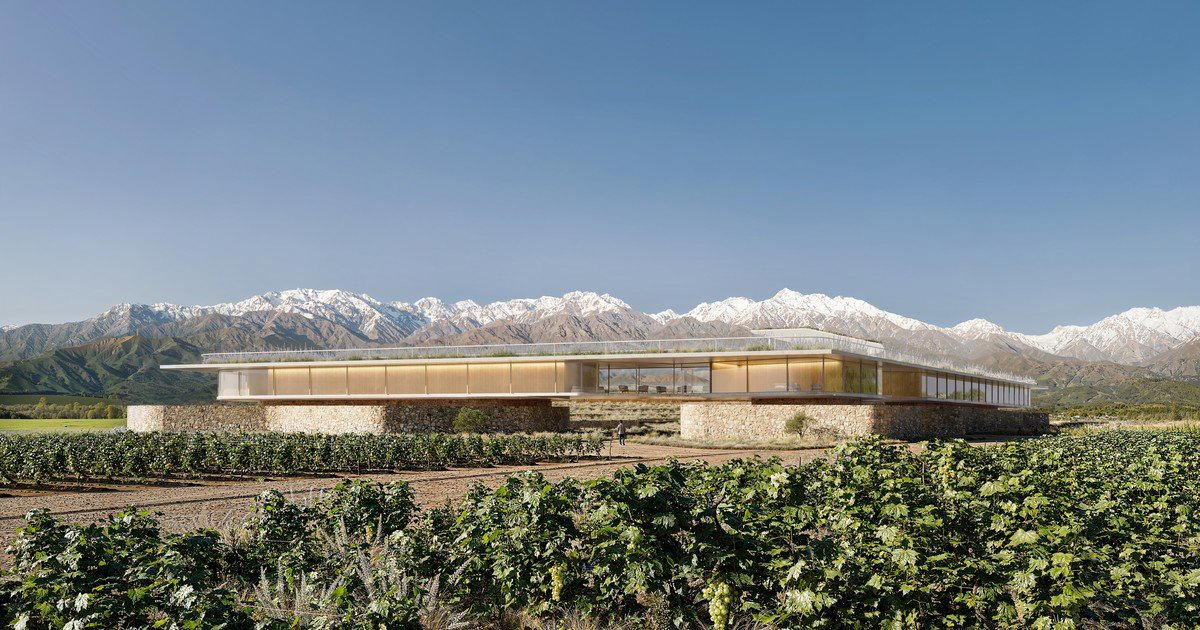
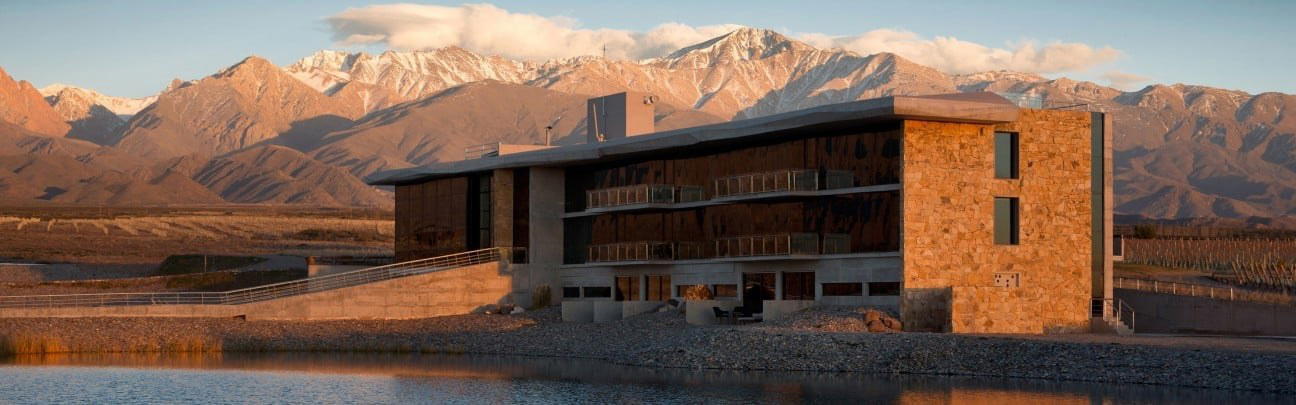
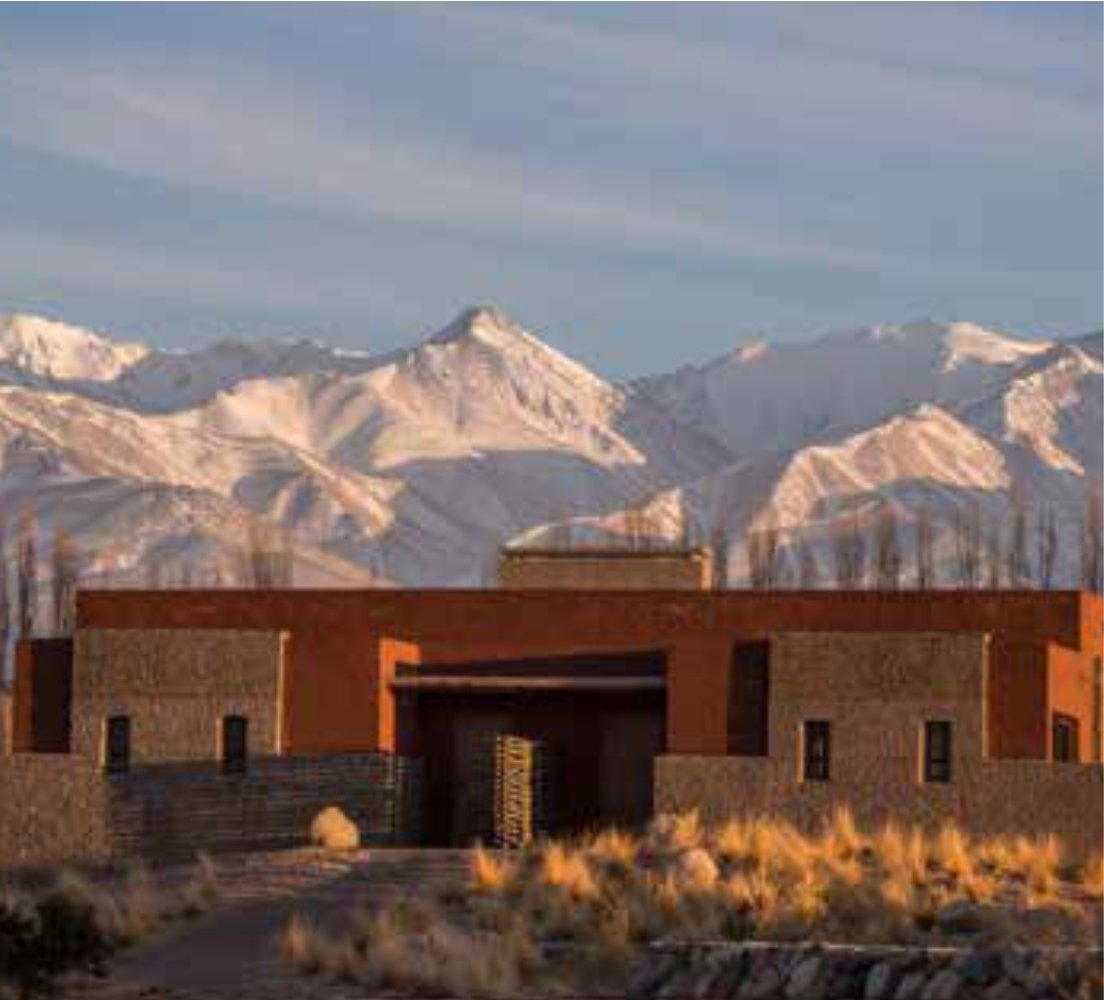
Bodega Monteviejo sits in Tunuyán's Campo de los Andes, one of the higher-altitude growing zones in the Valle de Uco, where the Andes define both the temperature range and the character of the wines. Visiting here means engaging with high-altitude Malbec on its own terms, in a setting shaped entirely by the mountain environment.

Pearl is the En Primeur Club membership app — saves, bookings, and concierge access live there. Same editors, same standards.
- Address
- Clodomiro Silva, M5665BPA, Campo de los Andes, Mendoza
- Phone
- +54 9 261 532-8126
- Website
- monteviejo.com.ar
- Directions
- Get directions
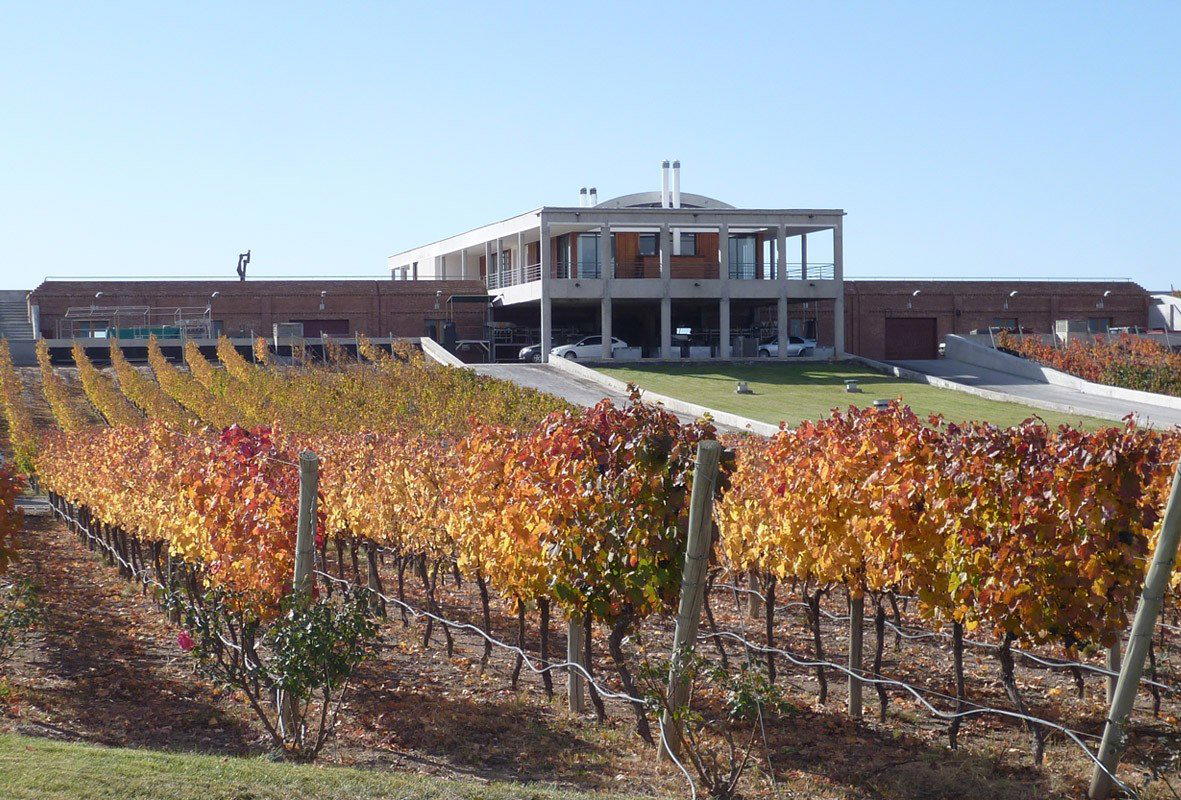
Where the Andes Set the Terms
The drive into Campo de los Andes does most of the scene-setting before you arrive. The road climbs, the population thins, and the Andes ahead shift from backdrop to immediate presence. Bodega Monteviejo sits along this corridor at Clodomiro Silva in Tunuyán's Mendoza province, at an altitude that makes the air noticeably drier and the light sharper than at the valley floor. These are not incidental details. In the Valle de Uco, elevation is the primary variable that separates wine styles, and arriving at a bodega at this height is a physical argument about what the wines will taste like before you have poured a single glass.
The Valle de Uco has become Argentina's most discussed high-altitude wine zone over the past two decades, with Tunuyán at its southern end drawing increasing attention from producers and collectors who want more structure and acidity than the warmer Luján de Cuyo and Maipú zones typically deliver.
What the Tasting Experience Looks Like
Winery visits in the Valle de Uco tend to fall into one of two modes. The first is the large-estate format: substantial tasting rooms designed for throughput, tour groups, and food pairings that function almost as restaurants. The second is more focused: smaller operations where the tasting room exists to serve the wine program rather than the other way around. Bodega Monteviejo, given its position in Campo de los Andes rather than on the main tourist axis near San Carlos or the Ruta 40, reads as the latter type. The physical remoteness is itself an editorial signal about what kind of visit to expect.
That remoteness also means the visit requires more deliberate planning than many Mendoza alternatives. Unlike bodegas that sit along well-signed wine routes near Luján de Cuyo, such as Bodega Norton or Escorihuela Gascón in Godoy Cruz, Monteviejo demands that visitors come specifically for it, not as a secondary stop on a looser itinerary. That filtering effect tends to shape the atmosphere on arrival: the people who show up have made a choice, and the experience reflects that.
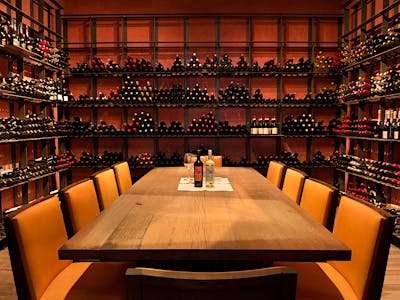
Tasting rooms at this altitude and in this competitive tier generally reflect the wine program's priorities. The focus at high-altitude Tunuyán estates is on structured reds, with Malbec as the primary subject and Cabernet Franc and Cabernet Sauvignon filling supporting roles. A tasting at a property like Monteviejo is an opportunity to read the elevation directly in the glass: the cooler growing season at these heights produces more restrained extraction, sharper acidity, and tannins that resolve differently from lower-altitude counterparts. These are characteristics that reward attention rather than volume, which is why the smaller-format, deliberate visit tends to suit the wines better than a rushed pour between stops.
Tunuyán in the Wider Argentine Wine Picture
To understand where Bodega Monteviejo sits, it helps to map the broader Argentine wine geography. Argentina's wine identity for international markets was built largely on the warmer valley floors of Mendoza and on the northern Salta production around Cafayate; see Bodega El Esteco for how the Calchaquí Valleys style differs. The shift toward higher altitudes in the Valle de Uco represents a more recent refinement: producers willing to accept lower yields and higher frost risk in exchange for wines that sit closer to international premium benchmarks for structure and longevity.
That shift has attracted investment from outside Argentina, including European producers seeking land before prices reflected the zone's reputation. Bodega Monteviejo's address in Campo de los Andes places it within this investment wave, in a zone that did not have the wine infrastructure two decades ago that it carries today. For comparison across Argentina's more recent experimental regions, Familia Schroeder in San Patricio del Chañar and Bodega Colomé in Molinos represent the Patagonia and Salta poles of this same altitude-focused approach.
For readers building a Mendoza itinerary around quality signals rather than convenience, that distinction matters. The full picture of what Tunuyán offers at this tier is worth reading across our full Tunuyán guide.
Planning the Visit
Bodega Monteviejo's location at Clodomiro Silva in the Campo de los Andes zone means the most practical base is the town of Tunuyán itself, or the broader Mendoza city area for those combining multiple sub-regions. The Valle de Uco is best approached with a dedicated vehicle or a driver, as public transport options in the agricultural corridors between wineries are limited. Visiting during the harvest window (late February through April) means the estate is operating at full intensity, though this is also peak demand. The shoulder period from May through July offers cooler temperatures and quieter conditions for tastings, though visitors should confirm access directly with the property before arriving. For international visitors mapping a longer Argentine wine route, Monteviejo sits at a different point on the stylistic spectrum from Rutini Wines in Tupungato and represents a useful counterpoint for understanding how sub-appellation differences within the Valle de Uco register in the glass.
How Bodega Monteviejo Tunuyán compares with similar nearby venues.
| Venue | Price | Awards |
|---|---|---|
| Bodega MonteviejoThis venue — the venue you are viewing | Not listed | Not listed |
| Bodega Cuvelier Los Andes | $50–100 | Not listed |
| Bodega DiamAndes | Not listed | World's 50 Best #93 · Falstaff Winery - Listed |
| Antucura | $10–20 | Not listed |
| Bodega Piedra Negra | Not listed | Falstaff Winery - Listed |
Continue exploring
More in Tunuyán
Wineries in Tunuyán
Browse all →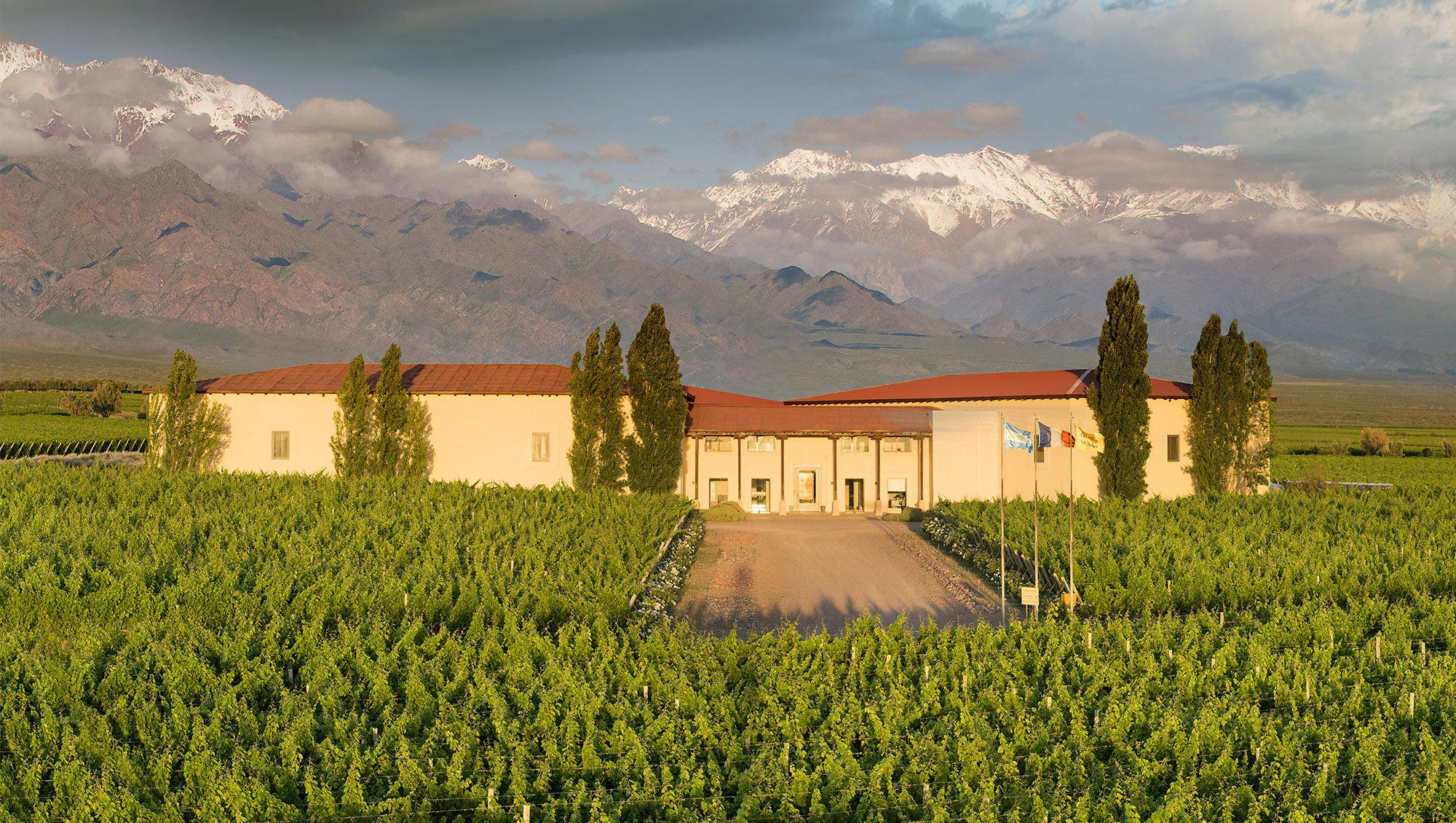
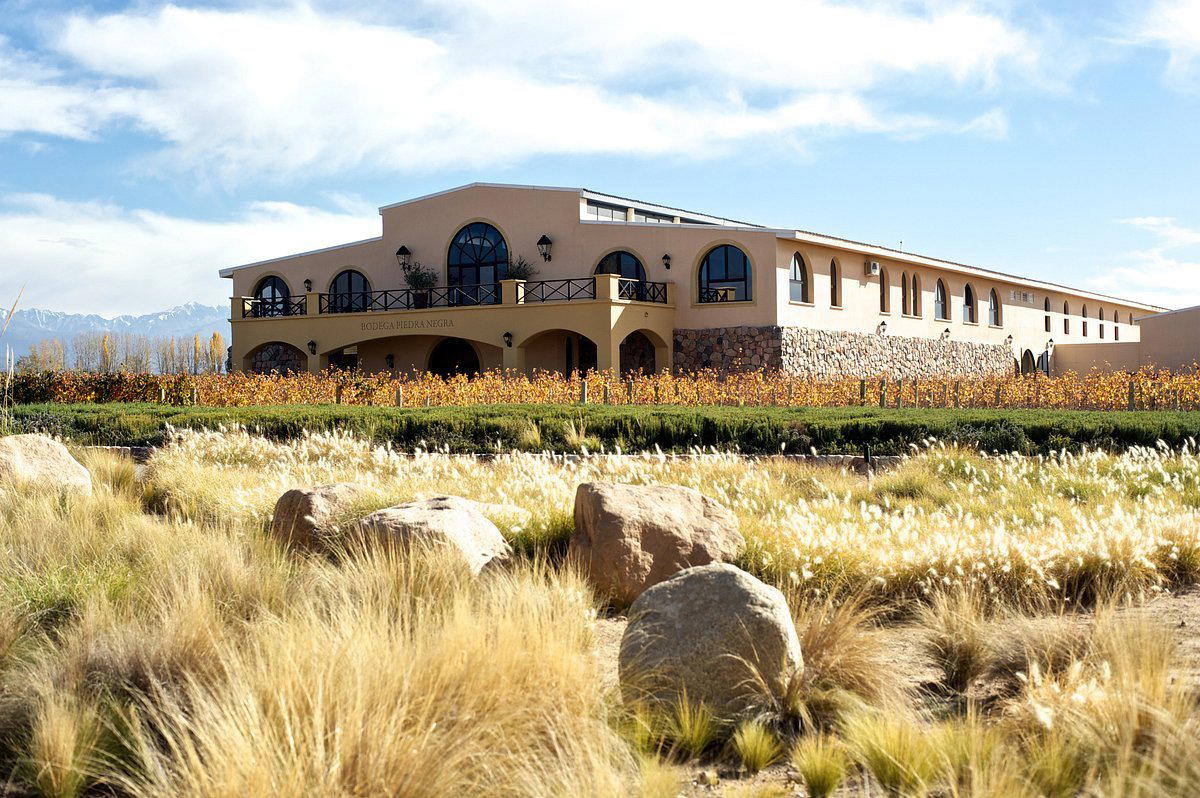
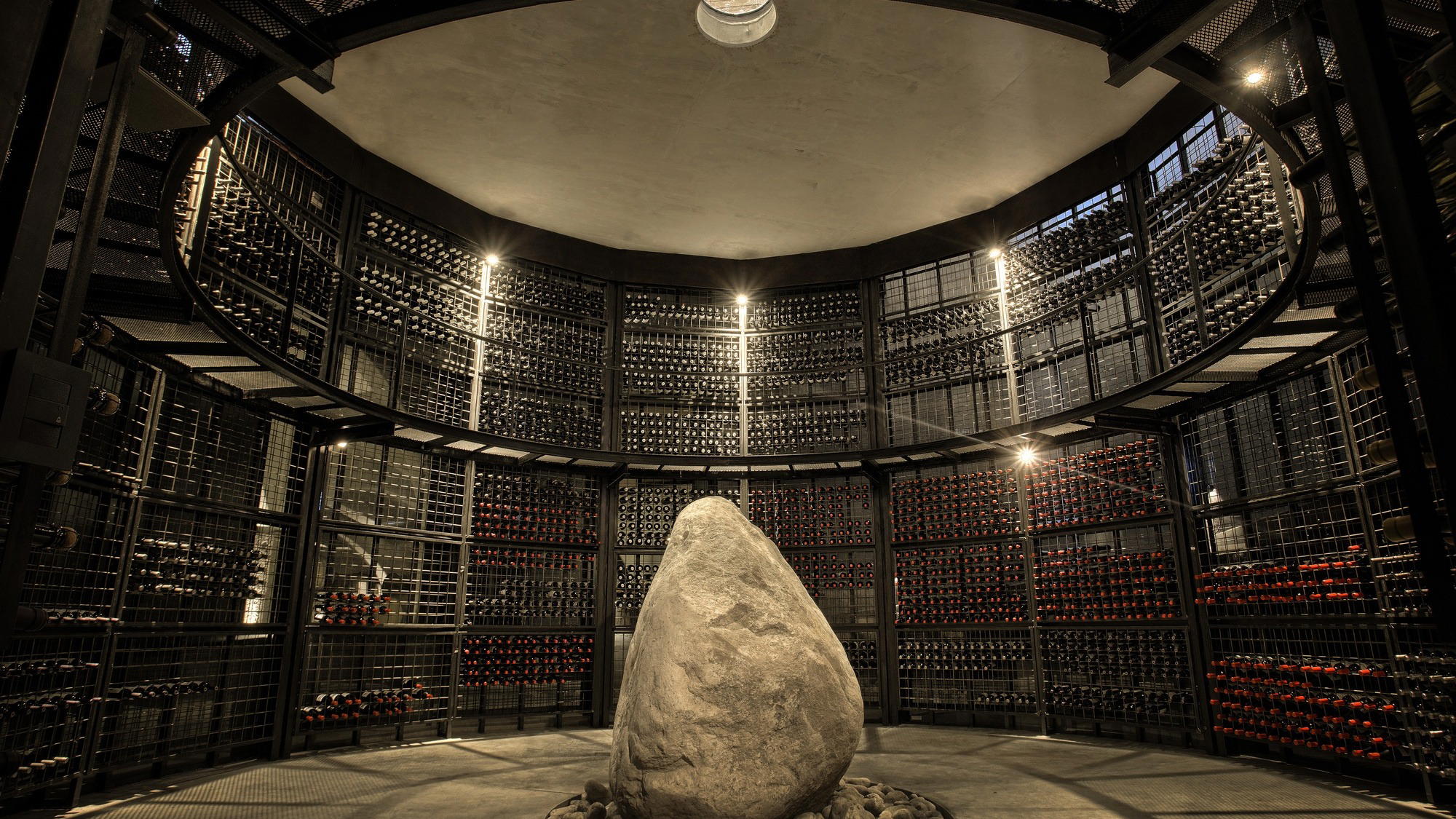
Bars in Tunuyán
Browse all →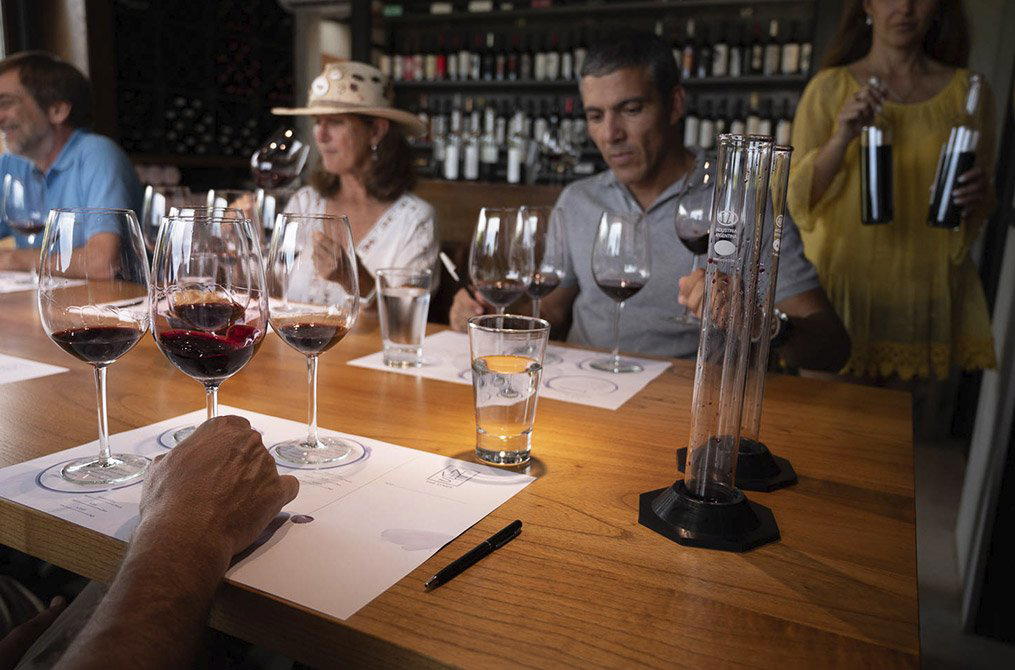
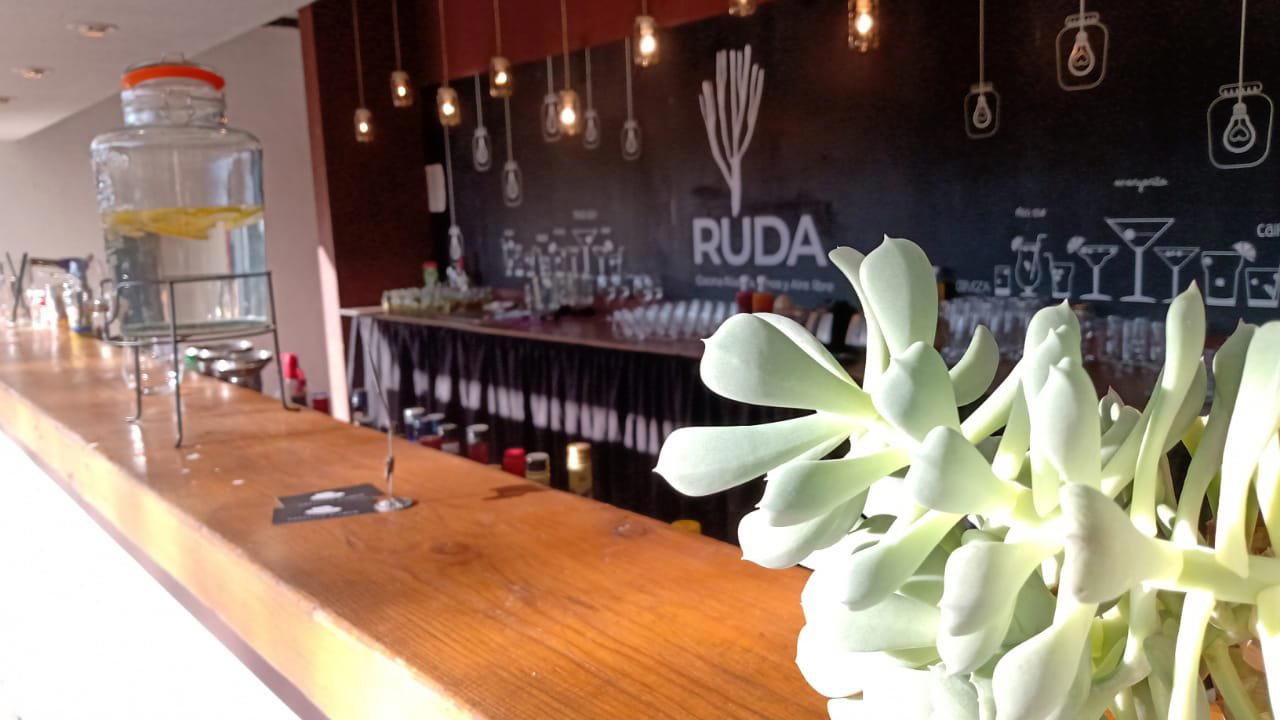
Restaurants in Tunuyán
Browse all →
Details
- Rustic
- Elegant
- Scenic
- Sophisticated
- Wine Education
- Special Occasion
- Group Outing
- Vineyard Tour
- Panoramic View
- Private Tasting
- Sustainable
- Mountain
- Vineyard
- Malbec
- Chardonnay
- Torrontés
- Syrah
- Merlot
- Cabernet Sauvignon
- Still Red
- Still White
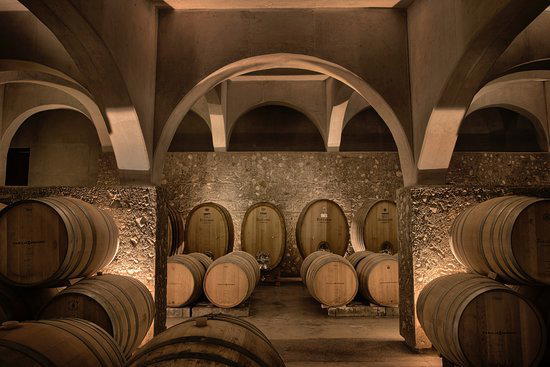
- Cave Tasting
- Restaurant Tasting
- Spanish
- English
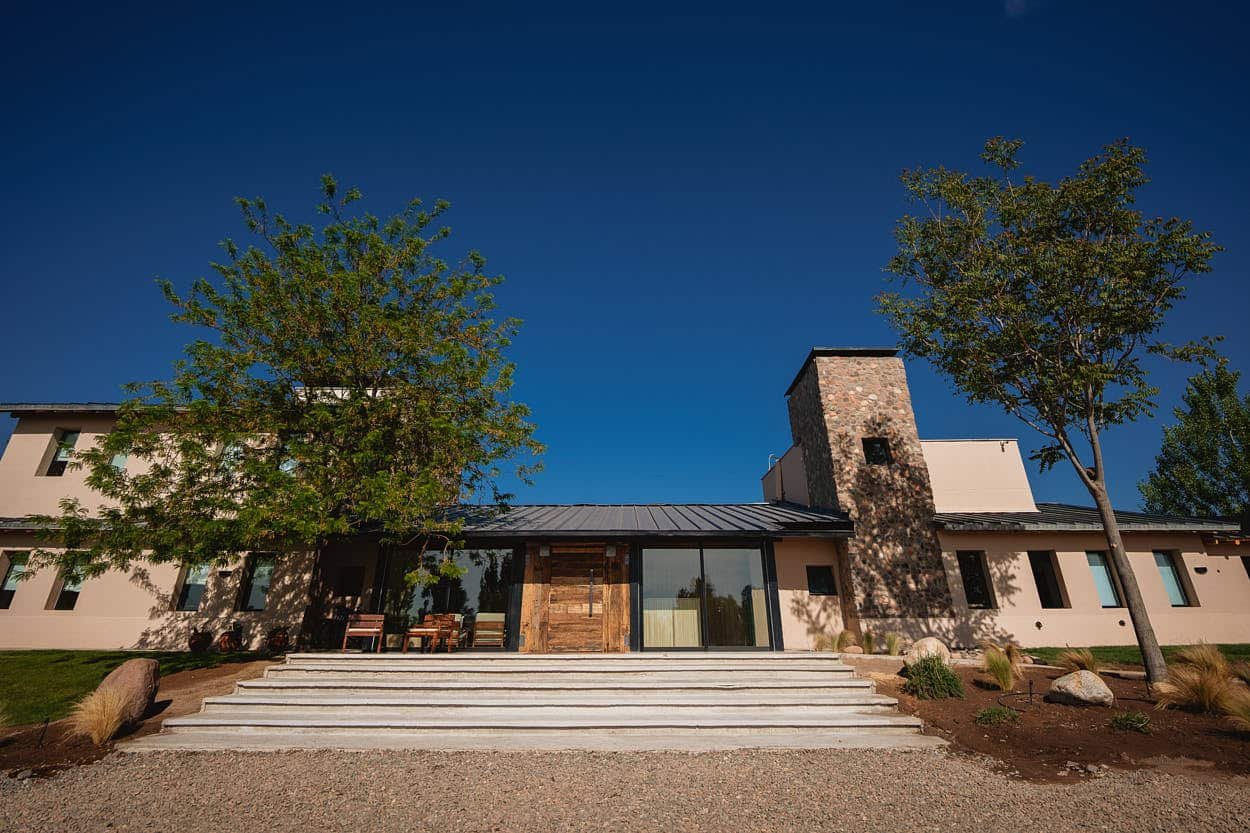
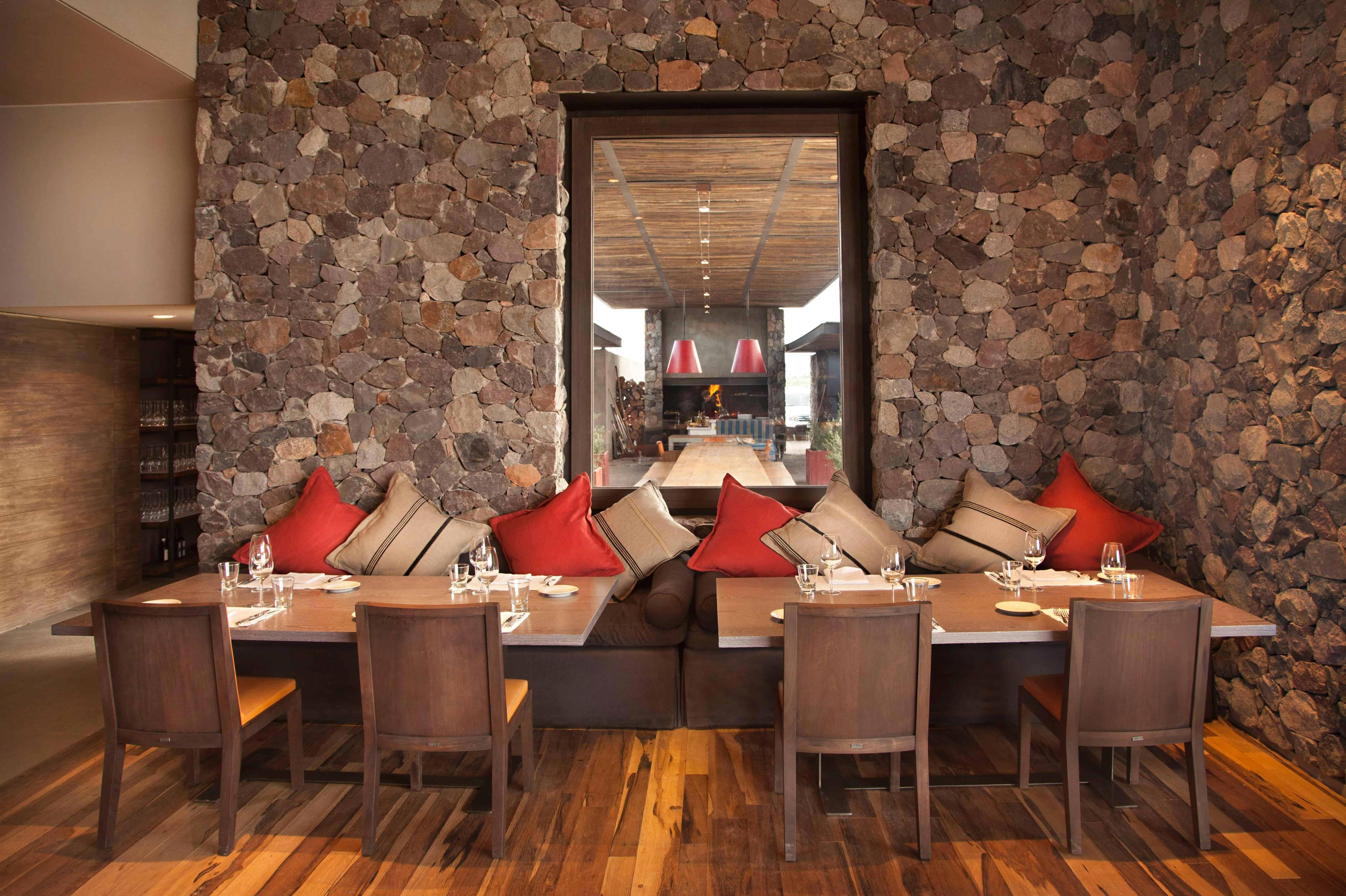
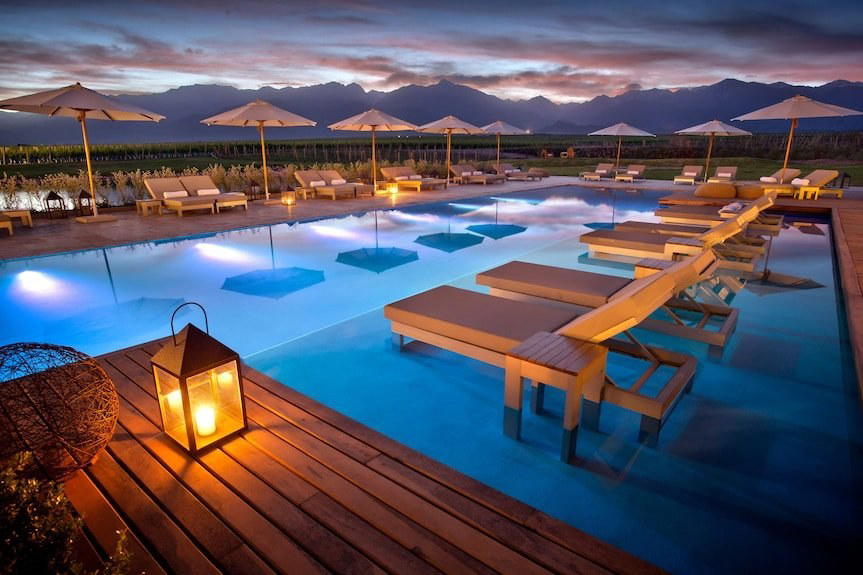
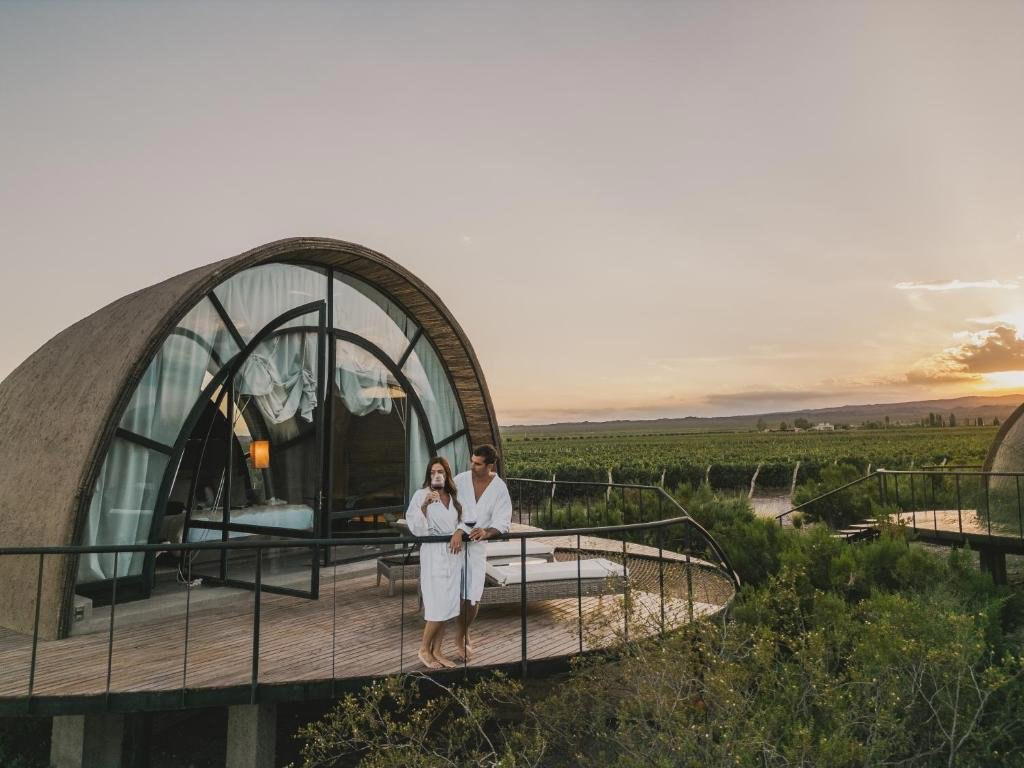
Sweeping mountain views from the sculpture courtyard and restaurant, enhanced by rotating art exhibitions along outdoor corridors, creating an elegant and culturally enriched atmosphere.