
Falstaff Winery - Listed
Bodega Chacra operates from Chacra 357 in Mainqué, Río Negro, in a Patagonian growing zone that produces some of Argentina's most studied Pinot Noir outside Mendoza..

Pearl is the En Primeur Club membership app — saves, bookings, and concierge access live there. Same editors, same standards.
- Address
- Chacra 357 lote B, 8326 Mainque, Río Negro
- Phone
- +542941605125
- Website
- bodegachacra.com
- Directions
- Get directions
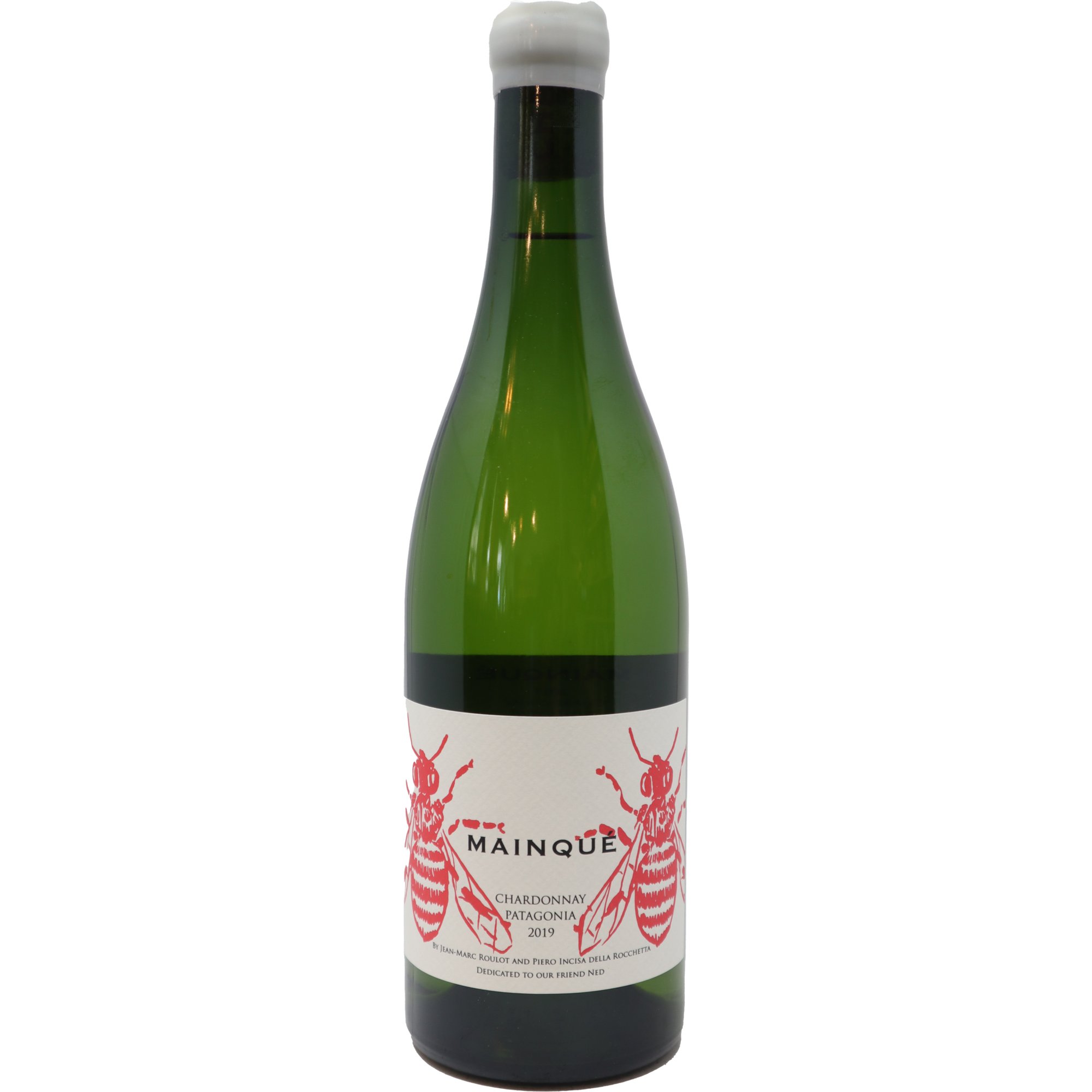
Where the Desert Ends and the Vineyard Begins
The Rio Negro valley arrives without fanfare. Driving south from Mendoza, or north from the Patagonian steppe, the irrigated corridor around Mainqué appears as a narrow green corridor cut through otherwise arid scrubland. The vines here sit closer to the 39th parallel than to anything resembling conventional Argentine wine country, and that latitude carries real consequences in the glass. Cool nights, low humidity, sandy glacial soils deposited over millennia by Andean meltwater — these are the structural facts that separate Rio Negro from the high-altitude heat of Salta or the Mendocino sun that defines mass-market Malbec.
The Patagonian Case for Pinot Noir
Pinot Noir is an inherently difficult argument to make from Argentina. The grape's global reputation is built on cool-climate precision — Burgundy's limestone, Oregon's volcanic hillsides, Central Otago's schist, and Argentina's wine identity has been constructed almost entirely around the opposite: warm, dry, high-altitude terroir that amplifies structure and ripeness in Malbec. Rio Negro is where that argument shifts. The valley's diurnal temperature range, sometimes exceeding 20°C between day and night during the growing season, slows sugar accumulation and extends phenolic development in ways that warm-climate regions cannot replicate. Sandy, low-fertility soils force vines to root deeply and produce modest yields, a condition that correlates historically with complexity and concentration in thin-skinned varieties. Chacra sits within this logic, with a Patagonian address that immediately signals a different competitive set than Bodega Norton in Luján de Cuyo or Escorihuela Gascón in Godoy Cruz, which anchor their identity in Mendoza's warmer Malbec tradition.
For a useful comparison within the Patagonian niche, Bodega Noemía de Patagonia occupies the same Mainqué address pool and draws from similarly structured old-vine material. The two producers collectively define what the Rio Negro valley can achieve at prestige level, and their proximity means that a visit to one practically justifies the logistical effort of reaching the other. This is a remote destination by Argentine standards, not a weekend detour from Buenos Aires, and planning accordingly is worth the effort.
Terroir as Argument: What the Land Writes into the Wine
The specific character of old Patagonian vineyards owes much to phylloxera's absence from this region. Sandy soils do not support the root louse, which means vines in the Rio Negro valley were never grafted onto American rootstock the way virtually all European and most Argentine vineyards were after the late 19th century outbreak. Ungrafted, or own-rooted, vines produce a different physiological profile: deeper root systems, lower vine vigour, and a directness of expression between soil and fruit that grafted vines mediate through rootstock. The practical significance of this for Pinot Noir is that the variety's sensitivity to terroir, its tendency to amplify whatever the ground is doing, comes through with less interference. Sandy glacial soils, subterranean water from Andean snowmelt, Patagonian wind stress: these register in the wine in ways that have drawn attention from producers with Burgundian training looking for somewhere to apply low-intervention technique outside the classic appellations.
This terroir logic positions Chacra in a conversation that extends beyond Argentina. Producers in Patagonia increasingly compete for attention alongside cool-climate Pinot specialists from Bodega DiamAndes in Tunuyán, though the approach and variety emphasis differ considerably. Further afield within Argentina's diverse wine geography, Bodega El Esteco in Cafayate and Bodega Colomé in Molinos represent the high-altitude, warm-climate counterpoint, the northern, sun-driven style that has defined Argentina's international profile for decades. Understanding Chacra requires holding both ends of that spectrum in mind.
The recognition signals that Chacra's Patagonian Pinot project has accumulated enough critical mass to sit alongside Argentina's more established prestige tier, not as a curiosity but as a peer. That distinction matters in a country where Malbec-driven Mendoza brands have historically attracted most of the export and critical infrastructure.
For producers working in Rio Negro specifically, the achievement of prestige-level recognition represents a broader vindication of the valley's claims. Familia Schroeder in San Patricio del Chañar works from another Patagonian address with a similar argument about cool-climate terroir, though the focus and style differ. The consistency of prestige recognition across the Patagonian corridor is now sufficient to treat the region as a genuine category rather than an outlier.
Getting There and Planning a Visit
Mainqué sits in Río Negro province, roughly 1,200 kilometres south of Buenos Aires by road, and is most practically reached via the city of General Roca, the regional hub for the Upper Rio Negro valley. The nearest commercial airport with regular connections is in Neuquén, across the provincial border, from which the drive to Mainqué takes under an hour. Given the distance from Buenos Aires and Mendoza, Chacra makes most sense as part of a multi-day Patagonian itinerary, potentially combined with a visit to Bodega Noemía de Patagonia next door and an exploration of the broader Rio Negro valley wine corridor covered in our full Mainqué restaurants guide.
For those building a larger Argentine wine itinerary, the Patagonian detour adds genuine range to what is otherwise a Mendoza-dominated circuit. Producers such as Bodega Antigal in Maipú, Bodega Trapiche in El Trapiche, and Fratelli Branca Distillery in Buenos Aires anchor the mainstream Argentine circuit; Chacra sits in deliberate contrast to all of them, which is precisely the point of making the journey south. For those whose reference points extend beyond South America, the cool-climate ethos here has more in common with Accendo Cellars in St. Helena or the single-vineyard discipline of Aberlour in Aberlour than with the volume-driven prestige segment of Mendoza.
Comparable Spots, Quickly
Comparable venues nearby, for context on price, style, and recognition.
| Venue | Cuisine | Awards | Notes |
|---|---|---|---|
| Bodega ChacraThis venue — the venue you are viewing | Pinot Noir, Chardonnay | Falstaff Winery - Listed | Not listed |
| Bodega Noemía de Patagonia | Malbec, Merlot | Falstaff Winery - Listed | Mainqué |
| Destilería Flipá | Winery | Not listed | Mendoza |
| Fernet Vittone Distillery | Winery | Not listed | Villa Mercedes |
| Pasaron Cosas Distillery | Winery | Not listed | Jacinto Arauz |
| La Francesa Gin Distillery | Winery | Not listed | Buenos Aires |
Recognition history
Dated appearances from independent guides and award organizations, with the underlying list record or original source where available.
Falstaff Winery - Listed
Falstaff
Continue exploring
More in Mainqué
Wineries in Mainqué
Browse all →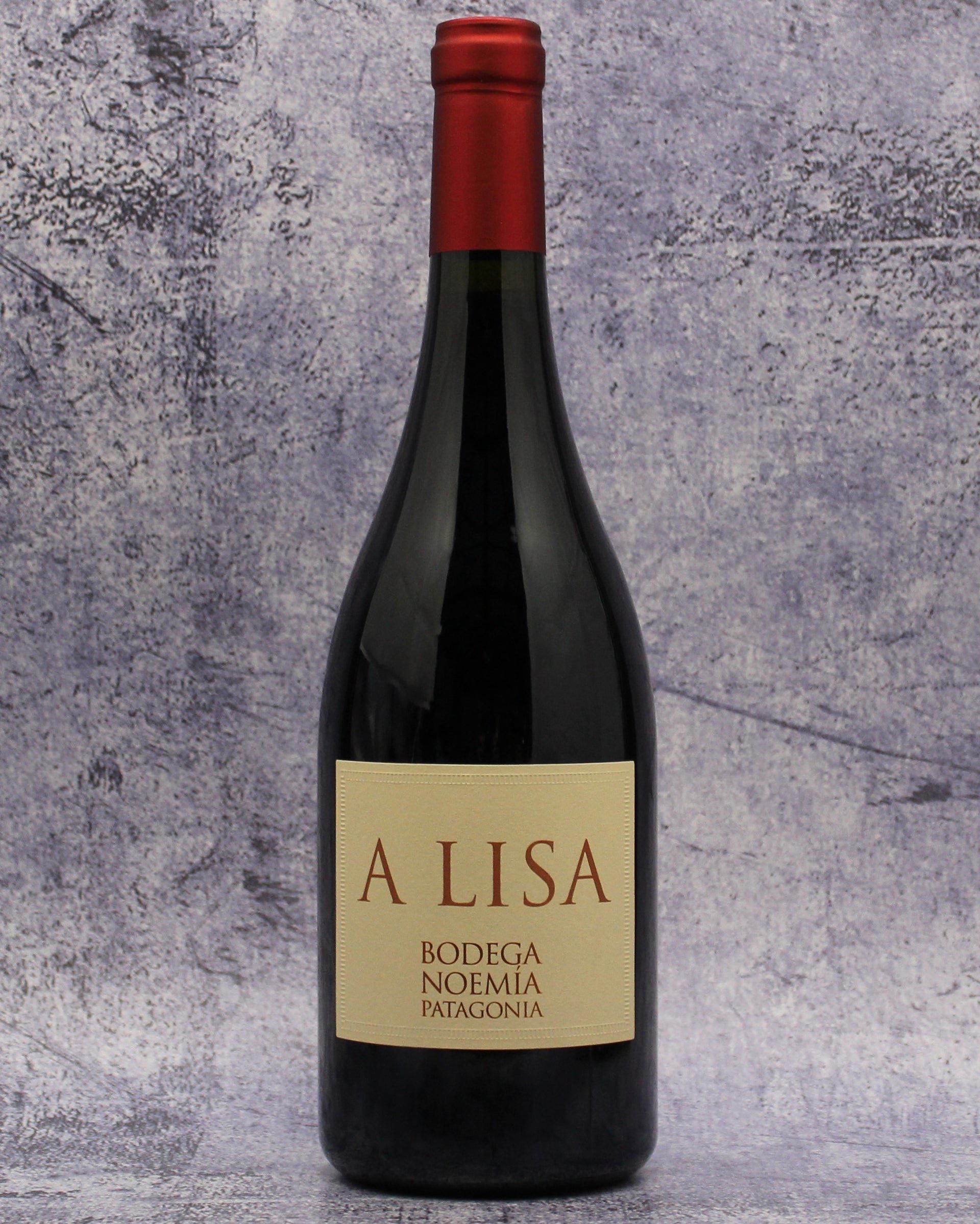
Details
- Rustic
- Scenic
- Elegant
- Intimate
- Wine Education
- Solo Exploration
- Special Occasion
- Vineyard Tour
- Estate Grounds
- Biodynamic
- Organic
- Vineyard
- Pinot Noir
- Chardonnay
- Still Red
- Still White
- Cave Tasting
- Private Tasting
- English
- Spanish
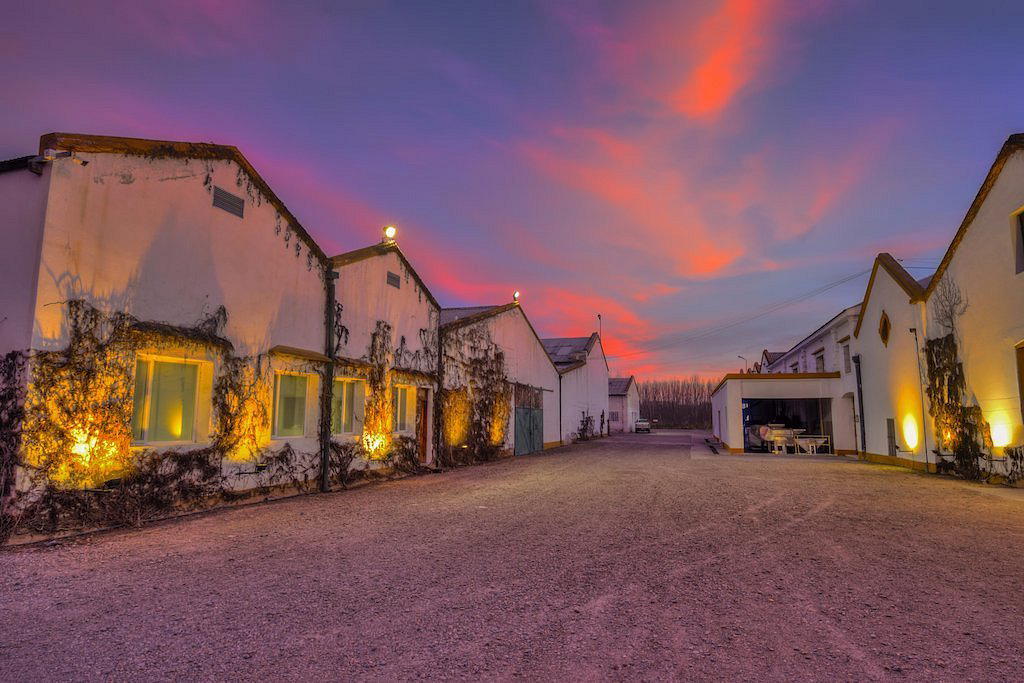
Rustic elegance amid pristine vineyards with a serene, natural atmosphere.