
Falstaff Winery - Listed
Bodega Noemía de Patagonia operates from Chacra 357 in Mainqué, Río Negro, within one of Argentina's most consequential cold-climate wine zones.. A destination visit for those tracking Argentina's southernmost fine wine producers.

Pearl is the En Primeur Club membership app — saves, bookings, and concierge access live there. Same editors, same standards.
- Address
- Chacra 357 lote B, 8326 Mainque, Río Negro
- Phone
- +5492984530415
- Website
- bodeganoemia.com
- Directions
- Get directions
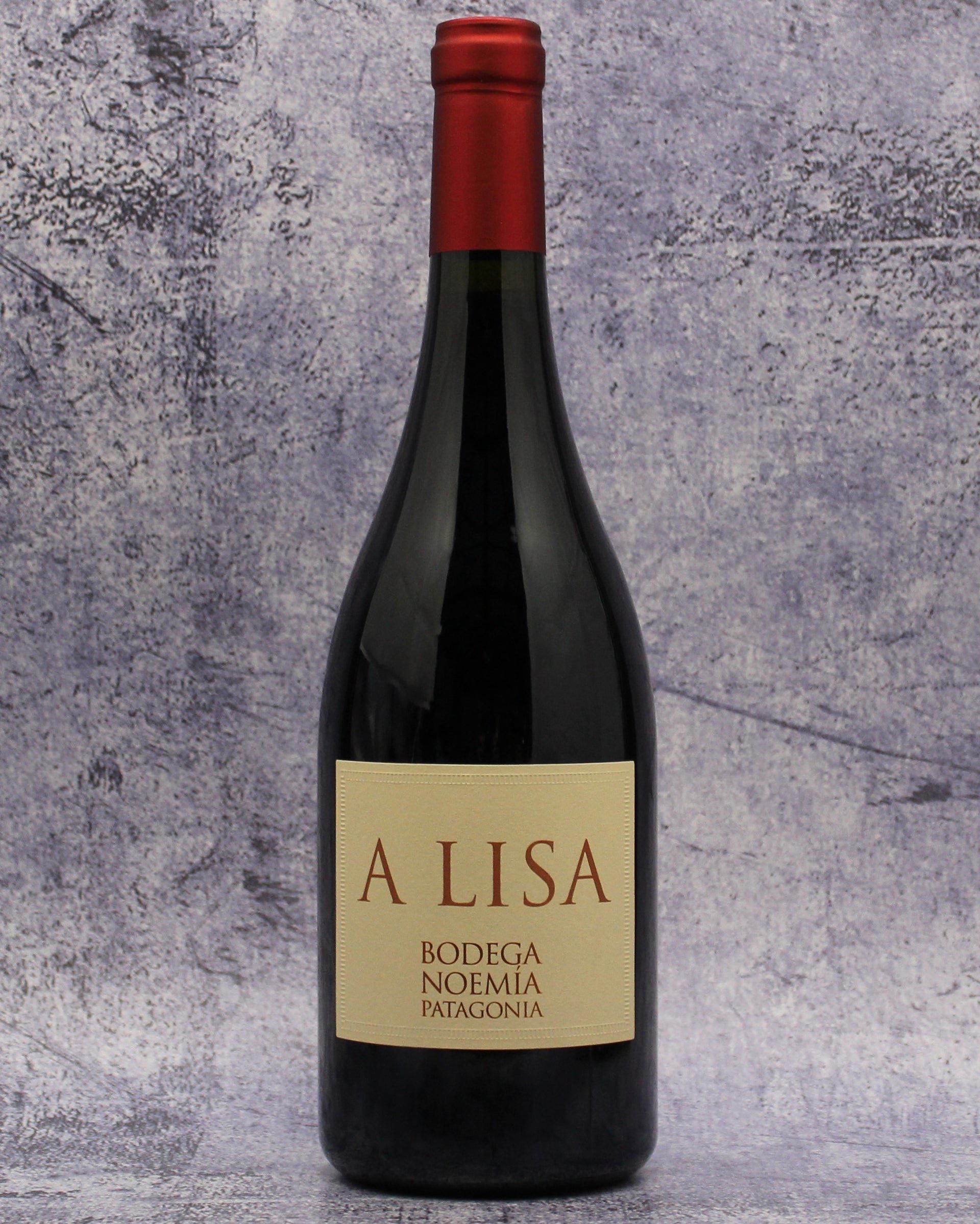
Where Argentina's Wine Map Ends and Patagonia Begins
South of Mendoza, the Argentine wine story shifts register. The Río Negro Valley in Patagonia is not simply a cooler extension of the country's established wine belt; it operates under different conditions, different grape lineages, and a different set of ambitions. The valley sits at roughly 39 degrees south latitude, where continental temperatures drop sharply at night and the growing season compresses into something far less forgiving than the high-altitude warmth of Luján de Cuyo. What emerges from those conditions, when the viticulture is serious enough to meet them, are wines with a structural tension that Mendoza's more generous climate rarely produces.
Mainqué is one of the small agricultural settlements threaded along the Río Negro, and Chacra 357 sits within that fabric, a parcel address rather than a grand estate entry. The bodega at that address, Bodega Noemía de Patagonia, has built a reputation that belongs firmly to the specialist tier of Patagonian fine wine. That places it in the company of producers where terroir precision, vine age, and restraint in the cellar matter more than volume or brand scale.
Old Vines and Cold Nights: The Patagonian Argument
The case for Río Negro as a serious fine wine address rests on a specific combination of factors. Vine age is central to it. This valley was planted earlier than most wine tourists realise, with some parcels dating back to the early twentieth century, long before Patagonian wine attracted international attention. Those old vines, often Malbec and Pinot Noir with decades of root depth, produce yields that are low by any measure and fruit that carries a concentration built from stress rather than irrigation generosity.
Diurnal temperature variation in the valley routinely exceeds 20 degrees Celsius during the ripening months. That gap between day warmth and night cold is the mechanism behind the acidity retention that distinguishes wines from this region. Where Mendoza's higher-altitude sites achieve freshness through elevation, Río Negro achieves it through latitude and the cold air that flows off the Andes to the west each evening. The result, in skilled hands, is Malbec that reads differently from the plush, dark-fruit profiles that defined the category's export success: tighter, more saline, with a texture closer to what serious Burgundy-trained palates look for in a red.
Patagonia's wine producers occupy a distinct tier within Argentina's output. Compare the approach here to the industrial scale of Bodega Trapiche, the high-altitude Mendoza ambition of Terrazas de los Andes, or the estate model at Bodega Norton in Luján de Cuyo, and the differences in philosophy and geography become clear. The Río Negro producers work with far smaller volumes, far older vines, and a climate that demands more from the winemaker, not less.
The Philosophy Behind a Prestige Rating
For Bodega Noemía de Patagonia, that rating positions it at the upper end of Patagonian boutique production, alongside a small group of producers who have made a credible argument for the valley's place in the global conversation about cold-climate reds.
The winemaking philosophy that earns that position tends, in this region and in this tier, toward minimal intervention. Low-yield old vines handled with restraint in the cellar do not benefit from heavy extraction or new-oak dominance; the quality is already in the fruit and the site, and the winemaker's job is to avoid obscuring it. This is an approach with clear precedent in the European estates that influenced many of South America's serious boutique producers from the 1990s onward. Argentina's high-end wine culture absorbed Burgundian and Bordelaise thinking at a time when those disciplines were shaping what premium meant internationally, and the Patagonian producers who emerged from that period tend to show it.
For a comparative view of how this philosophy plays out at other prestige Argentine addresses, the estate model at Bodega Colomé in Molinos and the structured ambition at Bodega DiamAndes in Tunuyán offer useful reference points, as does the critical positioning of Bodega El Esteco in Cafayate within the northern Torrontés and Malbec conversation. Each operates within a distinct microclimate and tradition, which is why Argentina's wine geography rewards the kind of regional specificity that a Mainqué address signals immediately to informed buyers.
Arriving at Chacra 357
Getting to Mainqué requires commitment. The town is in the Río Negro province, reachable via the city of General Roca, which connects by road from Neuquén and by domestic flights into Neuquén Airport from Buenos Aires. The valley is not a drop-in wine tourism destination in the mode of Mendoza's Chacras de Coria neighbourhood, where bodegas cluster within easy cycling distance of each other. Distances between properties here are measured in minutes rather than steps, and a planned itinerary matters more than spontaneous exploration.
That relative inaccessibility is part of what defines the experience. Visitors who arrive at Bodega Noemía de Patagonia at Chacra 357 have made a deliberate choice to prioritise this valley, which means the audience tends to be wine-focused rather than casually curious. Contact for visits and current programming should be confirmed directly before travel, as no booking details are listed in public directories, and arrangements at this level of boutique production are typically managed through direct correspondence rather than online reservation platforms. Building a Mainqué visit alongside a stop at neighbouring Bodega Chacra makes practical sense given the proximity of both addresses on the same stretch of valley.
For a broader view of what the Mainqué area offers across food and wine, our full Mainqué restaurants guide maps the available options in and around the valley. Those planning a wider Argentine wine circuit might also consider pairing a Patagonian stage with visits to Familia Schroeder in San Patricio del Chañar, further north along the Patagonian wine corridor, or extending into Mendoza via Rutini Wines in Tupungato and Escorihuela Gascón in Godoy Cruz.
Visitors tracking the full range of Argentina's wine geography might also find value in comparing the country's approach to other New World prestige producers, including allocation-model estates like Accendo Cellars in St. Helena or old-world benchmarks like Aberlour, which illustrate the kind of terroir-first discipline that informs serious wine culture globally. Closer to home, the family estate model at Bodega Antigal in Maipú and the heritage positioning of Fratelli Branca Distillery in Buenos Aires complete a picture of how Argentina's drinks industry spreads across geography and category.
Booking and Cost Snapshot
Comparable venues nearby, for context on price, style, and recognition.
| Venue | Cuisine | Awards |
|---|---|---|
| Bodega Noemía de PatagoniaThis venue — the venue you are viewing | Mainqué, Malbec, Merlot | Falstaff Winery - Listed |
| Bodega Chacra | Mainqué, Pinot Noir, Chardonnay | Falstaff Winery - Listed |
| Bosque Craft Gin | Winery | Not listed |
| Fernet Vittone Distillery | Winery | Not listed |
| Restinga Gin Distillery | Coronel Vidal, Mar del Plata | Not listed |
| Destilería Flipá | Winery | Not listed |
Recognition history
Dated appearances from independent guides and award organizations, with the underlying list record or original source where available.
Falstaff Winery - Listed
Falstaff
Continue exploring
More in Mainqué
Wineries in Mainqué
Browse all →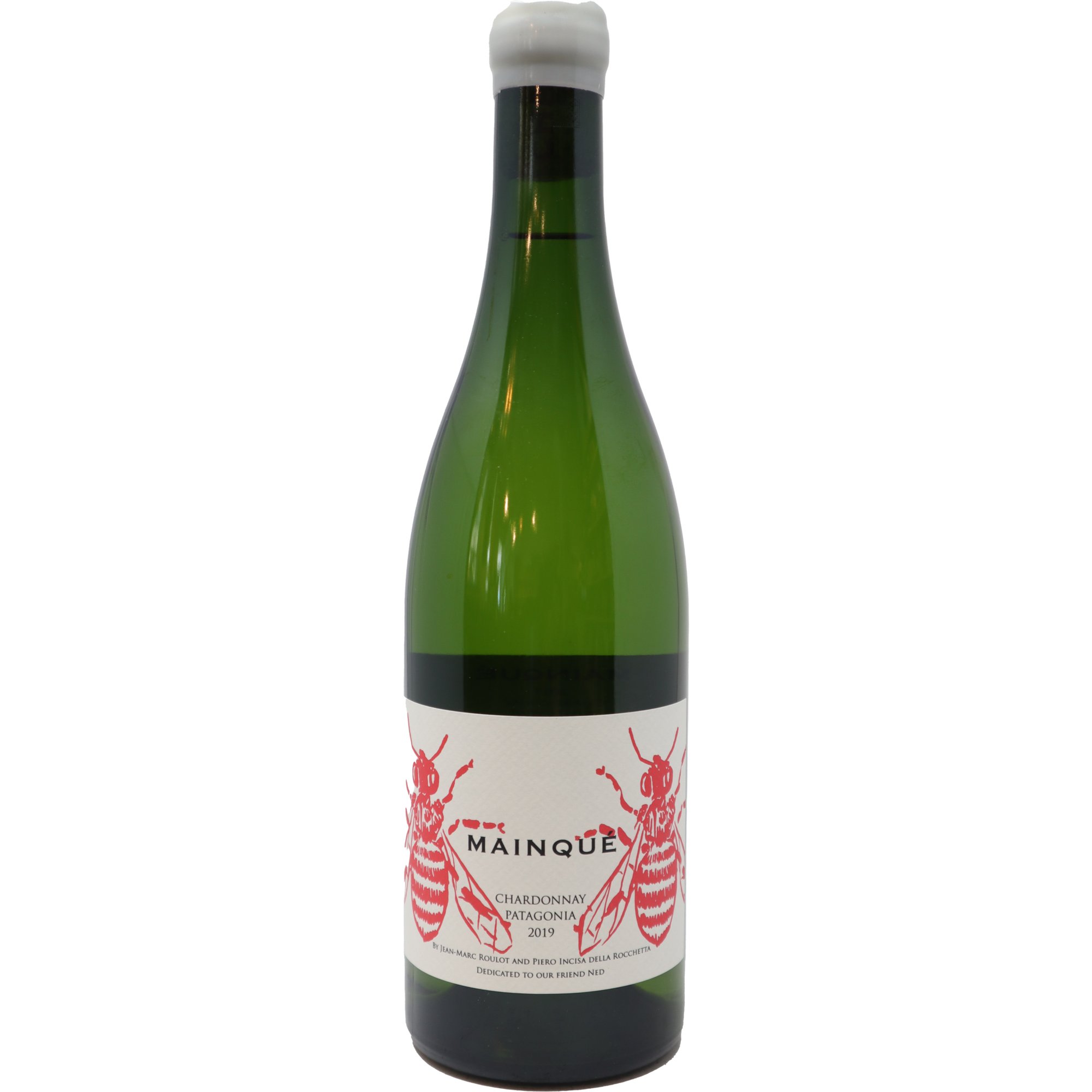
Details
- Rustic
- Elegant
- Scenic
- Intimate
- Wine Education
- Special Occasion
- Vineyard Tour
- Barrel Room
- Organic
- Biodynamic
- Vineyard
- Malbec
- Merlot
- Petit Verdot
- Cabernet Sauvignon
- Still Red
- Private Tasting
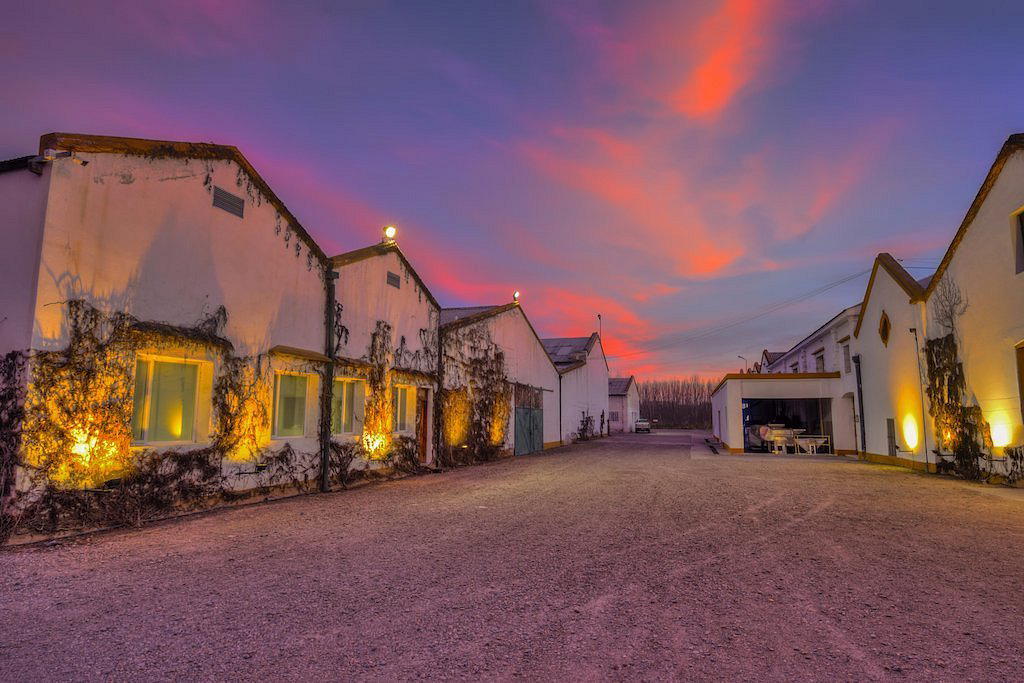
Refined and elegant atmosphere rooted in historic Patagonian terroir, with focus on purity and low-intervention winemaking.