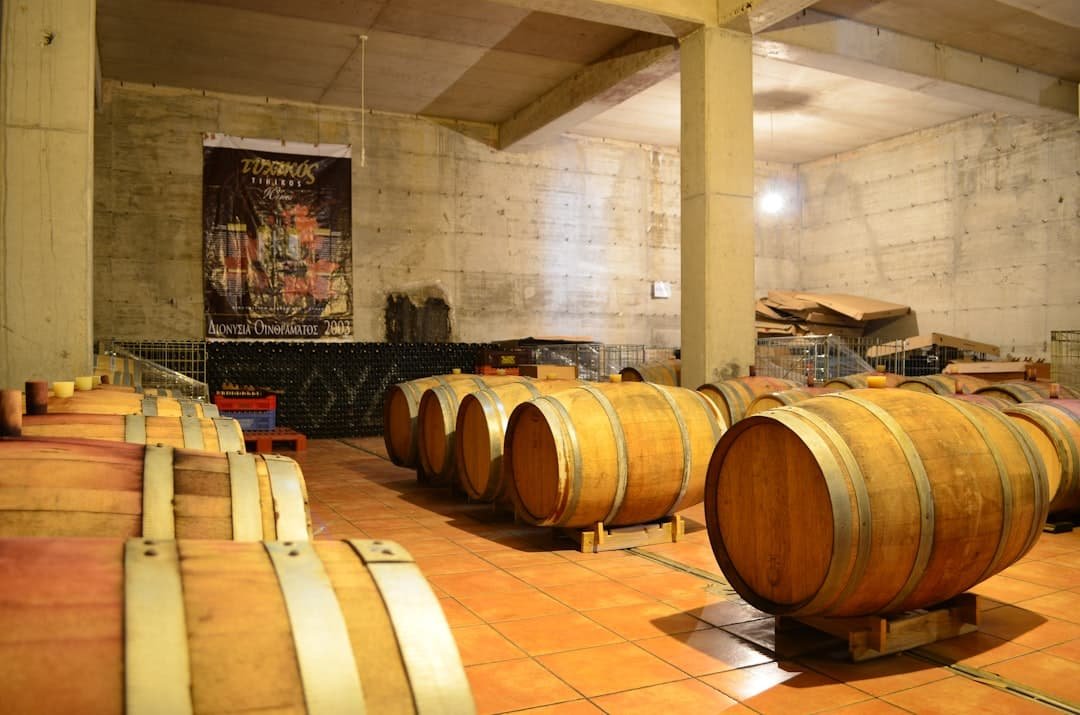
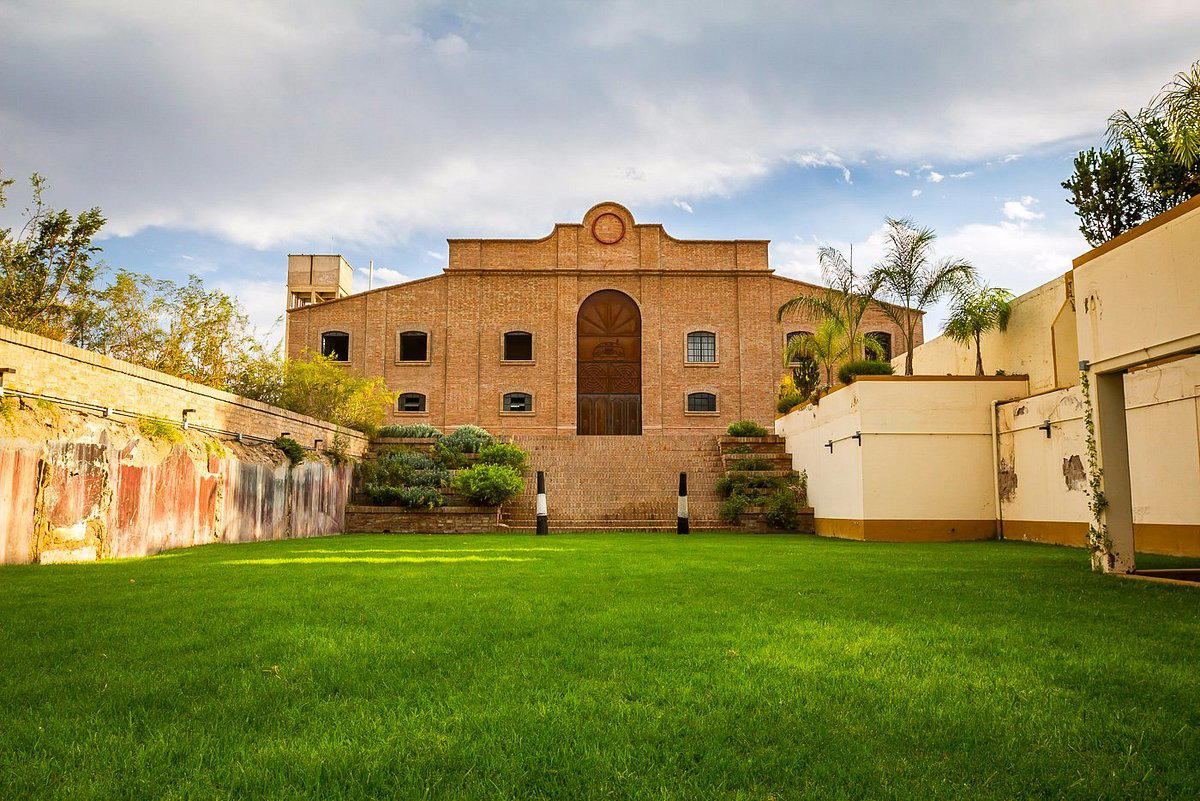
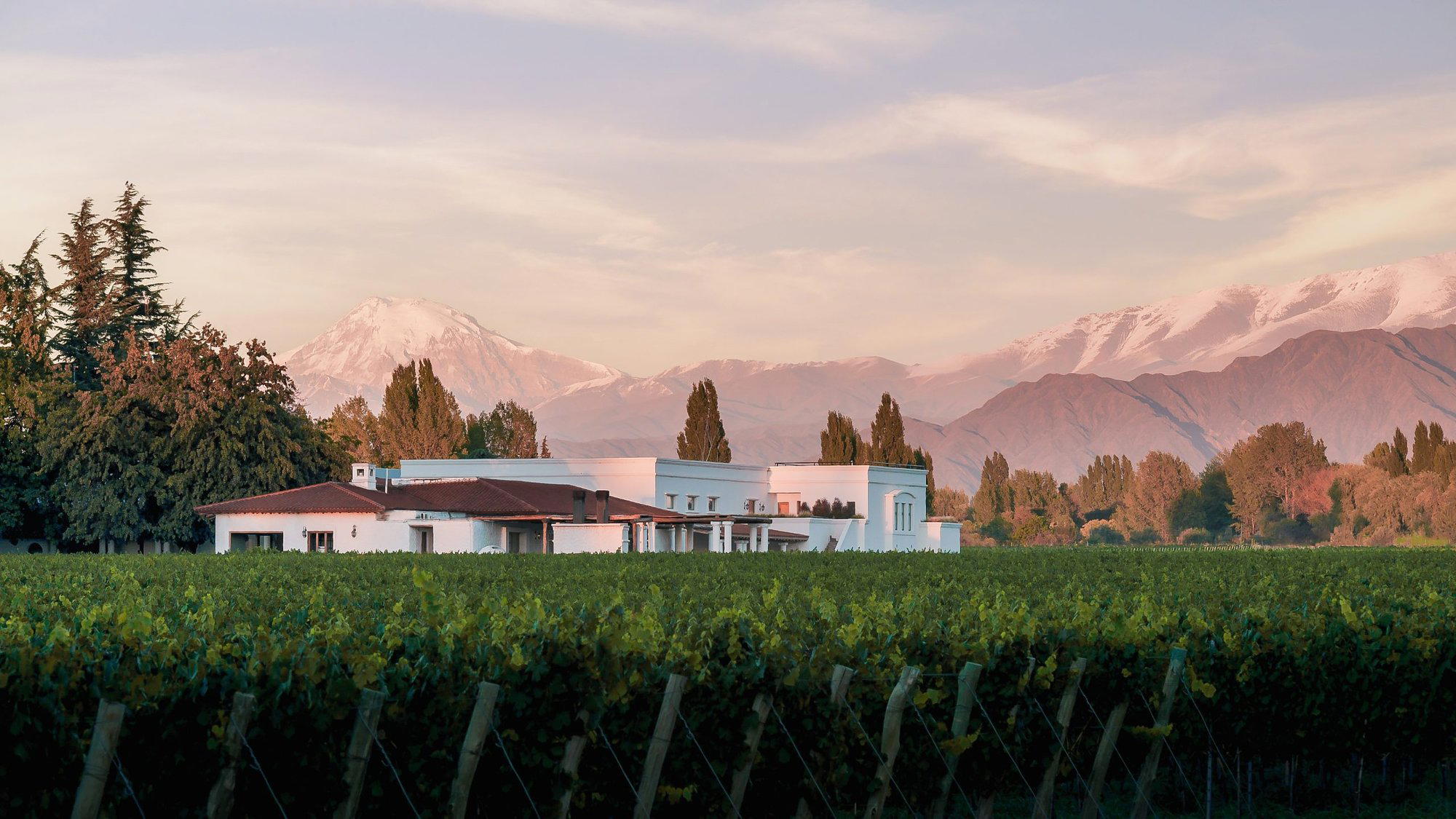
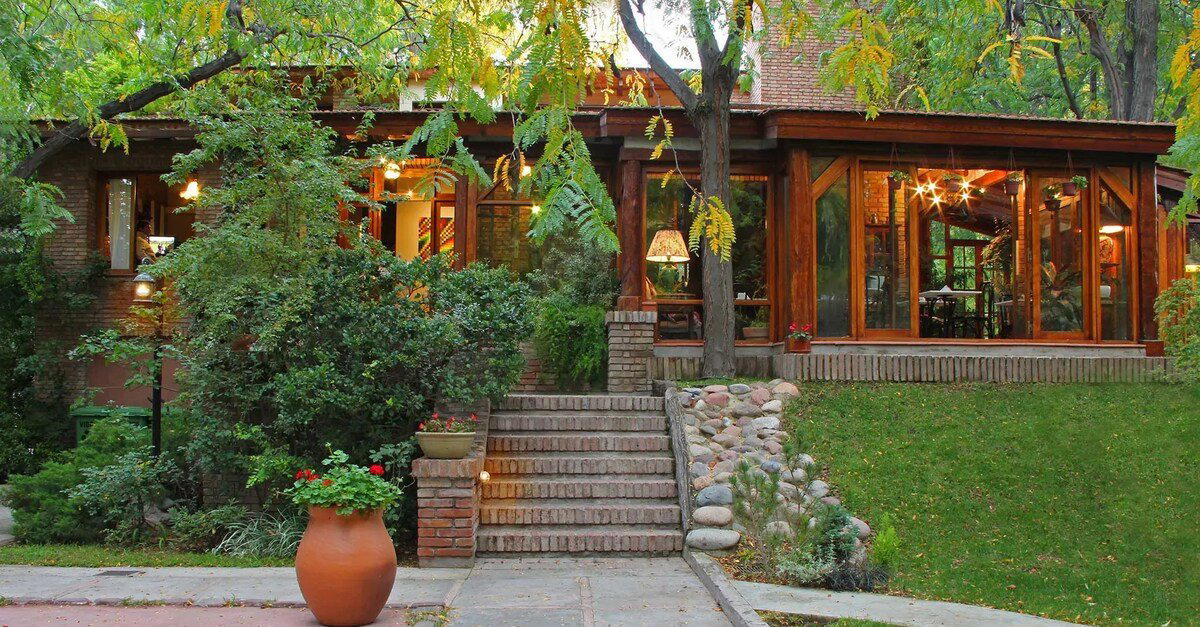
Pascual Toso is a historic Maipú winery. The property sits inside Maipú's established bodega circuit, where Italian immigrant-founded houses and modern producers share the same alluvial soils — and where viticulture, not spectacle, drives the visit.

Pearl is the En Primeur Club membership app — saves, bookings, and concierge access live there. Same editors, same standards.
- Address
- 51-199, M5515GGA, Las Barrancas, M5515GGA Maipú, Provincia de Mendoza
- Phone
- +542614058000
- Website
- bodegastoso.com
- Directions
- Get directions
Vines Before Visitors: The Las Barrancas Wine Corridor
Maipú's reputation in Argentine wine is built on proximity and productivity. The district sits immediately southeast of Mendoza city, and its alluvial soils — deposits carried down from the Andes over millennia — have made it one of the country's most consistently worked wine zones. Unlike the higher-altitude drama of Luján de Cuyo or the remote plateau of the Uco Valley, Maipú operates closer to the urban edge: accessible, historically layered, and dense with bodegas that range from century-old Italian-founded estates to newer boutique operations. Las Barrancas, where Pascual Toso is located, sits within this corridor, a sub-zone where vine age and soil character carry more weight than marketing narratives.
The broader Maipú wine scene has increasingly split between operations geared toward high-volume tourism and those that keep the emphasis on the cellar. Pascual Toso belongs to the second category, which in the current Argentine wine market is a meaningful distinction. For context, other Maipú producers in the EP Club index include Bodega Antigal, Bodega López, Finca Agostino, and El Enemigo (Casa Vigil), a group that maps the district's range from heritage houses to contemporary prestige producers.
What a Prestige-Tier Rating Signals About the Visit
That assessment matters when planning a Maipú itinerary, because the district's bodega density (there are more than 50 wineries within a short cycling or driving radius of the city) means that differentiating between a stop worth a half-day and one worth a passing look requires external calibration.
The address in Las Barrancas places the property within Maipú's most established vineyard belt, a zone where older vine material and well-documented block histories give producers something to work with beyond modern winemaking technique. Across the broader Mendoza region, the properties that most clearly sit in the same prestige conversation include Bodega Norton in Luján de Cuyo, Escorihuela Gascón in Godoy Cruz, and further afield, Bodega El Esteco in Cafayate, each operating in distinct terroir zones but sharing a commitment to the kind of production depth that justifies a dedicated visit.
Viticulture, Site, and the Sustainability Conversation in Maipú
Argentine wine's current evolution is happening at the intersection of altitude, vine age, and a growing interest in reduced-intervention viticulture. In Mendoza broadly, and Maipú specifically, producers are re-examining practices that the region's irrigation-dependent model made standard for generations: flood irrigation, heavy canopy management, synthetic inputs calibrated for yield. The shift toward drip systems, cover cropping, and organic certification has moved from boutique experimentation toward a more mainstream conversation, driven partly by export market demand and partly by a genuine reckoning with water scarcity as Andean snowpack patterns shift.
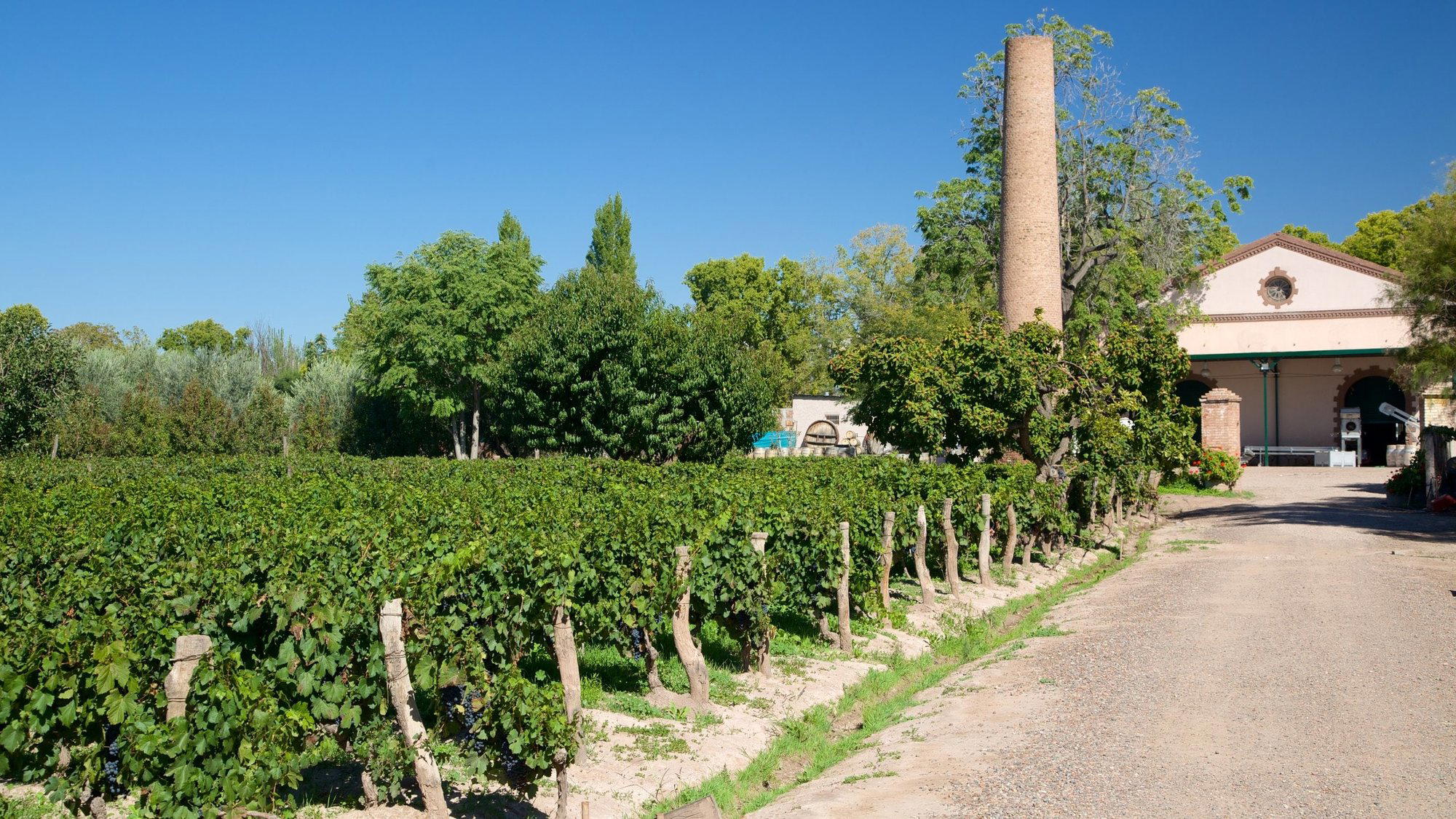
Las Barrancas sits within this conversation. The alluvial soils in Maipú's lower zones are naturally well-draining, which reduces disease pressure and supports lower-intervention approaches in the canopy. Producers working older vine material in this sub-zone have an additional argument for restraint: well-established root systems buffer against climate variability in ways that younger plantings cannot. Whether those older vines are being managed organically or through more transitional approaches depends on individual producer decisions, but the soil and vine-age conditions make the argument for minimal intervention easier to sustain here than in more volatile growing zones.
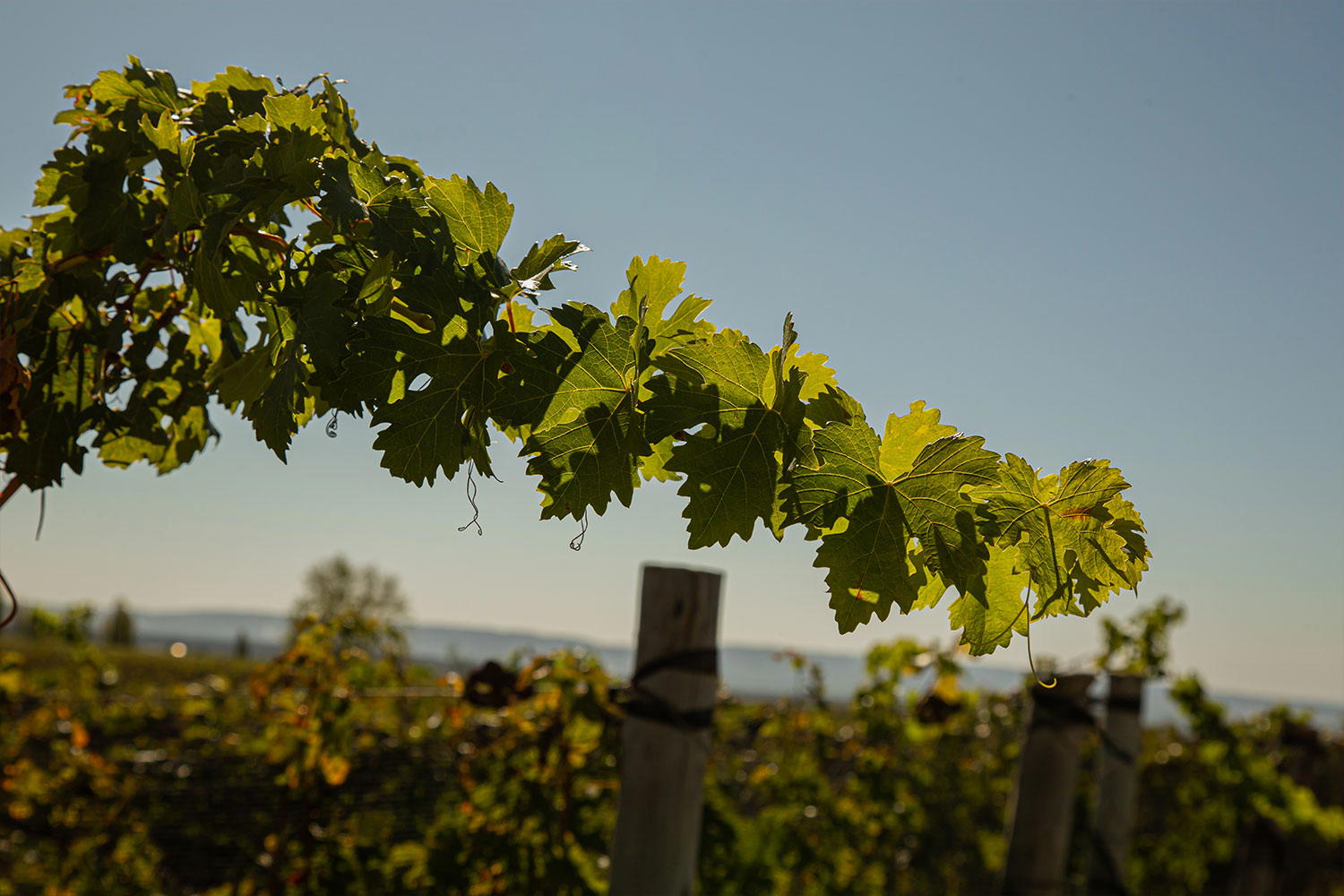
For visitors with an interest in viticulture rather than just tasting, the Maipú corridor, and Las Barrancas in particular, rewards walking or cycling between properties rather than driving. The proximity of bodegas means you can observe differences in canopy management, vine training systems, and cover crop choices between adjacent estates in a way that creates an education in applied viticulture that no single cellar tour replicates. Finca El Paraíso (Luigi Bosca) is another property on the same circuit worth including in that comparative exercise.
Placing Pascual Toso in the Wider Argentine Wine Map
Understanding where a Maipú winery sits requires triangulating it against properties in other Argentine wine regions. The country's wine geography has diversified considerably over the past two decades, with Patagonian producers like Familia Schroeder in San Patricio del Chañar and high-altitude outliers like Bodega Colomé in Molinos pulling critical attention toward the country's geographic extremes. Maipú, by contrast, represents the core: the settled, well-irrigated, historically Italian-influenced heartland of Argentine wine production, where the benchmarks were established before altitude-driven wines became the critical conversation.
That core position is neither a limitation nor a default. Properties in Maipú's established zones are working with vine material that newer, higher-altitude plantings cannot match for age, and the district's infrastructure, its cooperative history, its density of expertise, its proximity to Mendoza city, creates a different kind of value. Internationally, the frame that most usefully maps onto Maipú's role in Argentina is that of an established continental wine region where heritage and volume coexist: think less Burgundy, more Côtes du Rhône, but with its own prestige tier operating within that broad framework.
Other producers outside Mendoza worth understanding as comparative references include Bodega DiamAndes in Tunuyán, which operates in the higher-altitude Uco Valley and represents the newer wave of Argentine fine wine investment. Globally, the EP Club index includes properties at equivalent prestige levels across very different contexts, from Accendo Cellars in St.
Planning the Visit: What You Need to Know
Pascual Toso is located at Las Barrancas, Maipú, Provincia de Mendoza (address: 51-199, M5515GGA). The property is most easily reached from Mendoza city by remis taxi, rental car, or bicycle if you are extending your route through the broader Maipú bodega circuit. Maipú's cycling routes are well-established and connect several prestige-tier properties within a manageable radius, making a multi-stop day in the district practical for most visitors. For a full overview of the district's food and wine options, see our full Maipú restaurants and wineries guide.
For visitors building a longer Argentine wine itinerary, Maipú pairs naturally with a Buenos Aires stop that includes Fratelli Branca Distillery in Buenos Aires, a different category of production but a useful anchor for understanding Argentina's broader drinks culture before or after time in Mendoza.
Awards and Standing
Comparable venues nearby, for context on price, style, and recognition.
| Venue | Cuisine | Awards | Notes |
|---|---|---|---|
| Pascual TosoThis venue — the venue you are viewing | Malbec, Cabernet Sauvignon | Not listed | Not listed |
| Finca Agostino | Malbec, Cabernet Sauvignon | Falstaff Winery - Listed | Barrancas, Maipú |
| Bodega López | Malbec, Cabernet Sauvignon | Falstaff Winery - Listed | General Gutiérrez |
| Finca Flichman | Malbec, Cabernet Sauvignon | Not listed | Barrancas |
| Tierra de Lobo Distillery | Winery | Not listed | Maipú |
| Bodega Antigal | Malbec, Cabernet Sauvignon | Falstaff Winery - Listed | Russell, Maipú |
Continue exploring
More in Maipú
Wineries in Maipú
Browse all →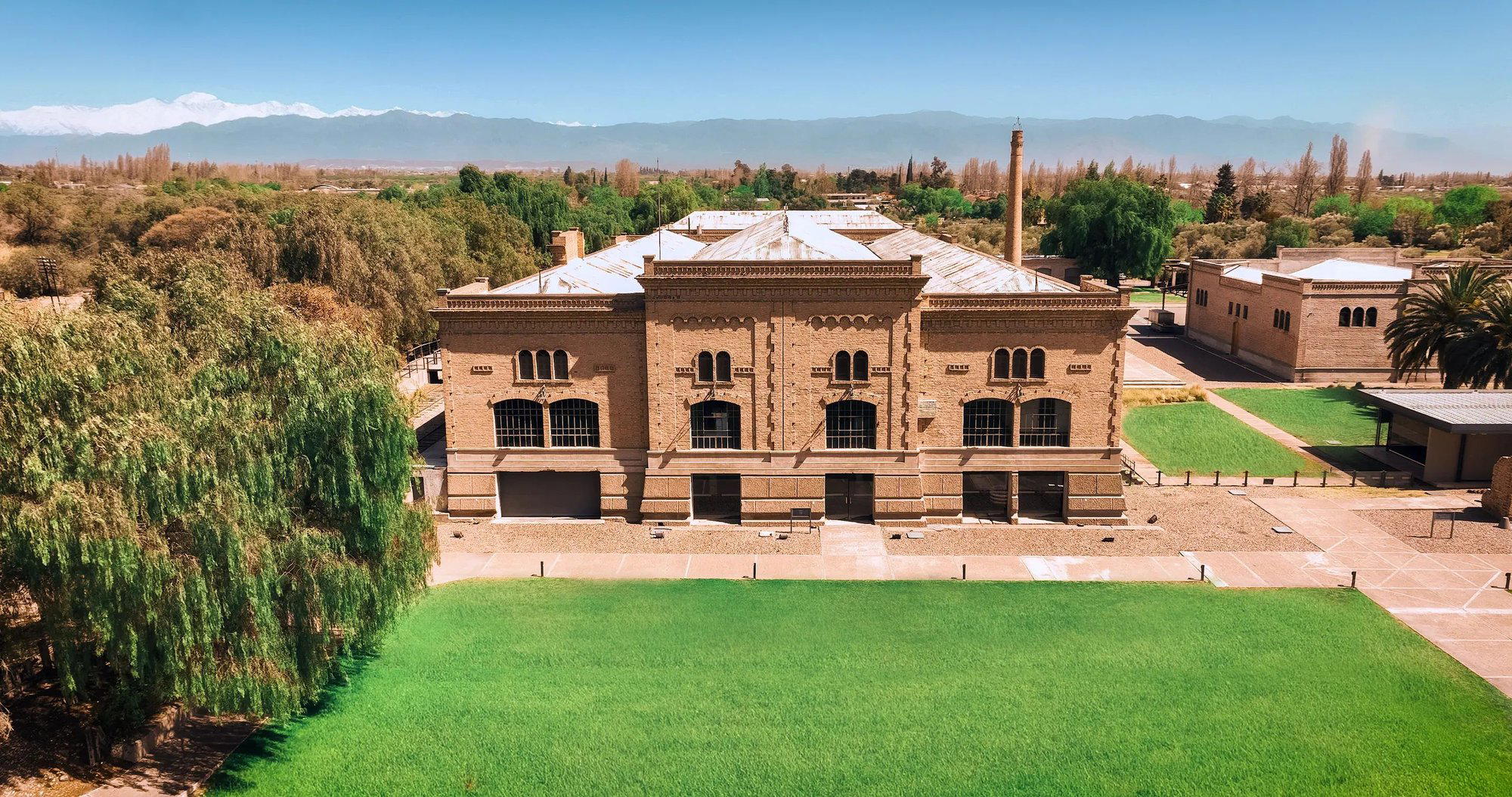
Bars in Maipú
Browse all →
Restaurants in Maipú
Browse all →
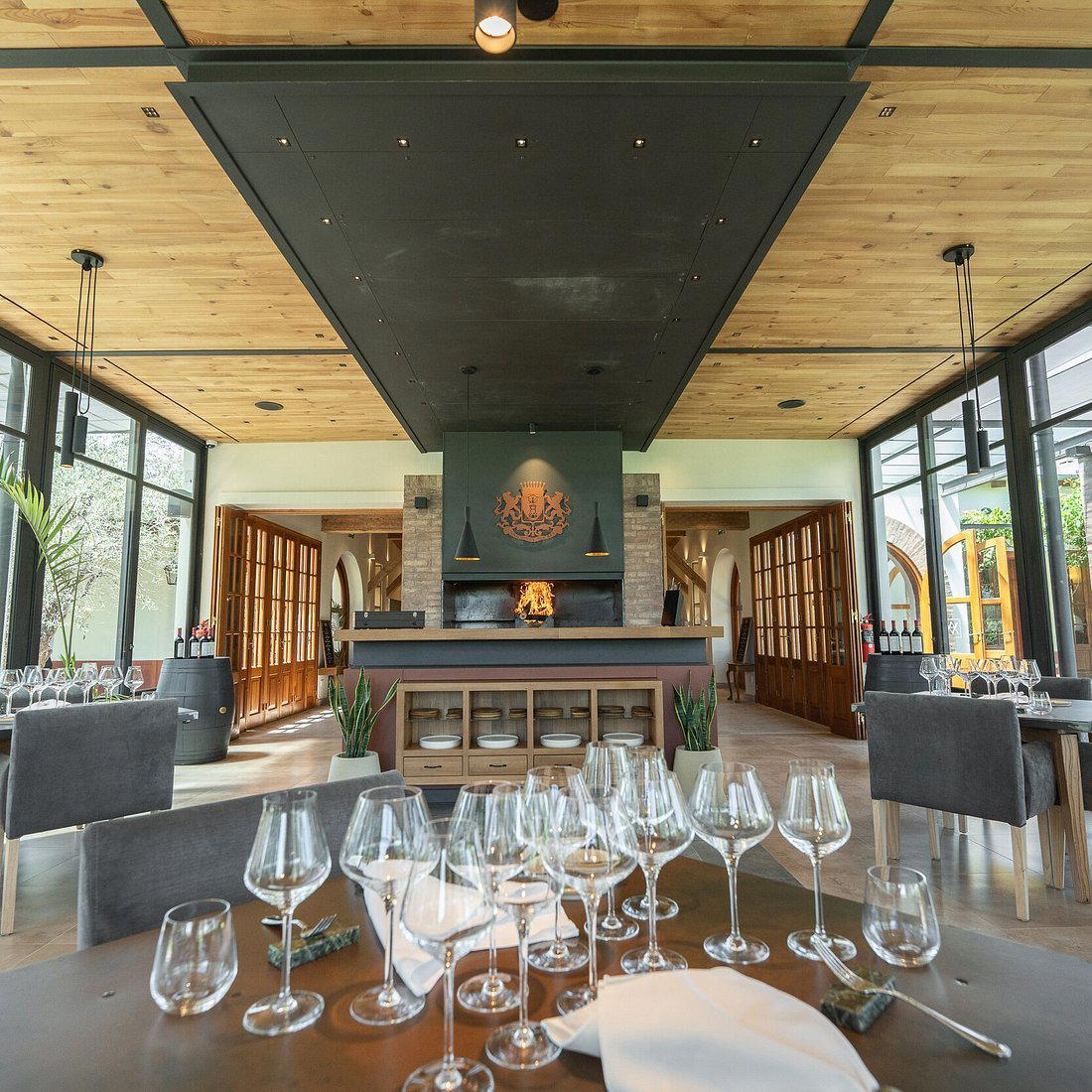
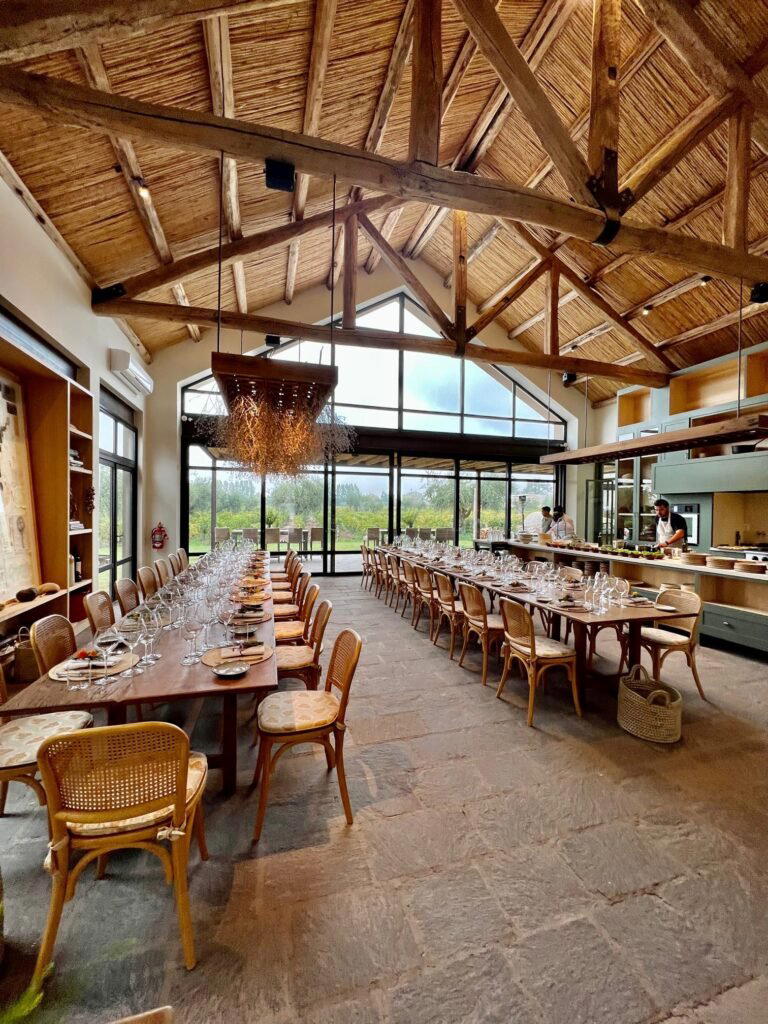
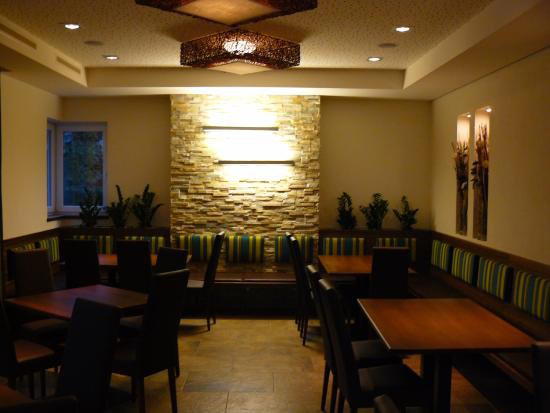
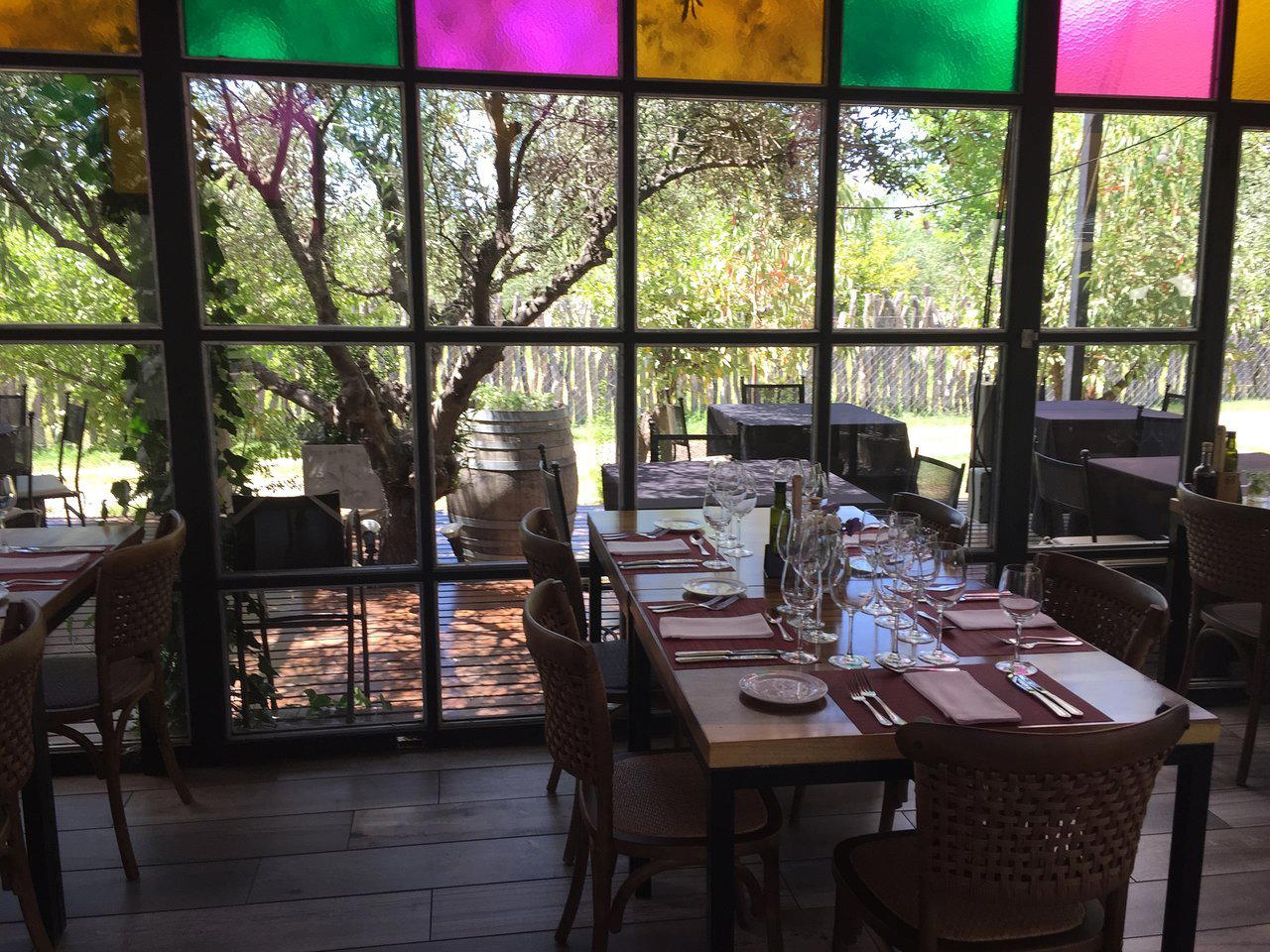
Details
- Classic
- Rustic
- Elegant
- Scenic
- Wine Education
- Special Occasion
- Group Outing
- Vineyard Tour
- Estate Grounds
- Panoramic View
- Historic Building
- Sustainable
- Vineyard
- Mountain
- Malbec
- Cabernet Sauvignon
- Syrah
- Still Red
- Estate Tasting
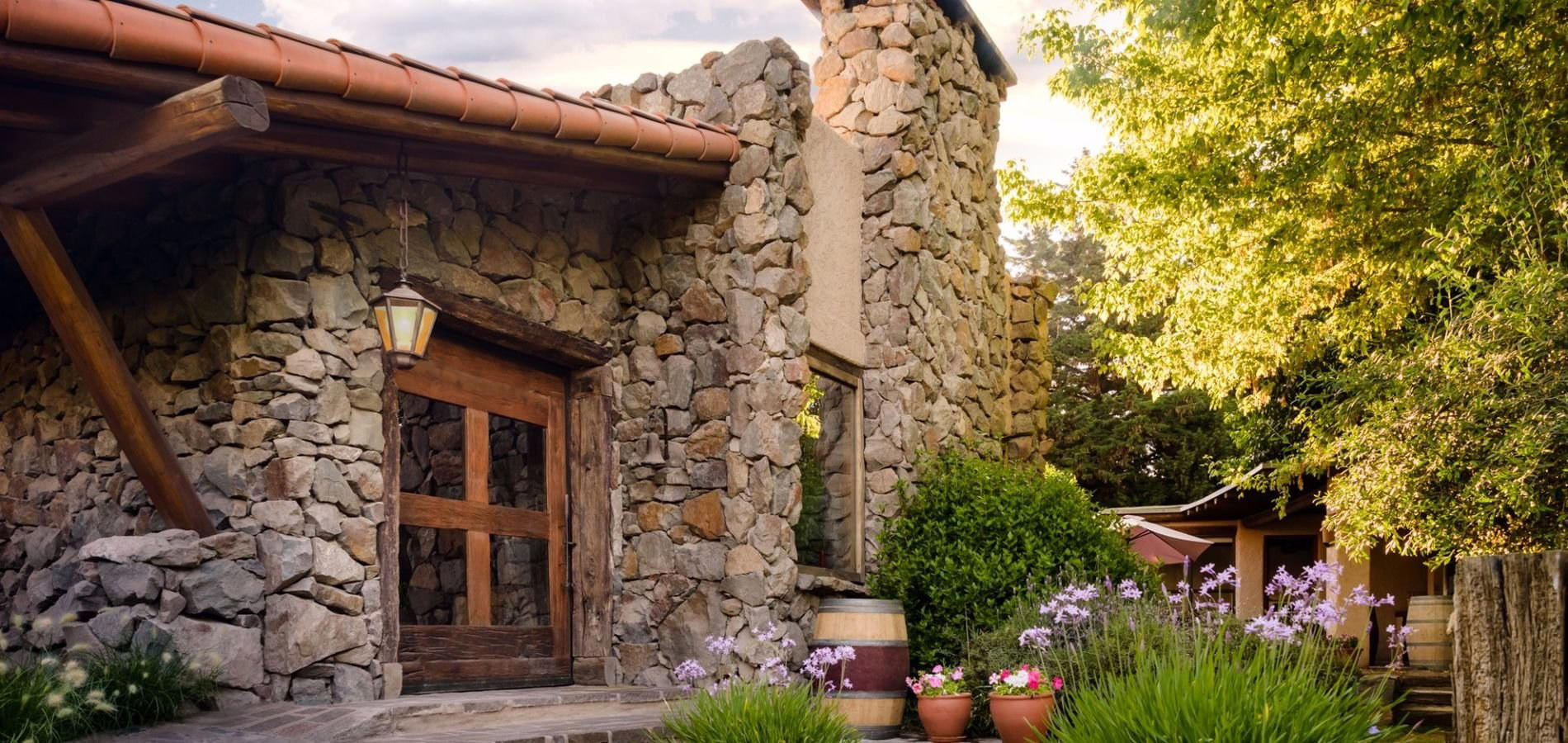
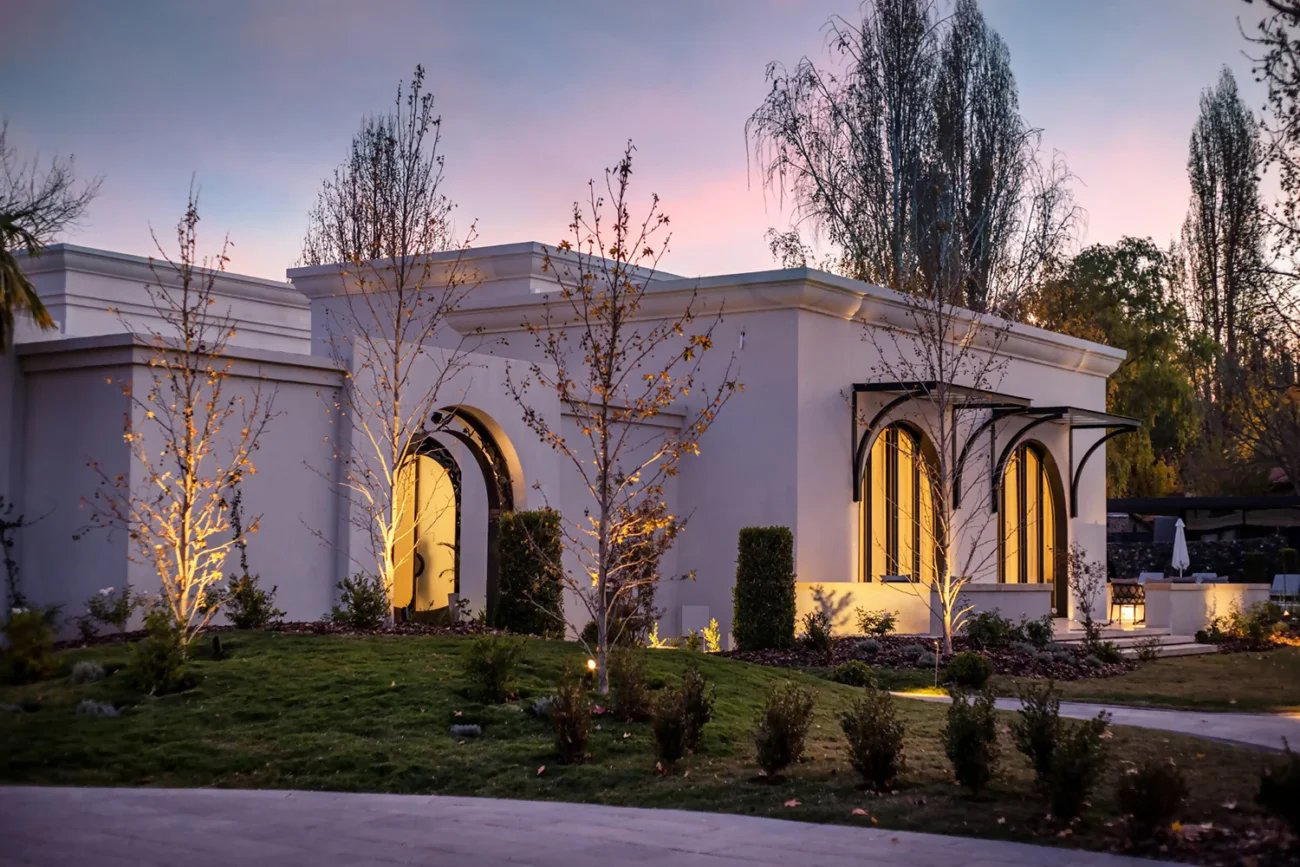
Historic estate winery with traditional charm reflecting over 130 years of Argentine winemaking heritage, set amid stony soils and mountain terroir in Mendoza's Maipú district.