
Falstaff Winery - Listed
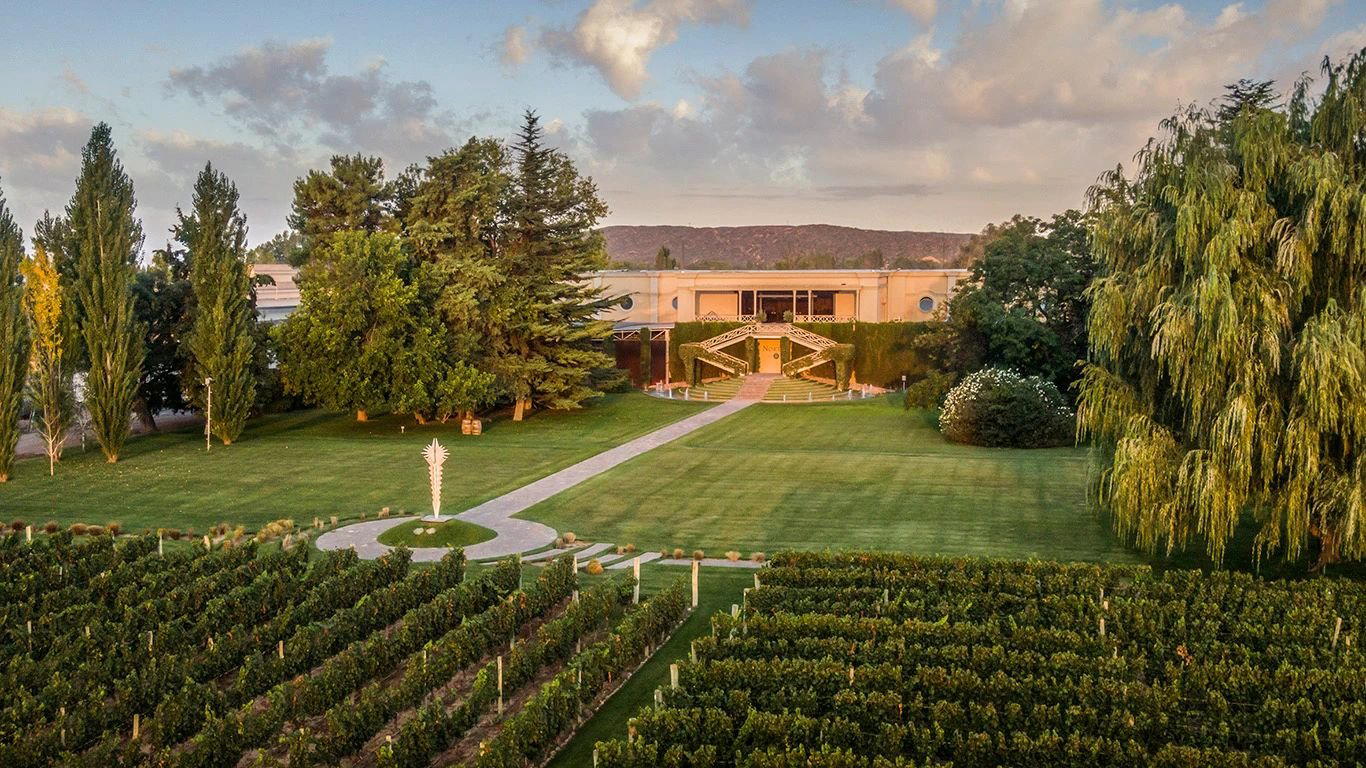
Finca Agostino sits on Carril Barrancas in Maipú, within the core of Mendoza's most densely planted wine corridor.

Pearl is the En Primeur Club membership app — saves, bookings, and concierge access live there. Same editors, same standards.
- Address
- Carril Barrancas 10590, M5517 Maipú, Mendoza
- Phone
- +54 261 461-4703
- Website
- agostinowinegroup.com
- Directions
- Get directions
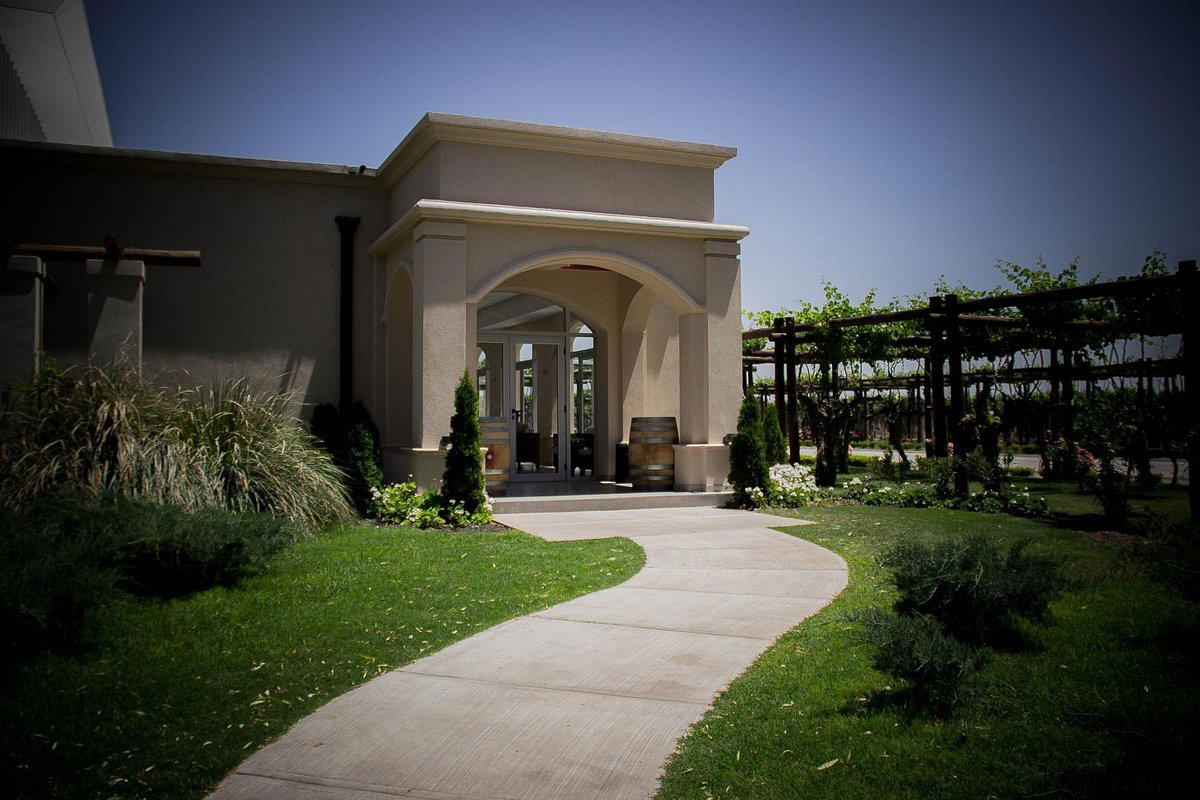
Arriving in the Vines: Maipú's Tasting Room Register
The drive east from Mendoza city into Maipú follows a logic that has organised Argentine wine geography for over a century. The department sits on the lower, warmer alluvial plain fed by the Mendoza River, where the soils shift from high-altitude rock and sand to deeper, more fertile ground. Wineries here tend to occupy older plots, and the tasting rooms that have evolved around them range from industrial-scale visitor centres at historic houses to quieter, property-specific experiences where the gap between vineyard and glass is visibly short. Finca Agostino, at Carril Barrancas 10590, belongs to that second register: a finca address rather than a branded highway billboard, which already says something about the register it occupies.
That positioning matters when you consider how Maipú's wine tourism has stratified. On one side sit the large commercial bodegas that have industrialised the visitor experience, optimising for group throughput. On the other, a smaller tier of estate properties offers formats where the tasting itself is the product rather than a preamble to a gift shop.
What the Tasting Format Signals
In Mendoza's wine tourism circuit, the format of a tasting tells you a great deal before the first wine is poured. Finca Agostino's finca designation suggests an estate model: the wines you taste are grown here, which concentrates the conversation on place rather than portfolio breadth. This is a different contract from the large bodegas, where flights can span multiple appellations and price points assembled from bought-in fruit. An estate tasting at this address means the staff are talking about one specific piece of Maipú's terroir, with all the precision and limitation that implies.
The Carril Barrancas address puts the property in the southern arc of Maipú, where vineyard parcels retain a working-farm character that the more tourist-facing northern clusters have shed. Visiting requires intention: you come specifically to Finca Agostino rather than folding it into a high-density bicycle-route afternoon that passes four bodegas in as many kilometres. That friction is a feature in the Prestige tier, where low ambient foot traffic correlates with higher staff-to-visitor ratios and a tasting room that can hold a conversation rather than manage a queue.
Maipú in the Wider Mendoza Context
Understanding why Finca Agostino carries weight requires a brief map of how Mendoza's sub-regions have developed their identities. Luján de Cuyo, to the south and west, built its premium reputation largely on high-altitude Malbec and a cluster of export-oriented producers; Bodega Norton in Luján de Cuyo represents that established cohort. Maipú, by contrast, carries a more mixed identity: historically significant, home to some of Argentina's oldest continuous-production estates, but less consistently marketed as a premium terroir destination. That undervaluation has created space for finca-scale producers to occupy a quality tier that their addresses do not automatically signal to first-time visitors.
Cafayate, further north in Salta province, has a more dramatic narrative of isolation and altitude, as producers like Bodega El Esteco in Cafayate demonstrate. Maipú trades in a different register: proximity to the city, agricultural continuity, and a density of historic plantings that give estate wines a root system, figuratively and literally, that newer high-altitude developments cannot replicate. Finca Agostino sits within that specific argument for Maipú's relevance.
The district contains producers at radically different scales and visitor models. Bodega López operates one of the area's most historically significant estates, with a museum-scale visitor infrastructure. Finca Flichman represents the large-export model, where production volume anchors the brand. Bodega Antigal has built a boutique-hotel proposition around its winery footprint. El Enemigo (Casa Vigil) and Finca El Paraíso - Luigi Bosca operate in the prestige-winemaking tier, where the tasting room experience is designed to match the wine's critical positioning.
Finca Agostino competes in that final group. The Prestige classification implies a visitor experience where format discipline, staff knowledge, and environmental coherence are assessed, not just wine scores in isolation. That puts it in a smaller Maipú cohort than the department's overall winery count would suggest.
Argentina's Tasting Room Moment
Argentina's wine tourism has undergone a structural shift over the past decade. The first generation of visitor infrastructure, built largely in the 2000s, prioritised access and volume: air-conditioned buses, multilingual group tours, and tasting menus priced to convert casual visitors. The current premium tier has moved toward the specialist model common in Burgundy and the Napa Valley's appointment-only estates, where the format controls capacity and the experience is calibrated to a visitor who arrives with existing wine knowledge or the appetite to develop it quickly.
This shift has parallels across the country. Bodega Colomé in Molinos built its reputation partly on geographic inaccessibility that functioned as a quality signal. Bodega DiamAndes in Tunyuyán anchors its identity in Franco-Argentine production values and controlled visitor access. Familia Schroeder in San Patricio del Chañar operates in Neuquén, positioning itself as a cooler-climate contrast to the Mendoza mainstream. Each of these properties uses format and access as part of the product. Finca Agostino's finca model in Maipú reads within that same national logic, applied to a district that carries its own specific terroir argument rather than relying on altitude or remoteness.
Planning a Visit
Maipú sits approximately 15 kilometres east of Mendoza city, accessible by remis or rental car; taxis and ride-share services make the transfer direct from the city centre. The Carril Barrancas address places Finca Agostino in the southern sector of the department, which is worth noting when building an itinerary, as the main winery clusters span a wider geographic spread than Maipú's compact reputation implies. As a Prestige-tier property, visits are likely to reward advance contact rather than walk-in attempts, though specific booking procedures are best confirmed directly with the estate. For a broader view of what the department offers across price points and styles, our full Maipú restaurants and winery guide maps the range.
For travellers building a longer Argentine wine itinerary, Maipú pairs naturally with Godoy Cruz, where Escorihuela Gascón represents the urban-winery format, and with Luján de Cuyo's higher-altitude estates. Those looking to extend beyond Mendoza province will find a different stylistic register entirely at Bodega El Esteco in Cafayate or among the Patagonian producers clustered around San Patricio del Chañar. For a more global comparison point outside Argentina's wine geography, properties like Accendo Cellars in St. Helena or Aberlour operate in the same specialist, appointment-oriented tier that Finca Agostino's classification implies, though in entirely different production traditions. The Fratelli Branca Distillery in Buenos Aires rounds out a broader Argentine spirits and production itinerary for travellers approaching the country's drink culture at full width.
Cuisine Lens
Comparable venues nearby, for context on price, style, and recognition.
| Venue | Cuisine | Awards | Notes |
|---|---|---|---|
| Finca AgostinoThis venue — the venue you are viewing | Malbec, Cabernet Sauvignon | Falstaff Winery - Listed | Not listed |
| Tierra de Lobo Distillery | Winery | Not listed | Maipú |
| Pascual Toso | Malbec, Cabernet Sauvignon | Not listed | Maipú |
| Bodega López | Malbec, Cabernet Sauvignon | Falstaff Winery - Listed | General Gutiérrez |
| Finca Flichman | Malbec, Cabernet Sauvignon | Not listed | Barrancas |
| Bodega Antigal | Malbec, Cabernet Sauvignon | Falstaff Winery - Listed | Russell, Maipú |
Recognition history
Dated appearances from independent guides and award organizations, with the underlying list record or original source where available.
Falstaff Winery - Listed
Falstaff
Continue exploring
More in Maipú
Wineries in Maipú
Browse all →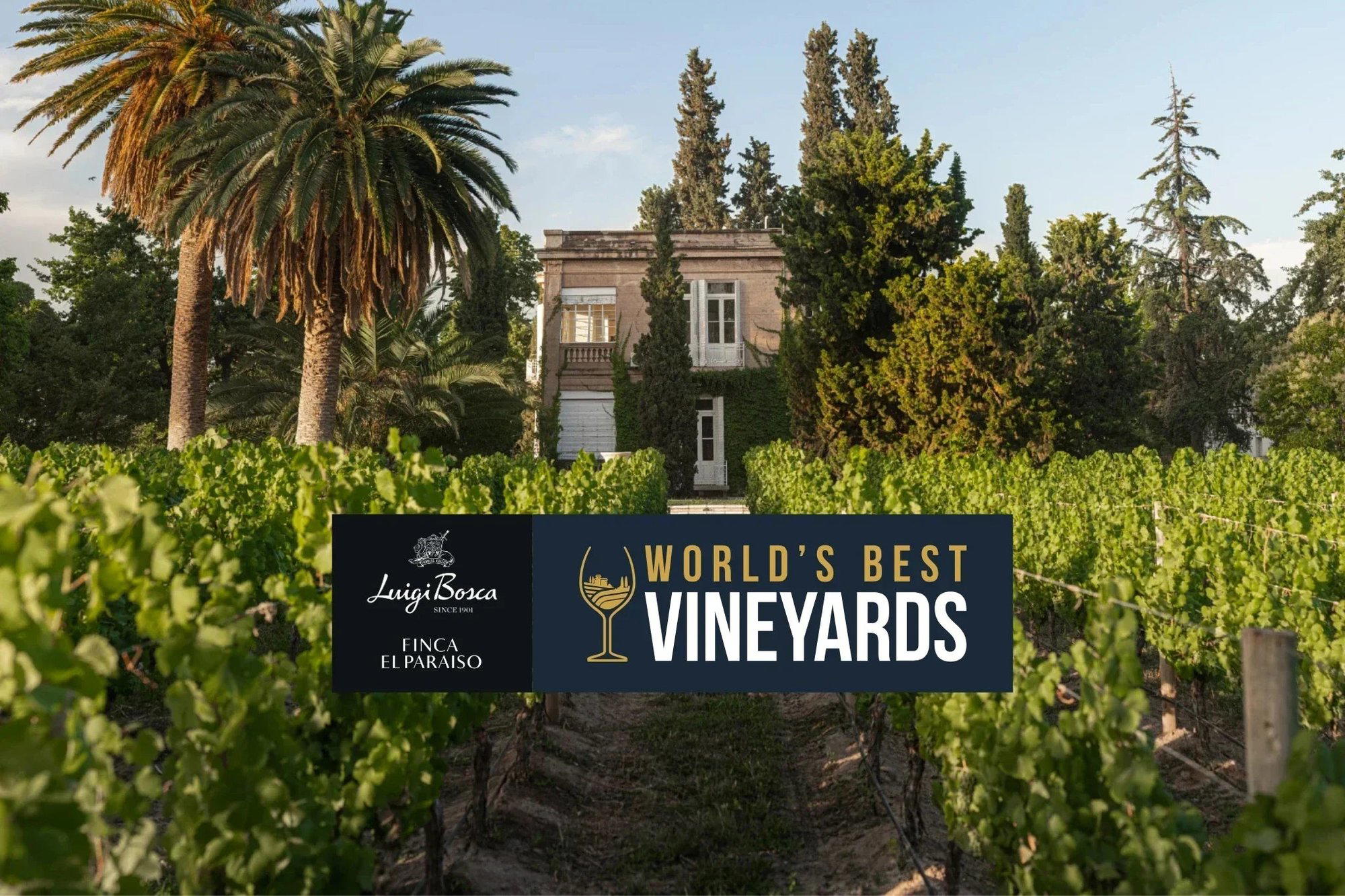
Bars in Maipú
Browse all →
Restaurants in Maipú
Browse all →
Details
- Rustic
- Elegant
- Scenic
- Group Outing
- Wine Education
- Special Occasion
- Vineyard Tour
- Estate Grounds
- Vineyard
- Mountain
- Garden
- Malbec
- Cabernet Sauvignon
- Syrah
- Petit Verdot
- Sauvignon Blanc
- Semillon
- Still Red
- Still White
- Guided Tasting
- English
- Spanish
- Founded: official source · checked
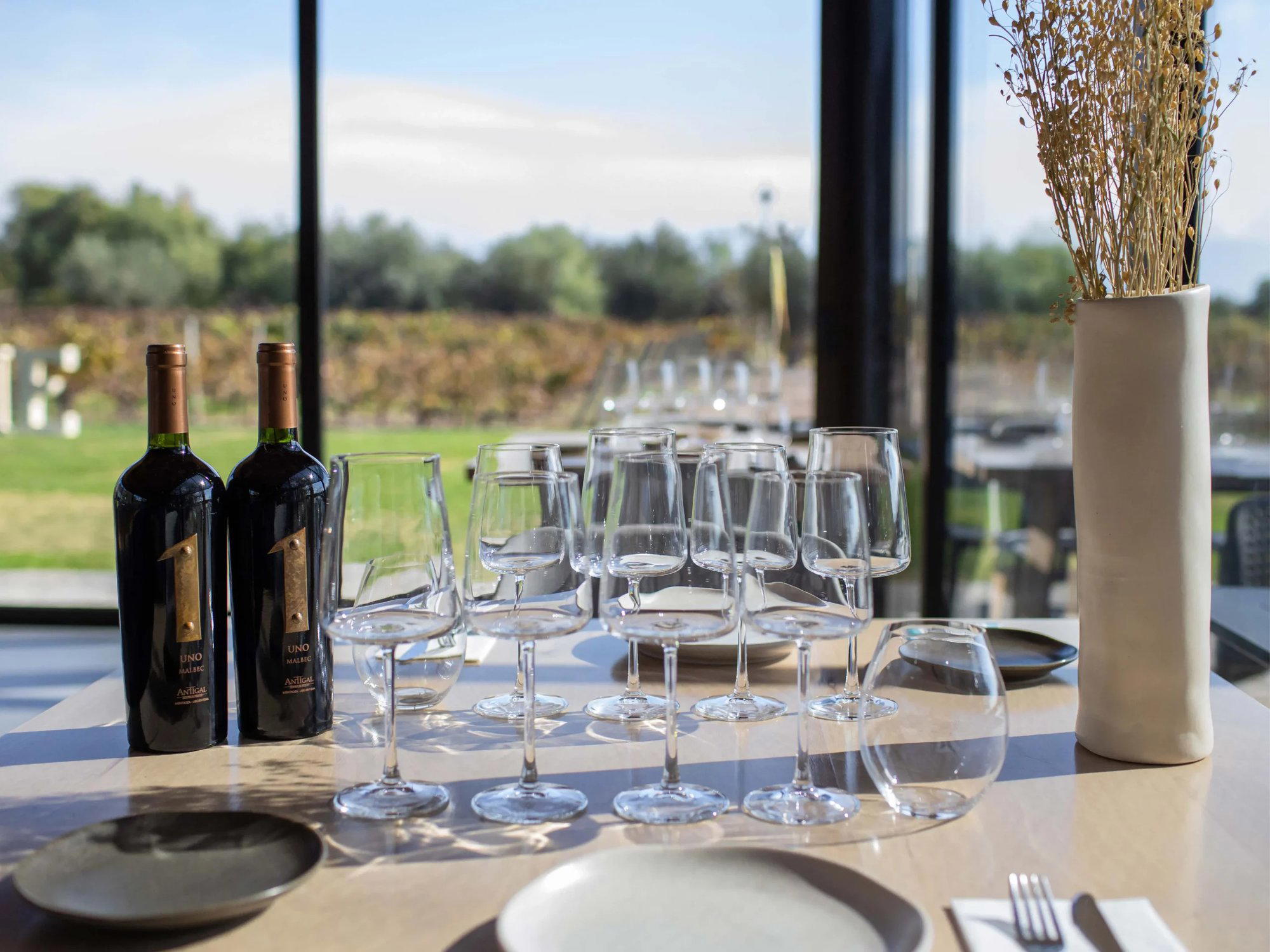
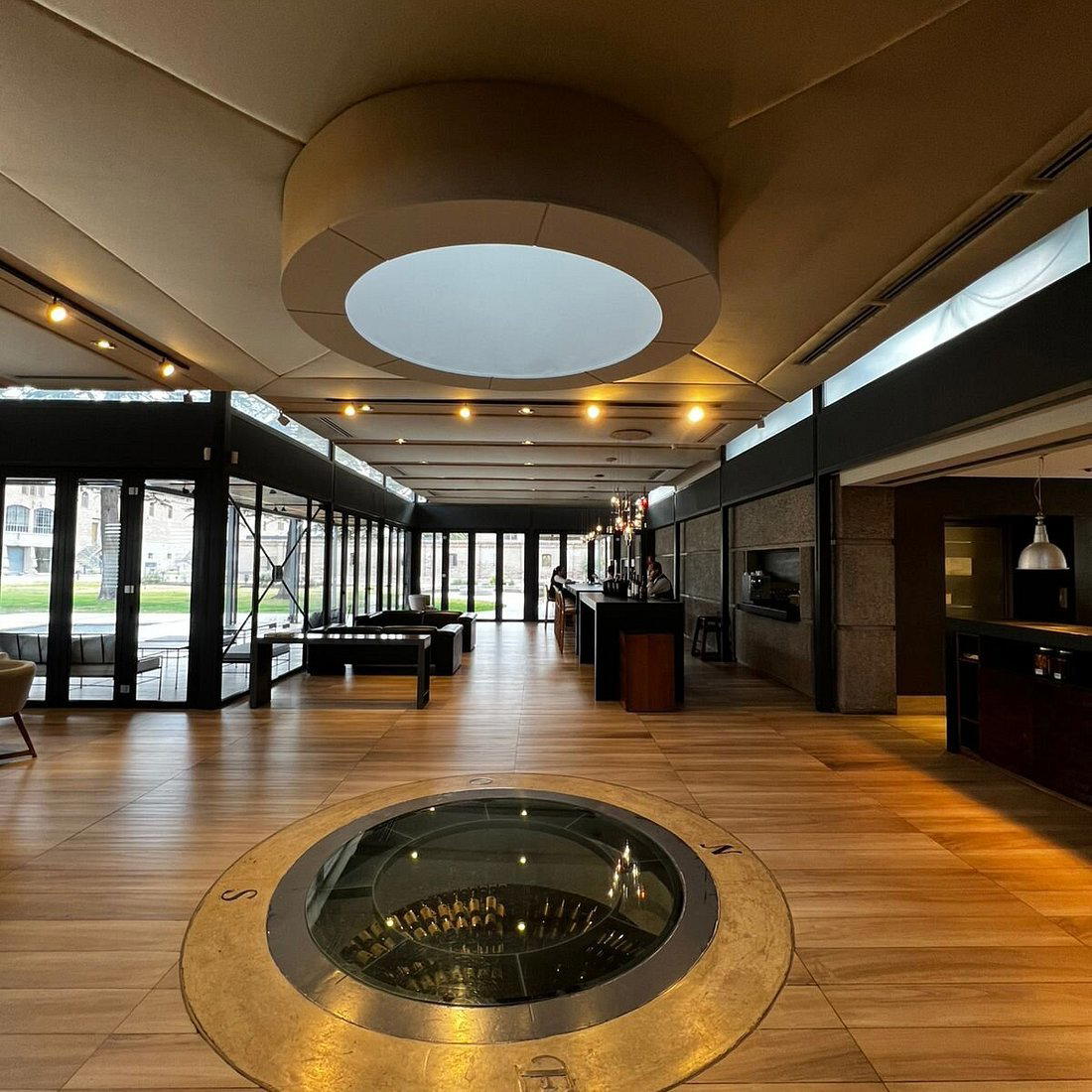
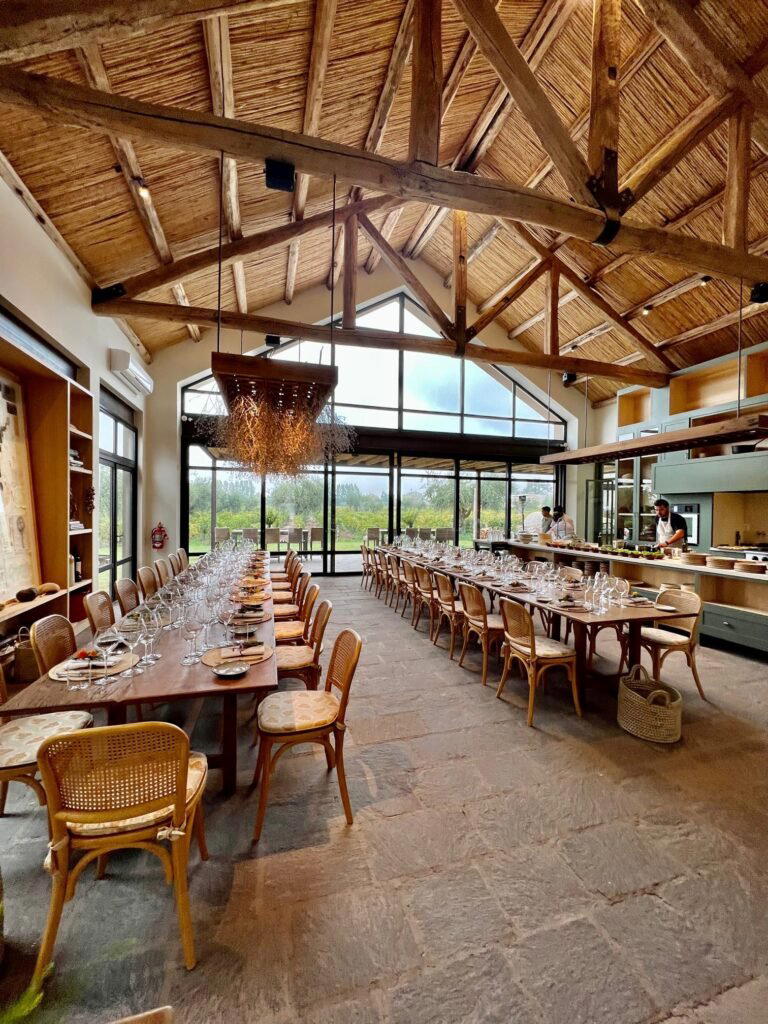
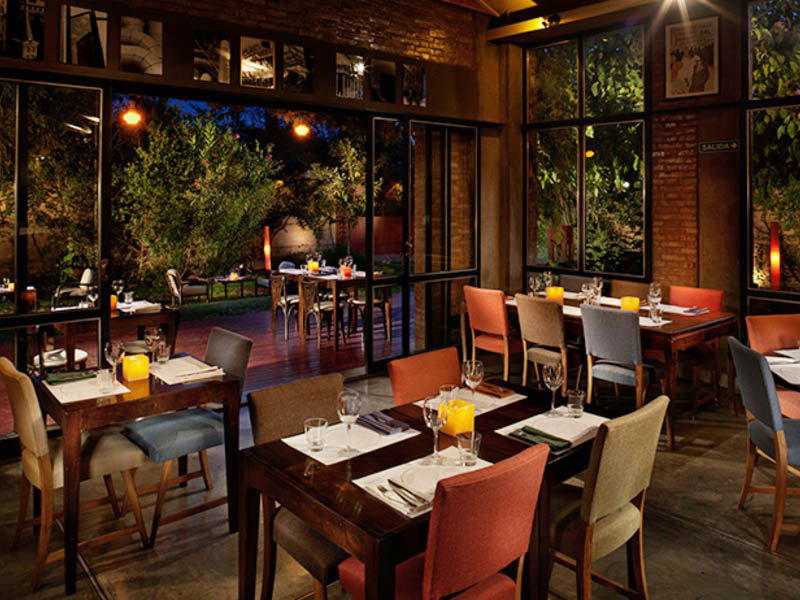
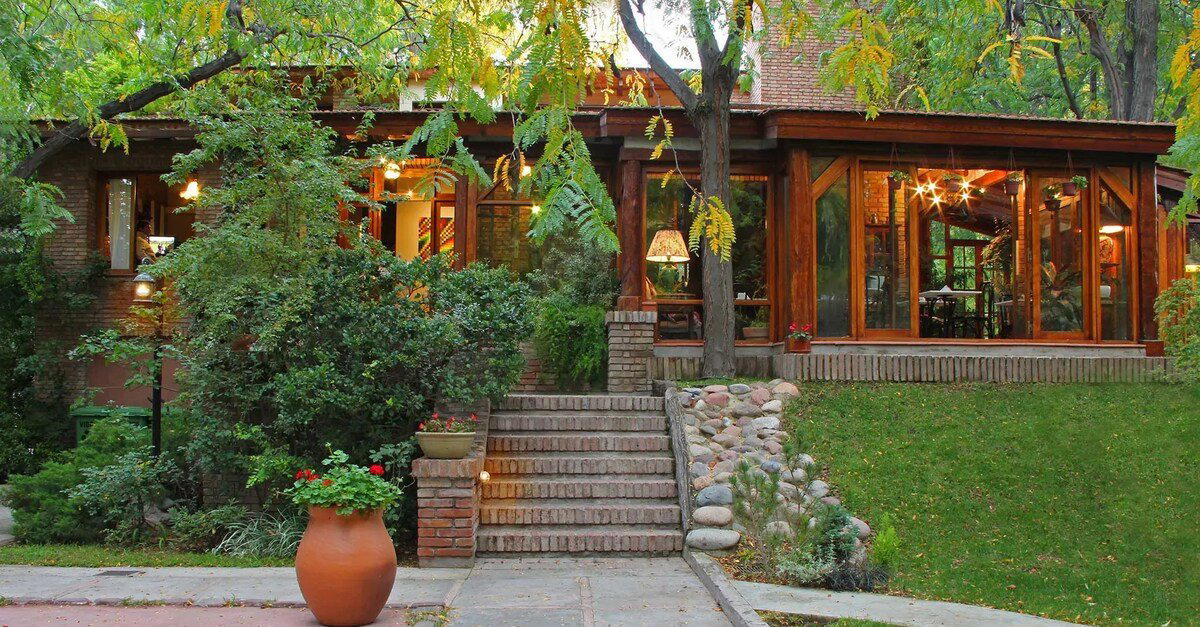
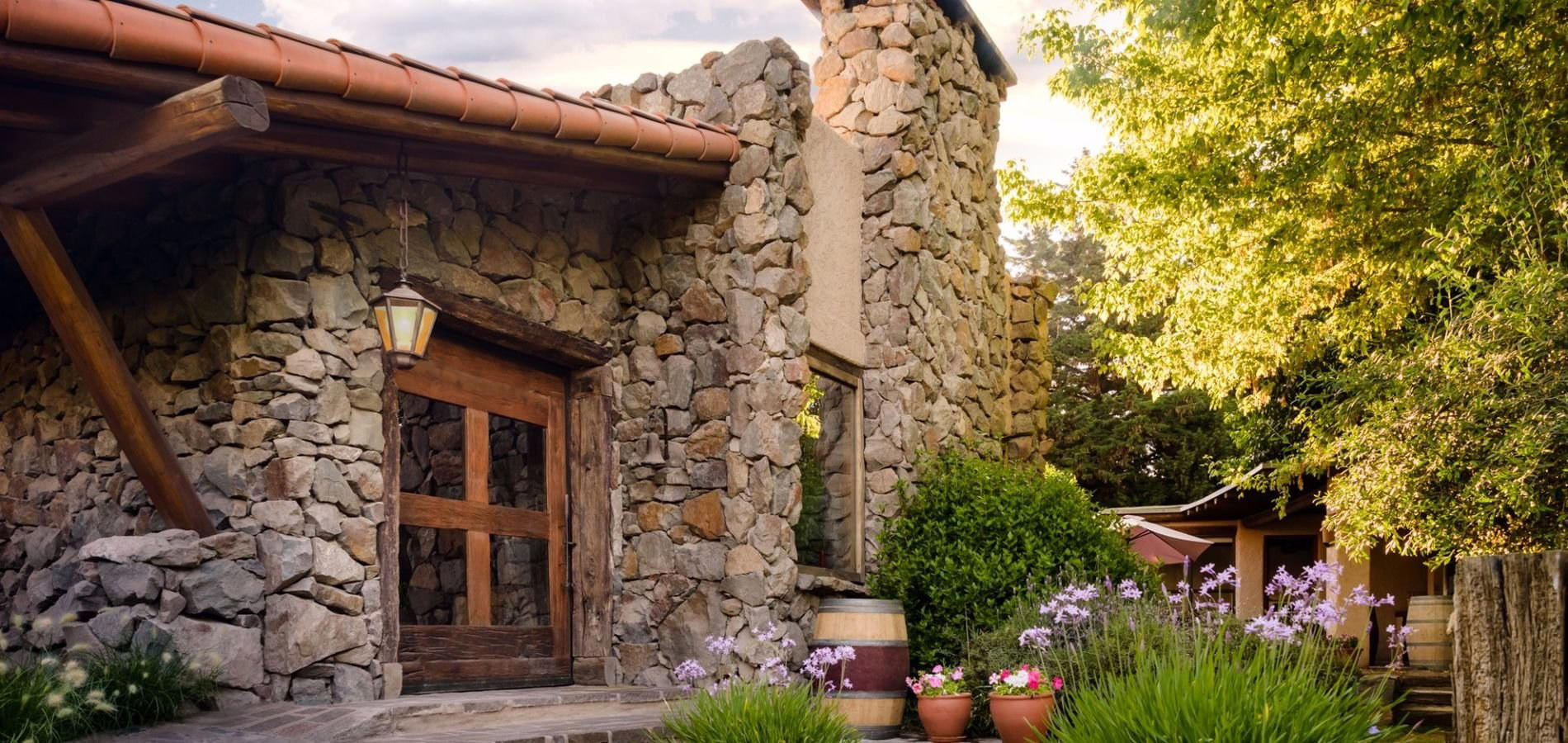
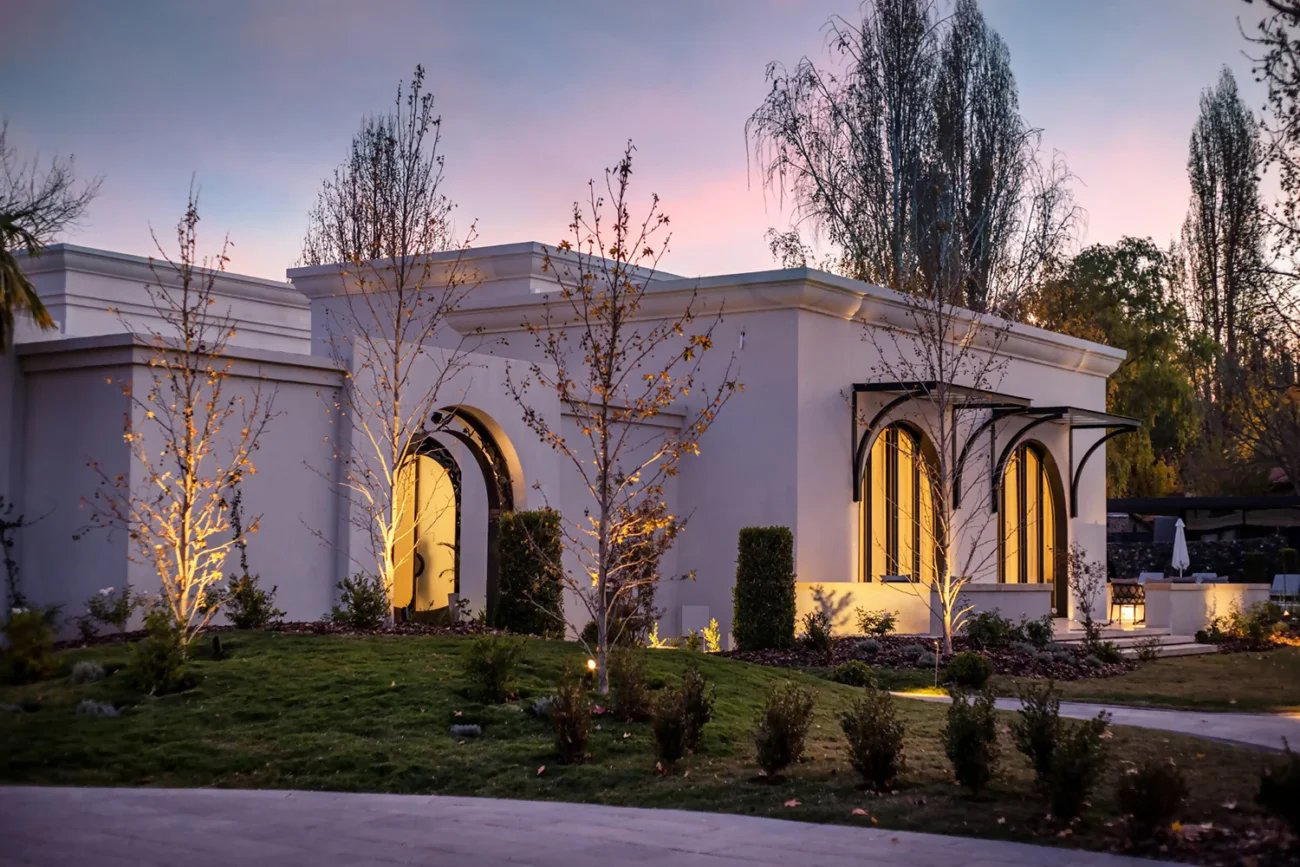
Modern and elegant restaurant with picturesque gardens, fountains, and dramatic Andes Mountain views, creating a refined and scenic atmosphere praised by guests.