
Falstaff Winery - Listed
Bodega López is a Maipú winery. The property sits within Maipú's established corridor of heritage bodegas, where Malbec and Bonarda have been grown commercially for over a century. Serious visitors planning a Mendoza wine itinerary should include it alongside the region's other prestige-tier producers.

Pearl is the En Primeur Club membership app — saves, bookings, and concierge access live there. Same editors, same standards.
- Address
- Ozamis 375, M5511APG Mendoza
- Phone
- +54 9 261 594-8023
- Website
- bodegaslopez.com.ar
- Directions
- Get directions
Maipú's Heritage Wine Corridor and Where Bodega López Fits
Mendoza's wine geography splits along two principal axes: the higher-altitude communes of Luján de Cuyo to the south and west, and the lower-lying, warmer flatlands of Maipú to the east of the city. While Luján has claimed much of the international press attention for its single-vineyard Malbec experiments, Maipú carries a different kind of authority — one built on volume, consistency, and century-deep institutional knowledge. The district supplied Argentina's export boom long before the country became a shorthand for Malbec on international wine lists, and the bodegas that survived that transition did so by accumulating operational depth that newer, design-led estates cannot replicate.
Across Mendoza's wider winery population — which runs into the hundreds when you include small-scale producers and boutique projects, only a fraction hold a two-star prestige-level acknowledgment. That credential positions Bodega López alongside properties like Bodega Antigal and El Enemigo (Casa Vigil) in Maipú's more serious competitive set, rather than with the entry-level tasting-room operations that line the district's tourist cycling routes.
The Maipú Winemaking Tradition
Understanding what Bodega López represents requires a brief look at what Maipú has historically produced and why that matters. The department sits at roughly 700 to 900 metres above sea level, lower than the high-altitude vineyards of Valle de Uco but still refined enough to generate the diurnal temperature swings, warm days, cool nights, that preserve acidity in ripe fruit. Maipú's older vineyards, some planted in the late nineteenth and early twentieth centuries by immigrant families from Italy and Spain, contain bush-vine Malbec and Bonarda that no modern planting can fast-track to maturity. Age of vine is not a marketing concept in this context; it is a technical advantage that concentrates expression in ways that younger vineyards cannot.
The district's winemaking culture has also been shaped by scale. Unlike Napa Valley, where boutique production became a prestige signal, Maipú's leading producers learned to maintain quality across larger volumes, a discipline that demands rigorous cellar management and consistent sourcing relationships. Producers like Finca Flichman and Finca Agostino have navigated this same terrain, each finding a different register between accessibility and prestige. Finca El Paraíso (Luigi Bosca) represents another point of comparison: a heritage Maipú address where long-established vineyard holdings feed a tiered range that spans everyday drinking to collector-grade releases.
Winemaking Philosophy in Context: What Prestige Ratings Signal
Heritage Maipú bodegas that achieve this tier typically demonstrate command of the estate's own fruit sources, which in a district as old as Maipú means access to vineyards planted when the land was first mapped for viticulture.
Across Argentina more broadly, prestige-tier producers divide loosely between the innovation-forward model, high-altitude single parcels, minimal intervention, small-lot experimentation, and the heritage-consistent model, where the winemaking vocabulary was established over decades and refinement happens incrementally rather than through stylistic overhaul. The latter approach requires a different kind of confidence. Bodega López's 2025 recognition suggests it operates in that second register. For comparison, see how altitude-driven innovation plays out at Bodega DiamAndes in Tunuyán or the remotely positioned Bodega Colomé in Molinos, where the stylistic premise is built around elevation rather than institutional depth.
Maipú in the Wider Argentine Wine Picture
Placing Bodega López inside the national frame clarifies its significance further. Argentine wine's prestige tier is geographically distributed across Mendoza's sub-regions, the Calchaquí Valleys in Salta, and the emerging Patagonian south. Each zone produces a different stylistic argument. Salta's Bodega El Esteco in Cafayate works at extreme altitude with Torrontés as a signature variety, a profile with no real parallel in Mendoza. Bodega Norton in Luján de Cuyo sits in the adjacent Mendoza sub-region with a similar heritage footprint but a different terroir baseline. Escorihuela Gascón in Godoy Cruz occupies an urban winery format that has become its own category. Against this spread, Maipú's contribution, and Bodega López's position within it, is the combination of scale-tested winemaking rigour and old-vine fruit access that other sub-regions simply do not have.
South of the country, Familia Schroeder in San Patricio del Chañar demonstrates how Patagonian producers are building prestige credentials from scratch, without the institutional depth that Maipú carries. The contrast reinforces what heritage-district properties like Bodega López represent: a proven track record rather than a promising hypothesis.
Planning a Visit: Practical Context
Bodega López is located at Ozamis 375, Maipú, within the Greater Mendoza wine zone. The address puts it in the established bodega corridor that visitors to the district's wine tourism circuit will find accessible from Mendoza city. Maipú is approximately 15 kilometres southeast of central Mendoza, and the area is well-served by remis taxis and the cycling routes that connect the district's clustered wineries. No phone or website data is currently listed in EP Club's database for Bodega López, so visitors planning an itinerary should verify current opening hours and visit formats through local concierge contacts or on arrival in Mendoza. Given the property's prestige-tier standing, it is reasonable to anticipate a structured tasting experience rather than a casual drop-in format, though the specifics are best confirmed directly. For a broader orientation to the district's full range of producers and experiences, see our full Maipú restaurants guide.
Visitors building a multi-day Mendoza itinerary who want to range beyond the province should note that Argentine wine tourism infrastructure now extends to Fratelli Branca Distillery in Buenos Aires, which offers a different lens on the country's spirits and production heritage. For those who cross hemispheres and want a reference point from another prestige wine region entirely, Aberlour in Scotland and Accendo Cellars in St. Helena represent the EP Club's coverage of prestige-tier producers in Speyside and Napa respectively, useful calibration points for understanding where Bodega López sits in a global frame of reference.
Cost and Credentials
Comparable venues nearby, for context on price, style, and recognition.
| Venue | Cuisine | Awards | Notes |
|---|---|---|---|
| Bodega LópezThis venue — the venue you are viewing | Not listed | Falstaff Winery - Listed | Not listed |
| Finca Agostino | Not listed | Falstaff Winery - Listed | Barrancas, Maipú, Malbec, Cabernet Sauvignon |
| Pascual Toso | Maipú, Malbec, Cabernet Sauvignon | Not listed | Not listed |
| Tierra de Lobo Distillery | Winery | Not listed | Not listed |
| Bodega Antigal | Not listed | Falstaff Winery - Listed | Russell, Maipú, Malbec, Cabernet Sauvignon |
| Finca Flichman | Barrancas, Malbec, Cabernet Sauvignon | Not listed | Not listed |
Recognition history
Dated appearances from independent guides and award organizations, with the underlying list record or original source where available.
Falstaff Winery - Listed
Falstaff
Continue exploring
More in Maipú
Wineries in Maipú
Browse all →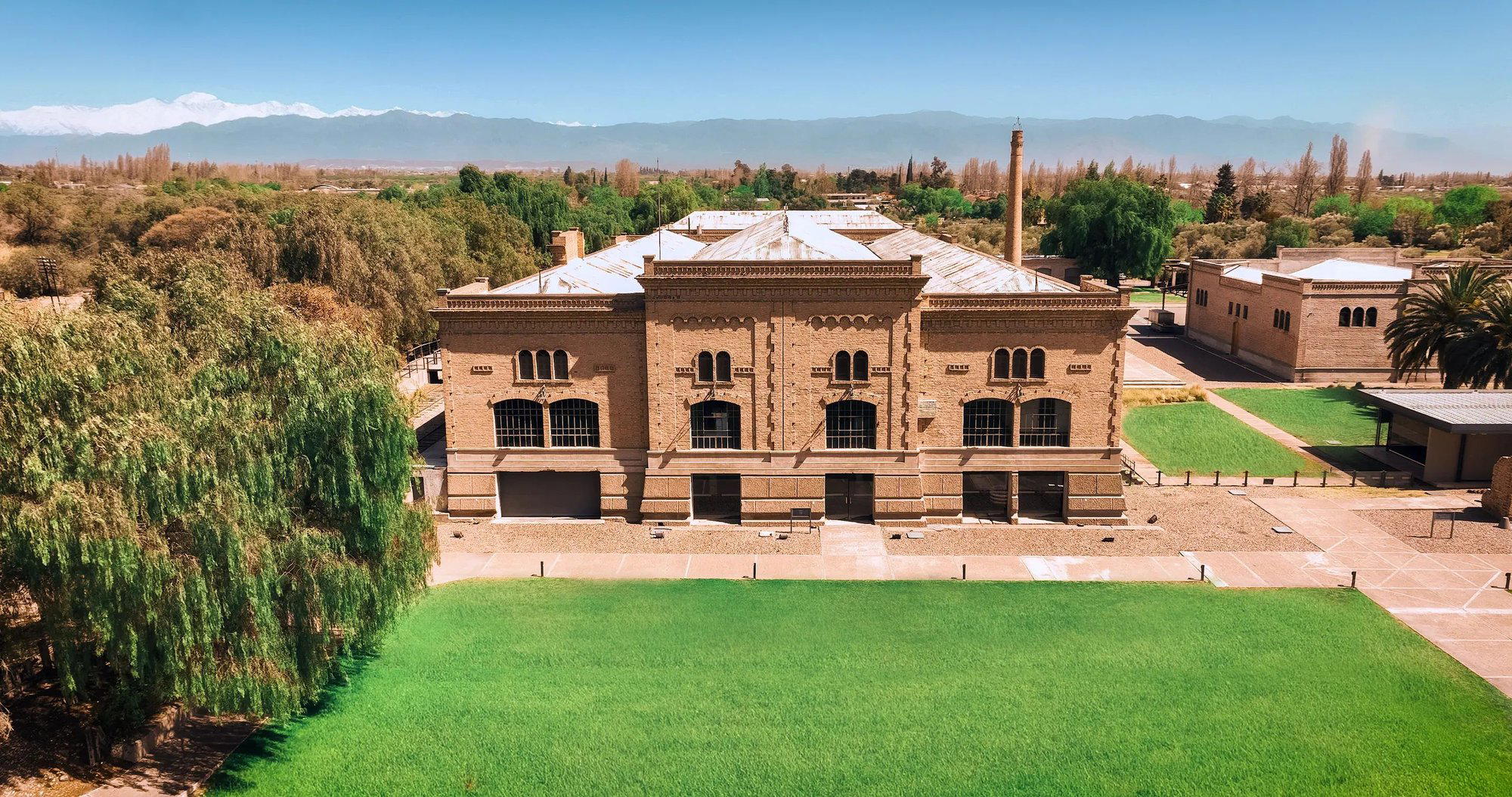
Bars in Maipú
Browse all →
Restaurants in Maipú
Browse all →
Details
- Classic
- Historic
- Rustic
- Wine Education
- Group Outing
- Vineyard Tour
- Barrel Room
- Historic Building
- Estate Grounds
- Vineyard
- Garden
- Malbec
- Cabernet Sauvignon
- Merlot
- Chardonnay
- Chenin Blanc
- Semillon
- Sauvignon Blanc
- Syrah
- Sangiovese
- Pinot Noir
- Still Red
- Still White
- Still Rosé
- Sparkling
- Guided Tasting
- Icon Tasting
- Spanish
- English
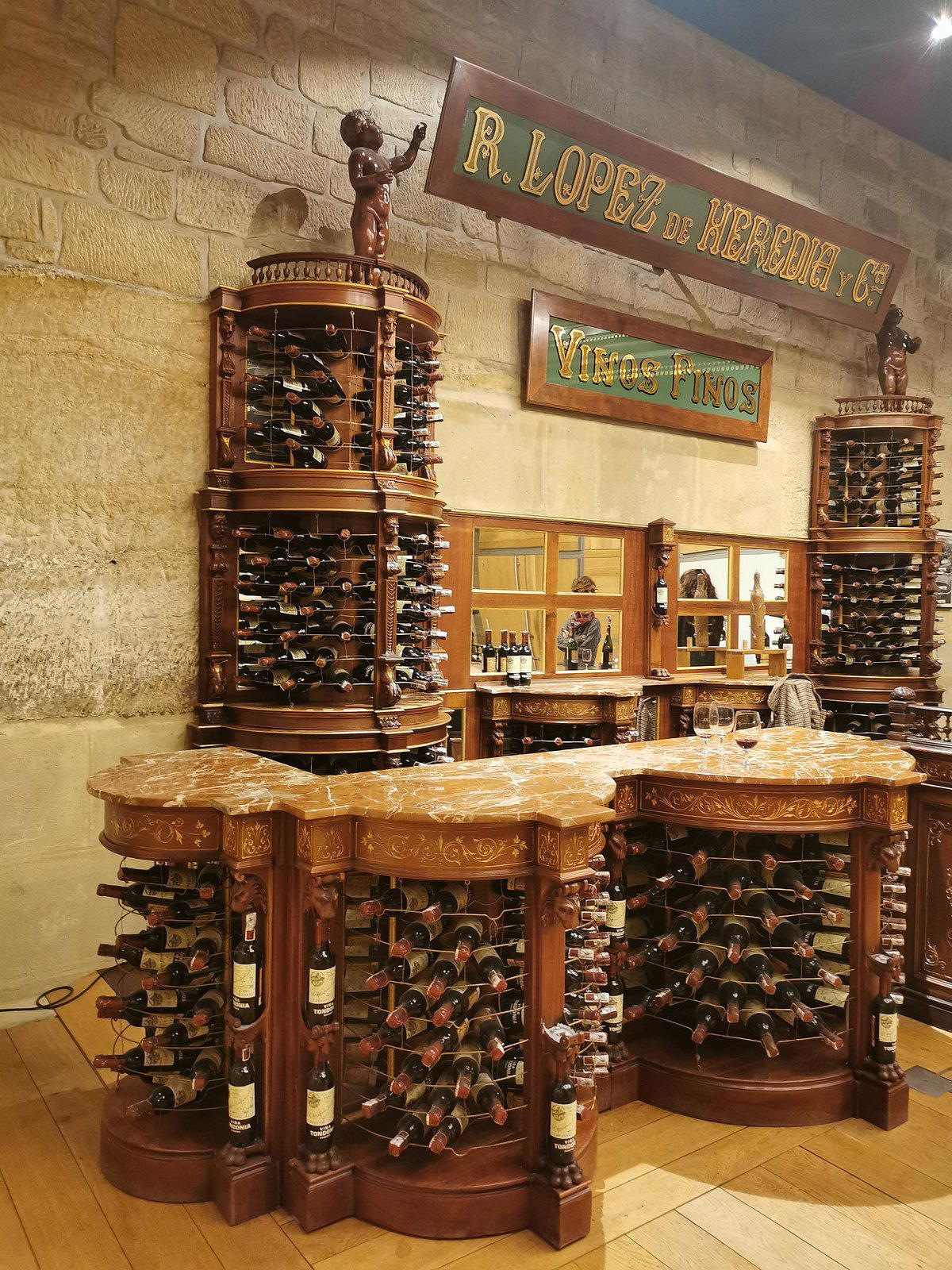
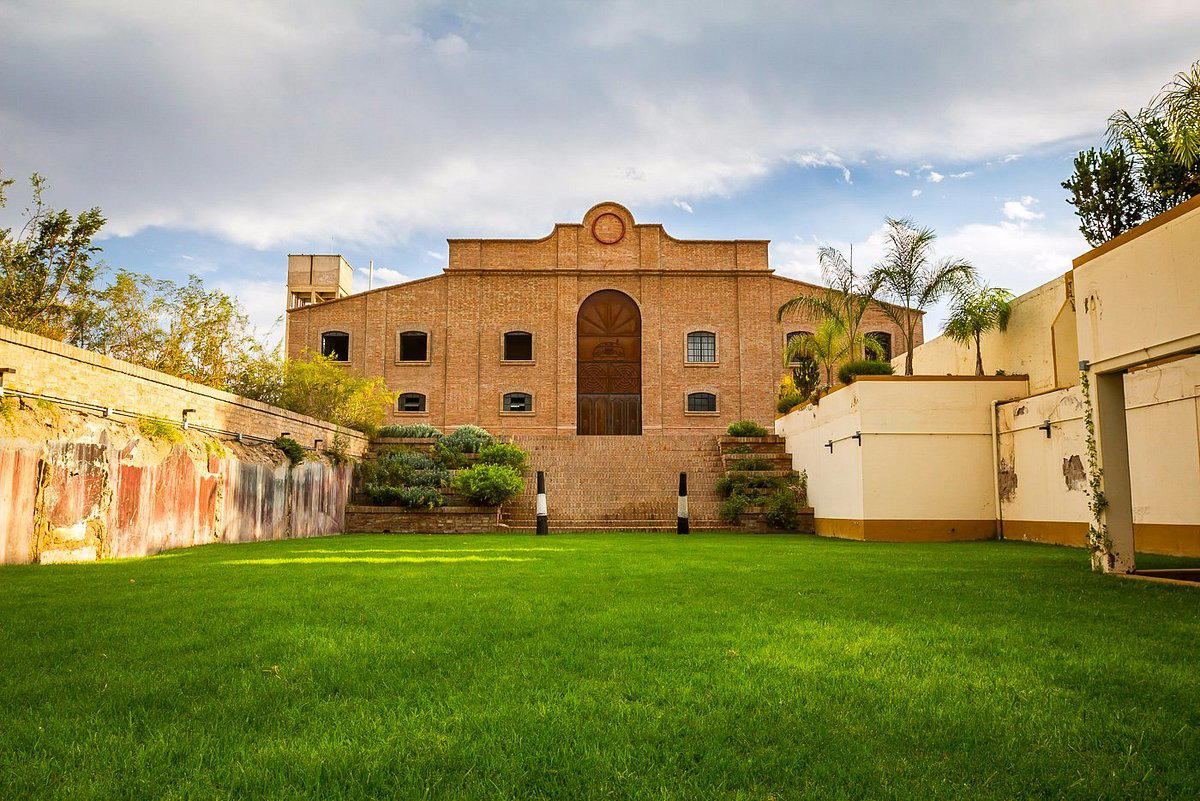
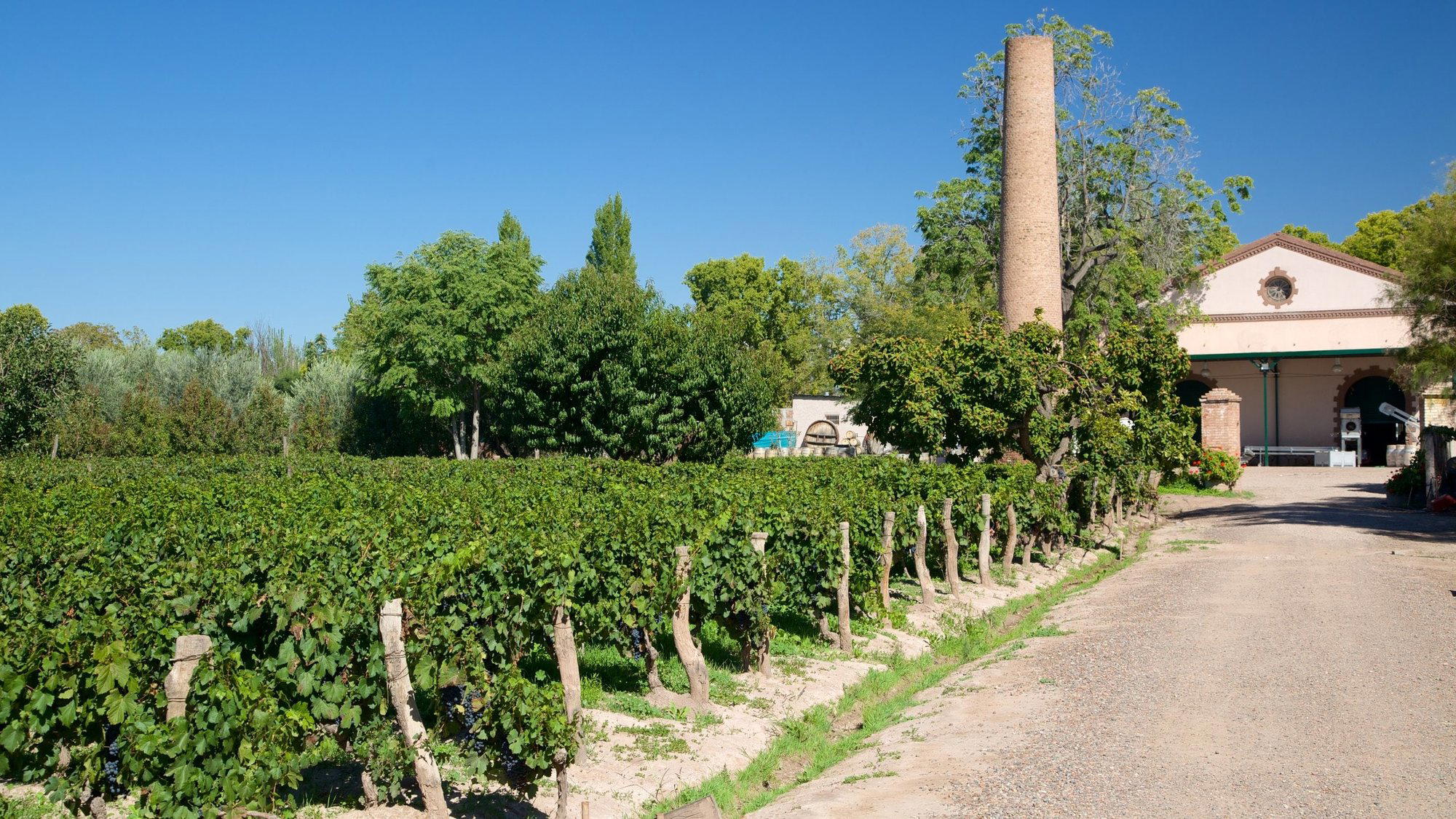
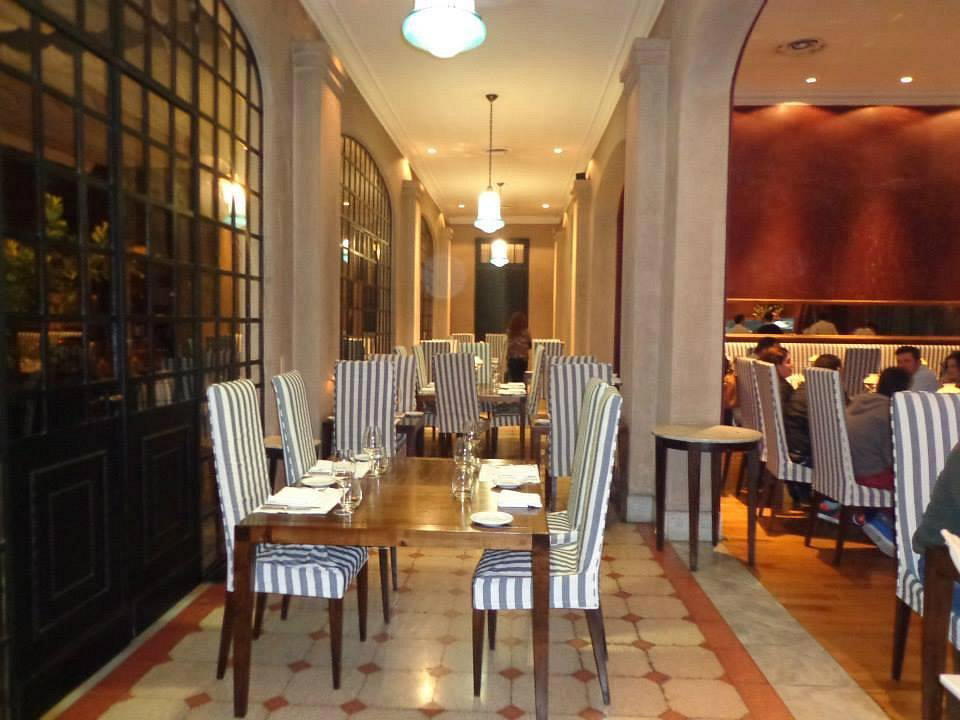
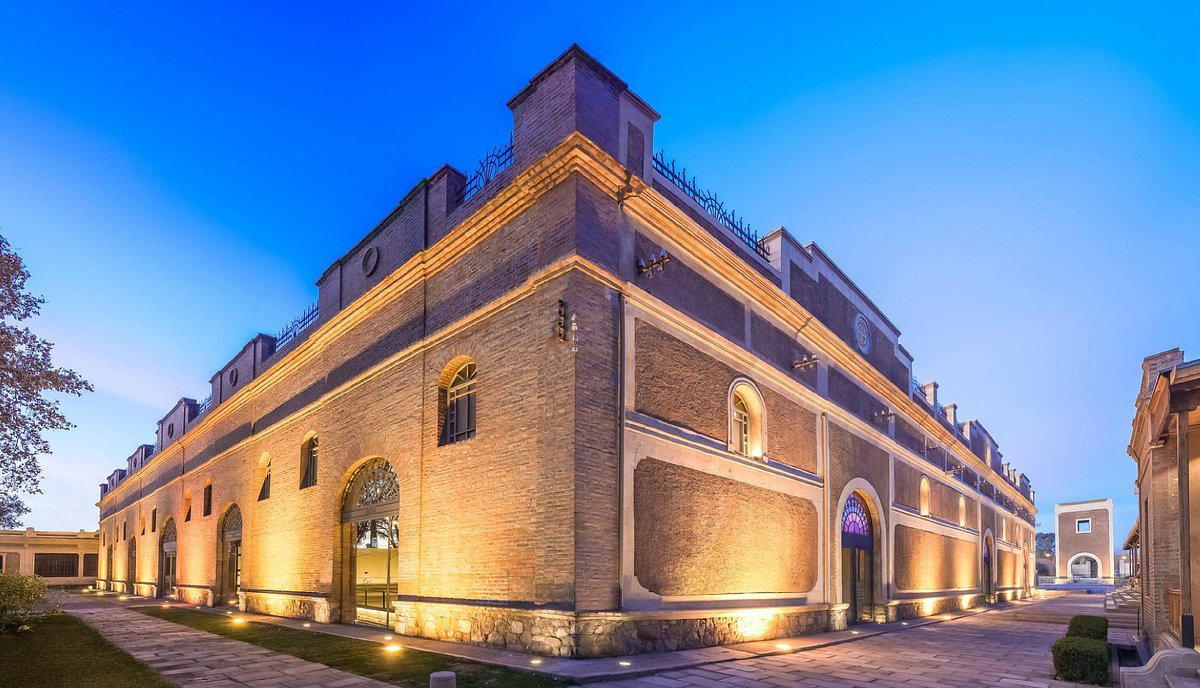
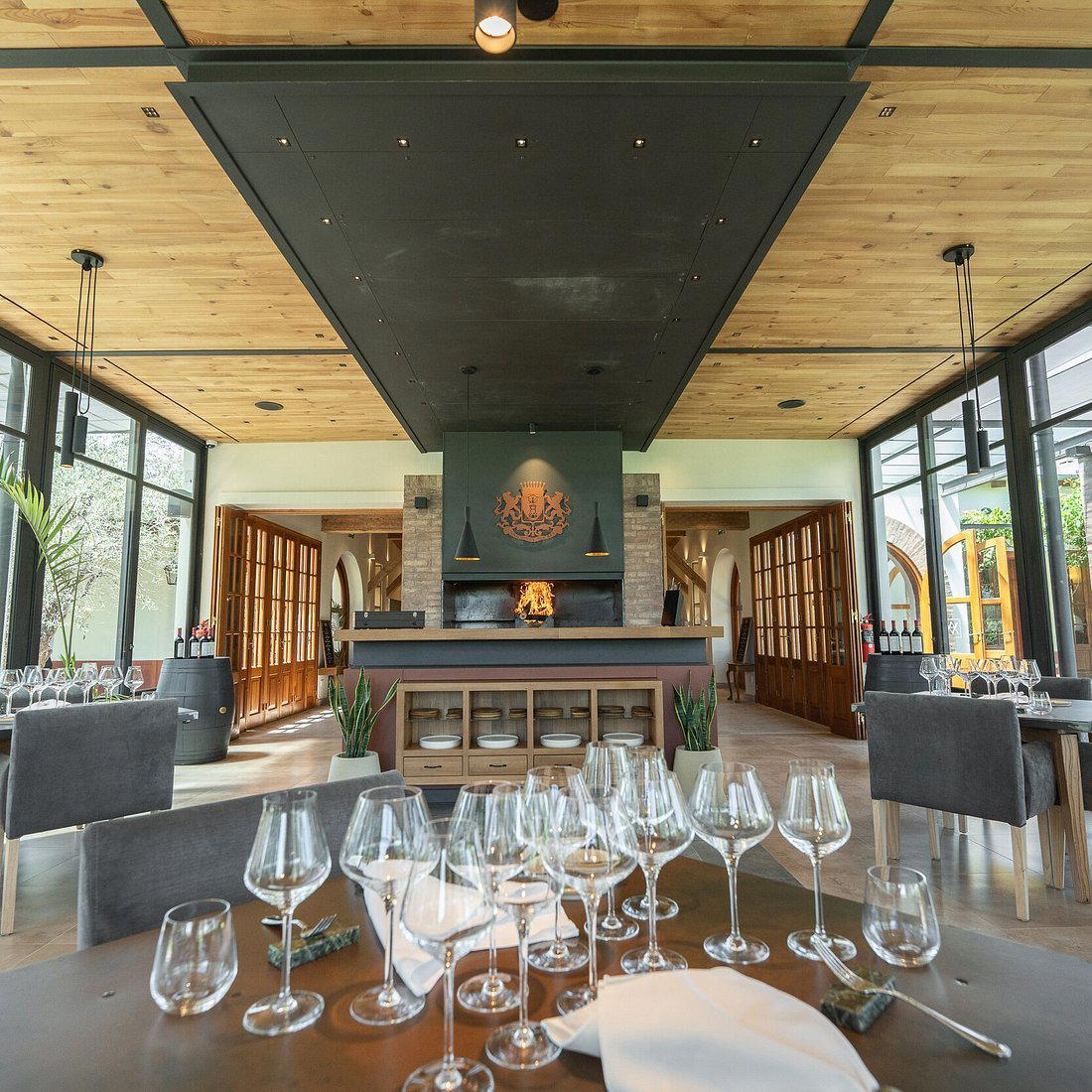
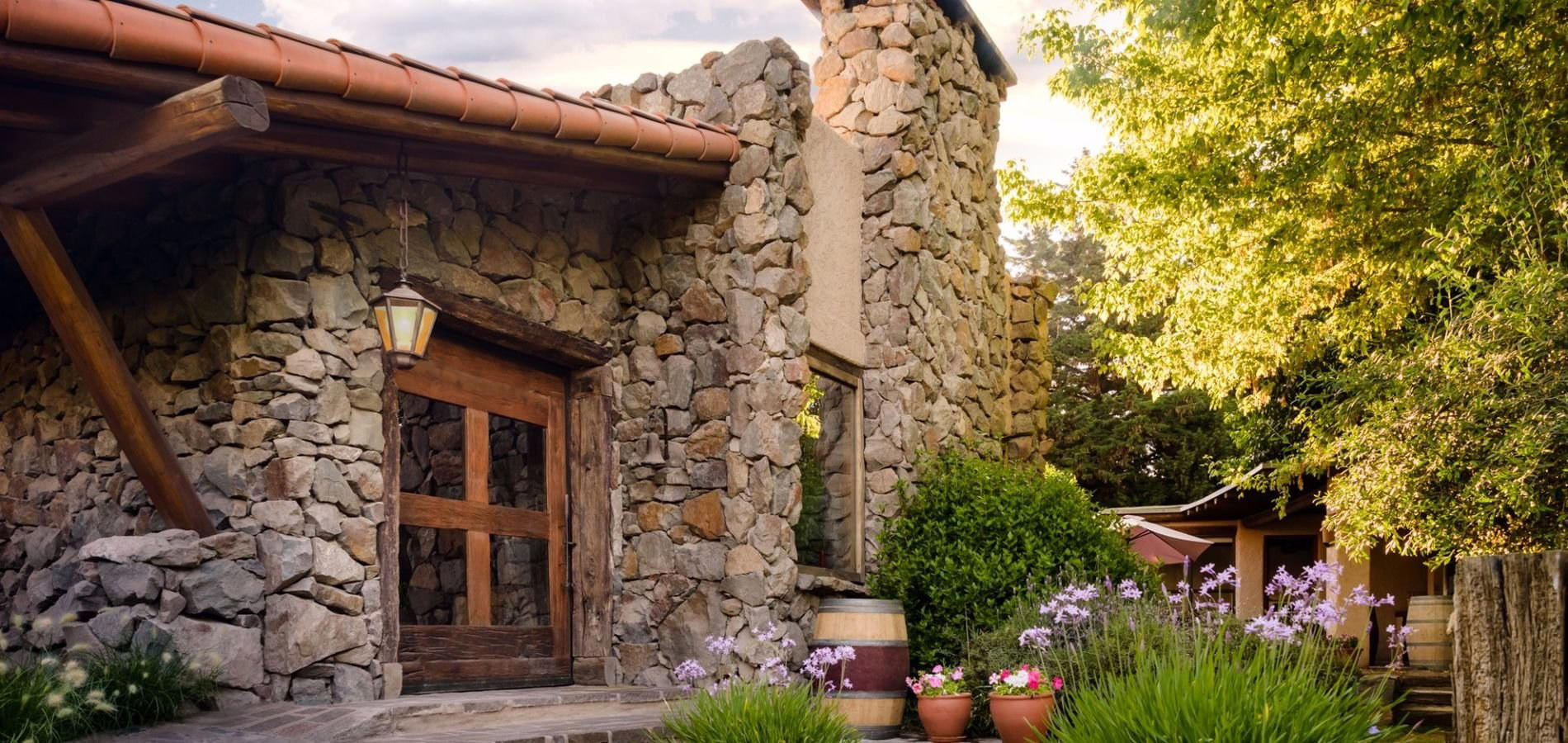
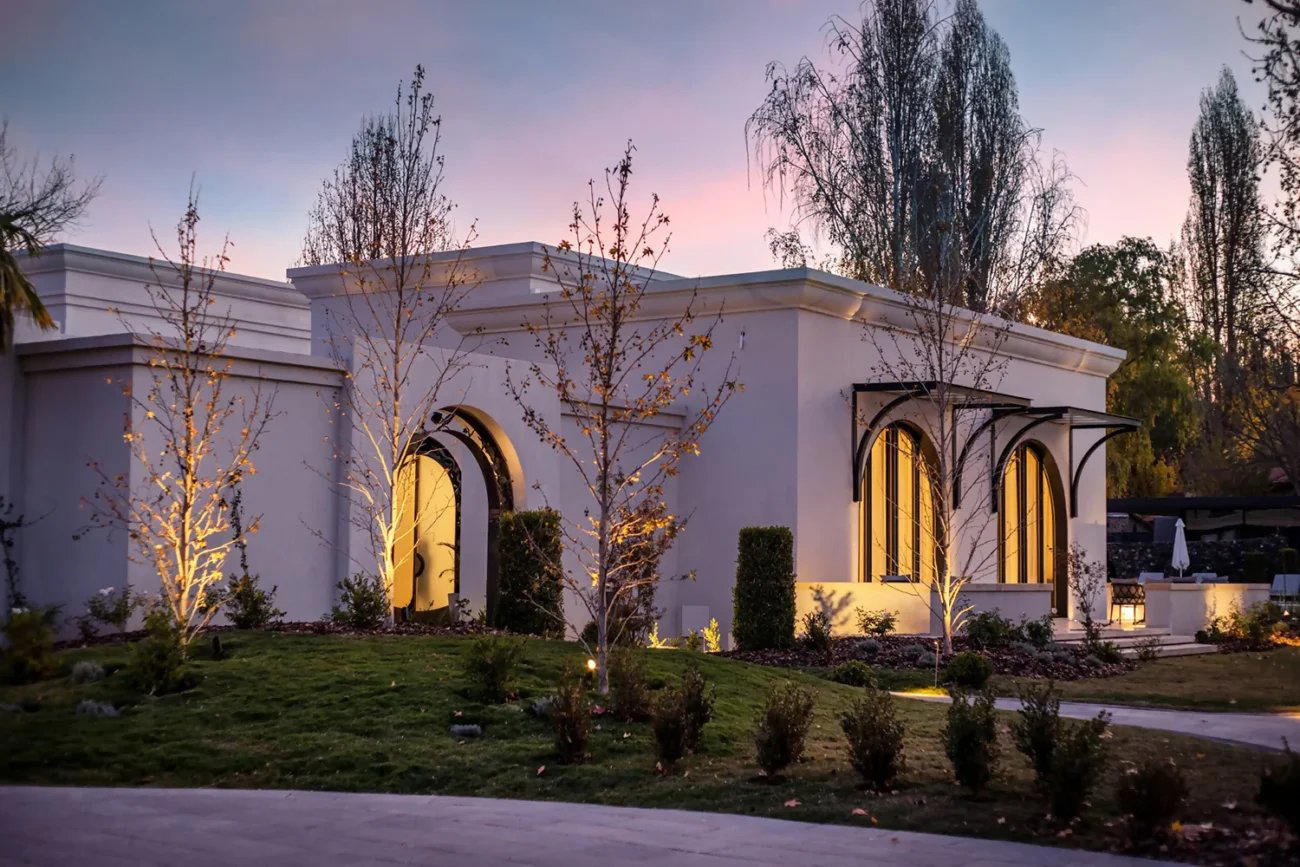
Traditional winery atmosphere with woody aromas from large French oak casks, deep underground cellars at constant temperatures, and open spaces surrounded by vineyards and gardens.