Jefferson Vineyards
The estate draws visitors who want proximity to Virginia wine country's foundational identity alongside serious production.

Pearl is the En Primeur Club membership app — saves, bookings, and concierge access live there. Same editors, same standards.
- Address
- 1353 Thomas Jefferson Pkwy, Charlottesville, VA 22902
- Phone
- (434) 977-3042
- Website
- jeffersonvineyards.com
- Directions
- Get directions
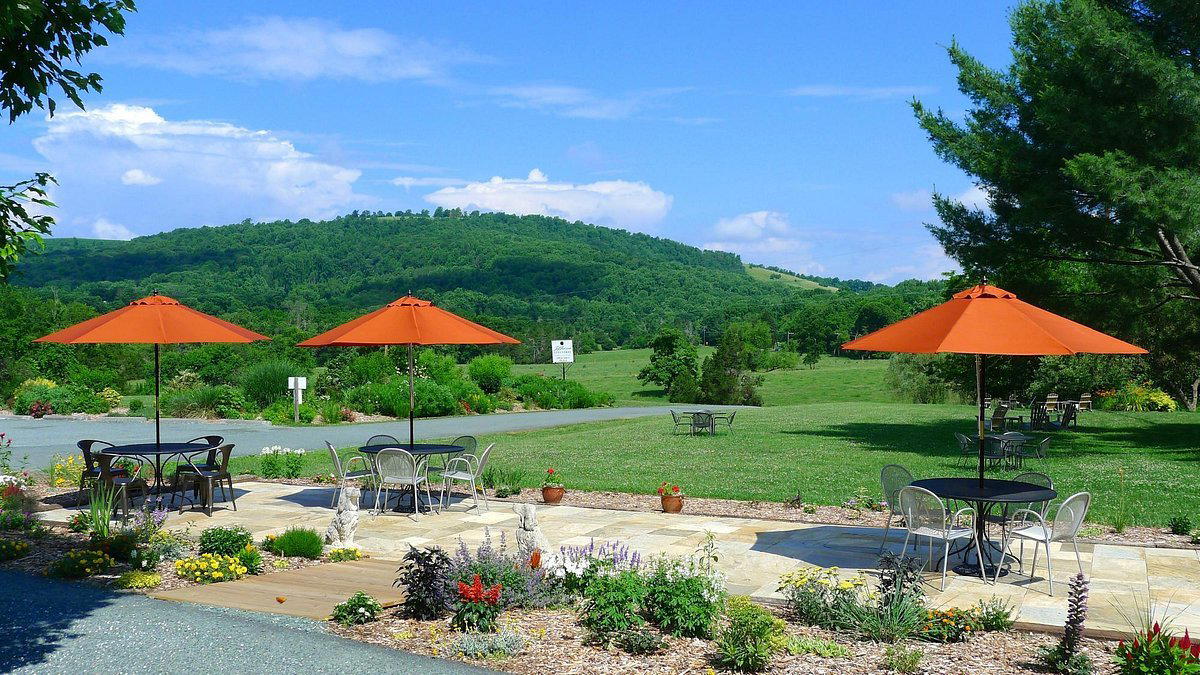
Where the Parkway Meets the Vine
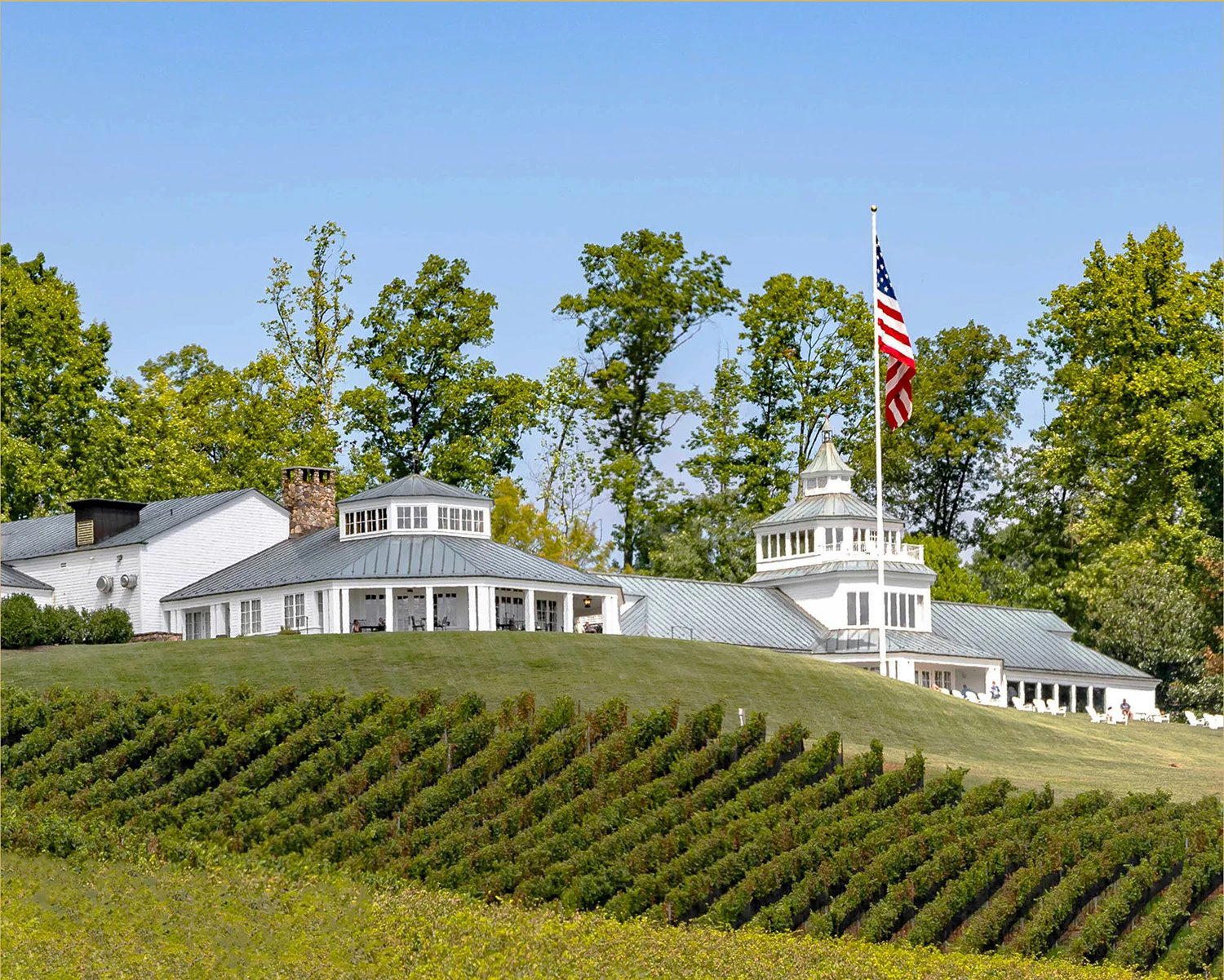
The approach along Thomas Jefferson Parkway sets a particular expectation. This is not the anonymous strip-road entry of a tasting room trying to manufacture atmosphere; the road itself carries historical weight, threading through Albemarle County's rolling piedmont toward Monticello, and Jefferson Vineyards sits within that corridor as a working estate rather than a scenic detour. The Blue Ridge Mountains frame the western horizon, and the vineyard rows run across slopes that have been cultivated in this area since the late eighteenth century. That physical continuity with the region's agricultural past is not incidental to the experience here — it is the experience.
Virginia's wine identity has been contested territory for decades. The state produces across a wide range of varieties and styles, but the Charlottesville belt — specifically the estates along and around the parkway, has consistently anchored the region's claim to serious wine production.
The Sense of Place at 1353 Thomas Jefferson Parkway
The estate's address is both logistical fact and symbolic statement. Charlottesville's wine geography has developed two broad clusters: properties further out along Routes 151 and 250 that draw visitors primarily for the tasting room experience, and those within the tighter Monticello Wine Trail corridor that carry additional freight from proximity to the region's founding viticulture narrative. Jefferson Vineyards belongs firmly to the latter. Its location on the parkway puts it within the orbit of the area's most historically resonant wine country, where the land itself carries a documented relationship with grape growing that predates American independence.
That sense of place shapes what a visit here delivers beyond what's in the glass. Across Albemarle County's premium wine estates, the properties that have held visitor attention over time are those where the setting does active work, where you are reading the terroir through your surroundings as much as through the wine. At Jefferson Vineyards, the slope, the sightlines, and the mountain backdrop constitute a form of argument about why this specific ground produces what it does.
Where Jefferson Vineyards Sits in the Charlottesville Wine Tier
The Charlottesville wine corridor has diversified considerably over the past fifteen years. Some estates have moved toward event-driven models, prioritizing weddings and weekend programming over production depth. Others, particularly smaller producers, have concentrated on low-intervention winemaking and allocation-based sales. Jefferson Vineyards operates in the established middle tier, large enough to receive visitors consistently, credentialed enough to draw wine-focused travelers rather than just day-trippers, and positioned on real estate that gives it a competitive advantage no newer entrant can replicate.
For regional comparison, Trump Winery operates at higher production scale with more prominent national marketing, while Chiswell Farm & Winery and Eastwood Farm & Winery represent the county's smaller, farm-integrated model. Jefferson Vineyards reads as a property where the historical identity of the site anchors the positioning, a different proposition from both the large-scale and boutique alternatives. Visitors choosing between the two tiers should understand they are choosing between different kinds of wine country experiences, not simply different wine styles.
For those building a broader American wine itinerary, the parkway corridor represents Virginia's clearest argument for national relevance. Properties like Accendo Cellars in St. Helena or Alpha Omega Winery in Rutherford anchor California's prestige geography in ways that have taken decades to consolidate; the Monticello AVA is making a comparable argument about place-specific identity, with Jefferson Vineyards among the estates most directly tied to that story.
The Landscape as Editorial Argument
Virginia piedmont wine country is at its most readable in early autumn, when harvest timing makes the vineyard activity visible and the Blue Ridge takes on the atmospheric haze that characterizes the season in this part of the mid-Atlantic. Spring visits offer a different register, budbreak in Albemarle County typically runs from late March through April, depending on elevation and aspect, and the estate's slopes become legible as working agricultural land rather than scenic backdrop. Summer can bring heat and humidity that push tastings firmly indoors, so visitors who want to engage with the vineyard itself rather than just the tasting room tend to plan around the shoulder seasons.
The comparison to wine regions with more established visitor infrastructure is instructive. Estates in the Willamette Valley, such as Adelsheim Vineyard in Newberg, or on California's Central Coast, like Adelaida Vineyards in Paso Robles, have had longer runs at positioning landscape as a primary visitor draw. The Charlottesville corridor is still consolidating that identity, but the physical material is present, the elevation changes, the mountain views, the documented viticultural history. Jefferson Vineyards benefits from sitting at the center of that argument geographically.
Planning a Visit
Jefferson Vineyards is located at 1353 Thomas Jefferson Parkway, Charlottesville, VA 22902, on the road connecting the city to Monticello, making it a natural pairing with a visit to the historic site, which draws over 400,000 visitors annually and deposits a meaningful percentage of them into the surrounding wine country. Visitors arriving from downtown Charlottesville should allow twenty minutes for the drive south. The estate sits within the Monticello Wine Trail, which maps more than thirty producers in the region; consulting our full Charlottesville restaurants and experiences guide provides a wider framework for combining the winery visit with the city's dining options. Contact and booking details are best confirmed directly via the estate's current channels before visiting, as tasting room policies and hours vary seasonally across Albemarle County producers.
The Short List
Comparable venues nearby, for context on price, style, and recognition.
| Venue | Cuisine | Price | Notes |
|---|---|---|---|
| Jefferson VineyardsThis venue — the venue you are viewing | Not listed | $20–30 | Not listed |
| Blenheim Vineyards | Albemarle County, Viognier, Chardonnay | $20–30 | Not listed |
| Michael Shaps Wineworks | Not listed | $20–30 | south of Charlottesville, Cabernet Franc, Chardonnay |
| Eastwood Farm & Winery | Not listed | $10–20 | Scottsville Road, Chardonnay, Petit Verdot |
| Chiswell Farm & Winery | Not listed | $30–50 | Greenwood, Cabernet Franc, Cabernet Sauvignon |
| Trump Winery | Not listed | Not listed | Monticello Wine Trail, Viognier, Chardonnay |
Continue exploring
More in Charlottesville
Wineries in Charlottesville
Browse all →
Bars in Charlottesville
Browse all →

Restaurants in Charlottesville
Browse all →
Details
- Scenic
- Romantic
- Classic
- Elegant
- Romantic Getaway
- Group Outing
- Family
- Wine Education
- Special Occasion
- Estate Grounds
- Garden
- Terrace
- Panoramic View
- Historic Building
- Picnic Area
- Sustainable
- Vineyard
- Garden
- Mountain
- Chardonnay
- Cabernet Sauvignon
- Viognier
- Cab Franc
- Petit Verdot
- Riesling
- Merlot
- Meritage
- Still Red
- Still White
- Still Rosé
- Flight Tasting
- English
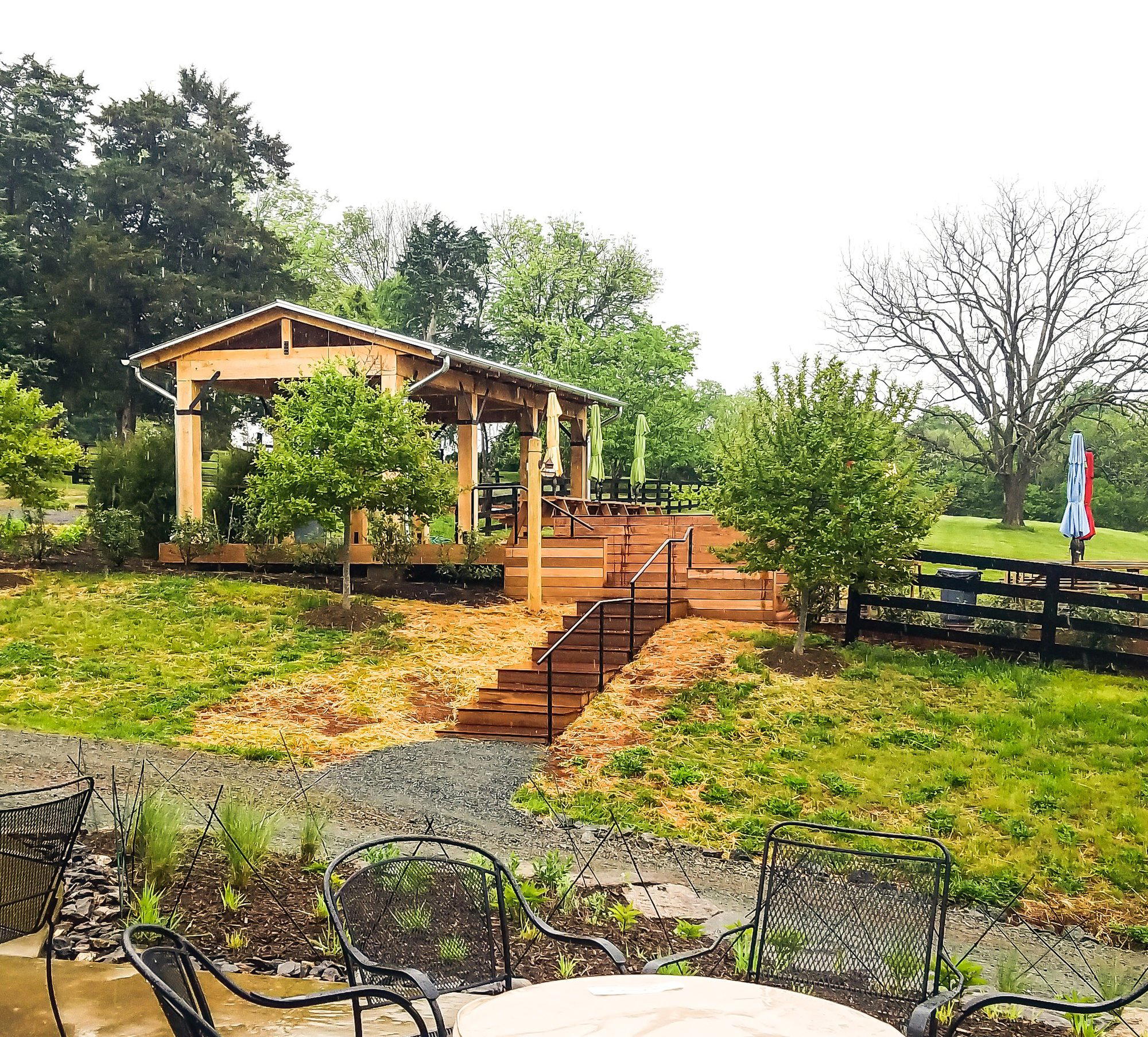
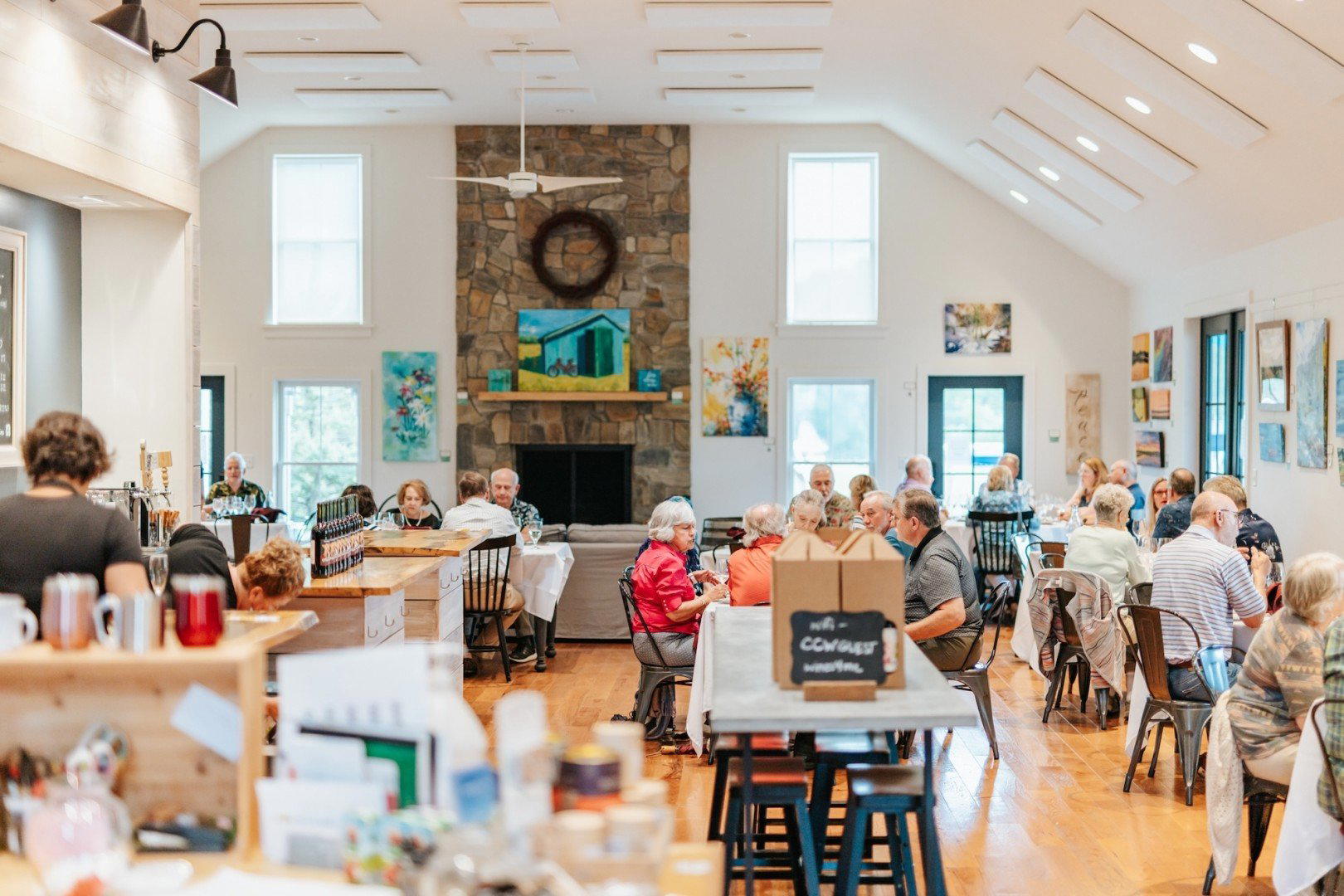
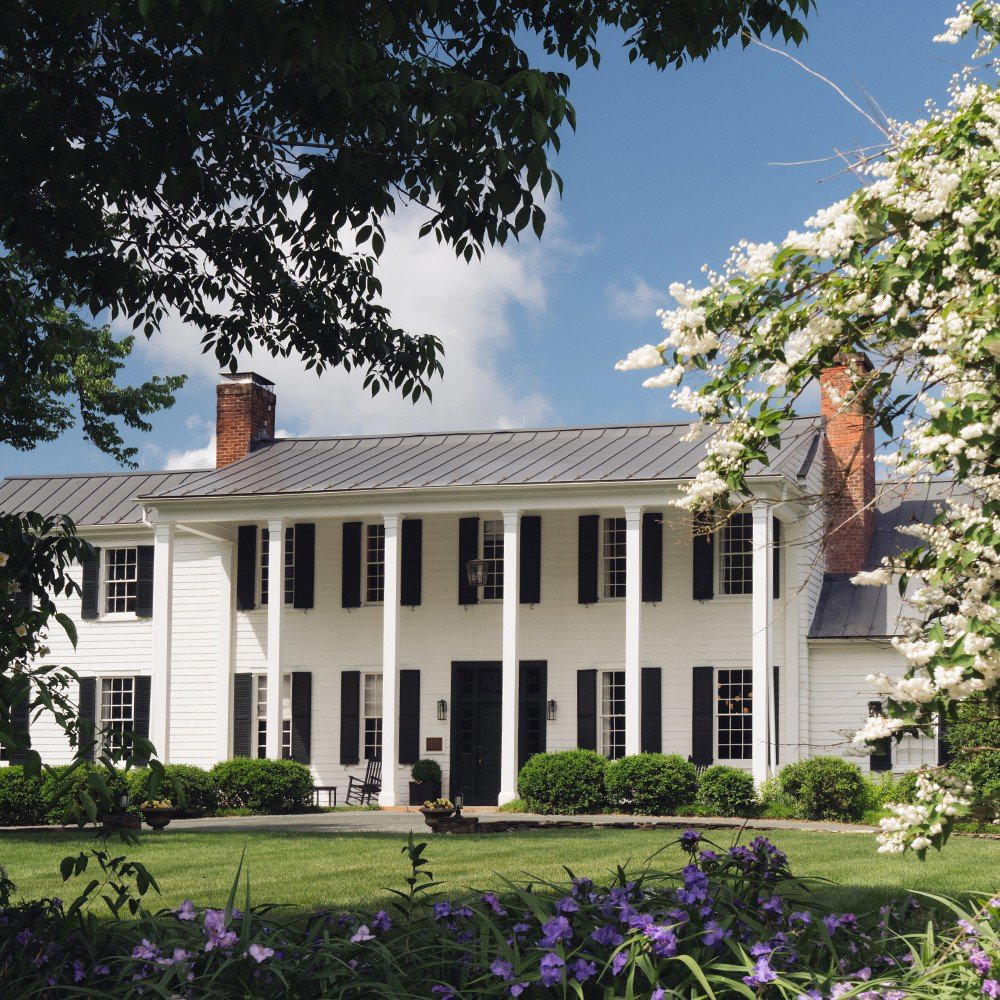
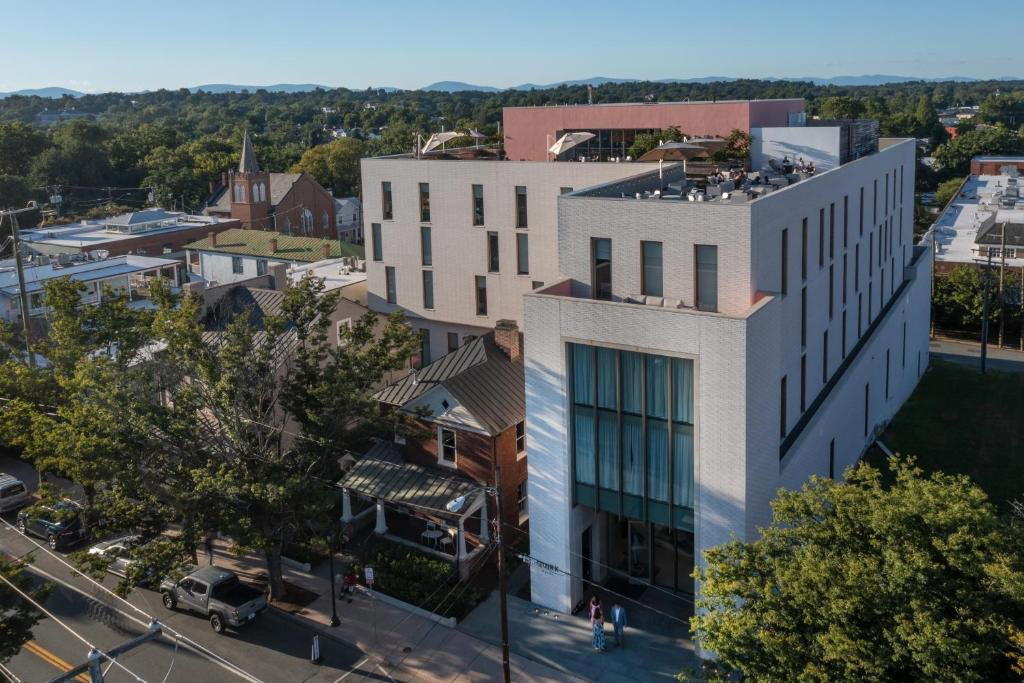
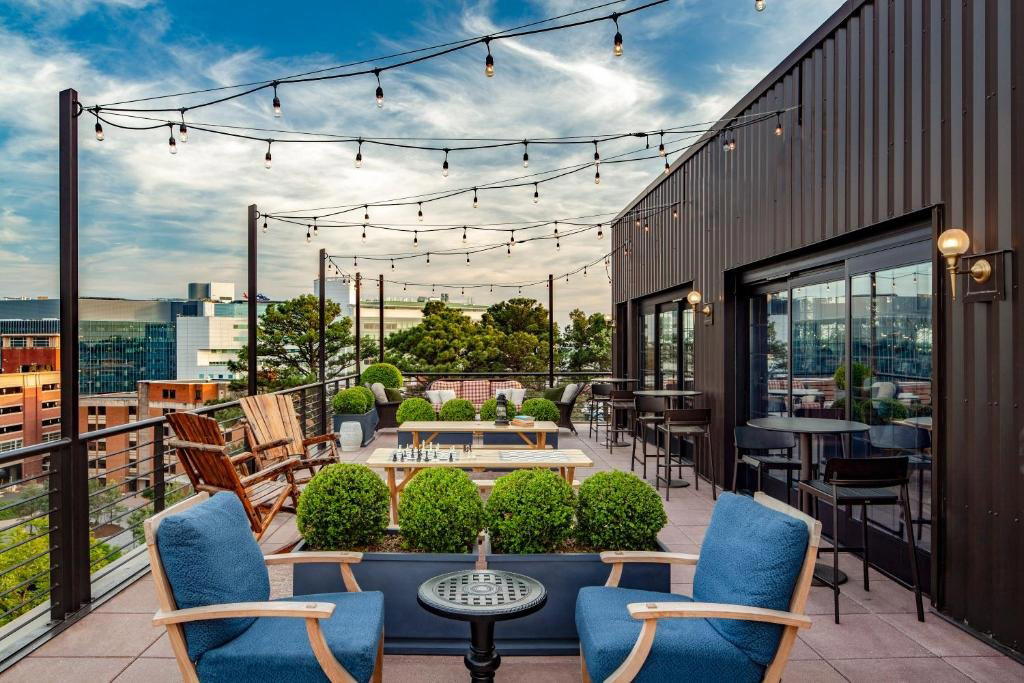
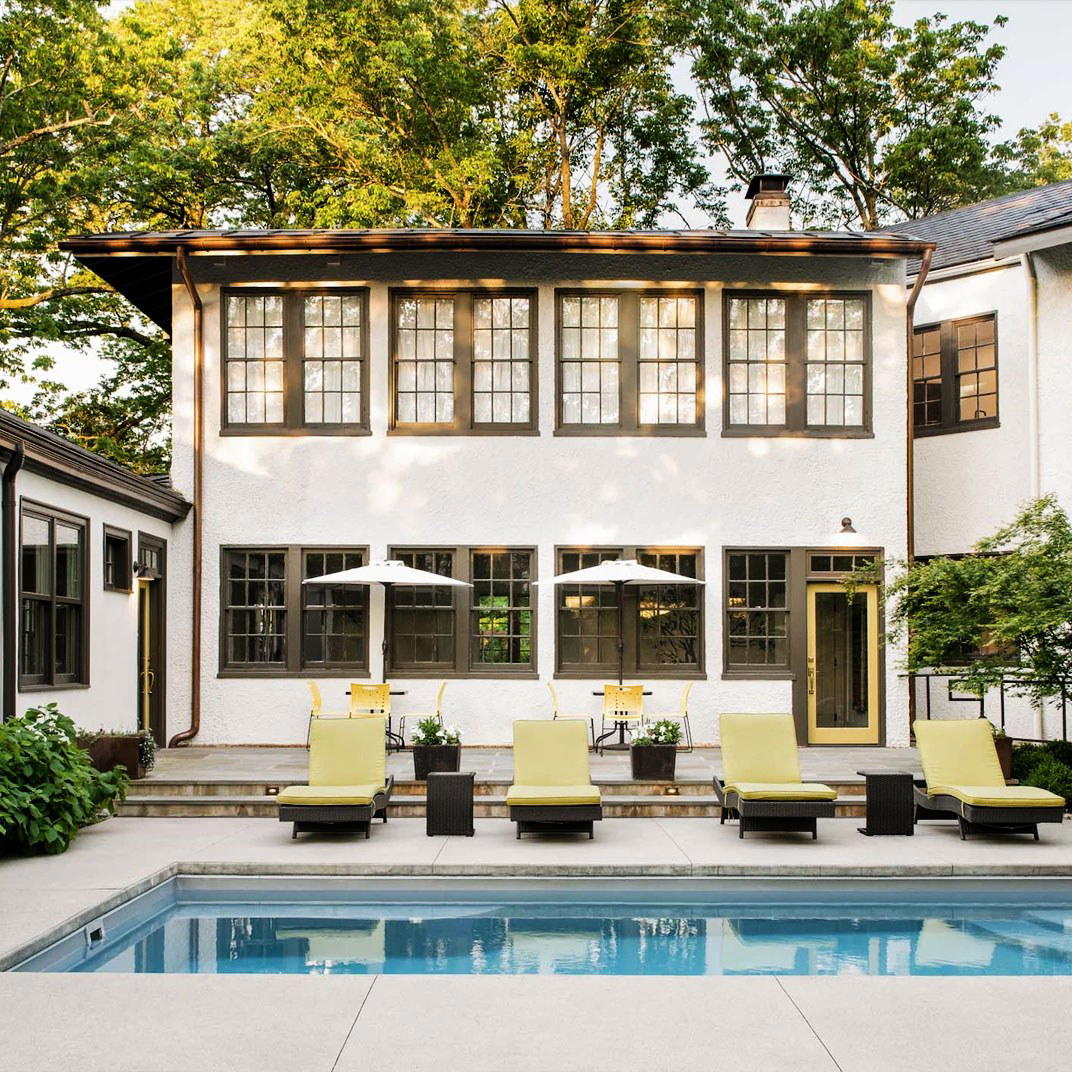
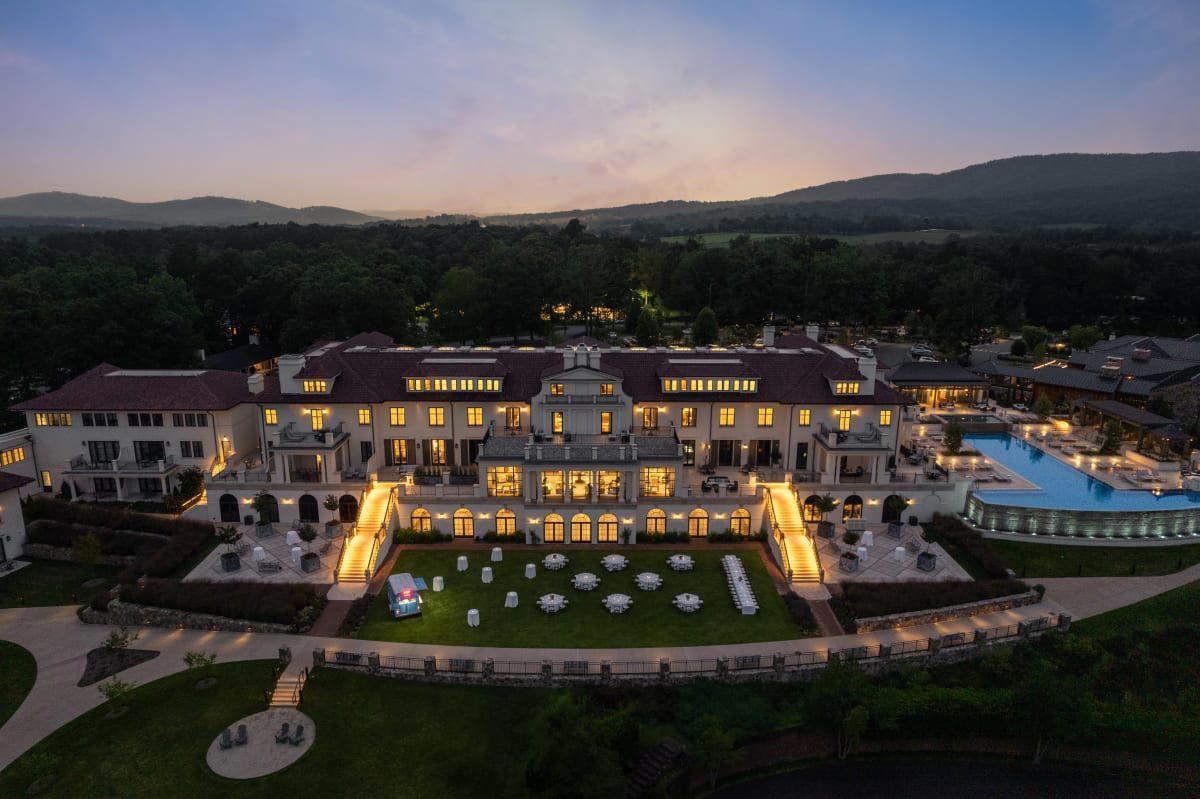
Relaxed and welcoming with beautiful natural light, expansive outdoor seating areas including hilltop views and garden spaces, creating a peaceful retreat atmosphere.