
Falstaff Winery - Listed
Bianco Angelo is a small family-run winery in Agliano Terme, shaped by Barbera d’Asti tradition and a parcel-by-parcel approach in the Monferrato hills. Its interest lies less in spectacle than in how a fourth-generation estate uses sustainable viticulture, separate vinifications, and a Barbera-led vineyard base to make place legible in the glass.

Pearl is the En Primeur Club membership app — saves, bookings, and concierge access live there. Same editors, same standards.
- Address
- Agliano, Piedmont, Italien
- Directions
- Get directions
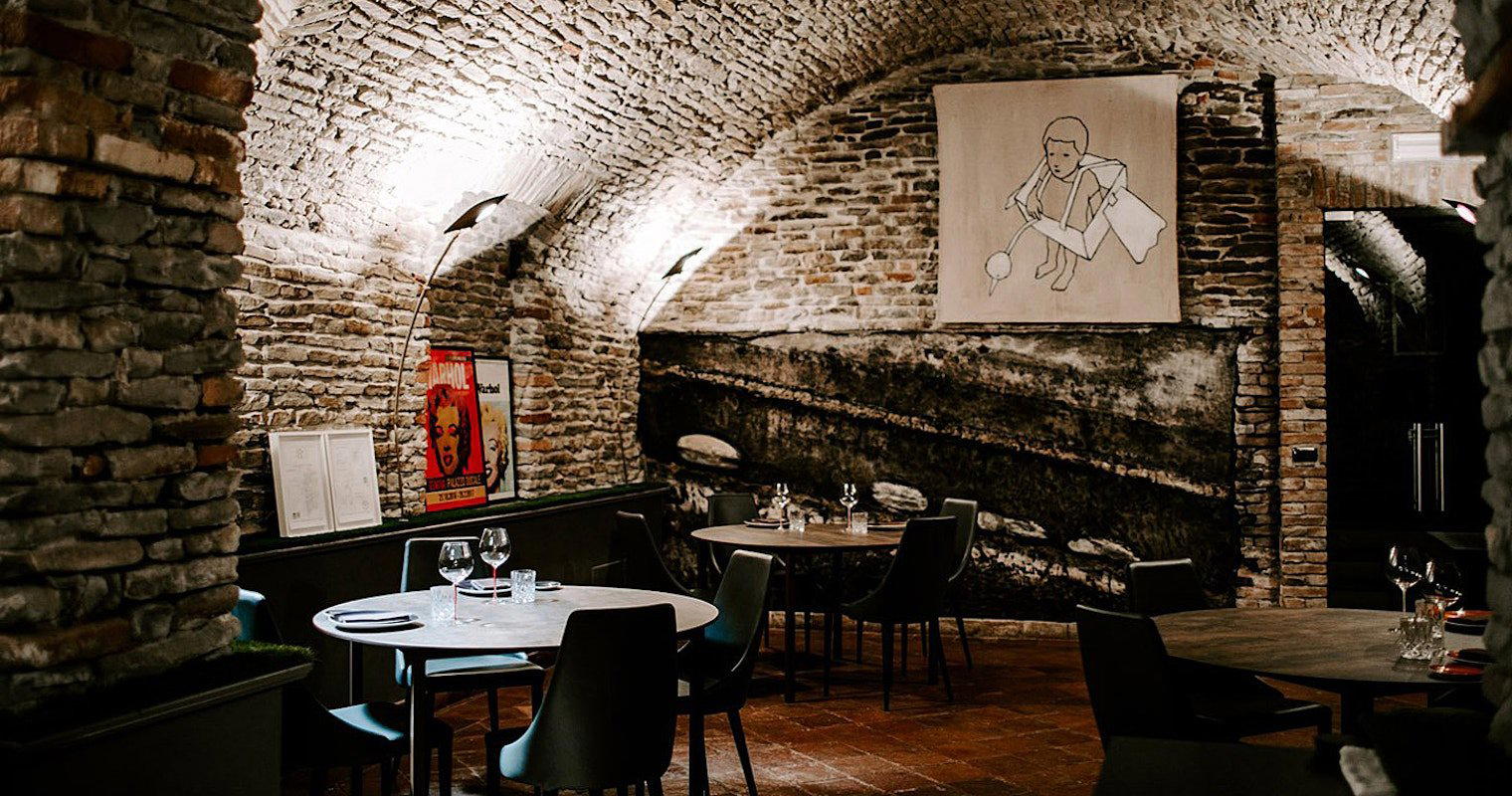
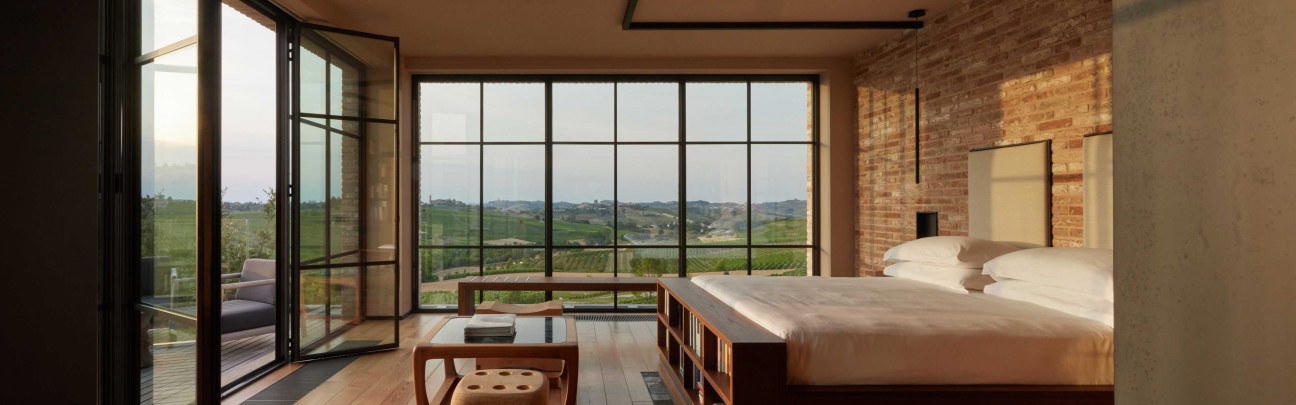
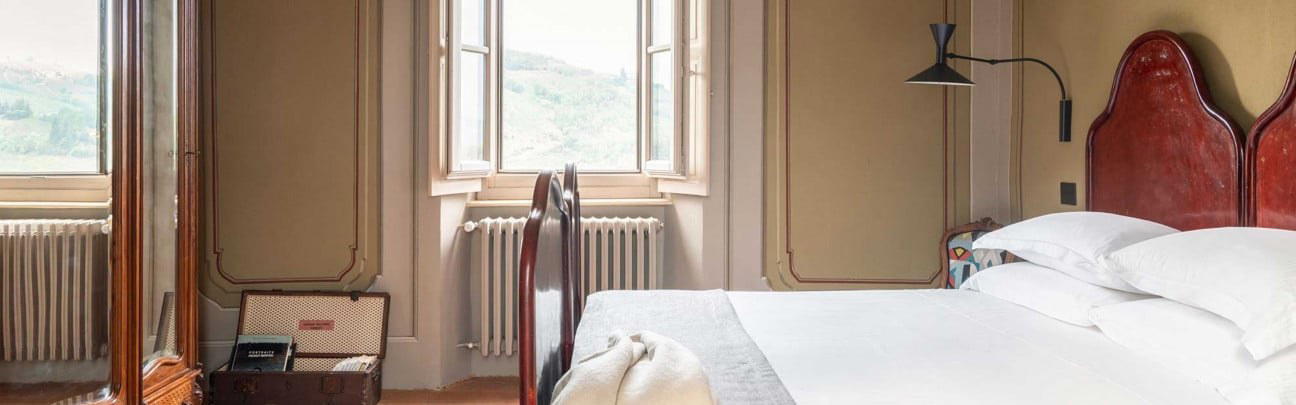
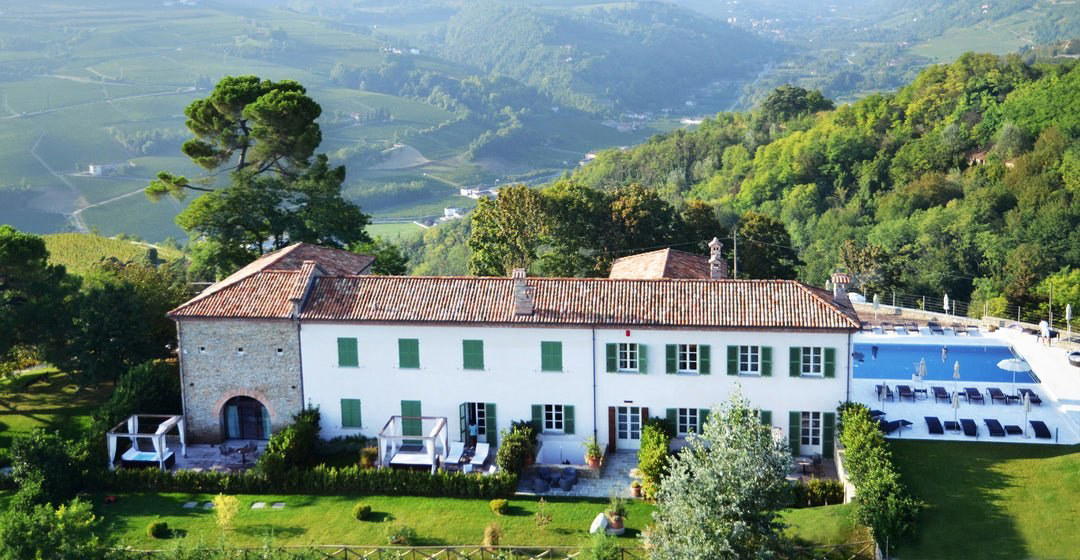
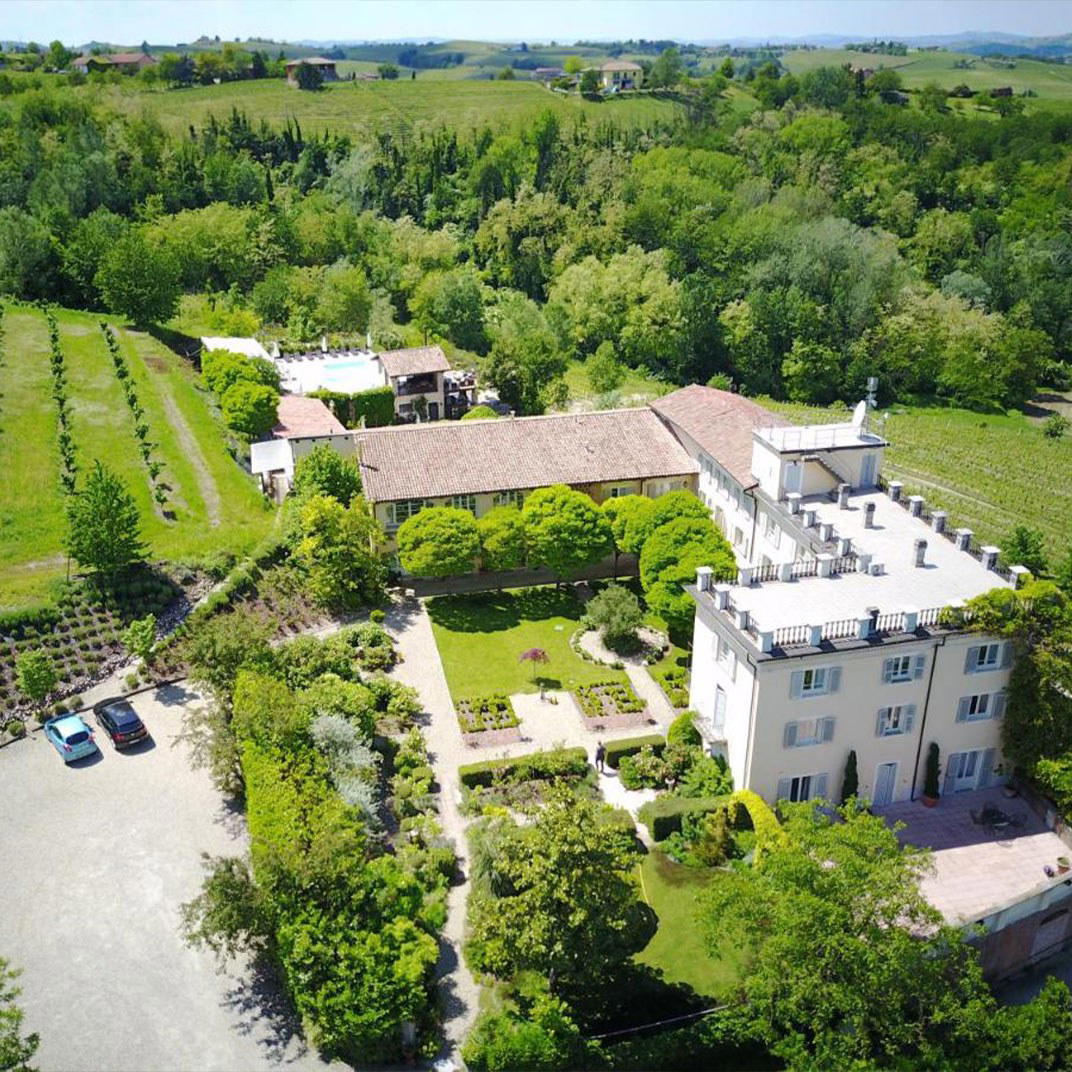
In Agliano, Bianco Angelo is best described through a quiet, tradition-forward lens. The profile points to a classic, rustic and sophisticated setting, with an emphasis on technical care rather than spectacle. For visitors comparing options in the area, the useful frame is simple: this is a place associated with parcel-by-parcel winemaking and a long family legacy in Agliano. That combination gives the venue a defined character without requiring exaggeration: the interest lies in continuity, discipline and a measured relationship to place, rather than in a heavily promoted or highly theatrical experience.
What can be said with confidence is that the venue’s positioning is $$$ and that its identity is tied to meticulous, tradition-minded winemaking. In practical terms, that means Bianco Angelo should be read as a premium-leaning address whose appeal is built around seriousness and craft. The available profile does not invite a long list of unsupported specifics; it instead suggests a venue where the most reliable description is also the most restrained one.
Parcel-by-parcel winemaking
Bianco Angelo’s description emphasizes parcel-by-parcel winemaking. That makes the venue a fit for travelers who are interested in how a producer can treat individual parcels as central to the final expression, rather than presenting wine as a single broad style. Even without additional technical detail, the phrase matters: it points to a way of thinking in which variation, separation and close attention are part of the work, and where the identity of the venue is linked to the careful handling of distinct pieces of land.
The available facts do not verify individual bottlings, grape varieties, oak regimes, production volumes or vineyard names. Rather than attach unsupported specifics to the estate, it is more accurate to describe Bianco Angelo as a technically meticulous Agliano producer whose appeal rests on attention to parcels, tradition and family continuity. That description is narrower than a full tasting note or estate profile, but it is also more dependable. It keeps the focus where the confirmed information is strongest: on method, temperament and an inherited sense of place.
That restraint is important for a premium guide: the strongest confirmed hook here is not an invented tasting format or a named cuvée, but the combination of quiet character, technical focus and long family legacy. Bianco Angelo should therefore be approached as a serious, understated Agliano address rather than as a broadly documented hospitality attraction. For the right traveler, that understatement is not a limitation so much as a signal. It suggests a venue to consider when the goal is to understand a local producer’s careful approach, rather than to chase an experience built around performance, novelty or an overly packaged narrative.
Agliano's quiet argument for precision
Agliano is a useful setting for a venue whose profile centers on careful, parcel-minded winemaking. Bianco Angelo’s tone is classic and rustic, but also sophisticated, suggesting a place where tradition and technique are treated as complementary rather than opposed. The rustic element keeps the description grounded; the sophisticated element implies polish, control and a degree of refinement. Together, they create a picture of a venue that does not need to choose between heritage and precision, because its identity depend on the relationship between the two.
Those details should be confirmed directly before planning around them. That caution applies especially to anything operational or experiential that is not stated in the available profile. Visitors should avoid assuming particular formats, availability or services based only on the broader impression of the venue. The best reading of Bianco Angelo is therefore both appreciative and careful: the confirmed identity is compelling, but the practical planning layer should still be checked before making it central to a trip.
For now, the practical takeaway is clear: Bianco Angelo is a $$$ Agliano venue with a quiet, tradition-forward identity and an emphasis on meticulous parcel-by-parcel work. Travelers building a broader stay can compare it with other dining and wine-focused options in Agliano generically, while treating any operational details as information to verify before arrival. Within that comparison, Bianco Angelo’s distinction is its tone: not loud, not expansive in the available public detail, but focused around a specific idea of winemaking and family continuity.
How to place it in a wine itinerary
Bianco Angelo fits an itinerary for travelers who value restrained, technically careful producers over heavily staged experiences. Its profile points to Agliano, a long family legacy, and parcel-by-parcel winemaking. The ideal way to place it in a wine itinerary is therefore as a serious, context-rich stop to investigate directly, especially for visitors drawn to producers whose reputation is framed by care, tradition and a disciplined attention to individual parcels.
It is also best understood as a counterweight to more demonstrative venues. Some travelers build itineraries around extensive documentation, highly visible hospitality and clearly publicized experiences; others are comfortable with quieter addresses where the confirmed information is more compact but still meaningful. Bianco Angelo belongs more naturally in the latter category. Its value, as described here, comes from a focused identity rather than from a long checklist of amenities. For that reason, it rewards a careful approach: note what is known, avoid assuming what is not, and treat direct confirmation as part of planning.
Recognition history
Dated appearances from independent guides and award organizations, with the underlying list record or original source where available.
Falstaff Winery - Listed
Falstaff
Continue exploring
More in Agliano
Wineries in Agliano
Browse all →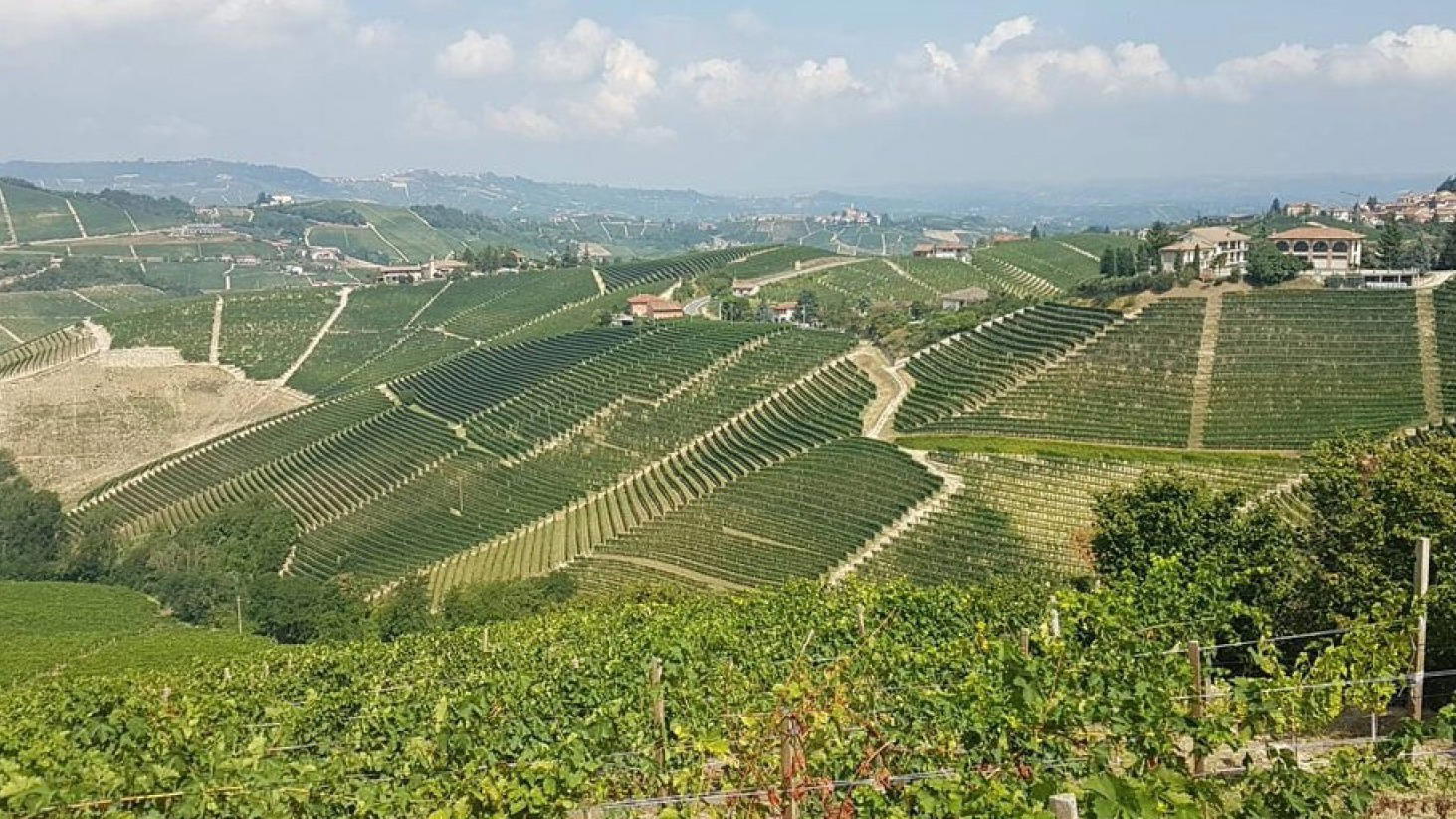
Bars in Agliano
Browse all →
Restaurants in Agliano
Browse all →
Details
- Classic
- Rustic
- Quiet
- Sophisticated
- Solo Exploration
- Wine Education
- Historic Building
- Vineyard Tour
- Private Tasting
- Sustainable
- Vineyard
- Barbera
- Pinot Noir
- Nebbiolo
- Freisa
- Manzoni Bianco
- Still Red
- Still White
- Sparkling
- Private Tasting
- Wine Tasting
Tradition-forward and technically meticulous, with an emphasis on parcel-by-parcel winemaking and a long family legacy in Agliano Terme.