
Falstaff Winery - Listed
Balassa Winery sits on Hegyalja utca in Tokaj town, operating within one of Hungary's most historically significant wine appellations.. A focused address for visitors serious about understanding the appellation from the inside.

Pearl is the En Primeur Club membership app — saves, bookings, and concierge access live there. Same editors, same standards.
- Address
- Tokaj, Hegyalja u. 37, 3910
- Phone
- +36 30 331 7227
- Website
- balassabor.hu
- Directions
- Get directions
What Tokaj's Volcanic Soils Actually Taste Like
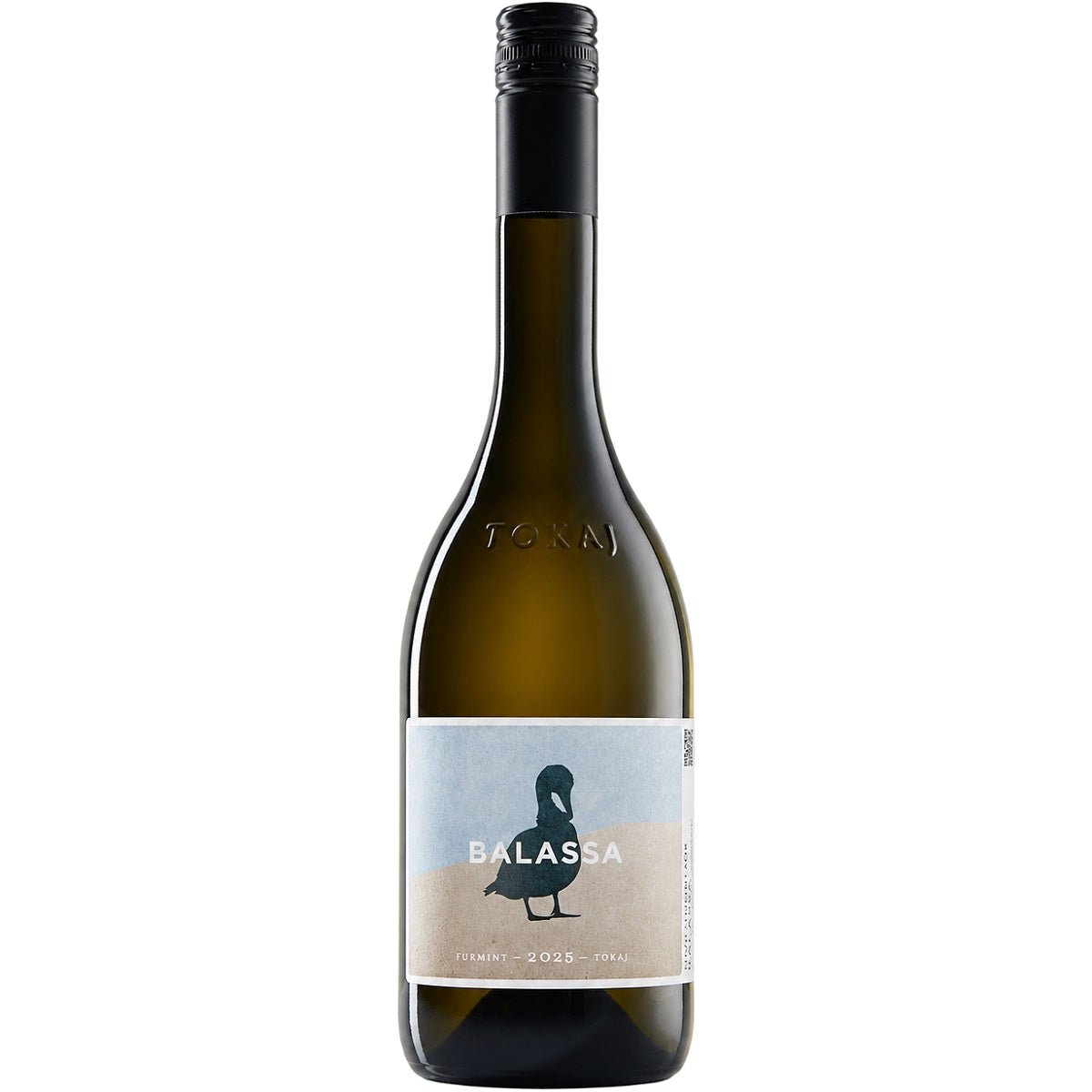
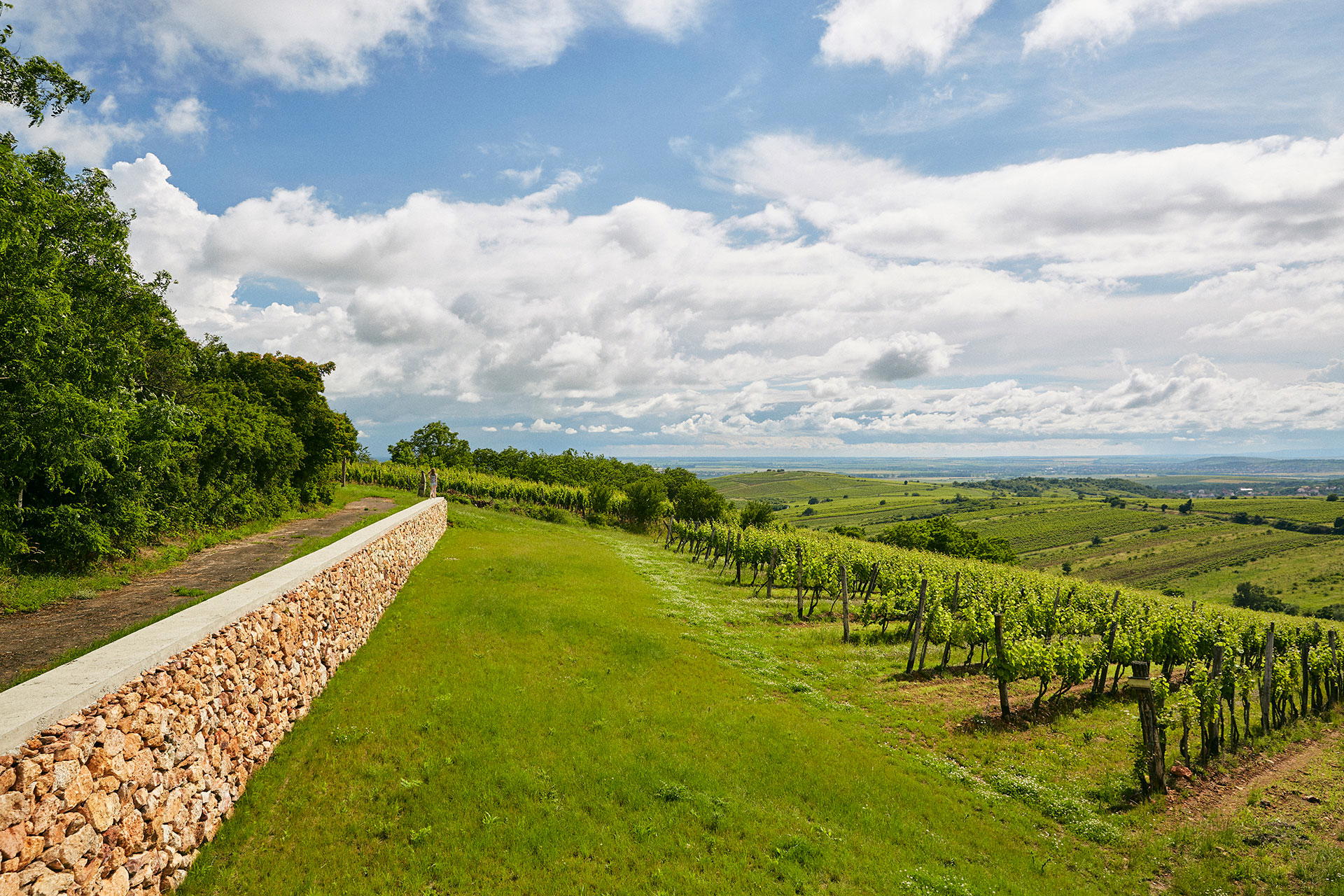
The town of Tokaj sits at the southern tip of the Tokaj-Hegyalja wine region, where the Bodrog and Tisza rivers meet and the last ridges of the Zemplén mountains flatten into the Great Hungarian Plain. That geography is not incidental. The rivers create persistent autumn mist, which encourages the development of Botrytis cinerea, the noble rot that concentrates sugars and acids in late-harvest grapes and has defined this region's reputation for centuries. The volcanic rhyolite tuff, andesite, and loess soils that run through the hillside vineyards store heat during the day and release it at night, producing a growing season that pushes grapes toward ripeness while retaining the acidity that keeps Tokaj wines structured over decades. Balassa Winery, located at Hegyalja utca 37 in Tokaj town, works within this framework, and any serious visit here is really a visit to the geology and climate that make the appellation function.
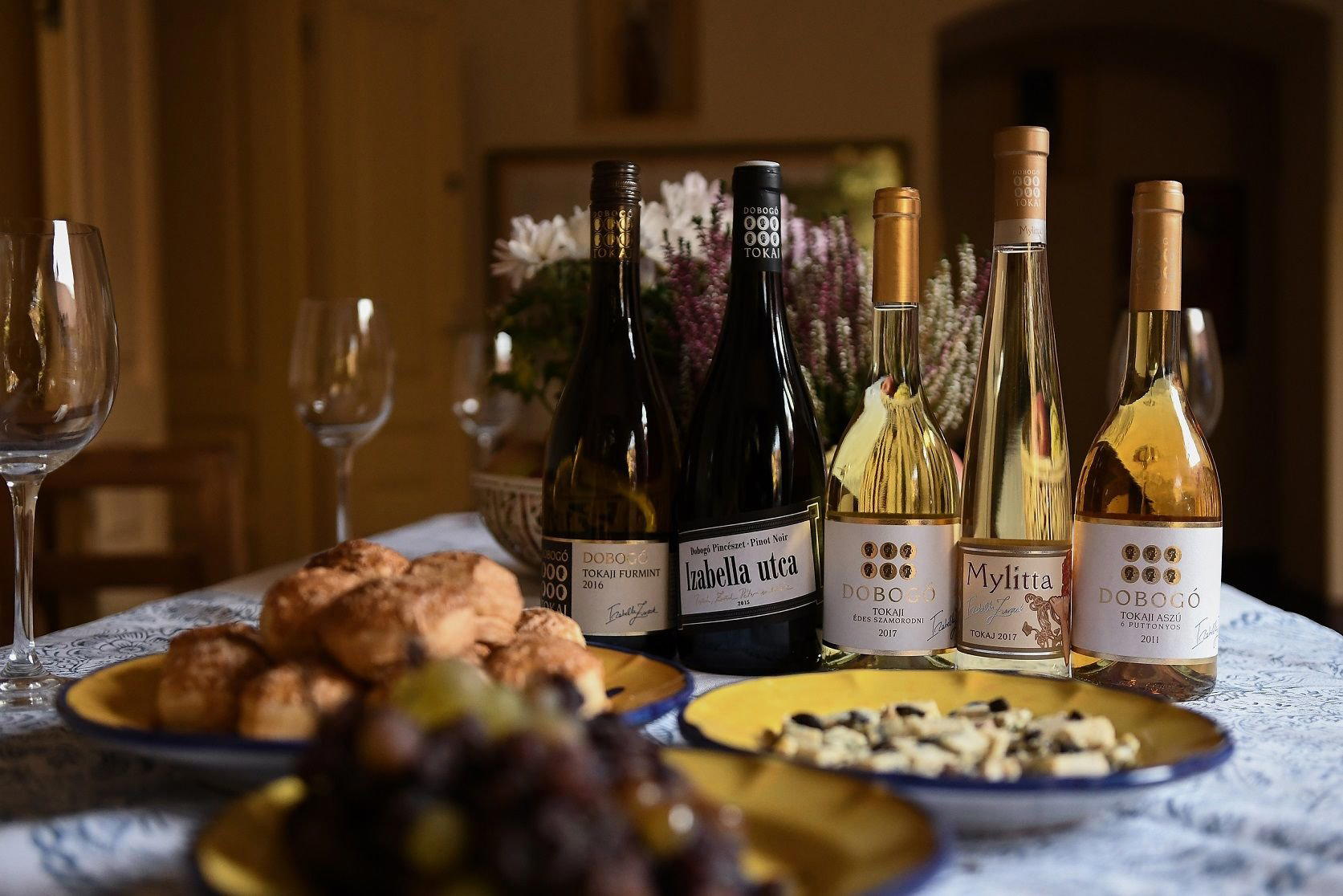
Peer producers in the same competitive set include names like Tokaj Hétszőlő, Demeter Zoltán Winery, Dobogó Pincészet, Erzsébet Pince, and Gizella Pince, all of which are working through similar questions about how to express individual vineyard sites within an appellation that spent decades under centralised, yield-driven production during the communist era. Recovery has been uneven across the region, but producers in this prestige tier consistently prioritise site identity over volume, which is the relevant frame for understanding what Balassa is doing.
The Appellation Context: Why Tokaj Demands Patience
Tokaj-Hegyalja was awarded UNESCO World Heritage status in 2002, covering 27 villages and roughly 5,500 hectares of vineyards. The designation recognised not just the wines but the entire cultural landscape: the historic classifications of individual vineyard sites (first, second, and third class dűlők), the network of hand-carved tunnels beneath the towns, and the centuries of documented winemaking practice. Aszú wines, made from individually selected botrytised berries measured in traditional puttonyos baskets, represent the historical pinnacle of the appellation, but the post-communist era has also seen a serious reassessment of dry Furmint, which now commands growing international attention for its combination of mineral texture and aging potential.
Producers working in Tokaj town itself — as opposed to the hillside villages like Mád, Tarcal, or Tolcsva — have direct access to the town's historic cellar network and the southern exposition of the surrounding slopes. Larger operations with international backing, such as Disznókő in Mezőzombor, Royal Tokaji in Mád, and Tokaj Oremus in Tolcsva, set a commercial reference point for the appellation's upper tier. Smaller independent producers like Balassa operate in a different register: tighter production, site-specific ambitions, and direct engagement with visitors who arrive knowing what they're looking for.
Furmint as a Study in Place
The primary grape of Tokaj-Hegyalja is Furmint, and it is one of the most site-responsive varieties grown anywhere in Central Europe. On rhyolite tuff, it tends toward crystalline acidity and a mineral salinity that reads almost saline in youth before softening with age. On clay-loess soils, the texture broadens and the aromatic register shifts toward orchard fruit. Within a single appellation, these differences are pronounced enough that experienced tasters can often identify not just the village but the slope orientation of a given wine. This vineyard specificity is what drives the current generation of premium Tokaj producers: the argument is less about style and more about transparency to origin.
Furmint's natural high acidity also makes it among the more age-worthy white varieties produced in Hungary. Properly cellared dry Furmint from a serious producer can develop over ten to fifteen years, adding complexity without losing its structural backbone. The sweet Aszú wines, when made from high-quality botrytised fruit, have documented aging potential measured in generations. A visit to any serious Tokaj producer is, in part, an argument about time, the time the soil takes to form, the time the mist takes to work on the grapes, and the time the wine needs in bottle before it reaches its most articulate expression.
The premium end of Tokaj winemaking has diversified considerably since the early 2000s, when international investment dominated the region's profile. Smaller, family-scale producers have carved out a credible tier positioned between the historic estates with substantial infrastructure and the lower-volume, highly experimental natural wine producers.
For visitors planning a broader Tokaj itinerary, the region's geography means most serious estates are within a short drive of Tokaj town. Árvay Winery in Rátka and Béres Winery in Erdőbénye represent neighbouring village approaches to similar terroir questions. Visitors with a broader Hungarian wine interest might also consider extending travel south to Bock Winery in Villány or Babarczi Winery in Gyor, which operate in entirely different climatic and geological conditions, providing useful contrast. For those with a comparative interest in other prestige appellations internationally, Aberlour in Aberlour and Accendo Cellars in St. Helena offer reference points across different categories.
Planning a Visit
Balassa Winery's address is Hegyalja utca 37, Tokaj 3910. The Tokaj region is most active for visits between late spring and autumn, with harvest in October representing the most atmospheric time to observe the region in full production. That said, the cool tunnel cellars make year-round visits to the town's winery network practical regardless of season. For broader orientation on dining, accommodation, and the wider cultural context of the town, our full Tokaj guide covers the region in detail.
In Context: Similar Options
Comparable venues nearby, for context on price, style, and recognition.
| Venue | Cuisine | Price | Awards | Notes |
|---|---|---|---|---|
| Balassa WineryThis venue — the venue you are viewing | Furmint, Zéta | Not listed | Falstaff Winery - Listed | Not listed |
| Hímesudvar | Furmint, Sárgamuskotály | $20–30 | Not listed | Tokaj |
| Demeter Zoltán Winery | Furmint, Hárslevelű | Not listed | Falstaff Winery - Listed | Tokaj |
| Gizella Pince | Furmint, Hárslevelű | Not listed | Falstaff Winery - Listed | Tokaj |
| Erzsébet Pince | Furmint, Hárslevelű | Not listed | Not listed | historic center |
| Crocus Winery | Winery | Not listed | Not listed | Tokaj |
Recognition history
Dated appearances from independent guides and award organizations, with the underlying list record or original source where available.
Falstaff Winery - Listed
Falstaff
Continue exploring
More in Tokaj
Wineries in Tokaj
Browse all →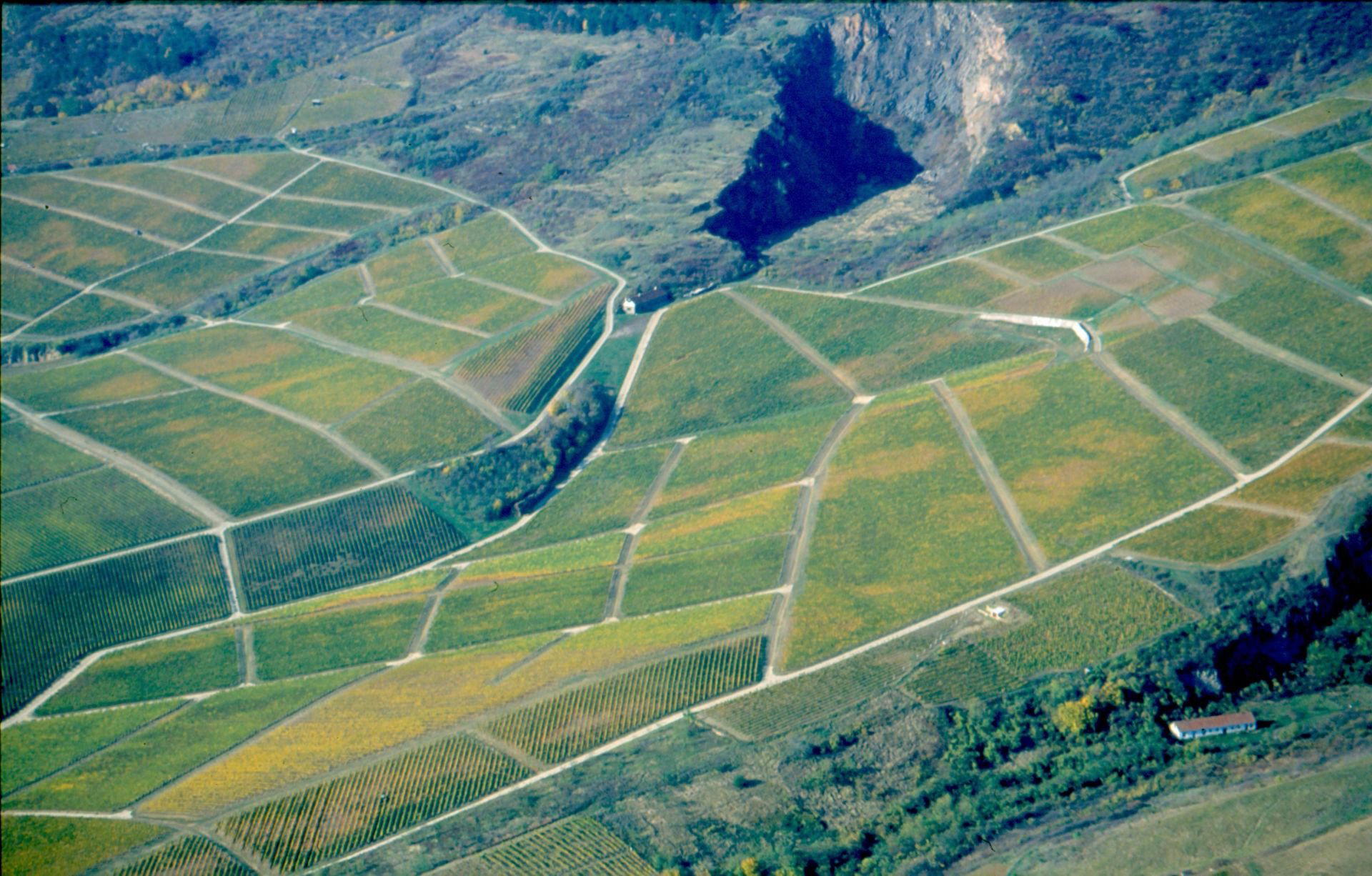
Restaurants in Tokaj
Browse all →
Hotels in Tokaj
Browse all →
Details
- Rustic
- Intimate
- Scenic
- Wine Education
- Solo Exploration
- Vineyard Tour
- Historic Building
- Vineyard
- Furmint
- Zéta
- Still White
- Dessert
- Single Vineyard Tasting