Dobogó Pincészet sits in the heart of Tokaj town at Dózsa György utca 1.

Pearl is the En Primeur Club membership app — saves, bookings, and concierge access live there. Same editors, same standards.
- Address
- Tokaj, Dózsa György u. 1, 3910
- Phone
- +36 30 576 9736
- Website
- dobogo.hu
- Directions
- Get directions
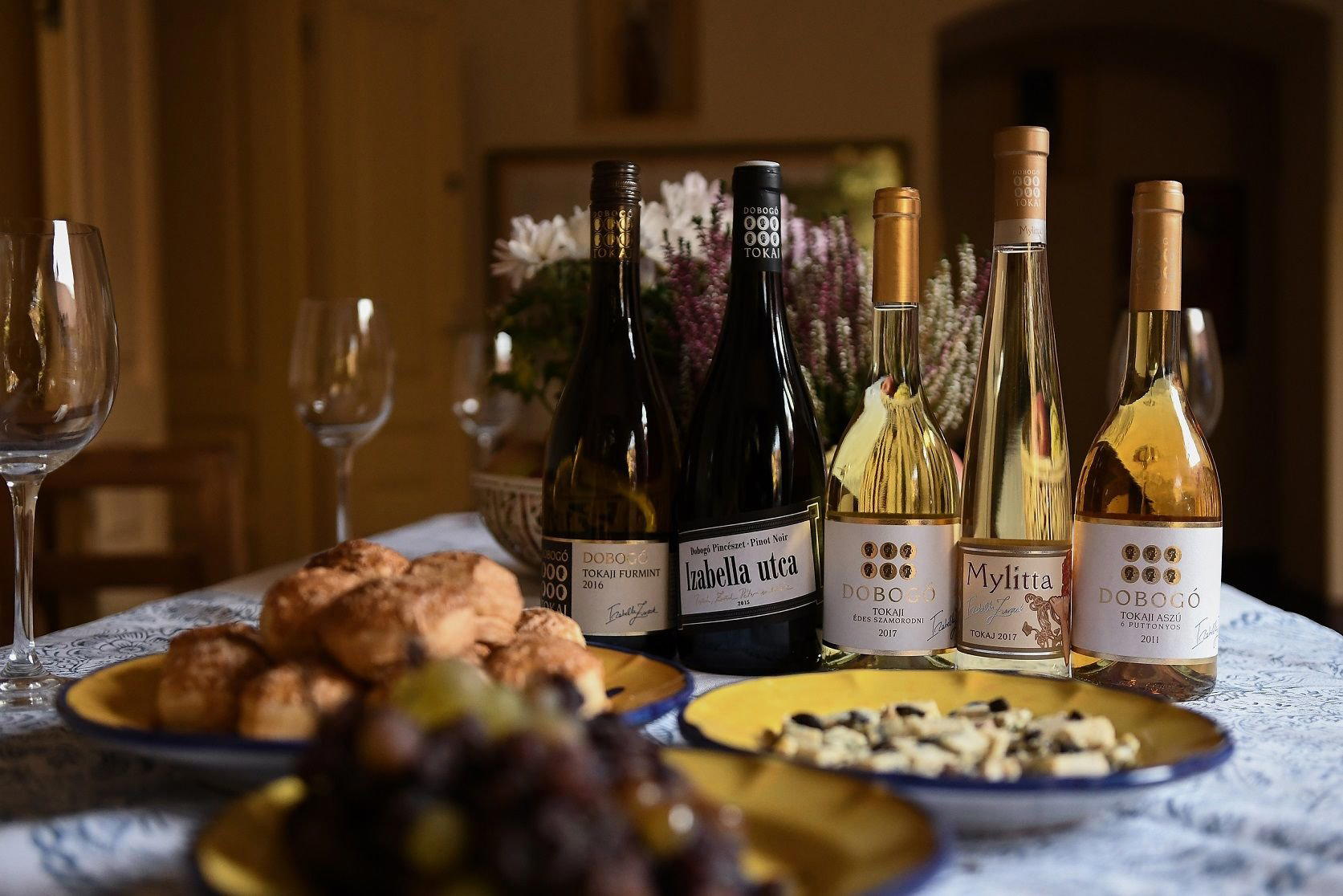
Where the Volcanic Slopes Meet the Cellar Door
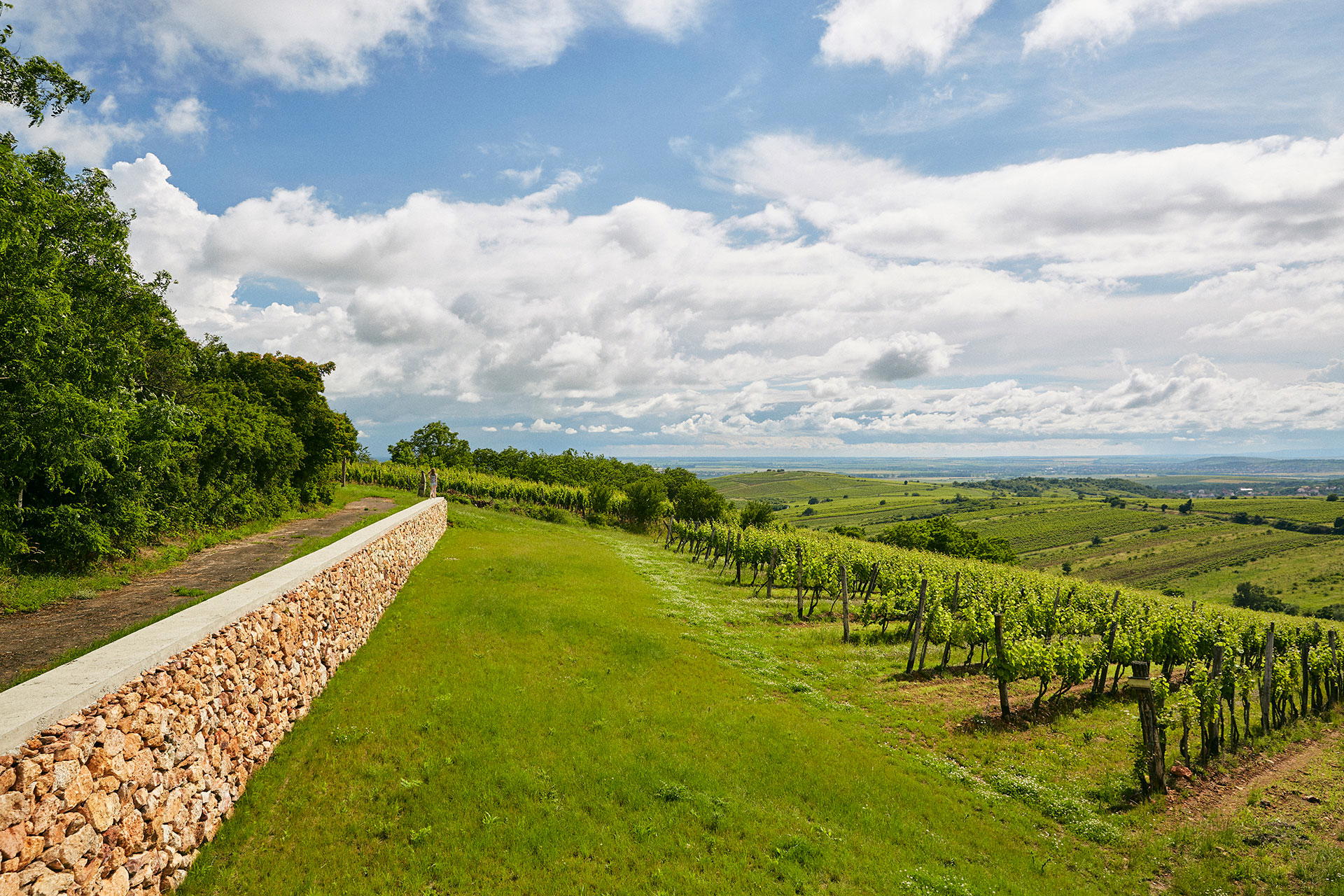
Tokaj's geography does most of the storytelling before a single bottle is opened. The town sits at the confluence of the Bodrog and Tisza rivers, a low-lying meeting point that generates the autumn morning mists responsible for the noble rot — Botrytis cinerea — that makes Aszú wines possible. The surrounding hills, formed from rhyolite tuff and andesite, retain heat through the growing season and drain freely, producing the mineral tension that defines the appellation's leading dry wines alongside its famous sweet expressions. Dobogó Pincészet, addressed at Dózsa György utca 1 in Tokaj town itself, sits directly inside this geography rather than at a distance from it, which shapes both the physical experience of visiting and the character of what ends up in the glass.
The address places Dobogó on the town-facing side of the appellation, where the winery and cellar are accessible without the longer drives required to reach estate properties deeper in the hills around Mád or Tarcal. That accessibility does not diminish the sense of place. Tokaj town is a working wine settlement rather than a polished tourist circuit, and arriving at a winery here still carries the texture of a genuine production site rather than a managed visitor experience. The physical fabric of the town, stone cellars, narrow streets, the river visible at the edges, provides the backdrop that more constructed wine tourism elsewhere tries to simulate.
The Regional Tier Dobogó Occupies
Within the Tokaj wine region, producers are broadly stratified by scale, ownership structure, and the proportion of classified vineyard holdings in their portfolio. At the upper end of that spectrum sit the large internationally backed estates, Disznókő in Mezőzombor, Royal Tokaji in Mád, and Tokaj Oremus in Tolcsva among them. Below and alongside that tier runs a denser cohort of independent Hungarian producers with strong vineyard identities and more modest visitor infrastructure.
It signals consistent quality across the range rather than a single standout bottling, and it positions Dobogó within the segment of Tokaj producers that international buyers and informed visitors seek out specifically. Comparison with neighbouring producers at this tier is instructive: Demeter Zoltán Winery and Erzsébet Pince operate in similar terrain with similar ambitions, and collectively they represent Tokaj's argument that the appellation's leading wines are no longer a historical curiosity but an active conversation with contemporary fine wine culture.
The Landscape as Wine Context
Understanding any Tokaj producer requires situating the wines within the appellation's classification system, which dates to 1737, one of the earliest formal wine classifications in European history, predating Bordeaux's 1855 arrangement by more than a century. The dűlő system divides the region's vineyards into named parcels, the most prized of which carry első osztályú (first class) or grand cru designations under more recent re-examinations of the hierarchy. Producers with access to these classified sites use them as the backbone of their single-vineyard bottlings, which command the most attention from collectors and critics.
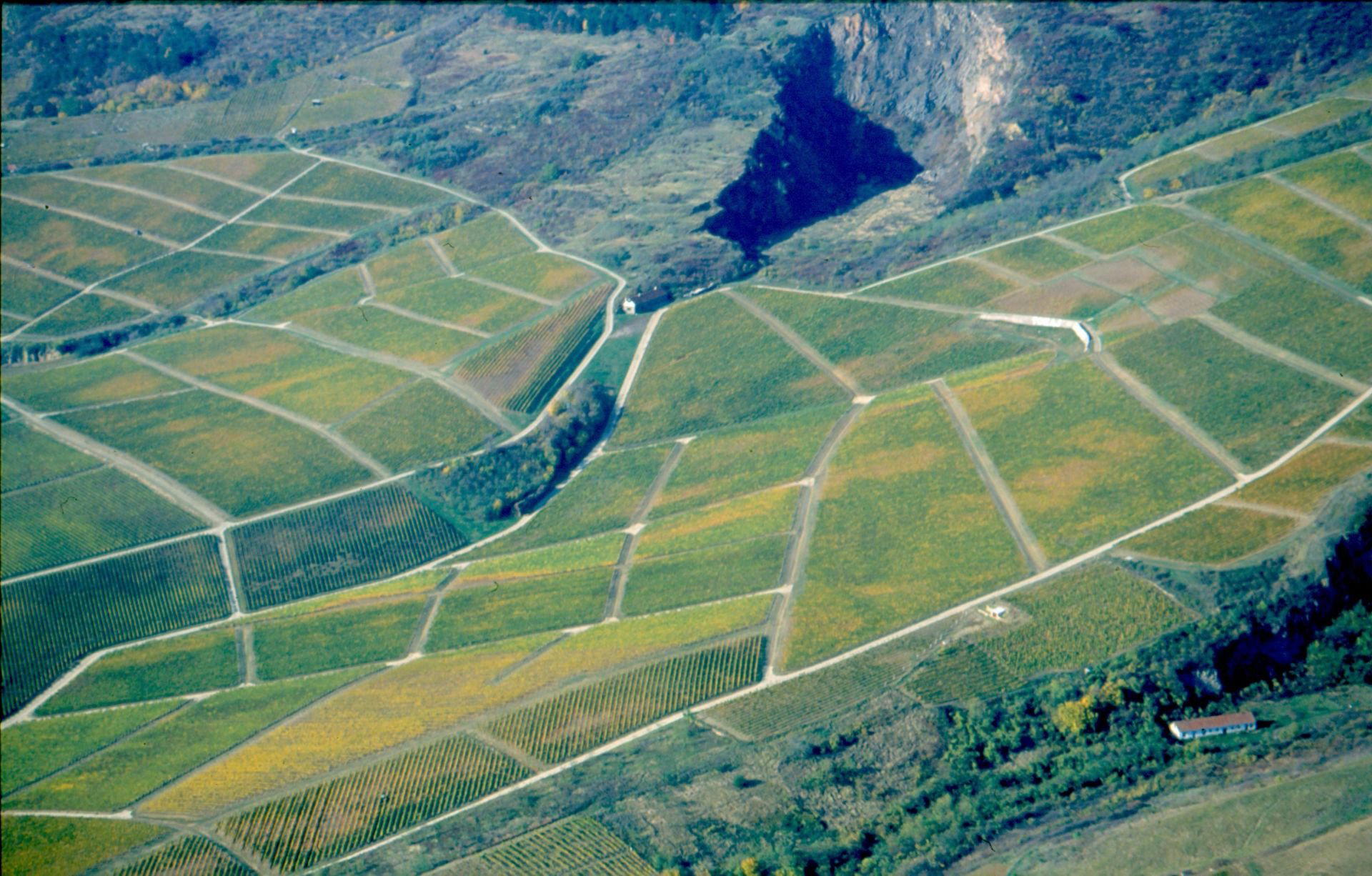
The volcanic soils underlying Tokaj's vineyards, particularly the rhyolite tuff found across the hillside sites, are not merely a talking point. They genuinely register in the wines as a saline, almost iodine-edged minerality that is distinct from limestone-derived tension in Burgundy or the graphite quality associated with certain Loire Cabernet Franc. When a producer in Tokaj makes a dry Furmint from a hillside parcel, the soil signature is one of the defining arguments for drinking the wine at all. The Bodrog river mists, meanwhile, are not a romantic embellishment, they are the mechanism that makes Aszú viticulture economically viable, concentrating sugars and acids in the botrytised berries that are harvested one by one in multiple passes through the vineyard.
Dobogó's position in Tokaj town keeps it close to both of these geographical realities: the river-generated microclimate below and the volcanic slopes above. This is wine country where the site precedes the producer in the hierarchy of what matters, and any serious winery operating here is, in effect, a custodian of conditions that took geological time to establish.
Visiting Tokaj's Producer Core
Tokaj is a small appellation by the standards of major European wine regions, roughly 5,500 hectares under vine at full extent, spread across 27 villages. The town of Tokaj sits at the region's southern tip, making it a practical base for visiting multiple producers in a single trip. Gizella Pince and Árvay Winery in Rátka represent different expressions of the appellation worth cross-referencing against Dobogó's approach, and the drive between most Tokaj villages is under thirty minutes.
Visitors flying into Hungary typically arrive through Budapest Liszt Ferenc Airport, from which Tokaj is approximately two and a half hours by car or accessible by train via Nyíregyháza with a connection. The regional train service is functional if slow; a hire car gives considerably more flexibility for moving between village producers across a day or two. The town itself has limited accommodation at the premium end, which means some visitors base themselves in Budapest and make the journey as a day trip, though staying overnight allows for early morning mist over the Bodrog, the visual correlate of the botrytis conditions that define the wines.
This is consistent with how many serious independent producers in Tokaj operate: cellar door visits are possible but structured around appointment rather than walk-in traffic, which reflects production priorities rather than a lack of hospitality.
Dobogó in the Wider Hungarian Wine Conversation
Tokaj's recovery as a fine wine destination has been one of European wine's more significant stories of the past three decades. Following the post-communist restructuring of state-owned cooperatives in the early 1990s, the region attracted foreign investment and a generation of domestic producers committed to quality viticulture. The dry Furmint category, once secondary to the sweet Aszú wines that made Tokaj famous, has become a serious vehicle for terroir expression and now draws comparison with white Burgundy in structure and ageability. Producers awarded at the 2 Star Prestige level sit in the tier where that conversation is most actively developing.
For context across Hungary's broader wine geography, producers at a comparable recognition level include Béres Winery in Erdőbénye, which operates within the Tokaj appellation itself, and, further afield, Bock Winery in Villány, which demonstrates how Hungary's southern red wine regions have developed a distinct fine wine identity alongside the north. Babarczi Winery in Győr adds another datapoint for Hungarian producers operating at a prestige tier outside the Tokaj designation entirely.
For a fuller picture of what Tokaj's wine scene offers across producers and styles, our full Tokaj restaurants and winery guide maps the appellation's key addresses and the editorial logic behind visiting each.
Compact Comparison
Comparable venues nearby, for context on price, style, and recognition.
| Venue | Cuisine | Awards |
|---|---|---|
| Dobogó PincészetThis venue — the venue you are viewing | Mád, Furmint, Hárslevelű | Not listed |
| Demeter Zoltán Winery | Tokaj, Furmint, Hárslevelű | Falstaff Winery - Listed |
| Balassa Winery | Tokaj, Furmint, Zéta | Falstaff Winery - Listed |
| Erzsébet Pince | historic center, Furmint, Hárslevelű | Not listed |
| Gizella Pince | Tokaj, Furmint, Hárslevelű | Falstaff Winery - Listed |
| Crocus Winery | Winery | Not listed |
Continue exploring
More in Tokaj
Wineries in Tokaj
Browse all →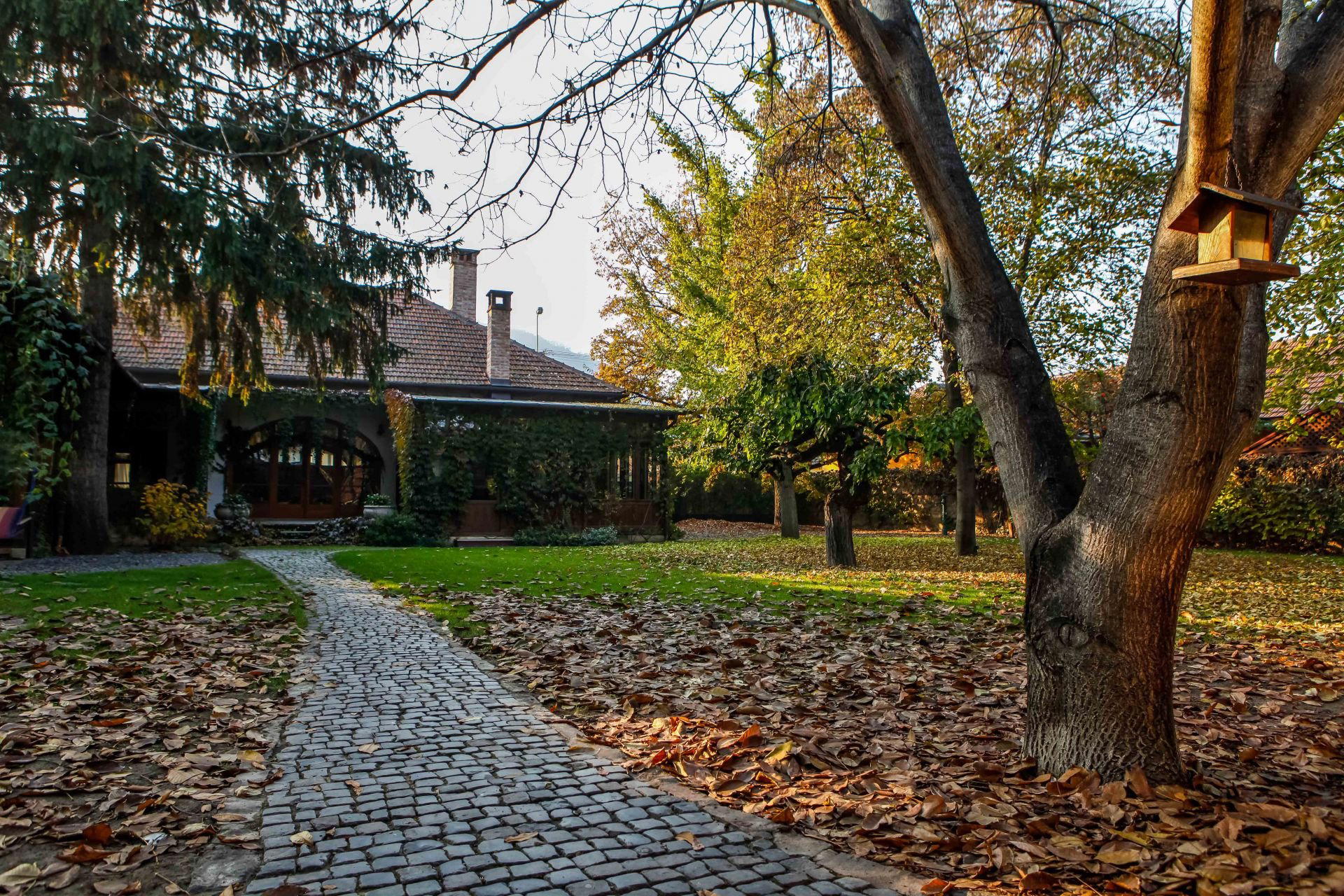
Restaurants in Tokaj
Browse all →
Hotels in Tokaj
Browse all →
Details
- Rustic
- Scenic
- Intimate
- Classic
- Wine Education
- Solo Exploration
- Special Occasion
- Vineyard Tour
- Historic Building
- Organic
- Vineyard
- Furmint
- Hárslevelű
- Sárgamuskotály
- Pinot Noir
- Zéta
- Kabar
- Still White
- Dessert
- Fortified
- Wine Tasting
Historic 150-year-old cellar with a fresh, lively approach blending tradition and innovation in an intimate setting.