Azienda Agricola Giacomo Fenocchio

A historic Barolo estate in Bussia, Azienda Agricola Giacomo Fenocchio is built around Nebbiolo, long maceration and large Slavonian oak rather than cellar theatrics. The draw is terroir literacy: Barolo DOCG from Bussia, Cannubi and Villero, plus Barbera and Arneis, tasted in a quiet family-estate setting in Monforte d’Alba.
Pearl is the En Primeur Club membership app — saves, bookings, and concierge access live there. Same editors, same standards.
- Address
- Monforte d'Alba, Piedmont, Italien
- Directions
- Get directions
 Saves & bookings on Pearl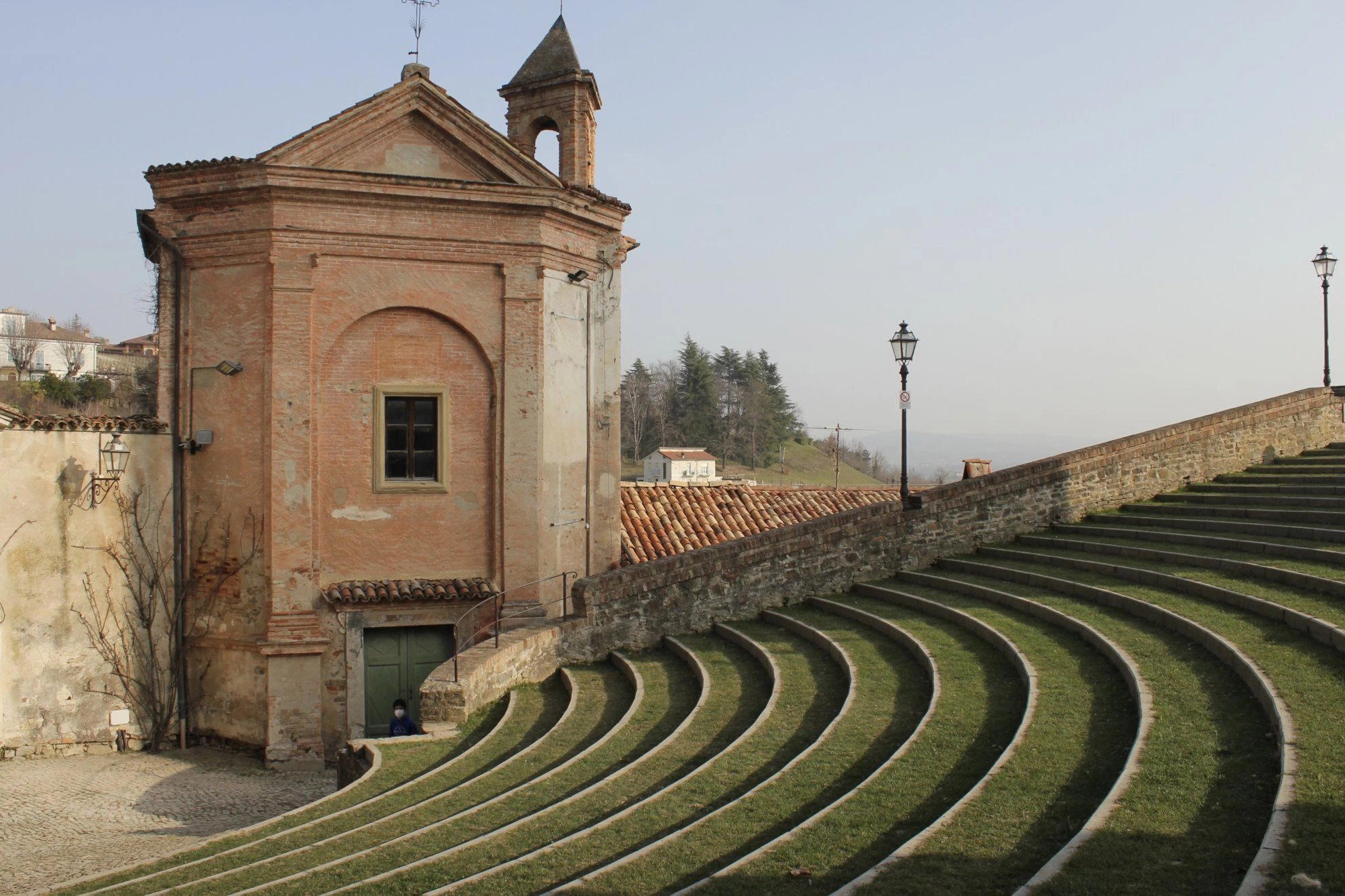
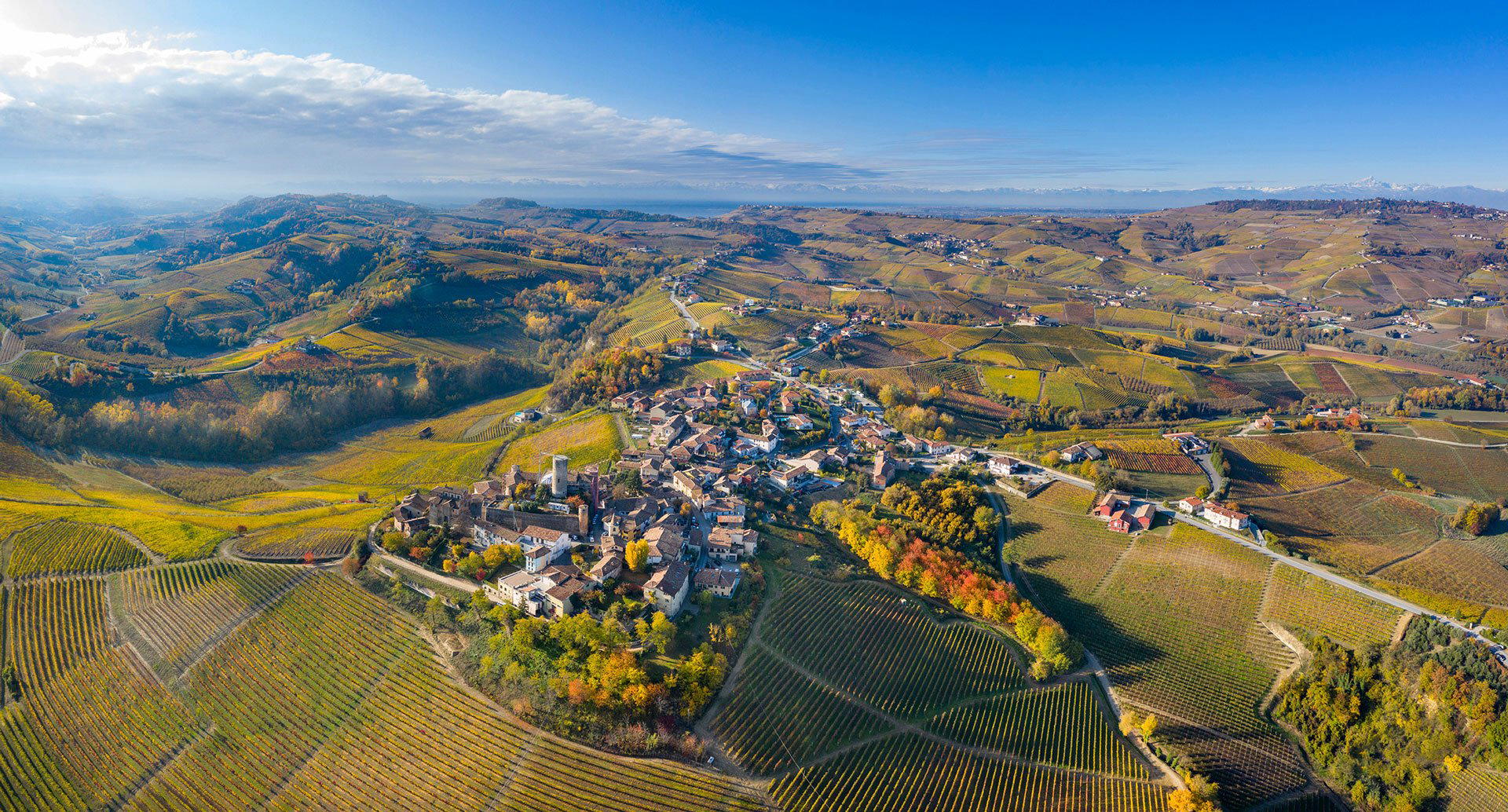
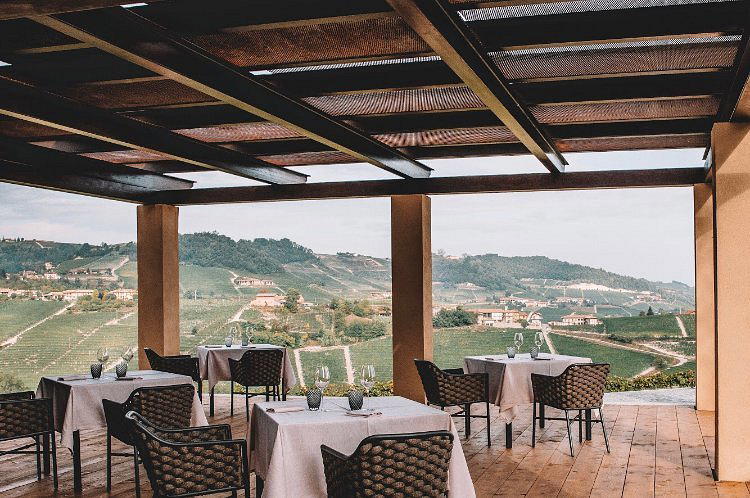
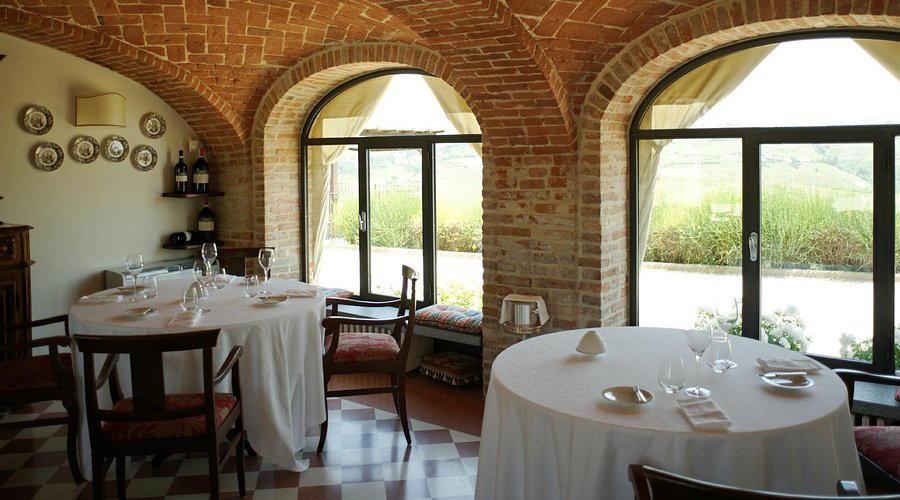
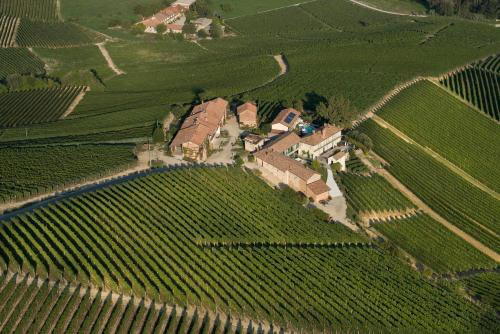
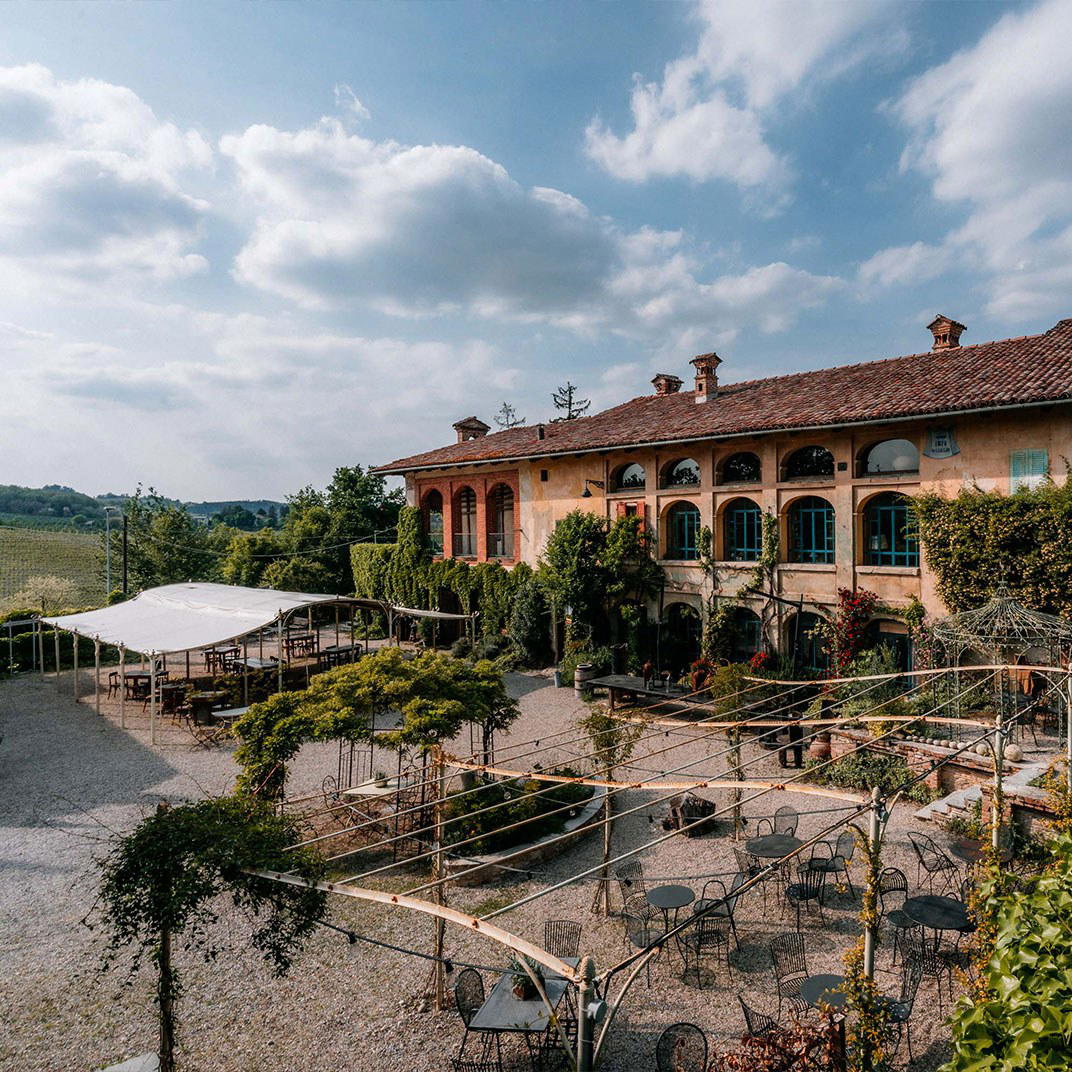
Approaching Bussia, the drama is not architectural spectacle but gradient: vineyard rows climbing and folding across the hills of Monforte d’Alba, with the cellar acting as a working extension of that slope. Azienda Agricola Giacomo Fenocchio belongs to the older Piedmontese idea of a winery visit, where the room, the casks and the vineyard parcels matter because they explain the wine before the glass does. The atmosphere is quiet, cellar-led and rural, with large Slavonian oak casks and estate grounds framing the visit rather than a hospitality set built for performance.
That distinction matters in Barolo. The appellation’s prestige often gets flattened into a single Nebbiolo story, but Monforte d’Alba is not Serralunga, La Morra or Castiglione Falletto. Bussia carries its own register: structure, depth and a hillside tension that rewards slower tasting. Fenocchio’s focus on Barolo DOCG, traditional long-maceration Nebbiolo and large cask ageing places the estate on the classical side of the region’s divide, the side that asks visitors to read tannin, site and time rather than oak polish or immediate sweetness.
Bussia as the starting point, not the backdrop
In many wine regions, vineyard views are used as decoration. In Barolo, and especially around Monforte d’Alba, they are the argument. Fenocchio’s estate setting in Bussia gives a visit a clear point of reference: the wines are not presented as generic Piedmontese reds but as readings of named ground. Holdings associated with Bussia, Cannubi and Villero give the tasting a useful internal comparison, since each name carries a different implication for structure, perfume and ageing shape within Barolo’s hierarchy of sites.
The estate’s founding year, 1864, is more than heritage copy in this context. Barolo’s modern identity has been shaped by arguments over maceration length, vessel size and the role of new oak; a fifth-generation family estate working with long maceration and large Slavonian oak sits inside that debate with a defined position. Claudio Fenocchio’s role as winemaker is relevant because continuity matters here, but the stronger editorial point is regional: this is a producer whose methods align with the long-form, site-first grammar of traditional Barolo.
The production scale sharpens the experience. Around 14 hectares and several thousand cases a year puts the estate in the small family-producer category, large enough to have a coherent range and vineyard identity, but not a volume brand. That scale tends to make cellar visits more instructive for serious drinkers. The discussion can stay close to parcels, ageing vessels and vintage expression rather than drifting into generalized lifestyle language.
The cellar format favors patient tasters
Tasting structure suits people who want Barolo explained through method and place. Standard tastings, private tastings and vertical tastings are part of the format, with visits typically running 60 to 90 minutes. Italian and English are available, which matters in a region where technical vocabulary can become opaque quickly: maceration, cask size, cru identity and bottle age are not small details when Nebbiolo is the subject.
Large Slavonian oak is a signal worth paying attention to. It does not carry the same imprint as small new barrels; its purpose is less about flavoring the wine than giving Nebbiolo time and oxygen in a slower, less showy way. For visitors used to more immediate red-wine styles, Fenocchio can be a useful corrective. Barolo here is framed as still red wine with structure and patience at its center, while Barbera and Arneis broaden the picture of Piedmont beyond Nebbiolo without distracting from the estate’s main argument.
The experience is also not built around a restaurant-style food program, though food pairing is available. That makes the visit better understood as wine education with a sensory anchor, not lunch disguised as a tasting. The quiet noise level and small-capacity feel reinforce that point. Groups can work here, but the tone is closer to a focused cellar appointment than a casual drop-in with background conversation.
How to place it within a Monforte d'Alba wine itinerary
Monforte d’Alba rewards tight planning because its appeal is cumulative. One Barolo producer can show method; several can show the village’s range. Fenocchio is a strong anchor for the traditional, Bussia-centered side of that itinerary, particularly when paired with broader regional planning through Our full Monforte d'Alba wineries guide. Travelers building a fuller stay can connect the wine route with Our full Monforte d'Alba restaurants guide, Our full Monforte d'Alba hotels guide, Our full Monforte d'Alba bars guide and Our full Monforte d'Alba experiences guide rather than treating the winery as an isolated stop.
Within Monforte d’Alba, the surrounding producer map gives context without reducing the village to a checklist. Nearby winery research might include Aldo Conterno, Amalia Cascina in Langa, Attilio Ghisolfi, Azienda Agricola Elio Grasso and Azienda Agricola Josetta Saffirio. The useful comparison is not a ranking but a question: how does each producer translate site, extraction, ageing and family history into a different version of Langhe seriousness?
For travelers using Fenocchio as part of a wider European wine route, the contrast becomes even clearer. The Piedmontese model here differs sharply from the regional identities behind 3GP SRL in Treviso, 47 Anno Domini in Trebaseleghe, A Mano Wine in Noci, »der Steiner« Hans Steiner in Podersdorf am See and & Handwein in Mannheim. Barolo’s grammar is narrower and more demanding: Nebbiolo, named hillsides, patient ageing and a tasting pace that resists rushing.
The practical read is simple. This is a reservation-led estate visit in Monforte d’Alba with on-site parking, outdoor space, vineyard and mountain views, and a cellar-centered format. It suits wine education, solo exploration, small groups and special-occasion travel where the priority is understanding Barolo from the ground up. It is less suited to children, pets or visitors looking for a casual wine-bar atmosphere. In the $$$ tier, the value is not excess; it is access to a traditional Barolo language spoken at its source.
Recognition history
Dated appearances from independent guides and award organizations, with the underlying list record or original source where available.
Falstaff Winery - Listed
Falstaff
Continue exploring
More in Monforte d'Alba
Wineries in Monforte d'Alba
Browse all →
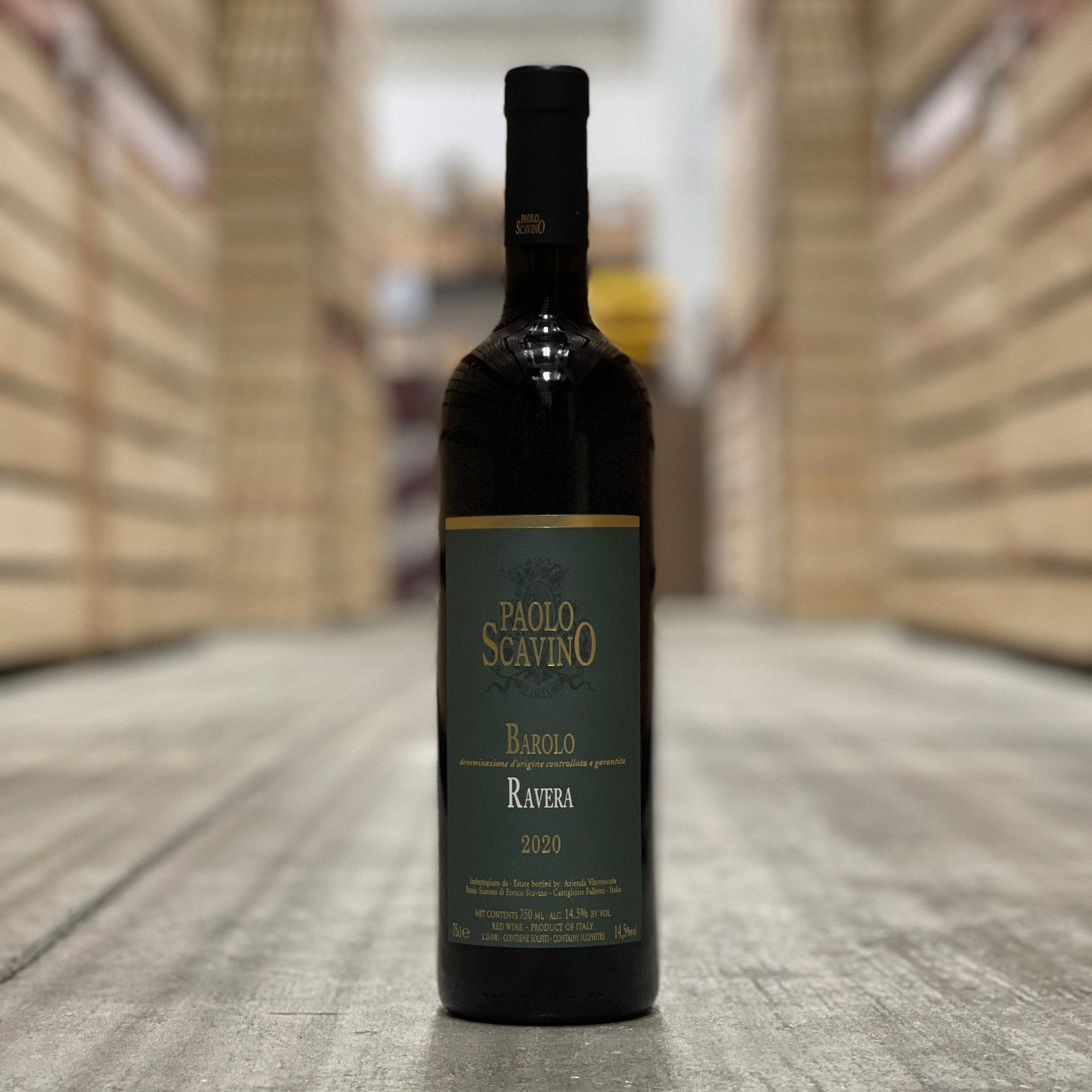
Bars in Monforte d'Alba
Browse all →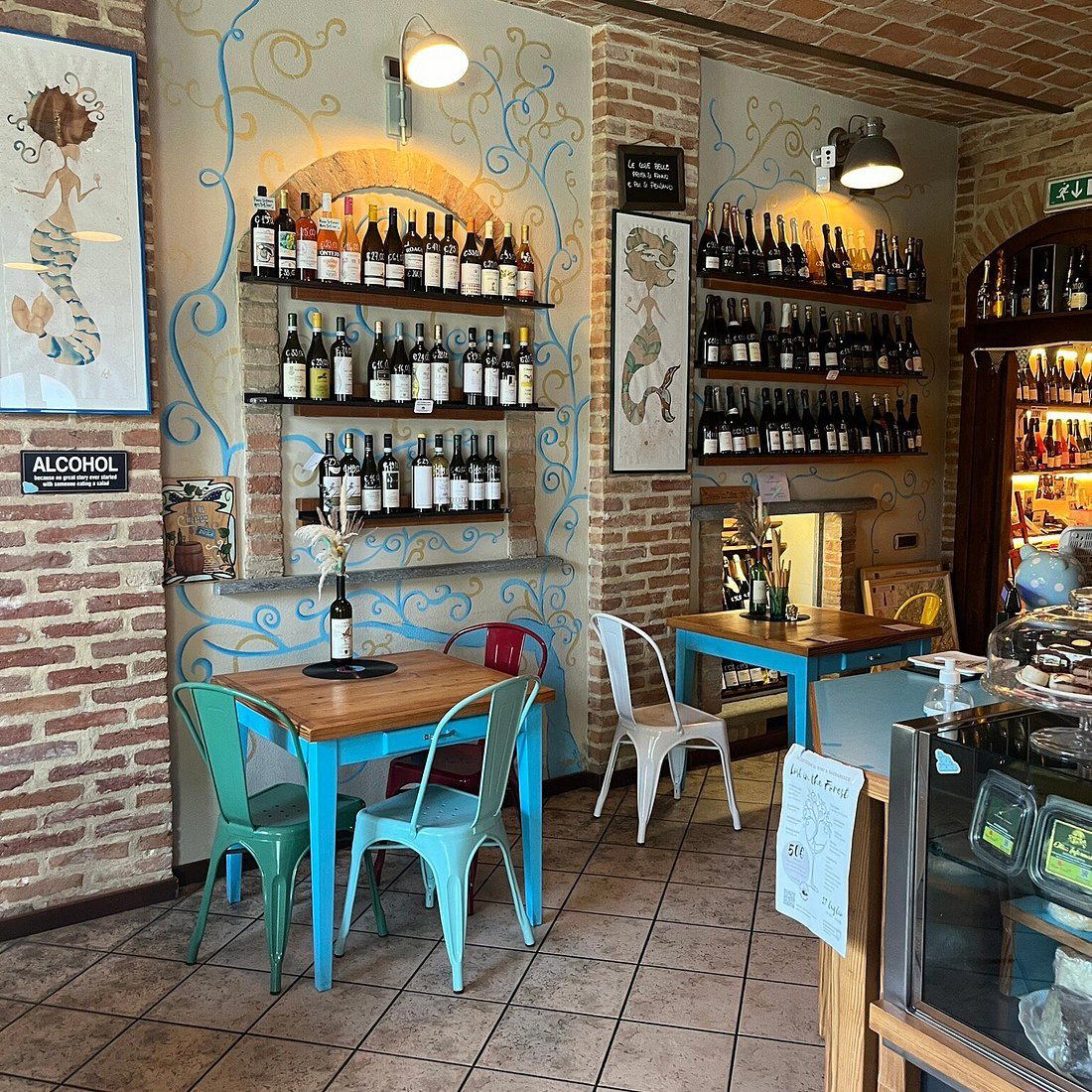
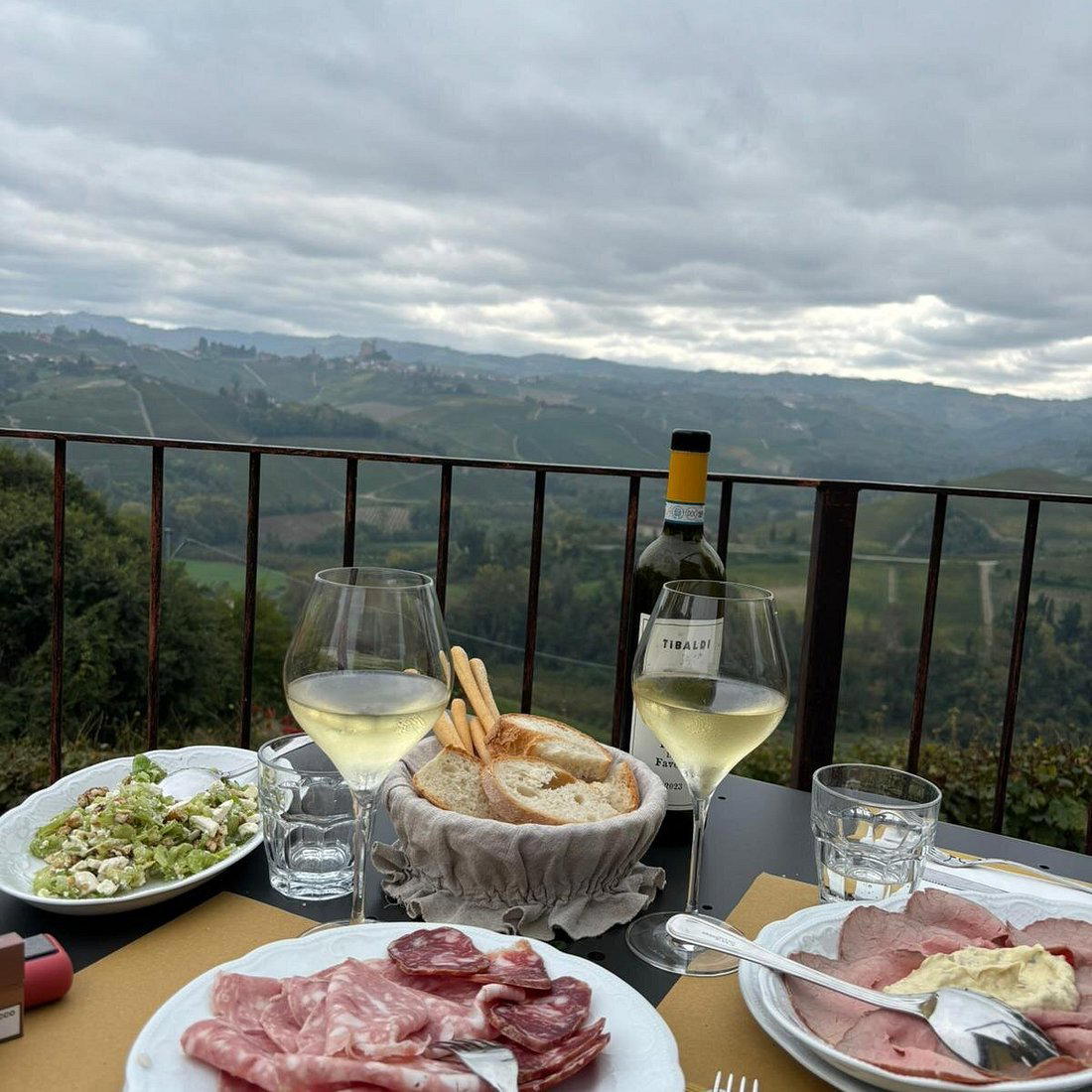
Restaurants in Monforte d'Alba
Browse all →
At a Glance
- Classic
- Scenic
- Rustic
- Well Known
- Intimate
- Elegant
- Romantic Getaway
- Group Outing
- Wine Education
- Special Occasion
- Solo Exploration
- Barrel Room
- Vineyard Tour
- Estate Grounds
- Historic Building
- Private Tasting
- Sustainable
- Vineyard
- Mountain
- Garden
- Barolo DOCG
- Nebbiolo
- Barbera
- Arneis
- Still Red
- Still White
- Standard Tasting
- Vertical Tasting
- Private Tasting
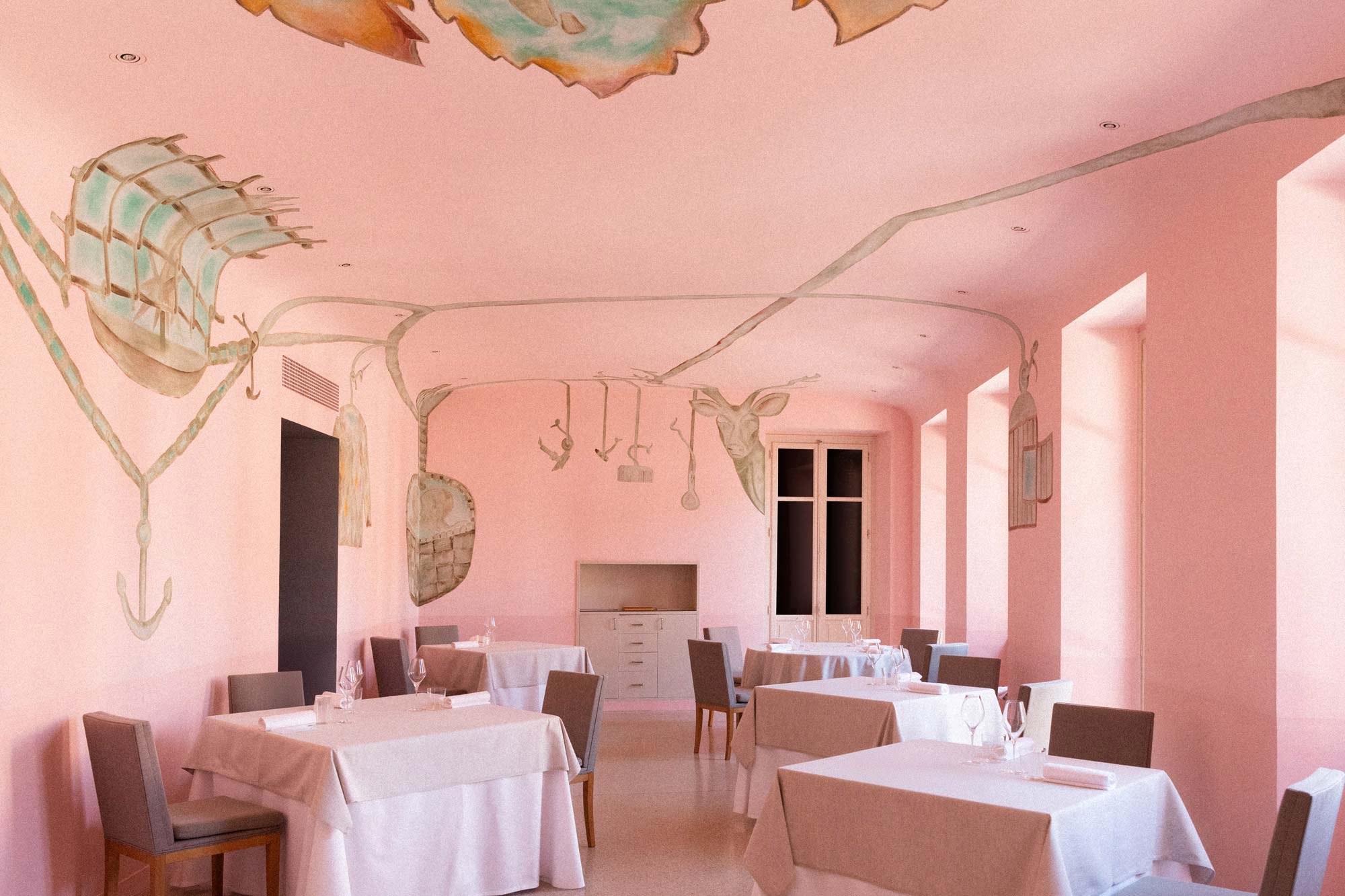
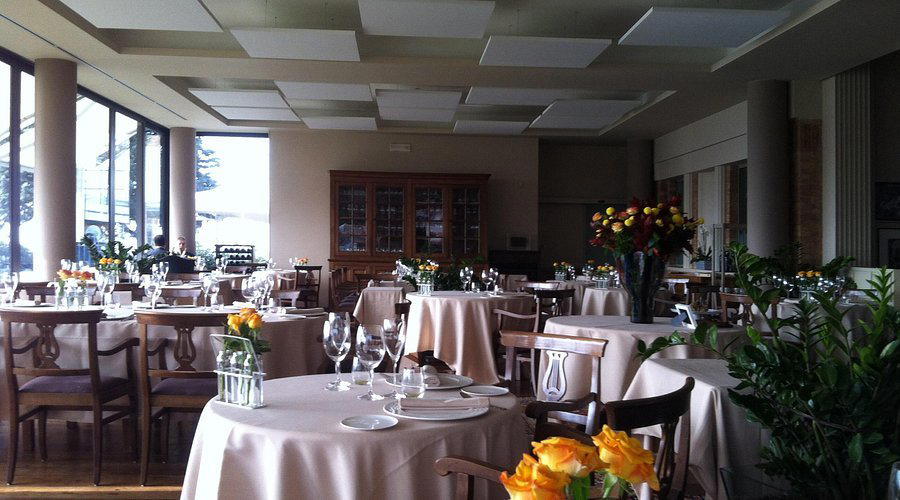
Traditional Piedmontese winery ambiance with a focus on the cellar and vineyards: classic large Slavonian oak casks, a new but understated cellar integrated into the historic estate, and a calm, authentic atmosphere rooted in multigenerational family winemaking.