Amuse Bouche Winery
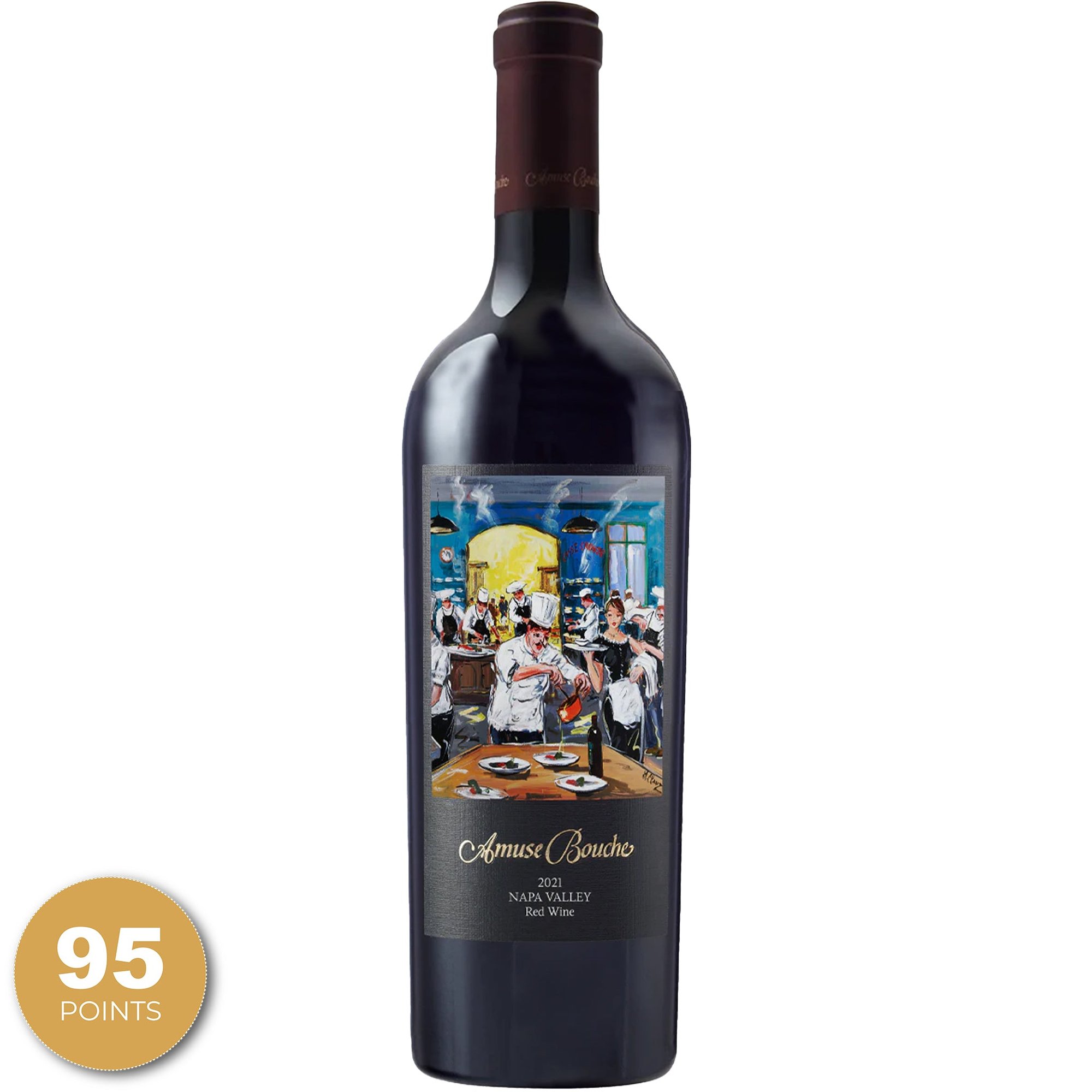
Amuse Bouche Winery operates from Napa's Main Street corridor. The winery's address situates it within easy reach of downtown Napa's broader tasting circuit, making it a natural stop for visitors moving between the valley's urban wine hub and its agricultural estates.
Downtown Napa and the New Gravity of Serious Wine
Napa's wine culture has always pulled visitors toward the valley's rural estates, but downtown Napa has, over the past decade, become a legitimate destination in its own right. The Main Street corridor, where Amuse Bouche Winery holds its address at 1130 Main St, now functions as an entry point into the valley's collector-tier producers rather than simply a commercial annex to the vineyards further north. This shift matters: it means producers operating from within the city limits are competing not against tourist-facing tasting rooms but against the valley's most-discussed allocation houses, and being recognized on those terms is a meaningful signal about where a winery sits in the broader California pecking order.
Napa's premium identity has long been structured around Cabernet Sauvignon and the auction culture it supports, but within that structure there is a smaller, more quietly operating tier of producers who build reputations through deliberate scarcity, critical recognition, and the kind of viticulture practices that are increasingly shaping how serious buyers evaluate wine. For context, producers earning recognition at that level tend to be those whose approach to growing and making wine is as considered as their distribution strategy.
Viticulture and the Sustainability Turn in Napa
The broader shift toward sustainability-led viticulture in Napa has accelerated considerably since the mid-2010s, driven by a combination of consumer demand, climate pressure on vineyard management, and a growing critical consensus that the most compelling wines from the valley tend to come from sites where the farming philosophy is explicit and coherent. Napa Green, organic certification, and biodynamic practices have moved from margin to mainstream discussion among the valley's serious producers, and how a winery sources and farms its fruit is now as relevant to collectors as the winemaker's CV or the appellation on the label.
Within this context, the wineries drawing the most sustained attention are those that treat farming decisions as inseparable from quality outcomes rather than as a separate marketing consideration. This means attention to soil health, canopy management, water use, and the sourcing relationships with individual growers that determine whether a producer controls enough of the growing decision-making to make a genuine claim about its viticulture. Napa's top-tier independents, from producers in Rutherford like Alpha Omega Winery in Rutherford to the estate-driven model of Darioush Winery, have all had to articulate their position on these questions clearly. The ones that have answered most convincingly tend to be those with the deepest source transparency.
At this tier of recognition, the wines are being evaluated against the same criteria applied to Napa's most discussed allocation producers, where farming philosophy and cellar intervention levels are read as part of the wine's story.
Placing Amuse Bouche Winery accurately in Napa's competitive map requires understanding the category it operates in, rather than simply the geography. Downtown Napa-based producers occupy a different niche from estate wineries with sprawling visitor infrastructure, and the comparison set is more usefully drawn against similarly recognition-heavy independents across the valley than against the large tasting-room-first operations that dominate certain highway corridors.
Accendo Cellars in St. Helena represents another point on this spectrum, where production volume is intentionally constrained and the critical conversation is treated as the primary distribution mechanism. Amuse Bouche Winery's 2025 recognition places it in that orbit.
For visitors who have already experienced the larger estate operations, producers at this tier offer a different register entirely. The experience tends to be less about spectacle and more about access to wines that are genuinely difficult to encounter outside their home markets. That distinction is worth understanding before planning a visit. Napa's wine circuit is broad enough that a day spent across four large-format estates and a day spent moving between producers at the allocation tier are effectively different trips, even if the geography overlaps.
The Broader Napa Circuit: How to Place This Visit
Downtown Napa as a base has real logistical advantages. The city's walkable core, concentrated along and around Main Street, allows visitors to move between producers without the driving that defines most Napa itineraries. For those using the city as a hub, the broader valley circuit becomes more manageable: producers further north in the Carneros and Los Carneros AVA, including Artesa Vineyards and Winery, are accessible as day extensions without committing to a St. Helena or Yountville base. Similarly, the route toward Clos Selene Winery can be built into a broader Silverado Trail itinerary that begins and ends in the city.
California's winery geography extends well beyond Napa, and serious collectors often use a Napa trip as the anchor for broader regional exploration. Adelaida Vineyards in Paso Robles, Alban Vineyards in Arroyo Grande, and Andrew Murray Vineyards in Los Olivos represent the Rhône-driven south that offers a distinct counterpoint to Napa's Cabernet dominance. For those whose interests extend to Oregon, Adelsheim Vineyard in Newberg provides a useful reference point for how Willamette Valley Pinot compares to the California estate model. And for visitors interested in how Napa's wine culture measures against entirely different traditions, Alexander Valley Vineyards in Geyserville offers Sonoma County context worth having before drawing conclusions about California wine at large.
Planning logistics for Amuse Bouche Winery itself are best confirmed directly, given that contact and hours details are not publicly consolidated at the time of writing. For producers at this recognition tier, visits tend to require advance arrangement rather than walk-in access, and the booking window is worth understanding before building an itinerary around it. Our full Napa restaurants and wineries guide covers the broader planning picture for the valley, including the distinction between reservation-required producers and those with open tasting rooms.
Planning Your Visit
Amuse Bouche Winery is located at 1130 Main St, Napa, CA 94559, within the downtown core. Website and phone details are not consolidated in public records at this time; reaching out directly through available channels is advisable before scheduling. Napa's downtown is walkable from several accommodation options in the city center, and the Main Street address is accessible without a car, which is unusual for a valley that otherwise tends to require driving between properties. For international visitors comparing Napa against entirely different wine cultures, Achaia Clauss in Patras and Aberlour in Aberlour illustrate how different the production philosophies and visitor experiences can be across traditions, which helps calibrate expectations when returning to California's estate model.
Frequently asked questions
What's Amuse Bouche Winery's location?
Amuse Bouche Winery is located at 1130 Main St, Napa, CA 94559, Napa.
What wines should I try at Amuse Bouche Winery?
Current release details are not consolidated in public records, so confirming the active portfolio directly with the winery is advisable before visiting. Contact the winery at 1130 Main St, Napa, to ask about current availability.
What is Amuse Bouche Winery known for?
It operates from downtown Napa's Main Street corridor, a stretch that has become a serious wine destination in its own right over the past decade. That address and recognition together position it as a downtown counterpoint to the valley's estate-driven producers.
Should I book Amuse Bouche Winery in advance?
Reaching out to Amuse Bouche Winery at 1130 Main St, Napa, before your trip is the practical approach. Assuming availability on the day is a risk not worth taking for a visit at this level.
How does Amuse Bouche Winery's downtown Napa location affect the experience compared to valley estate wineries?
Situated at 1130 Main St in Napa's walkable core, Amuse Bouche Winery sits within a concentrated district where visitors can move between producers, restaurants, and the Oxbow Market without a car. That is a logistical advantage over the valley's rural estates, which require driving between appointments. For a producer.
Recognition, Side-by-Side
Comparable venues nearby, for context on price, style, and recognition.
| Venue | Cuisine | Notes |
|---|---|---|
| Amuse Bouche WineryThis venue (the venue you are viewing) | Merlot, Cabernet Franc | Not listed |
| Tournesol | Cabernet Sauvignon, Cabernet Franc | Coombsville |
| Seven Stones Estate | Cabernet Sauvignon, Cabernet Franc | St. Helena |
| The Setting Wines | Cabernet Sauvignon | Oakville |
| The Mascot | Cabernet Sauvignon, Merlot | Napa Valley |
| The Donum estate | Pinot Noir, Chardonnay | Carneros |
Request a visit to Amuse Bouche Winery
Tell us when you would like to go and how many people, and we put the request to the estate and reply to you by email.
Continue exploring
More in Napa
Wineries in Napa
All wineries in Napa →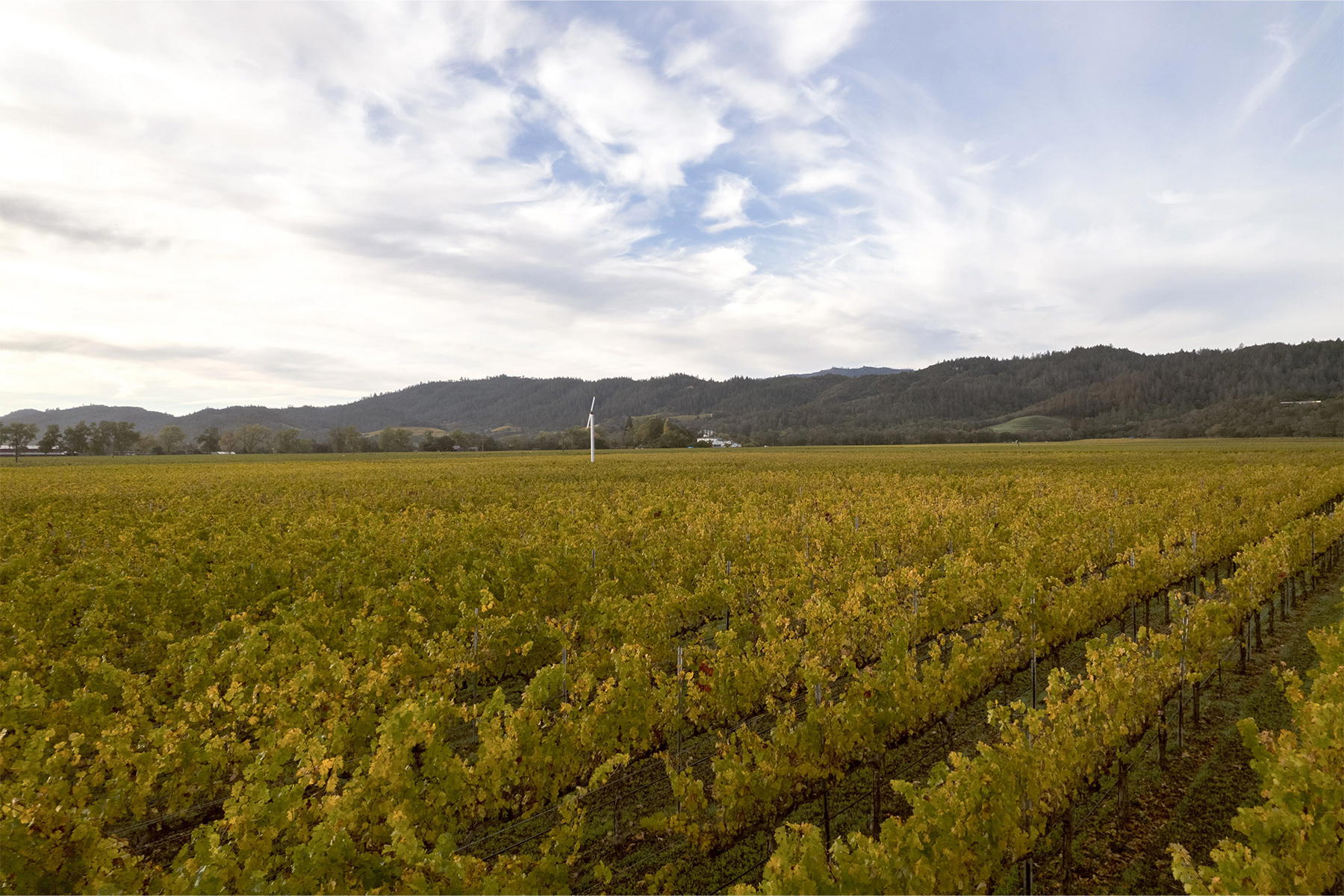
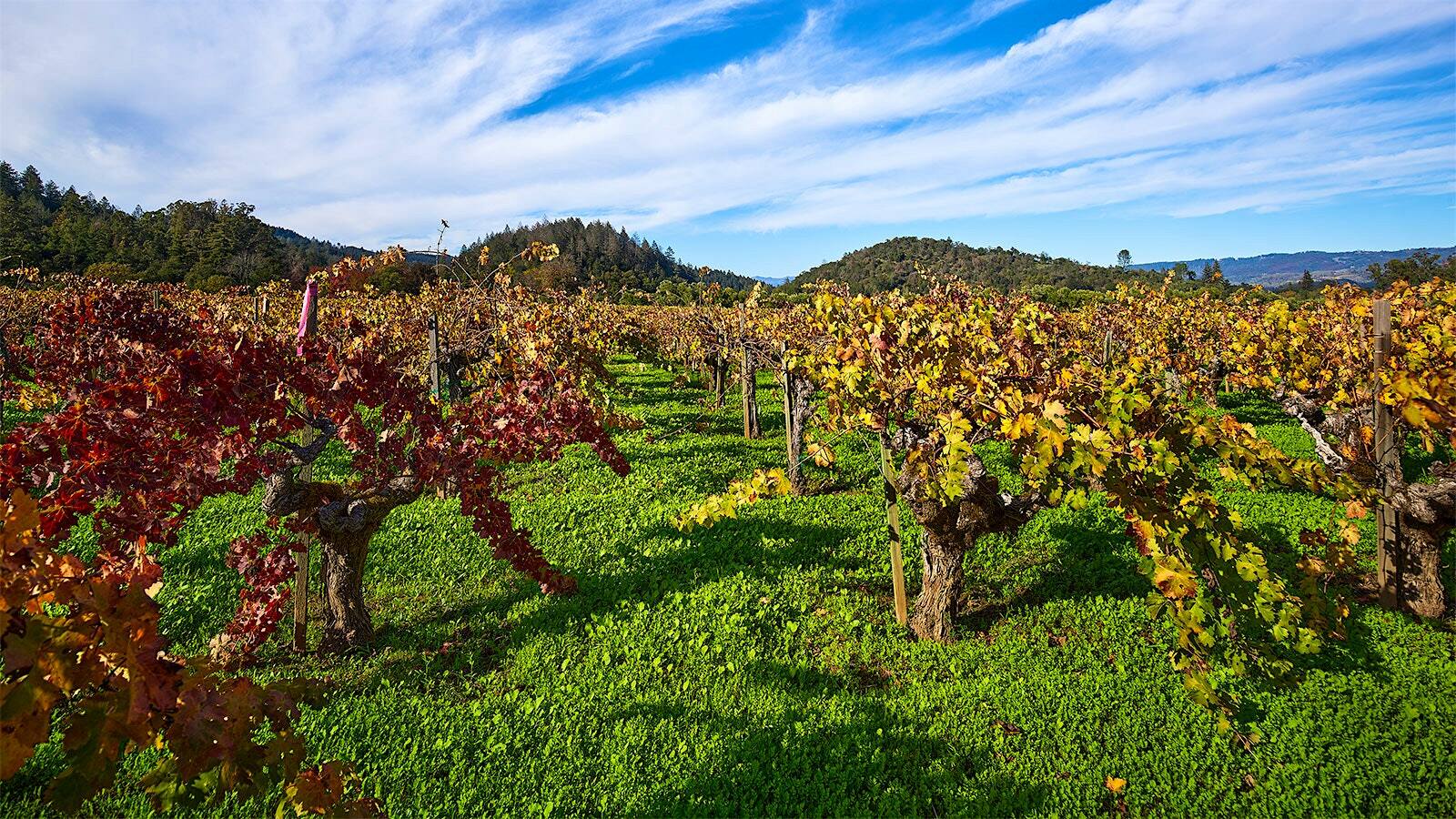
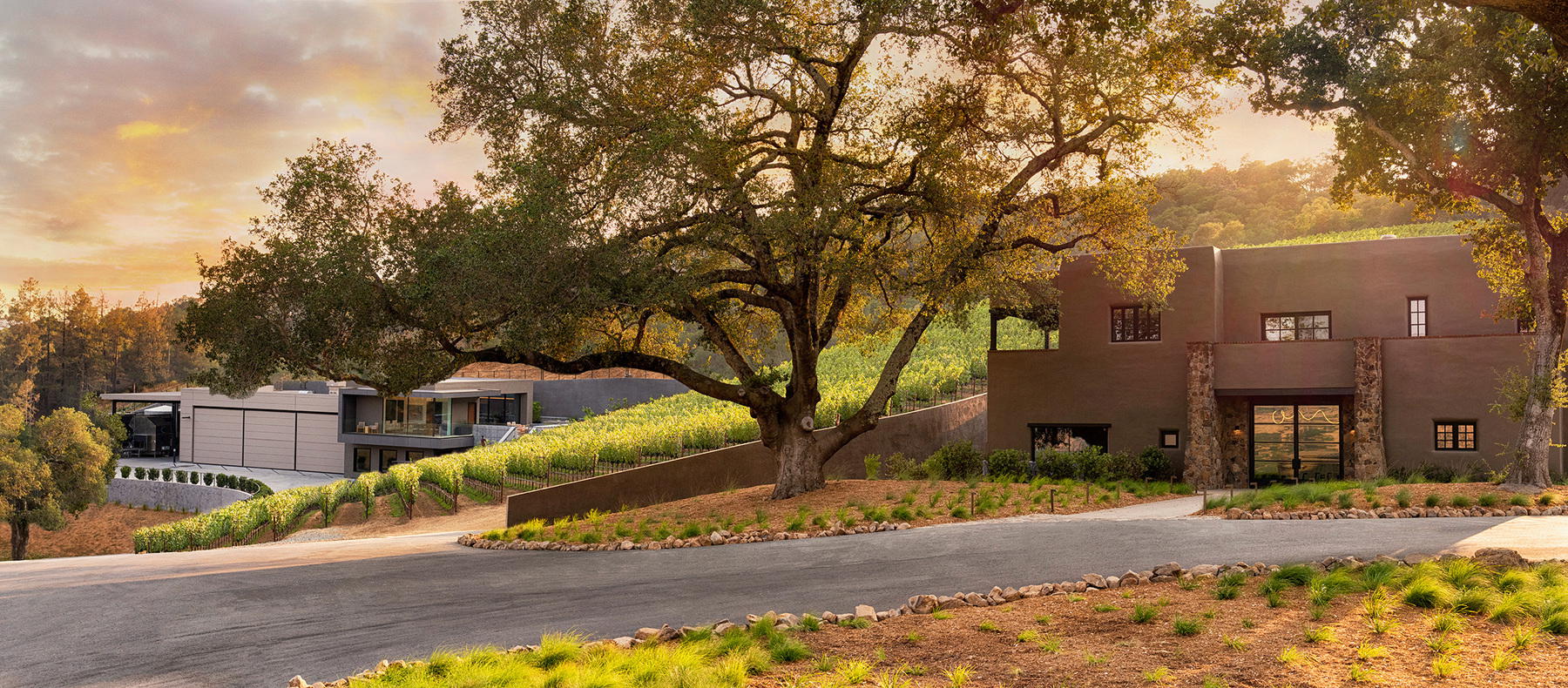
Bars in Napa
All bars in Napa →
Restaurants in Napa
All restaurants in Napa →
Details
- Elegant
- Sophisticated
- Intimate
- Classic
- Special Occasion
- Wine Education
- Romantic Getaway
- Private Tasting
- Merlot
- Cabernet Franc
- Syrah
- Cabernet Sauvignon
- Still Red
- Still Rosé
- Private Tasting
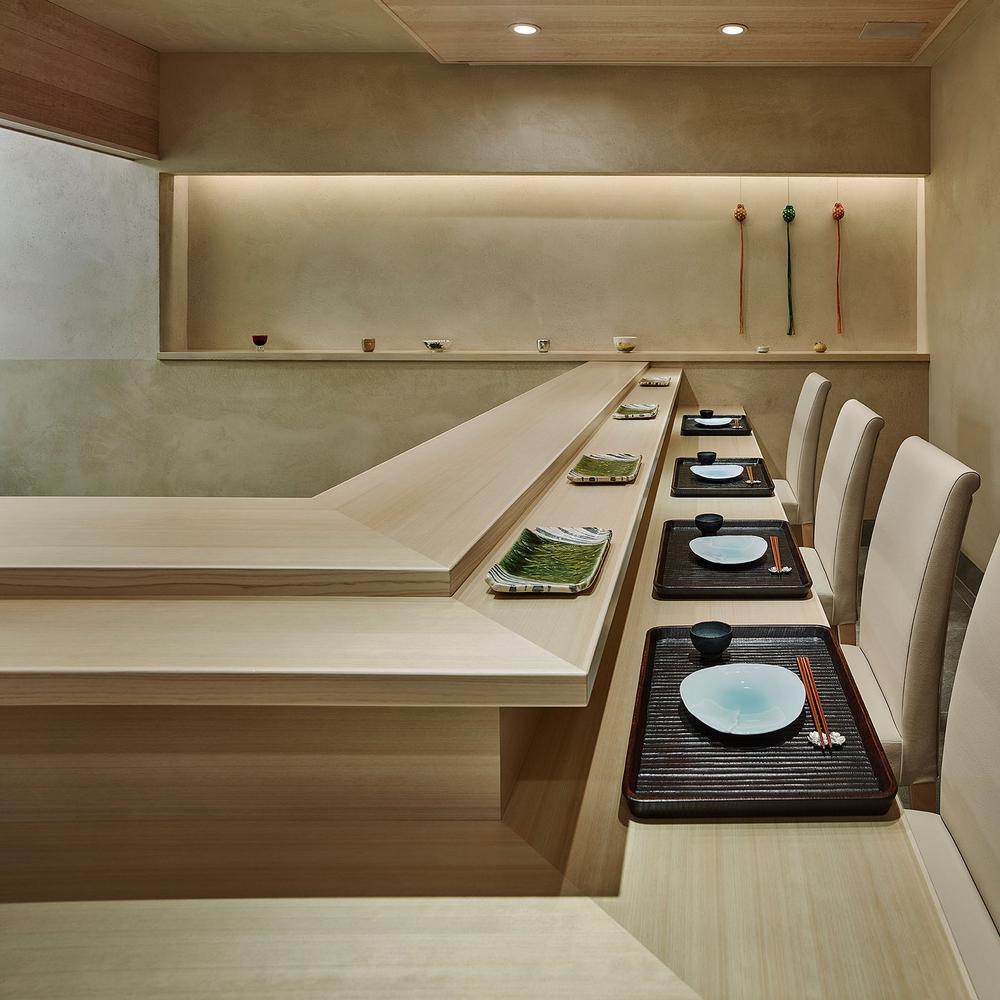
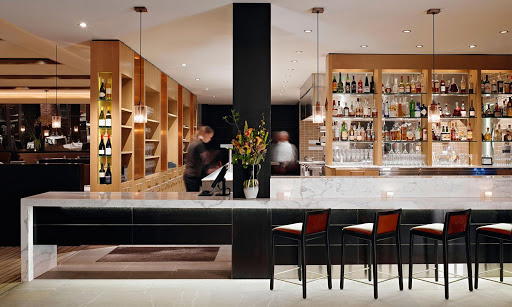
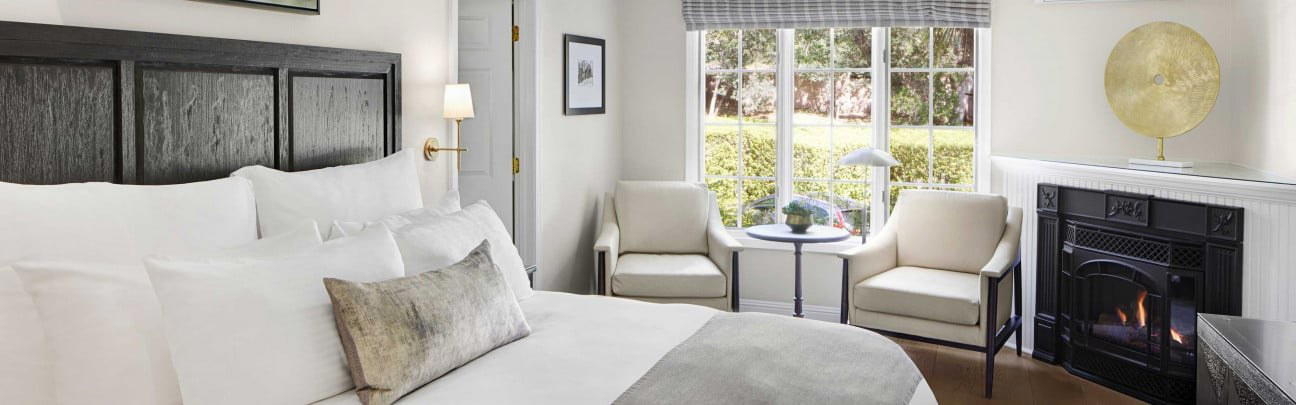
Refined and artistic atmosphere in a downtown Napa tasting room that celebrates the intersection of wine, food, and collectible art.