
1
Wiener Neustadt, Austria
Le Burger
Le Burger focuses on American Smash Burgers, with local sourcing and quick-bite pacing that suits lunch, dinner, or brunch.
Results
Wiener Neustadt, Austria
Le Burger focuses on American Smash Burgers, with local sourcing and quick-bite pacing that suits lunch, dinner, or brunch.

Düsseldorf, Germany
Le Bánh Mì on Immermannstraße sits in Düsseldorf's Japantown-adjacent corridor, where the city's most concentrated run of Asian food addresses draws a knowing crowd. The focus here is the Vietnamese sandwich in its most direct form: a vehicle of French-colonial bread tradition and Southeast Asian aromatics that has become one of the world's most replicated street foods. For a quick, no-ceremony lunch in central Düsseldorf, it earns its place on a short list.

Paris, France
Le Bélisaire occupies a quiet address on Rue Marmontel in the 15th arrondissement, sitting at some distance from the grand-boulevard spectacle of Paris's more decorated dining rooms. Where the city's €€€€ tier — from Alléno Ledoyen to Le Cinq — trades in ceremony and prestige, this address represents a different register: the neighbourhood bistro as a sustained, considered act rather than an occasion event.

Saint-Junien, France
Le Bœuf Rouge occupies a quiet address on Avenue Corot in Saint-Junien, a Limousin town whose cattle-farming heritage gives local restaurants a direct line to some of France's most respected beef. For visitors exploring the Haute-Vienne's understated dining scene, this is a reference point for understanding how a provincial French restaurant anchors its identity in the land immediately around it.

Lyon, France
On Rue du Bœuf in Lyon's Vieux-Lyon, Le Bœuf d'Argent occupies one of the old quarter's more storied dining addresses, placing it squarely in the tradition of serious Lyonnais table culture. The address draws on the neighbourhood's layered restaurant history while operating at a level where team coordination between kitchen, sommelier, and floor defines the experience as much as any single dish.

Limoges, France
On Rue François Chénieux in central Limoges, Le Bœuf à la Mode occupies a position in the city's traditional dining register that its name alone signals: a kitchen oriented around classic French braised beef cookery in a region that has long taken its livestock seriously. For visitors tracing Limousin's agricultural identity through its tables, this address sits inside that tradition rather than at a distance from it.

Orlando, United States
Le Cafe De Paris sits on Dr Phillips Blvd in Orlando's restaurant row, representing the strand of French-inflected dining that has persisted in the city through decades of theme-park-driven culinary expansion. With limited publicly available data, it occupies a quieter tier of the Orlando dining scene, distinct from the $$$$ contemporaries that dominate critical attention in the area.

San Francisco, United States
On Waller Street in the Haight-Ashbury district, Le Cafe du Soleil occupies a position in one of San Francisco's most historically layered neighbourhoods. The cafe format places it in a different register from the city's high-ticket tasting-menu circuit, offering a more accessible point of entry into the local dining scene. Practical details including hours and current menu specifics are best confirmed directly with the venue before visiting.

Bangor, France
On the southern tip of Belle-Île-en-Mer, Le Café Clara occupies a spot at the port of Goulphar that few visitors to Brittany plan around — but many return to. The café sits within reach of one of France's most dramatic Atlantic coastlines, where the logic of eating well is inseparable from the logic of where the food comes from. For a complete picture of eating in Bangor, see our full guide.

Paris, France
Le Café Marly pairs a Modern French Brasserie menu with terrace seating, a historic building setting, street scene views, and an extensive wine list.

Megève, France
On the Place de l'Église in the heart of Megève, Le Café Megève occupies one of the village's most-watched corners, where the rhythm of alpine life sets the pace for the meal. The format here is café rather than gastronomic destination, placing it in a different register from the €€€€ counters at Flocons de Sel or La Table de l'Alpaga, but no less central to understanding how Megève eats.

Chartres, France
Le Café Serpente occupies a commanding address at 2 Cloître Notre Dame, steps from Chartres Cathedral, placing it inside among the more historically charged dining rooms in the Eure-et-Loir. The setting draws visitors and locals who want a meal that answers the weight of its surroundings. Within Chartres' small but defined restaurant tier, it holds a position shaped as much by location as by what reaches the table.

Amboise, France
On Place Chaptal in the heart of Amboise, Le Café Voltaire occupies a position in the Loire Valley's café-bistro tradition — the kind of address that draws locals and château-weary visitors alike into a slower pace. The square sets the tone before you reach the door: stone facades, the rhythm of a market town, and the particular ease that defines eating and drinking in this stretch of Touraine.

Paris, France
On a quiet street in the 7th arrondissement, Le Café de Mars occupies a corner of Paris where the neighbourhood still belongs to residents rather than tourists. The address on Rue Augereau places it within easy reach of the Champ de Mars and Eiffel Tower, but the draw is the kind of relaxed, unfussy French café dining that the 7th does particularly well when it isn't performing for cameras.

Paris, France
On the quieter edge of the Marais, Le Café des Musées at 49 Rue de Turenne occupies the kind of address that Paris does better than anywhere else: a neighbourhood bistro that earns its place through consistency rather than spectacle. The room trades in worn zinc, close-set tables, and the particular hum of a place locals return to without announcement. It sits firmly in the tradition of the honest Parisian café-restaurant.

Paris, France
Le Café des Ternes occupies a corner of the 17th arrondissement where the Avenue des Ternes feeds into the quieter residential grid west of Place des Ternes. A neighbourhood address rather than a destination draw, it sits in the tier of Paris café-brasseries that serve a local clientele with little interest in tourist footfall. Practical, unpretentious, and shaped by the rhythms of the quartier.

Paris, France
Le Café du Commerce occupies a storied address on Rue du Commerce in Paris's 15th arrondissement, where the character of a working neighbourhood brasserie meets the unhurried rhythms of a city that still takes lunch seriously. Positioned well outside the Michelin circuit that defines tables like L'Ambroisie or Le Cinq, it draws a loyal local crowd for whom the ritual matters as much as the plate.

Villecomtal, France
Le Café du Dourdou serves French brasserie cooking with local sourcing and terrace seating in Villecomtal, a fit for lunch or dinner at a conversational pace.

Orléans, France
On Boulevard Aristide Briand in central Orléans, Le Café du Théatre occupies the kind of address that feels designed for unhurried midweek lunches and post-curtain dinners alike. The café sits within the Loire Valley's broader tradition of market-driven French cooking, where regional produce sets the terms. For visitors mapping Orléans beyond the cathedral quarter, it earns a place on the itinerary.

Lausanne, Switzerland
A neighbourhood café in Lausanne's Pontaise district, Le Café du Tramway occupies the quieter end of the city's dining register — the kind of address where locals set the pace and the meal follows. Positioned well outside the formal dining circuits of the Beau-Rivage and Lausanne Palace, it represents a different kind of Swiss-French table: unhurried, unpretentious, and rooted in everyday ritual.

Cagnes-sur-Mer, France
Perched in the medieval village of Hautes de Cagnes above the Côte d'Azur, Le Cagnard occupies a position where the Provençal supply chain — olive groves, fishing ports, and inland market gardens — arrives on the plate with minimal interference. The restaurant sits at the upper end of the Alpes-Maritimes dining tier, drawing visitors who make the detour from Nice or Antibes for the setting and the sourcing discipline that defines serious cooking in this part of France.
Paris, France
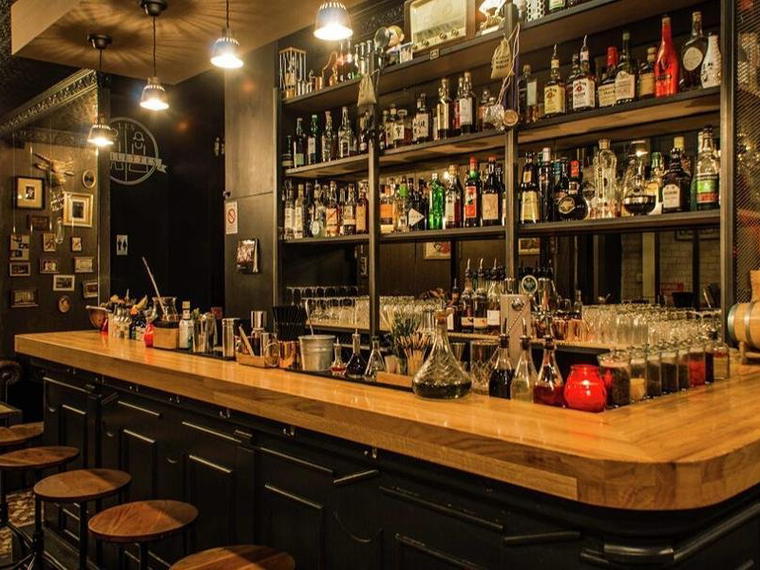
Le Calbar sits on Rue de Charenton in Paris's 12th arrondissement, a neighbourhood that has quietly accumulated a generation of independently minded bars and bistros operating well outside the formal dining circuits of the 7th or 8th. With sparse press coverage relative to its footprint in the local drinking scene, it rewards visitors who approach Paris beyond the obvious coordinates.

Paris, France
The boat format places it in a niche category of floating restaurants where atmosphere and wine selection carry as much weight as the kitchen, making it a reference point for visitors who want the river without sacrificing serious food.

Paris, France
The address places it in easy reach of the Grands Boulevards crowd, and the format rewards repeat visitors who understand how noon service differs from the evening shift.

Arvieux, France
In the high-altitude Queyras valley of the French Alps, Le Campagnol occupies the kind of position that forces a kitchen to reckon with its surroundings. Arvieux sits at over 1,500 metres, where the sourcing calendar is short, the producers are local by necessity, and the cooking reflects that constraint. For visitors making the journey into one of France's most remote natural parks, this is a reference point in the village.
Cancale, France
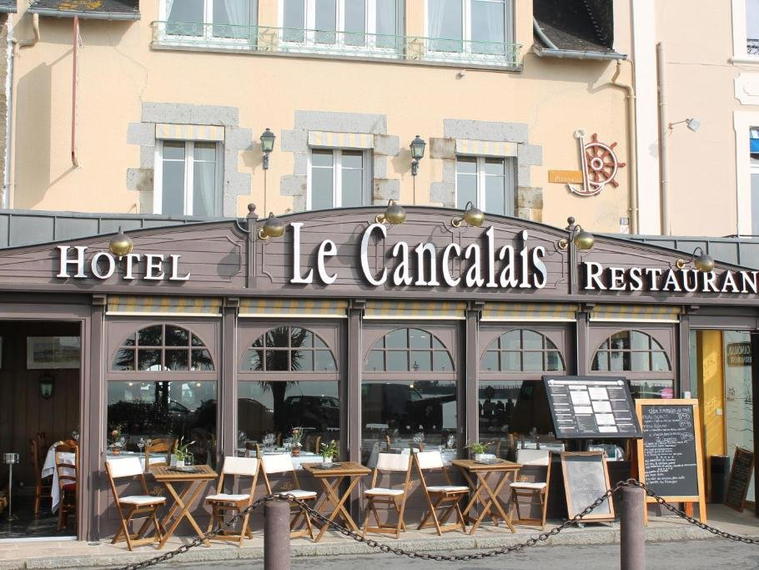
On Cancale's working quayside, Le Cancalais sits at the intersection of one of France's most productive oyster bays and a dining tradition built on proximity to the source. The address alone — 12 Quai Gambetta — places it within sight of the tidal tables that determine what arrives in the kitchen each morning. For visitors to Brittany's oyster capital, it reads as a direct argument for eating where the water is visible.

Nantes, France
On Place Canclaux in Nantes' Mellinet quarter, Le Canclaux occupies a neighbourhood position that carries real weight in how the city's dining scene has quietly matured beyond its waterfront showcase addresses. The square itself sets expectations — residential, unhurried, with a pace that the dining room reflects. For visitors tracking the broader shift in French provincial cooking, this address rewards attention.

Dinan, France
At 6 Rue Sainte-Claire in Dinan's medieval quarter, Le Cantorbery occupies a setting where Breton stone and centuries of culinary habit form the backdrop for regional dining. The address places it within the old walled town, where the food supply chain runs short — local producers, Atlantic coastline, and Breton farmland feeding kitchens that have never needed to look far. A considered stop within a city worth knowing.

Saint-Cirq-Lapopie, France
Le Cantou serves Traditional French Quercy Bistro cooking on rue de la Pelissaria, with local sourcing, a terrace, and a street-scene view for lunch or dinner.

Chamonix-Mont Blanc, France
Le Cap Horn sits on Rue des Moulins in Chamonix-Mont Blanc, drawing visitors looking for a meal that holds its own against the mountain backdrop rather than simply trading on it. The address puts it within walking distance of the town centre, well-positioned for both après-ski evenings and longer, unhurried lunches. For a broader view of the valley's dining options, see our full Chamonix-Mont Blanc guide.
Rochefort, France
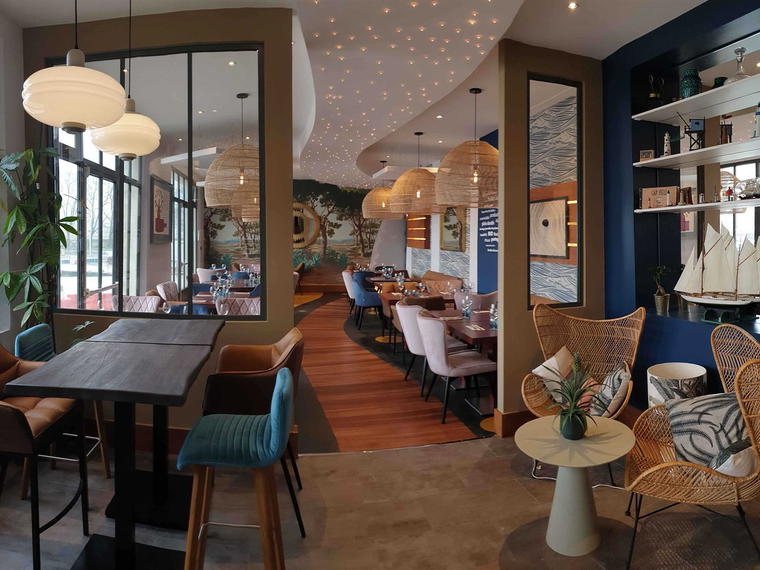
On the quayside at Rochefort, Le Cap Nell sits where the Charente opens toward the Atlantic, placing it in the current of a port city that has spent decades rebuilding a serious dining scene around its maritime identity. Compared to the French Contemporary format of nearby L'Incontournable, Le Cap Nell occupies a distinct address and atmosphere on the waterfront, making location a central part of what the experience delivers.

Nogent Le Roi, France
Le Capucin Gourmand occupies a quiet address in Nogent-le-Roi, a small Eure-et-Loir town that sits at the edge of the Beauce plain and the Perche hills. The restaurant draws on the agricultural character of this corner of Eure-et-Loir, where arable farmland and small-scale producers sit within close reach. For travellers moving between Paris and the Loire, it represents a considered stop in a region with relatively few destination dining options.

Neuchâtel, Switzerland
Le Cardinal occupies a street-level address on Rue du Seyon in central Neuchâtel, placing it within easy reach of the old town and the lake promenade. The restaurant operates within a city whose dining scene punches above its size, sitting alongside peers such as La Table du Palafitte and Brasserie Le Jura. Visitors looking for a local anchor point in Neuchâtel's mid-tier dining circuit will find this address worth tracking.
Paris, France
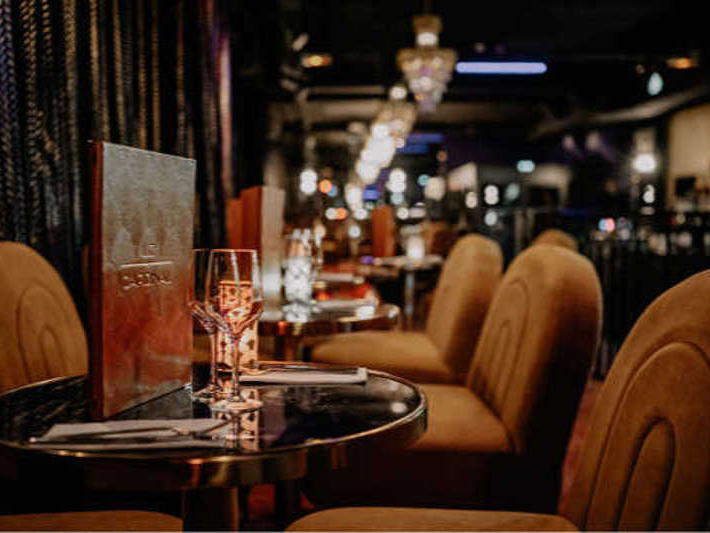
Positioned at the edge of the 16th arrondissement near Porte de Saint-Cloud, Le Cardinal occupies a corner of Paris where classic neighbourhood dining habits persist alongside the city's more celebrated formal rooms. The address places it at a remove from the tourist circuits of the centre, making it a reference point for those who plan around local authority rather than guidebook consensus.
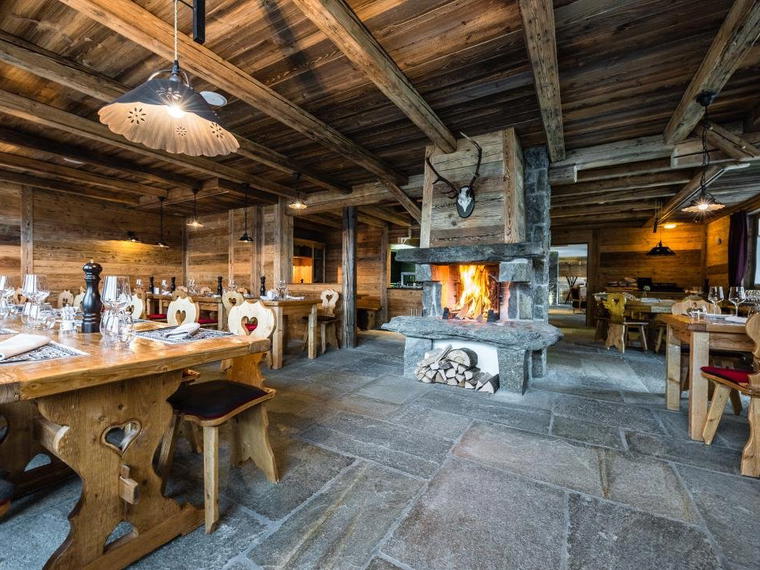
Haute-Nendaz, Switzerland
Le Carnotzet L'Aigle sits in Haute-Nendaz, the Valais alpine resort above Sion, where the carnotzet format — a traditional Swiss cellar dining room — puts seasonal mountain produce and regional wine at the centre of the table. The address on Chemin des Cibles places it within the resort's quieter residential fringe, away from the main lift infrastructure, suggesting a neighbourhood-first rather than tourist-first orientation.

Aix-les-Bains, France
Le Carré d'As sits on the Rue du Casino in Aix-les-Bains, a lakeside spa town in Savoie where the thermal tradition and proximity to Alpine producers have long shaped how restaurants source and cook. The address places it at the intersection of resort dining and regional produce culture, making it a practical lens through which to read the broader character of eating well in this corner of the French Alps.

Vitry Sur Seine, France
Le Casanova sits on Avenue Danielle Casanova in Vitry-sur-Seine, one of the inner southern communes that sit just outside the Périphérique and largely off the radar of Paris restaurant guides. The restaurant represents the kind of neighbourhood address that serves its community rather than the destination-dining circuit — a different register entirely from the Michelin-tracked tables of the capital.
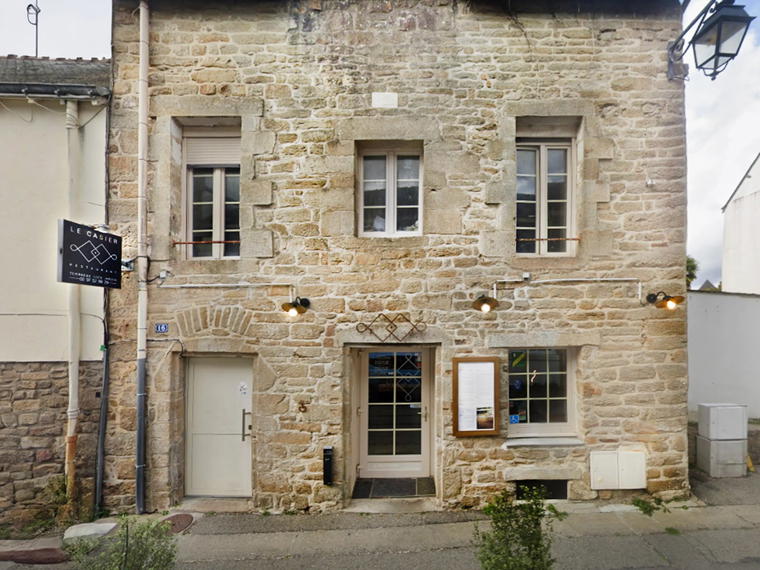
Auray, France
Le Casier sits on Rue du Jeu de Paume in Auray's upper town, a short distance from the Saint-Goustan waterfront and well within reach of the Gulf of Morbihan's shellfish supply chain. The name references a lobster trap, signalling a sourcing-first approach to Breton coastal cooking. It operates in Auray's seafood-focused mid-market tier, drawing a mix of local diners and informed visitors during the region's long summer season.

Lyon, France
Tucked into the 1st arrondissement on Rue Chavanne, Le Casse Museau occupies the kind of address that rewards those who pay attention to Lyon's neighbourhood-level dining geography. The street sits within easy reach of the Presqu'île's market culture and its informal bistro tradition, placing this address in a part of the city where local credentials matter more than dining-room spectacle.

Rome, Italy
Le Caveau sits on Via Conte Verde in Rome's Esquilino quarter, a neighbourhood where the city's older residential grain persists beneath the tourist surface. The address places it at a remove from the well-worn centro storico circuit, which tends to define the kind of dining it likely represents: specific, locally-anchored, and chosen deliberately rather than stumbled upon.