Our verdict
On Boulevard Aristide Briand in central Orléans, Le Café du Théatre occupies the kind of address that feels designed for unhurried midweek lunches and post-curtain dinners alike. The café sits within the Loire Valley's broader tradition of market-driven French cooking, where regional produce sets the terms. For visitors mapping Orléans beyond the cathedral quarter, it earns a place on the itinerary.

Pearl is the En Primeur Club membership app, where members save venues, book tables and use the concierge.

The menu
What to order
- Vitello tonnato
- Oeufs mimosas
- Effiloché de raie
- Tataki
A Boulevard Address in the Loire's Kitchen
Boulevard Aristide Briand runs through central Orléans with the particular self-assurance of a street that knows it connects things: the theatre district to the commercial core, the pedestrian old town to the wider city. Le Café du Théatre sits at number 24 ter, and the address is not incidental. Cafés and brasseries positioned near theatres across provincial France have historically performed a specific civic function, they absorb the pre-show crowd at seven, the post-curtain crowd at ten, and the late-afternoon regulars in between. The rhythm is different from a destination restaurant. The room is expected to breathe with the city around it.
Orléans itself occupies an underappreciated position in French culinary geography. The Loire Valley, of which the city is the eastern anchor, is a producing region of genuine depth: game from the Sologne forests to the south, asparagus from the sandy alluvial soils, soft-rind goat cheeses from the Berry border, fresh-water fish from the Loire itself. Vinegar production around Orléans has been documented since the medieval period, and the city's proximity to some of France's most planted market-garden terrain means that any kitchen operating here has access to ingredient quality that urban restaurants in Paris often have to pay significant premiums to source. At a boulevard café, that proximity can translate into an everyday standard that more visible dining cities sometimes struggle to match.
The Loire Valley's Ingredient Logic
France's restaurant culture at the casual and mid-market tier has increasingly organised itself around a sourcing question: how directly does the kitchen connect to the land? In the Loire Valley, that question has a structural answer. The region's agricultural density means that cafés and bistros at the accessible end of the market can credibly claim seasonal, local supply chains that would be ambitious positioning further north or in larger conurbations.
The pattern is worth mapping against France's formal dining tier for context. Kitchens like Mirazur in Menton and Bras in Laguiole have built international reputations around exactly this philosophy at the three-Michelin-star level, the idea that the surrounding geography is the menu's real author. Troisgros - Le Bois sans Feuilles in Ouches relocated partly to deepen its relationship with local producers. Further afield, Flocons de Sel in Megève built an entire kitchen identity around Alpine terroir. The same instinct, expressed at a completely different scale and price point, runs through everyday French café culture in regions like the Loire, where the argument is not about haute cuisine but about proximity, season, and honest cooking.
This is not a claim Le Café du Théatre itself makes loudly. Boulevard cafés in provincial France rarely frame themselves in those terms. But the context matters for understanding what makes the Orléans dining scene different from a city further removed from its agricultural hinterland.
Where Le Café du Théatre Sits in the Orléans Scene
Orléans has developed a layered restaurant offer over the past decade, with a range of formats across the city centre. At the more ambitious end, L'Essentiel and L'Étage represent the kind of destination-focused cooking that draws visitors with specific intent. Le Lift and MAGA represent more contemporary formats, while närenj adds a different register entirely to the city's offer. Le Café du Théatre occupies a different tier from all of these, the accessible, walk-in, drinks-and-plates register that anchors a neighbourhood rather than commanding it.
That tier matters. Any well-functioning dining city needs venues that operate without booking formality, that absorb visitors arriving without a plan, and that serve the local population across multiple occasions in a week. A boulevard café between a theatre and the city centre is structurally positioned to do exactly that. The question for any visitor is whether the execution meets the promise of the address.
For a broader orientation to what Orléans offers across formats and price points, the full Orléans restaurants guide maps the full picture. For context on how France's most recognised kitchens have shaped national expectations around sourcing and technique, the range runs from Alléno Paris au Pavillon Ledoyen at the capital's formal end to Paul Bocuse - L'Auberge du Pont de Collonges as a document of what classical French cooking looks like in its most deliberate form. Regional institutions like Auberge de l'Ill in Illhaeusern and Au Crocodile in Strasbourg illustrate how provincial France has sustained serious cooking outside the capital across generations. At the international end of the comparison, Assiette Champenoise in Reims shows what ambitious cooking looks like when it draws on a distinct regional identity, much as any honest Loire Valley kitchen should.
For readers more accustomed to the New York register, the distance from something like Le Bernardin or Atomix to a provincial French boulevard café is instructive: what those kitchens achieve through precision and conceptual rigour, good French café cooking achieves through directness and supply-chain discipline. The methods are different; the underlying seriousness about ingredients is not. And for kitchens like AM par Alexandre Mazzia in Marseille, the connection to regional produce has always been an argument against over-technique, a position that café culture in the Loire Valley has held quietly for a long time.
Planning a Visit
Le Café du Théatre is located at 24 ter Boulevard Aristide Briand in central Orléans, within walking distance of the city's main theatre and the historic core. Boulevard cafés of this type in French provincial cities generally operate across lunch and dinner services, with the timing shaped by theatre schedules and local working patterns. The boulevard location makes it accessible from Orléans' central transport links on foot.
Frequently asked questions
Is Le Café du Théatre good for families?
The boulevard-side setting on Boulevard Aristide Briand in central Orléans suits a range of dining occasions, and a café-brasserie format of this type typically accommodates families without difficulty. Its proximity to the theatre district and city centre means it draws a mixed crowd rather than a strictly formal one. For specific seating arrangements or children's options, contacting the venue directly is advisable.
How would you describe the vibe at Le Café du Théatre?
The address on Boulevard Aristide Briand places it squarely in the civic rhythm of central Orléans, a street that connects the theatre quarter to the broader city centre. That geography tends to produce a particular kind of room: neighbourhood regulars alongside pre- and post-theatre visitors, with energy tied to the performance schedule nearby. It reads as a working brasserie rather than a destination-dining room.
Is Le Café du Théatre a good option for a meal before or after a show at the Orléans theatre?
Le Café du Théatre sits on Boulevard Aristide Briand, within walking distance of the city's main theatre, a positioning that makes it a practical choice for theatre-goers in central Orléans. Café-brasseries in this configuration typically manage the pre-show window with a degree of pace that more formal restaurants do not. Booking ahead for performance evenings is sensible given the predictable surge in demand.
What dish is Le Café du Théatre famous for?
No specific signature dish is documented for Le Café du Théatre. Given its location in the Loire Valley, a region where freshwater fish, game, goat's cheese, and local wines from appellations like Sancerre and Pouilly-Fumé anchor most serious menus, the kitchen likely follows the ingredient logic of the surrounding area.
Where is Le Café du Théatre in Orleans?
Le Café du Théatre is located at 24 ter Bd Aristide Briand, 45000 Orléans, France, Orleans.
Quick Comparison
Comparable venues nearby, for context on price, style, and recognition.
| Venue | Cuisine | Price | Notes |
|---|---|---|---|
| Le Café du ThéatreThis venue (the venue you are viewing) | French Bistronomique | $30–50 | Not listed |
| Restaurant des Plantes | Traditional French Seasonal Bistro | $30–50 | Loire riverside |
| MAGA | Modern Seasonal French Bistro | $30–50 | Rue de Bourgogne |
| Ver Di Vin SARL | French Seasonal Brasserie with Wine Bar | $50–100 | Orléans |
| Restaurant l 'Alchimie | Modern French Bistro | $30–50 | .centre |
| L'Étage | Traditional French Bistro | Not listed | Châtelet |
Continue exploring
More in Orléans
Restaurants in Orléans
All restaurants in Orléans →
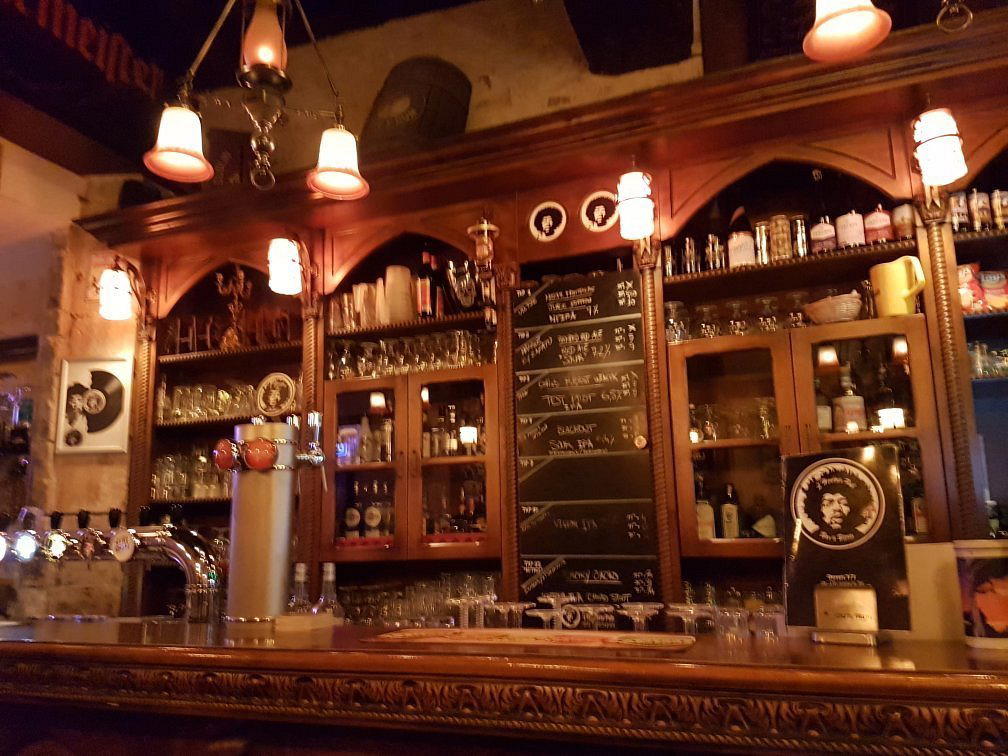

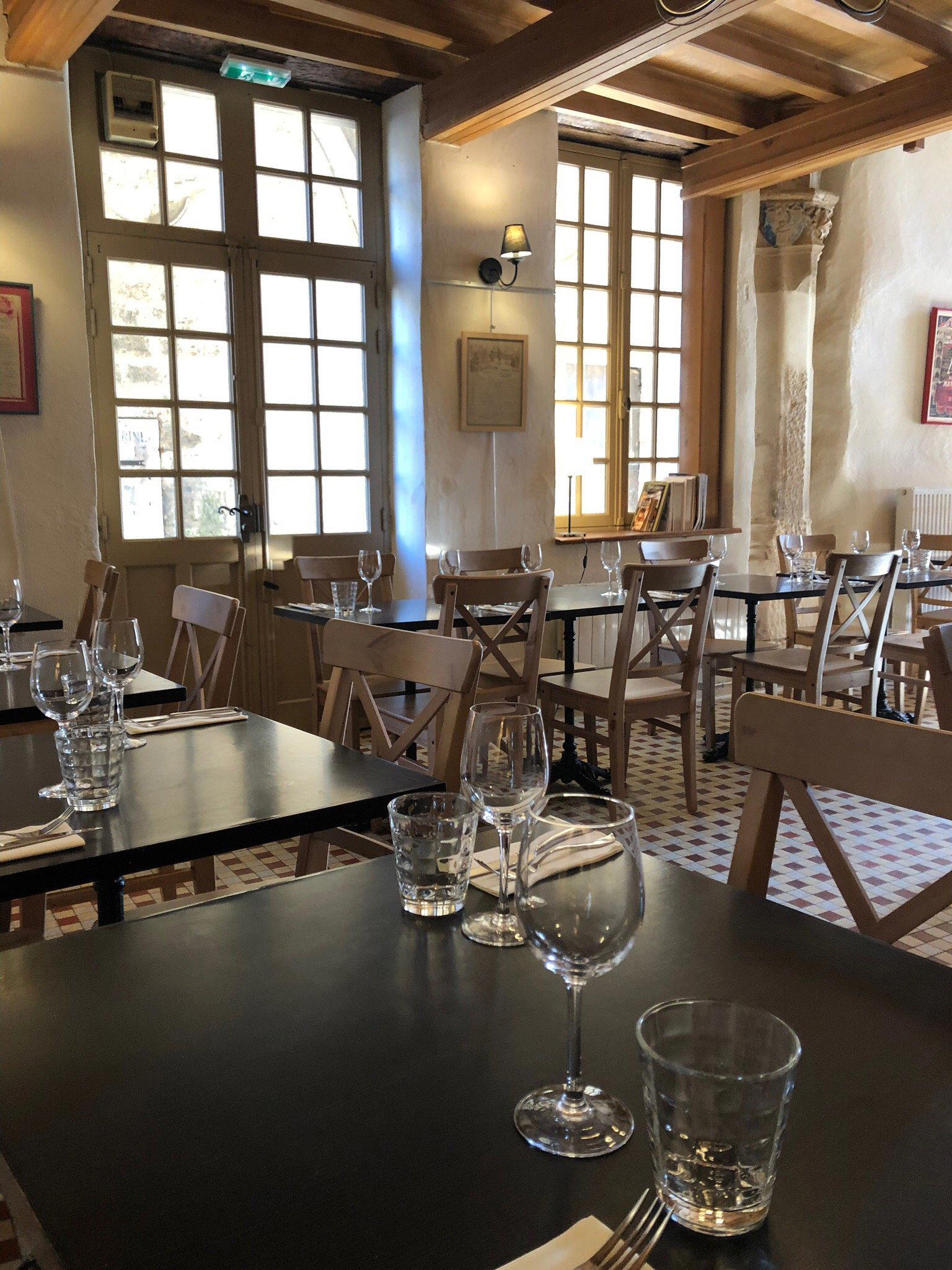

Hotels in Orléans
All hotels in Orléans →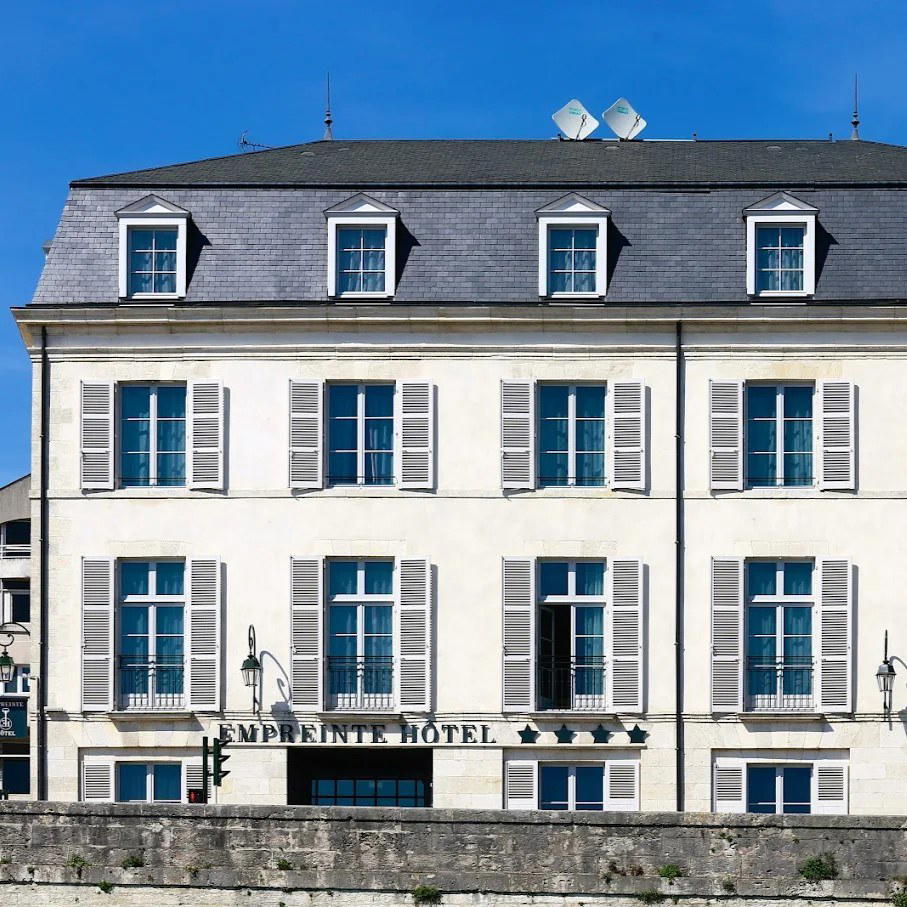
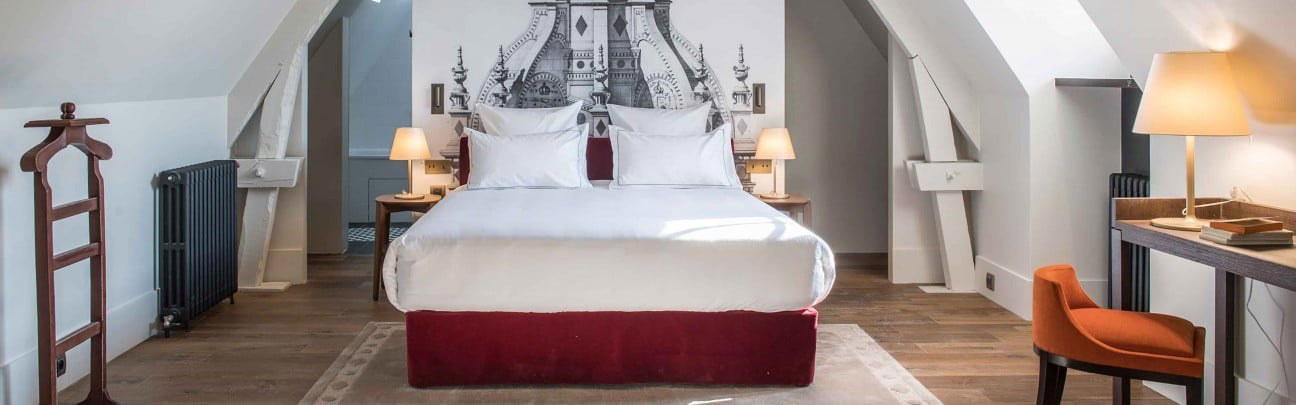
Wineries in Orléans
Browse all →
Details
- Romantic
- Classic
- Cozy
- Elegant
- Date Night
- Business Dinner
- After Work
- Brunch
- Special Occasion
- Historic Building
- Standalone
- Terrace
- Extensive Wine List
- Farm To Table
- Local Sourcing
- A La Carte
- Set Menu
- Wine
- Coffee
- Vegetarian Friendly
Current opening hours
- Monday
- Closed
- Tuesday
- 12–2 PM, 7–10 PM
- Wednesday
- 12–2 PM, 7–10 PM
- Thursday
- 12–2 PM, 7–10 PM
- Friday
- 12–2 PM, 7–10 PM
- Saturday
- 12–2 PM, 6–10 PM
- Sunday
- Closed
Hours can change for holidays and private events. Hours as of .
Chic and welcoming bistro atmosphere with refined yet comfortable décor; warm lighting and intimate setting ideal for romantic dinners or pre-theater dining.