Our verdict
In the high-altitude Queyras valley of the French Alps, Le Campagnol occupies the kind of position that forces a kitchen to reckon with its surroundings. Arvieux sits at over 1,500 metres, where the sourcing calendar is short, the producers are local by necessity, and the cooking reflects that constraint. For visitors making the journey into one of France's most remote natural parks, this is a reference point in the village.

Pearl is the En Primeur Club membership app, where members save venues, book tables and use the concierge.
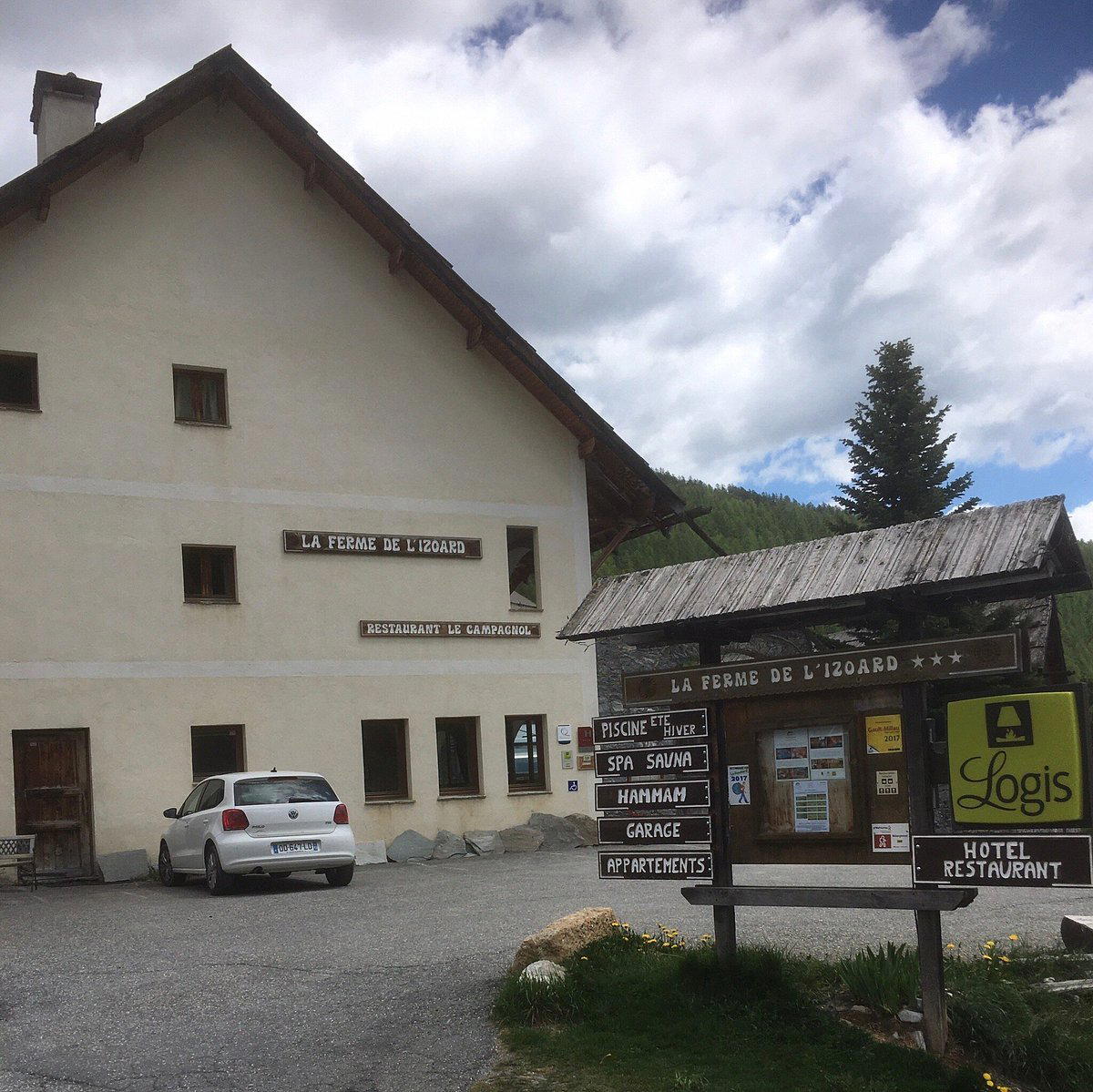
Where the Altitude Sets the Menu
The Queyras Regional Natural Park is one of the least-visited corners of the French Alps, which is precisely what shapes the food here. Arvieux, a village at roughly 1,550 metres in the Hautes-Alpes department, sits far enough from the ski-resort circuit that its restaurants answer to the land before they answer to tourist expectation. Le Campagnol exists within that context. The approach to any restaurant in this valley carries the same signature: a narrowing road through pine forest, stone-built hamlets, and a sky that turns the kind of deep blue that only comes with altitude and low humidity. The physical environment is not incidental to what ends up on the plate.
This is a pattern recognisable across France's mountain dining tradition. Kitchens in genuinely remote terrain, whether in the Aubrac plateau where Bras in Laguiole built its identity around local herbs and volcanic soil, or in the Savoy foothills where Flocons de Sel in Megève operates at the more formal end of Alpine dining, tend to resolve the sourcing question differently from urban kitchens. Distance from wholesale supply chains is not a problem to be solved but a condition to be worked with. The result, at its most coherent, is cooking that tastes unmistakably of where it is.
Sourcing at This Altitude
The Queyras is one of the sunniest areas in France, receiving more hours of annual sunshine than much of the Riviera coast, but its growing season is compressed by altitude. Farms here produce on a different timeline from Provence or the Loire. Lamb from the high pastures, local cheeses such as bleu de Queyras, mountain honey, and foraged plants from the surrounding protected parkland are the ingredients that define the cooking calendar in this valley. A kitchen in Arvieux cannot rely on the year-round availability of ingredients that a Paris address takes for granted, and that constraint, understood properly, is an editorial statement about what ends up on the menu.
This sourcing reality puts Le Campagnol in a conversation with a broader class of French regional restaurants that treat geographic limitation as a point of distinction rather than a handicap. The contrast with, say, Alléno Paris au Pavillon Ledoyen in Paris, where global supply and technical ambition intersect at the highest price tier, is instructive. Both positions are coherent; they simply represent opposite ends of the spectrum between planetary reach and hyperlocal constraint. In the Queyras, the hyperlocal case is made by the terrain itself.
The Village Restaurant in a Regional Context
Arvieux has a permanent population measured in hundreds. Its economy turns on summer hiking and winter skiing at the Chalet Reynard slopes, which means the restaurant trade here is seasonal in a way that urban dining is not. A kitchen that operates through a compressed tourist calendar, serving walkers in July and skiers in February, develops a different rhythm from a year-round city address. The menu responds to whoever the valley is hosting that week and to whatever the land is producing that month.
France's regional dining tradition is well-documented at the upper end: Auberge de l'Ill in Illhaeusern, Paul Bocuse in Collonges-au-Mont-d'Or, and Georges Blanc in Vonnas all built multi-generational reputations in locations that were not, at the time of their founding, obvious centres of fine dining. The principle was that the region itself had to be the justification. Smaller, less-awarded addresses in equally remote locations follow the same logic at a different scale. Le Campagnol belongs to that broader tradition of French village restaurants where the postcode is the credential and the local pantry is the program.
For broader reference on how France's regional dining scene maps across different terrain and culinary tradition, our full Arvieux restaurants guide covers the valley's options in more detail.
The Broader Alpine Dining Tier
The Alps divide, at the restaurant level, into roughly three tiers. At the leading sits a small number of formally recognised addresses, of which Flocons de Sel is the clearest French example, operating with Michelin recognition and a wine program that would not be out of place in Lyon. Below that sits a layer of serious mountain restaurants in resort towns, where price points are lifted by captive tourist economics and the cooking ranges from genuinely accomplished to resort-generic. Then there is the third tier: village restaurants in off-circuit locations where the clientele is mixed between locals and visitors, the prices are set against regional rather than resort norms, and the cooking is defined by what is available rather than what is fashionable.
Arvieux sits in that third category, and Le Campagnol operates within it. This is not a criticism; some of the most honest food in France comes from exactly this tier. Restaurants working without the structural support of a major resort economy or a Michelin platform tend to maintain closer relationships with local producers simply because those relationships are logistically necessary. The food that results is often less technically polished than what emerges from a brigade-staffed kitchen in Megève or Courchevel, but it carries a different kind of authority.
For comparison, consider how Auberge du Vieux Puits in Fontjoncouse, another remote French village address, built a case for serious recognition from a location that most chefs would have considered commercially impractical. The geography was the point, not the obstacle. The same principle applies here, scaled to a less formally ambitious register.
Planning a Visit
Reaching Arvieux requires intent. The nearest significant town is Guillestre, approximately 25 kilometres by road through mountain passes that are subject to winter closure. Visitors travelling from the Côte d'Azur might break the journey via Mirazur in Menton before heading north into the Alps. From Lyon or Paris, the route runs south through Grenoble and then east into the Hautes-Alpes. There is no rail connection to Arvieux; a hire car is the only practical option for the final approach.
Seasonality governs when to go. The valley is most accessible from late June through early September for hikers, and from December through March for winter sports visitors. Shoulder season in May and November can mean limited services across the village.
The broader French Alpine dining circuit, for those combining this visit with other addresses, extends from AM par Alexandre Mazzia in Marseille to the west and Assiette Champenoise in Reims to the north, with the Queyras sitting as the least urban point on any such itinerary.
Frequently asked questions
Is Le Campagnol child-friendly?
Arvieux is a village of a few hundred permanent residents built around hiking and skiing seasons, and its restaurant culture reflects that working local reality rather than formal dining conventions. Village restaurants in this tier of the Queyras typically accommodate families without issue, though it is worth contacting Le Campagnol directly at their Arvieux address (05350 Arvieux, France) to confirm current seating arrangements before visiting with young children.
Is Le Campagnol formal or casual?
Given its location in Arvieux, a small alpine village whose economy runs on outdoor recreation, the setting reads as casual rather than formal. Guests arriving from the Chalet Reynard ski slopes or the Queyras hiking trails set the room's tone.
Is Le Campagnol open year-round, or does it follow a seasonal schedule?
Arvieux operates on a dual-season economy: winter skiing at the local slopes and summer hiking through the Queyras Regional Natural Park. Many restaurants in villages of this size adjust hours or close between seasons, typically in November and again in April or May.
What should I eat at Le Campagnol?
The Queyras growing season is compressed by altitude, which pushes kitchens here toward preserved, cured, and slow-cooked preparations alongside whatever is current in the short summer window.
What's Le Campagnol's location?
Le Campagnol is located at 05350 Arvieux, France, Arvieux.
Do they take walk-ins at Le Campagnol?
Arvieux draws concentrated visitor traffic during ski season and summer hiking months, which means the village's limited restaurant seats fill quickly during peak periods. No booking policy is documented for Le Campagnol, so calling ahead or arriving early in service is the safer approach, particularly between December and March and July through August.
What's the signature at Le Campagnol?
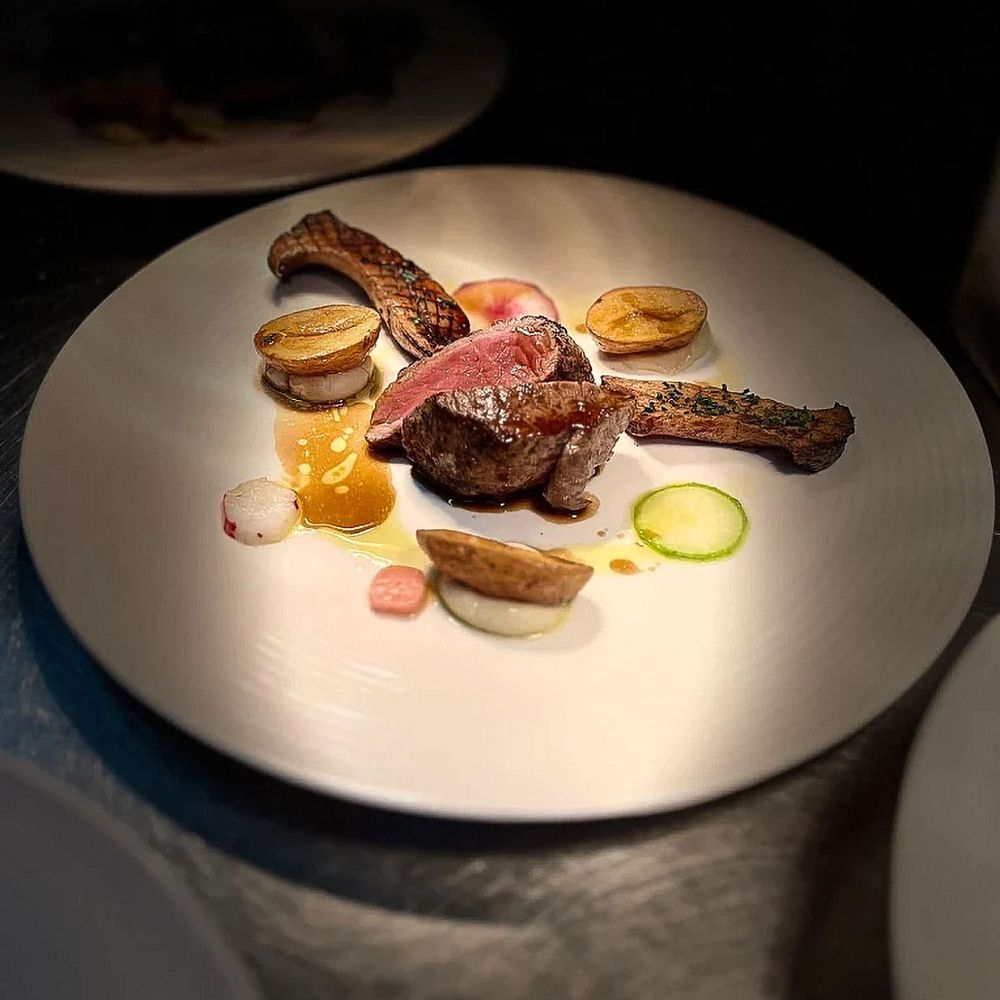
In the Queyras context, kitchens at this altitude tend to anchor menus around local sheep and goat dairy, cured meats, and wild-foraged ingredients from the surrounding park, but confirmed dish details require direct contact with the restaurant in Arvieux.
Fast Comparison
Comparable venues nearby, for context on price, style, and recognition.
| Venue | Cuisine | Price | Notes |
|---|---|---|---|
| Le CampagnolThis venue (the venue you are viewing) | Regional French Mountain Cuisine | $30–50 | Not listed |
| Les Autanes | Traditional French Mountain Bistro | $30–50 | Le Village |
| La Girole | Traditional French Gastronomic Bistro | $50–100 | Hyper-Centre |
| Les Terrasses du Cuchet | Traditional Savoyard French | $30–50 | Cuchet |
| Le Kozy | Franco-English Fusion | Not listed | Bourg Saint Maurice |
| Chalet de la Marine | Refined Savoyard French | Not listed | Val Thorens |
Continue exploring
More in Arvieux


Details
- Rustic
- Cozy
- Classic
- Family
- Casual Hangout
- Terrace
- Hotel Restaurant
- Local Sourcing
- Mountain
- Set Menu
- A La Carte
- Vegetarian Friendly
Current opening hours
- Monday
- 7–9:30 PM
- Tuesday
- 12–1:30 PM, 7–9:30 PM
- Wednesday
- 12–1:30 PM, 7–9:30 PM
- Thursday
- 12–1:30 PM, 7–9:30 PM
- Friday
- 12–1:30 PM, 7–9:30 PM
- Saturday
- 12–1:30 PM, 7–9:30 PM
- Sunday
- 12–1:30 PM, 7–9:30 PM
Hours can change for holidays and private events. Hours as of .
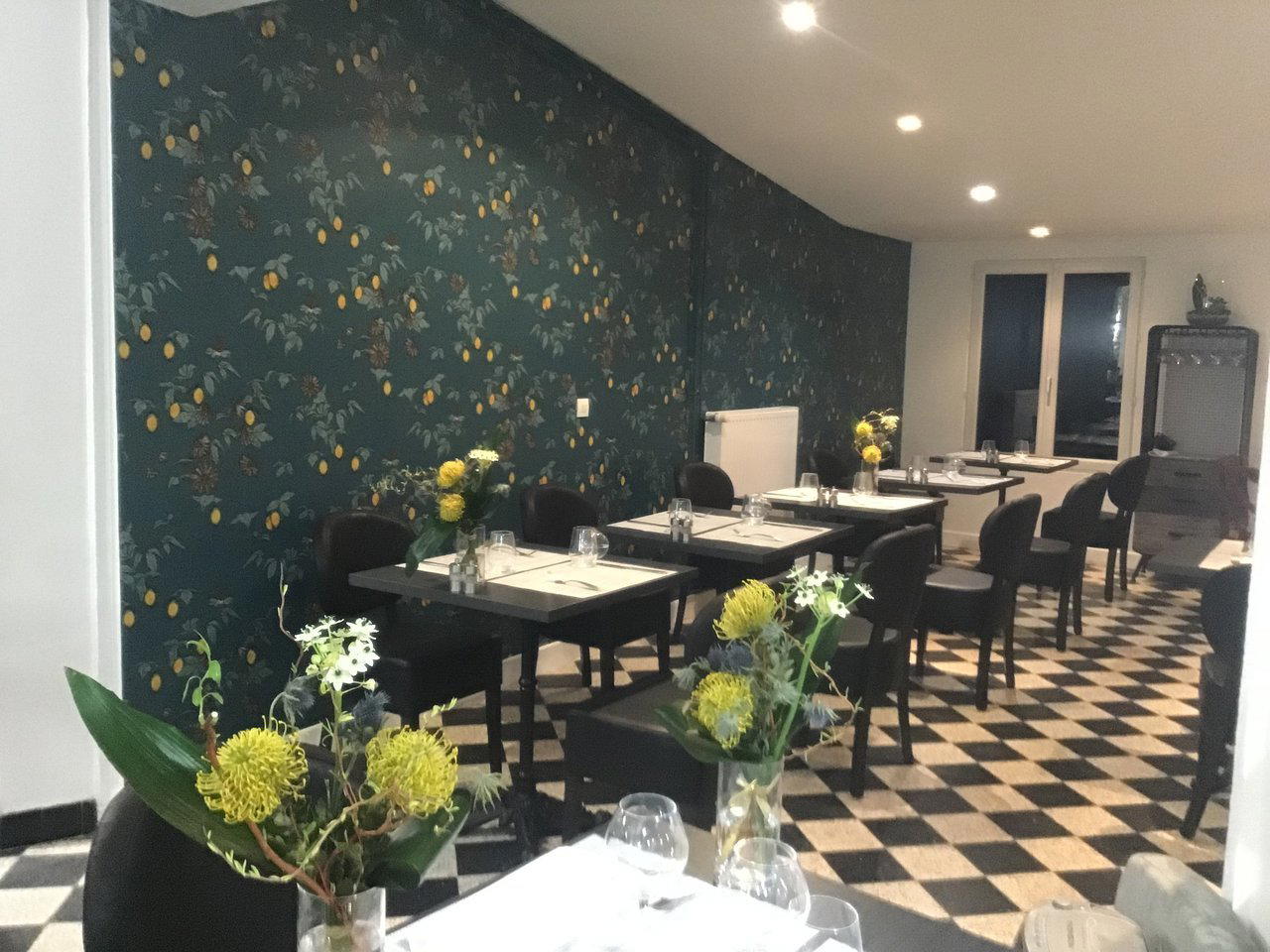
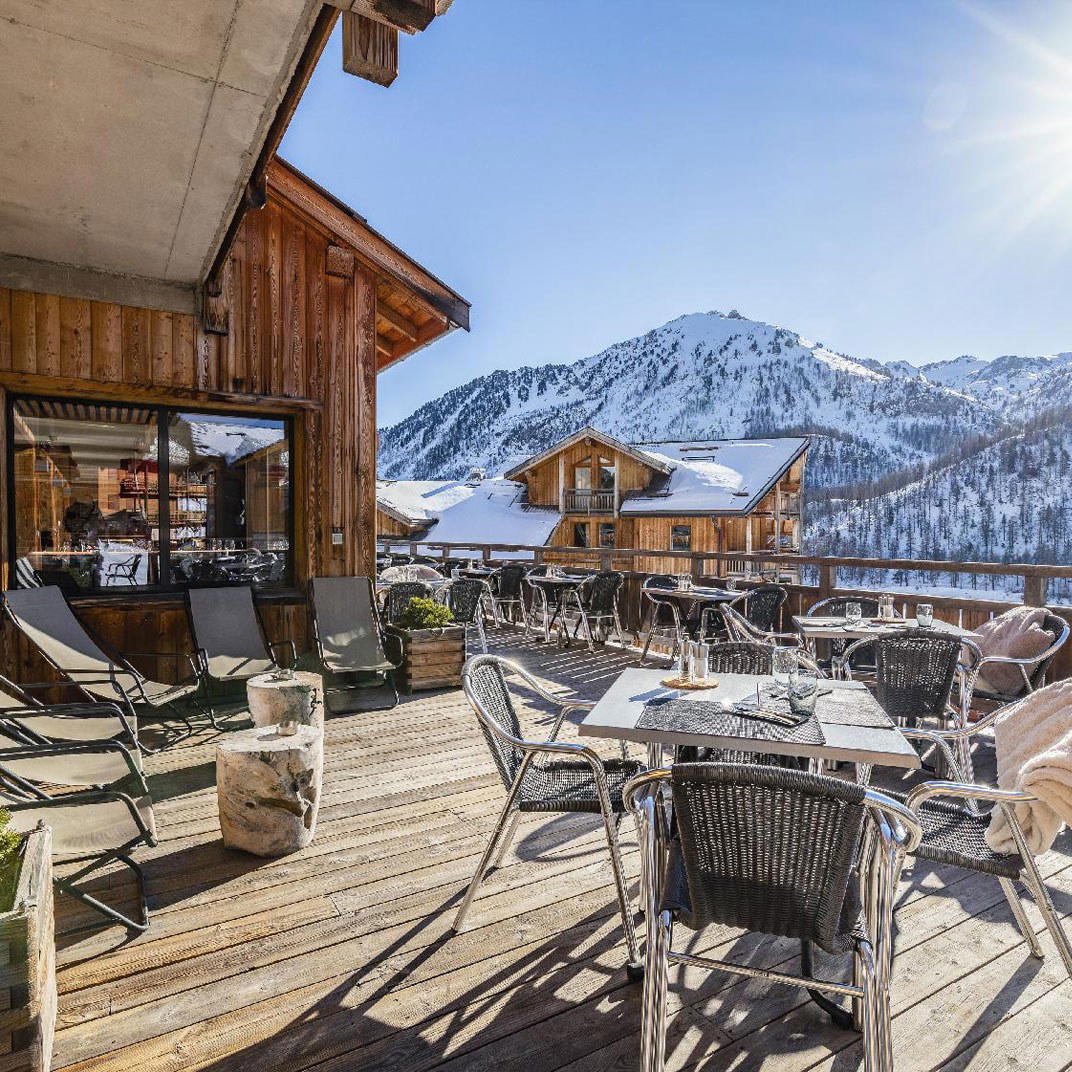
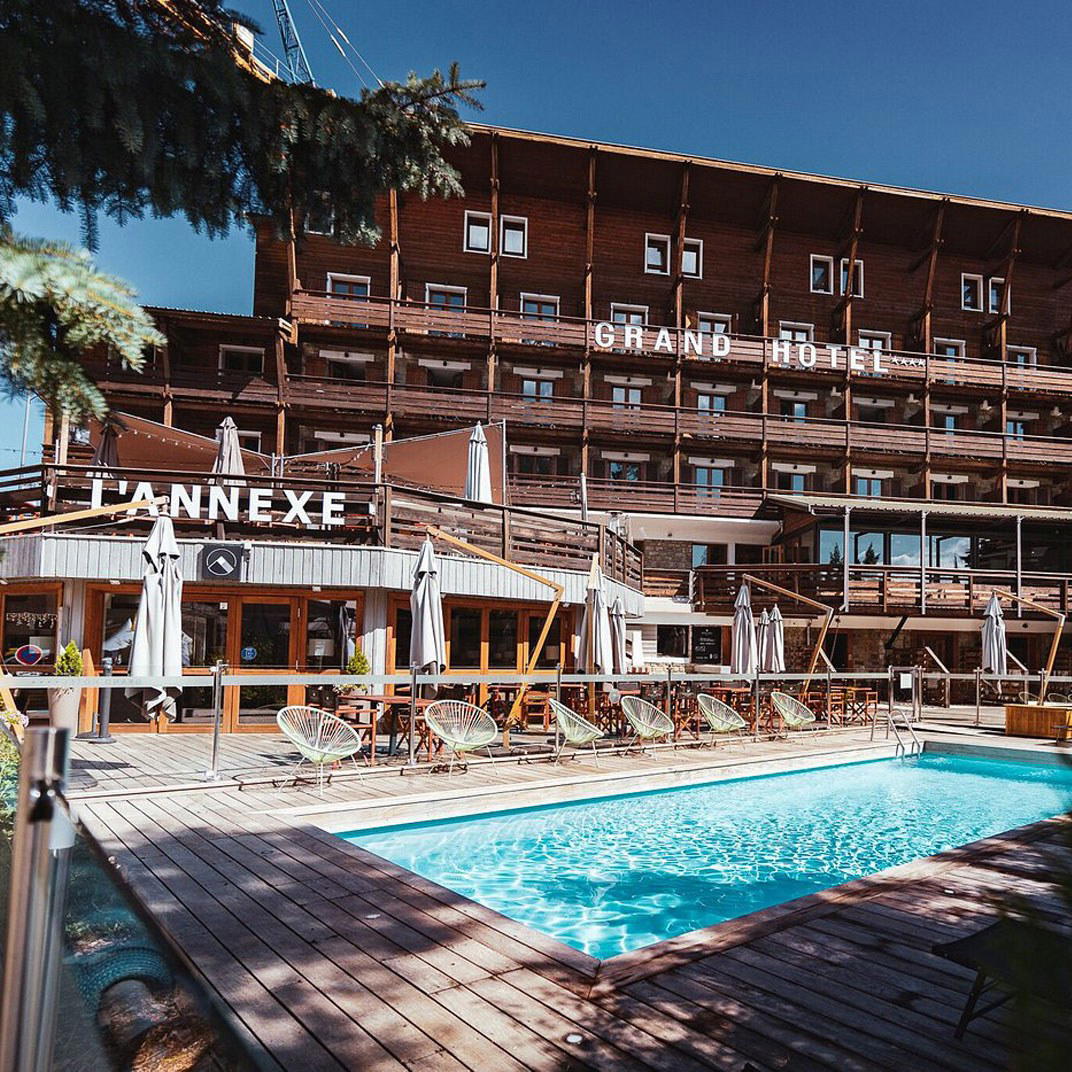
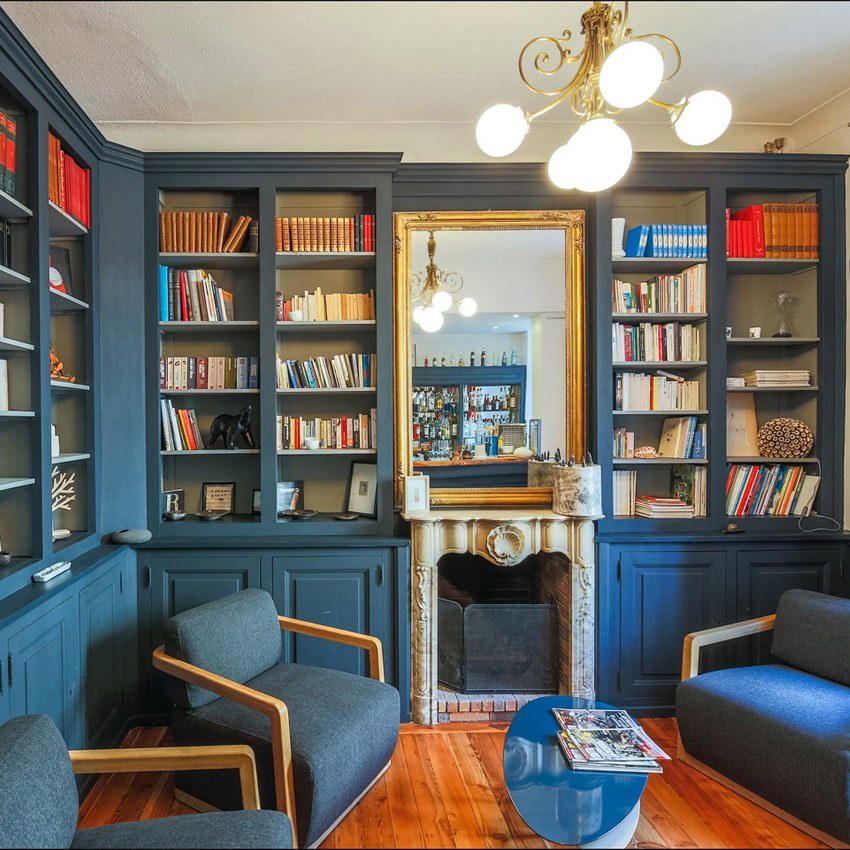
Warm, rustic mountain atmosphere with country decor, a large fireplace, Queyras-style vaulted interiors, and an all-wood dining room.