Le Calife sits on the Port des Saints-Pères in the 6th arrondissement, where the Seine provides the setting for one of Paris's most discussed dining vessels. The boat format places it in a niche category of floating restaurants where atmosphere and wine selection carry as much weight as the kitchen, making it a reference point for visitors who want the river without sacrificing serious food.
Pearl is the En Primeur Club membership app — saves, bookings, and concierge access live there. Same editors, same standards.
- Address
- Port des Saints-Pères, 75006 Paris, France
- Phone
- +33 1 43 54 50 04
- Website
- calife.com
- Directions
- Get directions
 Saves & bookings on Pearl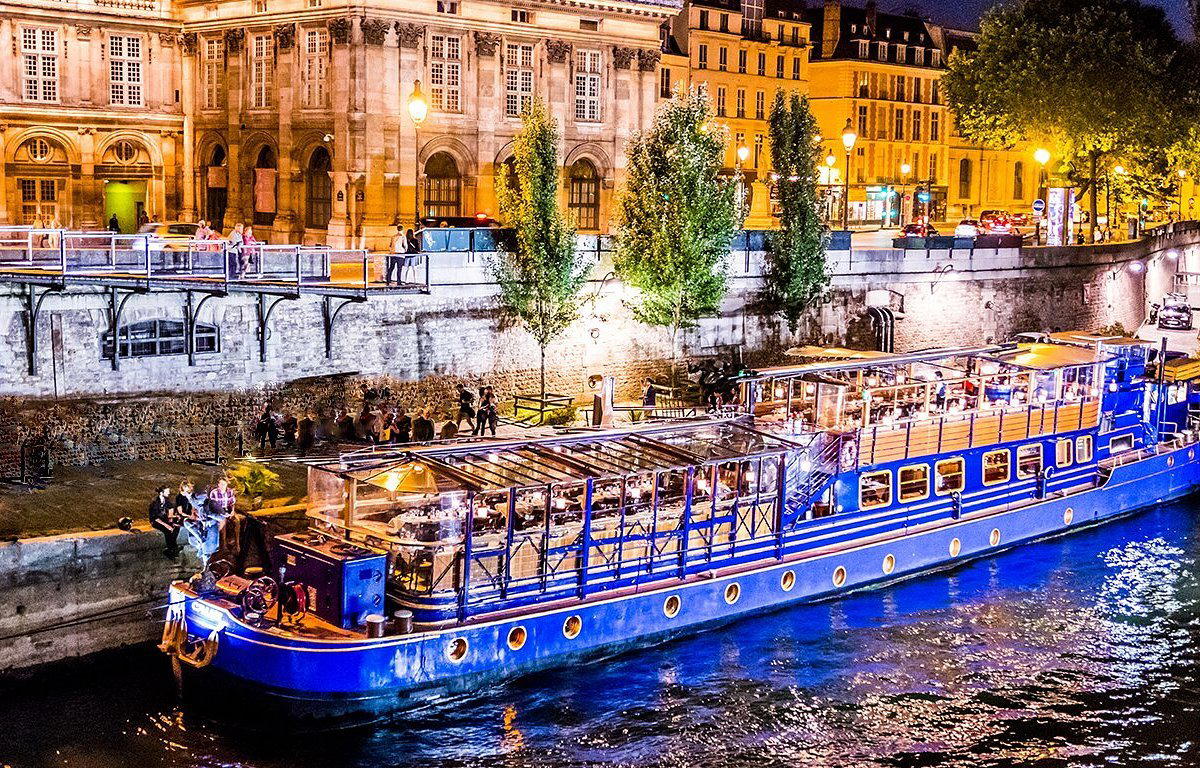
Dining on the Seine: What the River Format Demands
Paris has a long relationship with its riverbanks, but the floating restaurant occupies a specific and contested position in that story. Most bateaux operate as high-volume tourist circuits, where the Seine is backdrop rather than setting and the food is an afterthought dressed in a view. Le Calife, moored at the Port des Saints-Pères on the Left Bank of the 6th arrondissement, is a classic French fine dining restaurant on a fixed-position vessel, with a fixed capacity and a price tier around $120 per person. Arriving along the quay at dusk, with the Pont des Arts a short walk east and the Louvre's lights beginning to define the right bank, you understand immediately why the format survives despite its operational complexity. The river does something to time that a room cannot.
The Wine Argument: Why Cellar Depth Matters More Here
In a fixed restaurant, the wine list competes against the room itself, the chef's reputation, and the neighbourhood's other offerings. On a boat, the wine list is often the deciding variable for a second visit. Guests have already committed to the experience of the Seine; what converts occasional visitors into regulars is whether the cellar rewards serious attention. Paris's leading dining rooms set a high baseline in this regard. Restaurants like L'Ambroisie in the Place des Vosges or Le Cinq at the Four Seasons George V operate cellars of considerable depth, with sommelier programs that treat the list as an editorial document rather than a beverage supplement. The expectation from Paris diners has been shaped by these rooms, and any restaurant asking for comparable attention needs to meet that baseline at least in part.
For a floating venue, curation philosophy becomes more important than sheer volume. Storage constraints are real, temperature management on the water requires active infrastructure, and turnover dynamics differ from a land-based cellar that can hold stock across multiple vintages without pressure. The restaurants that handle this well tend to concentrate on a tighter range of appellations with genuine depth per producer rather than sprawling coverage that reads impressively on paper but delivers thin vertical options in practice. Burgundy and the Rhône tend to anchor the serious end of Parisian wine lists in this format; whether the cellar reaches into grower Champagne or Loire rarities signals the ambition level more precisely than the total page count.
Situating Le Calife in the Paris Dining Conversation
Paris's dining map has consolidated around a few recognisable tiers over the past decade. At the apex sit the multi-starred houses: Alléno Paris at the Pavillon Ledoyen, Arpège, and Kei, each commanding four-figure per-head spend and months-ahead booking windows. Below that, a wide band of serious one- and two-starred rooms and strong independent bistros competes for the attention of visitors who want quality without the full ceremony. Le Calife sits in a different axis entirely: the experience-led category, where the physical format of the meal is itself part of the proposition. Its comparable set is not the starred rooms on the Rive Gauche but the handful of Parisian venues where location and atmosphere justify a premium that the kitchen alone might not sustain.
That framing is not a criticism. It is the honest competitive context. Visitors choosing between the restaurant and a table at L'Ambroisie are not making the same kind of decision. Visitors choosing between the restaurant and another quayside dinner are, and in that comparison, the quality of the wine selection and the kitchen's ability to deliver consistent plates across a rocking, logistically complex environment become the metrics that matter.
France's Broader Fine Dining Geography: A Reference Point
Understanding where the restaurant sits also benefits from knowing where French fine dining operates at its most ambitious outside Paris. Mirazur in Menton runs a garden-to-table program on the Côte d'Azur that has reached stronger examples from the World's 50 Best list. Troisgros in Ouches represents the multigenerational French house at its most assured. Bras in Laguiole and Auberge de l'Ill in Illhaeusern anchor the regional tradition with decades of three-star consistency. Les Prés d'Eugénie in Eugénie-les-Bains and Georges Blanc in Vonnas show how the French country maison operates at the summit of its register. Even further afield, Paul Bocuse's Auberge du Pont de Collonges remains a historical reference point for the French kitchen's capacity for institution-building. None of these are the restaurant's competition, but they define the culinary culture that shapes what Paris diners bring to any table as expectation.
For a different register of experience-led dining, Flocons de Sel in Megève, La Table du Castellet, and Auberge du Vieux Puits in Fontjoncouse each demonstrate how French regional kitchens use their physical setting as a core part of the proposition, not merely decoration. The restaurant draws on the same logic, translated to the Paris waterway.
Planning Your Visit: What to Know Before You Go
The Port des Saints-Pères is easily reached from the Saint-Germain-des-Prés area of the 6th arrondissement; the quay runs along the Left Bank and is walkable from multiple Métro lines serving the neighbourhood. Globally, the floating or scenically embedded dining format appears in different forms: Le Bernardin in New York handles the prestige seafood room at a different scale, while Lazy Bear in San Francisco demonstrates how format innovation can reframe price-tier expectations entirely. The restaurant operates in a distinctly Parisian idiom, where the river is not a gimmick but a genuine environmental condition that shapes every element of the meal.
- Vol au vent of chanterelles with foie gras
- Filet alla Rossini
- Sea bass
- Rib eye steak
- Lemon cheesecake
- Chocolate lava cake
Reputation Context
Comparable venues nearby, for context on price, style, and recognition.
| Venue | Cuisine | Price | Notes |
|---|---|---|---|
| Le CalifeThis venue — the venue you are viewing | Classic French Fine Dining | $$$$ | Not listed |
| Maison de l'Amerique Latine | French Seafood | $$$$ | Saint-Germain-des-Prés |
| Cléo | Modern French Bistro | $$$$ | 7e Arr. – Palais Bourbon |
| Bustronome | Contemporary French Fine Dining | $$$$ | 16th Arr. |
| Restaurant Cuisine l'E7 | Modern French Bistro | $$$$ | Gaillon |
| Nuna (Le Commandant Charcot) | Contemporary French Fine Dining by Alain Ducasse | $$$$ | onboard Le Commandant Charcot |
Continue exploring
More in Paris
Restaurants in Paris
Browse all →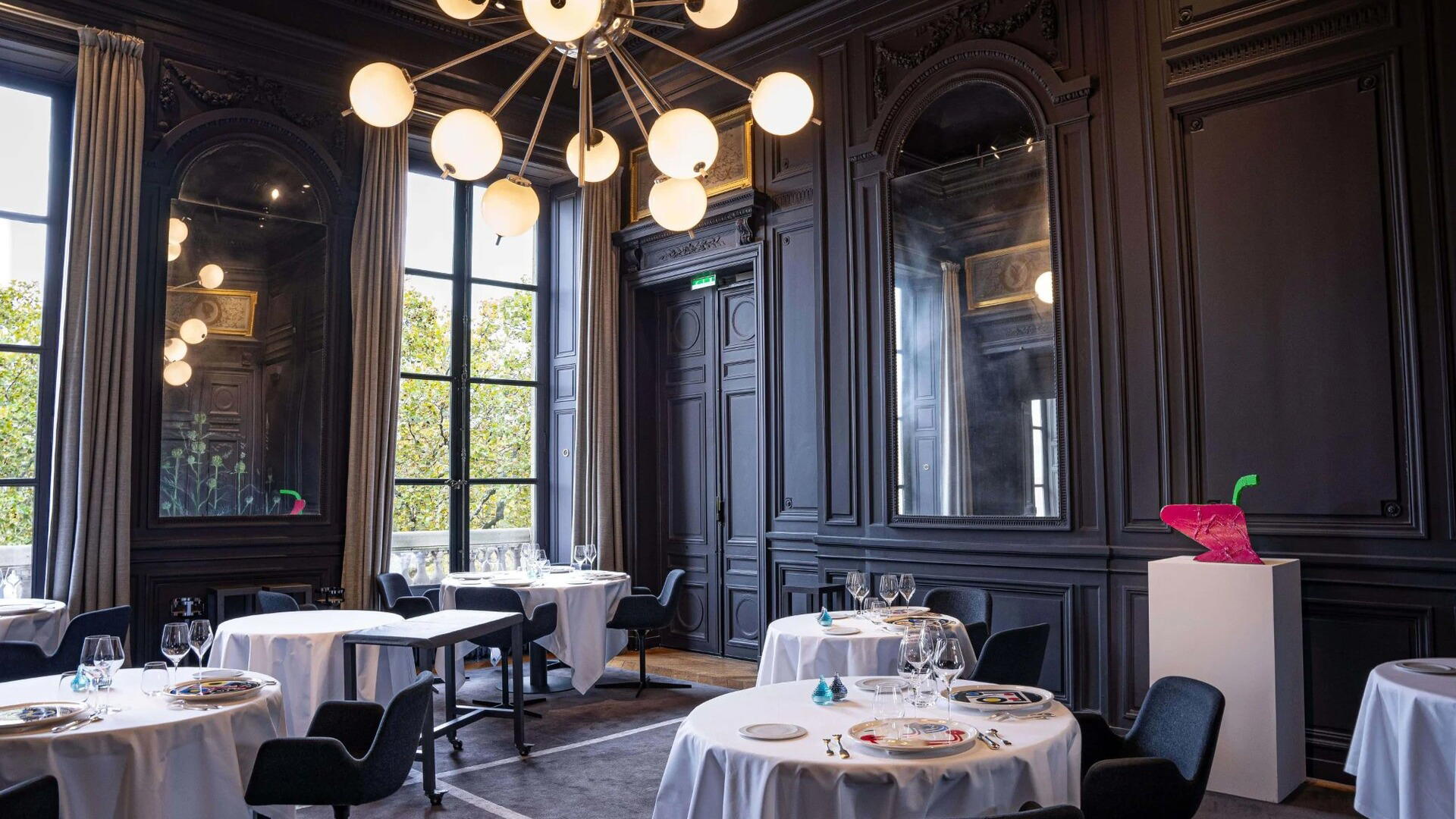
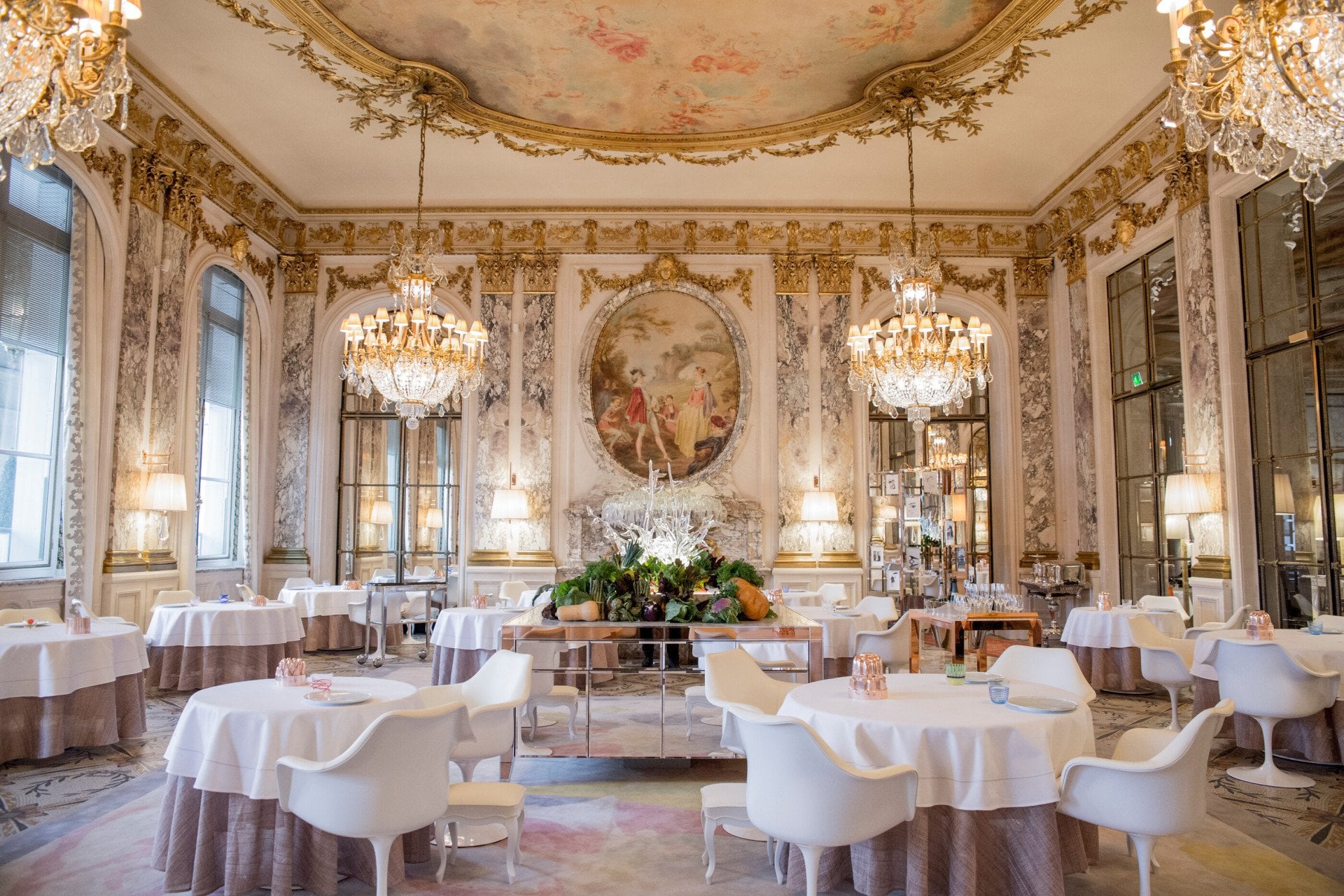
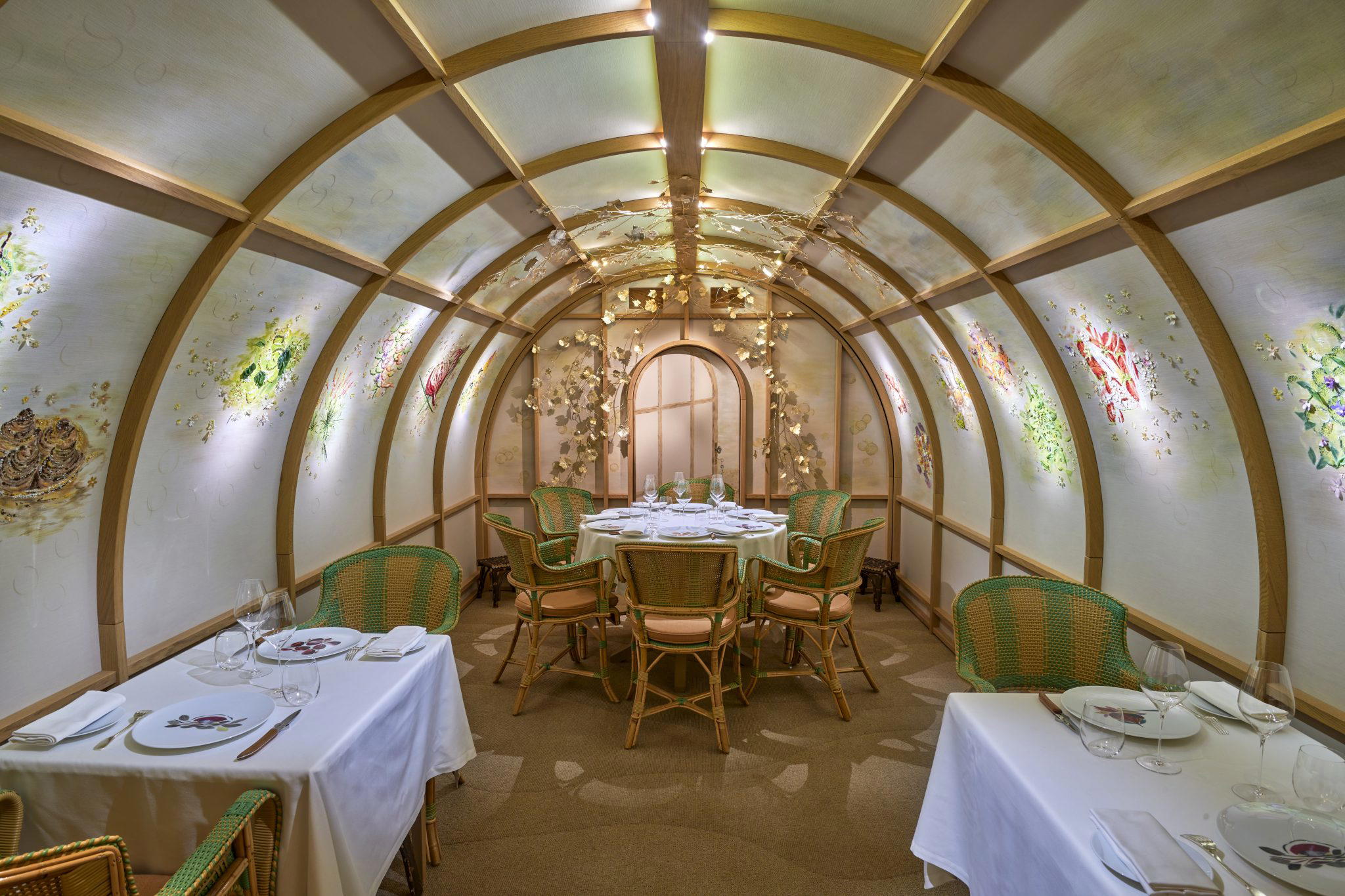
Bars in Paris
Browse all →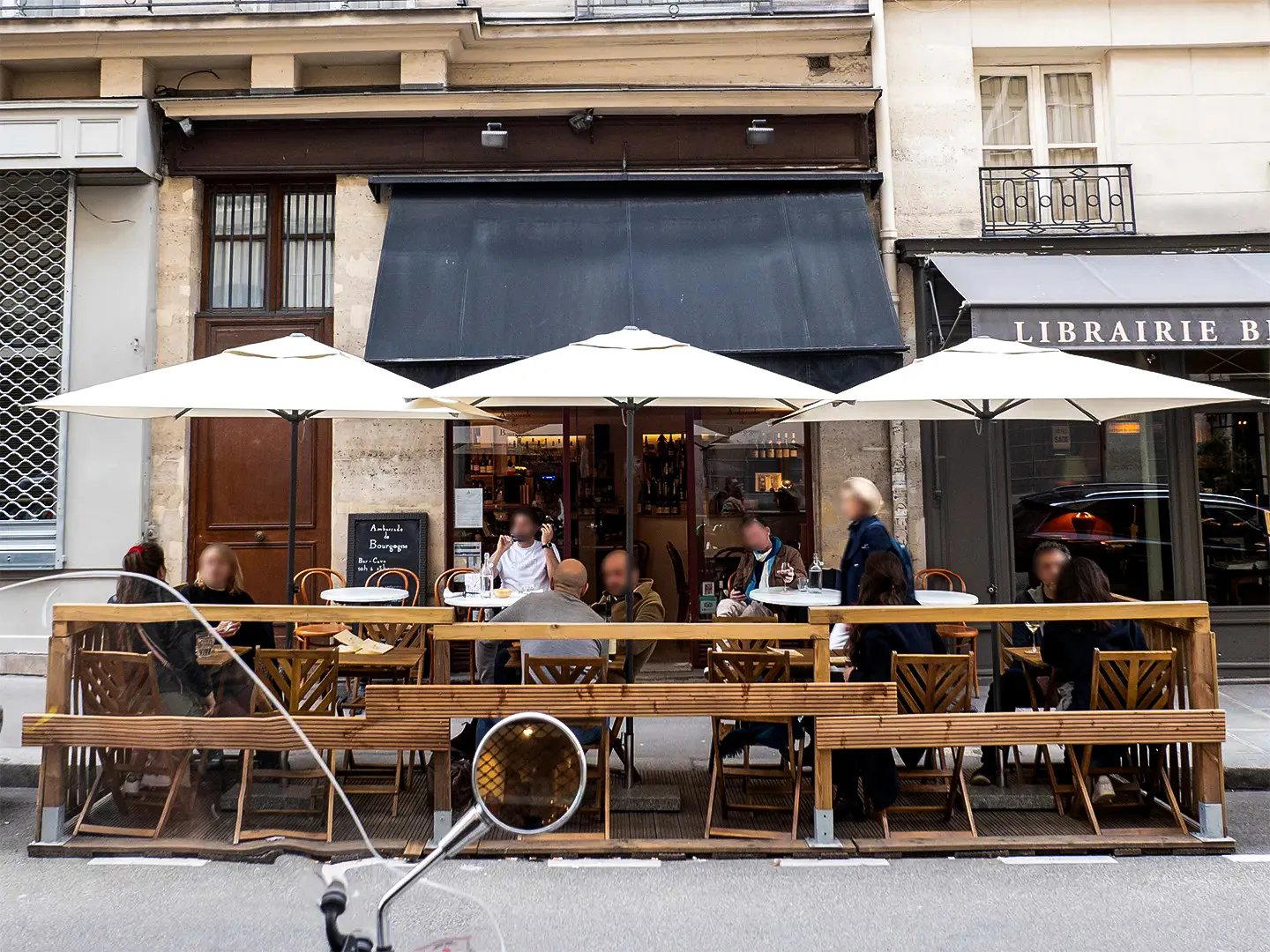
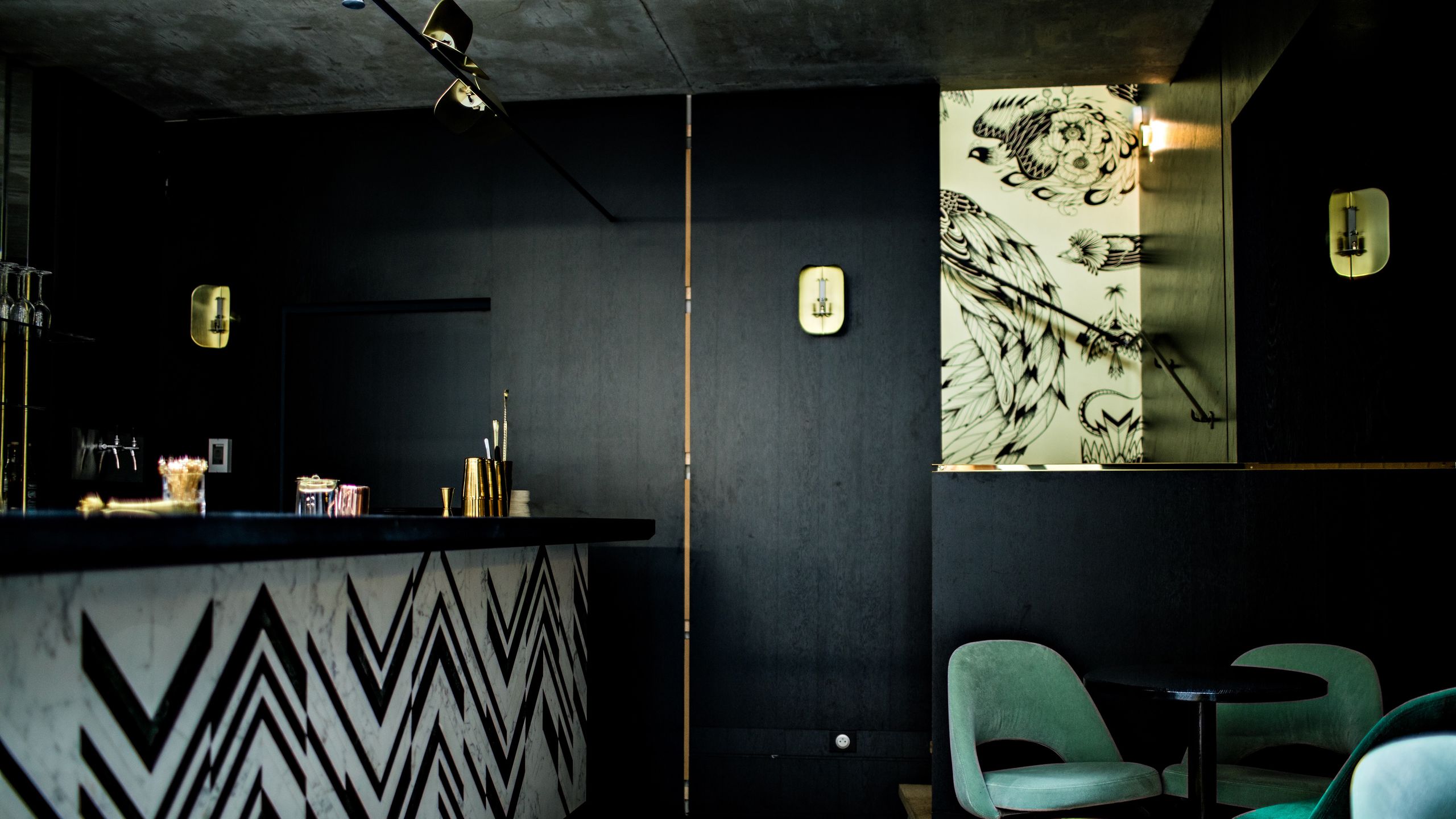
Hotels in Paris
Browse all →
At a Glance
- Romantic
- Elegant
- Scenic
- Sophisticated
- Intimate
- Date Night
- Celebration
- Special Occasion
- Group Dining
- Waterfront
- Live Music
- Private Dining
- Panoramic View
- Historic Building
- Standalone
- Extensive Wine List
- Sommelier Led
- Local Sourcing
- Waterfront
- Skyline
Current opening hours
- Monday
- 8–11 PM
- Tuesday
- 8–11 PM
- Wednesday
- 8–11 PM
- Thursday
- 8–11 PM
- Friday
- 8–11 PM
- Saturday
- 12–3 PM, 8–11 PM
- Sunday
- 12–3 PM, 8–11 PM
Hours can change for holidays and private events. Last verified .
Intimate and magical with soft lighting, original wood interiors of a lovingly restored historic barge, and the gentle rhythm of the water creating a romantic atmosphere worthy of the Orient Express.