Le Café du Tramway
Our verdict
A neighbourhood café in Lausanne's Pontaise district, Le Café du Tramway occupies the quieter end of the city's dining register — the kind of address where locals set the pace and the meal follows. Positioned well outside the formal dining circuits of the Beau-Rivage and Lausanne Palace, it represents a different kind of Swiss-French table: unhurried, unpretentious, and rooted in everyday ritual.

Pearl is the En Primeur Club membership app — saves, bookings, and concierge access live there. Same editors, same standards.
- Address
- Rue de la Pontaise 6b, 1018 Lausanne, Switzerland
- Phone
- +41768128459
- Hours
- Mon ClosedTue–Fri 11:45 AM–2:30 PM, 7–11:30 PMSat 7–11:30 PMSun Closed
- Website
- lecafedutramway.ch
- Directions
- Get directions
- Booking
- Book on the venue's website
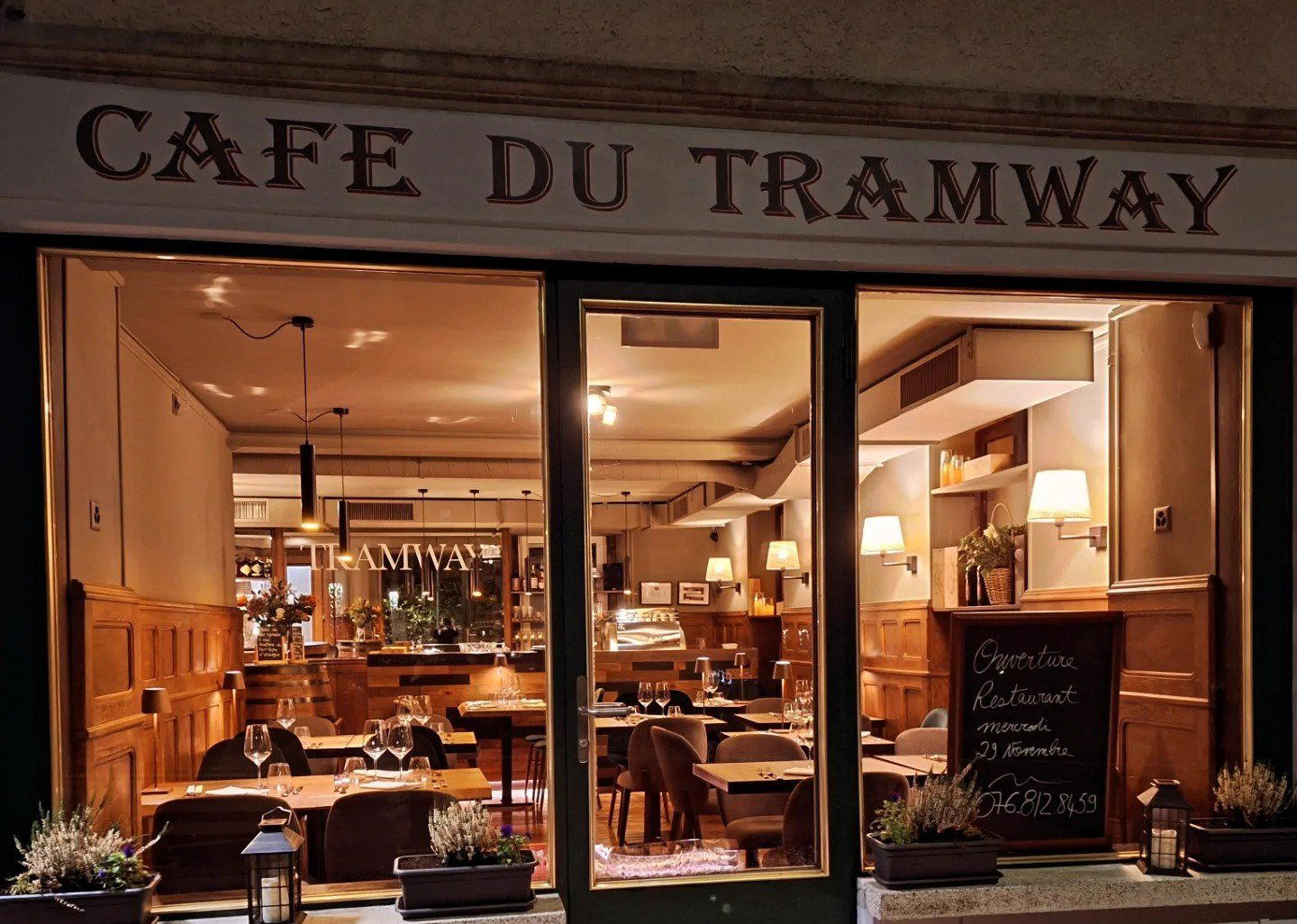
Where the Tram Route Meets the Table
In Lausanne, the gradient between grand hotel dining and neighbourhood café is steeper than in most Swiss cities. At the leading, addresses like La Table du Lausanne Palace and Pic Beau-Rivage Palace operate within the formal codes of European grand cuisine: multi-course progression, wine pairings built around Lake Geneva appellations, service that reads the table before it is asked. Le Café du Tramway, on Rue de la Pontaise in the 1018 postal district, occupies a fundamentally different register. The address places it in the Pontaise quarter, north of the historic city centre — a part of Lausanne shaped more by the rhythms of the stadium, the tram line, and the local market than by the lakefront hotel corridor. That geography matters. It tells you something about who eats here, how long they stay, and what the meal is expected to do.
Approaching from the tram stop, the café sits at the kind of corner that most cities have but few visitors find. The neighbourhood around Rue de la Pontaise is residential and functional in equal measure — not the polished cobblestone of the Old Town, not the corporate geometry of the business district. In Swiss-French urban terms, this is the quartier populaire, where a café earns its place by being useful to people five days a week rather than memorable to visitors once a year.
The Rhythm of a Swiss-French Neighbourhood Table
The dining ritual at this category of Swiss café-restaurant follows patterns that have more in common with the Lyonnais bouchon tradition than with anything in Lausanne's formal dining tier. The meal does not announce itself. There is no amuse-bouche, no choreographed tableside moment, no printed card explaining sourcing philosophy. What defines the experience is pacing governed by the guest rather than the kitchen, dishes arrive when they are ready, and the expectation is that you will take your time.
This stands in instructive contrast to Lausanne's tasting-menu addresses. At Anne-Sophie Pic or at the creative format of Pic Beau-Rivage Palace, the structure of the meal is the product, each course placed in deliberate sequence, the pacing managed as a hospitality decision. For visitors accustomed to the tasting-counter format, the adjustment can feel disorienting at first. For those who have spent time in Lausanne's residential quarters, it reads as the city's most authentic dining mode.
Switzerland's French-speaking cantons have maintained this café culture with more consistency than much of urban Europe. Where cities like Paris or Geneva have seen their neighbourhood café-restaurants pushed toward either gentrification or closure by rising rents and shifting work patterns, parts of Lausanne, particularly in northern districts like Pontaise, have retained a viable middle ground. The café that opens for lunch, takes a lull in mid-afternoon, and fills again for dinner without fanfare is not a novelty here; it is still the default social infrastructure of the neighbourhood.
Positioning Within Lausanne's Dining Range
Lausanne's restaurant scene has enough range that understanding where a given address sits in the spectrum matters for planning. The city's upper tier includes not only the hotel dining rooms but also the broader Swiss fine-dining circuit: Hotel de Ville Crissier in Crissier, the Schloss Schauenstein model operating out of Fürstenau, addresses like Cheval Blanc by Peter Knogl in Basel, Memories in Bad Ragaz, 7132 Silver in Vals, Colonnade in Lucerne, Da Vittorio in St. Moritz, Einstein Gourmet in Sankt Gallen, focus ATELIER in Vitznau, and IGNIV Zürich by Andreas Caminada in Zurich. These are tasting-menu destinations that require advance planning, specific dress consideration, and a commitment of several hours.
Le Café du Tramway operates at the opposite end of that spectrum, closer in spirit and function to Amici or 57° Grill in its accessibility and informality. The relevant comparison set here is not defined by awards or price tier but by role: the café as social anchor, as lunchtime institution, as the place where a Lausannois might eat three times in a week without it requiring a decision. That frequency and ease of use is a distinct quality, and one that formal dining venues cannot replicate by design.
For visitors building a Lausanne itinerary across several days, this distinction has practical value. Consulting our full Lausanne restaurants guide maps the city's dining range in detail, but the editorial principle holds: not every meal should require a reservation made weeks in advance. The neighbourhood café fills a specific gap in any considered itinerary, and the Pontaise quarter offers one that has not been reshaped for tourism.
For those arriving from longer international routes, it may also be worth noting that the Swiss-French café tradition has more in common with what you find at addresses like Le Bernardin in New York in its commitment to a defined format, though at the opposite end of formality. The discipline is different, but both represent a clear philosophy about what a meal is for. The precision-forward, technique-driven counter format that defines places like Atomix in New York represents a fundamentally different hospitality language, one where the meal is a structured narrative. At a Pontaise café, the meal is a pause.
Planning a Visit
Rue de la Pontaise 6b is accessible from central Lausanne by tram, which is the appropriate mode of arrival for a café that takes its name from the line. The Pontaise district sits north of the city centre, roughly a ten-to-fifteen minute ride from the main station. As a neighbourhood café rather than a destination dining room, walk-in visits are likely the norm, though given that specific booking data is not available for this address, confirming directly before a weekday lunch or weekend evening would be prudent. Dress code expectations follow the setting: the quarter is residential, the clientele local, and the atmosphere reflects both. There is no formal dress expectation at this category of venue.
Frequently asked questions
What's Le Café du Tramway's location?
Le Café du Tramway is located at Rue de la Pontaise 6b, 1018 Lausanne, Switzerland, Lausanne.
Is Le Café du Tramway suitable for a solo lunch or working meal in Lausanne?
The Pontaise quarter, served directly by Lausanne's tram network, positions this café as a practical midday stop away from the city centre's busier lunch trade. Neighbourhood café-restaurants in this format across the Swiss-French tradition are generally tolerant of solo diners and unhurried pacing — the counter or bar seat tends to be the natural landing spot. No confirmed seating policy is on file, but the format and location suggest low formality.
What should I order at Le Café du Tramway?
The broader Swiss-French café tradition that shapes addresses in the Pontaise quarter of Lausanne tends toward honest plats du jour, seasonal preparations, and wine-friendly plates rather than elaborate tasting formats. Ask the room what is running that day — that question, in this category of café, usually gets a straight answer.
Do I need a reservation for Le Café du Tramway?
Neighbourhood cafés in residential Lausanne quarters — particularly around Pontaise — typically see demand spike at midday on weekdays from local regulars and during weekend lunch. Calling ahead or arriving early remains the practical approach for any sitting you cannot afford to miss.
Style and Standing
Comparable venues nearby, for context on price, style, and recognition.
| Venue | Cuisine | Price | Awards | Notes |
|---|---|---|---|---|
| Le Café du TramwayThis venue — the venue you are viewing | French Bistronomy | $50–100 | Not listed | Not listed |
| Kaigan | Japanese Sushi and Teppanyaki | Not listed | Not listed | Ouchy |
| Auberge de l’Abbaye de Montheron | Modern Swiss-French Fine Dining | $100–150 | Michelin Plate · Star Wine List | Montheron |
| Enoteca Capponi | Italian Enoteca & Gourmet Deli | Not listed | Gambero Rosso 2 Forchette | Lausanne |
| La Brasserie du Royal | Classic French Brasserie | $100–150 | Michelin Plate · Wine Spectator Best of Award of Excellence | Ouchy |
| L'Appart | Modern Seasonal French Tasting Menu | $150–200 | Michelin Plate · Falstaff Restaurant - 94 Falstaff Points | Rue de Bourg, Old Town Lausanne |
Continue exploring
More in Lausanne
Restaurants in Lausanne
Browse all →
Bars in Lausanne
Browse all →
Hotels in Lausanne
Browse all →
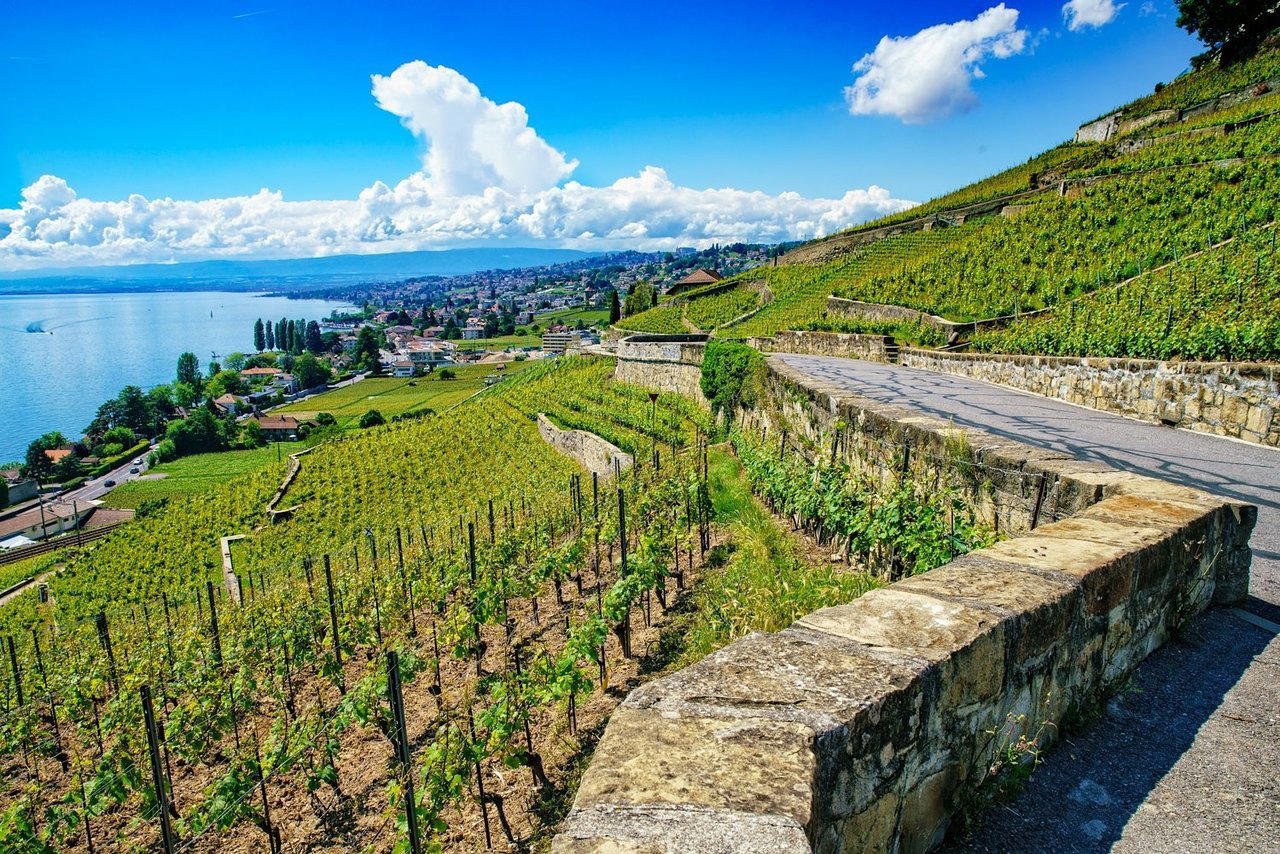
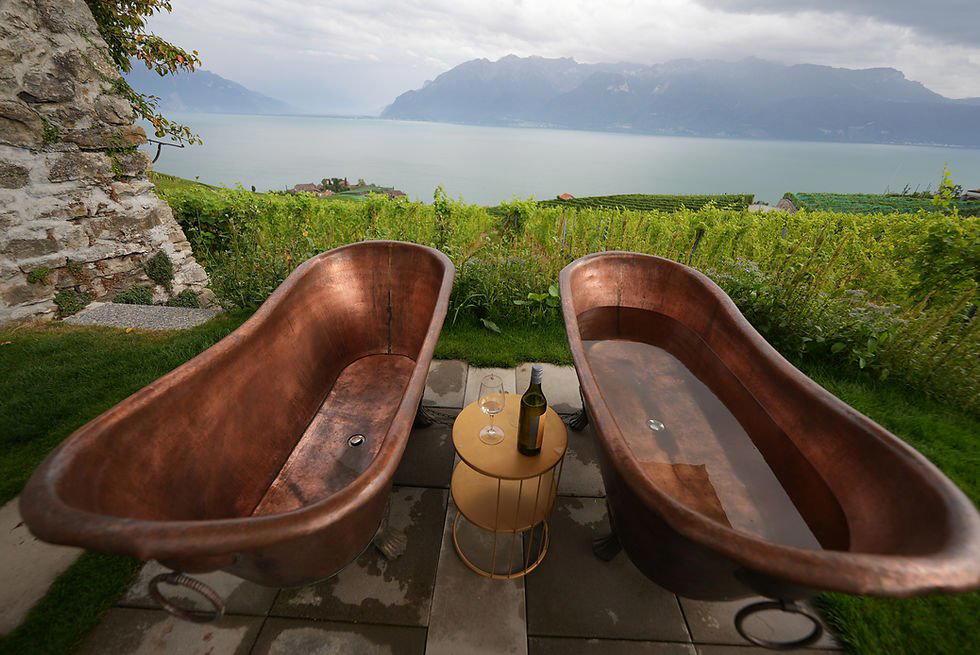
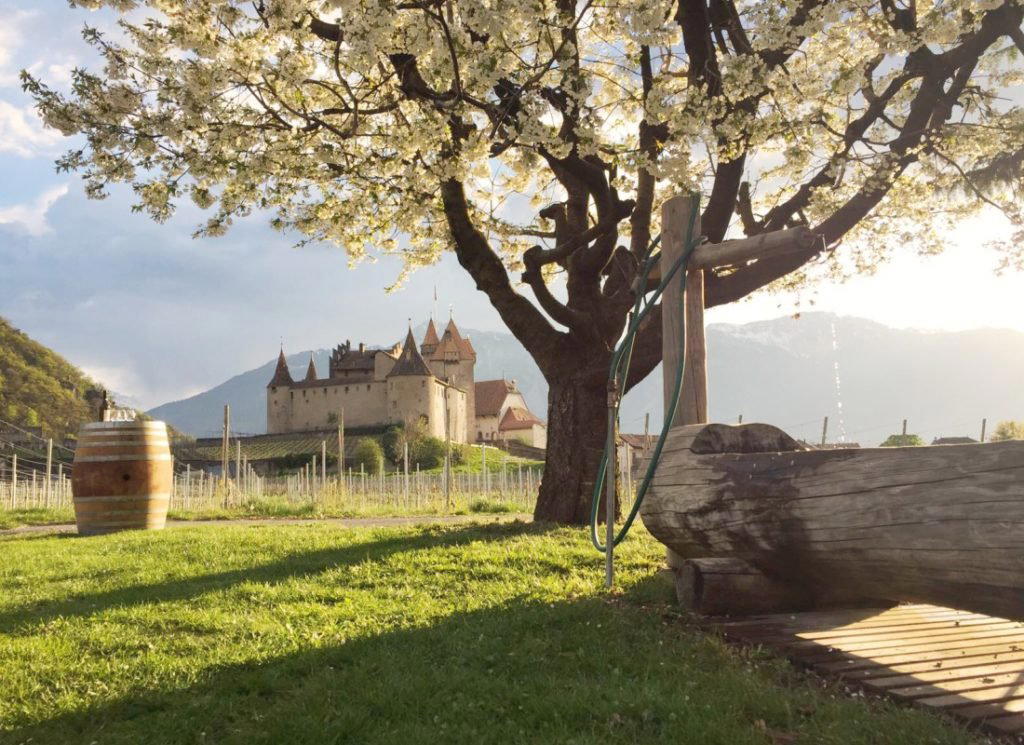
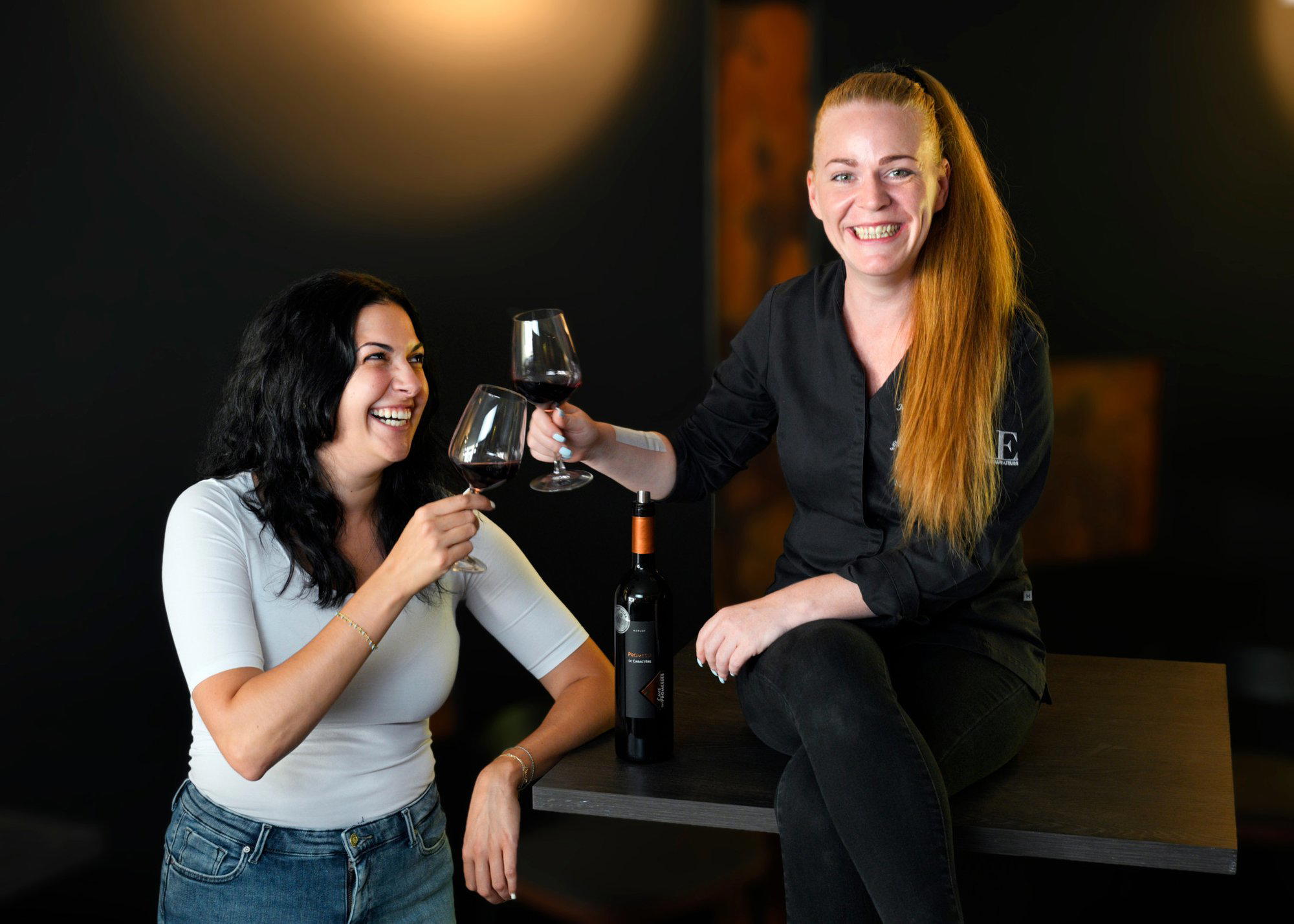
Le Café du Tramway
The wine
- Wine program
- Curated wine list
- Extensive wine list
Details
- Classic
- Cozy
- Historic
- Intimate
- Date Night
- Business Dinner
- Casual Hangout
- Historic Building
- Extensive Wine List
- Local Sourcing
- A La Carte
Current opening hours
- Monday
- Closed
- Tuesday
- 11:45 AM–2:30 PM, 7–11:30 PM
- Wednesday
- 11:45 AM–2:30 PM, 7–11:30 PM
- Thursday
- 11:45 AM–2:30 PM, 7–11:30 PM
- Friday
- 11:45 AM–2:30 PM, 7–11:30 PM
- Saturday
- 7–11:30 PM
- Sunday
- Closed
Hours can change for holidays and private events. Last verified .
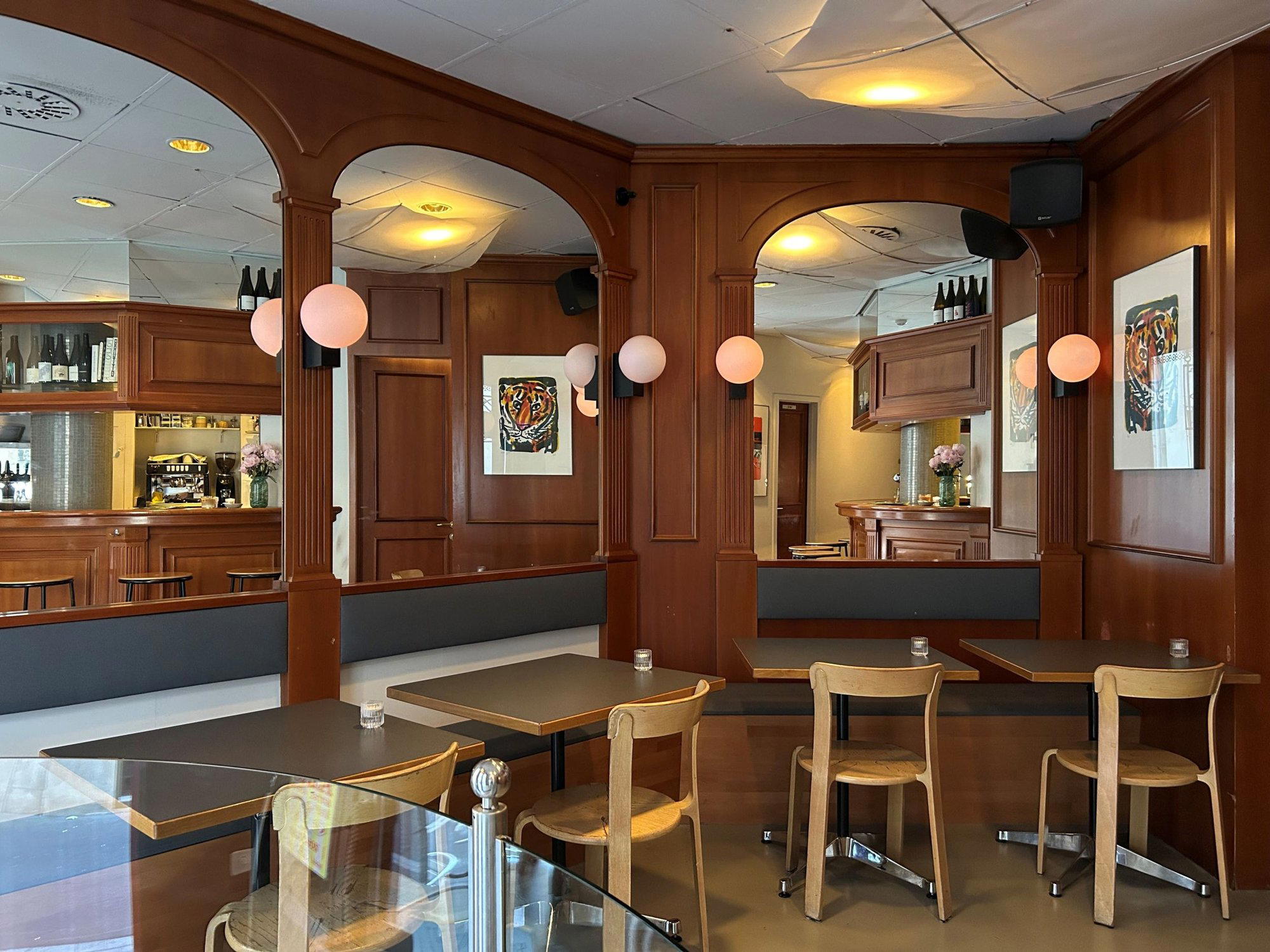
Warm atmosphere combining historic wood panelling with sparkling stained glass and modern elements.