Le Cap Horn
Our verdict
Le Cap Horn sits on Rue des Moulins in Chamonix-Mont Blanc, drawing visitors looking for a meal that holds its own against the mountain backdrop rather than simply trading on it. The address puts it within walking distance of the town centre, well-positioned for both après-ski evenings and longer, unhurried lunches. For a broader view of the valley's dining options, see our full Chamonix-Mont Blanc guide.

Pearl is the En Primeur Club membership app, where members save venues, book tables and use the concierge.
Eating in the Shadow of Mont Blanc: What Chamonix Asks of a Restaurant
Chamonix-Mont Blanc presents a particular challenge for any restaurant operating at serious altitude. The town's dining room is the mountain itself, which means venues are in constant, silent competition with an outdoor spectacle that no interior can match. The restaurants that endure here tend to be the ones that stop trying to compete with the view and instead build something distinct at the table: a rhythm, a register, a way of pacing the meal that earns its own attention. Le Cap Horn, addressed at 74 Rue des Moulins, sits in this context, in a town where the gap between a perfunctory tourist meal and a genuinely considered one remains wide enough to matter to anyone spending more than a day here.
Chamonix's restaurant scene has stratified over the past decade into a few legible tiers. At the upper end, properties like Albert 1er operate within the grand mountain-hotel tradition, with the kitchen ambition to match. Auberge du Bois Prin occupies a mid-range modern position, and Akashon shows that the valley has appetite for international formats at accessible price points. Traditional cooking, the kind represented by Atmosphère, continues to anchor the local identity. Somewhere within that spread sits Le Cap Horn, a name familiar to regular visitors to Chamonix but less documented in the international critical record than some of its neighbours.
The Ritual of the Mountain Meal
Across the French Alps, the meal as ritual has a particular character. It is not merely sustenance after a day on the mountain; it functions as the social and temporal centre of the alpine stay, a way of marking the transition from physical exertion to rest, from the exposed ridge to the warmed interior. The leading restaurants in this tradition understand that the pace of service, the sequencing of courses, and the temperature and weight of what arrives on the plate all participate in something larger than individual dishes. This is especially true in Chamonix, where the town's clientele shifts rapidly between serious athletes, French families on school-holiday schedules, and international travellers treating the valley as a luxury destination rather than a sporting one.
That variety in the guest creates real pressure on a kitchen. A dining ritual that works for a table of four after a long ski run is not automatically the right one for a couple on a summer evening, or a group using the meal as the centrepiece of a long weekend. The rooms and streets of Chamonix have hosted this kind of negotiation for generations, a town that has had to feed the world's mountaineers since the early nineteenth century, when the first commercial ascent routes opened the valley to outside visitors. The names on the dining-room wall have changed, but the structural demand has not: deliver a meal that meets people where they are, physically and emotionally, after a day defined by the outdoors.
For deeper reference points on what the French fine-dining tradition asks of an alpine table, it is worth tracking what kitchens like Flocons de Sel in Megève have done with regional ingredients at Michelin level, or how Mirazur in Menton has built a kitchen identity around a specific geographic position. Both represent a strand of French cooking that takes the environment seriously as a source of identity rather than backdrop.
Rue des Moulins and the Town's Dining Geography
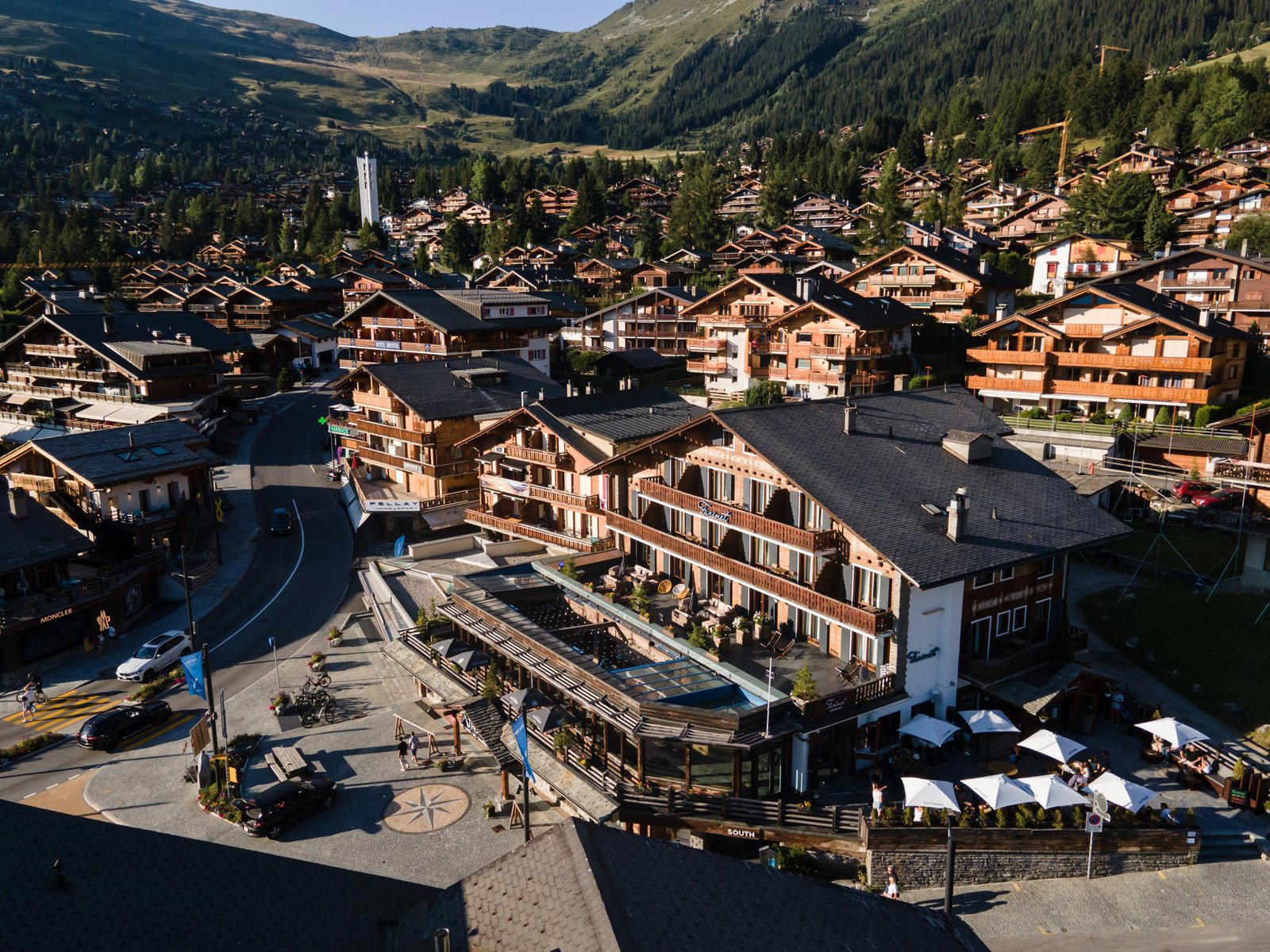
The address on Rue des Moulins places Le Cap Horn in the older, more pedestrian-friendly part of central Chamonix, away from the more commercially saturated strips near the main cable-car stations. The street sits close enough to the Arve river and the town's historic core that foot traffic is steady across most of the year without being the kind of high-turnover location that tends to push kitchens toward shortcuts. This part of Chamonix rewards restaurants that build a regular clientele and rely on word of mouth from returning visitors, which tends to produce more considered food and service than venues surviving on one-time tourist covers alone.
Seasonality shapes everything here. Chamonix runs two distinct peaks, winter ski season from December through April and summer hiking and climbing season from June through September, with shoulder months that see a drop in volume but often a more engaged, independently travelling visitor. Restaurants that manage both seasons without collapsing into a lowest-common-denominator menu tend to be more interesting to visit in the off-peak periods, when the kitchen has time to execute properly and the room is not overwhelmed. The Bergerie de Planpraz, up on the Brévent cable car, represents the other end of this seasonal logic, a destination that is physically inaccessible for part of the year and structures its entire offer around altitude and access.
Placing Le Cap Horn in the Broader French Context
Chamonix is not the primary address in the French fine-dining conversation. That geography runs through Paris, with houses like Alléno Paris au Pavillon Ledoyen, through the regions with institutional names such as Troisgros, Auberge de l'Ill, Bras, and Paul Bocuse, and into the newer generation represented by AM par Alexandre Mazzia in Marseille or Assiette Champenoise in Reims. Relative to these, Chamonix operates as a specialist market, one where the dining experience is inseparable from the physical drama of the location and where critical attention from Paris or Lyon tends to be intermittent rather than sustained. That relative distance from the main critical circuit can work in a restaurant's favour: pricing pressure is different, expectations calibrate to the context, and a good meal in Chamonix tends to be measured against what the valley offers rather than against the national record.
For readers interested in how alpine and mountain-adjacent restaurants position themselves internationally, the contrast with what Le Bernardin or Atomix do in New York, building kitchen identity through accumulated critical recognition over years, is instructive. In Chamonix, the credential is more likely to be durability, the ability to hold a regular clientele across multiple seasons, than any single award or moment of recognition. See our full Chamonix-Mont Blanc restaurants guide to map these options against your own priorities.
Planning a Visit
Le Cap Horn is located at 74 Rue des Moulins in central Chamonix-Mont Blanc, reachable on foot from the main train station in under ten minutes. The town is served by direct buses from Geneva Airport, with the transfer taking approximately ninety minutes depending on conditions, making it a realistic single-day trip from Geneva for those already in the region, though a multi-night stay allows time to engage with the valley's full dining range.
Frequently asked questions
Can I bring kids to Le Cap Horn?
Le Cap Horn sits on Rue des Moulins in the pedestrian-friendly heart of central Chamonix, a setting that is generally more relaxed than a city fine-dining room. Chamonix itself is a family mountain destination, and restaurants in this part of town typically accommodate younger guests. check the venue's official channels to confirm any specific policies before booking.
What's the vibe at Le Cap Horn?
The address on Rue des Moulins places Le Cap Horn in the older, quieter core of Chamonix rather than the more commercially active strips closer to the cable cars. That geography tends to produce a more local, neighbourhood character than the resort-facing dining rooms. The surrounding streetscape is walkable and relatively unhurried by alpine-town standards.
What's the signature dish at Le Cap Horn?
For the most accurate picture of what the kitchen is currently running, reaching out to the restaurant at 74 Rue des Moulins or checking a current booking platform is the reliable route. Chamonix kitchens at this altitude often shift menus seasonally around ski and summer hiking traffic.
Where is Le Cap Horn in Chamonix-Mont Blanc?
Le Cap Horn is located at 74 Rue des Moulins, 74400 Chamonix-Mont-Blanc, France, Chamonix-Mont Blanc.
What's the best way to book Le Cap Horn?
Le Cap Horn is located at 74 Rue des Moulins in central Chamonix-Mont Blanc, within a ten-minute walk of the main train station. Booking ahead is advisable during peak ski season and summer Mont Blanc trekking periods.
Cuisine Lens
Comparable venues nearby, for context on price, style, and recognition.
| Venue | Cuisine | Price | Awards | Notes |
|---|---|---|---|---|
| Le Cap HornThis venue (the venue you are viewing) | Modern French-Japanese Fusion with Seafood | Not listed | Not listed | Not listed |
| Les Tables de Philippe | Seasonal French Fine Dining | $50–100 | Not listed | Le Lavancher |
| Atmosphère | Traditional French & Savoyard Fine Dining | $50–100 | Michelin Plate | Chamonix Centre |
| Le Matafan | Alpine Fine Dining | $50–100 | Michelin Plate | Chamonix Centre |
| Auberge du Bois Prin | Modern French Regional Fine Dining | $100–150 | Michelin Plate · Gault & Millau Remarkable Restaurant | Chamonix-Mont-Blanc |
| La Couronne | Alpine Savoyard Bistro | $30–50 | Michelin Plate | Argentière |
Continue exploring
More in Chamonix-Mont Blanc
Restaurants in Chamonix-Mont Blanc
All restaurants in Chamonix-Mont Blanc →
Bars in Chamonix-Mont Blanc
Browse all →

Details
- Modern
- Cozy
- Elegant
- Rustic
- Group Dining
- Special Occasion
- Celebration
- Terrace
- Open Kitchen
- Craft Cocktails
- Mountain
- Street Scene
- A La Carte
- Vegetarian Friendly
- Vegan Options
Current opening hours
- Monday
- 12–2 PM, 7–10 PM
- Tuesday
- 12–2 PM, 7–10 PM
- Wednesday
- 12–2 PM, 7–10 PM
- Thursday
- 12–2 PM, 7–10 PM
- Friday
- 12–2 PM, 7–10 PM
- Saturday
- 12–2 PM, 7–10 PM
- Sunday
- 12–2 PM, 7–10 PM
Hours can change for holidays and private events. Hours as of .
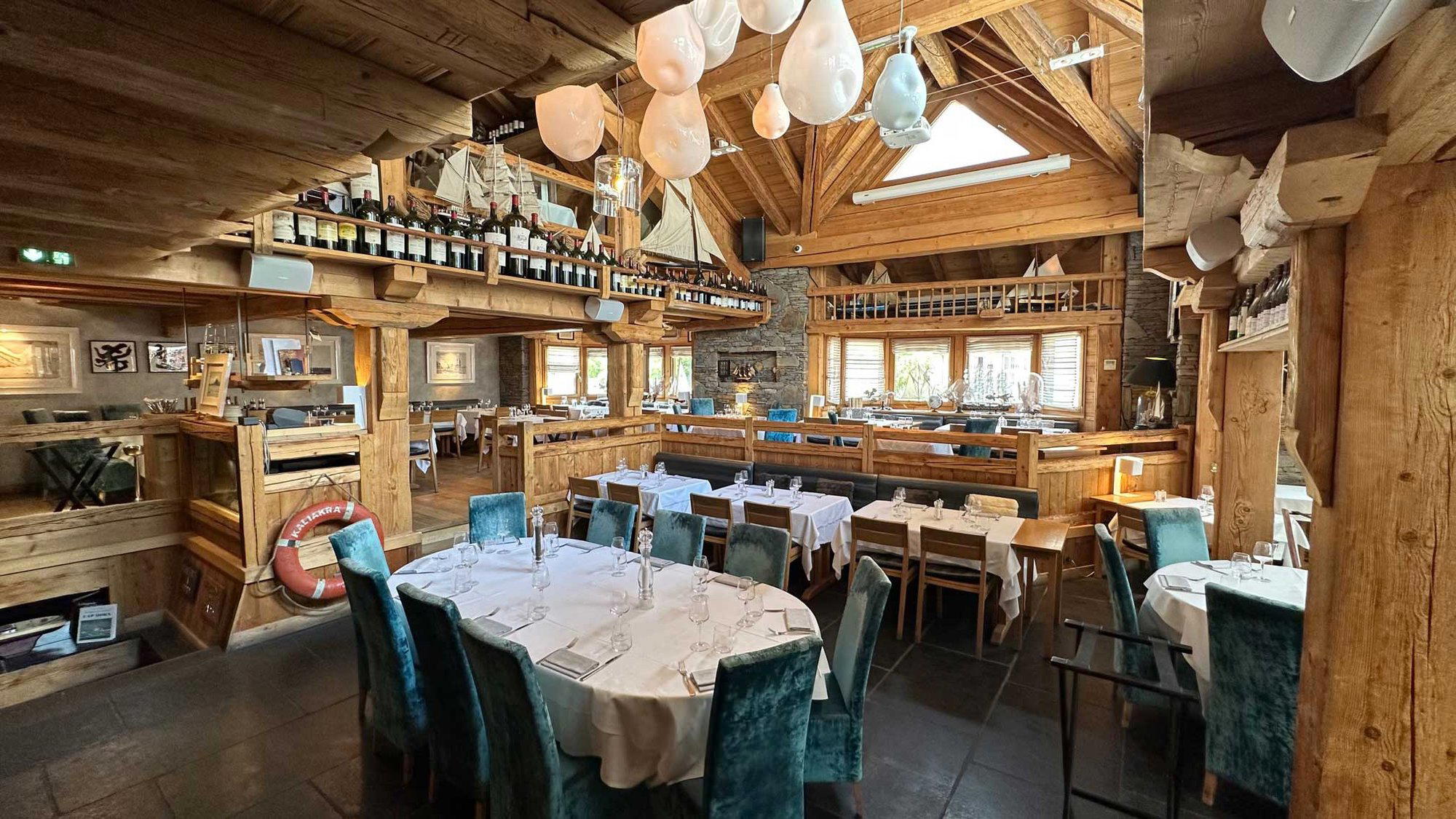
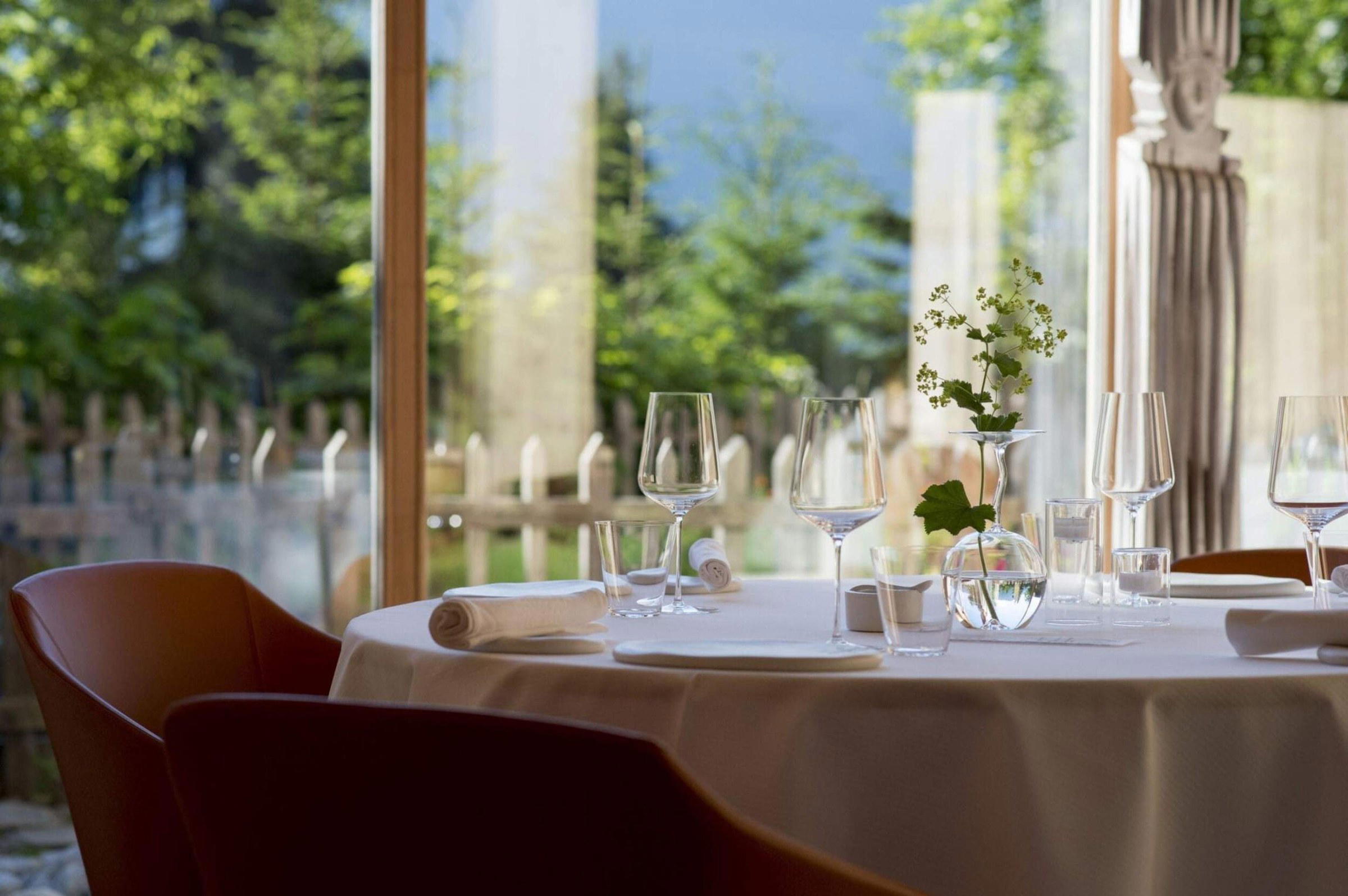
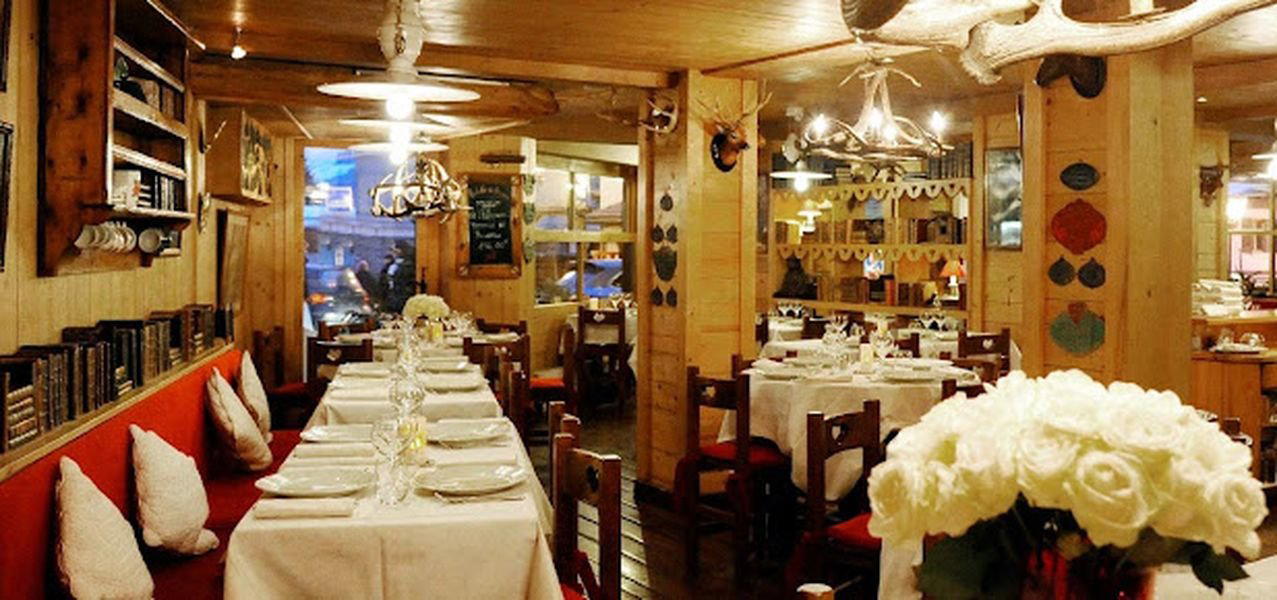
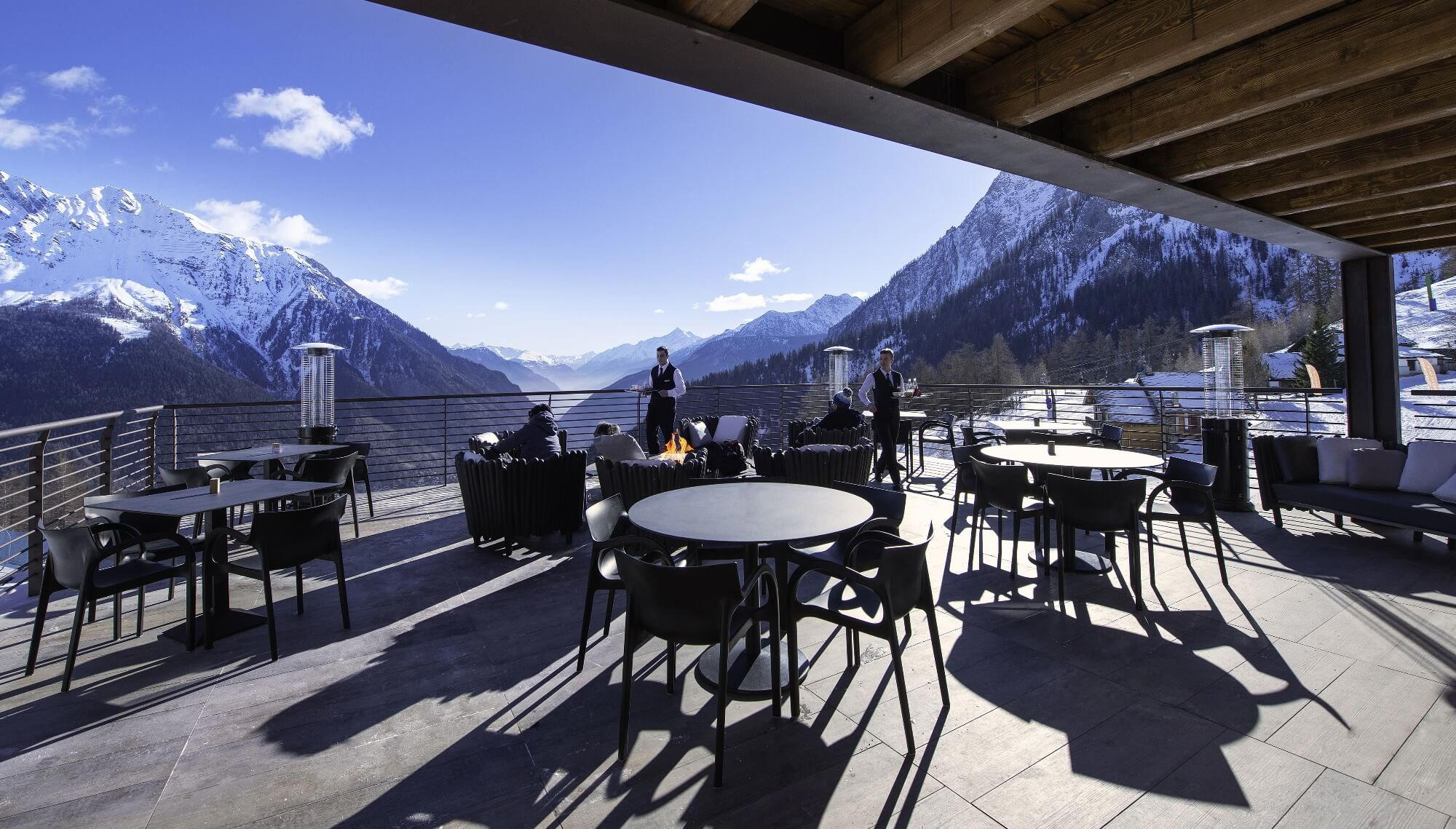
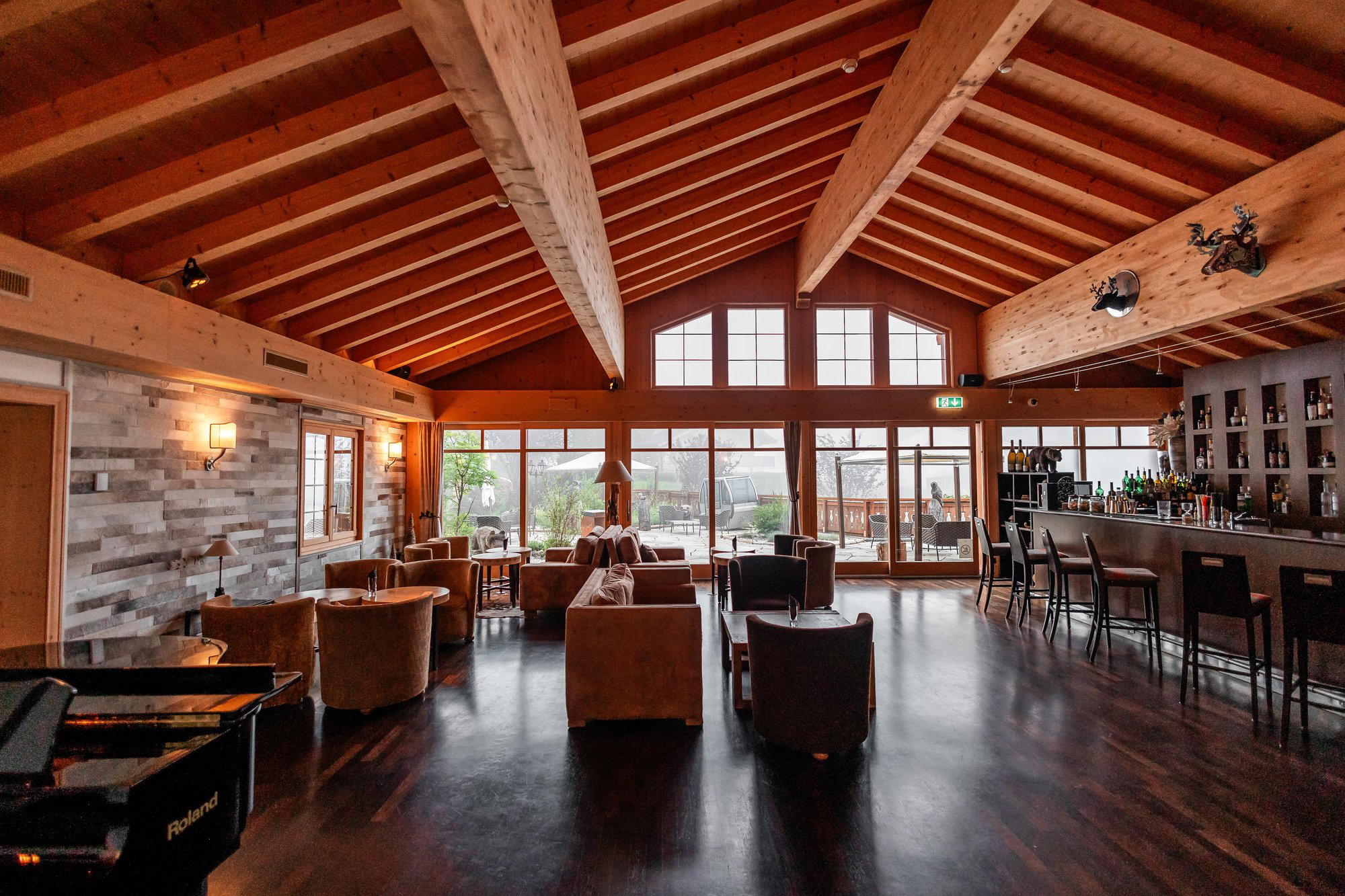
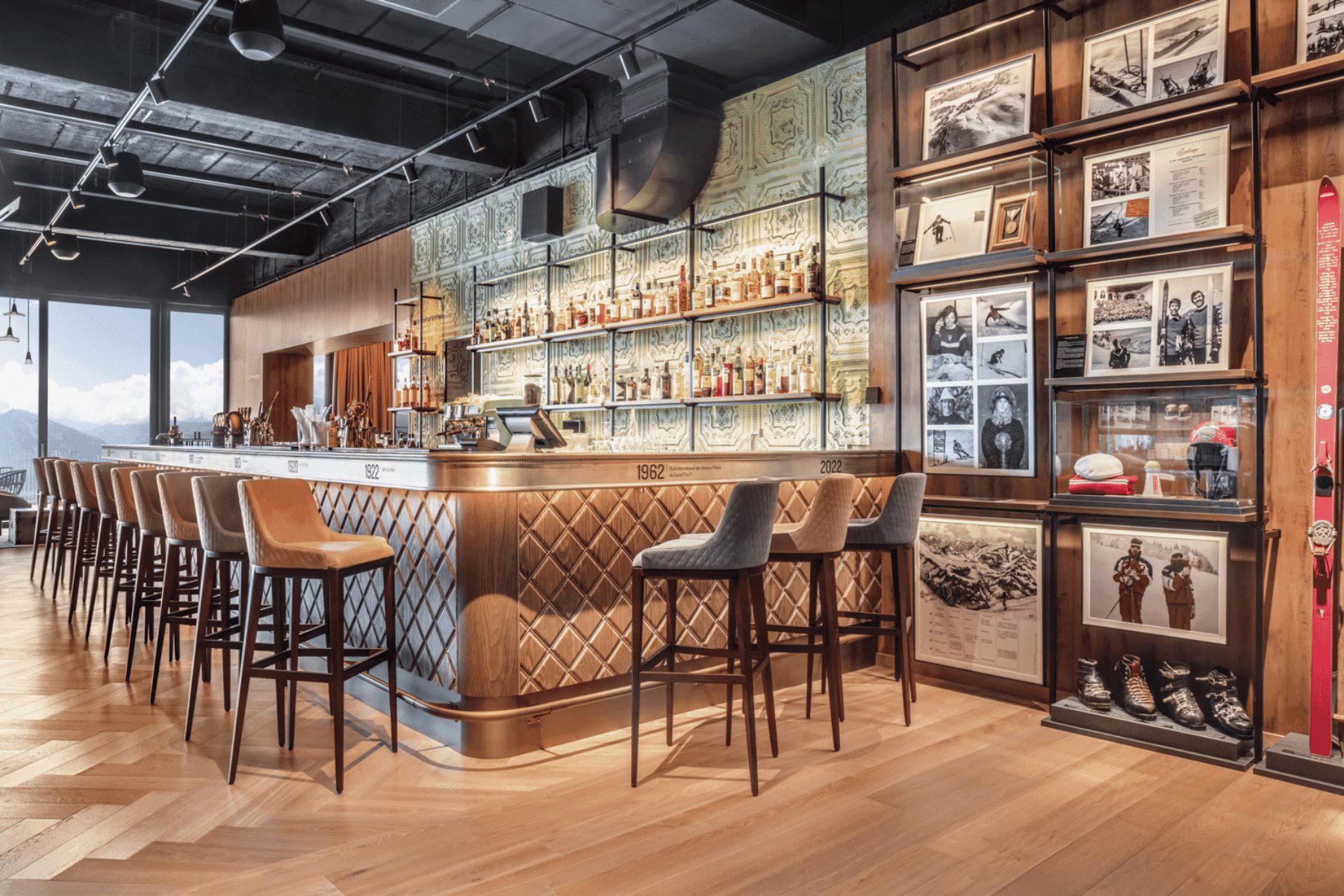
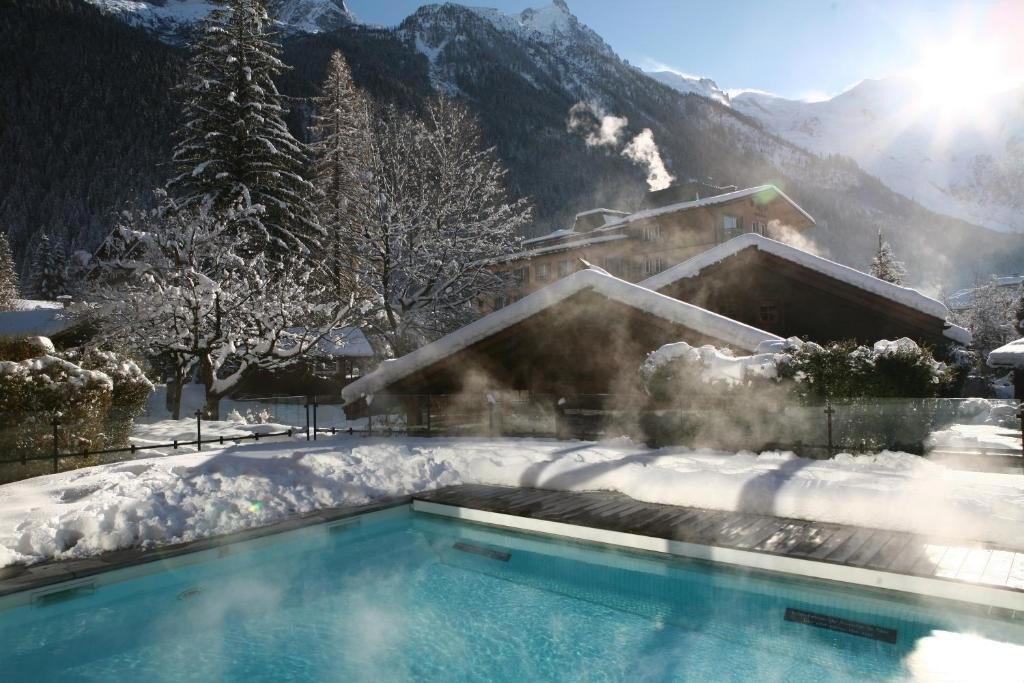
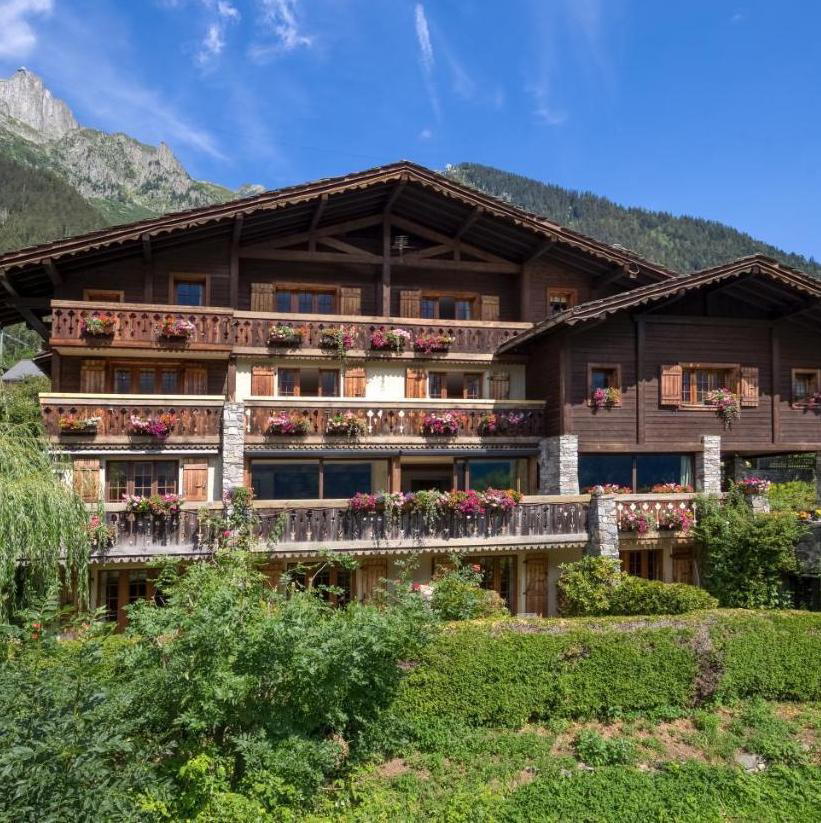
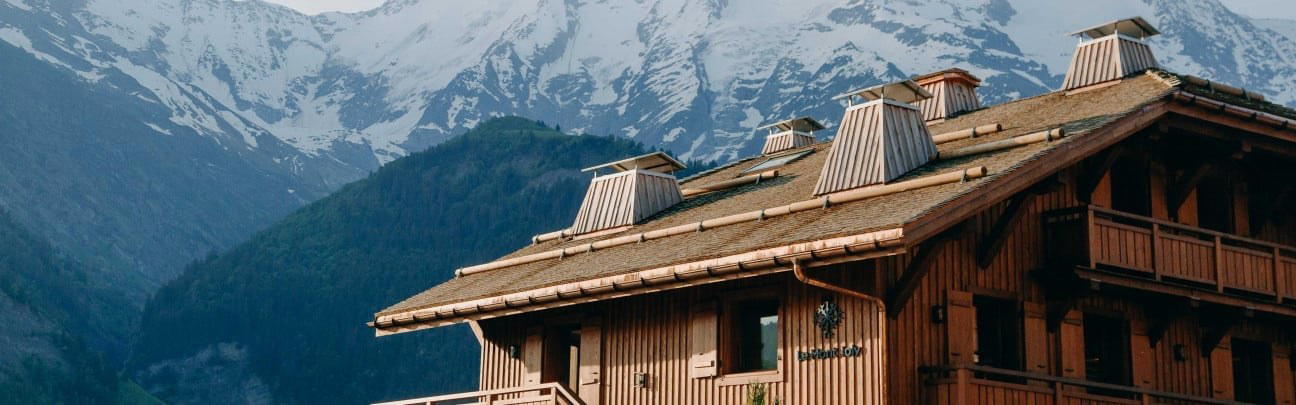
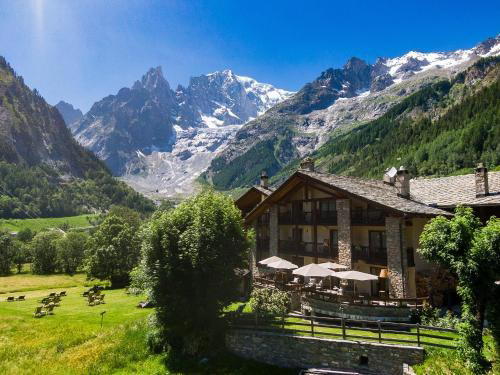
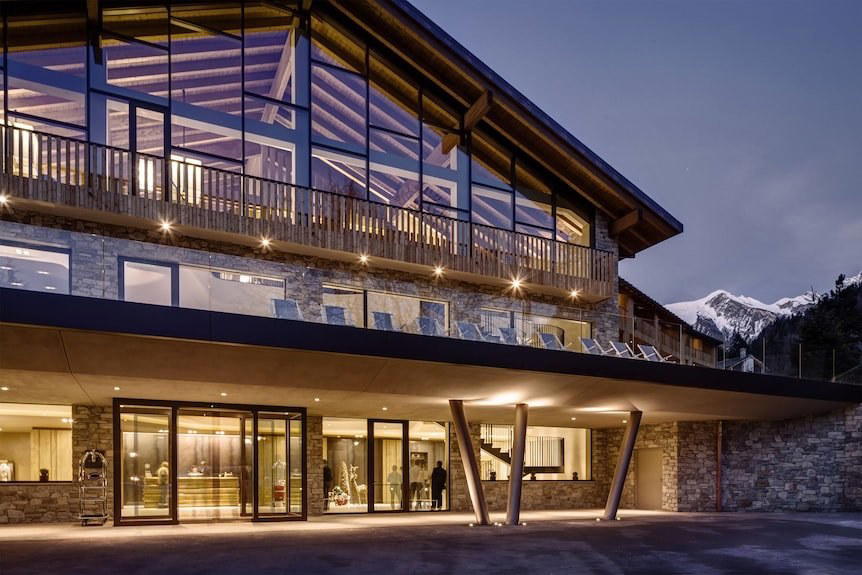
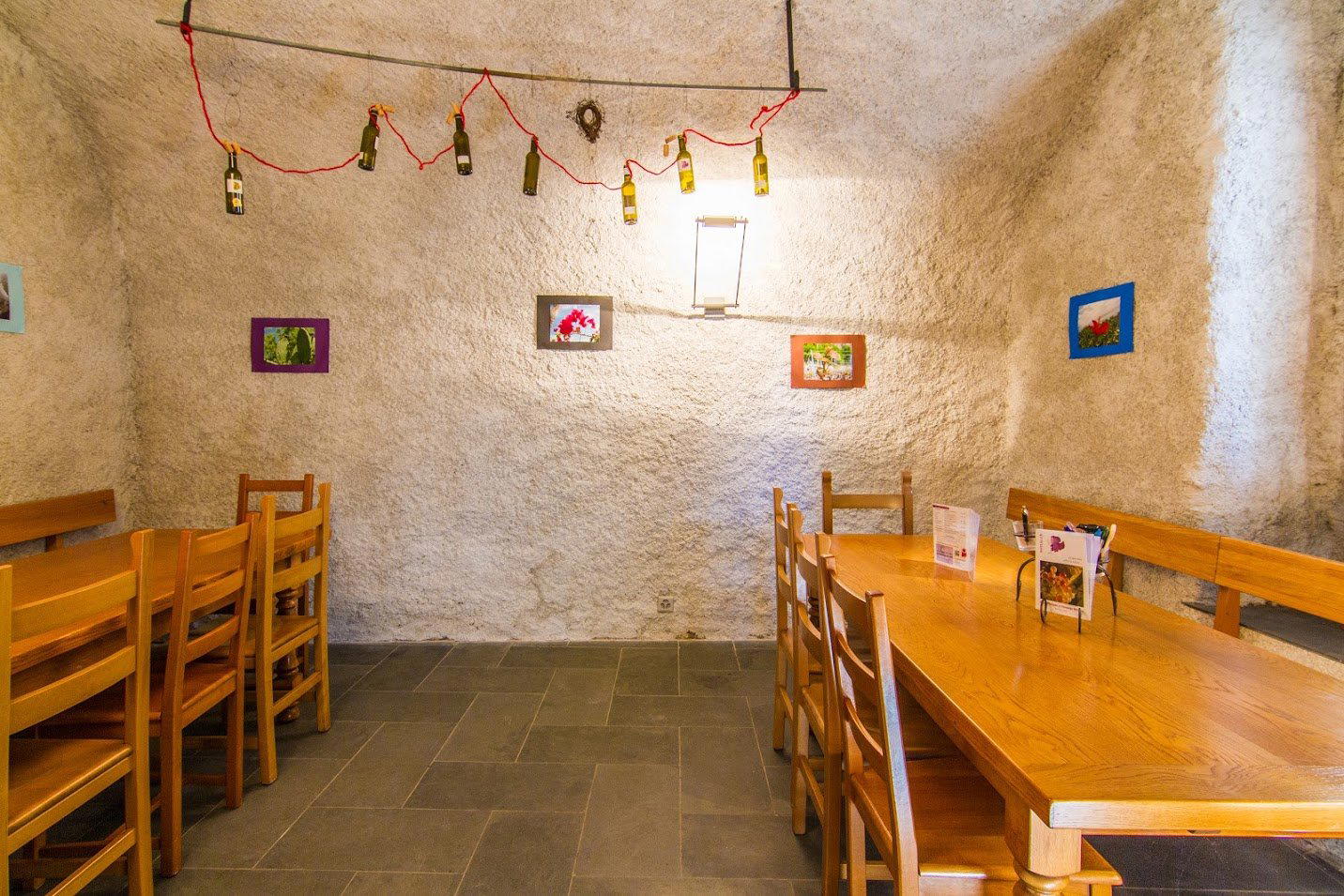
Bright and spacious split-level dining room with high vaulted ceilings, modern alpine feel, wood and coral elements, cozy mezzanine, and terrace overlooking river and mountains.