Le Casier sits on Rue du Jeu de Paume in Auray's upper town, a short distance from the Saint-Goustan waterfront and well within reach of the Gulf of Morbihan's shellfish supply chain. The name references a lobster trap, signalling a sourcing-first approach to Breton coastal cooking. It operates in Auray's seafood-focused mid-market tier, drawing a mix of local diners and informed visitors during the region's long summer season.
Pearl is the En Primeur Club membership app — saves, bookings, and concierge access live there. Same editors, same standards.
- Address
- 16 Rue du Jeu de Paume, 56400 Auray, France
- Phone
- +33297528829
- Website
- restaurant-lecasier.fr
- Directions
- Get directions
 Saves & bookings on Pearl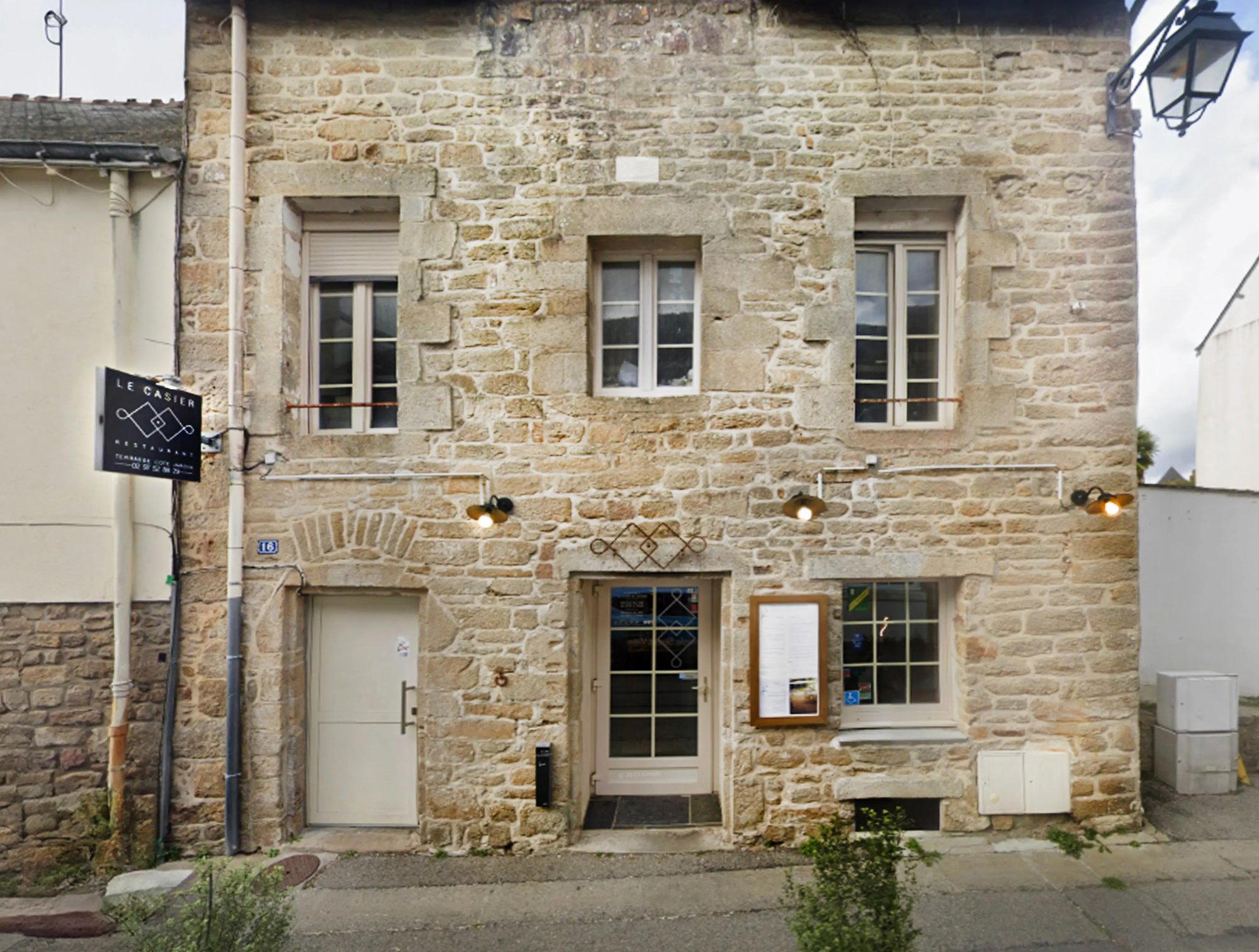
Where Brittany's Coastline Meets the Table
Auray sits a few kilometres inland from the Gulf of Morbihan, but the sea is never far from the plate here. The town's old port quarter, Saint-Goustan, still carries the functional gravity of a working harbour, and the restaurants that have grown up around it tend to reflect that pragmatism: the supply chain is short, the produce is salt-forward, and the menus shift with the tides as much as with the calendar. Le Casier, at 16 Rue du Jeu de Paume, occupies that same tradition. The address places it within reach of both the market and the waterfront, which in a town of this scale means the kitchen can operate with a sourcing discipline that larger urban restaurants have to work considerably harder to achieve.
The Sourcing Logic Behind Breton Seafood Cooking
Brittany has one of the most coherent ingredient-sourcing ecosystems in French provincial cooking. Oysters from the Belon and the Gulf of Morbihan, langoustines from the Belle-Île corridor, line-caught sea bass from the Atlantic shelf, and shellfish farmed under some of the most closely regulated aquaculture standards in Europe: the raw material available to a kitchen in this part of Morbihan is, by any practical measure, among the most trackable in France. The question for any restaurant operating in this zone is not whether the ingredients are good — they almost certainly are — but whether the kitchen respects the proximity and resists the temptation to over-elaborate.
Le Casier's name is a direct reference to this supply logic: a casier is a lobster or crab trap, the kind of wooden-slatted box that fishermen stack on the quayside. It is a name that signals intent rather than atmosphere. Restaurants that anchor their identity to a piece of fishing equipment tend to be making a point about what they prioritise, and in coastal Brittany that point is well-worn but still worth making. The cooking tradition here runs from the straightforwardly grilled to the more technically considered bisque and bouillabaisse variants that have absorbed influence from both classic French technique and the bolder, spice-forward traditions of the Breton interior.
Auray in the Context of Breton Dining
The Morbihan department punches well above its population weight in terms of dining quality. This is partly a function of tourism pressure, the Gulf of Morbihan draws a well-travelled, spending-capable visitor base from late spring through early autumn, and partly a function of raw ingredient access. Carnac, Vannes, and the island communities nearby all have established dining cultures, and Auray connects them as a market and transit town with its own distinct character.
Within Auray itself, the dining options divide fairly cleanly between traditional Breton crêperies and galetteries, mid-market seafood restaurants, and a smaller tier of more considered kitchens. Crêperie Saint-Sauveur represents the former category, while La Chebaudière sits closer to the modern cuisine end of the spectrum. Le Casier operates in the seafood-focused middle tier, where the quality of the ingredient rather than the ambition of the technique tends to carry the meal. For a broader map of where Le Casier sits among Auray's options, the full Auray restaurants guide provides useful context.
At the regional scale, Brittany's seafood cooking sits in a different register from the technically maximalist French fine dining that defines the country's international reputation. Places like Alléno Paris au Pavillon Ledoyen, Mirazur in Menton, or Flocons de Sel in Megève operate with multi-course tasting architectures and sourcing stories that are often as much about concept as geography. Breton coastal cooking, at its most honest, inverts that hierarchy: geography comes first, concept follows. Christopher Coutanceau in La Rochelle, accessible via our Christopher Coutanceau profile, is one of the few Atlantic-coast kitchens that bridges both registers at serious award level; Le Casier does not compete in that tier, but it draws from the same coastal sourcing philosophy at a more accessible pitch.
What the Setting Communicates
A restaurant named after a crab trap, on a street in a medieval Breton market town, is making a deliberate choice about register. The Rue du Jeu de Paume sits in the upper town rather than the port itself, which gives Le Casier a slight remove from the quayside tourist circuit while keeping it within easy walking distance of both the market halls and the Saint-Goustan waterfront. In practice, this means the room is likely to be a mix of local trade and visitors who have done enough research to find it, rather than walk-in foot traffic from the port steps.
That demographic tends to produce a certain kind of meal: one where the kitchen is cooking for people who know what they ordered, rather than for first-time visitors to Breton seafood who need reassurance. It is a more relaxed dynamic, and in small Breton towns it typically produces more honest cooking than the quayside restaurants that must manage volume and novelty simultaneously.
France's Broader Fine Dining Frame
For readers who use Le Casier as a starting point for exploring French dining more broadly, the country's reference institutions span from the Loire to the Mediterranean and well beyond Brittany. The Troisgros family operation in Ouches, Auberge de l'Ill in Illhaeusern, Bras in Laguiole, Paul Bocuse in Collonges-au-Mont-d'Or, AM par Alexandre Mazzia in Marseille, Assiette Champenoise in Reims, Au Crocodile in Strasbourg, Auberge du Vieux Puits in Fontjoncouse, and Georges Blanc in Vonnas collectively define the axis points of serious French regional cooking. Le Casier does not sit in that company by ambition or price tier, but understanding that ecosystem helps calibrate what Breton coastal dining represents within France's full dining range. For internationally-minded readers, Le Bernardin in New York and Atomix in New York City represent different end-points on the spectrum of what serious seafood-focused and precision-driven cooking looks like outside France.
Planning a Visit
Auray is reachable by TGV from Paris Montparnasse, with journey times of roughly three hours to Auray station; the town centre and the Rue du Jeu de Paume are a short distance from the station on foot or by taxi. The Gulf of Morbihan season runs hard from June through September, and table availability in the town's better-regarded restaurants tightens accordingly. Visiting outside peak summer, particularly in May or October, typically means shorter waits and a more local-facing room. As with most smaller French restaurants operating without a publicly listed booking platform, contacting Le Casier directly on arrival or by phone, once contact details are confirmed, is the practical approach for securing a table during busy periods.
How Le Casier Auray compares with similar nearby venues.
| Venue | Cuisine | Price |
|---|---|---|
| La Chebaudière | Modern Cuisine | €€ |
| L'Auberge - Maisons Glenn Anna | Modern Cuisine | €€€ |
At a Glance
- Elegant
- Cozy
- Modern
- Date Night
- Special Occasion
- Garden
- Local Sourcing
- Garden
Current opening hours
- Monday
- Closed
- Tuesday
- Closed
- Wednesday
- 12–1:30 PM, 7–8:30 PM
- Thursday
- 12–1:30 PM, 7–8:30 PM
- Friday
- 12–1:30 PM, 7–8:30 PM
- Saturday
- 12–1:30 PM, 7–8:30 PM
- Sunday
- 12–2 PM
Hours can change for holidays and private events. Last verified .
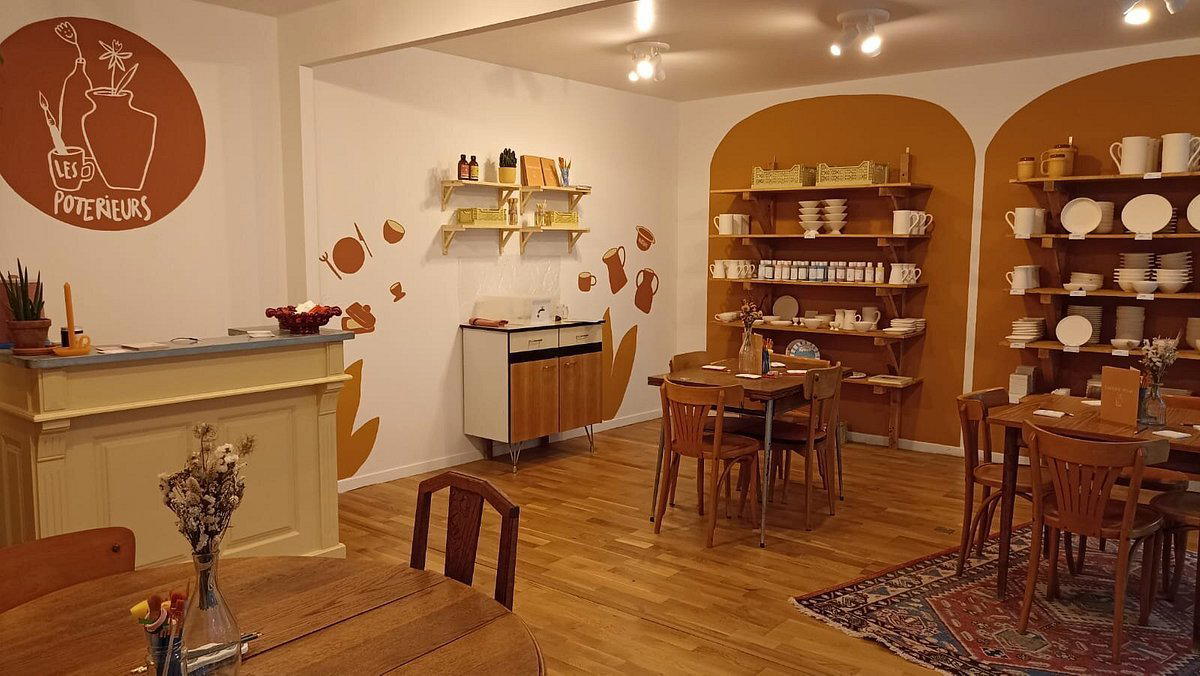
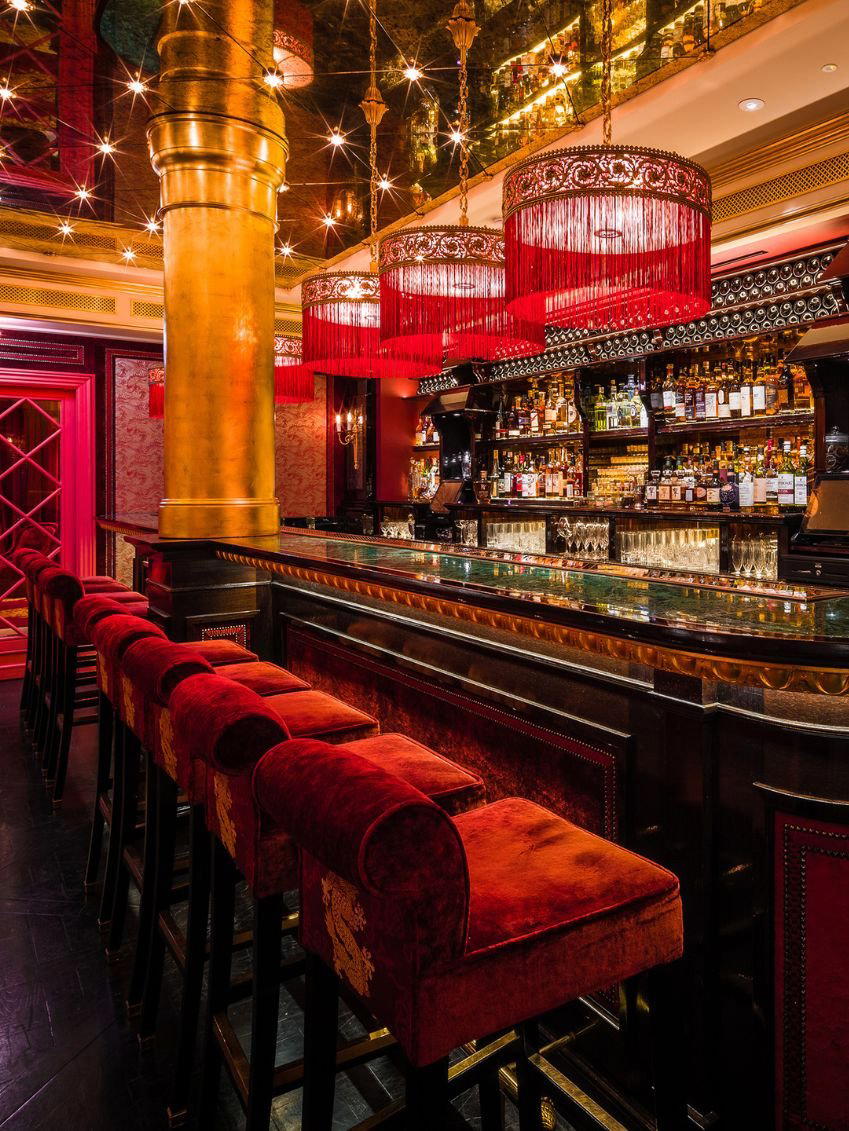
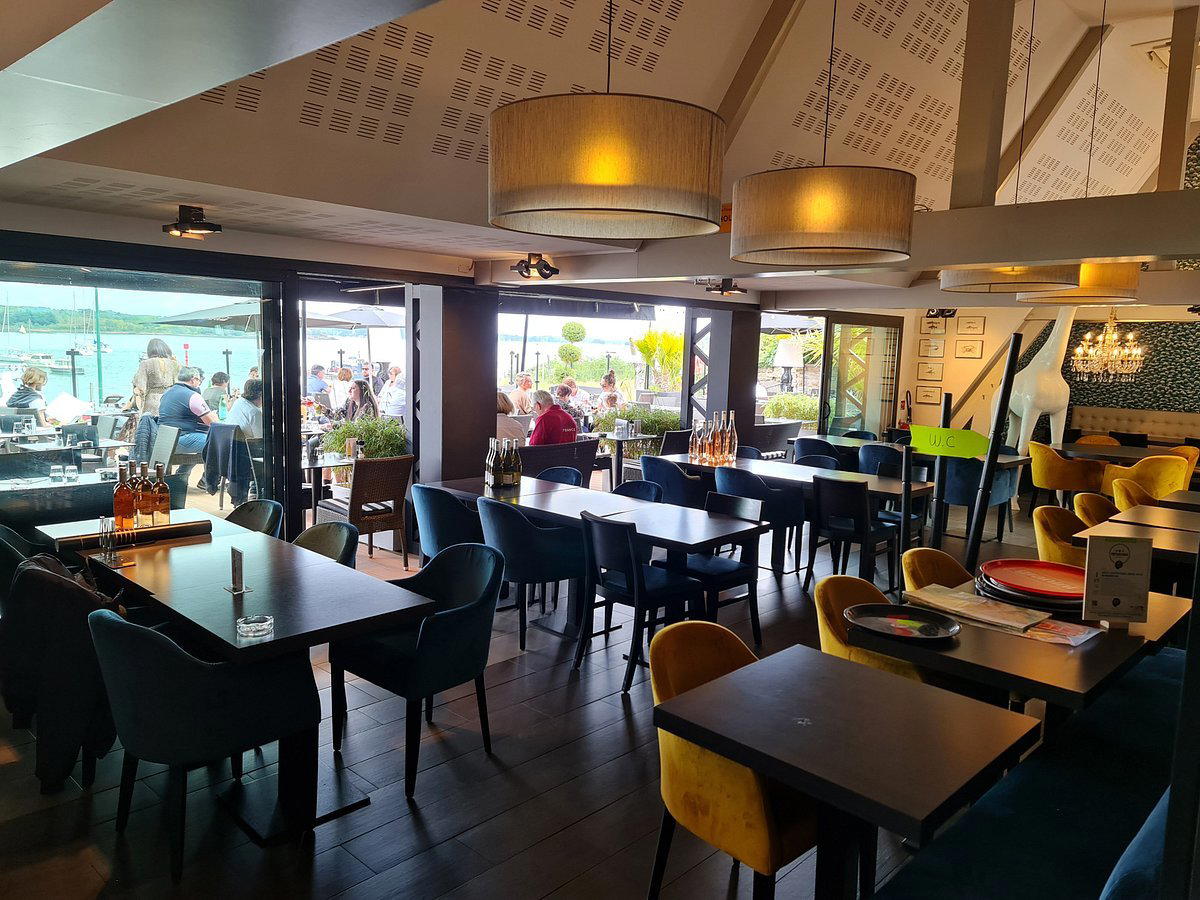
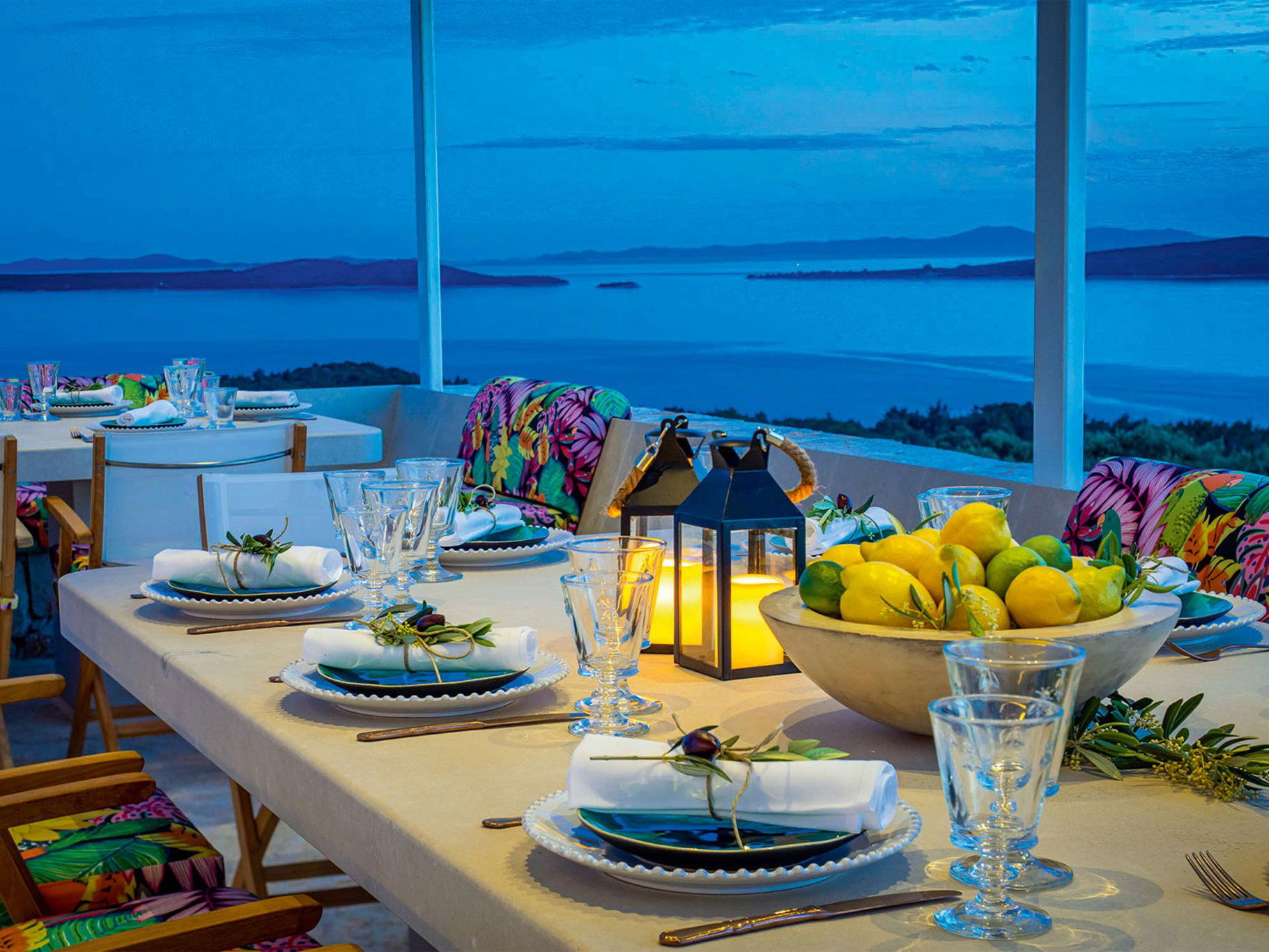
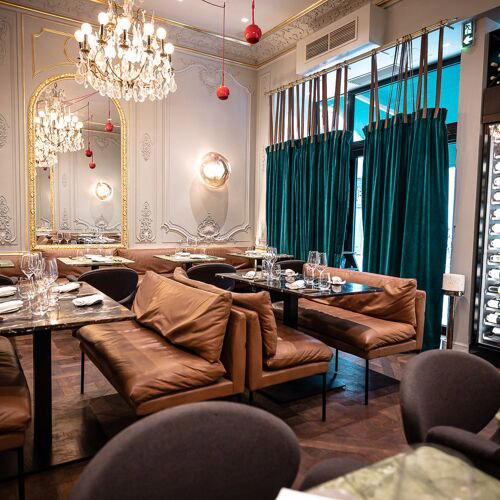
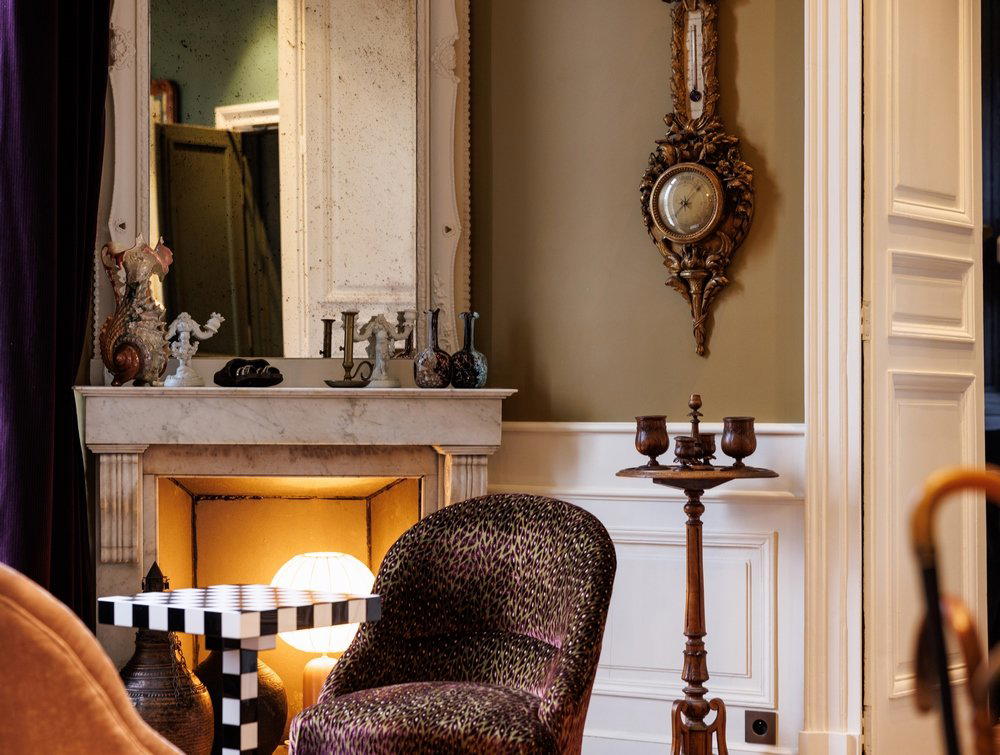
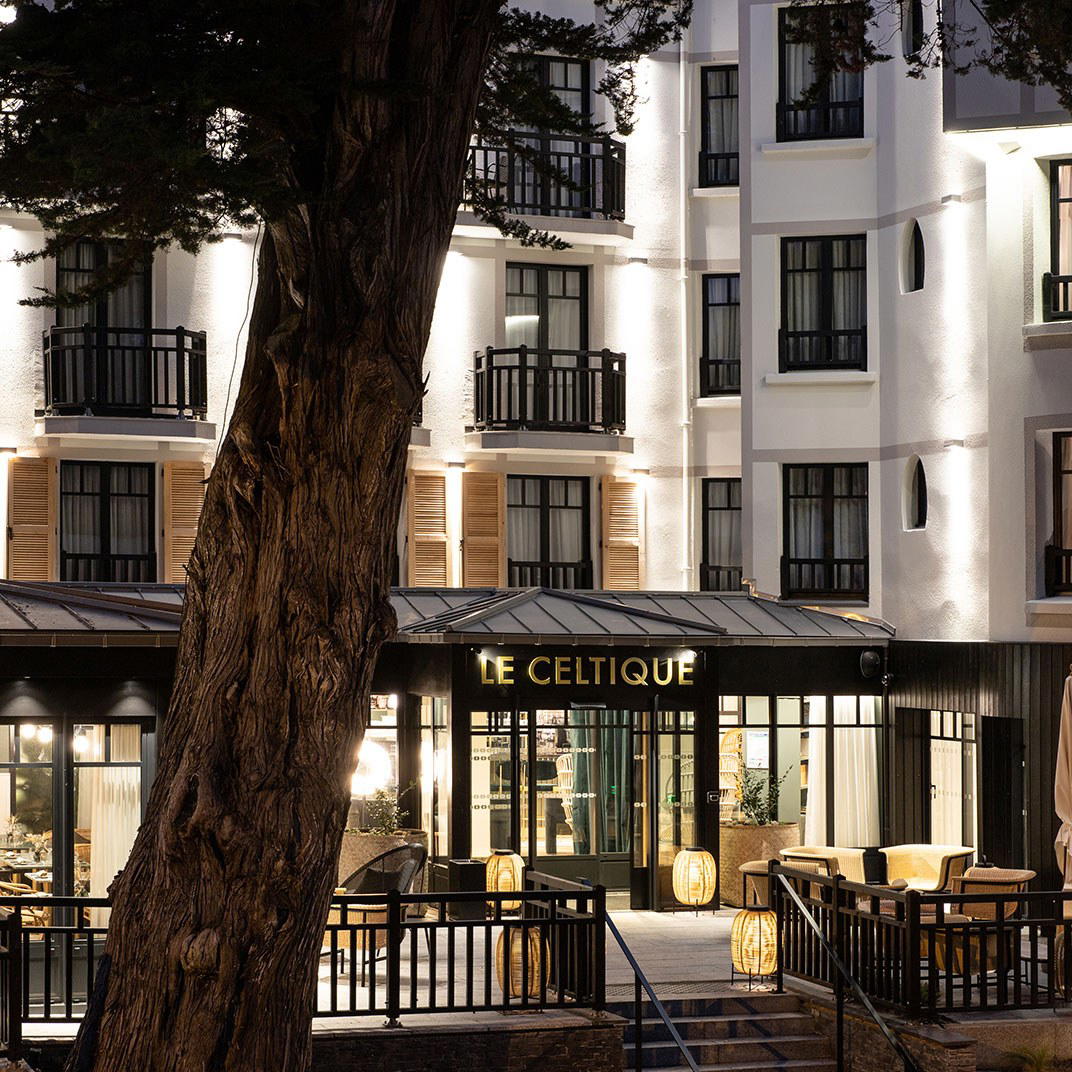
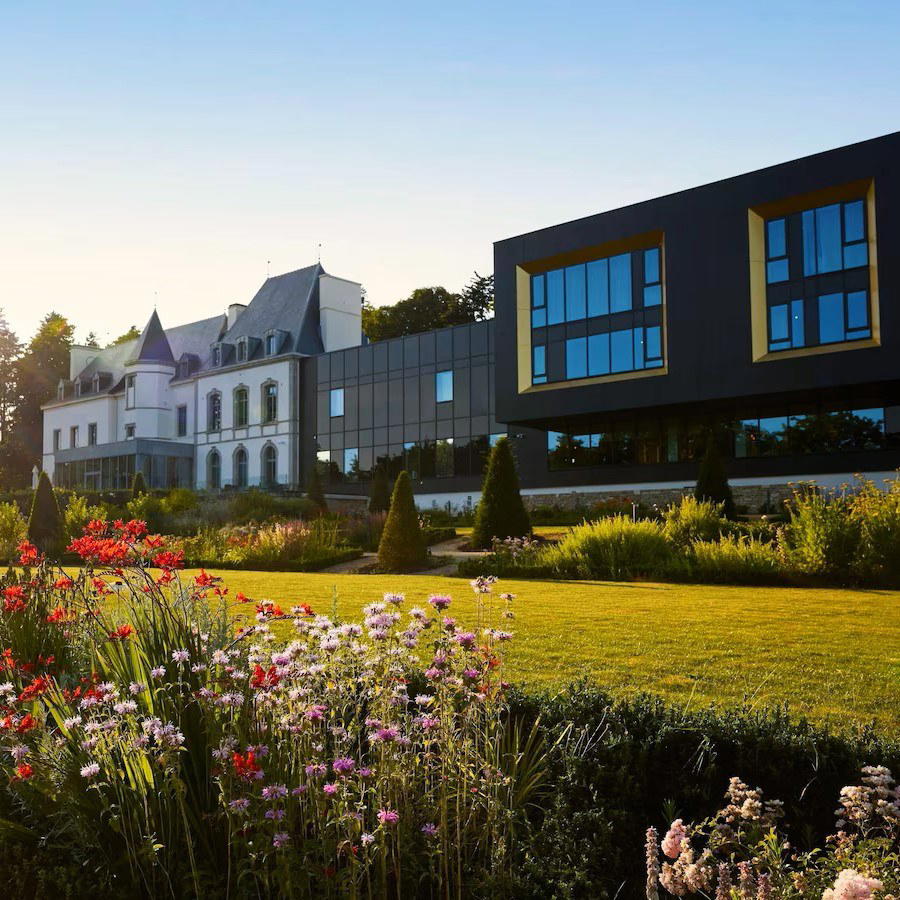
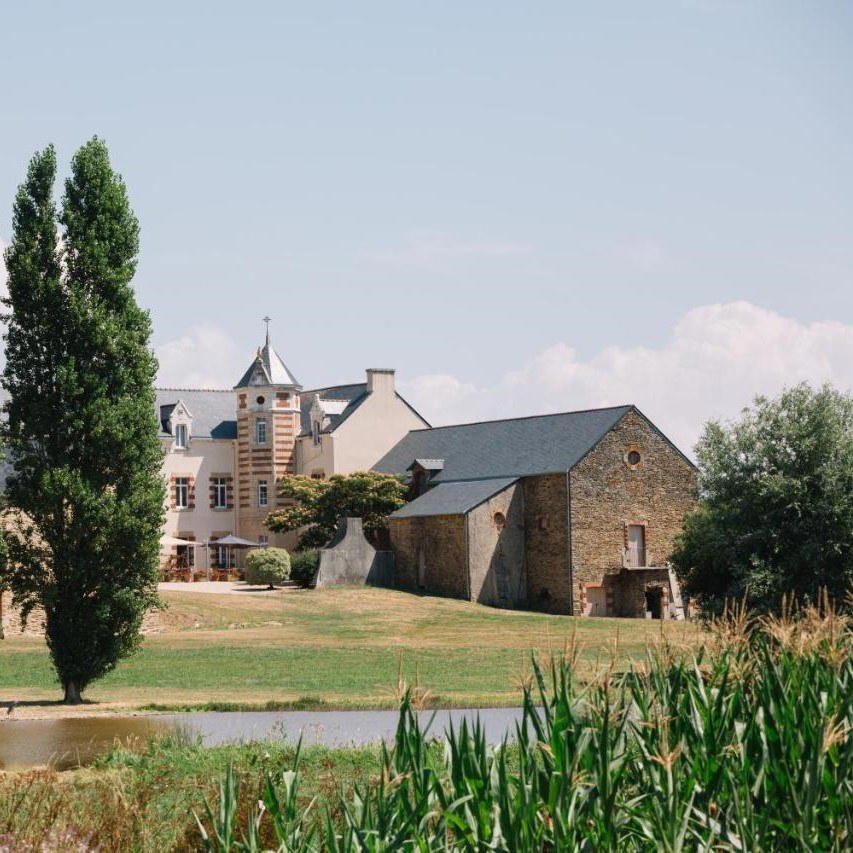
Pleasant and refined atmosphere with neat decoration, beautiful tableware, and garden seating for lunch.
Know Before You Go
- Getting there
- 16 Rue du Jeu de Paume, 56400 Auray, France