Le Bœuf Rouge
Our verdict
Le Bœuf Rouge occupies a quiet address on Avenue Corot in Saint-Junien, a Limousin town whose cattle-farming heritage gives local restaurants a direct line to some of France's most respected beef. For visitors exploring the Haute-Vienne's understated dining scene, this is a reference point for understanding how a provincial French restaurant anchors its identity in the land immediately around it.

Pearl is the En Primeur Club membership app — saves, bookings, and concierge access live there. Same editors, same standards.
- Address
- 1 Av. Corot, 87200 Saint-Junien, France
- Phone
- +33555023184
- Hours
- Mon–Fri 12–1:30 PM, 7–9 PMSat 7–9 PMSun 12–1:30 PM, 7–9 PM
- Website
- leboeufrouge.com
- Directions
- Get directions
- Booking
- Book on the venue's website
Where the Limousin Terroir Sets the Terms
Saint-Junien sits in the Haute-Vienne, a stretch of west-central France where the agricultural identity is defined less by wine or cheese than by cattle. The Limousin breed, one of France's oldest and most exported beef lines, was developed in this exact landscape over centuries of selective farming on the region's granite-fed pastures. Any restaurant here that takes its name from red beef is not making a decorative gesture — it is staking a position in a local food tradition with real depth and verifiable geography. Le Bœuf Rouge, at 1 Avenue Corot, occupies that position in a town where provenance is not a marketing concept but a practical reality.
Provincial French dining has long operated on a different logic than its Parisian counterpart. Where restaurants at the level of Alléno Paris au Pavillon Ledoyen or Mirazur in Menton build their identities around creative transformation of ingredients, the stronger tradition in towns like Saint-Junien is one of fidelity: letting the quality of locally sourced primary produce carry the plate. That model requires a short supply chain and genuine confidence in the source material. Limousin beef supplies that confidence without argument.
The Limousin Sourcing Argument
France's most celebrated rural restaurants have consistently made sourcing the structural foundation of their menus. Bras in Laguiole built its reputation partly on the Aubrac plateau's foraging possibilities. Auberge du Vieux Puits in Fontjoncouse draws on the Corbières garrigue for its identity. The pattern across these properties is consistent: geography precedes technique. In Saint-Junien, the geography argument starts with cattle.
Limousin beef carries a protected designation of origin (IGP) under European law, which means the animals must be born, raised, and slaughtered within the defined Limousin region under specific husbandry conditions. The breed itself is characterised by fine-grained muscle, low fat marbling relative to wagyu-style breeds, and a clean, direct flavour profile that rewards relatively simple cooking. A restaurant operating in the middle of that production zone has immediate access to product that takes significant effort and cost to source in Paris, Lyon, or abroad. That proximity is a structural advantage, not a talking point.
For comparison, the supply chain effort that a restaurant like Christopher Coutanceau in La Rochelle invests in sourcing Atlantic seafood from day-boat fishermen is analogous to what a serious beef-focused restaurant in Saint-Junien can achieve with local cattle farmers. The logic is identical: reduce transit time, know your producers, and let the ingredient carry more of the flavour work.
Saint-Junien's Dining Position in the Haute-Vienne
Saint-Junien is not a restaurant destination in the way that Lyon, Bordeaux, or even smaller gastronomic towns like Vonnas (home to Georges Blanc) have become. It is a working town of roughly 11,000 people, historically known for glove-making and leather tanning, and its restaurant offer reflects a local rather than destination-driven economy. That context matters for setting expectations. The comparison set here is not Flocons de Sel in Megève or Assiette Champenoise in Reims. It is the tier of competent, honest French provincial restaurants that serve a regional community and draw occasional visitors who know what they are looking for.
Within that frame, a restaurant focused on Limousin beef holds a defensible niche. The town's other dining options, including Lauryvan, which takes a more contemporary approach to the local larder, occupy different positions on the same spectrum. Taken together, they suggest a small but coherent local dining scene rather than a single anomalous address. Our full Saint-Junien restaurants guide maps that scene in more detail.
The Broader French Regional Tradition
France's provincial restaurant culture has produced some of its most durable institutions outside the major cities. Auberge de l'Ill in Illhaeusern and Troisgros in Ouches are the most cited examples of restaurants that achieved international standing while remaining rooted in regional ingredients and local identity. Paul Bocuse's Auberge du Pont de Collonges near Lyon is the most famous case of that model. What those restaurants demonstrate is that regional specificity, when taken seriously, is not a limitation but a differentiator. The further question, for any restaurant working this logic at a local rather than destination level, is how consistently the sourcing commitment translates to the plate across a full service.
Restaurants in this middle tier, below Michelin recognition but above casual dining, form the practical backbone of French eating culture. They are where the sourcing traditions are maintained without the pressure of international scrutiny, and where local producers find their most reliable commercial relationships. L'Oustau de Baumanière in Les Baux and Au Crocodile in Strasbourg represent the upper end of that continuum; Saint-Junien's restaurants serve a different but equally legitimate function further down the scale.
Planning a Visit
Le Bœuf Rouge is located at 1 Avenue Corot in central Saint-Junien, which sits approximately 30 kilometres west of Limoges and is accessible by road or by the regional rail line connecting Limoges to Angoulême. Saint-Junien is not a destination that draws visitors independently — it rewards those already travelling through the Haute-Vienne or making a deliberate detour from the A20 corridor. For international reference points on France's broader high-end dining scene, AM par Alexandre Mazzia in Marseille and Atomix in New York City represent the global creative end of the spectrum; Le Bœuf Rouge operates in an entirely different register, one where the interest is geographical and agricultural rather than technically avant-garde. Le Bernardin in New York City offers a useful counterpoint in how a singular ingredient focus, rigorously applied, can define an entire restaurant's identity across decades.
Frequently asked questions
Can I bring kids to Le Bœuf Rouge?
Saint-Junien is a working French town rather than a tourist circuit, and restaurants here tend to reflect the rhythms of local family dining. Le Bœuf Rouge, at 1 Avenue Corot, sits in that provincial tradition where multigenerational tables are the norm.
Is Le Bœuf Rouge better for a quiet night or a lively one?
Saint-Junien's restaurant scene is shaped by a local residential population rather than tourism, which generally produces a lower ambient register than city dining rooms. Le Bœuf Rouge on Avenue Corot is positioned within that context. Expect a neighbourhood pace rather than a celebratory buzz, though weekend evenings in French provincial restaurants typically animate more than weekdays.
Is Le Bœuf Rouge a good choice for experiencing authentic Limousin beef near Limoges?
Saint-Junien sits roughly 30 kilometres west of Limoges, placing Le Bœuf Rouge squarely in the Haute-Vienne heartland where Limousin cattle are raised. The restaurant's name signals a beef-forward focus rooted in that local supply chain, which is the structural argument that French regional restaurants in this area have built reputations on for decades. For travellers passing through the Haute-Vienne and seeking a meal grounded in local agricultural identity rather than imported culinary trends, the address at 1 Avenue Corot is a logical stop.
What do people recommend at Le Bœuf Rouge?
The venue name points directly to the house priority: Limousin beef, one of France's most geographically specific cattle breeds, raised in the Haute-Vienne and surrounding departments and treated as a regional point of pride. In restaurants operating under this name in the region, beef preparations, whether grilled or slow-cooked, form the structural core of the menu. Confirm current offerings directly with the restaurant at 1 Avenue Corot.
At-a-Glance Comparison
Comparable venues nearby, for context on price, style, and recognition.
| Venue | Cuisine | Price | Awards | Notes |
|---|---|---|---|---|
| Le Bœuf RougeThis venue — the venue you are viewing | Traditional French Limousin Brasserie | $30–50 | Not listed | Not listed |
| Lauryvan | Seasonal French Restaurant and Bistro | Not listed | Michelin Plate | Saint-Junien |
| Le Versailles | Traditional French Brasserie | $30–50 | Not listed | Downtown |
| Le Seizieme | Traditional French Bistro | $30–50 | Not listed | Périgueux |
| Lou podel | French Bistro with Local Périgord Specialties | $20–30 | Not listed | Sarlat-la-Canéda |
| Cabanoix et Châtaigne | French Market Bistro | $20–30 | Not listed | Domme |
Continue exploring
More in Saint-Junien
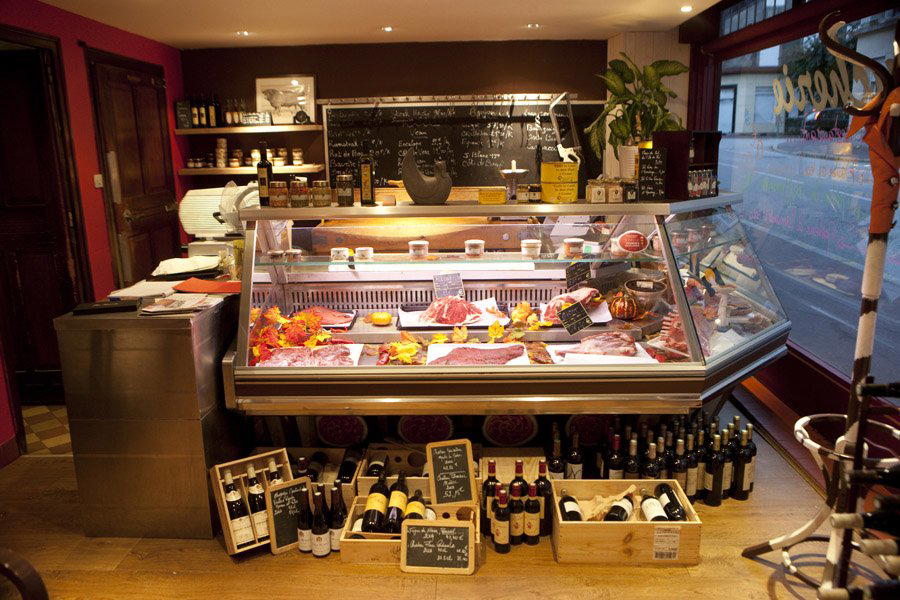
Restaurants in Saint-Junien
Browse all →
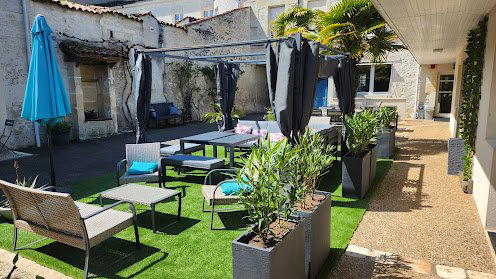
Hotels in Saint-Junien
Browse all →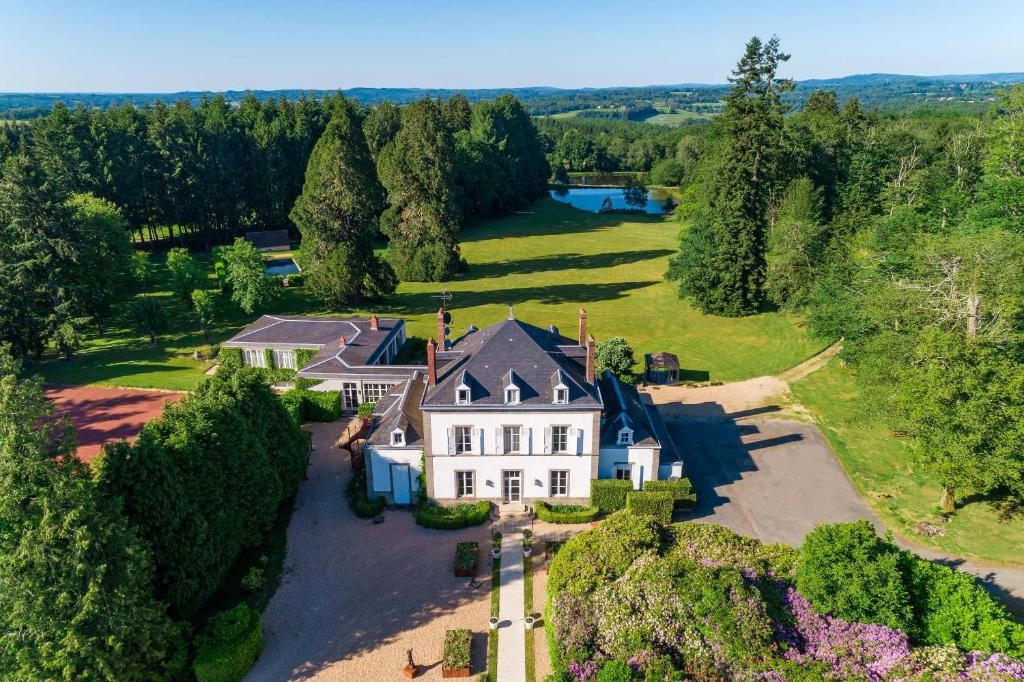
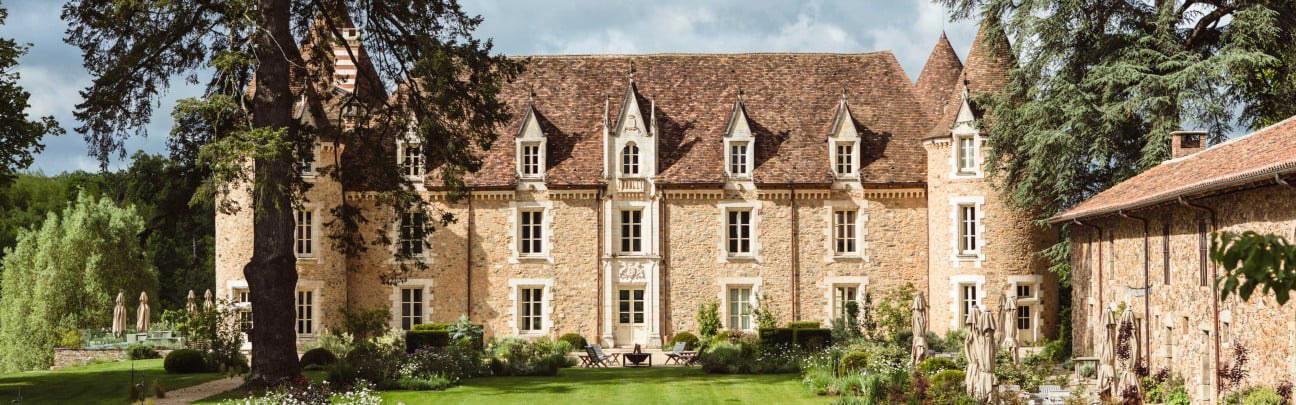
Wineries in Saint-Junien
Browse all →
Details
- Classic
- Cozy
- Rustic
- Business Dinner
- Group Dining
- Family
- Casual Hangout
- Hotel Restaurant
- Terrace
- Beer Program
- Local Sourcing
- A La Carte
- Set Menu
- Wine
- Beer
- Vegetarian Friendly
Current opening hours
- Monday
- 12–1:30 PM, 7–9 PM
- Tuesday
- 12–1:30 PM, 7–9 PM
- Wednesday
- 12–1:30 PM, 7–9 PM
- Thursday
- 12–1:30 PM, 7–9 PM
- Friday
- 12–1:30 PM, 7–9 PM
- Saturday
- 7–9 PM
- Sunday
- 12–1:30 PM, 7–9 PM
Hours can change for holidays and private events. Last verified .
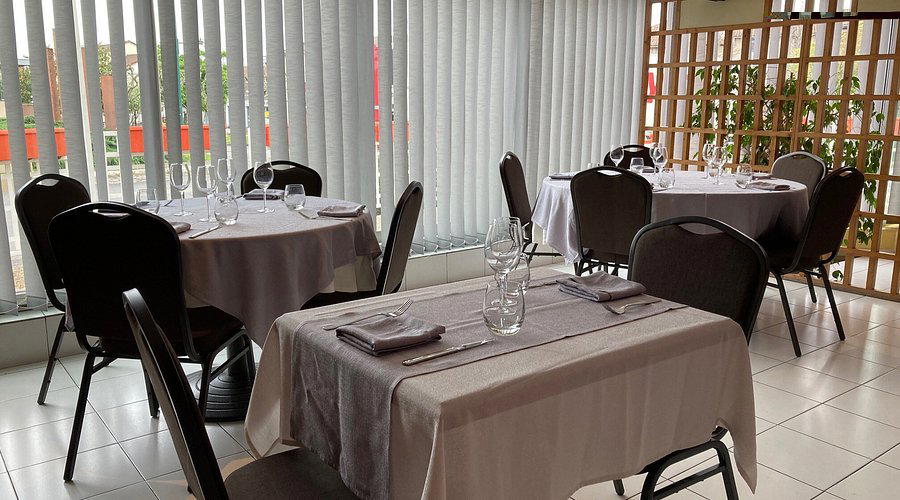
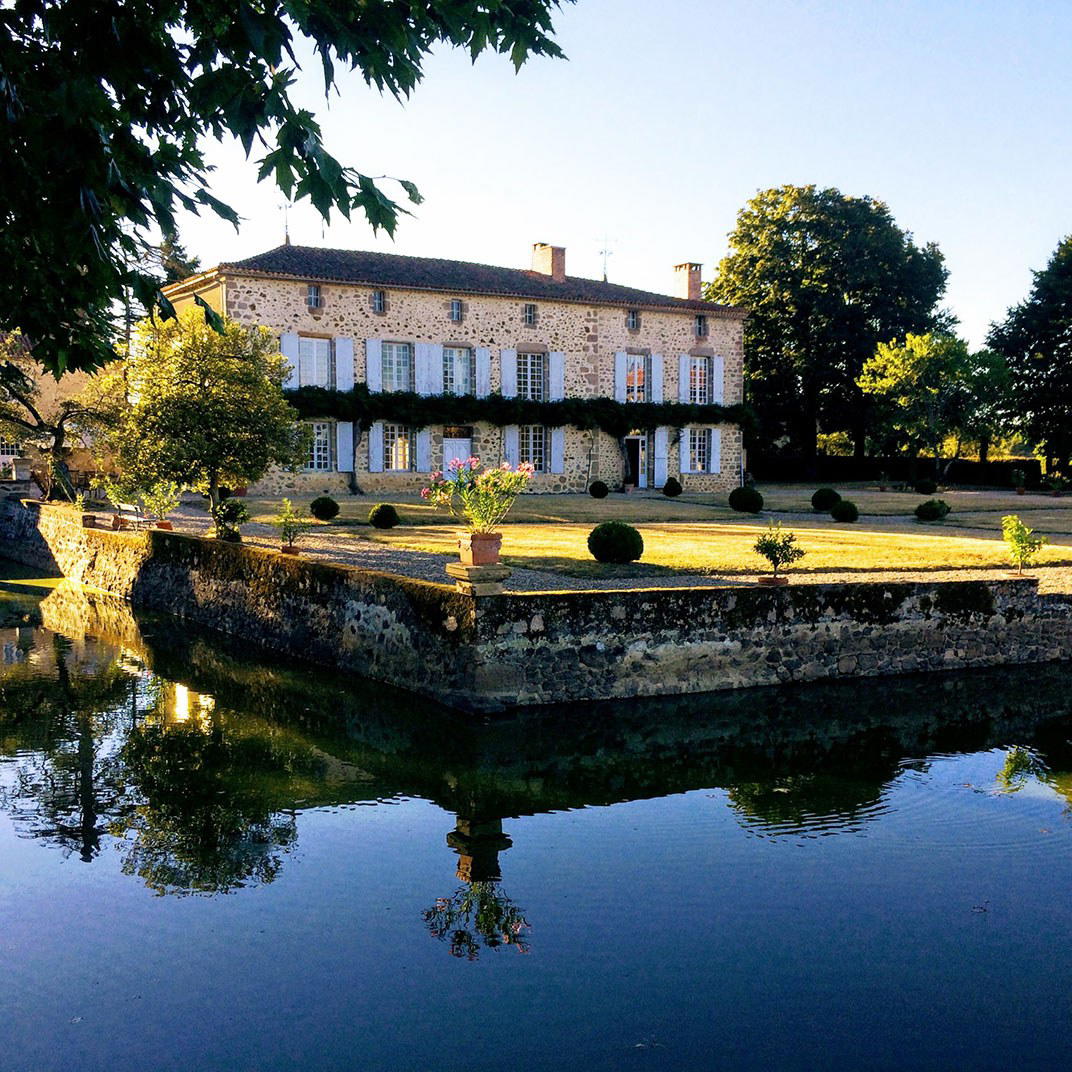
Warm, renovated, and peaceful dining room with bright natural lighting and a traditional French country atmosphere.