On Place Canclaux in Nantes' Mellinet quarter, Le Canclaux occupies a neighbourhood position that carries real weight in how the city's dining scene has quietly matured beyond its waterfront showcase addresses. The square itself sets expectations, residential, unhurried, with a pace that the dining room reflects. For visitors tracking the broader shift in French provincial cooking, this address rewards attention.
Pearl is the En Primeur Club membership app — saves, bookings, and concierge access live there. Same editors, same standards.
- Address
- 7 Pl. Canclaux, 44100 Nantes, France
- Phone
- +33240332416
- Website
- lecanclaux.com
- Directions
- Get directions
 Saves & bookings on Pearl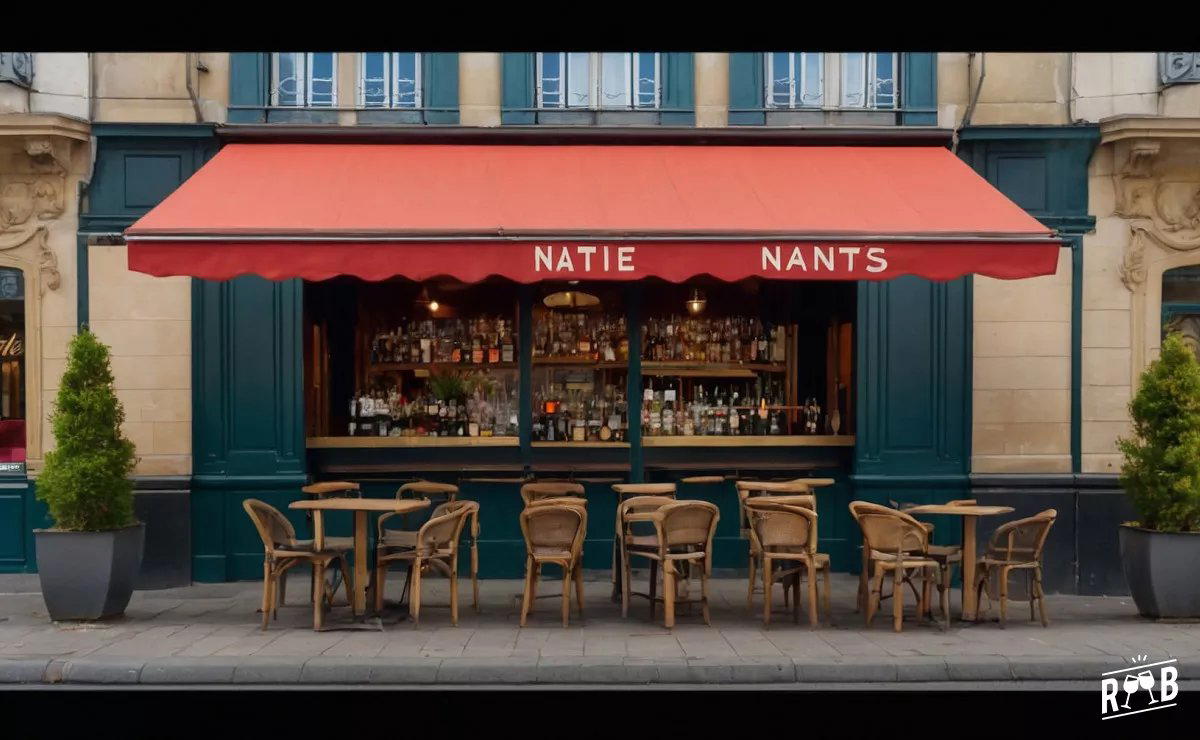
A Square That Shapes the Meal
Place Canclaux sits in the Mellinet district, one of those Nantes neighbourhoods that doesn't announce itself loudly. The square is residential in character, lined with nineteenth-century façades, populated by locals rather than tourists, and operating at a remove from the Loire-facing addresses that tend to collect the city's headline coverage. In French provincial cities, the gap between the celebrated waterfront or old-town addresses and the neighbourhood bistro tier has historically been wide. What has changed across the better French cities over the past decade or so is that the neighbourhood tier has grown more technically serious, and the addresses on quiet residential squares have begun to hold their own in ways that repay careful attention.
Le Canclaux, at 7 Place Canclaux, sits inside that pattern. The address alone signals something about the kind of dining experience on offer: not performative, not tourist-calibrated, but rooted in a specific quartier with its own rhythms. For the reader who has spent time in cities like Lyon or Bordeaux watching neighbourhood cooking grow in ambition without losing its grounding, this is a familiar and generally welcome trajectory.
How French Neighbourhood Dining Has Shifted
The broader evolution in French bistro cooking over the past fifteen to twenty years is worth locating here, because it shapes how a place like Le Canclaux should be read. At one end of the French dining spectrum sit the multi-star grandes tables, places like Alléno Paris au Pavillon Ledoyen, Mirazur in Menton, or Troisgros in Ouches, where the investment in technique, sourcing, and service creates a product priced and formatted accordingly. At the other end sits the traditional bistro, which for much of the twentieth century operated on fixed menus, classic recipes, and minimal reinvention.
What has happened in the space between is the more interesting story. A generation of younger cooks, many with serious training backgrounds, have moved into neighbourhood addresses and applied the discipline of fine dining to formats and price points that feel accessible rather than ceremonial. In Nantes specifically, the dining scene has followed this national shift. L'Atlantide 1874 - Maison Guého anchors the city's top tier with the weight of its heritage address and contemporary ambition. Below that, a set of addresses including Freia, Les Cadets, and LuluRouget have built recognisable identities around creative and modern cuisine at mid-range price points. Le Canclaux occupies the neighbourhood-rooted segment of this ecosystem, where the dining room's relationship to its immediate community matters as much as any formal positioning.
The Place in Context
Nantes is a city that has been renegotiating its identity for some years. The post-industrial redevelopment of the Île de Nantes, the growth of the Machines de l'Île as a cultural reference point, and a sustained investment in creative industries have made it one of France's more closely watched mid-sized cities. Its dining scene has benefited from this energy without becoming a showcase purely for incomers. The result is a mix of serious destination addresses and neighbourhood operations that serve the city's own population first.
Within that mix, the Mellinet quarter, where Place Canclaux sits, maintains a distinctly local character. This is not the kind of address that appears on itineraries built around a single day in the city. It is, instead, the kind of address that rewards the traveller who builds time into a visit to eat where the city actually eats, rather than where the tourist infrastructure points. That distinction matters in a city of Nantes' size, where the gap between resident recommendation and visitor default can be significant.
For comparison, the dynamic is not unlike what one encounters in neighbourhoods far from city centres in other French cities, places where restaurants like AM par Alexandre Mazzia in Marseille or Au Crocodile in Strasbourg have at various points defined neighbourhood ambition before receiving wider recognition. The trajectory from local favourite to broader reference point is a familiar one in French provincial dining, and it generally begins in places exactly like this.
Reading the Room: Format and Expectation
Le Canclaux is a Seasonal French Bistro in Nantes, with a casual dress code and reservations recommended. Venues that operate primarily for a neighbourhood audience often maintain a lower public profile than their quality warrants. This is particularly true in France, where the relationship between a restaurant and its quartier can sustain a full dining room without any presence in the digital infrastructure that guides visiting travellers. It sits in a different register entirely. The restaurant operates in a different register entirely.
For the visitor, this means that a direct approach, arriving at the square and reading the menu posted at the door, or making contact via the address at 7 Place Canclaux, is both practical and appropriate to the venue's character. The French neighbourhood restaurant tradition has always functioned this way: information is local, timing is set by the service rhythm of the house, and the experience is shaped by walking in as a guest rather than a consumer of a pre-packaged format.
The regular hours are Monday from 8 AM to 9:30 PM, with Tuesday through Sunday closed.
Where Le Canclaux Fits the Nantes Dining Picture
A complete reading of Nantes' dining scene benefits from holding multiple tiers simultaneously. The Le Manoir de la Régate, positioned along the Erdre river, offers a different register of modern French cooking with a setting that foregrounds landscape. L'Atlantide 1874 operates at the summit of the city's formal tier. Freia and its peers have built a creative mid-range that attracts both local and visiting attention. And then there are the neighbourhood addresses on squares like Place Canclaux, which anchor the everyday fabric of how a French city of this quality actually sustains its dining culture.
The broader French fine dining tradition, traced through institutions like Paul Bocuse in Collonges-au-Mont-d'Or, Auberge de l'Ill in Illhaeusern, or Bras in Laguiole, is sustained not only by its grands noms but by the density of competent, locally rooted cooking at every level. The restaurant belongs to that density. Its value to the visitor is less about spectacle and more about the particular kind of pleasure that comes from eating well in a room that has not been arranged with you in mind. For those who travel to understand cities through their food rather than through their highlights, that is a meaningful distinction.
Recognition, Side-by-Side
Comparable venues nearby, for context on price, style, and recognition.
| Venue | Cuisine | Price | Notes |
|---|---|---|---|
| Le CanclauxThis venue — the venue you are viewing | Seasonal French Bistro | $$ | Not listed |
| La Bourriche | French Seafood Oyster Bar | $$ | Graslin |
| Félix | Classic French Brasserie | $$ | Madeleine - Champ de Mars |
| Battos | Modern French Bistro | $$ | Hauts-Pavés |
| Le Petit Boucot | Creative Seasonal French Bistro | $$ | Graslin |
| Le Reflet | Modern French Bistro | $$ | Decré |
Continue exploring
More in Nantes
Restaurants in Nantes
Browse all →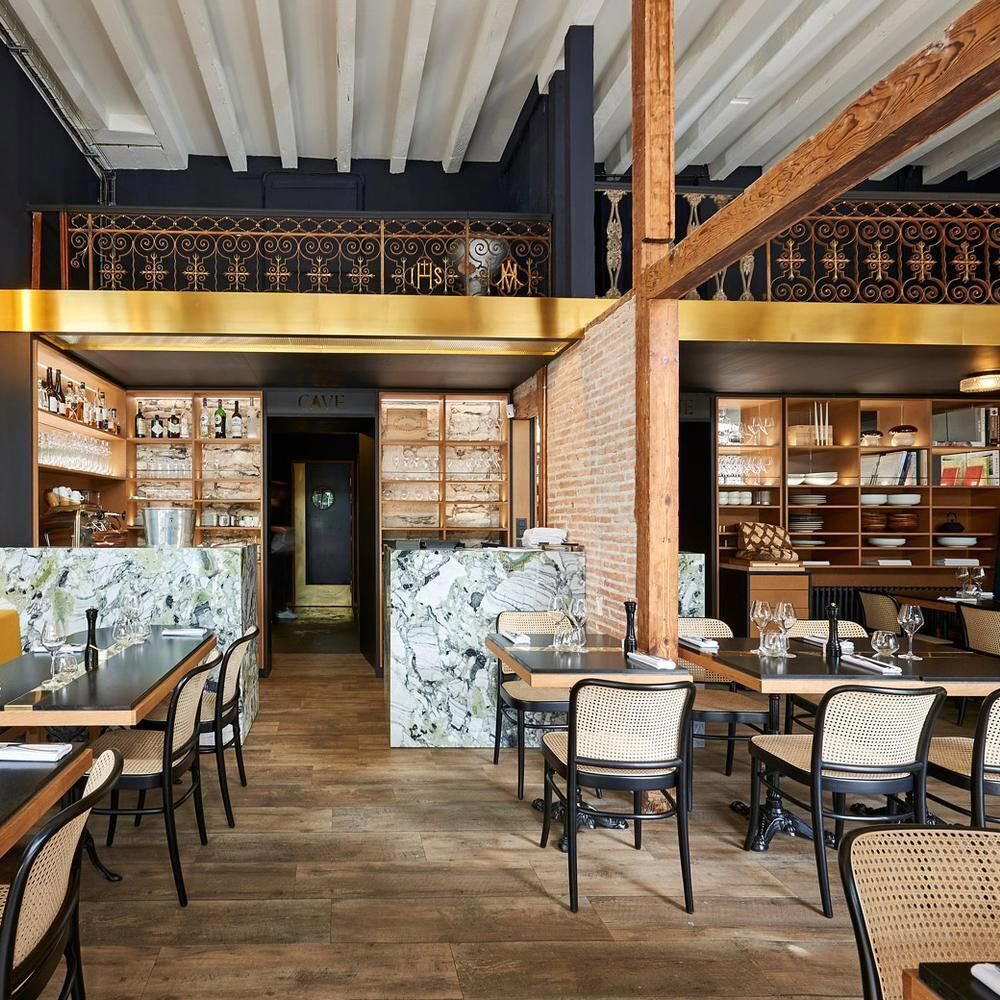
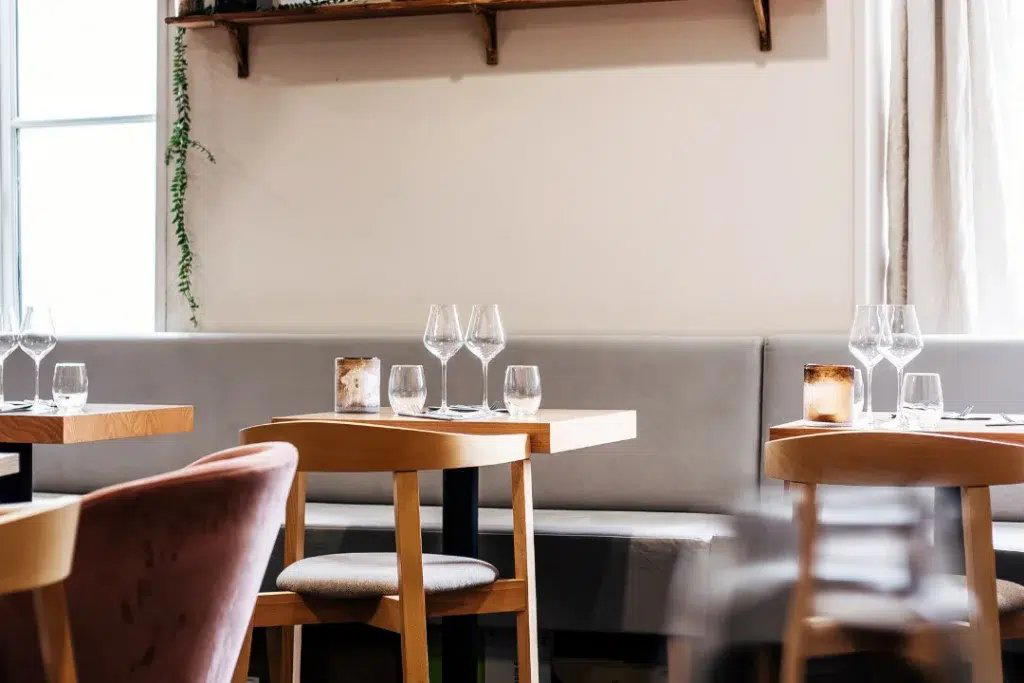
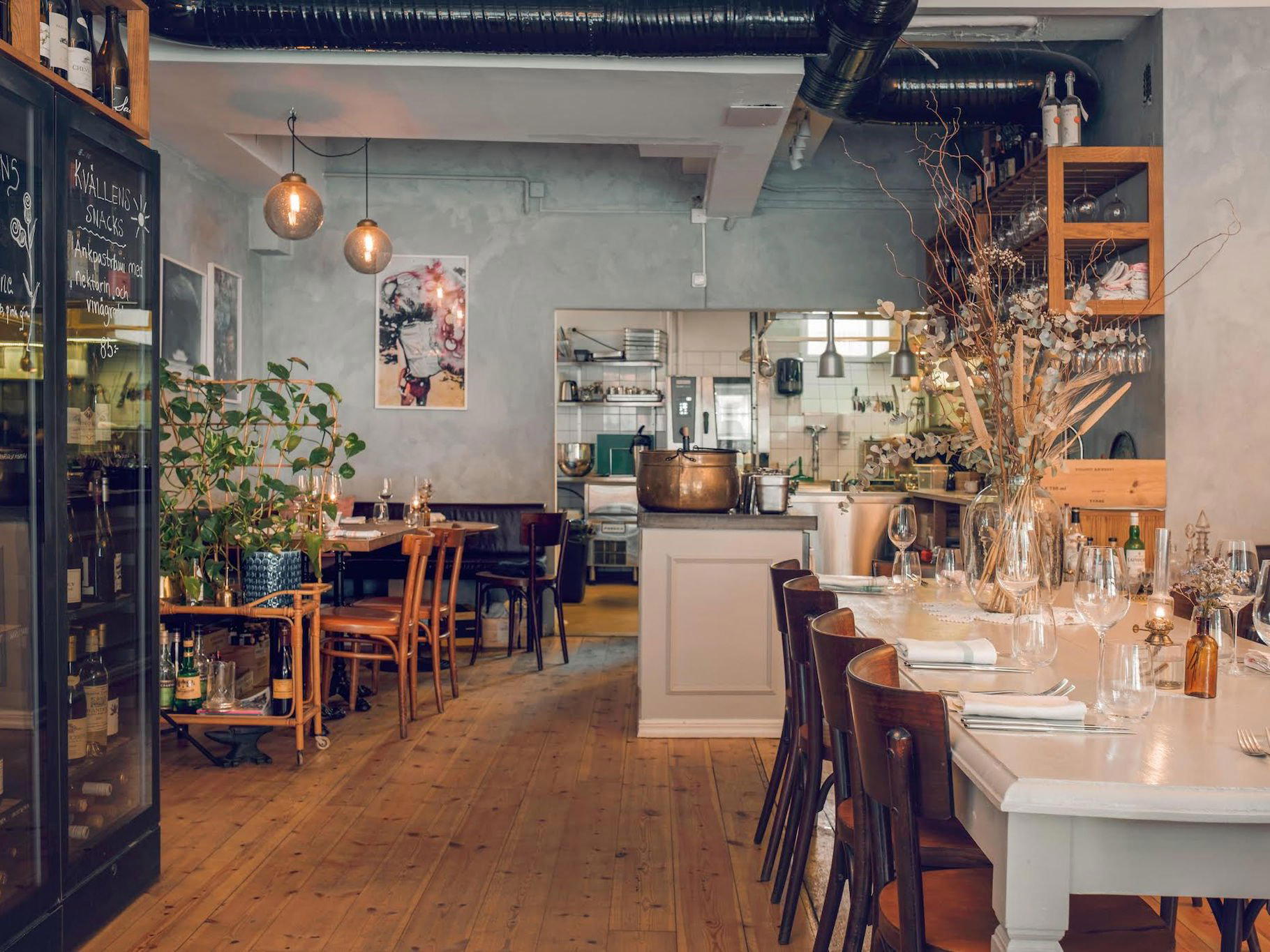
Bars in Nantes
Browse all →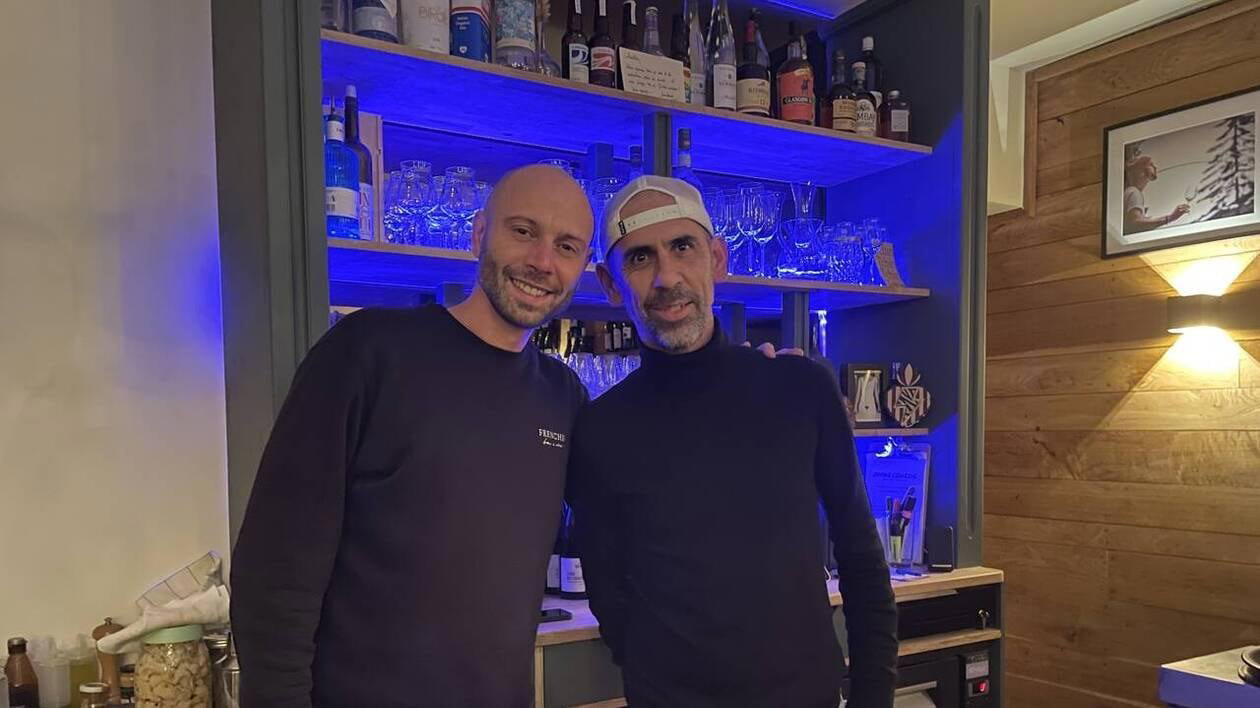
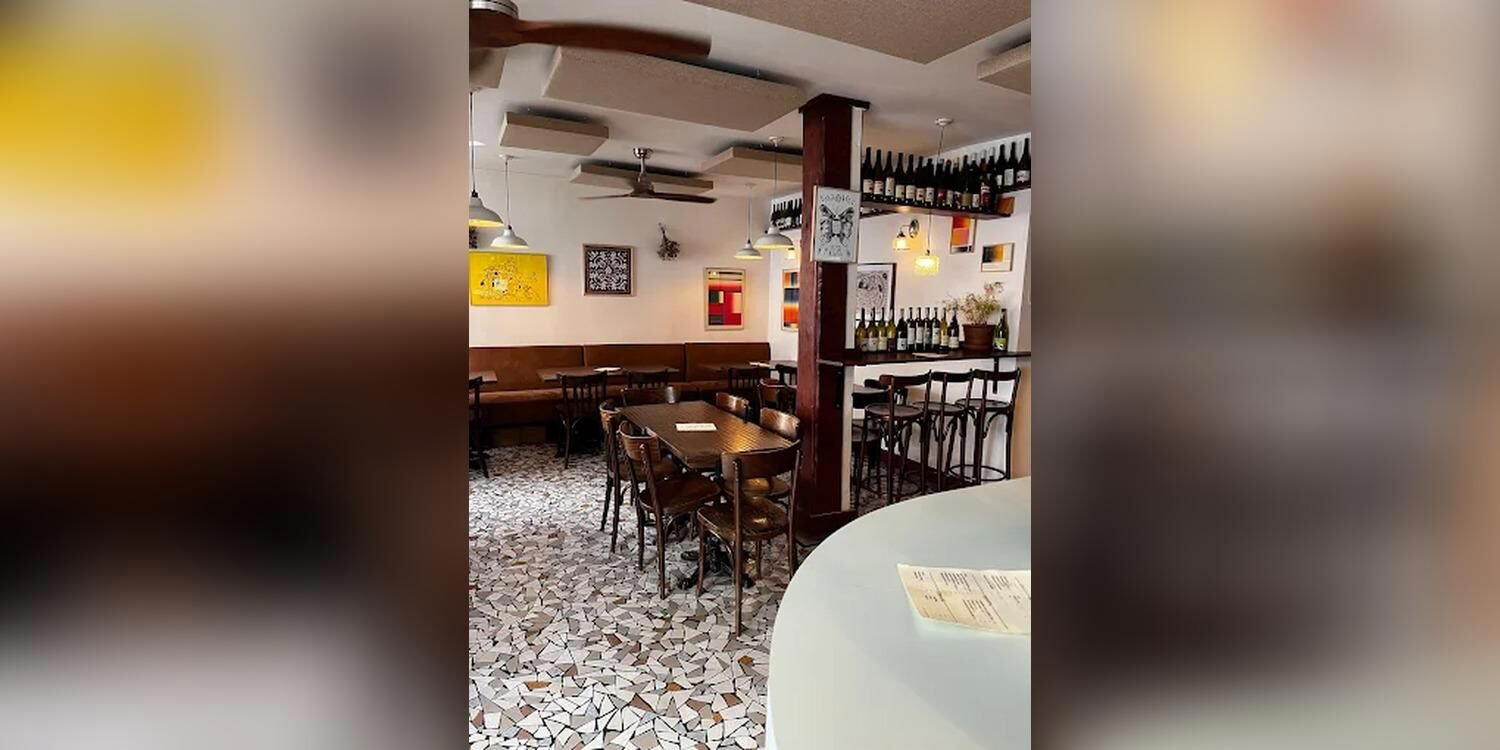
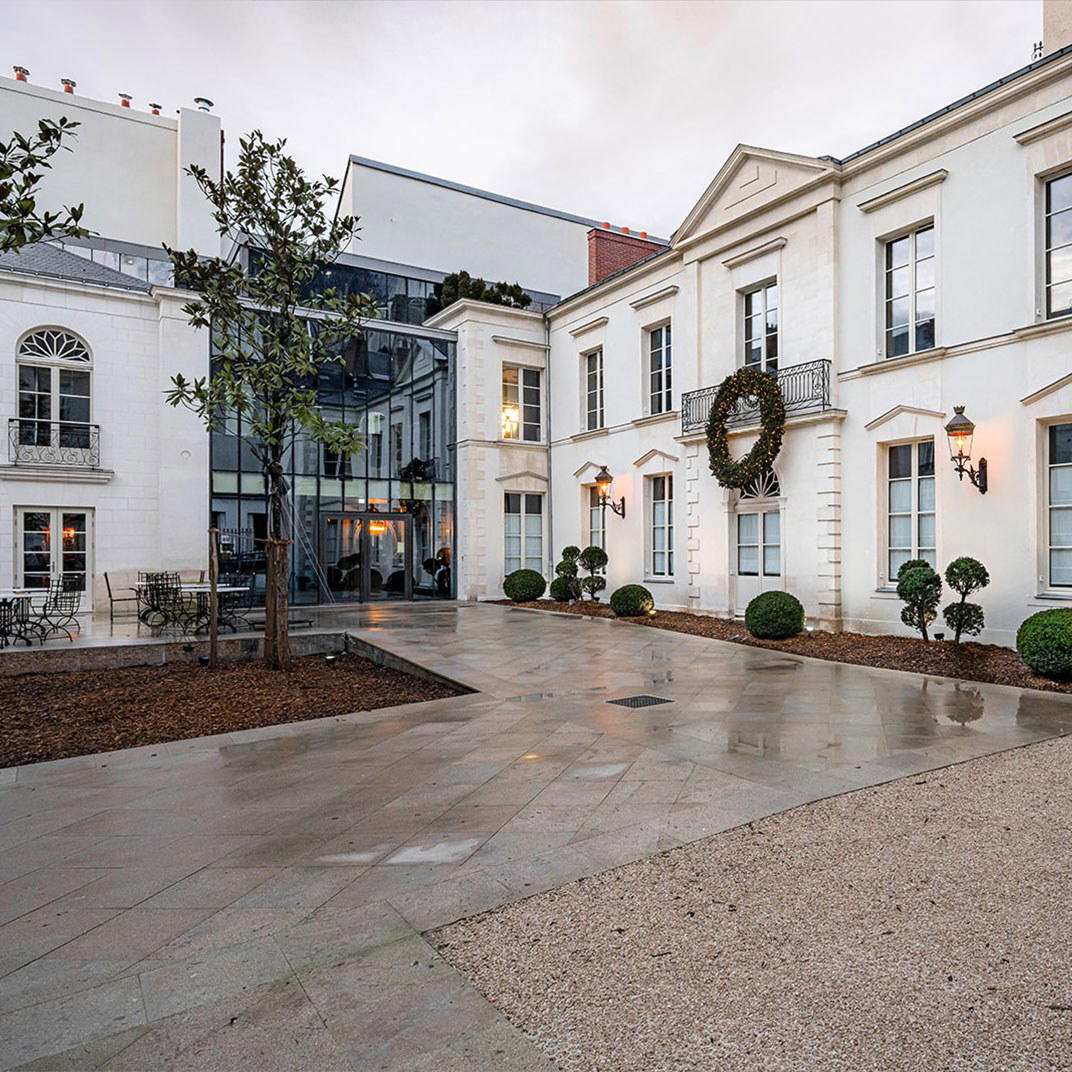
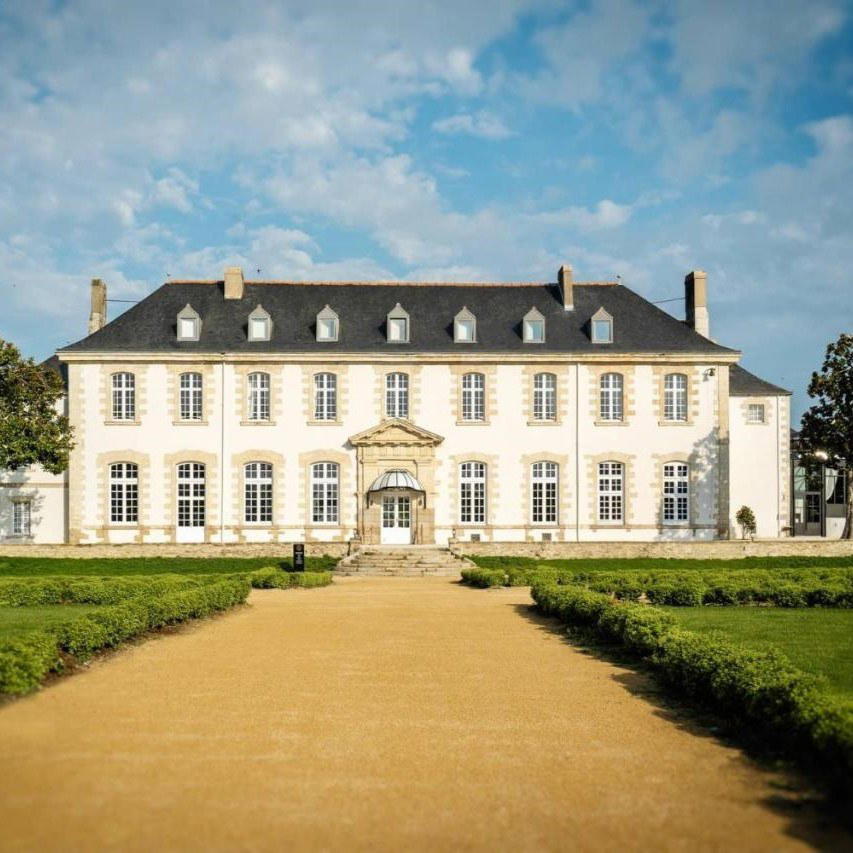
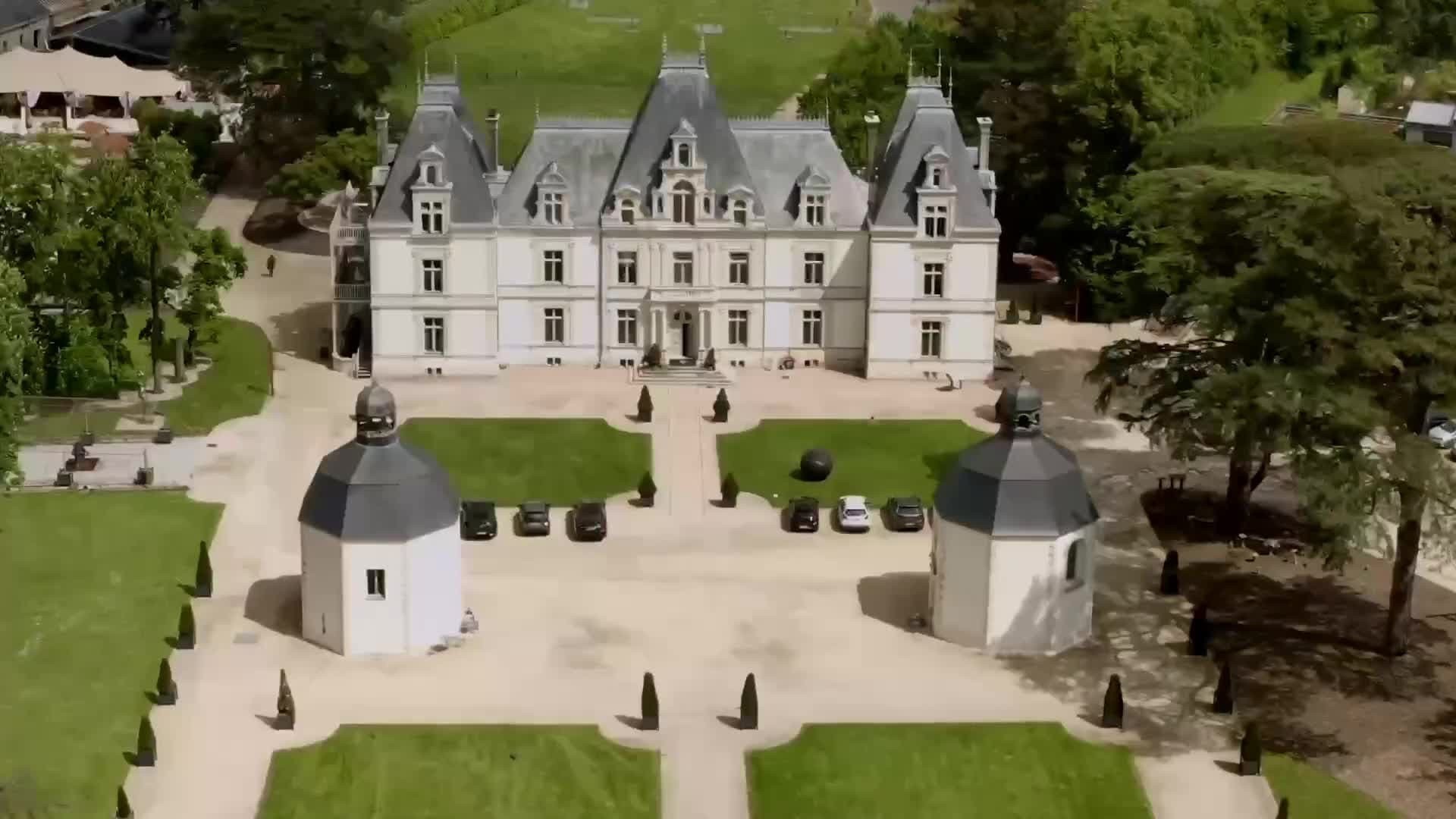
Hotels in Nantes
Browse all →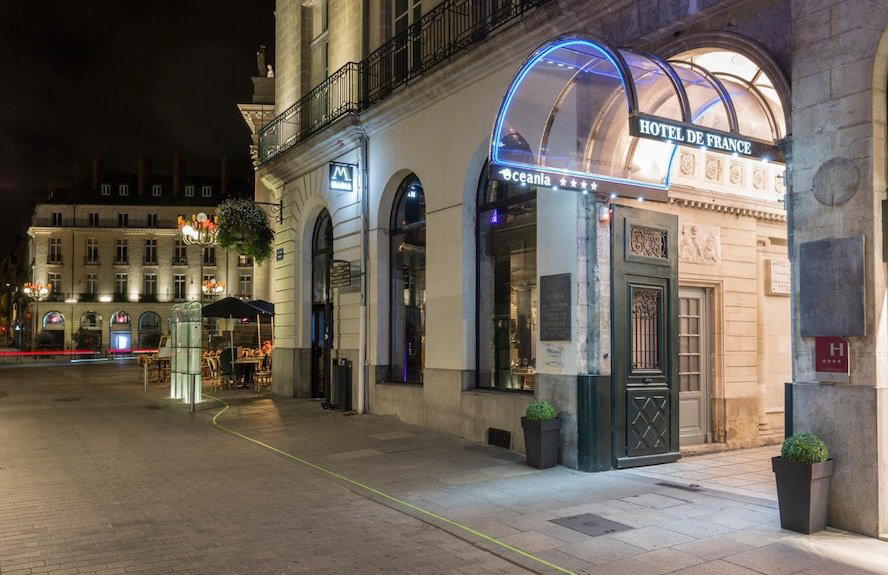

At a Glance
- Cozy
- Classic
- Lively
- Casual Hangout
- Terrace
- Natural Wine
- Local Sourcing
- Street Scene
Current opening hours
- Monday
- 8 AM–9:30 PM
- Tuesday
- Closed
- Wednesday
- Closed
- Thursday
- Closed
- Friday
- Closed
- Saturday
- Closed
- Sunday
- Closed
Hours can change for holidays and private events. Last verified .
Cozy, mignonnes salles with a welcoming, dynamic team and terrace seating on a bustling place.