Le Café des Ternes occupies a corner of the 17th arrondissement where the Avenue des Ternes feeds into the quieter residential grid west of Place des Ternes. A neighbourhood address rather than a destination draw, it sits in the tier of Paris café-brasseries that serve a local clientele with little interest in tourist footfall. Practical, unpretentious, and shaped by the rhythms of the quartier.
Pearl is the En Primeur Club membership app — saves, bookings, and concierge access live there. Same editors, same standards.
- Address
- 64 Av. des Ternes, 75017 Paris, France
- Phone
- +33145716345
- Website
- lecafedesternes.fr
- Directions
- Get directions
 Saves & bookings on Pearl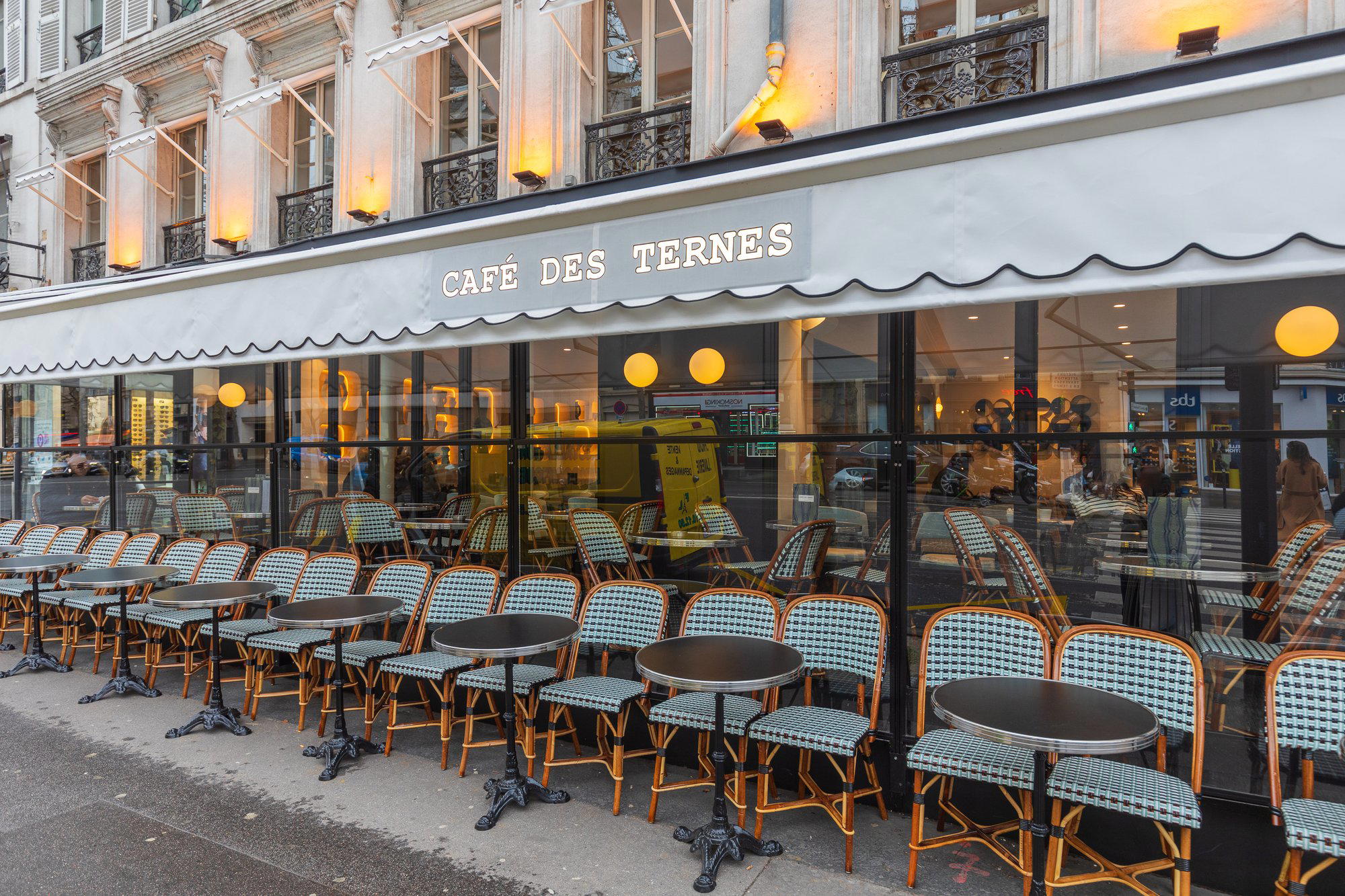
The 17th and Its Brasserie Culture
The Avenue des Ternes runs north-west from the Arc de Triomphe through one of Paris's more self-contained arrondissements, a neighbourhood that keeps its own hours and feeds its own people. The 17th has never cultivated the dining mythology of the 6th or the destination-restaurant density of the 8th. What it has is a working brasserie tradition, the kind shaped less by critical attention than by repeat clientele: the couple from the third floor, the office contingent from the insurance firm on the corner, the retiree with a fixed table and a fixed order. Le Café des Ternes, at 64 Avenue des Ternes, sits squarely in that tradition. The address places it between the bustle of Place des Ternes and the quieter residential grid that runs toward the Palais des Congrès, which helps set the pace of the room.
This is the category of Paris dining that accounts for most meals eaten in the city. The grands restaurants, the three-star counters, the tasting-menu destinations, venues like Alléno Paris au Pavillon Ledoyen, Arpège, and Le Cinq at the Four Seasons George V, sit at a different tier of French dining. The neighbourhood brasserie is something else: a civic institution that functions as canteen, living room, and social anchor in equal measure. Understanding Paris dining means understanding both ends of that range, not just the starred one.
Sustainability in the Everyday: What the Neighbourhood Table Gets Right
The sustainability conversation in French dining often clusters around the high end. Mirazur in Menton built a biodynamic garden. Bras in Laguiole has operated for decades around the Aubrac plateau's seasonal rhythms, making the landscape's produce the architecture of its menu. Flocons de Sel in Megève draws from Alpine producers with a specificity that reads as both ethical and territorial. These are deliberate sustainability programmes at venues with the margins to support them.
The neighbourhood café operates differently. Shorter supply chains are structural, not aspirational: a brasserie in the 17th is unlikely to be sourcing from a distributor in Rungis for items it can pick up from a local market. The daily menu format, where the kitchen turns what's available into what's written on the board that morning, is inherently low-waste in a way that a fixed tasting menu is not. The absence of elaborate garnish, the reliance on classical preparations that use whole animals or entire fish, the bone-in cuts and the pot-au-feu logic that extracts value from every part of an ingredient are sustainable practices of economic necessity as much as environmental consciousness.
France's broader food culture has long embedded this kind of thinking in everyday dining. The plat du jour system, a staple of the café-brasserie format, reduces overproduction by aligning preparation with anticipated covers rather than maintaining a full à la carte across every service. At the traditional neighbourhood level, waste is a cost problem before it is an ethics problem, and the two motivations converge on the same outcome. Venues like Le Café des Ternes are the structural backbone of that system in a city that still eats out at lunch in numbers that would surprise visitors from Anglo-Saxon food cultures.
The 17th in Context: Where This Address Sits in the Paris Dining Map
For visitors building a Paris dining itinerary, the 17th rarely appears. The starred destinations anchor in the 8th and the 7th; the natural wine bars are in the 11th and the 10th; the market-driven bistros fill the 6th and the 5th. The 17th is where Parisians who live in the 17th eat. That makes it, for a certain kind of traveller, more instructive than a reservation at a destination restaurant.
The Avenue des Ternes address also places Le Café des Ternes in proximity to the Ternes market and the covered Marché des Batignolles, both of which have historically supplied the neighbourhood's kitchens. That relationship between the local market and the local table is the original short supply chain, predating the term by several generations. French regional dining, as practised at destinations like Troisgros in Ouches, Auberge de l'Ill in Illhaeusern, and Auberge du Vieux Puits in Fontjoncouse, draws from this same principle at a higher level of elaboration. The café version is its unadorned predecessor.
Comparing this tier to the starred contemporaries in Paris is useful not because the comparison flatters either side but because it clarifies the function. L'Ambroisie on the Place des Vosges and Kei near the Palais-Royal serve entirely different purposes in a visitor's Paris: they are performances, considered and expensive, where the meal is the event. The neighbourhood café is where the day continues around the meal, not the other way around. Both are worth understanding; neither substitutes for the other.
Planning a Visit
The restaurant is accessible by metro from the Ternes station on line 2, which places it a short walk from the Arc de Triomphe end of the 17th. For visitors already covering the 8th, the address is a logical extension rather than a detour. As with most neighbourhood brasseries in Paris, lunch tends to draw the denser local crowd, with the formule format offering the more practical entry point into the menu. Reservations are recommended, and walk-ins are often handled as the room allows. For context on the broader Paris dining scene across price tiers and neighbourhood character, the EP Club Paris restaurants guide covers the range from the café tier to venues benchmarking against global counterparts like Le Bernardin in New York and Atomix.
For those building a wider French itinerary around ethical sourcing and regional producer relationships, the contrast between the everyday café format and the elaborated sustainability programmes at venues like AM par Alexandre Mazzia in Marseille, Assiette Champenoise in Reims, Au Crocodile in Strasbourg, and Paul Bocuse's Auberge du Pont de Collonges tells a more complete story about how France actually feeds itself than any single tier can provide on its own.
Price Lens
Comparable venues nearby, for context on price, style, and recognition.
| Venue | Cuisine | Price | Notes |
|---|---|---|---|
| Le Café des TernesThis venue — the venue you are viewing | Ternes, Traditional French Brasserie | $$$ | Not listed |
| Attabler | Not listed | $$$ | 16th arrondissement, Authentic Parisian Bistro |
| Arboré | Not listed | $$$ | Madeleine, Contemporary French Bistronomy |
| Le Congrès Auteuil | Not listed | $$$ | 16th Arrondissement, Classic French Brasserie with Seafood |
| Chez Toinette | Not listed | $$$ | 18th Arrondissement - Butte-Montmartre, Traditional French Bistro |
| Le Hibou | Odéon, French Brasserie | $$$ | Not listed |
Continue exploring
More in Paris
Restaurants in Paris
Browse all →

Bars in Paris
Browse all →
Hotels in Paris
Browse all →
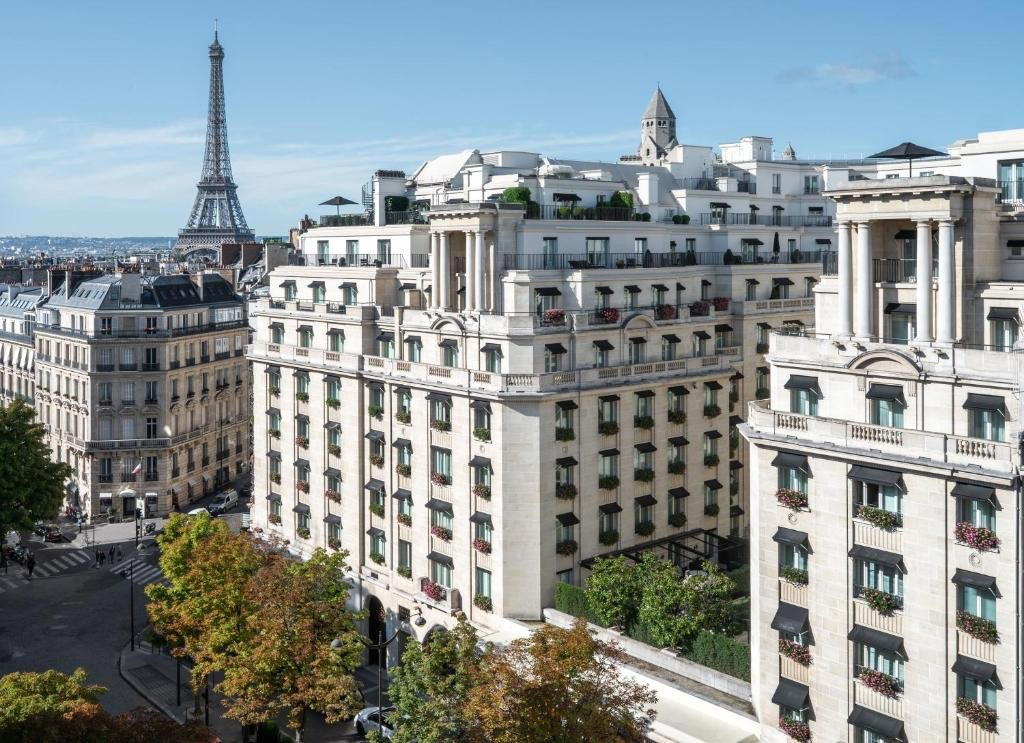
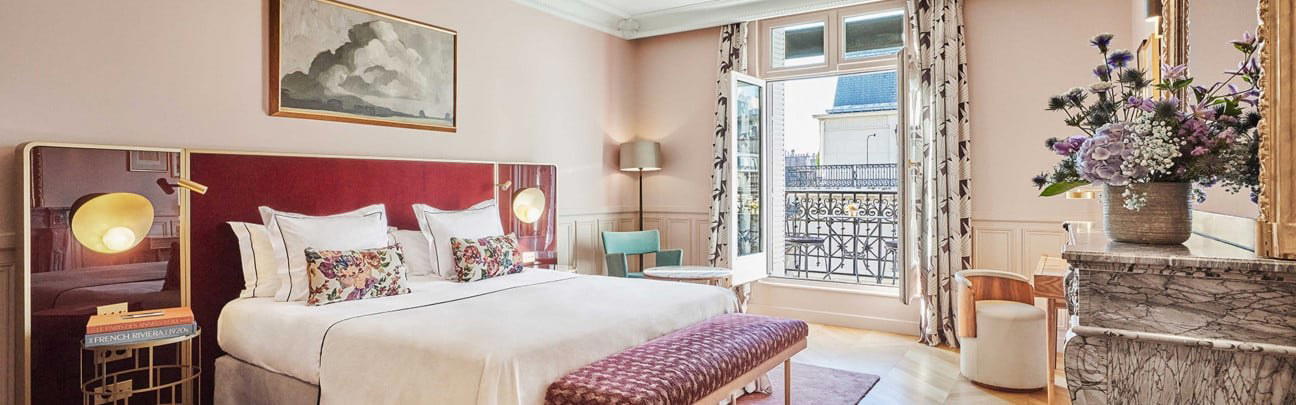

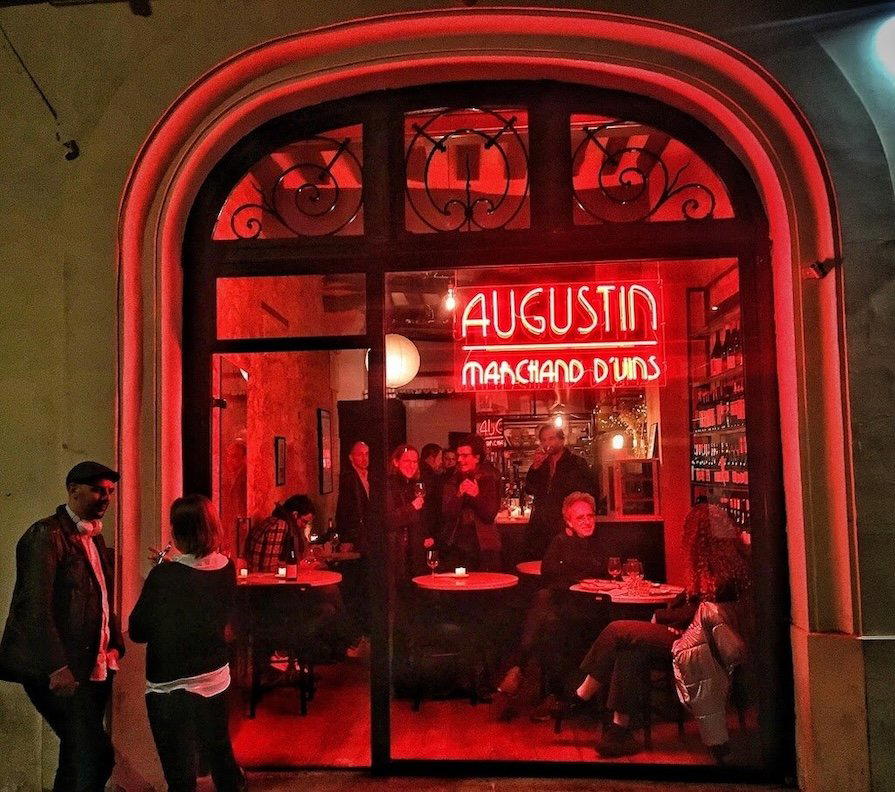
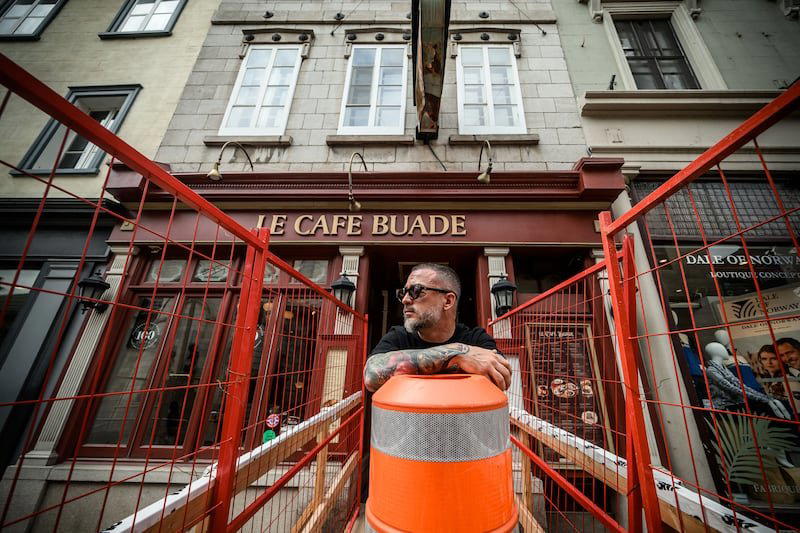
At a Glance
- Elegant
- Modern
- Sophisticated
- Cozy
- Date Night
- Business Dinner
- Casual Hangout
- Terrace
- Local Sourcing
- Street Scene
Current opening hours
- Monday
- 7 AM–1 AM
- Tuesday
- 7 AM–1 AM
- Wednesday
- 7 AM–1 AM
- Thursday
- 7 AM–1 AM
- Friday
- 7 AM–1 AM
- Saturday
- 8 AM–2 AM
- Sunday
- 8 AM–12 AM
Hours can change for holidays and private events. Last verified .
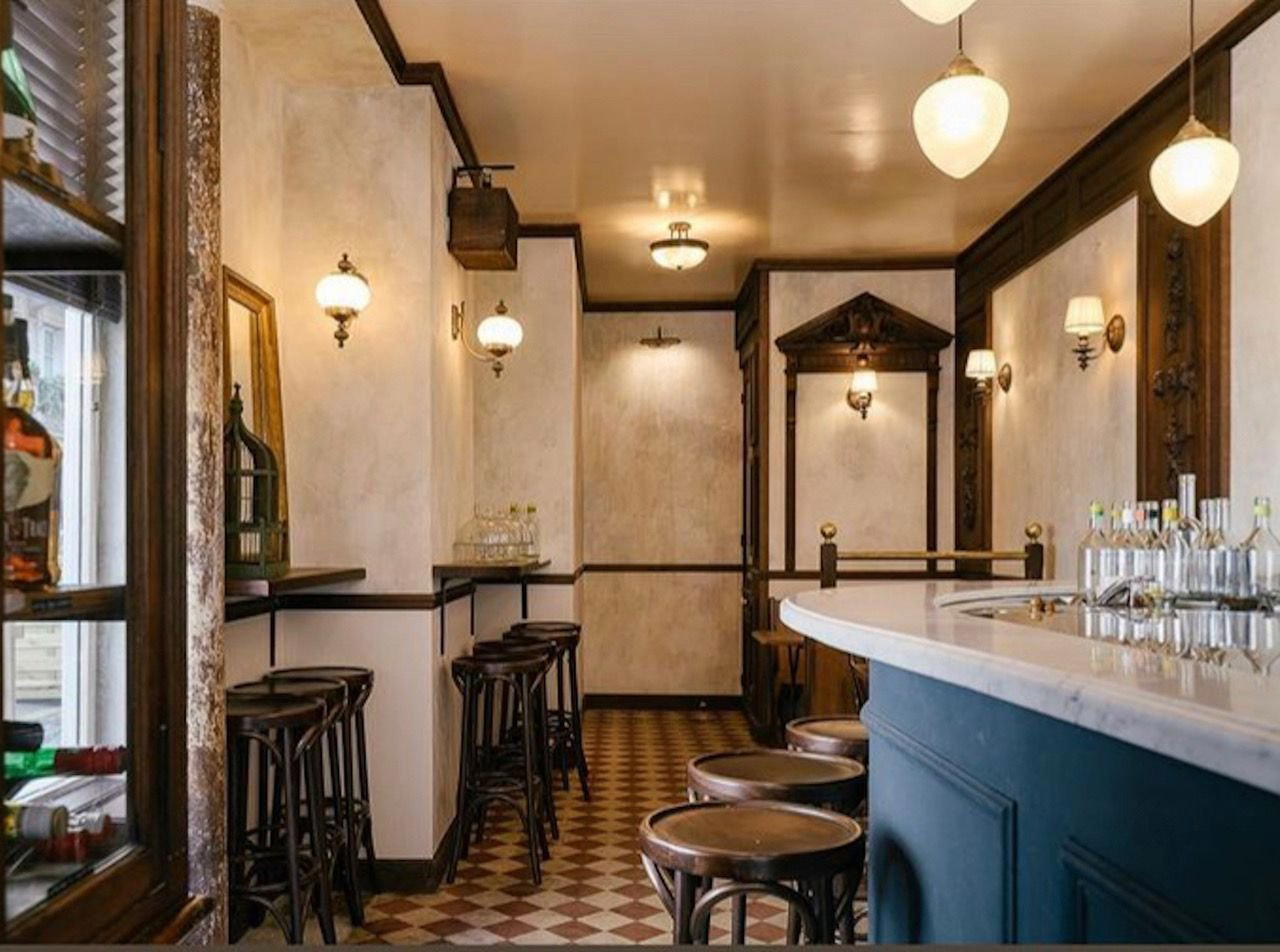
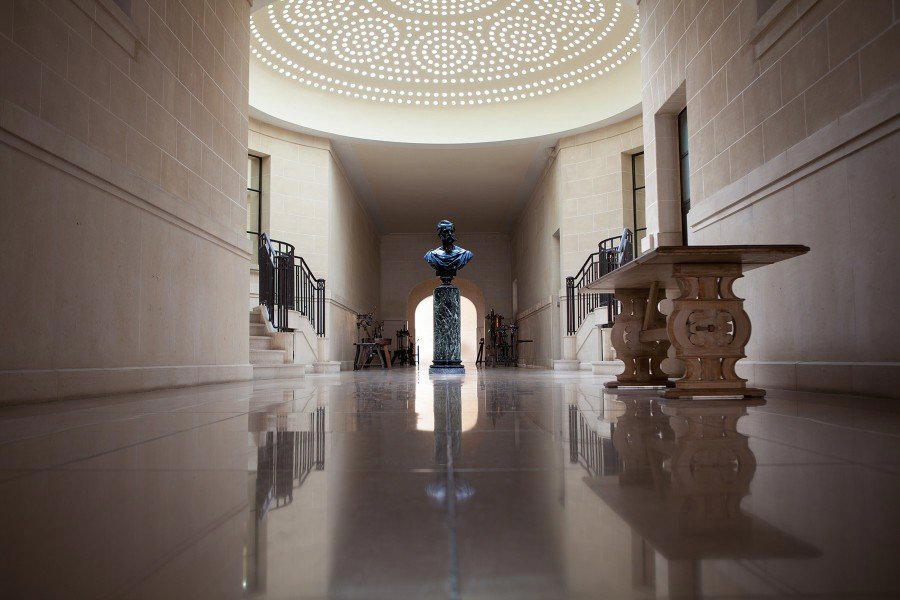
Design atmosphere with a touch of luxury, featuring velvet furnishings, lively colors, contemporary sobriety with baroque touches, and sumptuous purple velvet drapes.