Our verdict
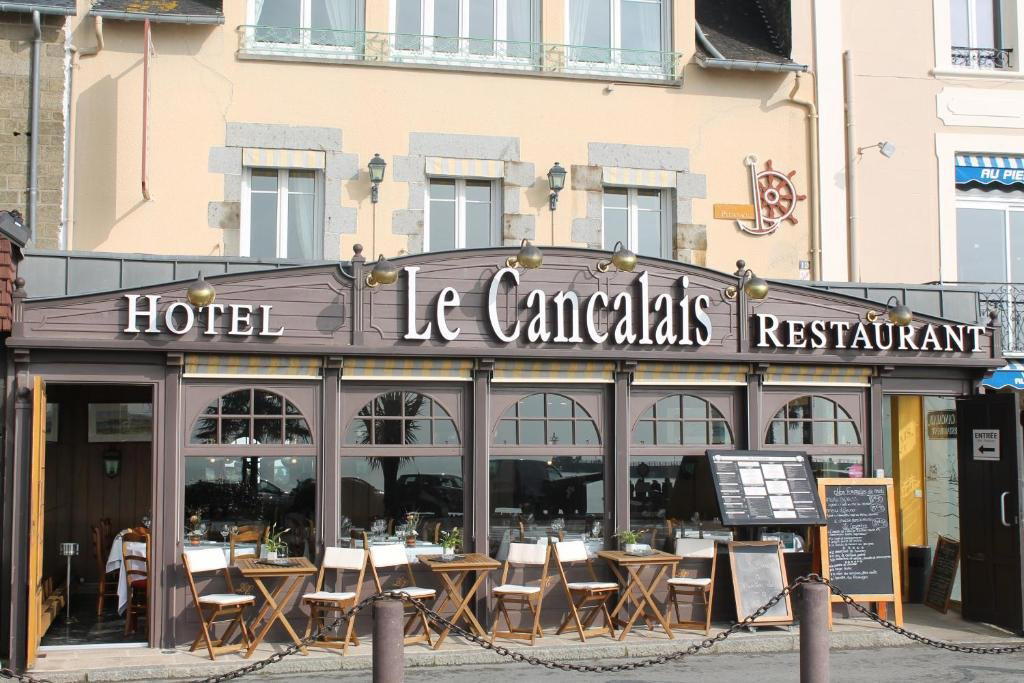
On Cancale's working quayside, Le Cancalais sits at the intersection of one of France's most productive oyster bays and a dining tradition built on proximity to the source. The address alone — 12 Quai Gambetta — places it within sight of the tidal tables that determine what arrives in the kitchen each morning. For visitors to Brittany's oyster capital, it reads as a straightforward argument for eating where the water is visible.

Pearl is the En Primeur Club membership app — saves, bookings, and concierge access live there. Same editors, same standards.
- Address
- 12 Quai Gambetta, 35260 Cancale, France
- Phone
- +33299896193
- Hours
- Mon–Tue ClosedWed–Sat 8 AM–9:30 PMSun 8 AM–3:30 PM
- Website
- lecancalais.fr
- Directions
- Get directions
The menu
What to order
- Homard bleu flambé façon le Cancalais
- Huîtres
Quayside Cancale and the Logic of Eating Here
The Quai Gambetta in Cancale is one of those rare stretches of French coastline where the gap between ocean and plate collapses almost entirely. At low tide, the Mont-Saint-Michel Bay recedes to reveal the oyster beds that have made this small Breton port one of the most referenced seafood addresses in northern France. Restaurants along this strip do not need to explain their sourcing credentials — the geography does it for them. Le Cancalais, at number 12, occupies that context directly, positioned on the working quay rather than inland, where the relationship between catch and kitchen would be more theoretical than actual.
Cancale's identity as an oyster town is not incidental. The bay's strong tidal currents, cold water temperatures, and particular salinity produce flat oysters (huîtres plates) and the more commercially prevalent creuses that consistently attract buyers and chefs from across France. The town's criées — the shellfish stalls along the port, set the standard against which every quayside restaurant is implicitly measured. Eating at street level from a paper plate while watching the tide come in is one Cancale experience; sitting at a table with a view of the same bay is another, and the two inform each other. Le Cancalais operates in that second register.
The Sourcing Logic Behind Cancale's Quay Restaurants
In France's premium seafood regions, the most serious argument a restaurant can make is proximity. Brittany's Atlantic coast has long functioned as a supply chain for Paris kitchens, the oysters that reach the brasseries of the 6th arrondissement, or that appear on tasting menus at addresses like Alléno Paris au Pavillon Ledoyen, trace back to beds in bays like this one. For a restaurant sitting directly on the Cancale quay, that supply chain runs in the opposite direction: the product stays local, and the kitchen's task is to present it with as little interference as possible.
This is a different culinary philosophy from what you find at France's inland temples of haute cuisine. At Flocons de Sel in Megève or Bras in Laguiole, the kitchen works to translate regional terroir into composed, technical plates. On the Cancale quay, the terroir arrives already composed by the bay. The cook's discipline lies in restraint, knowing when a plateau de fruits de mer, properly assembled and timed, makes a stronger case than any elaborated preparation. Quayside Cancale restaurants live or die by how well they honour that hierarchy.
The broader Cancale dining scene reflects this tension usefully. La Table Breizh Café (€€€€) occupies the higher-intervention end of the spectrum, with a menu that applies technical ambition to Breton ingredients, an approach that has drawn serious critical attention. Côté Mer (€€€) sits in a middle register of traditional preparations at a confident price point. Le Cancalais, at 12 Quai Gambetta, reads as part of the quayside tier, the category where the argument is made through product quality and setting rather than kitchen technique or awards infrastructure.
What the Address Tells You
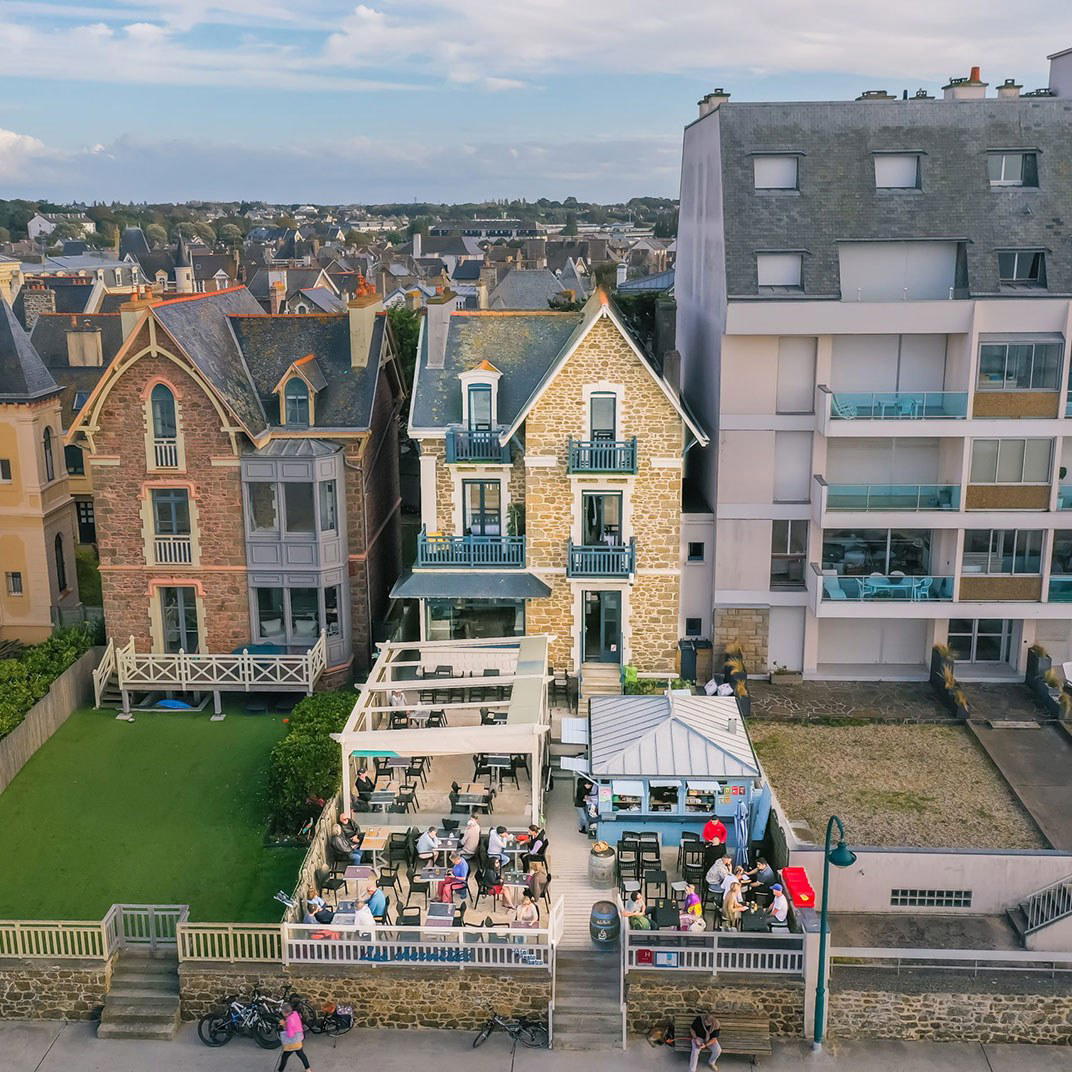
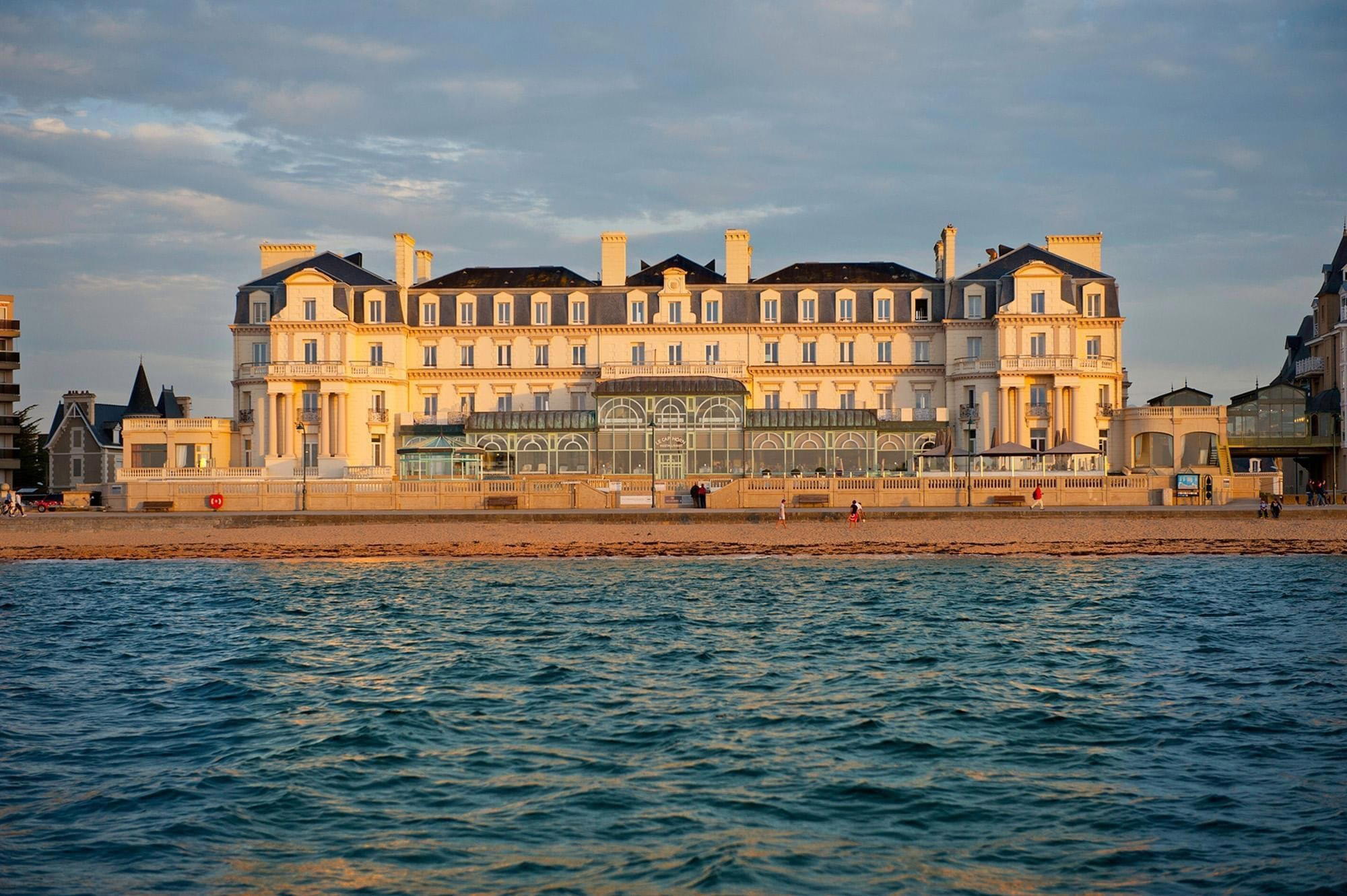
Quai Gambetta is Cancale's primary working waterfront. The address is not incidental real estate, it places a restaurant inside the operational rhythm of the port: the morning arrivals, the stall holders sorting shellfish by grade, the smell of salt water and iodine that defines the sensory register of serious seafood eating in this part of Brittany. Approaching from the town centre, the descent to the quay is short but the shift in atmosphere is immediate. The restaurants here trade on visibility in both directions: the kitchen can see where the product comes from, and the diner can see the same thing.
For context on what this stretch of coastline offers across different price points and formats, L'Ormeau and Le Bistrot de Cancale represent the seafood category with their own approaches, while Breizh Café Cancale takes Breton tradition in a more contemporary direction. The full Cancale restaurants guide maps these options against each other with more granularity.
Cancale in the French Seafood Tradition
France's relationship with Atlantic seafood has its own hierarchy of place. The oyster-growing regions of Brittany, the Charente-Maritime, and Normandy each carry distinct reputations shaped by water temperature, tidal patterns, and cultivation method. Cancale sits near the best of the Breton section of that hierarchy, partly because of the bay's consistent production and partly because the town has been feeding Paris's appetite for shellfish for long enough that the reputation has compounded over generations.
That tradition is worth anchoring against France's broader fine dining geography. The starred kitchens that define the country's critical conversation, from Mirazur in Menton to Troisgros in Ouches, from Auberge de l'Ill in Illhaeusern to Paul Bocuse in Collonges-au-Mont-d'Or, operate within a different register entirely. So do AM par Alexandre Mazzia in Marseille, Assiette Champenoise in Reims, and Au Crocodile in Strasbourg. Cancale's quayside does not compete with that tier and is not trying to. Its argument is simpler and, on the right afternoon, more persuasive: the product is here, the water is visible, and the season determines what you eat.
For international visitors who know serious seafood restaurants in other cities, Le Bernardin in New York or Atomix in the same city, the Cancale quay represents something categorically different: less about technical mastery, more about the irreducible logic of eating the right thing in the right place.
Planning a Visit
Frequently asked questions
Is Le Cancalais a family-friendly restaurant?
Cancale's quayside restaurants generally draw a broad mix of visitors, from local fishing families to tourists making the journey from Rennes or Paris specifically for the oysters. Le Cancalais sits on Quai Gambetta, a working public waterfront with an open, informal character that tends to suit all ages.
What is the atmosphere like at Le Cancalais?
The address at 12 Quai Gambetta places Le Cancalais on Cancale's main working waterfront, where fishing boats and oyster operations define the immediate surroundings. That context shapes the tone: this is a working harbour, not a resort promenade, and restaurants here tend toward the practical and direct rather than the ceremonial. Expect the rhythm of the tide and the activity of the quay to be part of the setting.
Why do serious seafood travellers make the trip to Le Cancalais on Quai Gambetta specifically?
Quai Gambetta is not a restaurant row assembled for tourists — it is Cancale's operational waterfront, where the oyster beds of the Baie du Mont-Saint-Michel are visible at low tide from the tables. A restaurant at this address, like Le Cancalais at number 12, sits inside the supply chain rather than at a remove from it, which in Brittany's seafood tradition carries its own argument for freshness. For those travelling from Rennes (roughly two hours by road) or Paris via TGV, that proximity is the point of the journey.
What's the must-try dish at Le Cancalais?
What the address does confirm is that the restaurant sits on the quay where Cancale's famous Plates and Creuses oysters are harvested and graded — in this part of Brittany, ordering oysters is less a menu choice than a geographical given. Verify current offerings directly with the restaurant before visiting.
What's Le Cancalais's location?
Le Cancalais is located at 12 Quai Gambetta, 35260 Cancale, France, Cancale.
Comparable Spots, Quickly
Comparable venues nearby, for context on price, style, and recognition.
| Venue | Cuisine | Price | Awards | Notes |
|---|---|---|---|---|
| Le CancalaisThis venue — the venue you are viewing | French Seafood Brasserie | $50–100 | Not listed | Not listed |
| Côté Mer | Refined Coastal French | $50–100 | Michelin Plate | Cancale waterfront |
| Le Surcouf | Iodized Bistro with Asian Influences | $20–30 | Not listed | port de Cancale |
| Le Troquet | French Seafood Bistro | $50–100 | Not listed | Port de la Houle |
| Olivier Roellinger | Modern French Seafood Fine Dining | $200–300 | 3 Michelin Stars · La Liste Top Restaurants | Cancale |
| Le Bistrot de Cancale | French Seafood Bistrot | $50–100 | Michelin Plate · Relais Chateaux Award | Port-Mer |
Details
- Scenic
- Rustic
- Cozy
- Special Occasion
- Casual Hangout
- Waterfront
- Terrace
- Local Sourcing
- Sustainable Seafood
- Waterfront
- Street Scene
- A La Carte
Current opening hours
- Monday
- Closed
- Tuesday
- Closed
- Wednesday
- 8 AM–9:30 PM
- Thursday
- 8 AM–9:30 PM
- Friday
- 8 AM–9:30 PM
- Saturday
- 8 AM–9:30 PM
- Sunday
- 8 AM–3:30 PM
Hours can change for holidays and private events. Last verified .
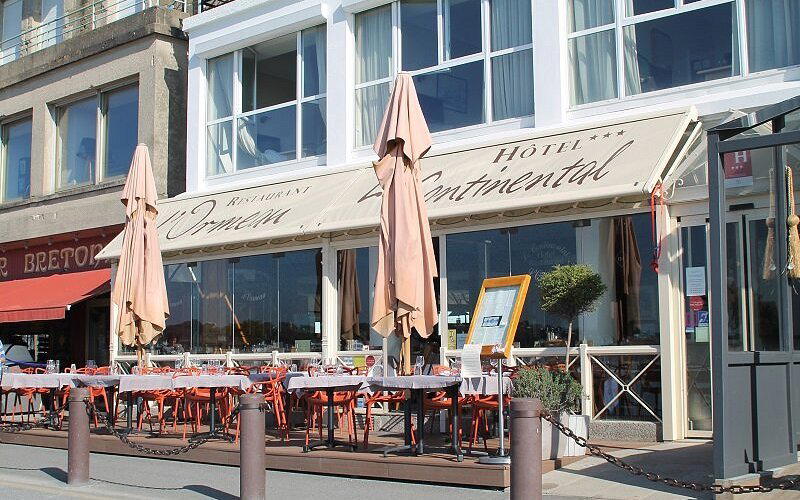
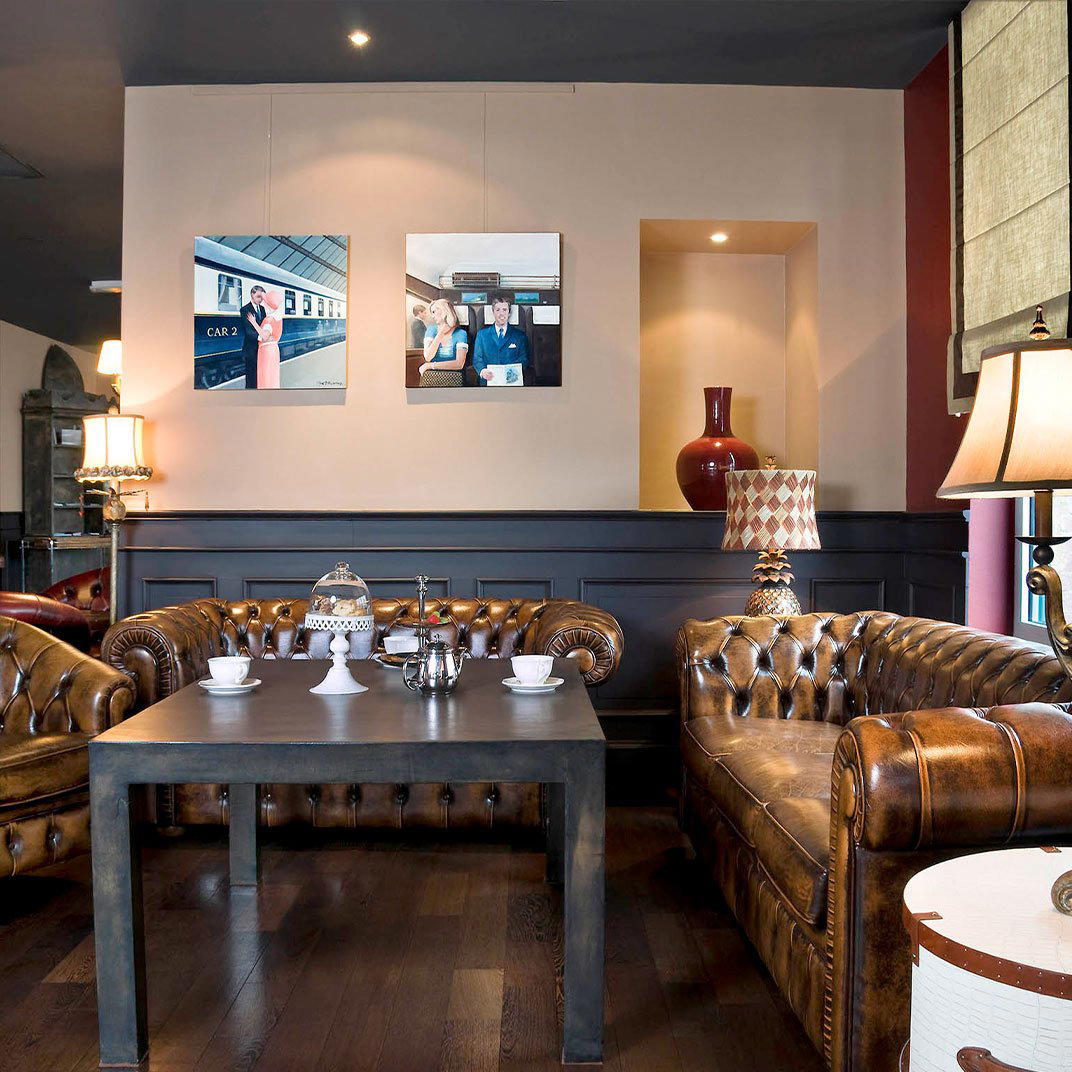
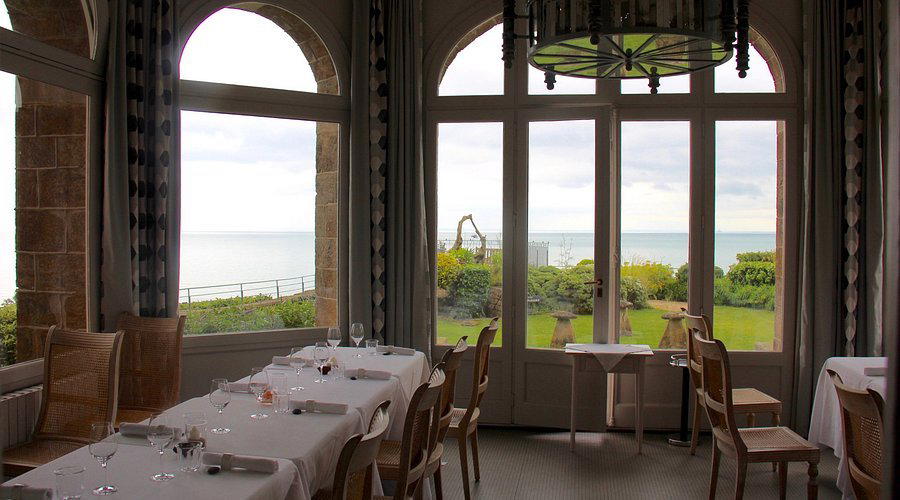
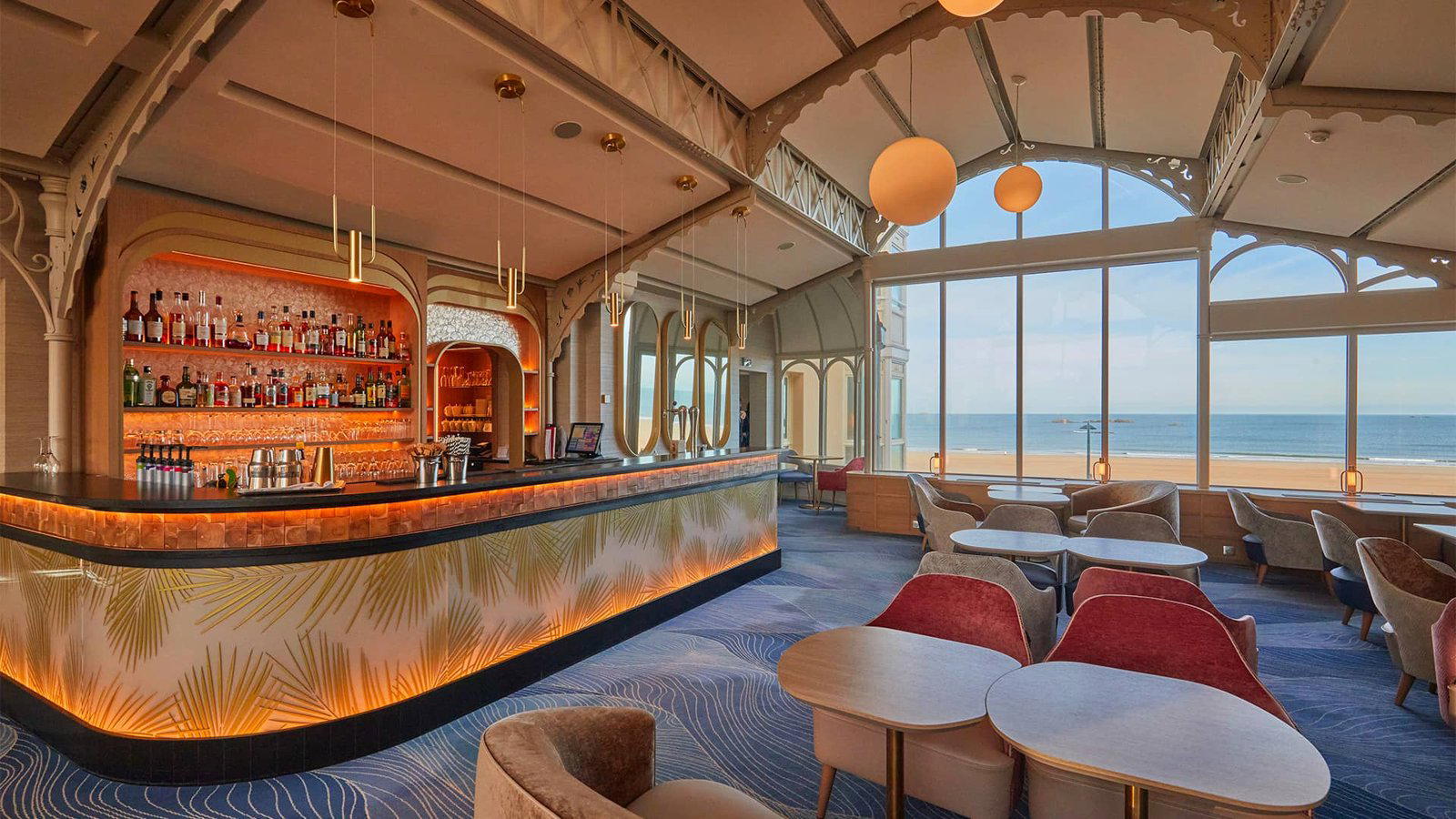
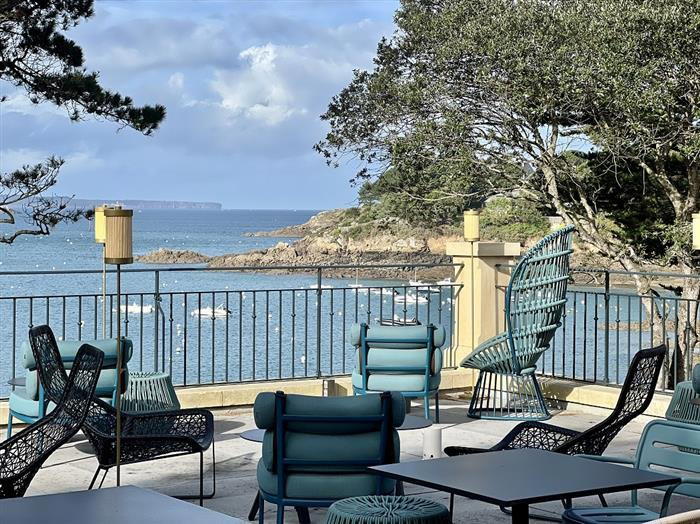
Warm and welcoming atmosphere with a south-facing terrace overlooking the sea and port.