Our verdict
On the southern tip of Belle-Île-en-Mer, Le Café Clara occupies a spot at the port of Goulphar that few visitors to Brittany plan around — but many return to. The café sits within reach of one of France's most dramatic Atlantic coastlines, where the logic of eating well is inseparable from the logic of where the food comes from. For a complete picture of eating in Bangor, see our full guide.

Pearl is the En Primeur Club membership app — saves, bookings, and concierge access live there. Same editors, same standards.
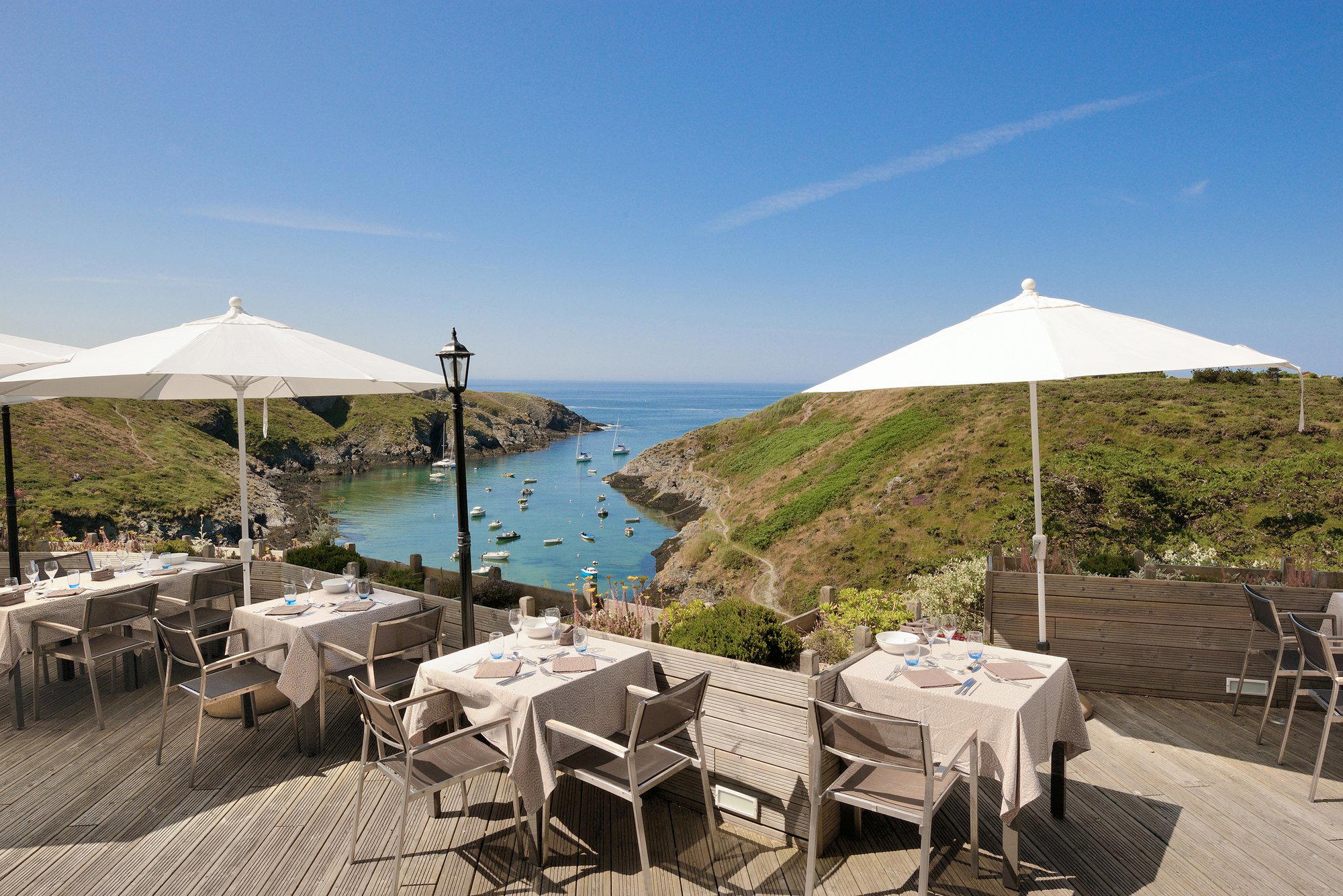
Where the Atlantic Sets the Menu
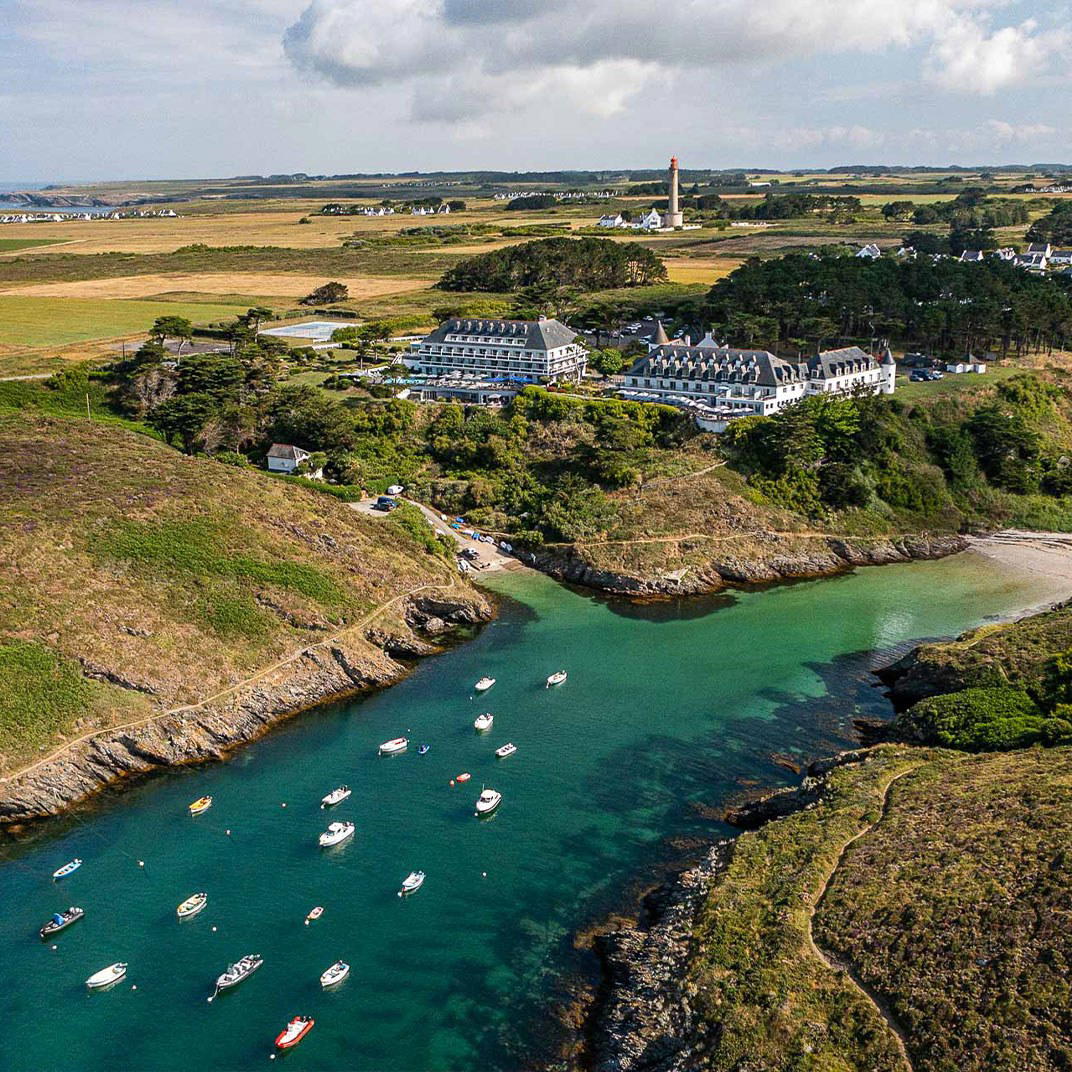
The port of Goulphar, on the southern edge of Belle-Île-en-Mer, is not the kind of place that competes for attention with the island's more-photographed landmarks. The cliffs of the Côte Sauvage draw the walkers; the citadel at Le Palais draws the day-trippers. Goulphar draws fishermen, and the cafés that have learned to cook what those fishermen bring in. Le Café Clara sits at this port address — 56360 Bangor — in a village that remains, by the rhythm of island life, oriented toward the sea rather than toward tourism. That orientation is the first thing to understand about what you are likely to eat here.
Belle-Île-en-Mer sits roughly 15 kilometres off the Quiberon peninsula in Morbihan, accessible by ferry from Quiberon in approximately 45 minutes. The crossing is not incidental context: it is the reason the island's food culture retains a degree of self-containment unusual even by Breton standards. Supply chains work differently when the sea is between you and the mainland. Seasonal produce, local lamb from the island's interior, and Atlantic catch landed at small ports like Goulphar form the backbone of what is available. Restaurants and cafés that understand this geography eat better than those that try to import the mainland's habits.
Ingredient Logic on an Island
Brittany's broader culinary identity is built on the same raw material logic that applies at Goulphar's scale: shellfish, flatfish, lamb raised on salt-meadow pasture, buckwheat, butter with a salt content that the rest of France once regarded with suspicion and now imitates widely. Belle-Île sits within that tradition but adds the particular character of island provenance. Lamb from Belle-Île carries an appellation, agneau de pré-salé, that reflects the tidal pastures the animals graze, and the Atlantic fish landed at the island's small ports rarely travels far before it is cooked.
This is the ingredient logic that defines café and bistrot dining on the island at its most coherent. The distance between catch and plate is measurable in minutes rather than supply-chain days. Across coastal France, that proximity has become a selling point at high-end addresses, Mirazur in Menton built part of its reputation on garden-to-table sourcing, and Christopher Coutanceau in La Rochelle has long anchored its seafood offer to sustainable Atlantic fishing practices. On Belle-Île, the same principle applies at a more everyday register, where the café rather than the gastronomic table is the primary vehicle for eating with that kind of directness.
The difference between a café that uses this proximity well and one that doesn't is largely a question of restraint. Breton coastal cooking at its clearest does not add complexity where freshness already provides interest. A mackerel or a plate of langoustines landed that morning asks for little more than heat, salt, and good butter. The closer a café is to that principle, the better it tends to eat. Bras in Laguiole and Auberge du Vieux Puits in Fontjoncouse operate at the opposite end of the complexity spectrum, where terroir becomes the raw material for elaborate construction. At Goulphar, the argument runs the other way: the terroir is the dish.
The Port Setting
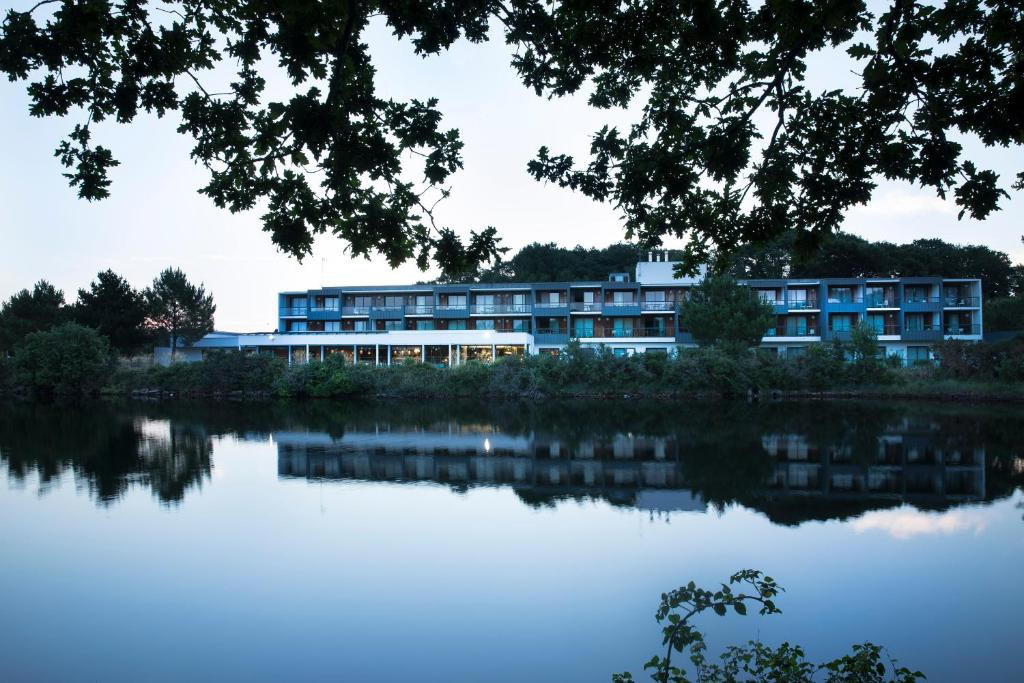
Arriving at Goulphar by road from Le Palais, the island's main town, roughly 12 kilometres north, the landscape shifts from open moorland to a sheltered coastal declivity where the port sits below the road. The lighthouse at Goulphar is the area's navigational landmark, visible from the sea and from most refined vantage points on this part of the island. The port itself is small, with working boats and the particular atmosphere of a place that functions on fishing schedules rather than tourist ones.
A café at this address occupies a position that is contextually different from the terrace restaurants at Le Palais or the more visitor-oriented offer at Sauzon. The clientele at a port café on Belle-Île tends to mix local and visitor in proportions that shift sharply by season. In July and August, the island's population increases substantially with seasonal visitors, many of them French, many of them returning annually. Outside those months, the port at Goulphar returns to a quieter rhythm. Timing a visit accordingly changes the experience considerably: the off-season version of this kind of place, when the room is less crowded and the kitchen is cooking for regulars as much as for newcomers, is often the more instructive one.
For comparison with other café and crêperie formats on the island, Crêperie Chez Renée represents the buckwheat-galette tradition that runs parallel to the seafood offer across Breton dining. Our full Bangor restaurants guide maps both strands and the addresses that execute each most clearly.
Where This Sits in the French Dining Picture
France's gastronomic infrastructure is heavily concentrated on a tier of destination restaurants whose reputations extend well beyond their regions. Alléno Paris au Pavillon Ledoyen in Paris, Flocons de Sel in Megève, Auberge de l'Ill in Illhaeusern, and Troisgros - Le Bois sans Feuilles in Ouches represent a tradition of cooking where technique, lineage, and critical recognition accumulate over decades. Assiette Champenoise in Reims, Au Crocodile in Strasbourg, and Georges Blanc in Vonnas extend that lineage into regional France with similar institutional weight. AM par Alexandre Mazzia in Marseille and L'Oustau de Baumanière in Les Baux show how that critical apparatus applies across different regional food cultures.
Le Café Clara at Goulphar operates in an entirely different register from those addresses, and the comparison is worth making not to diminish either tier but to clarify what each offers. The gastronomic table asks for planning, occasion, and budget allocation. The port café asks for timing and the willingness to eat what the sea provides today rather than what a printed menu promised. Both are legitimate ways to eat well in France. Across the Atlantic in New York, the same tension appears in a different form: Le Bernardin in New York City and Atomix in New York City represent the institutional pole; the neighbourhood café represents the other. Paul Bocuse - L'Auberge du Pont de Collonges in Collonges-au-Mont-d'Or sits at the point where both impulses, regional provenance and technical ambition, were synthesised most durably in French culinary history.
Planning a Visit
Getting to Bangor and the Goulphar port from the mainland means taking the Quiberon to Le Palais ferry, then travelling south by road or bicycle. Le Palais to Goulphar is manageable by bike, which is how many visitors move through the island; the terrain is hilly but the distances are short. The port address is at Goulphar itself, below the lighthouse. The island's seasonal calendar means that a visit between late June and early September will find the café operating at capacity, while spring and autumn visits offer a quieter experience with the same Atlantic sourcing logic in place.
Frequently asked questions
Is Le Café Clara child-friendly?
Port cafés along the Brittany coast tend toward the informal end of French dining, and Goulphar's working-harbour setting reinforces that. The address at the port rather than on a formal restaurant strip suggests an accessible, relaxed environment. Families travelling to Belle-Île-en-Mer by ferry from Quiberon and arriving via Le Palais will find the tone at Goulphar considerably less formal than destination restaurants elsewhere in France.
What's the vibe at Le Café Clara?
The port of Goulphar places Le Café Clara in the working-harbour café tradition: proximity to the water, boats in view, and a rhythm dictated by tides and ferry schedules rather than kitchen theatre. This is Bangor's southern edge, away from the more-visited tourist circuits of Belle-Île-en-Mer, which keeps the atmosphere grounded in local routine rather than visitor-facing spectacle. Expect a pace that reflects the island itself — slower and less performative than mainland restaurant culture.
How do you get to Le Café Clara at Goulphar from the mainland?
Reaching Le Café Clara requires taking the ferry from Quiberon to Le Palais, Belle-Île-en-Mer's main port, then travelling approximately 12 kilometres south by road or bicycle to Bangor and the Goulphar port. The crossing runs regularly in season but schedules tighten outside summer months, so timing the return ferry around a port lunch at Goulphar is worth planning in advance. No direct public transit connects Le Palais to Goulphar, making a hire bicycle or car the practical option.
What's the signature dish at Le Café Clara?
The port location at Goulphar on Belle-Île-en-Mer places it squarely within Brittany's established seafood and salt-meadow lamb territory — the same raw-material logic that defines the broader regional table. Shellfish landed at ports like Goulphar and agneau de pré-salé are the reference points for any café operating at this address.
Where exactly is Le Café Clara?
Le Café Clara is located at Port, Goulphar, 56360 Bangor, France.
In Context: Similar Options
| Venue | Cuisine | Price | Awards | Notes |
|---|---|---|---|---|
| Le Café ClaraThis venue — the venue you are viewing | French Seafood Bistro | $50–100 | Not listed | Not listed |
| Alléno Paris au Pavillon Ledoyen | Modern French Fine Dining | $150–200 | 3 Michelin Stars · World's 50 Best #79 | Creative |
| Kei | Modern French with Japanese Influences | $300–500 | 3 Michelin Stars · World's 50 Best #93 | Contemporary French, Modern Cuisine |
| L'Ambroisie | Classic French Haute Cuisine | $300–500 | 2 Michelin Stars · World's 50 Best #23 | French, Classic Cuisine |
| Le Cinq - Four Seasons Hôtel George V | Modern French Fine Dining | $300–500 | 3 Michelin Stars · World's 50 Best #24 | French, Modern Cuisine |
| Mirazur | Modern French Fine Dining | $300–500 | 3 Michelin Stars · World's 50 Best #1 | Modern French, Creative |
Continue exploring
More in Bangor
Restaurants in Bangor
All restaurants in Bangor →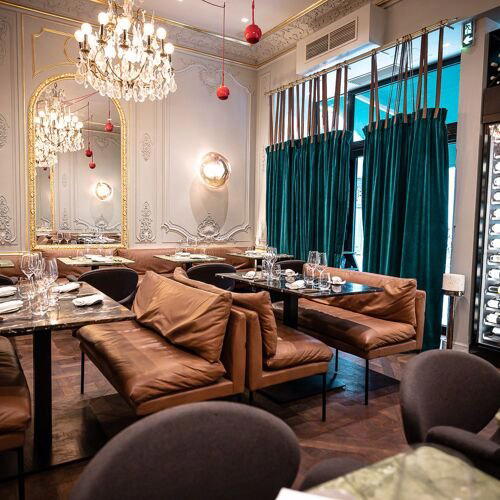
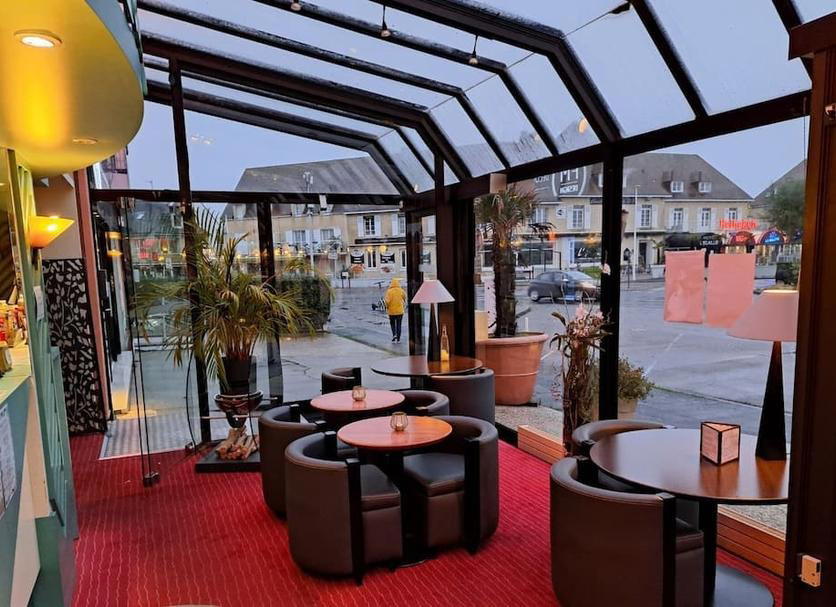
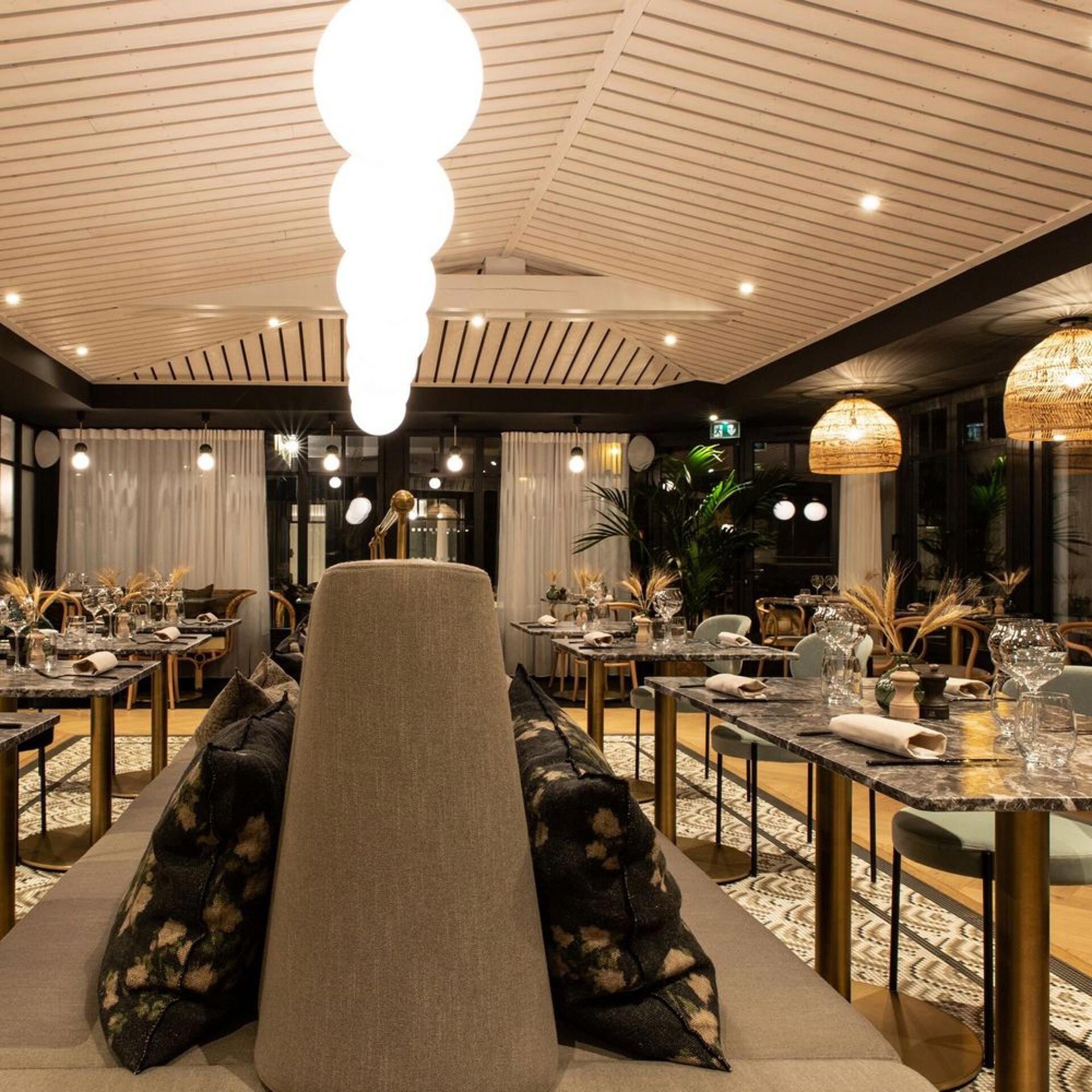
Bars in Bangor
Browse all →
Details
- Cozy
- Elegant
- Scenic
- Brunch
- Family
- Terrace
- Waterfront
- Local Sourcing
- Waterfront
- A La Carte
- Buffet
- Vegetarian Friendly
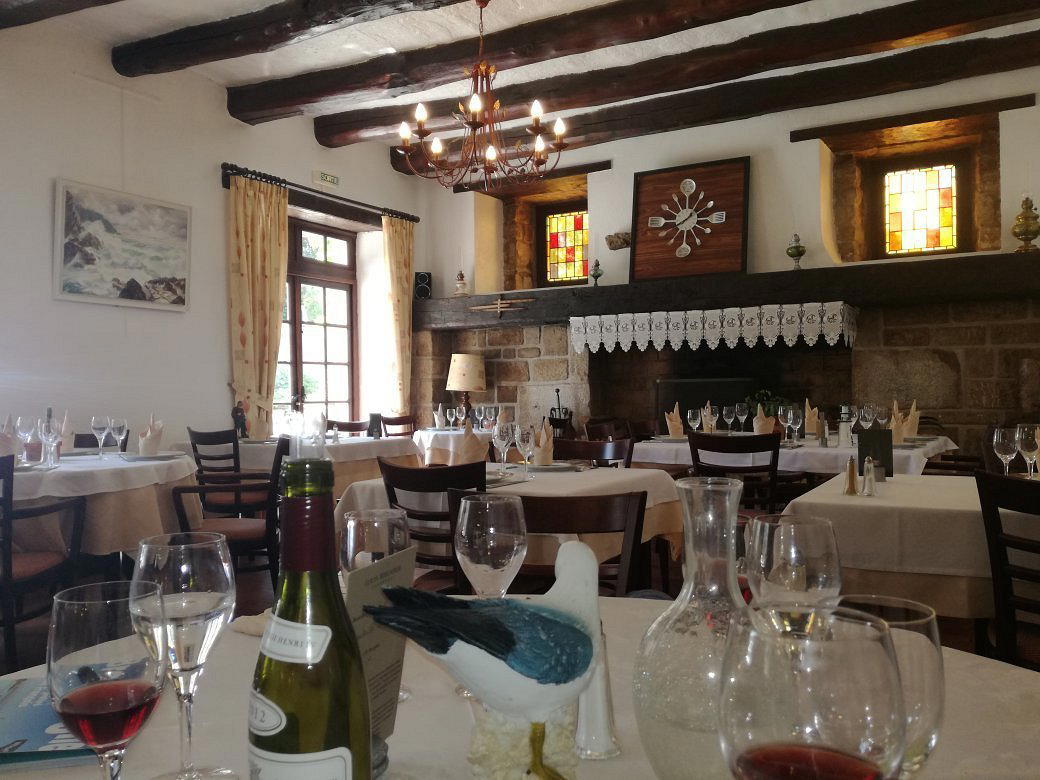
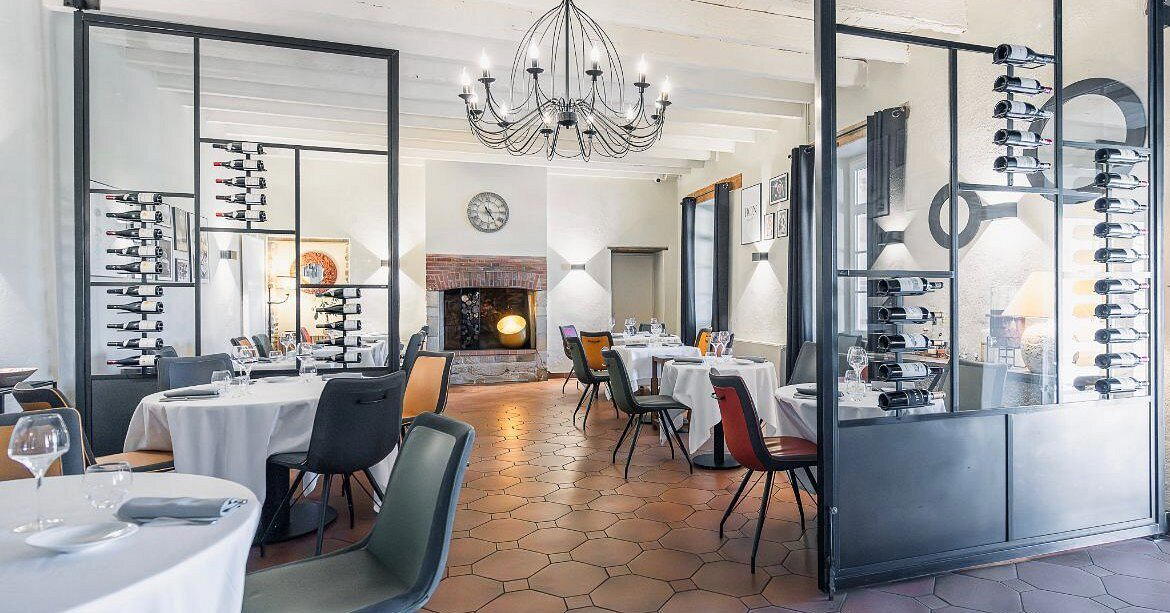
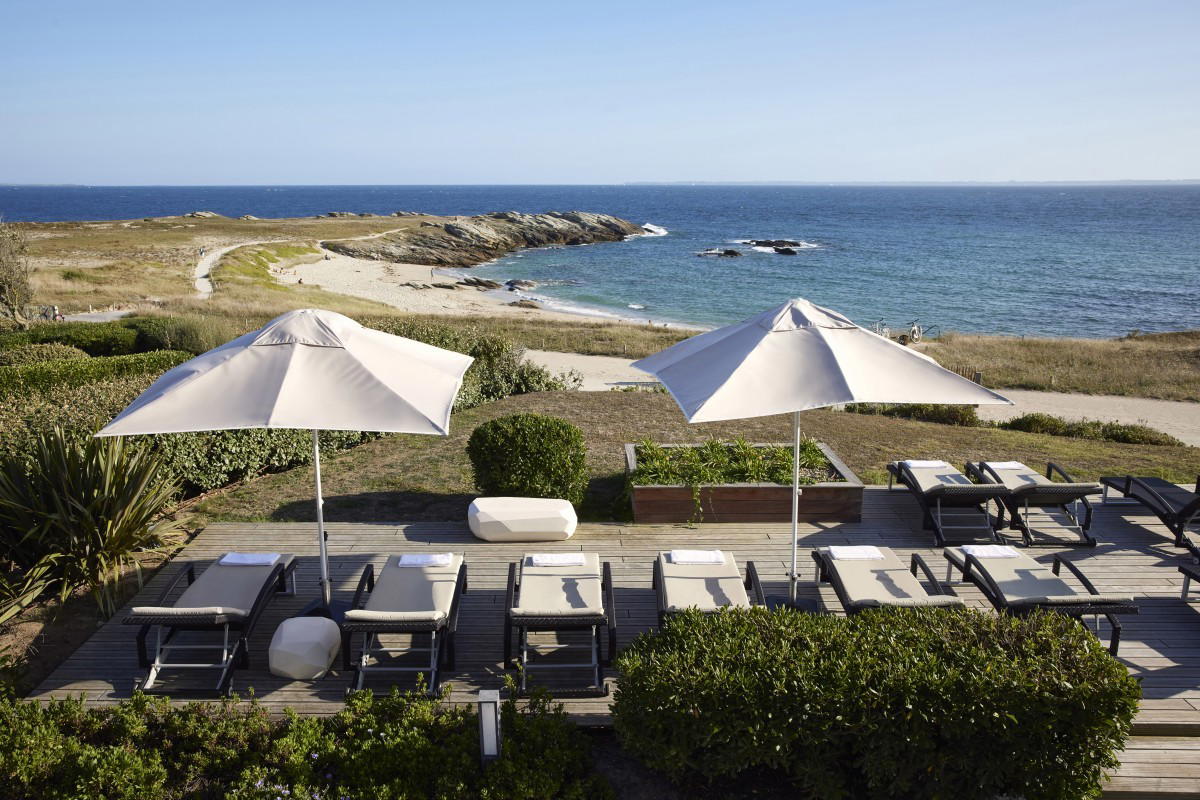
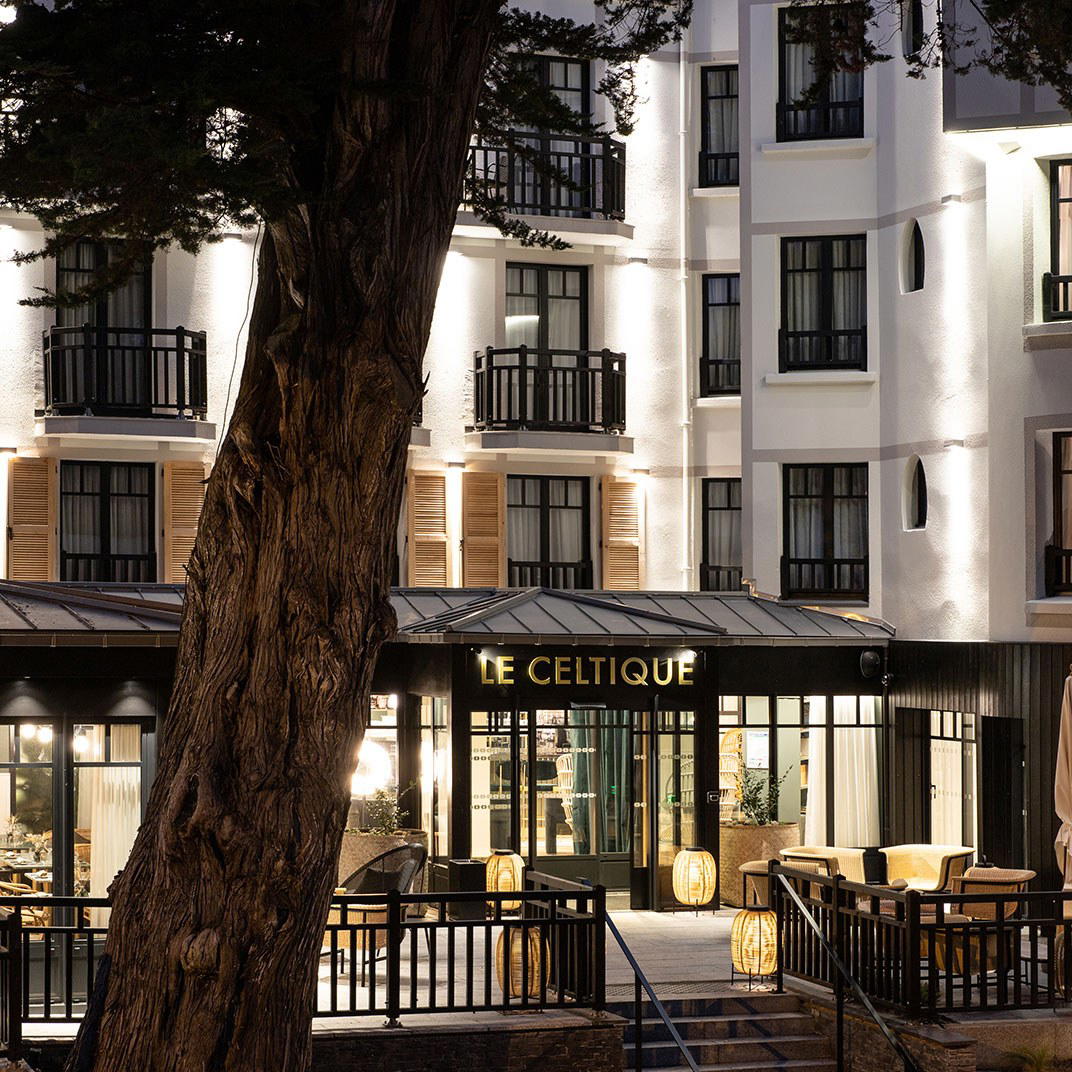
Convivial bistro chic atmosphere with warm interiors and dramatic sea views from the terrace.