
1
Edinburgh, United Kingdom
Copper Blossom
The restaurant enters a scene shaped by serious sourcing expectations and growing scrutiny of environmental practice. It sits at 107 George Street, Edinburgh EH2 3BG, within easy reach of the city centre.
Results
Edinburgh, United Kingdom
The restaurant enters a scene shaped by serious sourcing expectations and growing scrutiny of environmental practice. It sits at 107 George Street, Edinburgh EH2 3BG, within easy reach of the city centre.

Atlantic Highlands, United States
Copper Canyon serves Southwestern Mexican at 51 First Ave in Atlantic Highlands, with craft cocktails, smart casual dress, and signatures like Southwestern Crab Cakes.

Gaithersburg, United States
Copper Canyon Grill brings American grill cooking to the Rio Washingtonian Center in Gaithersburg, MD, positioning itself as a reliable anchor in a suburban dining district where casual-upscale restaurants compete for family and after-work trade. Located at 100 Boardwalk Pl, the restaurant draws from the broader American wood-fire grill tradition that has defined mid-Atlantic suburban dining for two decades.
Hanover, United States
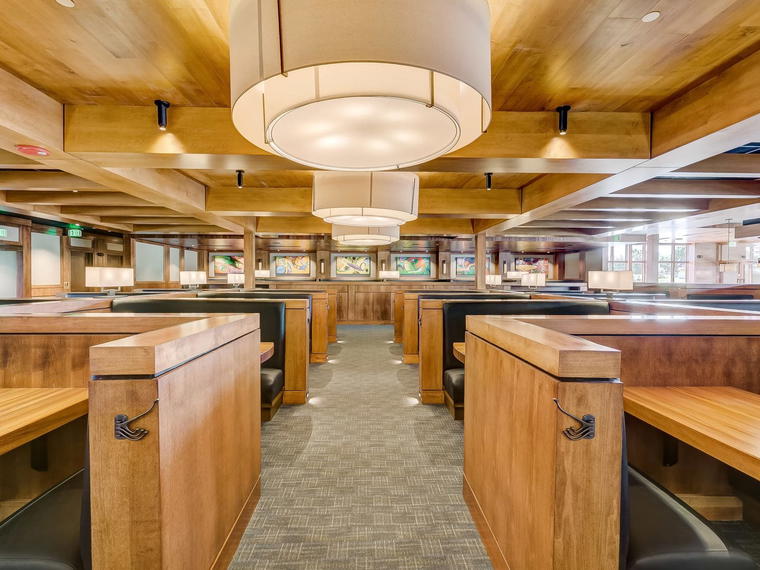
Copper Canyon Grill sits in Hanover's Arundel Mills corridor, where casual American dining formats have steadily refined their approach over the past decade. The kitchen works a grill-focused menu that positions it alongside the mid-tier dining options serving the region's retail and entertainment traffic. Reservation accessibility and direct pricing make it a practical anchor for groups and families in the area.
Salt Lake City, United States
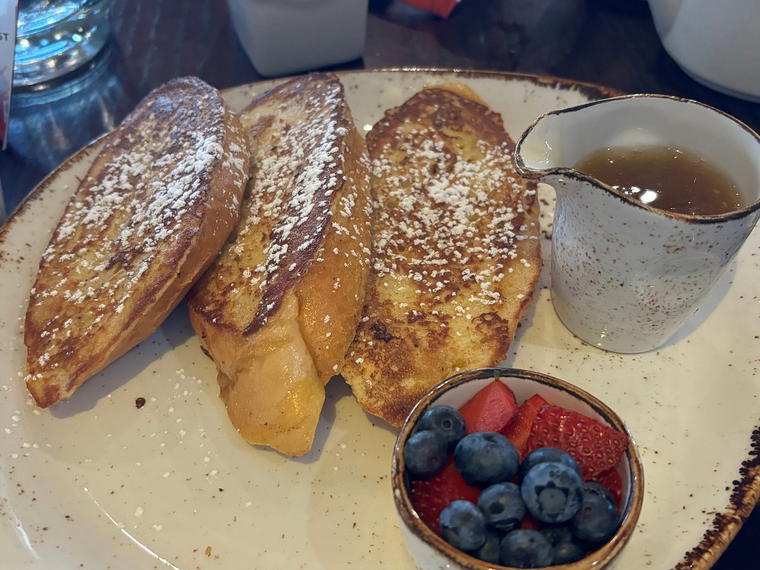
A grill house and tavern on South Temple, Copper Canyon sits within Salt Lake City's evolving dining corridor where casual American formats have quietly shifted toward more considered cooking. The address places it among a stretch of restaurants that collectively signal how the city's appetite has changed over the past decade.

London, United Kingdom
Copper Chimney sits at Westfield London in White City, bringing the long-established Indian restaurant brand's approach to a major west London retail and leisure destination. The address places it within easy reach of Shepherd's Bush and Wood Lane transport links, making it a practical stop for diners in the W12 corridor. See our full London restaurants guide for broader context on the city's Indian dining scene.

Mulshi, India
Copper Chimney sits on the second floor of Phoenix Mall Millennium in Wakad, positioning itself within Pune's expanding western corridor dining scene. The address places it squarely in a mall-format context that has reshaped how suburban Pune residents access sit-down restaurant dining. For visitors to the Mulshi and Pimpri-Chinchwad belt, it represents a familiar-format option within a high-footfall retail environment.

Gurgaon, India
Copper Chimney at Cyber Hub brings one of India's most recognised Indian restaurant brands into Gurgaon's busiest corporate-dining corridor. The Cyber City address places it at the centre of DLF Phase 2's lunch and dinner trade, drawing office crowds and families alongside the area's frequent business travellers. The menu follows the chain's long-established north Indian and tandoor-forward repertoire.

Mumbai, India
Copper Chimney Juhu sits on Juhu Tara Road, one of Mumbai's most reliably busy dining corridors, where the brand's decades-long presence in Indian dining carries recognisable weight. A neighbourhood fixture for north Indian classics, it draws a regular crowd from Juhu's residential and film-industry set. For visitors and locals alike, it represents a consistent, familiar point on Mumbai's broader map of Indian restaurants.

New Delhi, India
Copper Chimney in Rajouri Garden sits in one of West Delhi's busiest commercial corridors, drawing neighbourhood regulars and families with a North Indian menu anchored in tandoor cooking and Mughal-influenced gravies. It operates in a mid-market tier where consistency and recognisable regional dishes matter more than chef-driven reinvention, making it a reliable reference point for the area's everyday dining culture.

Pune, India
Copper Chimney at Phoenix Marketcity in Viman Nagar sits within one of Pune's busiest retail and dining corridors, carrying a lineage in North Indian cooking that stretches back decades across the brand's history. The third-floor setting places it above the mall's retail floor, with a menu rooted in the tandoor and slow-cook traditions that define the cuisine's urban restaurant form.

Chicago, United States
Located in the heart of Chicago's Loop at 70 W Madison St, Copper Club occupies a space where the city's financial district meets its dining scene.
Bedford, United States
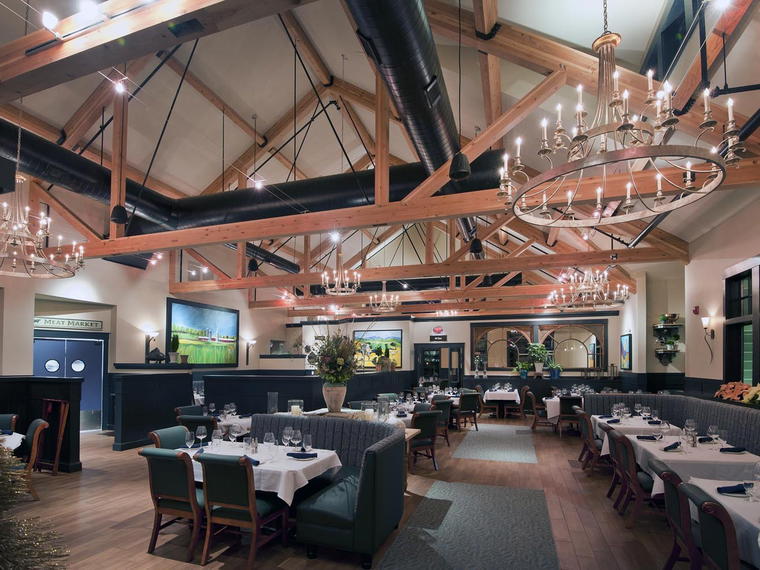
Copper Door sits in Bedford, New Hampshire, operating in a dining market that rewards familiarity and consistency over culinary novelty. The address at 15 Leavy Drive places it in a suburban commercial corridor where American casual dining and bar-forward formats dominate. Visitors looking to understand how Bedford's restaurant scene fits within the broader New England dining tradition will find useful context in how venues like this one anchor neighborhood hospitality.

San Antonio, United States
Copper Kitchen occupies a historic address at 300 Augusta Street in San Antonio's downtown core, placing it within easy reach of the city's most active dining corridor. The kitchen's position in the neighbourhood situates it alongside a growing tier of restaurants shaping San Antonio's contemporary food conversation. For visitors building a serious itinerary through the city, it belongs on the shortlist alongside the dining room at Isidore and the tasting counter at Mixtli.
Ubud, Indonesia
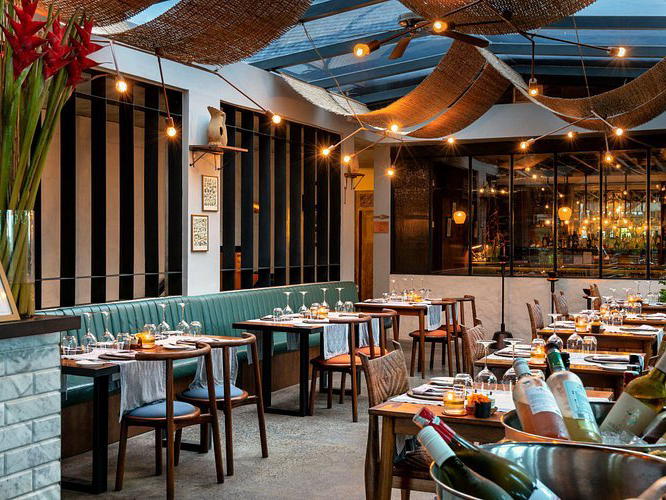
Copper Kitchen, Bar & Rooftop belongs to Ubud’s all-day dining tier, where the point is not ceremony but access: a central room, a rooftop setting, and a menu expected to bridge Bali produce with international hotel-dining habits. Its value is clearest for travellers who want Ubud atmosphere without committing to a formal tasting-menu evening.
Idaho Falls, United States
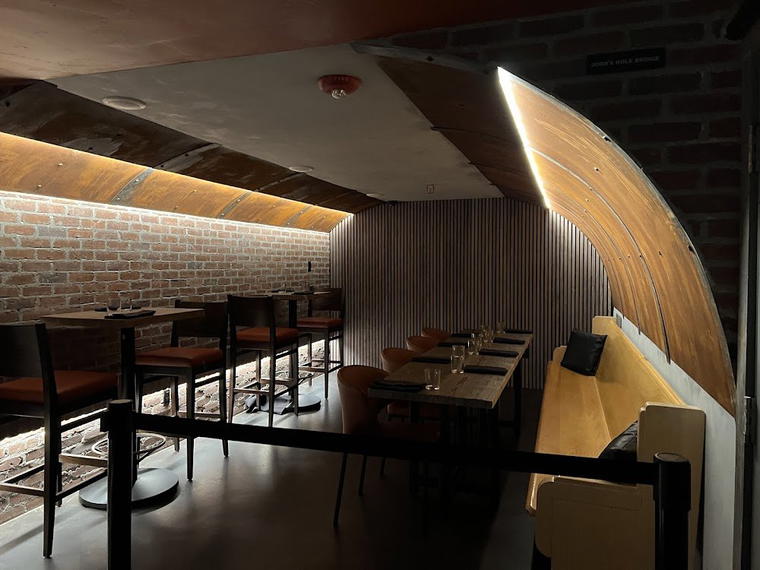
Copper Rill Restaurant sits along the Snake River Parkway in Idaho Falls, a city where the dining scene has slowly grown beyond its meat-and-potatoes baseline into something more regionally considered. The riverside address places it inside a broader movement of Idaho restaurants leaning on the state's agricultural depth, from eastern Idaho's potato country to its trout streams and high-desert rangelands.
Santiago de Chile, Chile
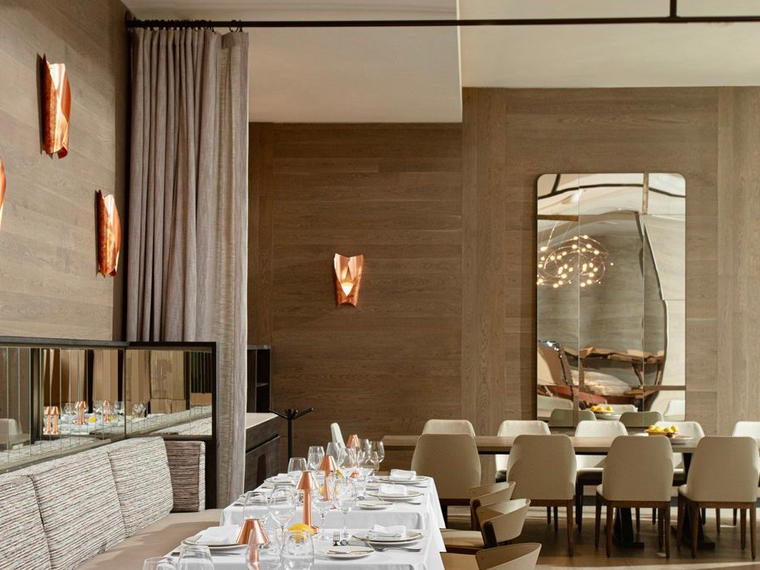
Copper Room belongs to Santiago de Chile’s central dining circuit, where restaurants are judged less by spectacle than by how clearly they connect urban service with Chile’s produce culture. With public details kept lean, the sharper read is contextual: place it against the capital’s ingredient-led kitchens, café traditions, seafood rooms, and hotel dining rather than treating it as a trophy reservation.
Seatac, United States
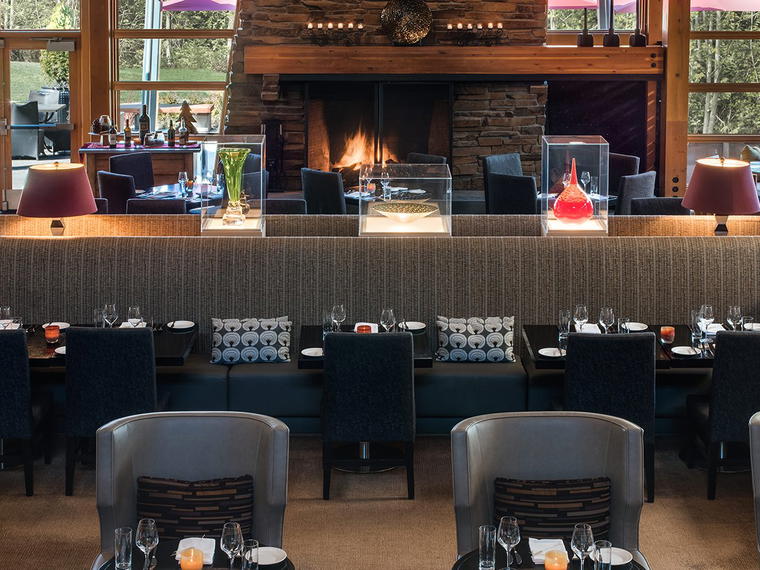
Copperleaf Restaurant sits at 18525 36th Ave S in SeaTac, Washington, occupying a position in the Pacific Northwest dining scene where regional sourcing and a lodge-like setting intersect. The restaurant draws guests seeking a grounded, ingredient-driven meal within reach of Seattle-Tacoma International Airport. For SeaTac, it represents a more considered dining option than the corridor's typical airport-adjacent fare.

Libertyville, United States
Coppolillo's Italian Steakhouse on East Cook Avenue occupies a specific niche in Libertyville's dining scene: the Italian-American chophouse format that blends pasta and prime cuts under one roof. For a suburb north of Chicago with limited full-service steakhouse options, it functions as a local anchor. See our full review and what to order before you go.
Portland, United States
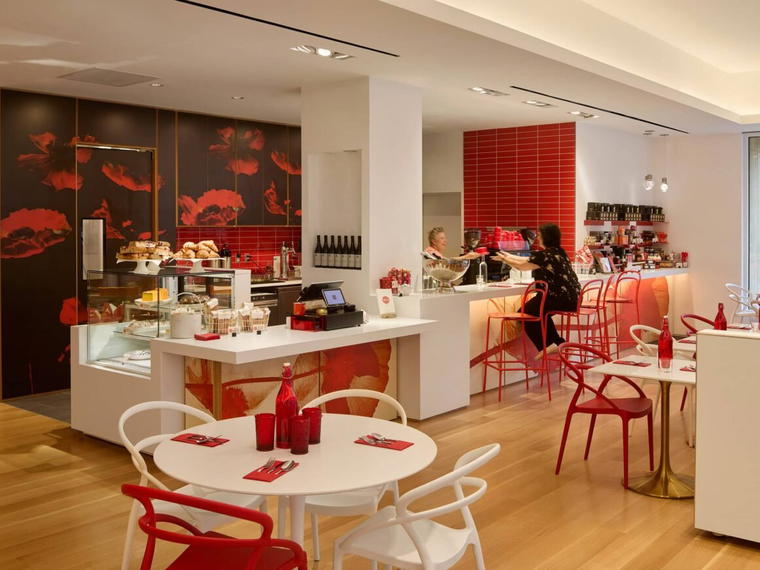
Coquelico brings a French-inspired bistro lens to Portland, a city where ingredient provenance often matters as much as technique. The appeal is less about ceremony than fit: French structure, Pacific Northwest seasonality, and a dining culture that tends to reward kitchens with a clear point of view rather than excess polish.

Marseille, France
Coquetel Club occupies a quietly residential stretch of the 6th arrondissement in Marseille, operating in a city that has spent the last decade building a serious bar and cocktail identity to match its dining ambitions. The address on Rue Louis Maurel places it away from the Vieux-Port spectacle, in a neighbourhood where locals rather than tourists tend to set the tempo.

Marseille, France
On a narrow street in central Marseille, Coquille represents the city's growing appetite for seafood-led dining rooted in ethical sourcing and coastal stewardship. The address at 8 Rue Euthymènes places it within easy reach of the Vieux-Port, and the restaurant's approach connects directly to Marseille's centuries-old relationship with Mediterranean fishing traditions rather than treating the sea as mere backdrop.

Rennes, France
Coquille occupies an address on Rue Nantaise in central Rennes, placing it within the city's tighter cluster of destination dining rooms. The restaurant sits in a Breton dining scene that is increasingly confident in its own identity, with a format that rewards the kind of table that arrives unhurried and open to where the evening leads.
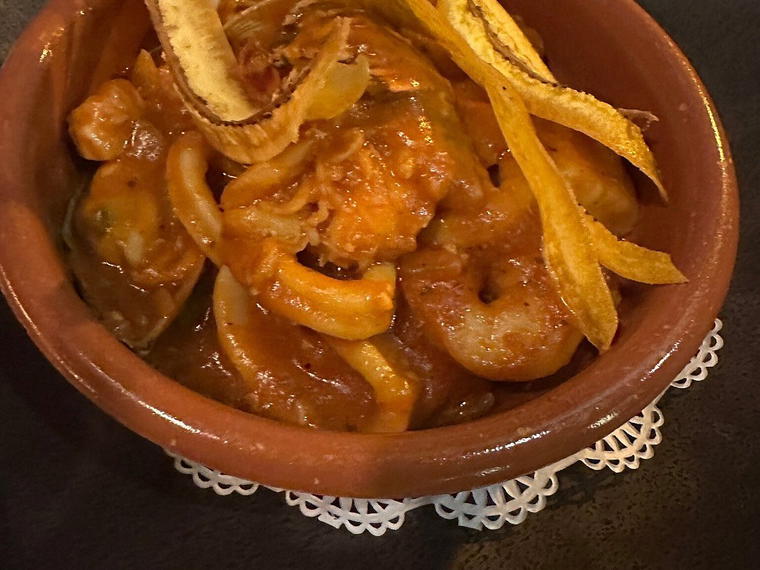
San Juan, Puerto Rico
Coqué sits on Avenida Juan Ponce de León in San Juan's Santurce corridor, where Puerto Rico's most ambitious contemporary dining is being actively redefined. The address places it inside a neighborhood scene that has shifted considerably over the past decade, drawing serious kitchens away from the tourist belt of Old San Juan toward a more local, creatively driven dining public.
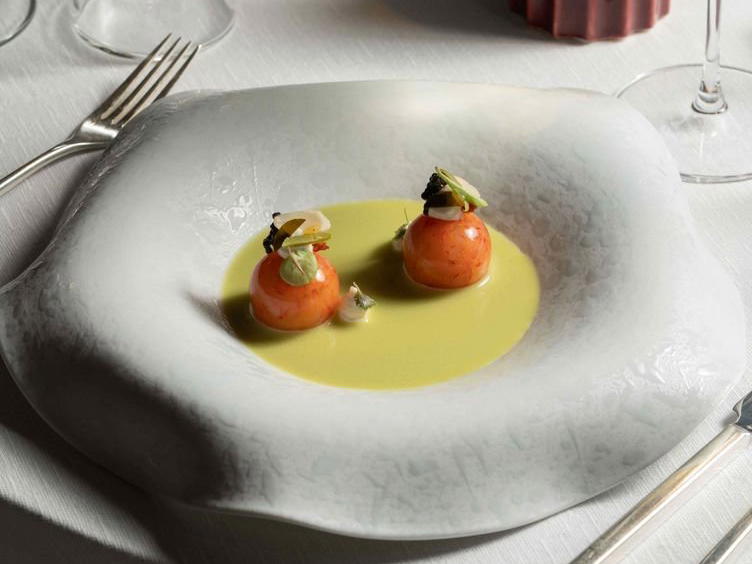
Sorrento, Italy
Cora Bistrot sits in Sorrento’s compact dining circuit, where coastal produce, day-boat seafood habits, and hotel dining rooms compete for the same evening crowd. Its value is in how it fits the town’s ingredient-led bistro tier rather than the formal end represented by higher-priced Mediterranean and creative kitchens.

West Hartford, United States
Coracora occupies a Shield Street address in West Hartford's increasingly serious dining corridor, where the neighborhood's appetite for considered, unhurried meals has grown well beyond the casual. The restaurant slots into a local scene that rewards patience at the table and a willingness to follow the kitchen's lead — qualities that define the better end of Connecticut's suburban dining circuit.

Doha, Qatar
Coral is a Doha restaurant entry with a lower-ground-floor setting in the city’s northern hotel-and-residential orbit. With cuisine, chef, pricing, and awards not publicly specified here, the useful reading is contextual: place it against Doha’s split dining culture, where hotel restaurants, Gulf hospitality, and imported formats compete for the same evening crowd.
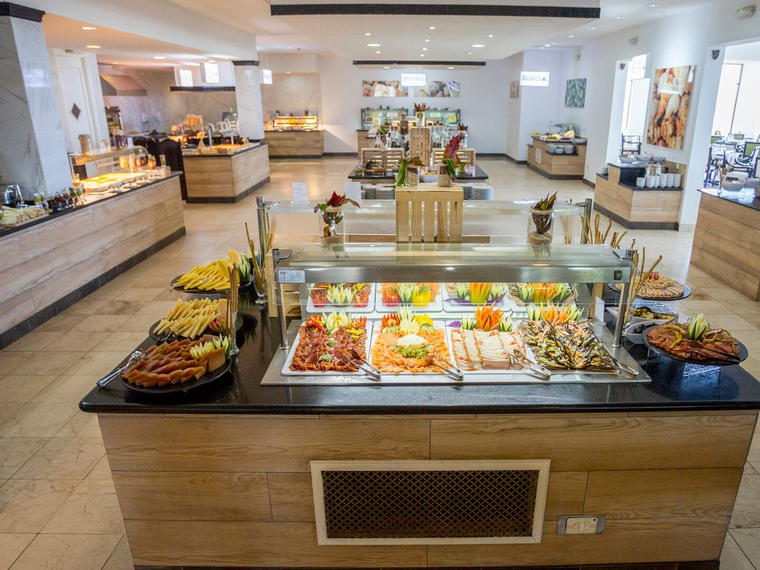
Santo Domingo, Dominican Republic
Coral Buffet belongs to Santo Domingo’s casual buffet conversation, where the value lies less in ceremony than in range, pace, and access to Dominican staples shaped by island supply. Read it against the city’s broader dining mix: heritage cooking, hotel dining, imported formats, and neighborhood rooms that turn local ingredients into everyday hospitality rather than theater.

Cancún, Mexico
Coral Café sits in Cancún’s Hotel Zone, where resort dining, beach-day rhythms, and international menus shape the way visitors eat. With little public detail on format or pricing, it reads less as a destination dining room than as a place to understand Punta Cancún’s practical, tourist-facing café culture within the wider Cancún restaurant circuit.
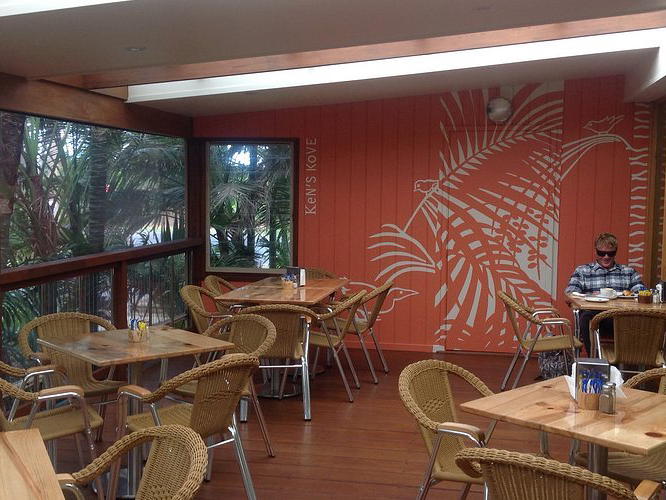
Isla Frangipani, Panama
Coral Café belongs to the casual poolside side of Isla Frangipani dining, where the setting matters as much as the plate. With no public awards trail or formal chef narrative attached, its value is contextual: a low-friction island stop that fits the Bocas del Toro rhythm of water, heat, short transfers, and meals built around the day rather than ceremony.
Montecito, United States
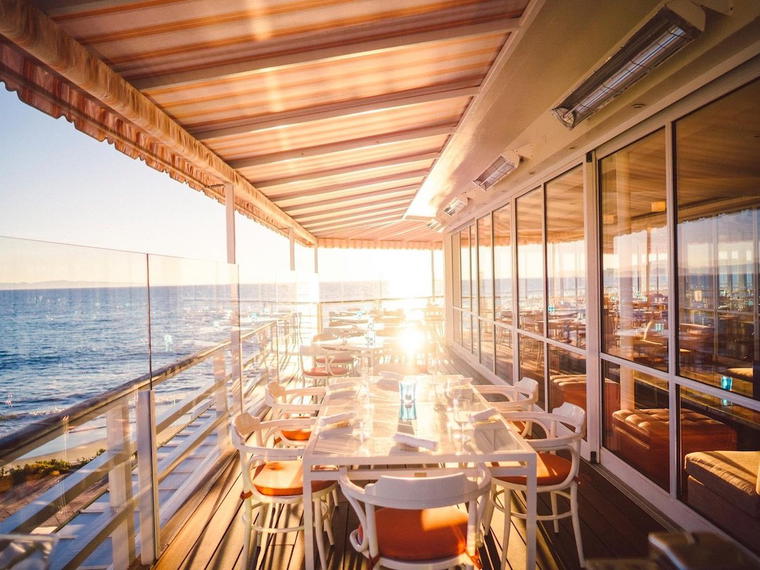
Coral Casino Restaurant belongs to Montecito’s clubby coastal dining tradition, where the room, the waterline, and the social rhythm matter as much as the plate. With no public tasting-menu framework or chef-led narrative to lean on, the useful read is contextual: this is a Montecito restaurant to understand through setting, occasion, and the area’s polished seaside culture.

Del Mar, United States
Coral Del Mar sits on Camino Del Mar at the heart of Del Mar's coastal dining corridor, where the Pacific-facing village character informs both the room and the plate. It occupies a tier where California coastal cooking meets a relaxed but considered format, placing it alongside the neighbourhood's more deliberate dining options rather than its casual surf-and-burger trade.

New York City, United States
Coral Omakase at Point Seven occupies a floor of the MetLife Building above Grand Central, placing a counter-format seafood omakase in one of Midtown Manhattan's most recognizable addresses. The format aligns with New York's upper-tier omakase scene, where small seat counts and chef-driven progression define the experience. It represents the city's continued appetite for structured, ingredient-led dining at the premium end of the market.

Calibishie, Dominica
Sitting along Dominica's wild northeast coast, Coral Reef Bar & Restaurant draws from the same Caribbean waters and volcanic soil that define Calibishie's character. The setting alone positions it as part of a small cluster of dining spots where geography does most of the editorial work. For context on how it fits the broader scene, our full Calibishie restaurants guide covers the options across this stretch of coast.
Orlando, United States
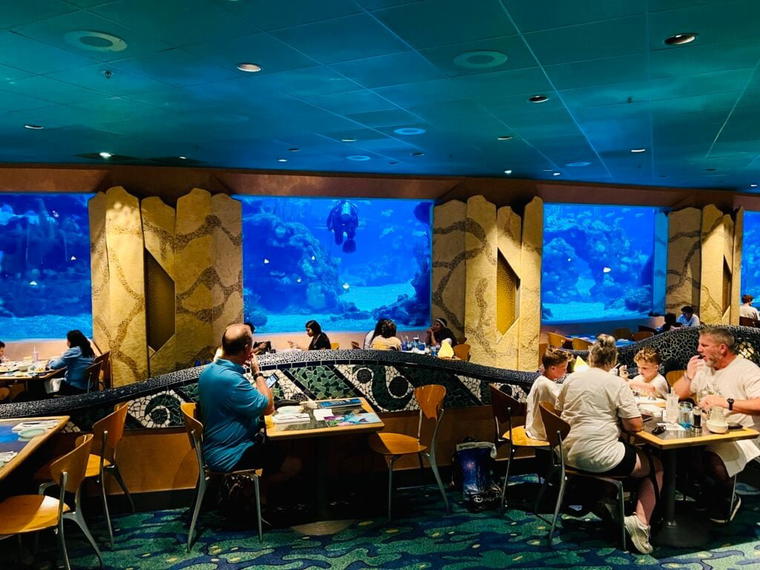
Coral Reef Restaurant sits inside Epcot's The Seas pavilion, where floor-to-ceiling aquarium windows place one of the world's largest indoor ocean tanks directly beside the dining room. The format combines a seafood-forward menu with an immersive aquatic setting that few American theme park restaurants can match in terms of sheer visual scale. It draws both families and serious diners who want something beyond the standard park-dining formula.

Phu Quoc, Vietnam
Coral Restaurant sits in Phu Quoc, where island dining is shaped by fishing culture, resort demand, and a growing spread of international kitchens. The appeal here is less about formal accolades than context: a restaurant to read against the island’s seafood-first habits, night-market energy, and increasingly mixed dining map.

Los Angeles, United States
Coral Tree Cafe on San Vicente Boulevard sits at the quieter, residential end of Brentwood's cafe culture, where the neighborhood's preference for relaxed, health-conscious eating plays out in a setting that rewards midday visits over evening rushes. The venue fits into a recognizable West Side Los Angeles pattern: neighborhood-anchored, accessible, and built for repeat regulars rather than destination dining.
Playa del Carmen, Mexico
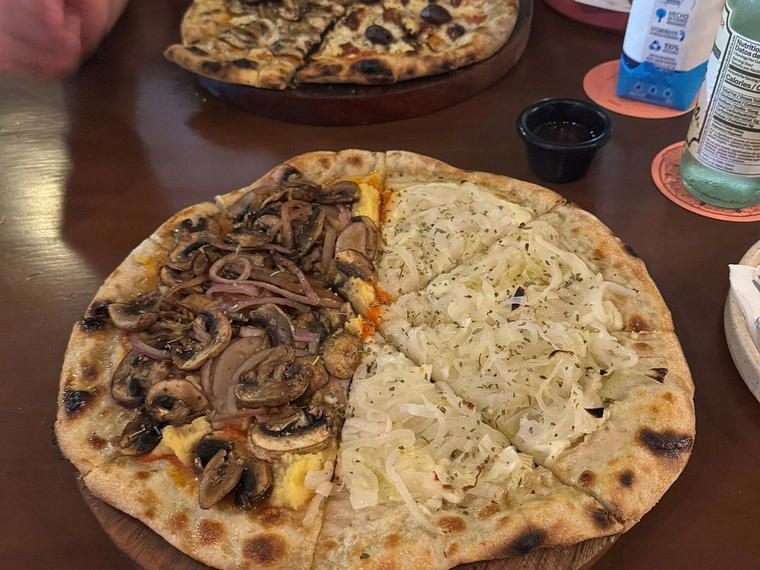
Coral Vegan Pizza serves vegan pizza in Playa del Carmen, with casual service, conversational noise levels, and signatures like Primavera Caribeña and Bolegnasa Lime.

Providenciales, Turks & Caicos
Coralli belongs to the Grace Bay dining conversation where island sourcing, resort demand, and imported luxury ingredients meet at close range. With no public awards or chef-led narrative shaping the pitch, the useful read is contextual: judge it against Providenciales’ seafood-driven, hotel-adjacent restaurants and plan around the broader Grace Bay rhythm rather than a fixed tasting-menu format.
Miami Beach, United States
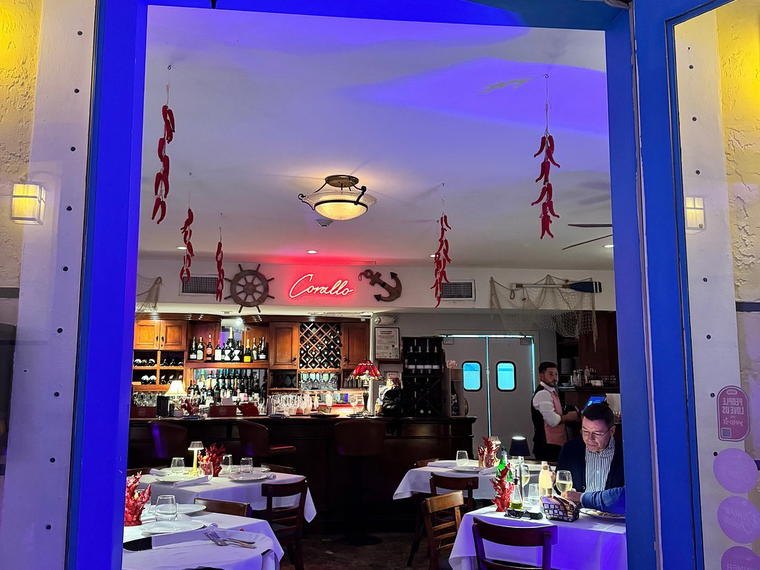
Corallo Miami occupies a Collins Avenue address in the heart of South Beach, placing it within one of Miami Beach's most concentrated dining corridors. Details on cuisine, pricing, and reservations are best confirmed directly with the venue.