Copper Kitchen
Our verdict
Copper Kitchen occupies a historic address at 300 Augusta Street in San Antonio's downtown core, placing it within easy reach of the city's most active dining corridor. The kitchen's position in the neighbourhood situates it alongside a growing tier of restaurants shaping San Antonio's contemporary food conversation. For visitors building a serious itinerary through the city, it belongs on the shortlist alongside the dining room at Isidore and the tasting counter at Mixtli.

Pearl is the En Primeur Club membership app — saves, bookings, and concierge access live there. Same editors, same standards.
- Address
- 300 Augusta St, San Antonio, TX 78205
- Phone
- (210) 224-0123
- Website
- swschool.org
- Directions
- Get directions
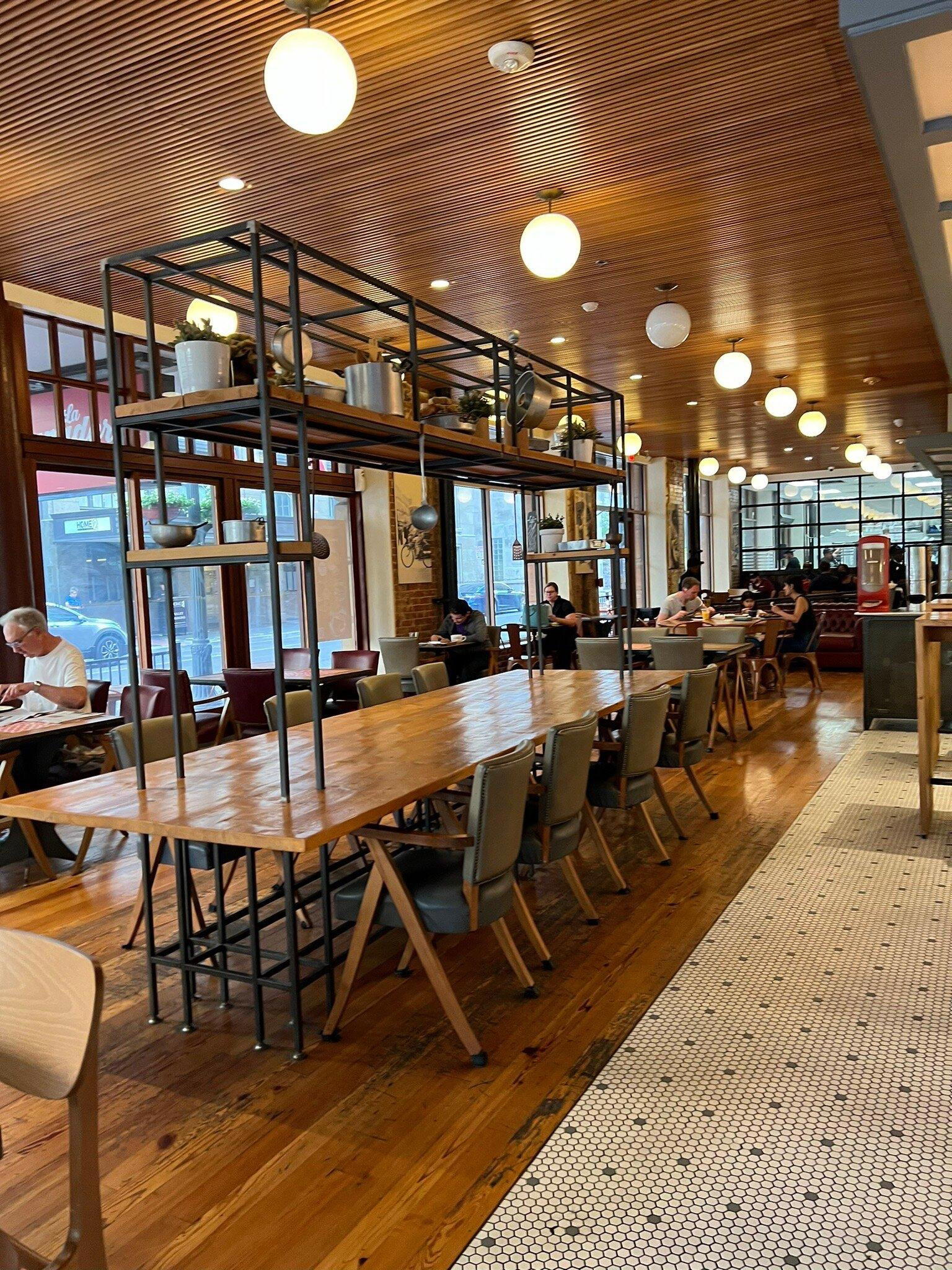
Augusta Street and the Kitchens That Define It
San Antonio's downtown dining scene has undergone a quiet but measurable shift over the past decade. The Riverwalk corridor, long dominated by high-volume tourist operations, has gradually ceded ground to a more considered tier of restaurants concentrated in the streets just north and west of the commercial centre. Augusta Street sits at the edge of this transition zone, where historic commercial buildings now house kitchens that speak to a local audience as much as a visiting one. Copper Kitchen, at 300 Augusta Street, occupies one of those addresses — positioned in a part of the city that draws diners with purpose rather than foot traffic alone.
That address puts Copper Kitchen in proximity to some of San Antonio's more deliberate dining options. Isidore has staked a claim to Texan-sourced fine dining in the same general corridor, while Mixtli runs one of the most serious tasting-menu formats in the state, built around the regional diversity of Mexican cuisine. These are restaurants with a point of view, and the neighbourhood increasingly attracts kitchens that share that orientation. Where you eat on Augusta Street tends to say something about why you came to San Antonio in the first place.
Reading a Menu as a Statement of Intent
Menu architecture — how a restaurant organises its offerings, how many courses it proposes, whether it leads with proteins or vegetables, whether it permits substitution or enforces a set sequence, tells you more about a kitchen's self-understanding than any press release. The structure of a menu is a set of decisions about what the kitchen believes matters. A tightly edited list of ten items signals confidence and constraint; a sprawling multi-page document signals hospitality of a different register, one built around accommodation rather than declaration.
San Antonio's more ambitious kitchens have largely moved toward the former model. The tasting counter at Mixtli is the clearest local example: a fixed sequence built around a single rotating Mexican region, with no à la carte alternatives. That kind of structure is common in the upper tier of American dining, you see it at Smyth in Chicago, at Lazy Bear in San Francisco, and at Single Thread Farm in Healdsburg, where the kitchen's authority over the sequence is built into the experience itself. At the other end of the spectrum, a place like 2M Smokehouse makes its case through a different kind of editorial rigour: a narrow focus on barbecue traditions executed at a high level, with no ambiguity about what the kitchen is there to do.
Copper Kitchen's current menu structure is not detailed in public records available for this feature. What is documented is its address within a neighbourhood that increasingly rewards kitchens with a clear identity. In a city where the dining spectrum runs from the Riverwalk's reliable middle ground, 1Watson, the long-established 410 Diner, to the more structured programming of Mixtli, Copper Kitchen occupies a position that signals a kitchen with considered intentions.
The Broader American Fine-Dining Frame
Understanding where a San Antonio restaurant sits requires some sense of the national frame. American fine dining in 2024 is not a single category. There is the classical French lineage represented by Le Bernardin in New York City and the precision tasting-menu format of The French Laundry in Napa, where the menu is essentially a document of technique. There is the farm-integration model at Blue Hill at Stone Barns in Tarrytown, where the menu is inseparable from land use. There is the regional-sourcing argument made by Providence in Los Angeles and the hyper-local hospitality of The Inn at Little Washington. And there are kitchens like Atomix in New York City and Atelier Moessmer Norbert Niederkofler in Brunico that have built international reputations on a particular, sustained culinary argument.
Texas has its own parallel tier. Addison in San Diego demonstrates what a serious regional kitchen can accomplish when it commits to a defined culinary identity, a model San Antonio's more ambitious restaurants are watching. Closer to home, the success of Emeril's in New Orleans as a marker of Southern fine dining has shown that regional cuisine and technical ambition are not in conflict. San Antonio, with its particular Spanish colonial history and its proximity to northern Mexico, has culinary material that few other American cities can claim. Kitchens in the Augusta Street corridor that engage with that material seriously are working with a genuine asset.
Getting There and Eating Well
300 Augusta Street is within the downtown grid, accessible from most central San Antonio hotels on foot or by a short ride. The address is close enough to the Pearl District, San Antonio's most discussed food neighbourhood, that visitors building an itinerary across multiple meals can combine the two without difficulty. For anyone structuring a serious dining schedule in the city, the broader picture is well mapped in our full San Antonio restaurants guide, which covers the range from barbecue at 2M Smokehouse to the tasting-counter format at Mixtli.
Specific hours, booking policy, and current menu details for Copper Kitchen were not available at the time of publication. What is consistent across the better kitchens in this part of downtown is that reservations, where accepted, tend to fill on weekends, and the more structured the format, the further ahead the booking window extends. Planning a few days in advance is standard; for tasting-menu formats in this tier, a week or more is a reasonable baseline.
Frequently asked questions
at Copper Kitchen?
Specific menu recommendations require current dish-level data that isn't available in verified form for this feature. As a general principle, in kitchens that occupy Copper Kitchen's position in the downtown San Antonio dining corridor, adjacent to serious operations like Isidore and Mixtli, the items that appear earliest on the menu, or that the kitchen volunteers as the day's focus, typically reflect where the kitchen's confidence is highest. Ask the room what's moving that evening.
Can I walk in to Copper Kitchen?
Walk-in availability at downtown San Antonio restaurants varies significantly by day and format. Kitchens running a fixed tasting menu almost never accommodate walk-ins; those operating à la carte with a larger seat count are more likely to have space at the bar or on short notice, particularly early in the week.
What do critics highlight about Copper Kitchen?
In the San Antonio market, critical attention has concentrated most visibly on the tasting-menu tier, Mixtli has drawn the most sustained national press, and on the barbecue category, where 2M Smokehouse has earned consistent recognition. Restaurants at 300 Augusta Street operate in a neighbourhood where the critical conversation is still forming, which can work in a kitchen's favour: less noise, more room to build a reputation through the food itself.
How does Copper Kitchen fit into San Antonio's Augusta Street food scene?
Augusta Street sits at a transition point between the Riverwalk's high-volume dining corridor and the more considered restaurant programming of the Pearl District and surrounding streets. Copper Kitchen's address at 300 Augusta Street places it in a cluster of venues that draw a local dining audience alongside visitors, a different pressure than restaurants built primarily around tourism. In that context, kitchens tend to compete on the strength of their food and repeat custom rather than location alone, which tends to produce more focused menus and clearer culinary identity over time.
Cuisine-First Comparison
| Venue | Cuisine | Price | Awards | Notes |
|---|---|---|---|---|
| Copper KitchenThis venue — the venue you are viewing | American Cafeteria | $10–20 | Not listed | Not listed |
| Leche de Tigre | Peruvian Cevichería & Pisco Bar | $30–50 | Michelin Plate · James Beard Award Semi Finalist | Not listed |
| Mixtli | Progressive Mexican Tasting Menu | $200–300 | 1 Michelin Star · James Beard Award Semi Finalist | Mexican |
| Boudro’s on the Riverwalk | Texas Bistro with Southwestern Fusion | $30–50 | Not listed | Not listed |
| The Jerk Shack | Jamaican Caribbean | $20–30 | Michelin Bib Gourmand · Diners, Drive-Ins and Dives Featured Restaurant | Not listed |
| Cullum's Attaboy | Modern American Diner with French Influences | $30–50 | Michelin Bib Gourmand | Not listed |
Continue exploring
More in San Antonio
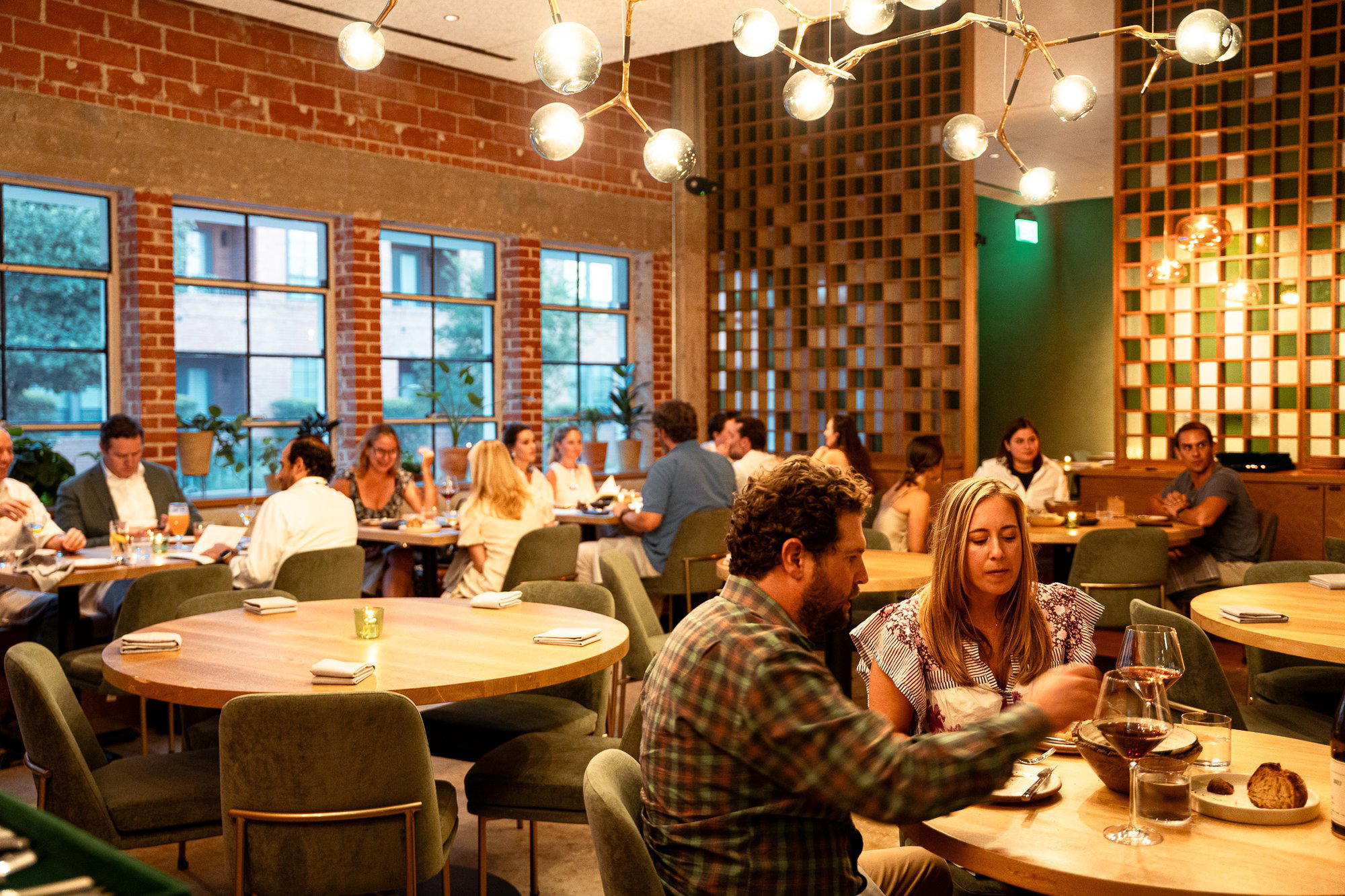
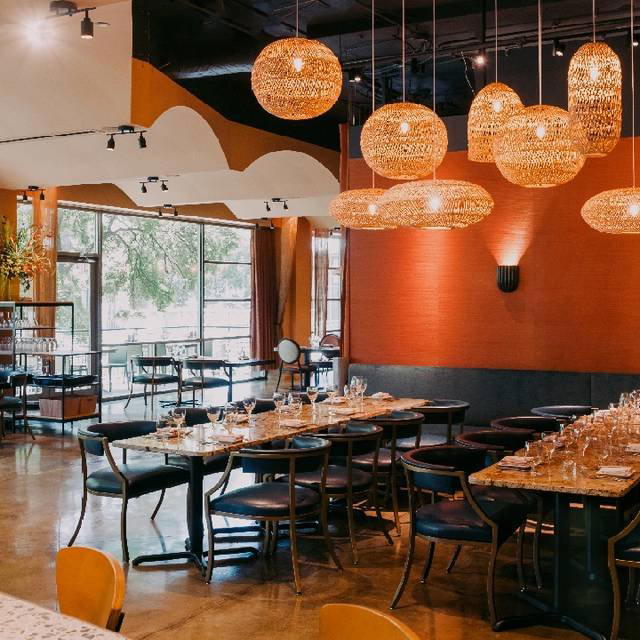
Restaurants in San Antonio
Browse all →
Bars in San Antonio
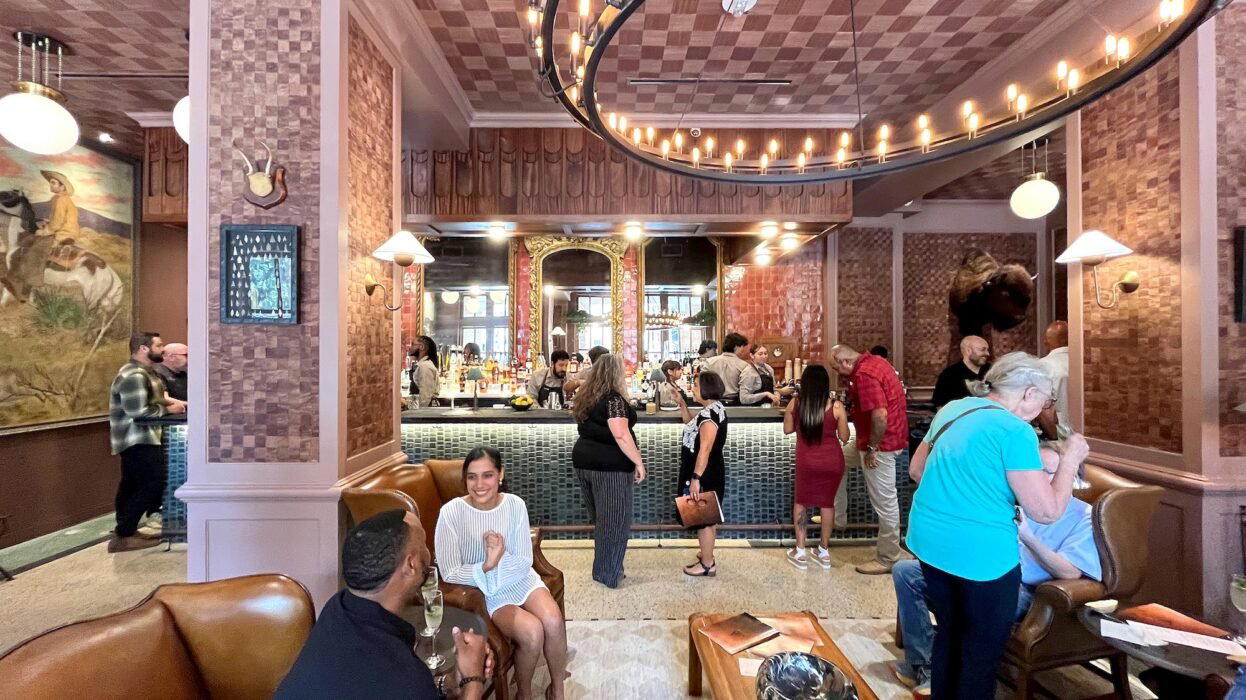
Browse all →
Hotels in San Antonio
Browse all →

Wineries in San Antonio
Browse all →
Details
- Rustic
- Cozy
- Historic
- Casual Hangout
- Historic Building
- Garden
- Street Scene
- A La Carte
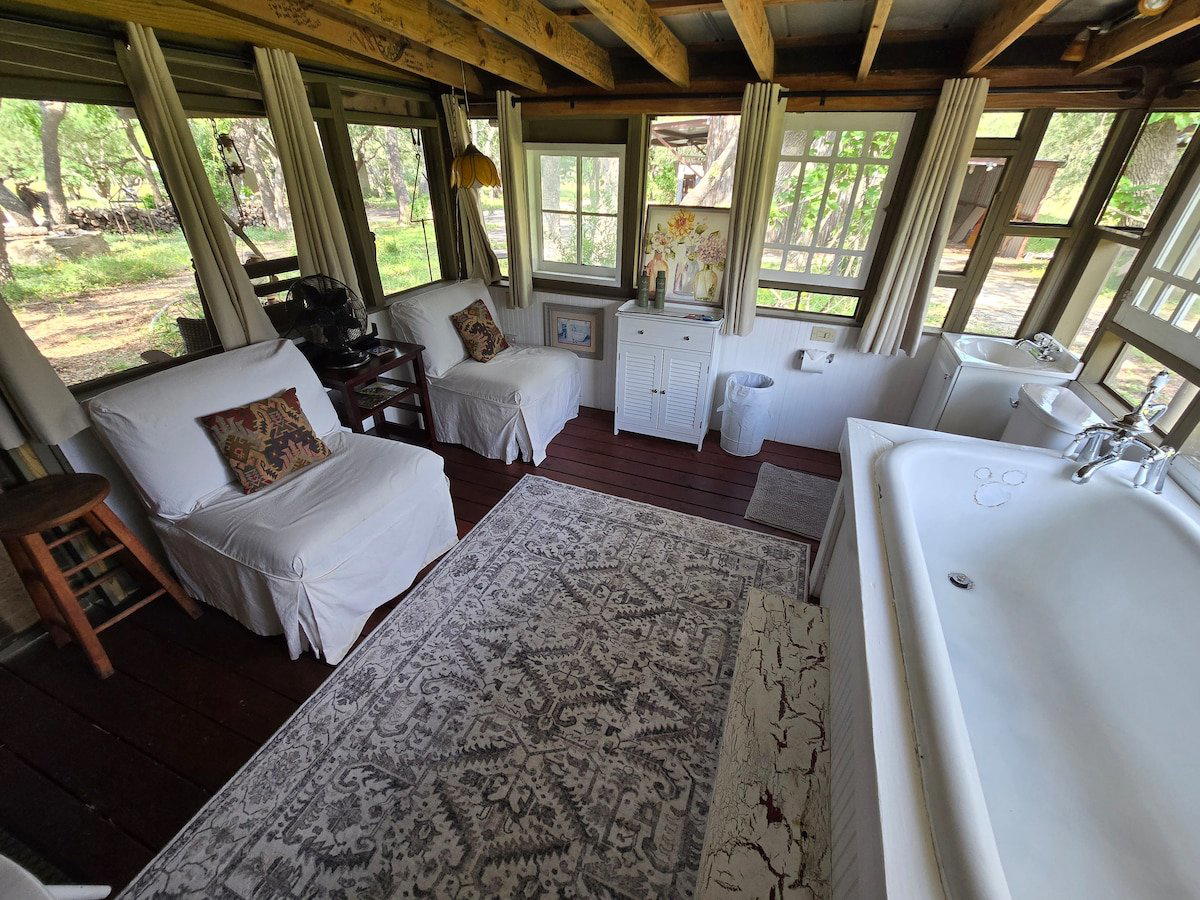
Historic limestone dining room with original antique tables and chairs from the 19th-century Ursuline Girls Academy, offering a charming, nostalgic school cafeteria atmosphere amid beautiful art school grounds.