Coral Reef Restaurant
Our verdict
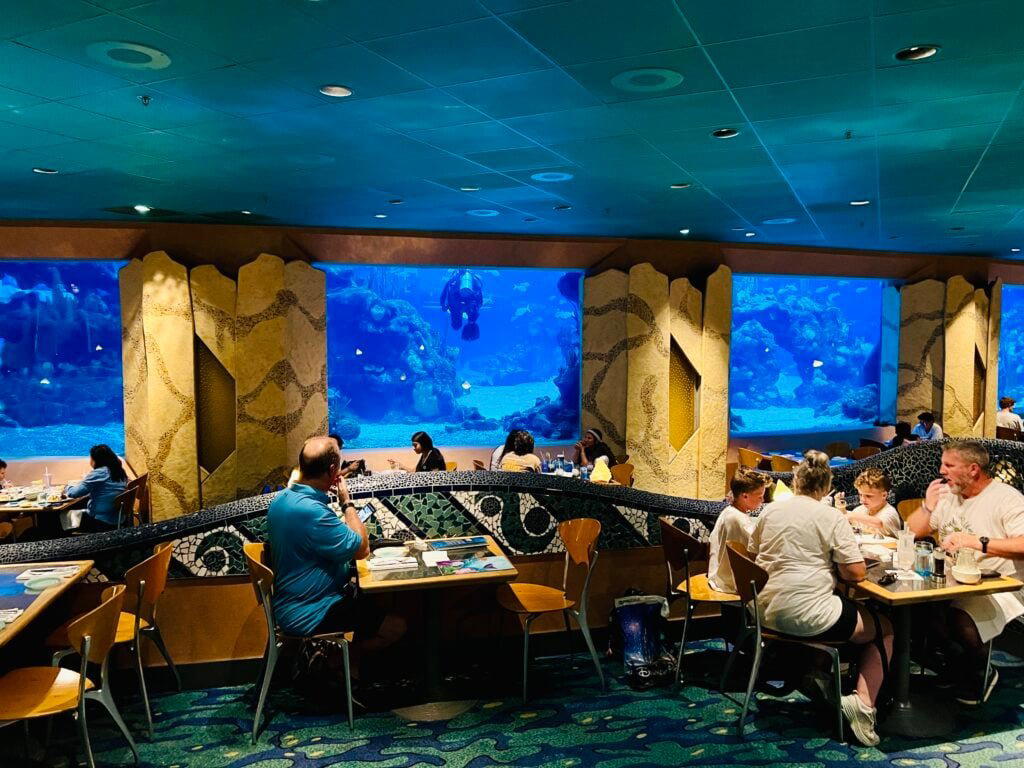
Coral Reef Restaurant sits inside Epcot's The Seas pavilion, where floor-to-ceiling aquarium windows place one of the world's largest indoor ocean tanks directly beside the dining room. The format combines a seafood-forward menu with an immersive aquatic setting that few American theme park restaurants can match in terms of sheer visual scale. It draws both families and serious diners who want something beyond the standard park-dining formula.

Pearl is the En Primeur Club membership app, where members save venues, book tables and use the concierge.
The menu
What to order
- Coconut Shrimp
- Grilled Snapper
- Seafood Boil
Dining Beside 5.7 Million Gallons
There is a specific category of American theme park dining that has moved well beyond the utilitarian: restaurants that use their settings as architectural arguments, where the environment itself does editorial work. Coral Reef Restaurant at Epcot's The Seas pavilion belongs to that category. The dining room sits flush against one of the largest inland saltwater tanks in the world, a 5.7-million-gallon system housing sharks, rays, sea turtles, and thousands of fish species. Floor-to-ceiling acrylic panels run the length of the room, which means your field of view across a meal can include a green sea turtle drifting past at shoulder height and a spotted eagle ray banking silently through the blue distance. The visual scale is not incidental; it defines the entire dining logic of the space.
That setting places Coral Reef in a different competitive tier from the casual counter-service operations that dominate theme park food. It also places it in a different conversation from Orlando's standalone fine-dining options, restaurants like Sorekara, Kadence, or Capa, where the environment steps back and the plate does all the talking. At Coral Reef, the plate and the panorama share the argument equally. That is not a concession; it is a format decision, and it is worth understanding before you book.
How the Meal Moves
The structure of dining at Coral Reef follows the arc of a conventional multi-course American seafood service rather than the tasting-menu progressions found at destination restaurants like Le Bernardin in New York City or Providence in Los Angeles. That distinction matters because it shapes the reader's expectations accurately: this is not a kitchen-driven progression where each course comments on the one before it. The meal here moves at the guest's pace, with the aquarium providing a slow, continuous backdrop that makes extended table time feel natural rather than pressured.
Starters at American seafood restaurants in this format typically lean on chowders, raw preparations, and shellfish towers, dishes designed to establish a maritime register without demanding deep technical engagement from the kitchen. Mid-course proteins, whether fish or shellfish preparations, carry the weight of the meal's culinary argument. Desserts in this format serve as closure for guests with children in tow, where the social rhythm of the meal often matters more than the pastry program. At Coral Reef, that social rhythm is shaped significantly by the tank: conversation naturally pauses when something large moves through the water, and the meal absorbs those interruptions rather than resisting them.
That pacing dynamic distinguishes Coral Reef from the tight counter-service model of most park dining, and also from the highly structured progression you find at operator-driven concepts like Lazy Bear in San Francisco or Smyth in Chicago. It sits in a middle register: more deliberate than fast casual, more relaxed than omakase, governed as much by spectacle as by kitchen ambition.
Where It Sits in Orlando's Dining Picture
Orlando's serious dining scene has developed considerably over the past decade, with a cluster of independently operated, chef-driven rooms establishing the city as a credible food destination beyond its theme park identity. Camille and Natsu represent the kind of focused, format-disciplined concepts that compete with comparable rooms in larger American cities. Coral Reef does not compete in that tier, nor does it try to.
In that category, Coral Reef has operated with consistent appeal for decades, sustained by a setting that is genuinely difficult to replicate outside of major aquarium infrastructure. The comparison set nationally includes a small number of aquarium-adjacent dining rooms, but few match the direct visual access that the Epcot installation provides. For a wider look at Orlando's dining picture across categories and price points, see our full Orlando restaurants guide.
The Seafood Format in American Theme Park Context
American theme park dining has historically tracked toward high-volume comfort formats, optimized for speed and family palatability rather than kitchen ambition. The past fifteen years have seen a meaningful shift, with operators investing in table-service concepts that carry genuine culinary intent. Disney's portfolio includes rooms that sit above the theme park norm, and Coral Reef has long been among the more serious food commitments in that collection, at least in terms of menu focus. A seafood-centered menu inside a working marine ecosystem carries an internal logic that straight-forward burger-and-pasta formats lack: the visual context and the menu content reinforce each other.
That internal coherence is something the broader category of experiential American dining has been working toward. Restaurants like Blue Hill at Stone Barns in Tarrytown and Single Thread Farm in Healdsburg have made the alignment between environment and plate central to their identities, drawing menus directly from their surrounding land. Coral Reef operates on a different register, but the structural logic shares a family resemblance: the environment is not decoration, it is an argument about what and why you are eating.
Planning Your Visit
Coral Reef Restaurant is located at 200 Epcot Center Dr, Lake Buena Vista, FL 32830, inside the Future World section of Epcot, which means Epcot park admission is required for access. Reservations at Walt Disney World table-service restaurants of this category typically open sixty days in advance, and Coral Reef draws consistent demand given its combination of setting and relatively limited seating compared to park-wide volume. Booking closer to the sixty-day window is the more reliable approach, particularly for peak travel periods: spring break, summer, and the November-to-January holiday stretch. Guests without Disney dining reservations can check for same-day availability through the My Disney Experience platform, though success on that channel depends heavily on time of year.
The meal is priced at a table-service tier consistent with Disney's mid-to-upper range, which positions it well above counter service but below the signature dining tier occupied by Victoria and Albert's. For travelers accustomed to premium seafood restaurants in major American cities, the price-to-ambition ratio reads as reasonable given the setting overhead. Families with younger children should note that the aquarium view is immediately engaging for children and tends to make longer meal durations more manageable than in conventional dining rooms.
For context on what premium American seafood and multi-course dining looks like at its most ambitious nationally, reference points include Le Bernardin, Addison in San Diego, The French Laundry in Napa, The Inn at Little Washington, Atomix in New York City, Emeril's in New Orleans, and Atelier Moessmer Norbert Niederkofler in Brunico. Coral Reef does not compete in that field, but understanding where those rooms set the ceiling helps calibrate what a well-executed experiential dining format, operating at theme park scale, can and should deliver.
Frequently asked questions
What do people recommend at Coral Reef Restaurant?
How far ahead should I plan for Coral Reef Restaurant?
What is Coral Reef Restaurant leading at?
Is Coral Reef Restaurant good for vegetarians?
What makes dining at Coral Reef different from other aquarium-adjacent restaurants in the United States?
Cuisine and Recognition
Comparable venues nearby, for context on price, style, and recognition.
| Venue | Cuisine | Price | Awards | Notes |
|---|---|---|---|---|
| Coral Reef RestaurantThis venue (the venue you are viewing) | Florida Coastal Seafood | $30–50 | Not listed | Not listed |
| Atlantic Restaurant | Modern surf-and-turf seafood in a Victorian undersea aquarium setting | $50–100 | Not listed | Universal Epic Universe – Celestial Park |
| Lee & Rick's | Classic Seafood Oyster Bar | $20–30 | Not listed | Orlo Vista |
| Flying Fish | Contemporary American Seafood and Grill | $50–100 | Wine Spectator Award of Excellence | Disney's BoardWalk |
| The Nectar Room | Modern International Small Plates | $30–50 | Not listed | Lake Nona South |
| Palm Tree Club Orlando | Upscale Coastal Cuisine | Not listed | Not listed | Pointe Orlando |
Continue exploring
More in Orlando
Restaurants in Orlando
All restaurants in Orlando →
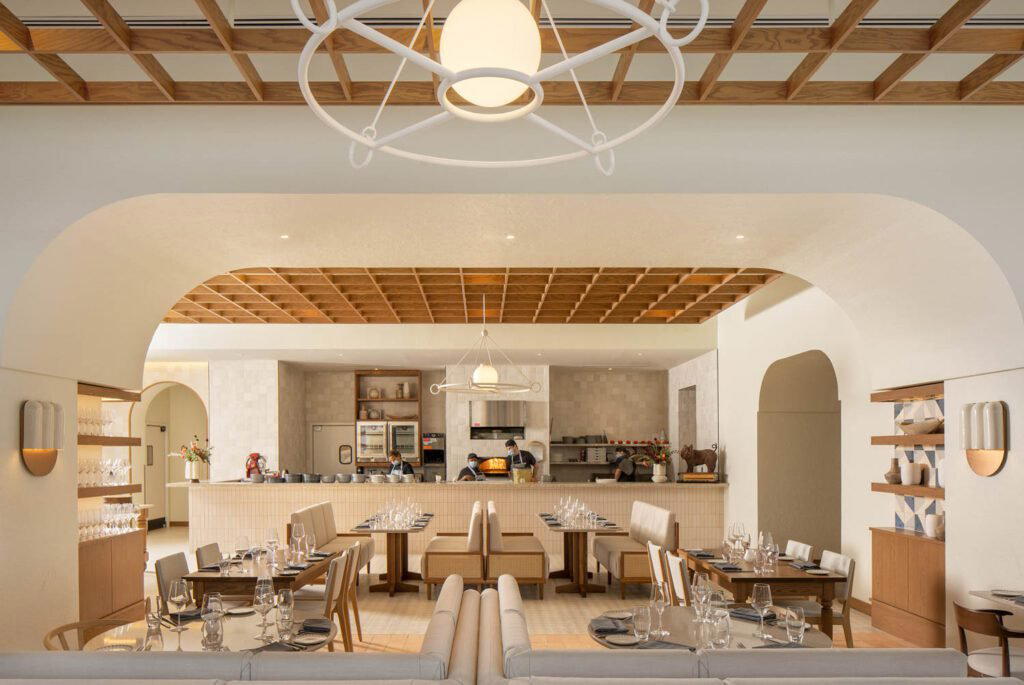
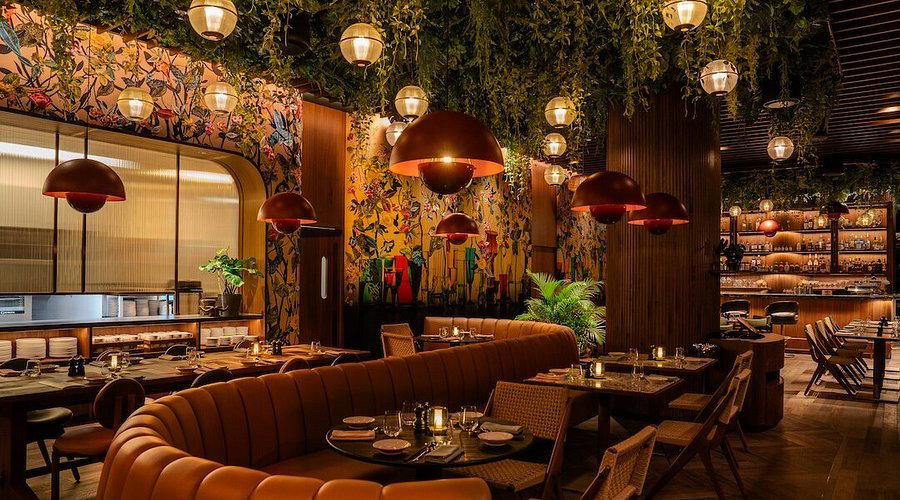
Bars in Orlando
All bars in Orlando →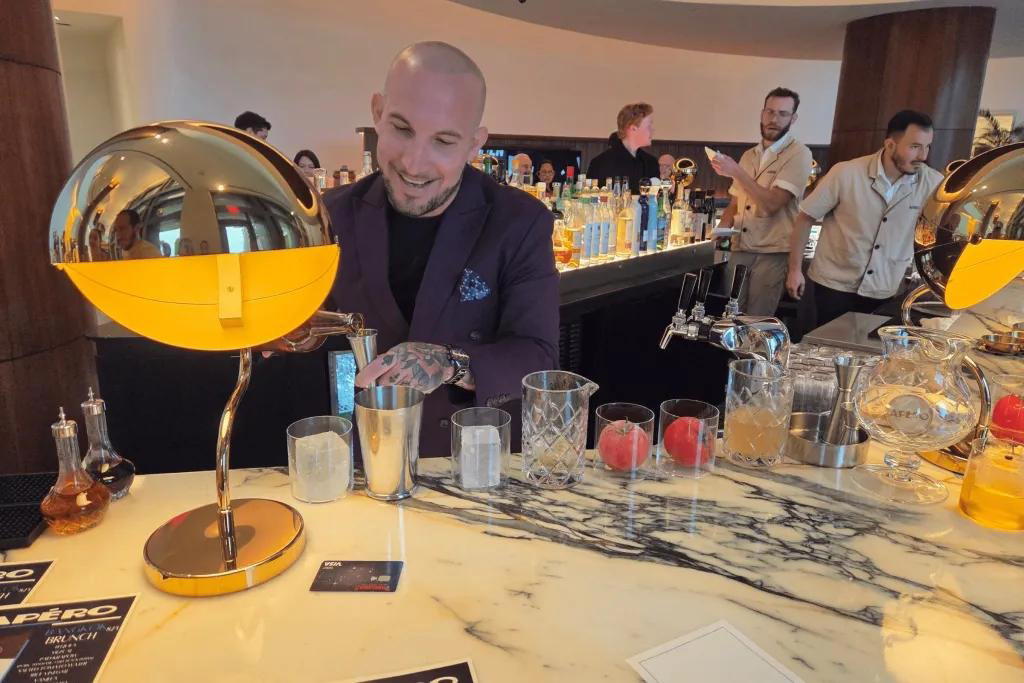
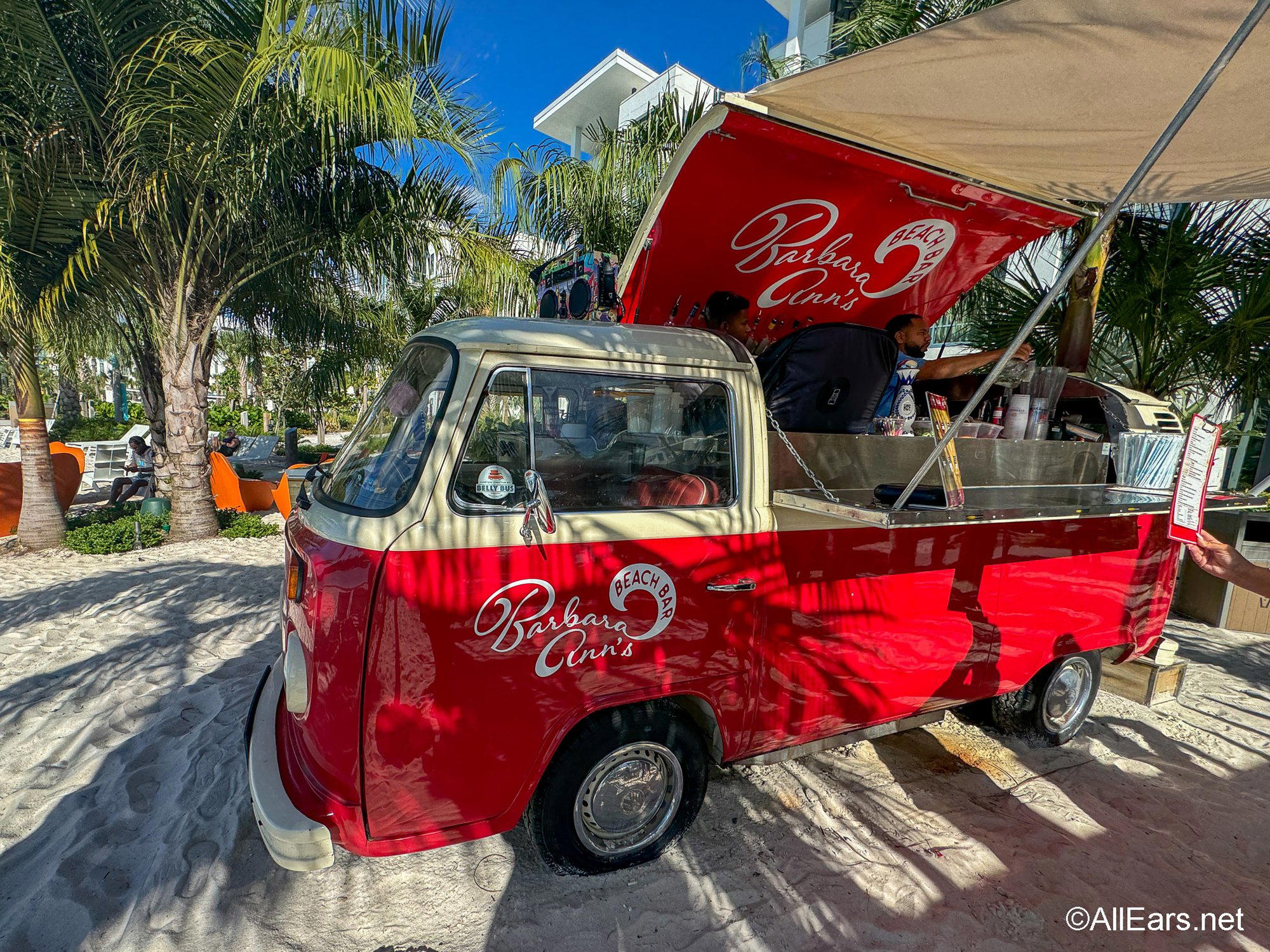
Details
- Scenic
- Whimsical
- Intimate
- Family
- Celebration
- Waterfront
- Hotel Restaurant
- Craft Cocktails
- Waterfront
- A La Carte
- Vegetarian Friendly
- Vegan Options
- Gluten Free Options
Current opening hours
- Monday
- 4–9 PM
- Tuesday
- 4–9 PM
- Wednesday
- 4–9 PM
- Thursday
- 4–9 PM
- Friday
- 4–9 PM
- Saturday
- 4–9 PM
- Sunday
- 4–9 PM
Hours can change for holidays and private events. Hours as of .
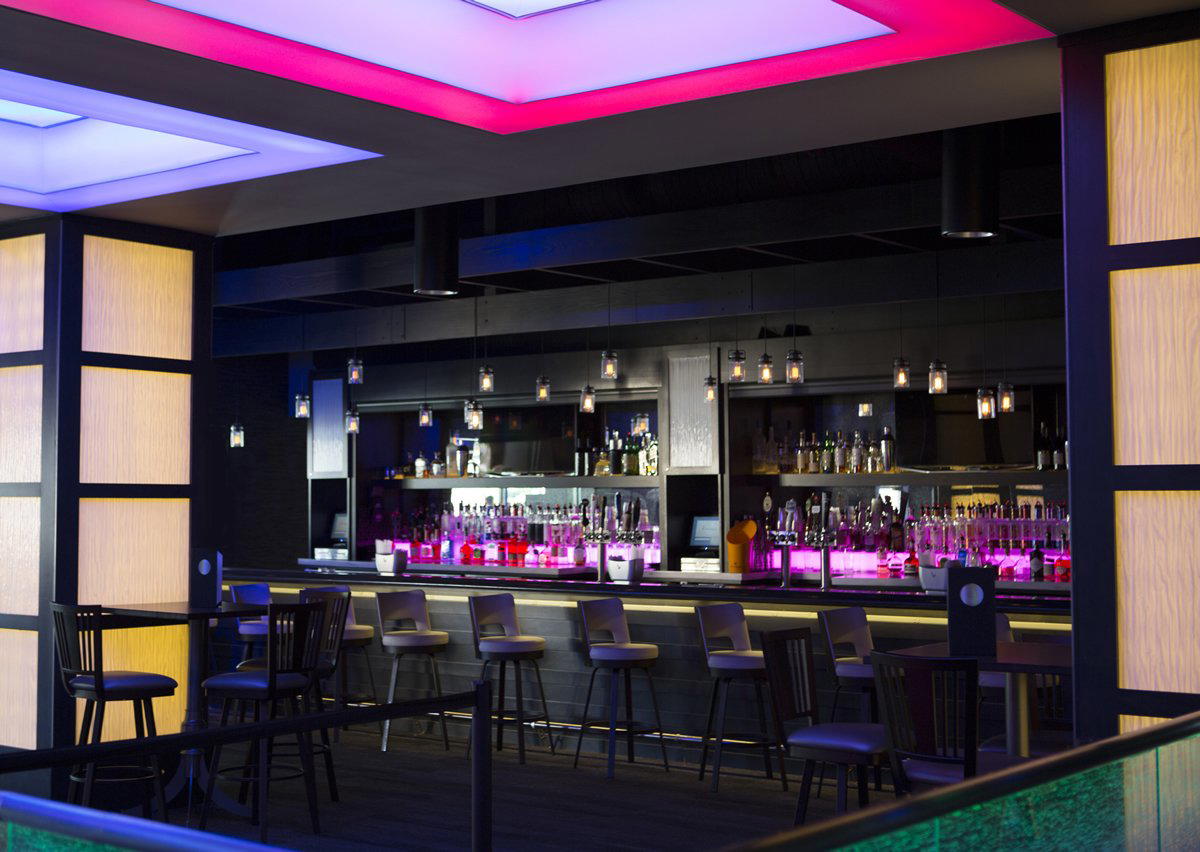
Intimate underwater atmosphere with ocean-inspired lighting and mesmerizing aquarium views.