Coquelico
Coquelico brings a French-inspired bistro lens to Portland, a city where ingredient provenance often matters as much as technique. The appeal is less about ceremony than fit: French structure, Pacific Northwest seasonality, and a dining culture that tends to reward kitchens with a clear point of view rather than excess polish.
Pearl is the En Primeur Club membership app — saves, bookings, and concierge access live there. Same editors, same standards.
- Address
- Portland, United States
- Directions
- Get directions
 Saves & bookings on Pearl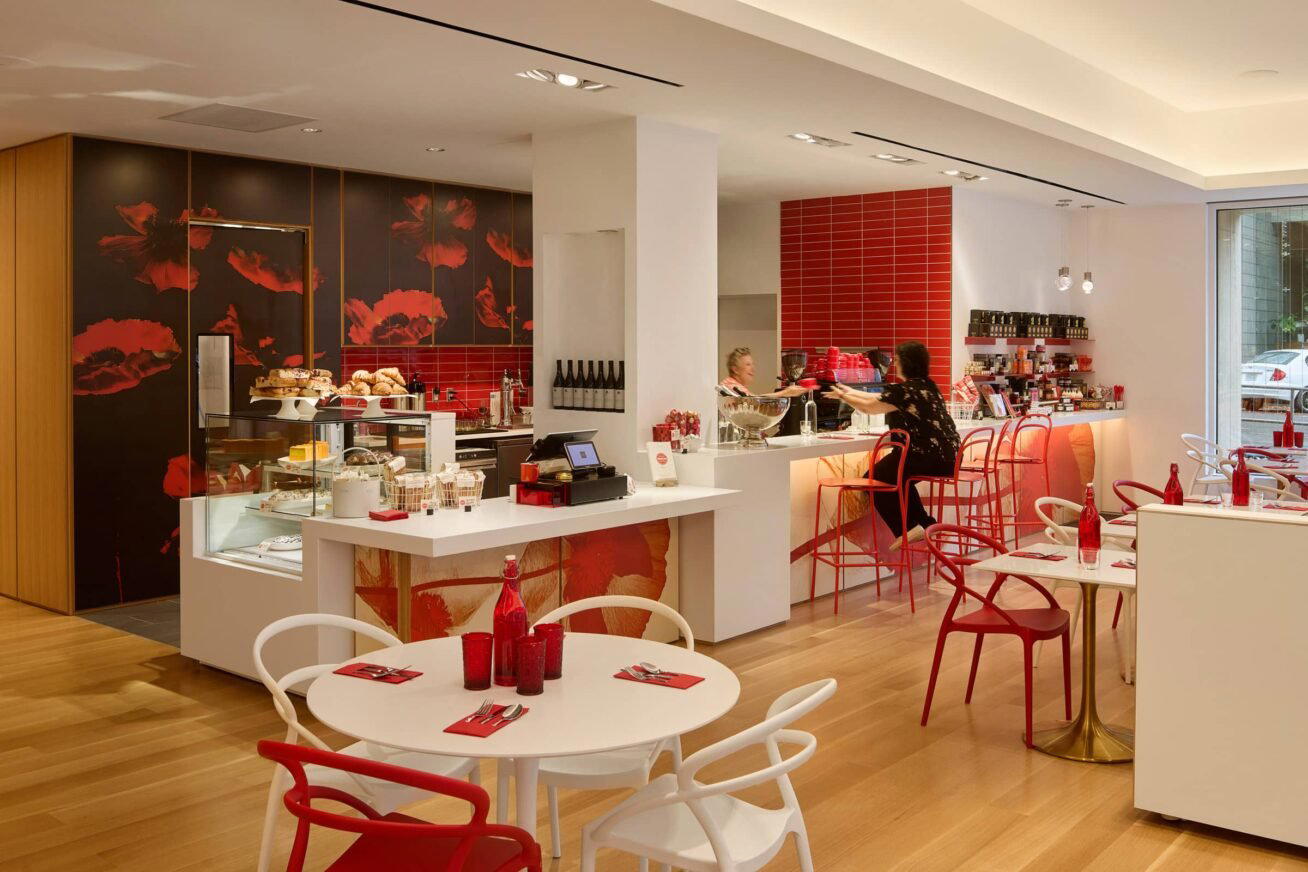
Portland’s bistro rooms tend to announce themselves in quieter ways than their Parisian ancestors: less brass-and-mirror theatre, more attention to what the region can put on a plate. Coquelico belongs in that Portland conversation, where French technique is not treated as costume but as a useful grammar for local produce, dairy, seafood, and meat. The city’s strongest dining identity has long been tied to proximity: farms close to the urban core, a serious market culture, and diners who notice when a kitchen’s idea of seasonality is vague.
French bistro form, Portland provenance
The phrase French-inspired bistro carries useful tension in Portland. A traditional bistro implies comfort, repetition, and dishes that earn their place through familiarity. Portland, by contrast, often pushes restaurants toward shorter supply chains and a looser relationship with canon. Coquelico sits at that intersection. The point is not to reproduce Paris by way of Oregon; it is to use French structure as a frame for a regional pantry that changes with weather, farms, and fisheries.
That matters because Portland’s restaurant culture is rarely persuaded by luxury signals alone. A dining room can be polished, but the plate still has to justify itself through sourcing and restraint. French bistro cooking gives that discipline a recognizable shape: sauces with purpose, vegetables treated as more than garnish, and a menu logic built around appetite rather than spectacle. In a city where casual formats can carry serious ambition, this kind of restaurant reads as part of Portland’s mature middle register: not tasting-menu theatre, not purely neighborhood utility, but a place where technique and product need to meet cleanly.
Readers mapping the city more broadly can use Our full Portland restaurants guide as the wider frame. The same sourcing-first instinct appears across different formats, from 82 Acres (Seasonal local) to address-led listings such as 1021 NE Grand Ave, 3808 N Williams Ave, and long-running neighborhood dining rooms like 3 Doors Down Cafe & Lounge. Coquelico’s French angle gives that local habit a different vocabulary rather than a different mission.
The bistro as a seasonal argument
French bistro cooking is often misunderstood as heavy by default. In Portland, that reading misses the point. The stronger version is seasonal, practical, and ingredient-led: a format where the kitchen can move between richness and acidity, comfort and precision, without turning dinner into a lecture. Coquelico’s stated cuisine type places it in that lineage, and the editorial interest lies in how well that category fits the city. Oregon’s agricultural calendar gives bistro cooking natural rhythm, especially when menus are allowed to follow the market rather than lock into year-round sameness.
This is where provenance becomes more than a fashionable word. In Portland, the difference between a convincing French-inspired bistro and a generic one is usually the depth of its relationship with the surrounding region. The city’s diners have been trained by farmers markets, wine country proximity, and a restaurant scene that has treated vegetables and grains seriously for decades. A bistro here cannot rely only on nostalgia for steak frites, onion soup, or zinc-counter mythology. It has to make a case for why French technique belongs on this side of the Willamette.
That case is strongest when the cooking lets Oregon speak without flattening it into rusticity. The format should feel flexible enough for a weeknight meal and disciplined enough for a more deliberate dinner. Coquelico’s appeal, on the information available, is category clarity: French-inspired bistro rather than hybrid sprawl. In Portland, clarity is useful. The city has plenty of restaurants that blur borders; a focused bistro gives diners a simpler question to answer: does the kitchen translate regional product through a French lens with confidence and control?
How to place it in a Portland itinerary
Coquelico makes editorial sense for travelers who want Portland dining without reducing the city to a single stereotype. The French bistro frame offers familiarity, while the local context supplies the specificity. Pairing a meal here with a broader look at the city’s hospitality scene gives a fuller read of Portland’s current character: restaurants remain the anchor, but bars, hotels, wineries, and experiences increasingly shape how visitors understand the city between meals.
For that wider planning layer, use Our full Portland hotels guide, Our full Portland bars guide, Our full Portland wineries guide, and Our full Portland experiences guide. Readers tracking ingredient-led cooking beyond Oregon can also compare how regional identity shows up in different American and Japanese contexts through AC Kitchen, Jōdo Saké Bar in Los Angeles, Onigiri Time in Pasadena, 'Ai Love Nalo in Waimanalo Beach, 'āina in San Francisco, 'Ama 'Ama in Kapolei, 'Dashery in Baltimore, -Grilled beef Sukiyaki- KAMAKURA TANUKIAN 鎌倉 たぬき庵 in Kamakura, and ¡Salud! in Los Angeles.
The useful verdict is measured: Coquelico is for diners who respond to bistro grammar, regional sourcing, and Portland’s preference for substance over display. Without public awards or chef biography shaping the narrative, the restaurant’s strongest read is categorical rather than celebrity-driven. It belongs to the city’s provenance-minded dining culture, where the lasting question is not how loudly a room announces itself, but whether the cooking makes the region legible.
Comparable Venues Nearby
Comparable venues nearby, for context on price, style, and recognition.
| Venue | Cuisine | Price | Notes |
|---|---|---|---|
| CoquelicoThis venue — the venue you are viewing | Modern European bistro café | $$ | Not listed |
| Belleville | French Bakery & Roman Pizza | $$ | Munjoy Hill |
| C'est Si Bon Bistro+Vins | Modern French Bistro | $$$ | Central Eastside Industrial District |
| Petite Provence | French Bistro & Bakery | $$ | Vernon |
| Oven and Shaker | Wood-fired Neapolitan Pizza | $$ | Pearl |
| Ya Hala | Authentic Lebanese | $$ | Montavilla |
Continue exploring
More in Portland
Restaurants in Portland
Browse all →
Bars in Portland
Browse all →
Hotels in Portland
Browse all →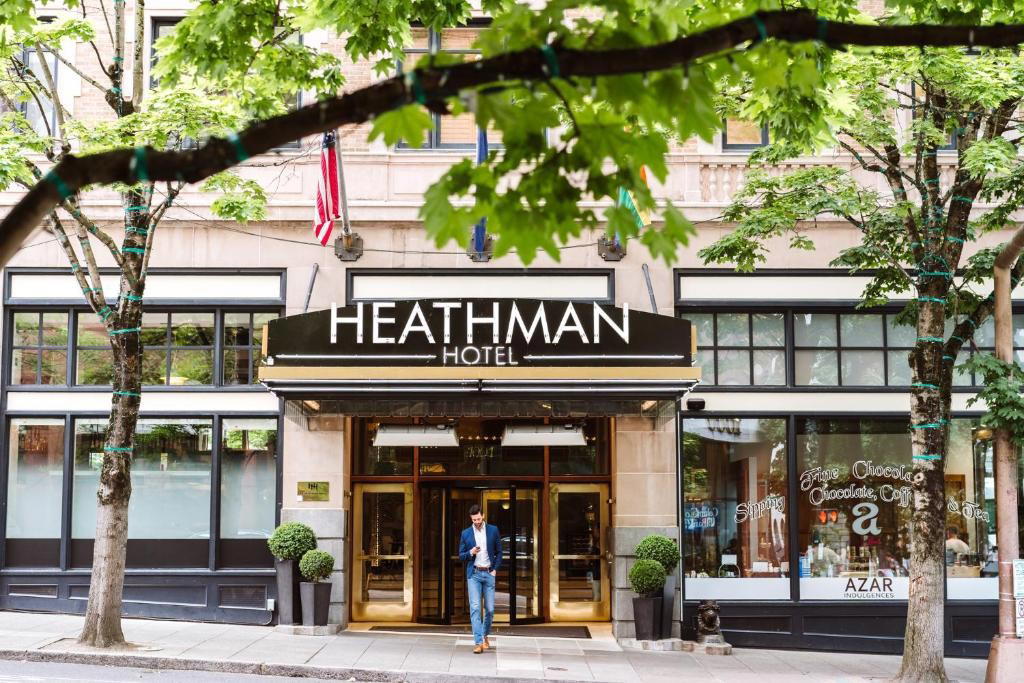


At a Glance
- Modern
- Trendy
- Cozy
- Casual Hangout
- After Work
- Solo
- Brunch
- Design Destination
- Standalone
- Street Scene
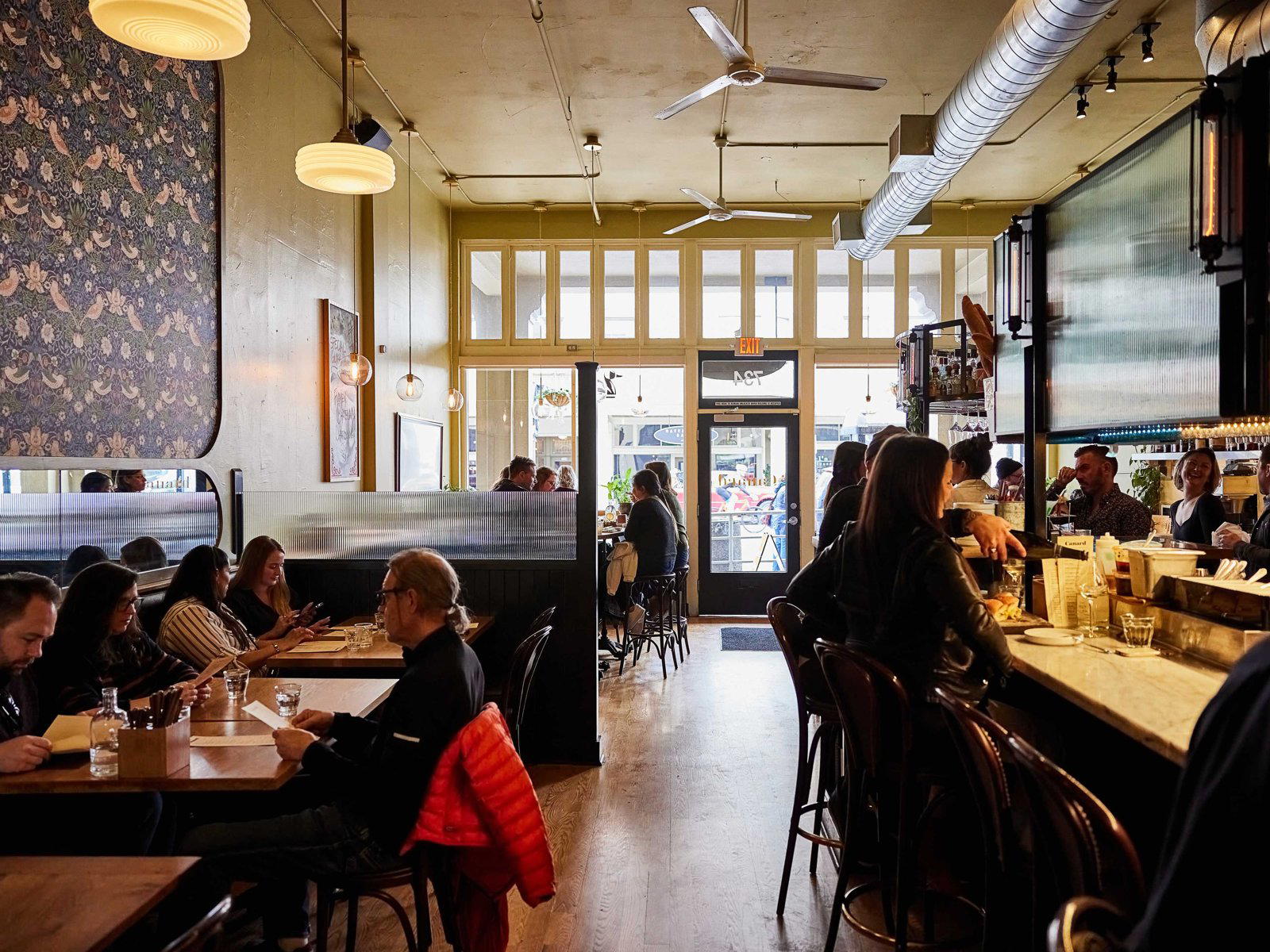
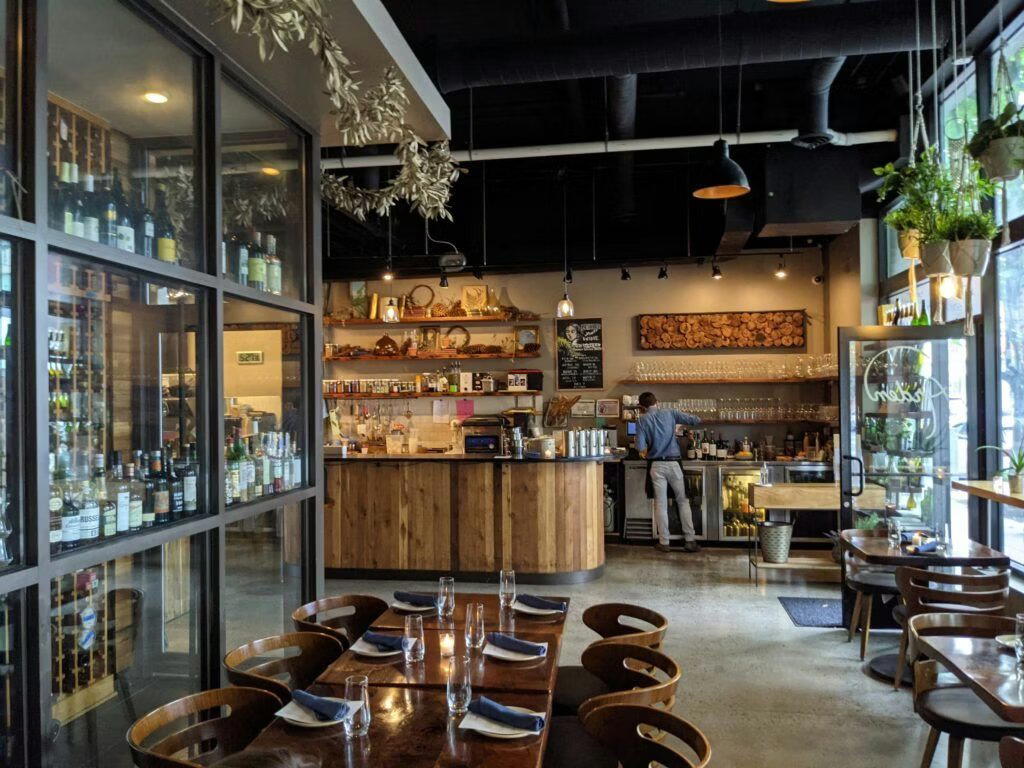
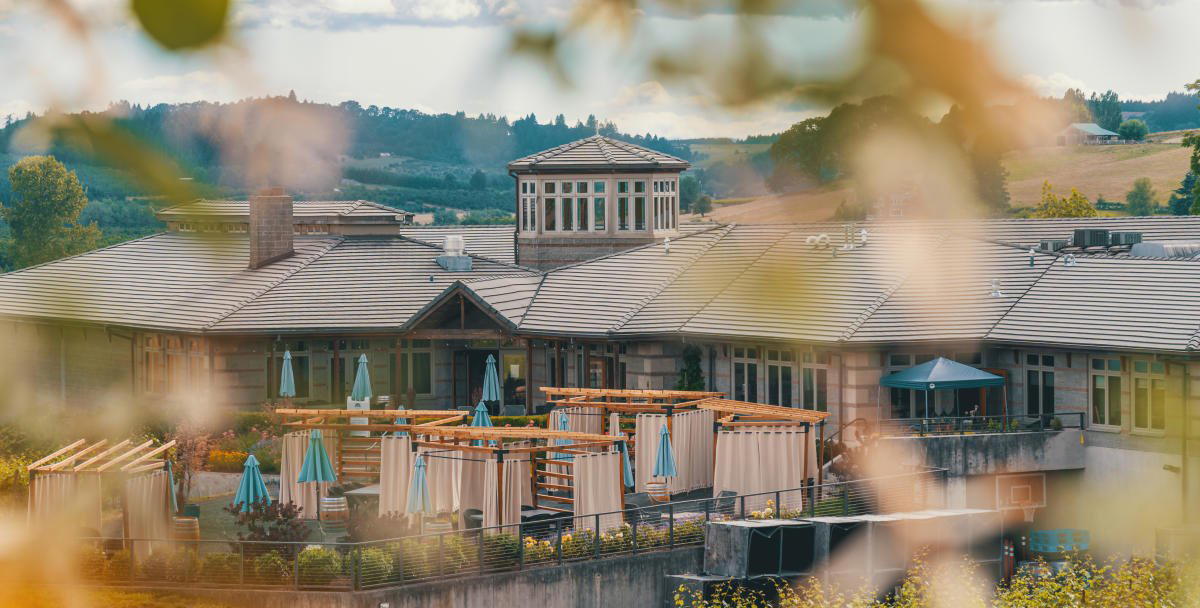
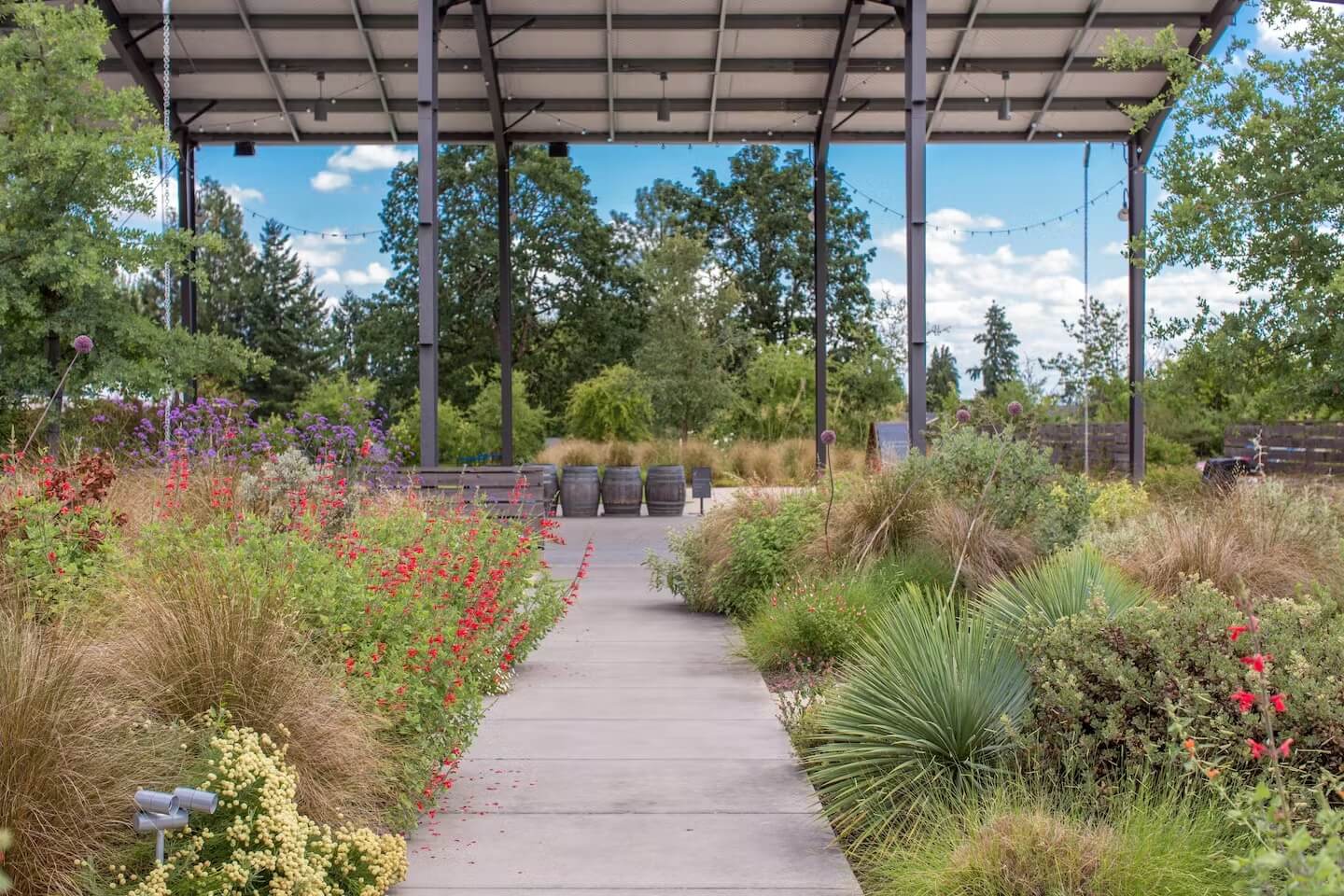
A modern museum café with bright daylight from plaza-facing windows, a clean contemporary design, and a relaxed bistro feel suited to casual visits before or after viewing exhibitions.