Our verdict
Copper Chimney sits on the second floor of Phoenix Mall Millennium in Wakad, positioning itself within Pune's expanding western corridor dining scene. The address places it squarely in a mall-format context that has reshaped how suburban Pune residents access sit-down restaurant dining. For visitors to the Mulshi and Pimpri-Chinchwad belt, it represents a familiar-format option within a high-footfall retail environment.

Pearl is the En Primeur Club membership app — saves, bookings, and concierge access live there. Same editors, same standards.
The menu
What to order
- Dal Maharaja
- Murgh Kali Mirch
- Copper Kadak Roomali
- Achari Mushroom
- Muzzafar
Mall-Format Dining and the Western Pune Corridor
Pune's dining geography has shifted considerably over the past decade. The old city concentration around Koregaon Park and Camp has been joined by a parallel dining belt running through Wakad, Hinjewadi, and the broader Pimpri-Chinchwad corridor, driven partly by the IT township effect and partly by the arrival of large-format retail anchors like Phoenix Mall Millennium. Within these malls, the restaurant floor has become a destination in its own right, not merely a convenience for shoppers between purchases. Copper Chimney occupies the second floor of that mall on Western High Street in Wakad, a position that tells you something about both its target audience and its format logic. For more on how Mulshi and the surrounding region's dining options are developing, see our full Mulshi restaurants guide.
The Physical Environment: What a Second-Floor Mall Space Signals
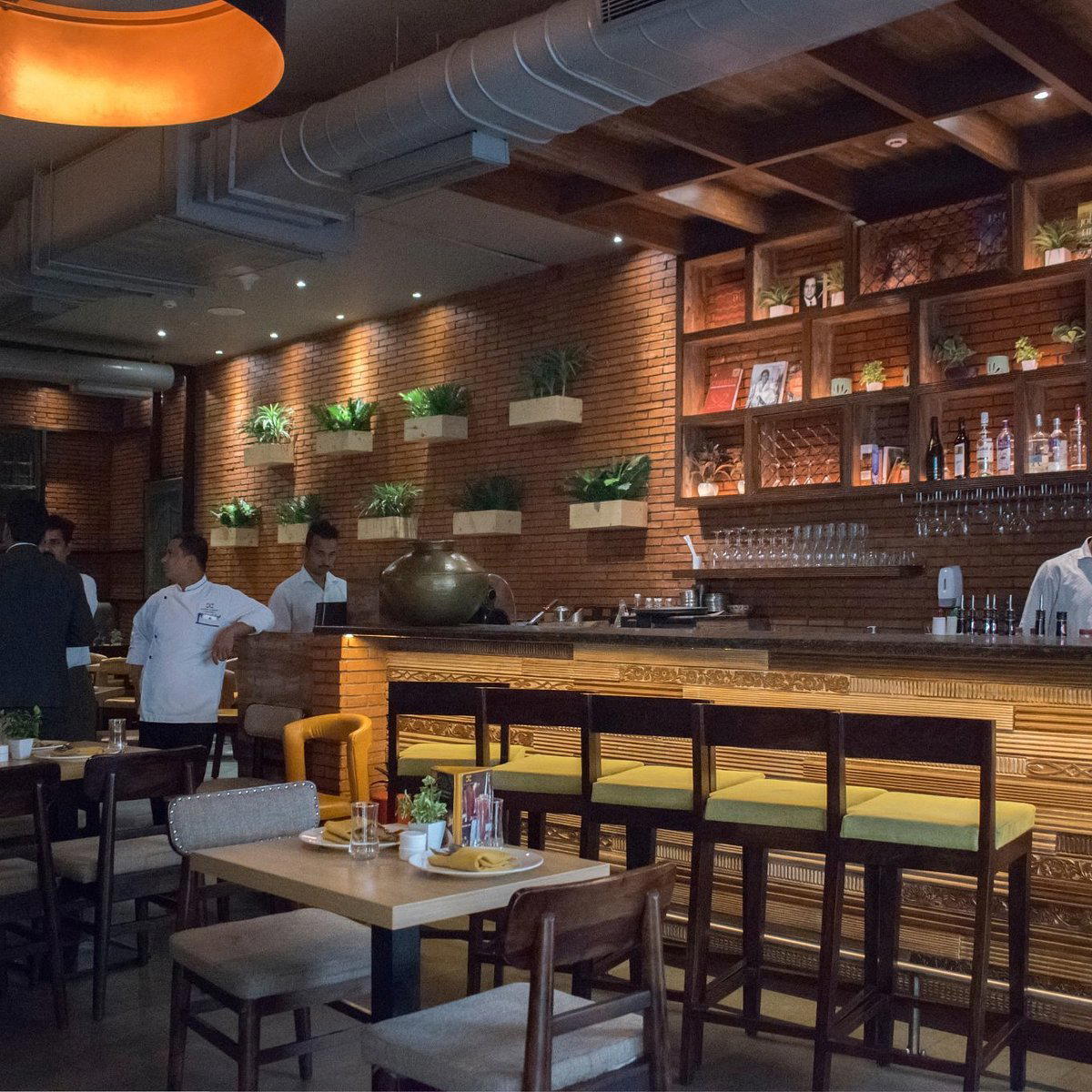
Arriving at a second-floor mall restaurant in a western Pune suburb, you encounter a particular kind of dining proposition. The physical approach involves escalators, retail adjacency, and the ambient sound of a working shopping centre. This is not a setup that aspires to destination dining in the way that, say, Adaa at Falaknuma Palace in Hyderabad does, or the kind of atmospheric remove that characterises places like Dining Tent in Jaisalmer. Mall-format restaurants in India have developed their own internal logic: consistent environments, reliable air conditioning, and a built-in footfall that reduces the marketing burden. Copper Chimney's placement at Shankar Kalat Nagar in this complex reflects a strategy common to mid-tier Indian restaurant brands expanding into high-density suburban nodes.
The contrast with independent formats is worth holding in mind. Restaurants like Farmlore in Bangalore or Bomras in Anjuna build their identity partly through the deliberateness of their physical settings. Mall dining operates on a different contract with the guest: accessibility and familiarity over atmosphere and specificity.
Ingredient Sourcing and What It Means in a Chain Context
The ingredient sourcing question is where mall-format restaurants face their sharpest scrutiny. India's most discussed restaurant kitchens in recent years have leaned hard into provenance: farm-to-table sourcing, regional producer relationships, and hyper-local ingredient stories. Kappa Chakka Kandhari in Chennai built its entire identity around Kerala ingredient sourcing and regional cooking logic. Leela Kerala Terrace in Trivandrum operates within a similar regional-ingredient framework. These are restaurants where the sourcing story is the editorial story.
Copper Chimney operates in a different tier of that conversation. Without that data, responsible editorial practice means acknowledging what is and is not verifiable rather than filling the gap with assumptions. What can be said is that the broader Copper Chimney brand, which has operated across Indian cities since the 1970s and is associated primarily with North Indian grills and tandoor cooking, belongs to a category of restaurant where central supply chains and standardised preparation tend to take precedence over hyper-local sourcing. Whether this particular Wakad location has developed any local ingredient relationships is not documented in publicly available form.
For readers whose primary interest is sourcing transparency and provenance-led menus, the comparison set shifts considerably. Naar in Kasauli and Palaash in Yavatmal both operate with an explicit regional-ingredient orientation. The gap between that tier and the standardised mall-restaurant tier is not merely philosophical; it affects what ends up on the plate and how it is priced.
Within the specific context of Wakad and the western Pune dining corridor, the relevant comparison is not Bukhara or Inja in New Delhi or any of India's award-trailing fine dining operations. Rajwadi Gaurav Thali and Multicuisine Restaurant and Banquet Hall represents another node in this local ecosystem, oriented more toward thali and banquet formats. These venues are not competing for the same guest as Americano in Mumbai or Le Bernardin in New York City. They are competing for the reliable weeknight dinner, the family occasion meal, and the after-mall-shopping dinner booking.
That is a legitimate and large market, and restaurants that serve it well provide genuine value to their communities.
Planning a Visit: What to Know Before You Go
The address is the second floor of Phoenix Mall Millennium, S No. 132, 23, Western High Street, Shankar Kalat Nagar, Wakad, Pimpri-Chinchwad, Maharashtra 411057. Wakad sits on the western fringe of Pune's urban area and is most practically reached by road; the IT park density in the surrounding Hinjewadi zone makes this a logical dinner stop for anyone working or staying in that corridor. Hours, pricing, and reservation options are best confirmed directly with the venue before visiting, particularly on weekends when Phoenix Mall Millennium footfall peaks. Diners interested in contrasting this experience with independent restaurant formats in the broader region would find View in Madurai, Neel in Patiala, or Ran Baas The Palace in Qila Mubarak worth examining as contrast points. For those whose appetite is for the higher end of the Indian dining spectrum, Lazy Bear in San Francisco and The Malabar House in Fort Cochin illustrate what the same broad category looks like at a very different investment level and format.
Frequently asked questions
Can I bring kids to Copper Chimney?
The Phoenix Mall Millennium setting in Wakad makes Copper Chimney a practical choice for families. Mall-format restaurants in this corridor typically accommodate children without difficulty, given the accessible second-floor location and the broader family footfall that defines suburban Pune shopping centres. Nothing in the venue's positioning suggests a policy against families.
What kind of setting is Copper Chimney?
Copper Chimney occupies the second floor of Phoenix Mall Millennium on Western High Street, Shankar Kalat Nagar, Wakad, Pimpri-Chinchwad. That places it squarely in the mall-dining format that has expanded across the western Pune corridor over the past decade, a format built around consistent air-conditioned environments and walk-in accessibility rather than destination-restaurant theatre.
Is Copper Chimney in Wakad part of a larger chain, and does that affect quality consistency?
Copper Chimney is one of India's older North Indian restaurant groups, with outlets across multiple cities, which means the Wakad location at Phoenix Mall Millennium operates under a standardised kitchen model rather than an independent chef-driven kitchen. Chain standardisation in this segment typically ensures baseline consistency in preparations like dal makhani and tandoor breads. The trade-off, as with any multi-city group, is that sourcing decisions are made at a brand level rather than responding to local or seasonal produce.
What should I order at Copper Chimney?
Copper Chimney is a North Indian chain with a long-established presence across India, known broadly for its tandoor preparations and dal dishes. The Wakad branch at Phoenix Mall Millennium operates within that same kitchen framework. For dish-specific recommendations at this particular outlet, checking the current in-restaurant menu on arrival is the most reliable approach, as offerings can vary by location.
Quick Comparison
Comparable venues nearby, for context on price, style, and recognition.
| Venue | Cuisine | Price | Notes |
|---|---|---|---|
| Copper ChimneyThis venue — the venue you are viewing | North Indian Tandoori & Mughlai | $10–20 | Not listed |
| Rajwadi Gaurav thali and multicuisine restaurant and Banquet Hall | Rajasthani Thali and Multicuisine Veg | $1–10 | Mulshi |
| The Pavillion | Indian, Chinese & Continental | Not listed | Rajpur Road |
| Omya | Modern Indian Fine Dining | $100–150 | Lodhi Road |
| Prasad Food Divine | Vegetarian Multi-Cuisine | $10–20 | Nahur |
| De Grasshopper Food and Cocktails | Multicuisine Indian, Chinese, Punjabi, Seafood | $10–20 | Hatkanangle |
Continue exploring
More in Mulshi
Restaurants in Mulshi
All restaurants in Mulshi →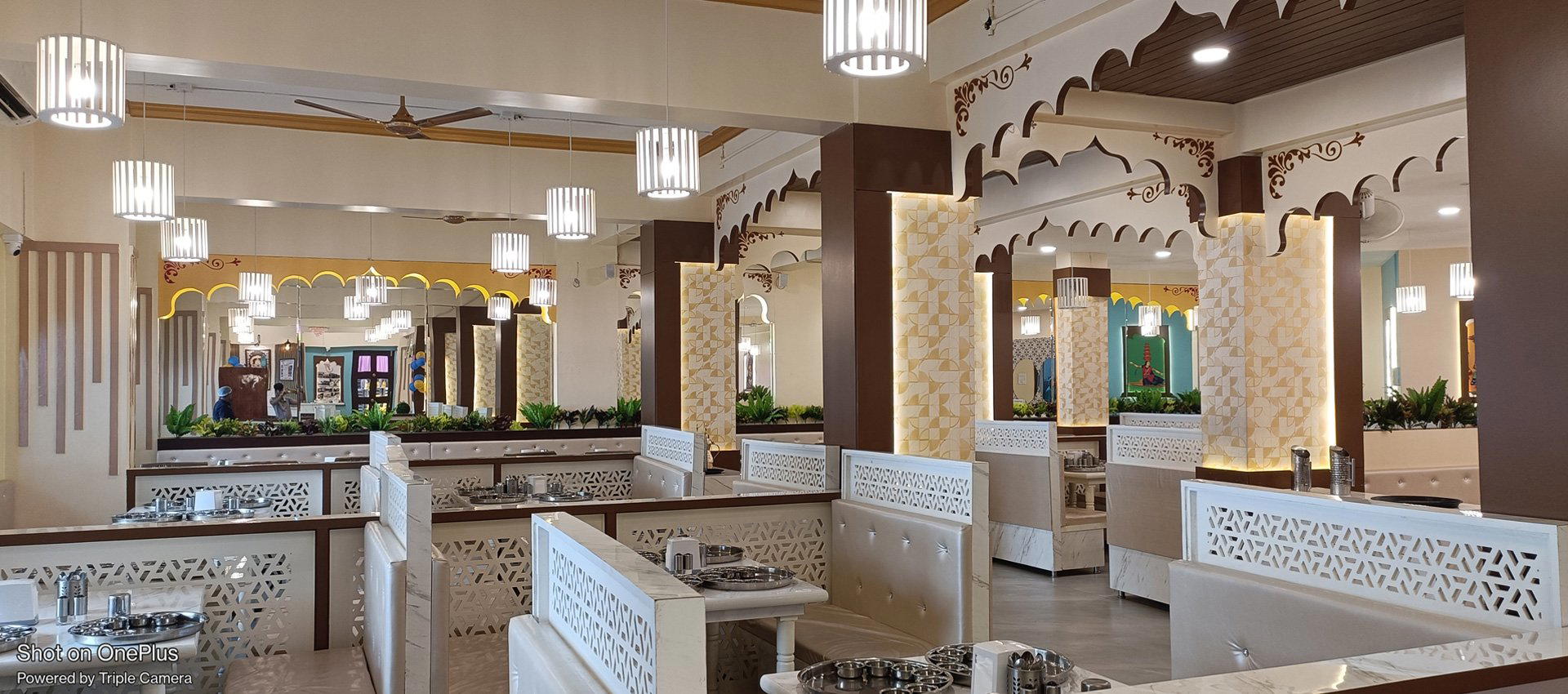
Bars in Mulshi
Browse all →
Details
- Classic
- Rustic
- Warm
- Group Dining
- Casual Hangout
- Family
- Standalone
- A La Carte
- Family Style
- Vegetarian Friendly
Current opening hours
- Monday
- 12–11 PM
- Tuesday
- 12–11 PM
- Wednesday
- 12–11 PM
- Thursday
- 12–11 PM
- Friday
- 12–11 PM
- Saturday
- 12–11 PM
- Sunday
- 12–11 PM
Hours can change for holidays and private events. Last verified .
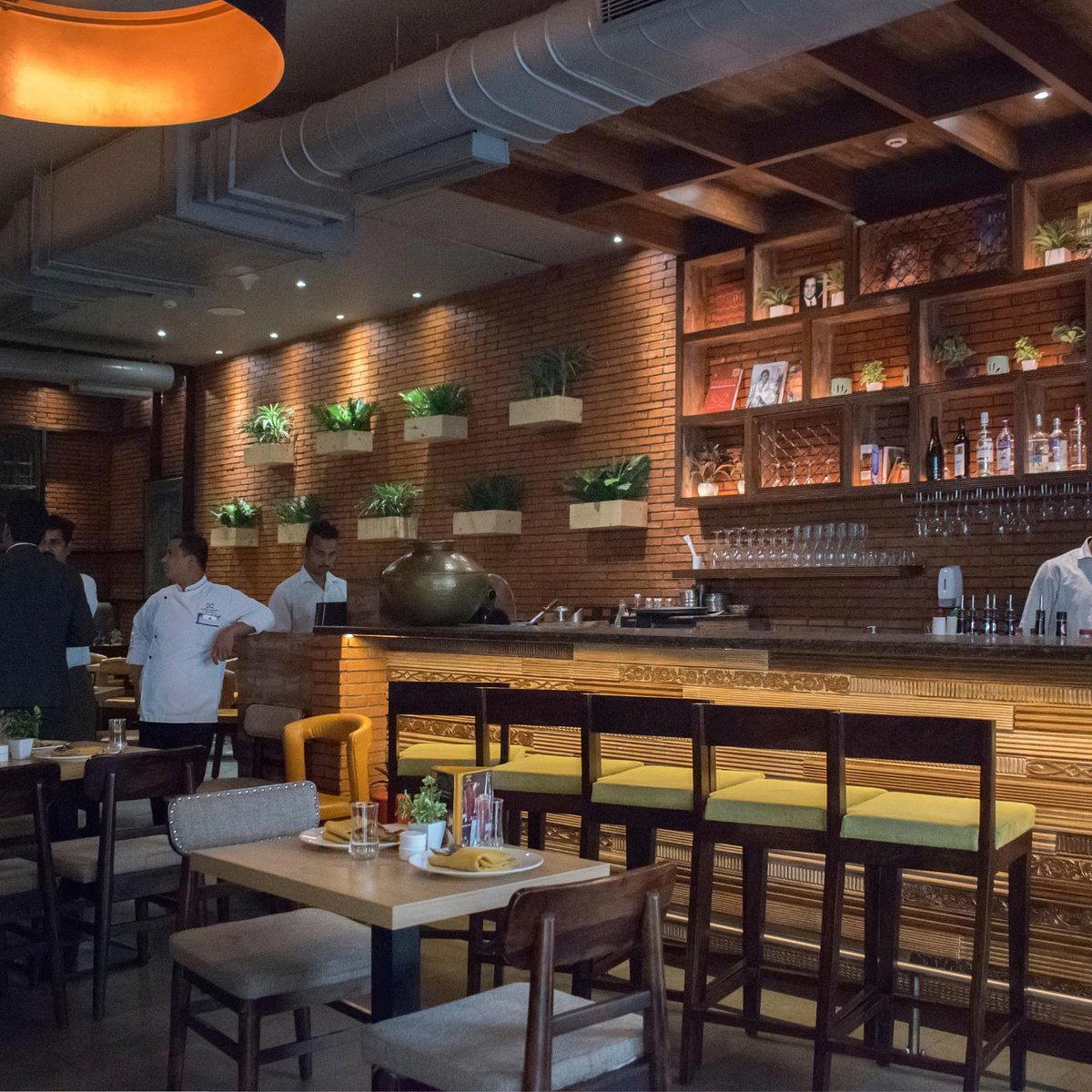
Warm and bright with beautiful hanging copper lamps, simple wooden floors, tables and chairs creating a welcoming yet elegant atmosphere.