Coral Omakase at Point Seven
Coral Omakase at Point Seven occupies a floor of the MetLife Building above Grand Central, placing a counter-format seafood omakase in one of Midtown Manhattan's most recognizable addresses. The format aligns with New York's upper-tier omakase scene, where small seat counts and chef-driven progression define the experience. It represents the city's continued appetite for structured, ingredient-led dining at the premium end of the market.
Pearl is the En Primeur Club membership app — saves, bookings, and concierge access live there. Same editors, same standards.
- Address
- MetLife Building, 200 Park Ave, New York, NY 10166
- Phone
- +19298771718
- Website
- coralomakase.com
- Directions
- Get directions
 Saves & bookings on Pearl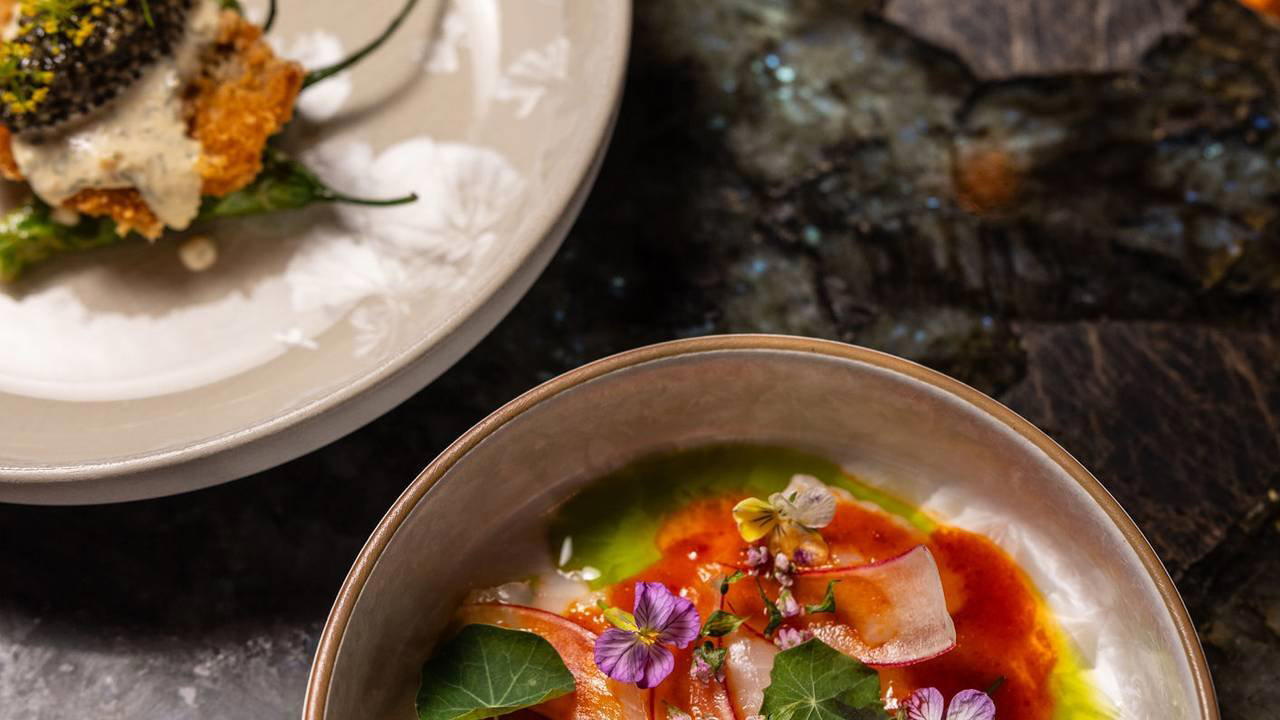
Coral Omakase at Point Seven is a modern Japanese omakase restaurant in New York City, located in the MetLife Building at 200 Park Ave, with an estimated price of about $345 per person. The city has long supported counter-format Japanese restaurants at the leading price tier, from the long-established Midtown presence of Masa to newer tasting-menu operations that borrow omakase structure but apply it to non-Japanese culinary traditions. Coral Omakase at Point Seven belongs to this second wave: a counter-format experience in which the guiding logic is chef-sequenced progression through seafood courses, rather than Edomae technique specifically.
The Setting: Midtown at Altitude
The MetLife Building address situates Coral Omakase at Point Seven inside one of Midtown's most transit-connected structures, directly above Grand Central Terminal at 200 Park Avenue. That location tells you something about the intended audience: professionals working in or near Midtown, visitors staying in the surrounding hotel corridor, and diners for whom accessibility from Penn Station or Grand Central is a practical requirement rather than an afterthought. Counter-format restaurants at this price tier in New York have historically clustered in more residential neighbourhoods, from the Upper West Side to the West Village. A Midtown positioning, particularly one tied to an office-and-hotel tower, reflects a deliberate choice to compete for corporate entertainment and business dining alongside the pure destination diner. For comparison, Le Bernardin has anchored seafood fine dining at this price tier in Midtown for decades, and the competitive logic of placing a seafood-forward counter format nearby is readable.
Omakase as Cultural Form, Not Just Format
The omakase structure, in its strictest sense, means surrendering menu choice entirely to the chef. That transfer of control is culturally significant: it presupposes trust in the kitchen's sourcing, technique, and judgment, and it reframes the diner's role from selector to recipient. In Japan, the format emerged from high-end sushi bars where the relationship between regular customer and itamae could span years. New York's version of omakase has necessarily been adapted, in some cases heavily, for a clientele that may be encountering the format for the first time and for kitchens that are not always rooted in Japanese culinary tradition.
What distinguishes the more serious counter-format operations in the city is the degree to which the sequencing logic holds. The leading examples, whether Japanese-rooted or not, move through courses with a coherent internal argument: lighter preparations yielding to richer ones, or raw giving way to lightly cooked, or regional sourcing telling a through-line from first course to last. This structural discipline separates counter omakase from a tasting menu served at a counter, even if the two can look similar from the outside. New York's upper omakase tier, including the Korean-influenced progression at Atomix and the vegetable-driven architecture at Eleven Madison Park, demonstrates that the format can sustain many culinary traditions when the internal logic is sound.
Seafood Omakase in the Context of New York's Premium Dining Scene
New York supports a premium seafood dining tier that spans several formats: the classical French brigade model exemplified by Le Bernardin, the Edomae counter model at Masa, and the more hybrid counter-format operations that have multiplied over the past decade. Each competes for a similar wallet but serves a somewhat different diner: the classical format rewards knowledge of French technique and wine, the Edomae format rewards familiarity with Japanese fish terminology and rice-vinegar ratios, and the hybrid counter format tends to be more accessible to first-time omakase diners while still operating at a significant price point.
The restaurant enters this scene with the structural advantages of its address and the cultural legitimacy of the omakase format itself. Whether its sourcing, technique, and sequencing justify placement in the upper tier is a question the kitchen has to answer in service, not in marketing copy. What the format promises, and what diners at this price level should expect, is a coherent through-line in which each course arrives as part of an argument, not simply as a dish. Counter-format operations elsewhere in the country, including Single Thread Farm in Healdsburg, Smyth in Chicago, and Lazy Bear in San Francisco, have demonstrated that rigorous counter-format dining can sustain recognition outside New York's competitive concentration.
How It Fits the Broader Map
For diners building a New York dining week, the omakase counter format fills a specific slot: it is a defined commitment of time and money. That makes it well-suited to a single dedicated evening rather than a casual dinner, and it pairs logically with a lighter lunch at one of the city's many neighbourhood-driven restaurants. The MetLife Building location also makes a pre-theatre or post-work positioning plausible for Midtown-based visitors in a way that a restaurant in Tribeca or Brooklyn would not.
Within the counter-format and tasting-menu tier, the restaurant represents a Midtown-accessible entry point into chef-sequenced seafood dining. It sits in a competitive peer group that includes Per Se on the formal end and a cluster of newer counter operations across Lower Manhattan and downtown Brooklyn on the more contemporary end. Internationally, the cultural roots of the omakase format connect to kitchens like Atelier Moessmer Norbert Niederkofler in Brunico and Dal Pescatore in Runate, both of which demonstrate how a single-minded commitment to local seafood and regional produce can generate sustained critical recognition across decades.
Know Before You Go
- Address: MetLife Building, 200 Park Ave, New York, NY 10166
- Format: Counter-format omakase, chef-sequenced
- Access: Direct access from Grand Central Terminal, 4/5/6/7/S subway lines
- Booking: Reservation essential
- Dress code: Smart casual
- Price: About $345 per person
Cuisine and Credentials
Comparable venues nearby, for context on price, style, and recognition.
| Venue | Cuisine | Price | Notes |
|---|---|---|---|
| Coral Omakase at Point SevenThis venue — the venue you are viewing | Modern Japanese Omakase | $$$$ | Not listed |
| Japanese fine-dining restaurant at One Bryant Park | Modern Japanese Fine Dining with Kaiseki & Omakase | $$$$ | Midtown |
| E Broadway | Japanese Yakitori Omakase | $$$$ | Chinatown-Two Bridges |
| Sushi Yoshitake | Edomae Omakase | $$$$ | Midtown |
| BONDST | Modern Japanese with Sushi | $$$$ | Chelsea-Hudson Yards |
| Kumiko Room | Modern Japanese Cocktail Bar & Omakase | $$$$ | West Loop |
Continue exploring
More in New York City
Restaurants in New York City
Browse all →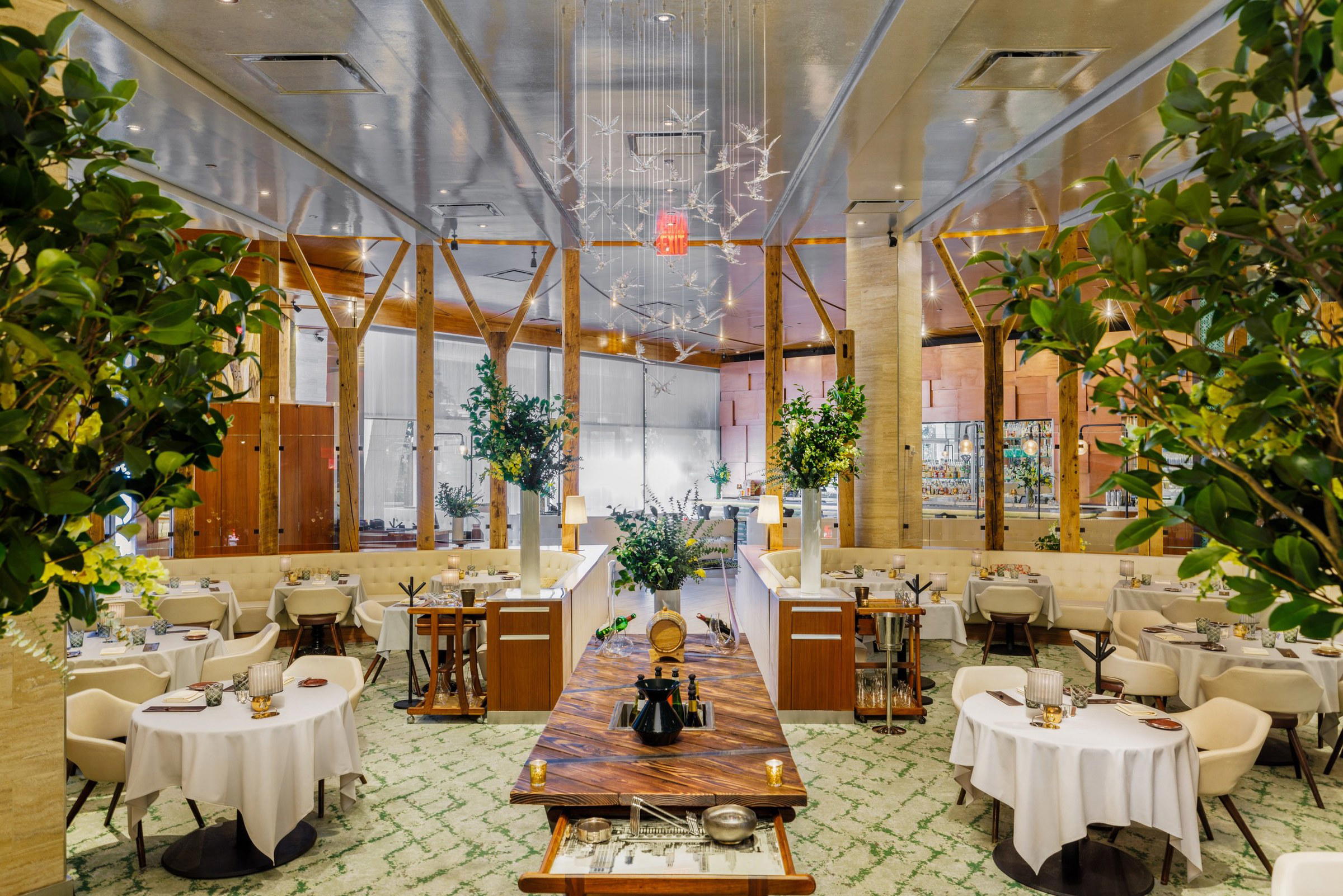
Bars in New York City
Browse all →
Hotels in New York City
Browse all →




At a Glance
- Intimate
- Elegant
- Modern
- Sophisticated
- Date Night
- Special Occasion
- Chefs Counter
- Sake Program
- Sustainable Seafood
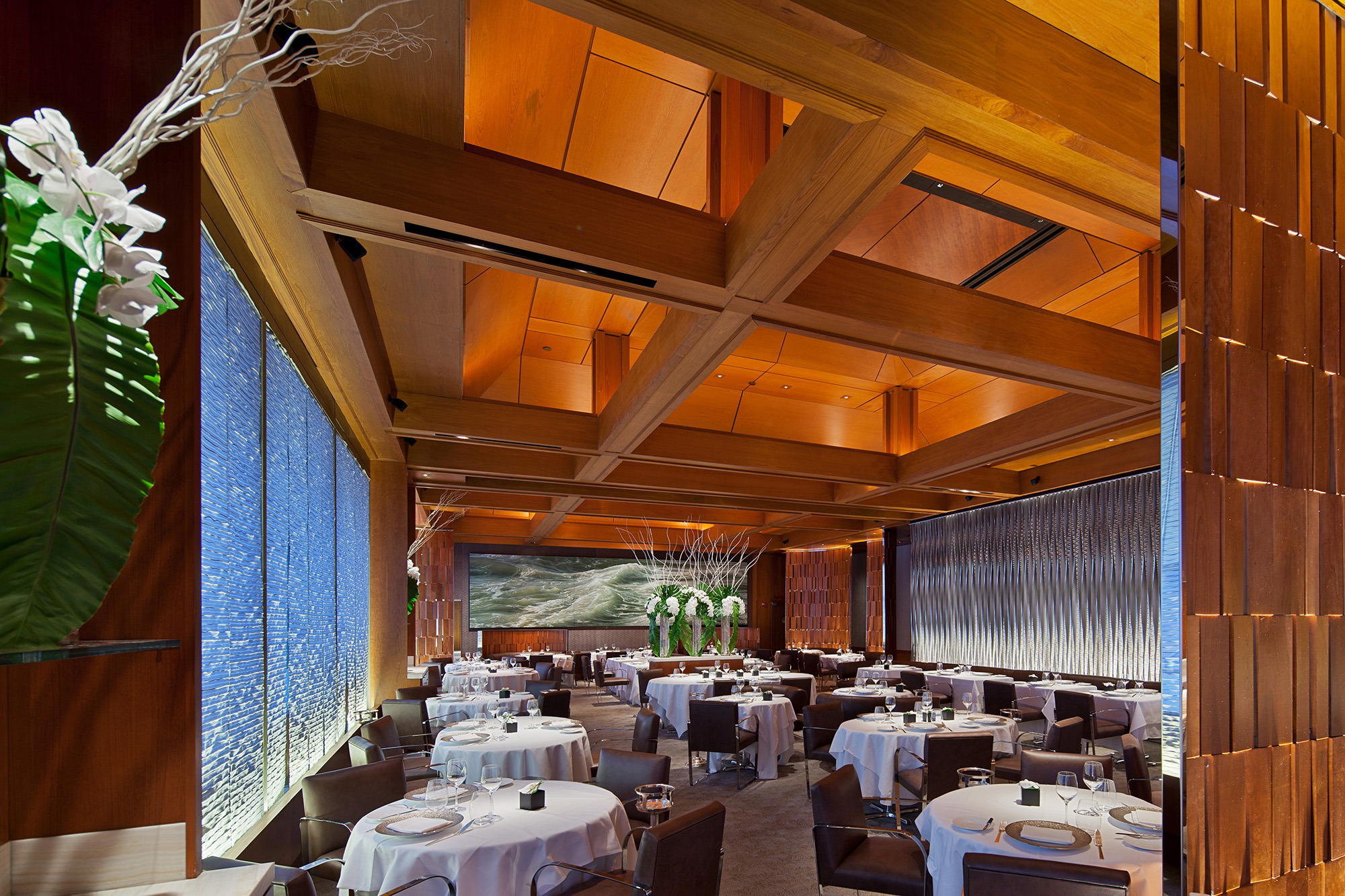
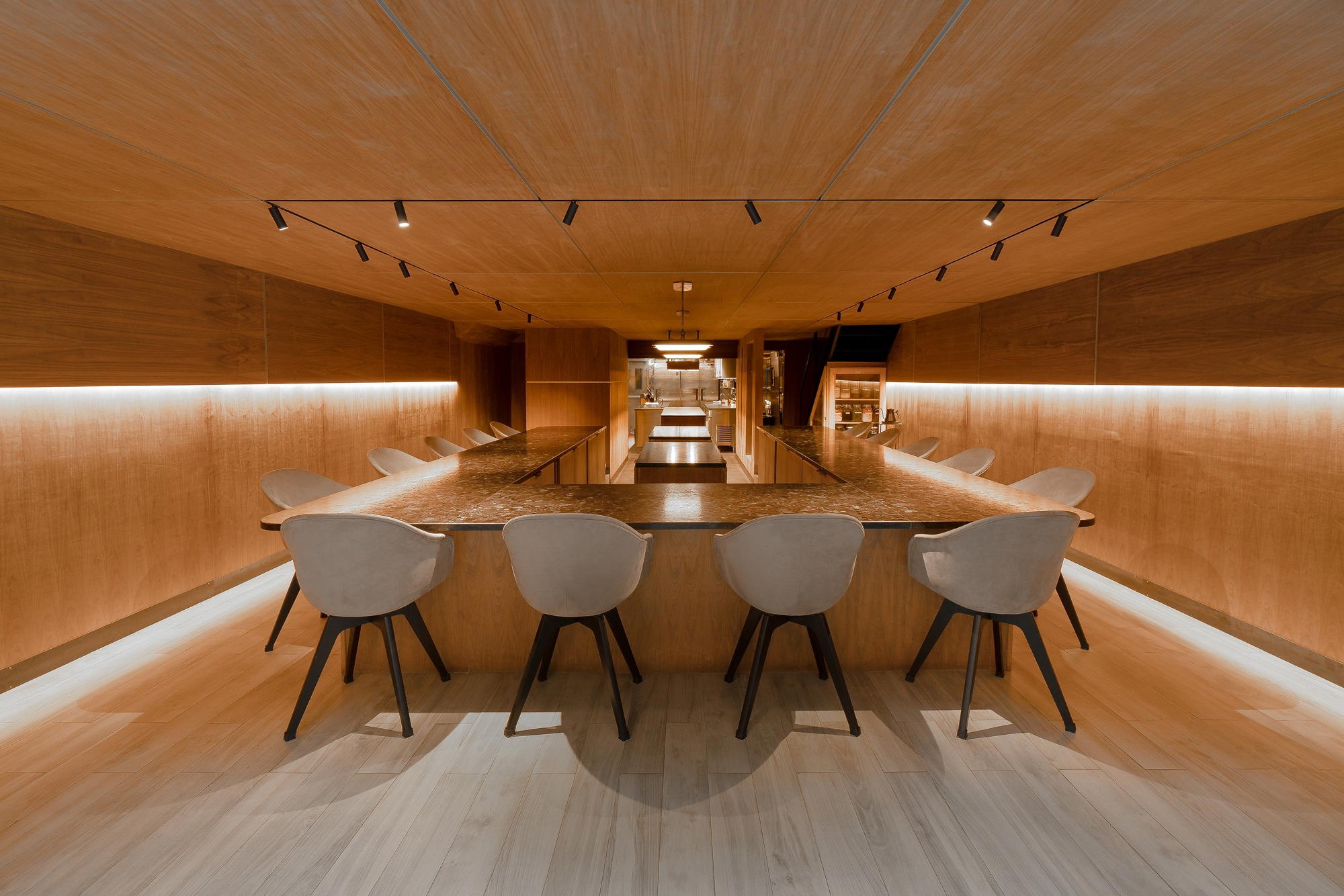
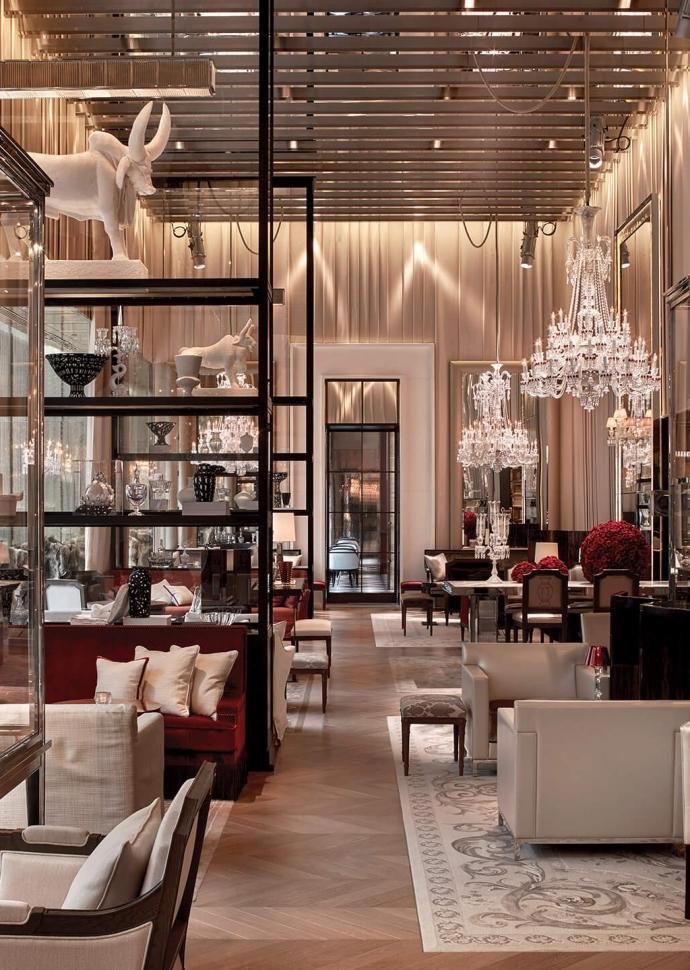
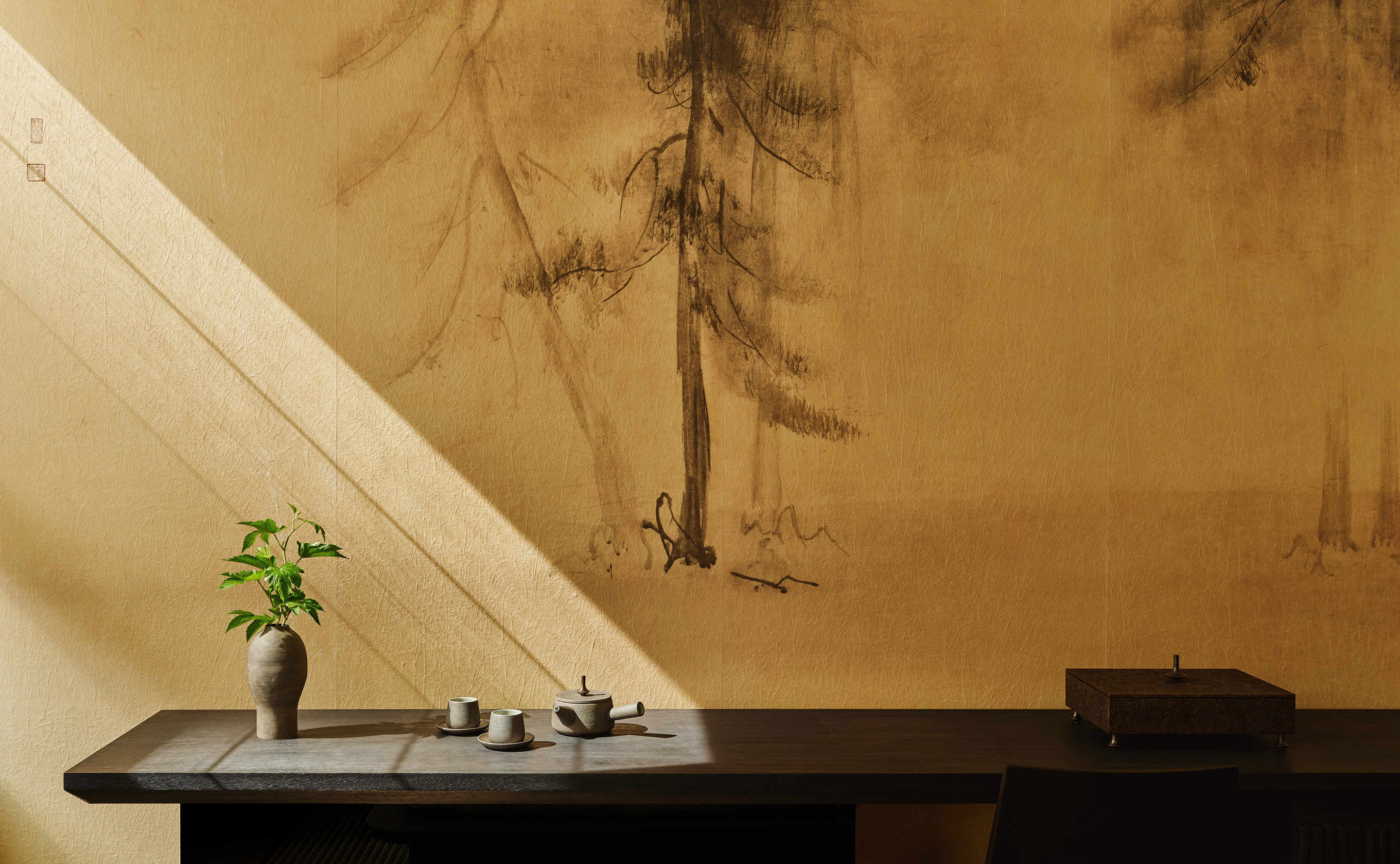
Graceful modern oceanic design with energetic yet intimate counter atmosphere.